
Sexing Corydoras: Telling Males from Females Made Easy

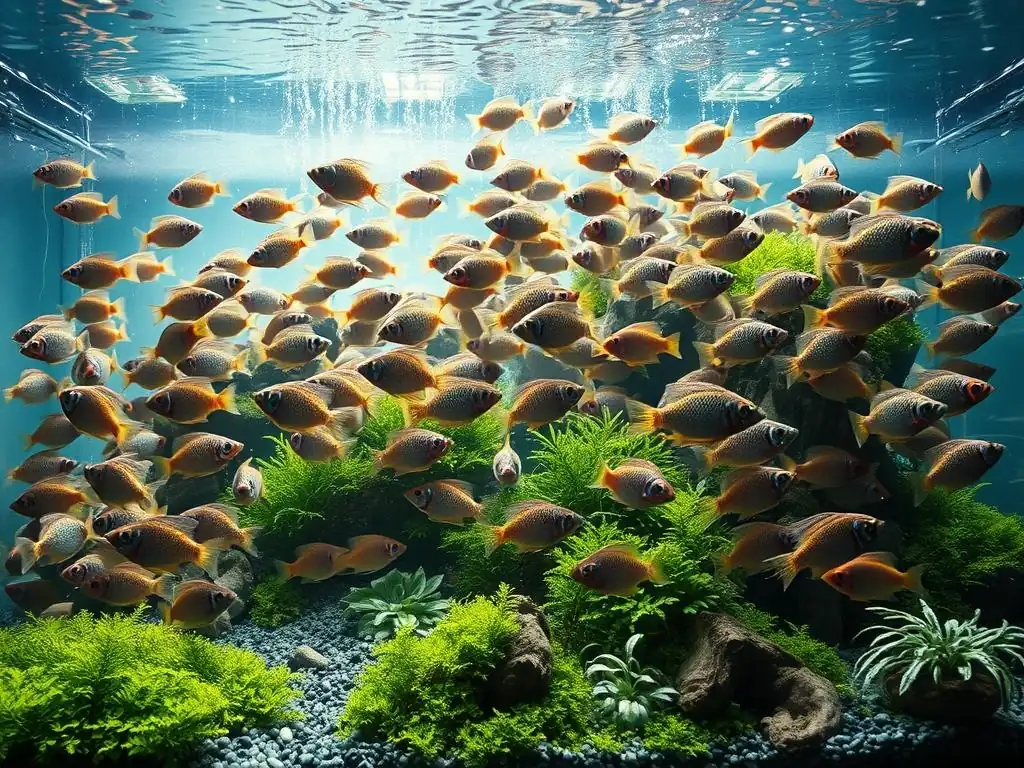
Welcome to Aquarium Mastery, your ultimate guide to creating thriving aquatic ecosystems! Ever wondered how to tell the difference between a male and female in your Corydoras school? Our detailed guide on Corydoras sexing unlocks the secrets to identifying males, helping you understand and potentially breed these fascinating little catfish. Dive in and discover the subtle clues that will transform you into a Corydoras expert!
- Introduction to Corydoras Sexing: A Comprehensive Guide for Aquarium Keepers
- Visual Cues for Identifying Male and Female Corydoras
- Behavioral Observations: Clues to Corydoras Gender
- Advanced Corydoras Sexing Techniques
- Common Mistakes in Corydoras Sexing and How to Avoid Them
- Practical Tips for Successful Corydoras Breeding
- Conclusion: Mastering the Art of Corydoras Sexing
-
Frequently Asked Questions
- How can I reliably tell the difference between male and female Corydoras?
- At what age can I reliably sex my Corydoras?
- What are some secondary visual cues that might indicate sex in Corydoras?
- Does behavior play a role in identifying male vs. female Corydoras?
- Are there any Corydoras species that are particularly difficult to sex?
- Final Reflection: Unveiling the Secrets of Corydoras
- Unveil Your Corydoras Expertise!
Introduction to Corydoras Sexing: A Comprehensive Guide for Aquarium Keepers
Why Accurate Corydoras Sexing Matters for Breeding and Tank Harmony
Accurate sexing of Corydoras is paramount for aquarists aiming to successfully breed these charming bottom dwellers. Knowing the gender of your fish allows you to establish optimal male-to-female ratios, which is crucial for encouraging spawning behavior and maximizing the yield of fry. For instance, a commonly recommended ratio for many Corydoras species is two to three males for every female, as this increases the likelihood of successful fertilization during the often vigorous courtship process. Without precise sexing, hobbyists might unknowingly house an imbalance, leading to fewer or no breeding attempts.
Beyond breeding, proper sexing contributes significantly to the overall harmony and well-being within the aquarium. While Corydoras are generally peaceful, an excessive number of males competing for a limited number of females can lead to undue stress, particularly during active breeding phases. Identifying and maintaining a balanced population helps reduce competition, ensures all individuals have adequate space, and supports the natural schooling behavior these fish exhibit. This attention to detail ensures a thriving environment where your Corydoras can live out their full lifespan, typically ranging from 3 to 5 years, depending on the species and care.
Understanding Corydoras Anatomy: Key Differences Between Male and Female Corydoras
Identifying the sex of Corydoras relies on recognizing subtle anatomical distinctions that become more pronounced as the fish mature. The primary indicators often involve differences in overall body shape, fin morphology, and size. Female Corydoras tend to be rounder and plumper, especially when gravid (carrying eggs), while males typically exhibit a more slender and streamlined body profile. These differences, though slight in juvenile fish, become clearer in adults, making a reliable Corydoras sexing guide males versus females possible.
Furthermore, specific fins, particularly the pectoral and ventral fins, can offer additional clues to a Corydoras's gender. While these variations are often species-specific and require keen observation, they contribute to a holistic approach to sexing. The most definitive method, however, often involves a close examination of the vent area, which reveals distinct shapes between males and females. Patience and careful observation of these various anatomical features are key to confidently differentiating between the sexes in your Corydoras school.
Visual Cues for Identifying Male and Female Corydoras
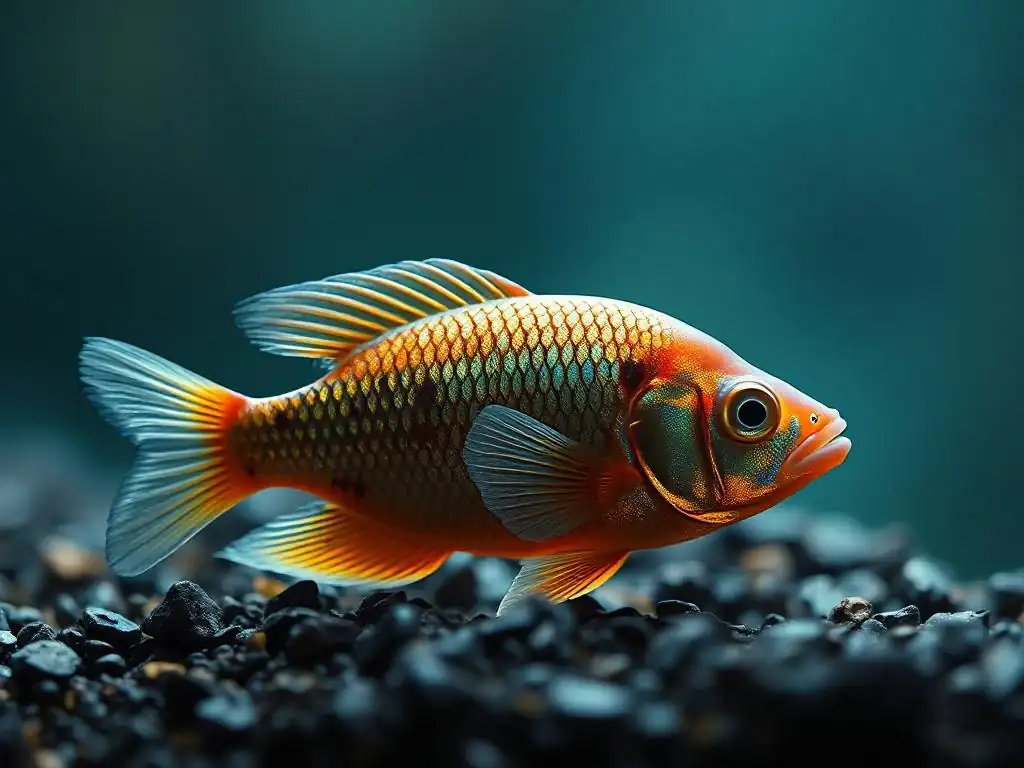
Body Shape: Discriminating Male and Female Corydoras Based on Silhouette
One of the most accessible visual cues for distinguishing male from female Corydoras is their overall body shape, particularly when viewed from above or head-on. Mature female Corydoras typically possess a broader and rounder body, especially in the abdominal region, which becomes notably pronounced when they are gravid with eggs. This fuller appearance is a direct result of their reproductive role, as they develop and carry hundreds of eggs prior to spawning.
In contrast, male Corydoras generally exhibit a more slender, elongated, and torpedo-shaped body. They maintain a more streamlined profile even when well-fed, lacking the significant abdominal expansion seen in gravid females. Observing a group of healthy, mature Corydoras side-by-side often makes this distinction evident, with the females appearing noticeably plumper and wider than their male counterparts, providing a reliable starting point for any Corydoras sexing guide males identification.
The Dorsal Fin Profile: A Subtle Indicator of Corydoras Gender
The dorsal fin, located on the back of the fish, can offer a subtle, though not always definitive, indicator of Corydoras gender. In some Corydoras species, males may exhibit a dorsal fin that is slightly taller or more pointed at its apex compared to the females. This difference is often minimal and can be influenced by individual variation or species-specific traits, making it a less universal indicator than body shape.
Conversely, female Corydoras might display a dorsal fin that appears somewhat shorter or more rounded. This characteristic is best used in conjunction with other more prominent visual cues, as relying solely on dorsal fin shape can lead to misidentification. It is important to observe multiple individuals within a group to compare and contrast these subtle differences effectively, enhancing the precision of your Corydoras sexing guide males efforts.
Examining the Ventral Profile: Identifying Sex-Specific Body Contours in Corydoras
A crucial visual cue, particularly for identifying gravid females, is the examination of the ventral (belly) profile of the Corydoras. When a female is developing eggs, her ventral area will become noticeably fuller and more convex, often appearing distended or "pear-shaped" from the pectoral fins down to the anal fin. This pronounced swelling is an unmistakable sign of a female in breeding condition.
Male Corydoras, on the other hand, maintain a relatively flat or even slightly concave ventral profile. Even when well-fed, their underside remains streamlined, lacking the significant distension observed in egg-laden females. This difference in ventral contour is a highly reliable indicator, especially when viewed from the side or head-on, and is a key component of any comprehensive Corydoras sexing guide males versus females.
Fin Morphology: Spotting Differences in Corydoras Fin Shapes
Beyond overall body shape, the morphology of certain fins can also provide clues to a Corydoras's sex, though these differences are often subtle and can vary between species. Careful observation of the pectoral and ventral fins, in particular, can sometimes reveal distinguishing features. However, it is important to note that fin morphology is typically a secondary indicator compared to body shape and vent examination for accurate sexing.
These fin differences are not universally pronounced across all 160+ known species of Corydoras. For instance, while some species may show clear variations, others exhibit almost no discernible differences in fin shape between males and females. Therefore, using fin morphology as part of your Corydoras sexing guide males strategy should always be combined with other, more reliable cues to ensure accuracy.
Pectoral Fin Variations: A Closer Look at Male vs. Female Corydoras Fins
In several Corydoras species, male individuals may possess pectoral fins that are slightly larger, more pointed, or more elongated than those of females. Additionally, the first ray (or spine) of the pectoral fin in males can sometimes appear thicker or more robust. This subtle difference is believed to play a role in courtship, where males use their pectoral fins to grasp the female during the characteristic "T-position" spawning embrace.
Conversely, female Corydoras typically have pectoral fins that are shorter and more rounded. While this distinction is not always obvious and requires a keen eye, observing multiple individuals of the same species under good lighting can sometimes highlight these variations. This particular fin difference is a useful, albeit subtle, element to consider when developing a comprehensive Corydoras sexing guide males versus females.
Ventral Fin Indicators: Using Fin Shape to Determine Corydoras Sex
Similar to pectoral fins, the ventral (pelvic) fins of Corydoras can occasionally offer insights into their gender. In some species, males might display ventral fins that are marginally longer or more pointed compared to the females. This subtle morphological difference, like that of the pectoral fins, is not a universal rule and its prominence varies significantly among the diverse Corydoras species.
Female Corydoras, on the other hand, tend to have ventral fins that are shorter and more rounded. Because these differences are often minimal and can be influenced by individual growth patterns, relying solely on ventral fin shape for sex determination is not recommended. Instead, integrate this observation as one piece of the puzzle within a broader Corydoras sexing guide males assessment, combining it with body shape and, ideally, vent examination.
Size and Growth Rate: How They Relate to Corydoras Sex Determination
Size is a commonly observed, yet often misleading, indicator when attempting to sex Corydoras. While mature females are generally larger and plumper than males, relying solely on size can lead to errors, especially with juvenile fish or individuals that have experienced different growth conditions. Environmental factors, diet, and even genetic predisposition can significantly influence a fish's size, sometimes more so than its sex.
Therefore, while a noticeable size disparity between seemingly mature individuals can suggest a sex difference, it should never be the sole criterion for sexing. For a reliable Corydoras sexing guide males and females, size should always be considered in conjunction with other, more definitive physical and behavioral cues, particularly once the fish have reached sexual maturity, typically between 6 to 12 months of age depending on the species.
Male Corydoras Size: Typically Smaller, Faster Growth?
Male Corydoras are generally smaller and more slender than fully mature females of the same species and age. For example, a mature male might typically reach only 70-80% of the length and significantly less of the girth of a mature female. While they may appear to reach their adult length slightly faster, their overall body mass remains less substantial compared to their female counterparts.
This smaller size and more streamlined shape are consistent characteristics of males and differentiate them from the often broader and more robust females. When observing a group, the consistently smaller, more agile individuals are often the males, making this a useful, though not foolproof, component of a Corydoras sexing guide males identification strategy.
Female Corydoras Size: Larger, Slower Growth Potential?
Female Corydoras are typically larger and more robust than males, especially once they reach sexual maturity and begin to develop eggs. Their growth often leads to a noticeably fuller and rounder body, particularly in the abdominal area. This increased size and girth are directly related to their reproductive capacity, as they are responsible for producing and carrying the eggs.
While their overall growth to full size might seem slower as they accumulate mass, a significantly larger, plumper individual in a group of adult Corydoras is a strong indicator of a female. This larger size, particularly when combined with a distended ventral profile, is a key visual cue for any effective Corydoras sexing guide males and females.
Behavioral Observations: Clues to Corydoras Gender
Courtship Behavior: Identifying Male Corydoras During Breeding Displays
Observing courtship behavior is arguably one of the most definitive ways to identify male Corydoras, as these actions are exclusively performed by males in preparation for spawning. When environmental conditions are optimal for breeding—such as after a large, cool water change simulating rain—males become highly active, often chasing and nudging females persistently. This increased activity signals their readiness to breed.
The pursuit can be quite vigorous, with males swimming rapidly around and behind the females, attempting to position themselves for fertilization. This distinct display, often accompanied by frantic darting movements, is a clear indication of a male in breeding condition. Such behaviors are invaluable for a reliable Corydoras sexing guide males when visual cues alone are insufficient.
T-Positioning: A Classic Sign of Male Corydoras Fertility
The "T-position" is the quintessential behavior observed during Corydoras spawning and is a definitive indicator of a male. In this unique maneuver, the male positions himself perpendicular to the female's head, forming a "T" shape with their bodies. The female then typically takes a mouthful of milt (sperm) from the male's vent, which she uses to fertilize the eggs she will soon deposit.
Only male Corydoras engage in this specific T-positioning act to fertilize the eggs. Therefore, witnessing a fish initiating and maintaining this position with another is an irrefutable sign that the initiating fish is a male. This direct observation provides the most conclusive evidence for any Corydoras sexing guide males identification.
Following Behavior: Male Corydoras Persistence During Spawning
During the breeding process, male Corydoras exhibit persistent following behavior, constantly pursuing and nudging females. This behavior is a critical part of their courtship ritual, as males attempt to stimulate females to release eggs and guide them towards suitable spawning sites. They will often gently bump the female's sides or belly, encouraging her to deposit eggs.
This relentless pursuit and nudging distinguish males during spawning periods. While other social interactions occur, the specific, focused following that leads to egg deposition is characteristic of male Corydoras. Observing this sustained behavior offers a strong clue for accurately identifying males in your aquarium, making it a valuable behavioral aspect for a Corydoras sexing guide males.
Corydoras are highly social fish that thrive in groups, typically preferring to be kept in schools of six or more individuals. Their general social dynamics are characterized by peaceful schooling, with individuals often foraging together or resting in close proximity. While their typical schooling patterns usually don't reveal sex differences, observing subtle shifts during specific conditions can offer indirect clues.
However, it's important to note that general social dynamics, such as schooling or foraging patterns, are less reliable for sexing than direct breeding behaviors. Both males and females participate in typical schooling, and their daily interactions are generally cooperative. Therefore, while understanding their social nature is important for their well-being, it's not a primary tool for a Corydoras sexing guide males versus females.
Dominance Displays: Are They Sex-Specific in Corydoras?
Corydoras are renowned for their peaceful temperament, and overt dominance displays are exceedingly rare, especially when compared to more aggressive cichlids or territorial fish. While mild pushing or nudging might occasionally occur during feeding frenzies or when vying for a prime resting spot, these interactions are generally non-aggressive and brief. They typically do not involve significant physical harm or sustained aggression.
Furthermore, these subtle dominance displays, if observed, are not specifically sex-linked in Corydoras. Both males and females might exhibit such minor behaviors, and they are more likely influenced by individual temperament, size, or hunger levels rather than gender. Therefore, relying on dominance displays as a Corydoras sexing guide males or females is not a reliable method.
Schooling Patterns: How Male and Female Corydoras Interact
Corydoras are obligate schoolers, meaning they thrive and feel most secure when kept in groups. Both male and female Corydoras participate equally in schooling behavior, typically moving together as a cohesive unit throughout the aquarium. When resting, they often pile up together or settle in a tight cluster, regardless of sex, for a sense of security.
However, during active breeding cycles, the schooling pattern may temporarily shift. Males become more focused on pursuing females, breaking away from the main group more frequently to engage in courtship. Once spawning concludes, they typically rejoin the school. This temporary disruption in schooling for breeding purposes can be an indirect indicator of male activity, adding a subtle layer to a Corydoras sexing guide males.
Advanced Corydoras Sexing Techniques
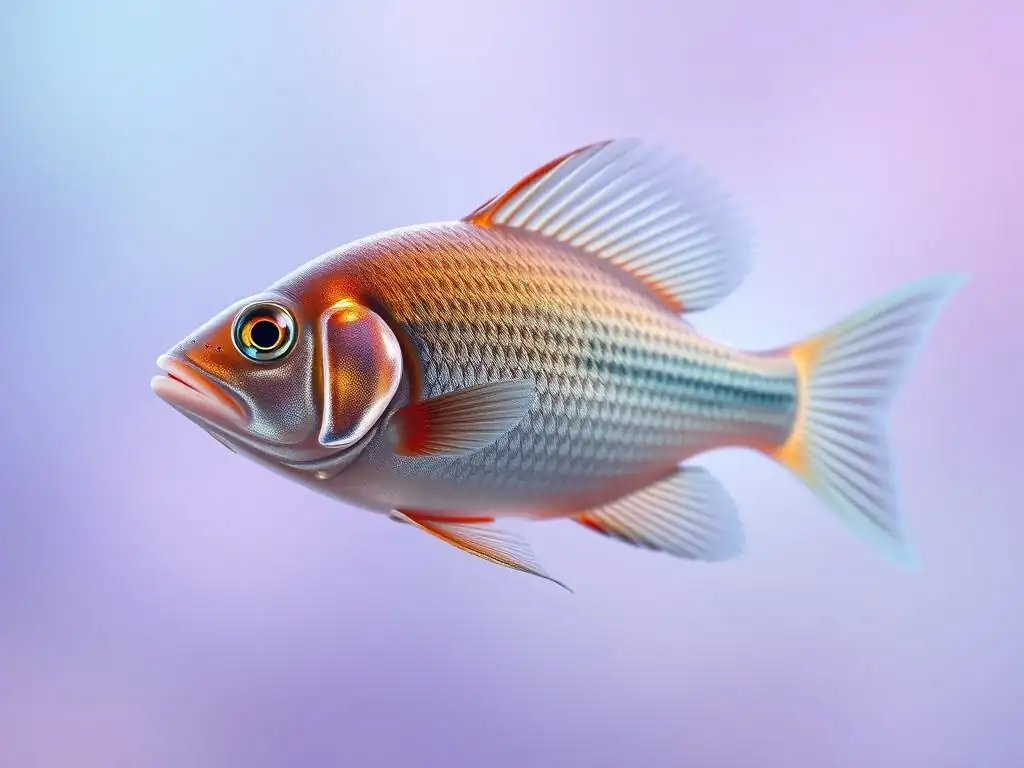
Vent Examination: A More Precise Method for Determining Corydoras Gender
Vent examination is widely considered the most accurate and reliable method for determining the sex of Corydoras, especially when visual cues like body shape are ambiguous or when dealing with non-gravid females. This technique involves carefully inspecting the fish's vent, which is the opening located just anterior to the anal fin. While it requires gentle handling and good eyesight, it provides definitive anatomical proof of gender.
To perform a vent examination, the fish must be gently netted and briefly held in a way that allows a clear view of its underside. This process should be done quickly to minimize stress on the fish. The distinct differences in the shape and appearance of the vent between males and females make this method superior for a precise Corydoras sexing guide males versus females.
Using a Magnifying Glass: Close-Up Vent Analysis for Accurate Sexing
Due to the small size of Corydoras and the subtle nature of their vent differences, using a magnifying glass or a jeweler's loupe is highly recommended for accurate vent examination. A magnification of 5x to 10x can significantly improve visibility, allowing you to clearly discern the minute variations in vent shape. Good lighting is also essential to highlight the details.
When performing this close-up analysis, gently cup the fish in your hand, or place it briefly on a wet, soft surface like a piece of foam, ensuring its stress is minimal. Position the light source to illuminate the vent area directly. This meticulous approach ensures the highest level of accuracy when using the vent for a definitive Corydoras sexing guide males versus females.
Vent Shape Differences: Identifying Subtle Variations Between Male and Female Corydoras
The key to vent examination lies in recognizing the distinct shapes of the opening. Male Corydoras typically have a vent that is smaller, more pointed, or slit-like. It often appears as a narrow, elongated opening that is barely noticeable unless closely inspected. This slender shape is consistent whether the male is in breeding condition or not.
In contrast, female Corydoras possess a vent that is noticeably larger, rounder, or more oval-shaped. When a female is gravid, this area becomes even more pronounced and swollen, appearing as a distinctly rounded protrusion. This clear anatomical difference makes vent examination the most reliable method for a precise Corydoras sexing guide males versus females, offering undeniable proof of gender.
Breeding Condition Indicators: Identifying Sexually Mature Corydoras
Observing Corydoras in actual breeding condition provides undeniable proof of their sex, as certain physical changes and behaviors are exclusive to either males or females during spawning. These indicators are transient, appearing only when the fish are physiologically ready to reproduce, but they offer the most conclusive evidence of gender.
Recognizing these breeding condition indicators is particularly useful for aquarists who are specifically trying to set up breeding pairs or groups. While requiring patience to wait for the right conditions, these signs eliminate any ambiguity in sex determination, solidifying your Corydoras sexing guide males and females.
Female Corydoras with Eggs: An Obvious Sign of Gender
One of the most unmistakable signs of a female Corydoras is the visible presence of eggs. A gravid female will exhibit a noticeably swollen, often yellowish, belly due to the developing eggs inside. This distension is far more pronounced than that seen from mere overfeeding and is a clear precursor to spawning.
The ultimate confirmation of a female is, of course, observing her actively laying eggs. Corydoras females typically deposit adhesive eggs on various surfaces such as tank glass, broad-leaf plants, or spawning mops. A single female can lay anywhere from 50 to 300 eggs per spawn, depending on the species and environmental conditions. Witnessing this behavior unequivocally identifies the fish as female.
Male Corydoras and Milt: Recognizing Breeding Readiness
For males, the clearest indicator of breeding readiness, and thus their sex, is the release of milt (sperm) during the spawning process. This occurs when the male engages in the "T-position" with the female. As the male positions himself, he will release a milky white cloud of milt from his vent, which is then taken in by the female to fertilize her eggs.
Observing this milky discharge is definitive proof that the fish is a male in active breeding condition. While milt release is less visually distinct than egg laying, it is a crucial part of the fertilization process and an undeniable sign for any Corydoras sexing guide males. This behavioral cue, though brief, leaves no doubt about the fish's gender.
Common Mistakes in Corydoras Sexing and How to Avoid Them
Misinterpreting Physical Characteristics: Avoiding Errors in Visual Sexing
A common mistake in Corydoras sexing is misinterpreting subtle physical characteristics, leading to inaccurate gender identification. Aquarists might mistakenly identify a well-fed male as a female due to a slightly plumper belly, or overlook a lean female because she doesn't exhibit the typical roundness. Individual variations within a species can also lead to confusion; not all females are equally robust, and some males might be larger than average.
To avoid these errors, it is crucial to observe multiple individuals from the same species and compare them side-by-side. Look for consistent patterns across several traits rather than relying on a single, potentially misleading characteristic. Patience and repeated observation over time, especially during different feeding cycles, will significantly improve the accuracy of your visual Corydoras sexing guide males and females.
Relying Solely on Size: Understanding the Limitations of Size-Based Sexing
One of the most frequent pitfalls in Corydoras sexing is relying exclusively on size differences. While mature females are generally larger than males, this rule has significant limitations. Juveniles, for instance, show negligible size differences, making size an unreliable indicator for young fish. Furthermore, variations in diet, water quality, and overall health can greatly influence a fish's growth rate and ultimate size, irrespective of its sex.
A male from a particularly well-fed batch might grow larger than a female from a less optimal environment, leading to misidentification. Therefore, while size can be a contributing factor, it should never be the sole determinant. Always cross-reference size observations with other, more definitive cues like body shape (especially ventral profile), fin morphology, and ideally, vent examination, for a comprehensive Corydoras sexing guide males.
Confusing Juveniles: The Challenges of Sexing Young Corydoras
Attempting to sex juvenile Corydoras is a common mistake and often leads to frustration due to its inherent difficulty. Young Corydoras, typically those under 6 to 8 months of age or before they reach near-adult size, have not yet developed the pronounced sexual characteristics that differentiate males from females. Their body shapes are generally uniform, and their vents show no discernible differences.
For accurate sexing, it is highly recommended to wait until your Corydoras have reached sexual maturity. This typically occurs when they are between 6 to 12 months old, depending on the species and care conditions. Patience is key; attempting to sex fish prematurely will likely result in inaccurate identifications and can hinder successful breeding attempts.
Practical Tips for Successful Corydoras Breeding
Setting Up a Breeding Tank: Creating an Ideal Environment for Corydoras Reproduction
To maximize your chances of successful Corydoras breeding, setting up a dedicated breeding tank is highly recommended. A smaller tank, typically 5 to 10 gallons for a trio of Corydoras (one female and two males), is often sufficient and makes egg collection easier. A bare bottom or very thin layer of fine sand is preferred to prevent eggs from being lost or fouled in deep substrate.
Equip the tank with a gentle sponge filter to maintain water quality without creating strong currents that could harm eggs or fry. Provide plenty of spawning surfaces, such as broad-leaf live plants (like Anubias or Java Fern), spawning mops made from yarn, or even clean PVC pipes or smooth rocks. Maintain a stable temperature, typically between 72-78°F (22-26°C), and ensure the tank is well-cycled before introducing fish.
Maintaining Water Parameters: Optimizing Conditions for Spawning
Optimizing water parameters is crucial for triggering Corydoras spawning. Many species are stimulated to breed by large, cool water changes, mimicking the onset of the rainy season in their natural habitats. Performing daily or every-other-day water changes of 25-50% with water that is 5-10°F (3-6°C) cooler than the tank water can often induce spawning within a few days.
Most Corydoras species prefer soft, slightly acidic to neutral water for breeding, with a general hardness (GH) between 2-8 dGH and a pH range of 6.0-7.5. Using reverse osmosis (RO) water mixed with a small amount of tap water or mineral additives, or collecting clean rainwater, can help achieve these desired parameters. Consistent water quality and cleanliness are paramount for healthy spawns.
Caring for Corydoras Eggs and Fry: Ensuring Successful Breeding
Once Corydoras eggs are laid, prompt care is essential for a high hatch rate. Many breeders choose to gently remove the eggs (they are adhesive) and transfer them to a separate container with an air stone for gentle aeration. Adding a few drops of methylene blue or an antifungal solution can help prevent fungal growth, which is a common cause of egg loss. Maintain the same water parameters as the breeding tank.
Eggs typically hatch within 3-5 days, depending on the species and temperature. Once the fry absorb their yolk sacs (usually within 24-48 hours post-hatch), they become free-swimming and need food. Start with microscopic foods like infusoria or liquid fry food, then transition to microworms, newly hatched baby brine shrimp, and finely crushed high-quality flake food as they grow. Frequent small water changes are critical for fry development.
Conclusion: Mastering the Art of Corydoras Sexing
Recap of Key Identifying Features: A Quick Reference Guide
Mastering the art of Corydoras sexing involves a careful observation of several key identifying features. For visual cues, remember that females are generally rounder and plumper, especially when gravid, while males are more slender and streamlined. In some species, males may also exhibit slightly larger or more pointed pectoral fins. The ventral profile is also a strong indicator, with gravid females showing a distinctly convex belly.
For definitive identification, vent examination is the most reliable method: males have a smaller, slit-like vent, whereas females possess a larger, rounder, or more oval-shaped vent, which becomes swollen when carrying eggs. Finally, behavioral observations during breeding are conclusive: males initiate the "T-position" and persistently pursue females, while females are identified by their egg-laying. Combining these methods provides the most accurate Corydoras sexing guide males and females possible.
Further Resources for Corydoras Care and Breeding.
While this guide provides a comprehensive overview of Corydoras sexing, the diverse nature of these fish means that species-specific nuances can exist. Aquarists are highly encouraged to delve deeper into the particular species they keep, as specific care requirements, breeding triggers, and subtle sexing differences can vary. Each of the over 160 described Corydoras species has its own unique charm and specific needs.
To further enhance your knowledge and success in Corydoras care and breeding, consider exploring dedicated online forums, specialized hobbyist groups, and detailed species profiles from reputable aquatic resources. These platforms often contain invaluable insights from experienced breeders and enthusiasts, offering a wealth of information that complements this general Corydoras sexing guide males and females, helping you to truly master the art of keeping these delightful bottom dwellers.
Frequently Asked Questions
How can I reliably tell the difference between male and female Corydoras?
The most reliable method is observing their body shape. Females tend to have a rounder and wider body, especially when viewed from above, while males are more streamlined.
At what age can I reliably sex my Corydoras?
It's generally easier to sex Corydoras once they reach sexual maturity, typically around 6-12 months old. Before this, physical differences can be subtle.
What are some secondary visual cues that might indicate sex in Corydoras?
Besides body shape, look at the ventral fins. Males often have slightly more pointed ventral fins, while females' fins are typically rounder. This is a subtle difference.
Does behavior play a role in identifying male vs. female Corydoras?
While not definitive, observing breeding behavior can help. During spawning, males will actively pursue females and engage in specific mating rituals, like the "T-position".
Are there any Corydoras species that are particularly difficult to sex?
Yes, some species exhibit very subtle differences, making sexing challenging even for experienced aquarists. Corydoras habrosus and Corydoras pygmaeus are examples where ventral fin and body shape differences are minimal.
Final Reflection: Unveiling the Secrets of Corydoras
The ability to accurately sex Corydoras catfish, as detailed in this guide, transcends mere curiosity; it's about responsible fishkeeping and fostering thriving aquatic ecosystems. Understanding these subtle differences empowers aquarists to make informed decisions about breeding, tank stocking, and overall fish health, contributing to the well-being of these fascinating creatures.
This seemingly niche topic has a profound impact on the hobby, influencing breeding programs and conservation efforts. My own journey into aquascaping began with a fascination for these armored catfish, and learning to distinguish males from females opened up a whole new world of understanding their behavior and needs. The key is not to prioritize what the world prioritizes, to invest our time in people and ideas and causes we believe in, that will make a difference in the world.
- Cory Booker. This quote resonates deeply because understanding the nuances of Corydoras sexing allows us to invest our time and energy into creating a better environment for them.
Now, armed with this knowledge, I encourage you to look beyond the glass. Observe your Corydoras, apply these techniques, and share your experiences. Let's collectively deepen our understanding of these captivating fish and ensure their continued prosperity in our aquariums and, ultimately, in the wild. Embrace the challenge, and you'll find a rewarding connection to the intricate world beneath the surface.
Unveil Your Corydoras Expertise!
Thank you for diving into the fascinating world of Corydoras! We hope you've gained a clearer understanding of how to differentiate between male and female Corydoras. Now, let's put that knowledge into action:
- Carefully observe your Corydoras from above and the side. Look for the telltale signs of body shape and fin differences you've learned about today.
- Share this guide with fellow aquarium enthusiasts so they can learn to sex their own Corydoras.
- Experiment with different lighting angles to better see the subtle differences in body shape.
What new Corydoras species are you most excited to identify now that you can confidently sex them?