
Breeding Corydoras: A StepbyStep Guide for Aspiring Aquarists

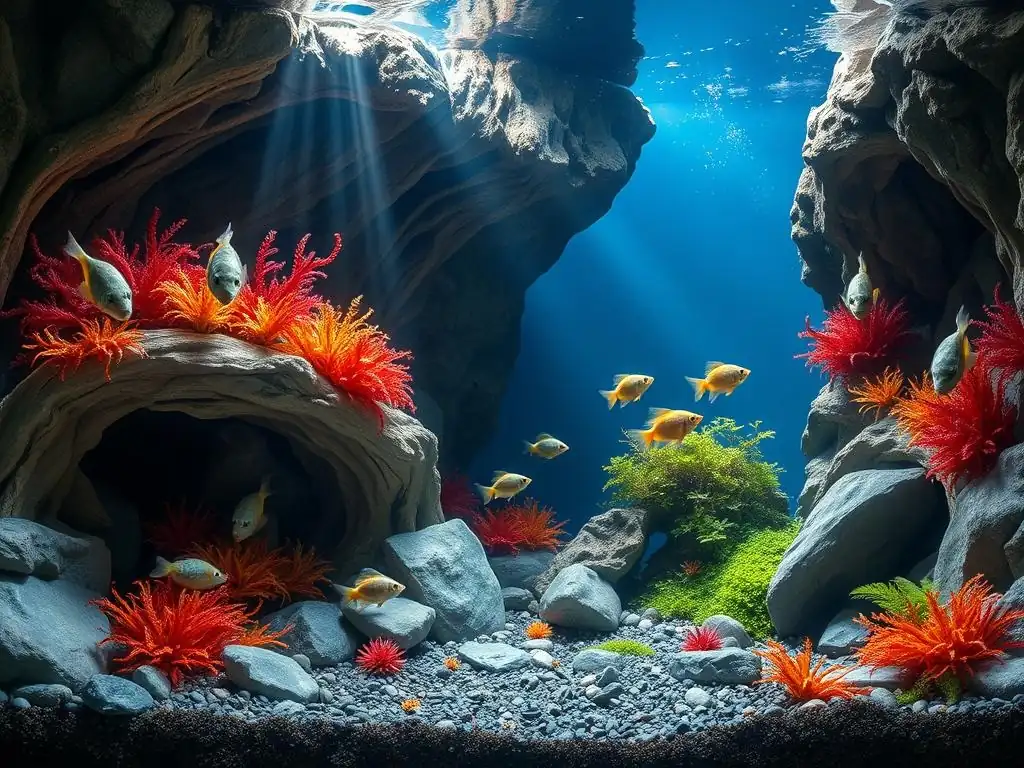
Welcome to Aquarium Mastery!
Ever wondered about the secrets to successfully breeding those adorable Corydoras catfish? Get ready to unlock the mysteries! This guide, " Breeding Corydoras: A Step by Step Guide for Aspiring Aquarists," dives deep into the fascinating world of Corydoras breeding, providing you with all the essential knowledge you need to witness this incredible process firsthand. So, are you ready to embark on this rewarding journey and bring new life into your freshwater aquarium? Let's get started!
- Introduction to Corydoras Breeding
- Preparing for Corydoras Breeding: Setting Up Your Breeding Tank
- Selecting Your Corydoras Breeding Stock
- Stimulating Corydoras Spawning: Triggering the Breeding Process
- The Corydoras Spawning Process: What to Expect
- Corydoras Egg Care: Ensuring a High Hatch Rate
- Raising Corydoras Fry: From Hatching to Juvenile
- Troubleshooting Common Corydoras Breeding Problems
- Conclusion: Mastering Corydoras Breeding
- Frequently Asked Questions
- Final Reflection: Nurturing Life, One Step at a Time
- Ignite Your Breeding Passion: Start Your Corydoras Journey Today!
Introduction to Corydoras Breeding
Why Breed Corydoras Catfish?
Breeding Corydoras catfish offers a uniquely rewarding experience for aquarists. These peaceful, active bottom-dwellers are a joy to observe, and witnessing their full life cycle from egg to adult is incredibly fulfilling. Beyond the personal satisfaction, breeding Corydoras contributes to the sustainability of the hobby, reducing reliance on wild-caught specimens and potentially aiding in the conservation of rarer species. It’s a captivating journey that deepens your understanding of aquatic life, making you a more skilled and knowledgeable aquarist.
Embarking on the Corydoras breeding step-by-step process allows you to delve into the intricate world of fish reproduction. Many aquarists find immense joy in observing the fascinating behaviors associated with spawning, from the characteristic "T-position" to the diligent egg deposition. This hands-on experience provides invaluable insights into fish husbandry, water chemistry, and fry rearing, skills that are transferable across various aspects of the aquarium hobby.
Benefits of Breeding Corydoras in Your Home Aquarium
Successfully breeding Corydoras in your home aquarium brings a multitude of benefits. Firstly, it allows you to establish a self-sustaining population, eliminating the need to purchase new fish and saving costs over time. A single successful breeding program can yield dozens of fry from a single spawn, providing a continuous supply of healthy, home-bred specimens. This also ensures your fish are accustomed to your local water parameters, often leading to more robust and disease-resistant individuals.
Secondly, the process itself serves as an advanced learning curve, pushing aquarists to master critical aspects of water quality management, nutrition, and environmental manipulation. You gain a deeper appreciation for the delicate balance required to encourage reproduction and raise delicate fry. Furthermore, for those interested in specific color morphs or less common species, breeding can be a way to propagate and share these unique fish within the hobby, contributing to their availability and appreciation.
Understanding Corydoras Reproductive Behavior
To successfully engage in Corydoras breeding, it's essential to understand their natural reproductive behavior. In their native South American habitats, Corydoras species typically spawn during the onset of the rainy season. This period brings significant environmental changes, including cooler, softer water, increased water flow, and an abundance of new food sources from terrestrial run-off. These natural cues are what aquarists aim to simulate to trigger spawning in a captive environment.
The reproductive process is characterized by specific rituals, most notably the "T-position" mating embrace. Females deposit adhesive eggs on various surfaces, which are then fertilized by the male. Unlike many fish, Corydoras are not typically good parents and may consume their own eggs or fry if not separated. Understanding these natural instincts and adapting your setup accordingly is a crucial first step in any Corydoras breeding step-by-step guide.
Preparing for Corydoras Breeding: Setting Up Your Breeding Tank
Choosing the Right Breeding Tank Size for Corydoras
Selecting an appropriately sized breeding tank is paramount for successful Corydoras breeding. For most common species like Corydoras aeneus (Bronze Cory) or Corydoras paleatus (Peppered Cory), a 10-gallon (approximately 38-liter) tank is often sufficient for a breeding trio (one female and two males) or a small group. This size provides ample space for spawning activities while remaining manageable for water quality control. For smaller species such as Corydoras habrosus or Corydoras pygmaeus, a 5-gallon (approximately 19-liter) tank can be adequate.
The tank doesn't need to be large, but it must offer enough footprint for the fish to move freely and for the female to deposit eggs across various surfaces. A smaller tank also makes it easier to monitor the eggs and fry, and to perform the necessary frequent water changes without causing drastic parameter swings. When considering the ideal setup for Corydoras breeding step-by-step, the tank size should be chosen with both the adults' comfort and the fry's future needs in mind.
Essential Equipment for Corydoras Breeding: A Checklist
A dedicated breeding tank requires specific equipment to ensure optimal conditions for spawning and fry development. Key items include a reliable heater to maintain stable temperatures, ideally between 72-78°F (22-26°C), and an accurate thermometer for monitoring. Filtration should be gentle yet effective; an air-driven sponge filter is highly recommended. This type of filter provides excellent biological filtration without creating strong currents that could stress the fish or suck up delicate fry, which are often no more than 4-5 mm long at hatching.
Additionally, an air stone connected to an air pump is beneficial for increasing oxygenation, particularly during spawning and for the developing eggs. A small gravel vacuum or turkey baster will be indispensable for removing uneaten food and detritus, maintaining pristine water quality in the fry tank. Having these essential pieces of equipment ready before attempting Corydoras breeding step-by-step ensures you are prepared for every stage of the process.
Water Parameters for Successful Corydoras Spawning
Achieving the correct water parameters is critical for encouraging Corydoras to spawn. While many common species are quite adaptable, they generally prefer soft, slightly acidic to neutral water. Aim for a pH range of 6.0-7.2, and a general hardness (GH) between 2-10 dGH. Carbonate hardness (KH) should ideally be low, typically below 5 dKH, to facilitate the slight pH drops often used as a spawning trigger.
Temperature stability is also important, but a slight drop in temperature, usually 5-10°F (3-6°C) below the regular tank temperature, is a well-known trigger for spawning. For example, if your main tank is at 78°F (26°C), dropping the breeding tank to 70-73°F (21-23°C) during water changes can simulate natural conditions. Consistent monitoring with accurate test kits is crucial to maintain these specific parameters throughout the Corydoras breeding step-by-step process.
Substrate and Decorations for Corydoras Breeding Tanks
When setting up a Corydoras breeding tank, simplicity is key, especially concerning substrate and decorations. A bare-bottom tank is often preferred by experienced breeders. This makes it incredibly easy to spot and collect eggs, and simplifies the removal of uneaten food and waste, which is vital for maintaining pristine water quality for both adults and delicate fry. If substrate is desired, a very thin layer (less than 1 inch) of fine, non-abrasive sand is acceptable, as Corydoras enjoy sifting through it.
For egg deposition sites, provide surfaces that females can easily attach their sticky eggs to. Broad-leaf plants like Anubias, Amazon Swords, or Java Fern attached to driftwood or rocks are excellent choices. Alternatively, artificial spawning mops made from yarn or even the clean glass sides of the tank itself are frequently used. The goal is to offer multiple smooth, clean surfaces where the female can confidently lay her eggs, ensuring a higher yield in your Corydoras breeding step-by-step endeavor.
Selecting Your Corydoras Breeding Stock
Identifying Male and Female Corydoras for Breeding
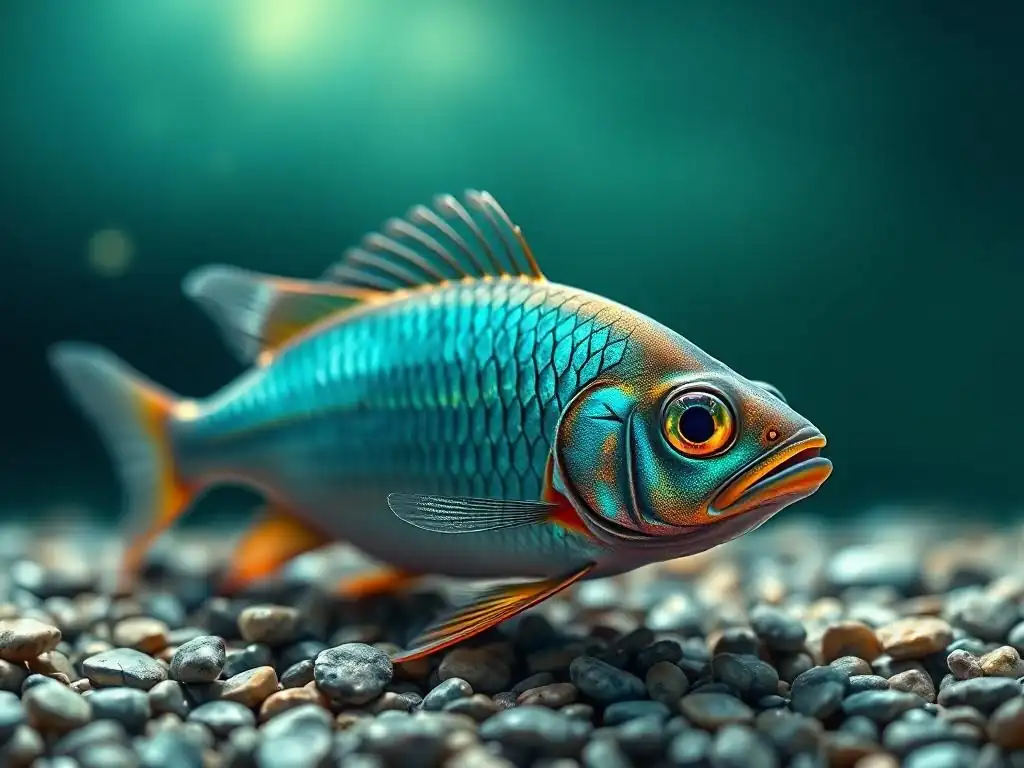
Accurately identifying male and female Corydoras is a crucial step in preparing for breeding. While not always straightforward, there are general distinctions to look for, especially in mature fish. Females are typically larger and noticeably broader or plumper when viewed from above, particularly when gravid (carrying eggs). Their bodies tend to be rounder and deeper. Males, on the other hand, are usually slimmer, smaller, and often more streamlined in body shape.
Observing the fish from above is the most effective way to discern these differences. For species like Corydoras aeneus, mature females can reach 2.5-3 inches in length and appear significantly plumper, while males are usually 1.5-2 inches and more slender. In some species, males may also have more pointed dorsal fins. Patience and keen observation are key to selecting the right breeding pairs or groups for your Corydoras breeding step-by-step journey.
Choosing Healthy and Mature Corydoras Breeders
The success of your Corydoras breeding efforts heavily relies on the health and maturity of your chosen breeding stock. Select fish that are active, alert, and exhibit vibrant coloration. Look for individuals with full, intact fins and no signs of disease, such as spots, ulcers, or labored breathing. Avoid any fish that appear emaciated, listless, or are constantly hiding. Healthy fish are more likely to spawn and produce viable eggs.
Age is also a significant factor. Corydoras typically reach sexual maturity between 8 to 12 months of age, though this can vary slightly by species. Fish within this age range are generally in their prime for breeding. For optimal results, it's often recommended to start with a group of 3-5 individuals, aiming for a ratio of 2-3 males for every female. This ensures ample male presence to fertilize all eggs and increases the chances of successful spawning in your Corydoras breeding step-by-step plan.
Corydoras Species Suitable for Home Breeding
While many Corydoras species can be bred in captivity, some are significantly easier for the aspiring aquarist. Common and robust species are ideal for beginners attempting Corydoras breeding. These include the Bronze Cory ( Corydoras aeneus), Peppered Cory ( Corydoras paleatus), Panda Cory ( Corydoras panda), Sterbai Cory ( Corydoras sterbai), and the False Julii Cory ( Corydoras trilineatus or Corydoras julii). These species are generally more forgiving of minor parameter fluctuations and are known for being prolific spawners.
For example, Corydoras aeneus and Corydoras paleatus are particularly popular choices due to their hardiness and willingness to spawn under various conditions, often producing multiple batches of eggs throughout the year. Their fry are also relatively robust and easier to raise compared to some of the more delicate or wild-caught species. Starting with these more accessible species will build your confidence and experience before attempting the Corydoras breeding step-by-step process with rarer or more challenging varieties.
Stimulating Corydoras Spawning: Triggering the Breeding Process
Water Changes as a Spawning Trigger for Corydoras
One of the most effective and widely used methods to stimulate Corydoras spawning is performing large, cool water changes. This technique mimics the influx of cooler rainwater during the natural rainy season in their native habitats. Begin by performing a significant water change, typically 25-50% of the tank volume, using water that is 5-10°F (3-6°C) cooler than the existing tank temperature. For instance, if your tank is at 76°F (24.5°C), use water around 68-71°F (20-21.5°C).
Repeat these cool water changes daily or every other day for several days. This consistent environmental shift often signals to the Corydoras that breeding conditions are favorable. Ensure the new water is dechlorinated and matches the desired soft, slightly acidic parameters. This cool water change strategy is a cornerstone of the Corydoras breeding step-by-step approach, often yielding results within a week of consistent application.
Simulating the Rainy Season for Corydoras Reproduction
Beyond just cool water changes, a more comprehensive simulation of the rainy season can further enhance your chances of successful Corydoras reproduction. In addition to the cool water changes, consider increasing the water flow in the tank slightly, perhaps by adding a small air stone or adjusting the sponge filter output. This mimics the increased currents associated with seasonal rainfall.
Furthermore, some aquarists find success by slightly dimming the room lights or reducing the photoperiod for a few days, creating a more subdued environment akin to cloudy, rainy days. Combining these environmental cues with an increased feeding regimen, especially with protein-rich live or frozen foods, provides the complete package of conditions that trigger Corydoras to spawn. This holistic approach significantly boosts the likelihood of success in your Corydoras breeding step-by-step journey.
Feeding Your Corydoras Breeders for Optimal Spawning
Proper conditioning through diet is paramount for stimulating Corydoras to spawn and ensuring they produce healthy, viable eggs. Leading up to your spawning attempts, feed your Corydoras breeders a high-quality, varied diet several times a day. Live foods are particularly effective in conditioning fish for breeding; excellent choices include newly hatched brine shrimp, bloodworms (live or frozen), grindal worms, and daphnia.
These protein-rich foods provide the necessary nutrients for egg development and overall vitality. Supplement live foods with high-quality frozen options and premium sinking pellets or flakes formulated for bottom feeders. Feeding 2-3 times a day for a week or two before initiating cool water changes can significantly improve the breeders' condition. For example, feeding live bloodworms three times daily for seven days can noticeably plump up females, indicating they are ready for the Corydoras breeding step-by-step process.
The Corydoras Spawning Process: What to Expect
Corydoras Mating Rituals: The "T-Position"
The Corydoras mating ritual is one of the most distinctive and fascinating aspects of their breeding behavior. It begins with increased activity, often involving males chasing the female around the tank. Eventually, the pair will engage in the characteristic "T-position." In this unique embrace, the male positions himself perpendicular to the female's head, forming a 'T' shape with their bodies.
During this brief but crucial moment, the male releases sperm, which the female is believed to ingest through her mouth. She then passes the sperm over her pectoral fins, where she holds a clutch of eggs. This internal fertilization mechanism ensures the eggs are fertilized before being deposited. Observing this "T-position" is a clear indicator that your Corydoras breeding efforts are progressing as planned.
Egg Deposition and Fertilization in Corydoras
Following the "T-position" embrace, the female will swim away, often frantically searching for a suitable site to deposit her sticky eggs. She typically carries a small cluster of 2-6 eggs, held securely between her pelvic fins, which form a "basket." She then presses this clutch onto a chosen surface, adhering them firmly. Common deposition sites include the tank glass, broad-leaf plants (like Anubias or Amazon Swords), smooth rocks, or even the heater and filter intake tubes.
This process of "T-positioning" and egg deposition is repeated multiple times over several hours. A single female Corydoras can deposit eggs in batches over a period of 2-3 hours, sticking them firmly to various surfaces. After she has deposited a clutch, she will return to the males to repeat the fertilization process. This continuous cycle results in a scattered, yet often abundant, distribution of eggs throughout the breeding tank, marking a successful phase in your Corydoras breeding step-by-step journey.
How Many Eggs Do Corydoras Lay?
The number of eggs a Corydoras female lays can vary significantly depending on the species, her size, age, and overall condition. Smaller species, such as Corydoras pygmaeus, might lay a modest clutch of 10-30 eggs per spawn. In contrast, larger and more common species like Corydoras aeneus (Bronze Cory) or Corydoras paleatus (Peppered Cory) are known to be prolific breeders.
A healthy, well-conditioned female of these common species can lay anywhere from 50 to over 200 eggs in a single spawning event. Some highly productive females have even been reported to lay upwards of 300 eggs. The sheer number of eggs can be quite surprising for first-time breeders, highlighting the potential for rapid population growth when undertaking Corydoras breeding step-by-step.
Corydoras Egg Care: Ensuring a High Hatch Rate
Protecting Corydoras Eggs from Parents and Tank Mates
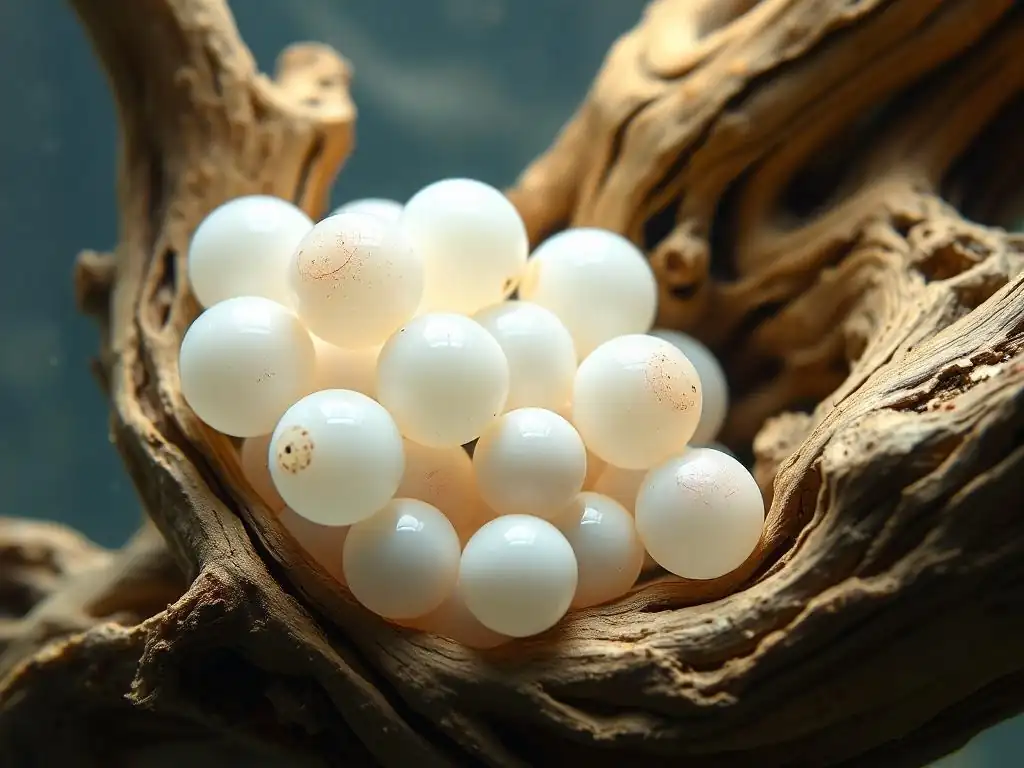
Once Corydoras eggs have been laid, it's crucial to protect them to ensure a high hatch rate. Unfortunately, adult Corydoras, despite their generally peaceful nature, are known egg-eaters. They will readily consume their own eggs, and any other tank mates in a community setup will likely do the same. Therefore, immediate action is required to safeguard the eggs.
The most effective method is to either remove the adult Corydoras from the breeding tank after spawning or, more commonly, gently remove the eggs themselves and transfer them to a dedicated hatching container. If spawning occurred in a community tank, removing the eggs is essential, as other fish will devour them within hours. This proactive protection is a vital part of any successful Corydoras breeding step-by-step strategy.
Moving Corydoras Eggs to a Hatching Container
Carefully moving Corydoras eggs to a separate hatching container is a delicate but necessary step. The eggs are adhesive and relatively firm, making them easier to handle than many other fish eggs. You can gently roll them off surfaces like tank glass or plant leaves using a clean finger, a credit card, or a soft, blunt instrument. Avoid excessive pressure or scraping, which could damage the egg membrane.
Place the collected eggs into a separate container filled with water from the breeding tank. A small, clean plastic tub, a kritter keeper, or a dedicated 1-2 gallon (3.8-7.6 liter) tank works well. Ensure the container has gentle aeration, such as a small air stone, and is kept at the same temperature as the breeding tank. This careful transfer minimizes stress to the developing embryos and sets the stage for successful hatching in your Corydoras breeding step-by-step process.
Preventing Fungus on Corydoras Eggs: Using Methylene Blue
Fungal infections are a common and frustrating problem that can decimate a clutch of Corydoras eggs. Unfertilized or damaged eggs are particularly susceptible, and once fungus takes hold, it can quickly spread to healthy, viable eggs. To combat this, a very light dose of methylene blue is highly recommended in the hatching container.
Add just enough methylene blue to tint the water a pale blue; typically, one drop per gallon is sufficient, but always follow product instructions for exact dosages. Methylene blue acts as an antifungal agent, significantly reducing fungal growth and improving hatch rates from potentially 50% to over 85% in some cases. Daily 50% water changes in the hatching container, replacing the methylene blue, also help maintain water quality and prevent fungal proliferation, ensuring the best outcome for your Corydoras breeding step-by-step efforts.
Raising Corydoras Fry: From Hatching to Juvenile
Hatching Corydoras Eggs: The Incubation Period
After successful fertilization and proper care, Corydoras eggs will typically hatch within 3 to 5 days, depending on the water temperature. At a consistent temperature of 75-78°F (24-26°C), most eggs will hatch within 72-96 hours. As they approach hatching, you may observe the tiny fry wiggling inside the clear egg membrane.
Once hatched, Corydoras fry are incredibly small, often no more than 4-5 mm in length, and will have a visible yolk sac attached to their underside. This yolk sac provides their initial nourishment for the first 1-2 days, during which they will mostly remain still, absorbing these vital reserves. It is crucial not to feed them until the yolk sac has been completely absorbed, as uneaten food can quickly foul the water and harm the delicate fry.
First Foods for Corydoras Fry: What to Feed
Once the yolk sac is fully absorbed (usually within 24-48 hours post-hatching), Corydoras fry will become free-swimming and actively search for food. This is a critical period, and providing the right first foods is essential for their survival and growth. For the first day or two, infusoria or very fine liquid fry food can be beneficial, as the fry are still incredibly small.
However, the gold standard for Corydoras fry food is newly hatched brine shrimp (Artemia nauplii). These tiny, nutritious live foods are perfectly sized for the fry's mouths and provide the high protein content (around 60%) necessary for rapid growth. Feed small amounts multiple times a day (3-5 times), ensuring the fry have constant access to food without overfeeding and polluting the water. Other excellent options include microworms and finely crushed high-quality flake food or specialized fry pellets.
Maintaining Water Quality for Corydoras Fry
Maintaining pristine water quality is absolutely paramount for the survival and healthy development of Corydoras fry. Their tiny, delicate systems are highly sensitive to even minute amounts of ammonia, nitrite, and high nitrates. Small, frequent water changes are the cornerstone of fry care; aim for 10-20% daily water changes using aged, temperature-matched water. For example, daily 10-15% water changes are vital, as their sensitive systems are highly susceptible to ammonia and nitrite spikes, which can occur rapidly with frequent feeding.
A gentle air-driven sponge filter should be the only form of filtration in the fry tank, providing biological filtration without creating strong currents. Regularly siphon out any uneaten food and detritus from the bottom of the tank using a small airline tube or turkey baster. Consistent monitoring of water parameters with accurate test kits is crucial to prevent any spikes that could prove fatal to the vulnerable fry.
Preventing Diseases in Corydoras Fry
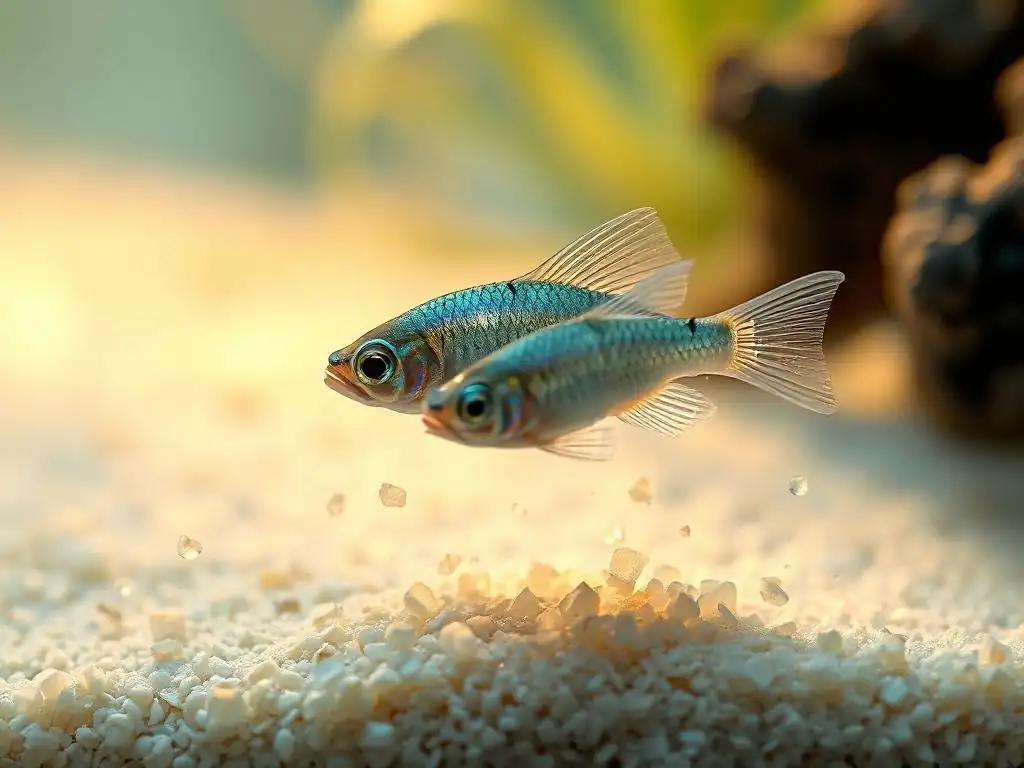
Preventing diseases in Corydoras fry is largely dependent on maintaining optimal environmental conditions and providing a nutritious diet. The primary defense against disease is excellent water quality. Ammonia and nitrite levels must remain at 0 ppm, and nitrates should be kept below 10 ppm. Even slight elevations can cause rapid fry loss, with susceptibility increasing by up to 50% in poor conditions.
Avoid overcrowding the fry tank, as this stresses the fish and increases the bioload, making water quality harder to maintain. A varied and high-quality diet ensures the fry receive all necessary nutrients to develop strong immune systems. Additionally, always quarantine any new fish or plants before introducing them to the breeding setup to prevent the introduction of pathogens. Regular observation of the fry for any signs of lethargy, clamped fins, or unusual spots can help in early detection and intervention.
Growing Out Corydoras Fry
As Corydoras fry grow, their dietary needs and space requirements will change. After the first few weeks, you can gradually transition them to slightly larger foods. Continue with newly hatched brine shrimp, but also introduce finely crushed high-quality flake foods, small sinking pellets, and frozen daphnia or cyclops. As they approach 3-4 weeks of age, they will be able to consume more substantial foods.
Overcrowding becomes a significant issue as the fry grow. While a 5-10 gallon tank might be suitable for the first few weeks, you will need to move them to a larger grow-out tank as they approach 1/2 to 3/4 inch in length, typically after 4-6 weeks. A 20-gallon (approximately 76-liter) tank is often suitable for growing out a batch of 50-100 fry. Continue with rigorous water quality management, including regular water changes, to support their rapid growth and ensure a healthy transition to juvenile and adult stages.
Troubleshooting Common Corydoras Breeding Problems
Unsuccessful Spawning Attempts: Possible Causes
It's not uncommon for aquarists to experience unsuccessful spawning attempts when trying Corydoras breeding step-by-step. Several factors can contribute to this. Poor conditioning of the breeders due to an inadequate diet is a frequent cause; fish need high-protein, varied foods to develop eggs and sperm. Incorrect water parameters, such as a stable high temperature or hard, alkaline water, can inhibit spawning. If no spawning occurs after 2-3 weeks of consistent triggering attempts, ensure pH is below 7.2 and temperature is stable between 72-76°F (22-24.5°C).
Lack of proper spawning triggers, such as cool water changes or increased water flow, is another common issue. Stress or harassment from other tank mates in a community setup can also prevent spawning. Lastly, the fish themselves might be too young, too old, or simply unhealthy. Reviewing each of these potential causes and making adjustments is key to improving your chances of success.
Low Hatch Rate: Identifying and Addressing Issues
A low hatch rate after a successful spawn can be disheartening. This often points to problems with either fertilization or egg viability. Unfertilized eggs are a primary cause; this can happen if there aren't enough males for the female, or if the males are infertile or not performing the "T-position" correctly. Re-evaluating the male-to-female ratio, perhaps increasing it to 2-3 males per female, can significantly improve fertilization rates.
Fungal growth on the eggs is another major culprit. Fungal spores are always present in aquarium water, and they quickly colonize unfertilized or damaged eggs, then spread to healthy ones. Insufficient aeration in the hatching container or a lack of antifungal treatment (like methylene blue) can lead to widespread fungus. A hatch rate below 50% often indicates issues with either fertilization or fungal growth. Implementing a mild methylene blue treatment and ensuring good water flow around the eggs can significantly improve results.
Corydoras Fry Mortality: Prevention Strategies
High mortality rates among Corydoras fry are a common challenge, but most losses can be prevented with diligent care. The single most critical factor is water quality. Ammonia and nitrite must remain at absolute zero, and nitrates should be kept very low (below 10 ppm). Poor water quality is responsible for an estimated 70% of fry losses in early stages. Small, frequent water changes (daily 10-20%) are essential to achieve this.
Insufficient or inappropriate food is another major cause. Fry need constant access to tiny, high-protein foods like newly hatched brine shrimp. If they don't get enough food, they will starve. Overcrowding also stresses fry and leads to rapid deterioration of water quality. Lastly, temperature fluctuations or sudden drops can be fatal. Maintaining stable temperatures and providing a varied, nutritious diet are paramount for successful Corydoras breeding step-by-step and raising healthy fry.
Conclusion: Mastering Corydoras Breeding
Continuous Learning and Improvement in Corydoras Breeding
Mastering Corydoras breeding is a journey of continuous learning and improvement. Each spawning event, whether successful or not, offers valuable insights into the specific needs and behaviors of your fish. Patience and keen observation are your greatest tools. Keep detailed notes on your water parameters, feeding schedules, spawning triggers, and fry development. Many successful Corydoras breeders report that consistent note-taking on water parameters, feeding schedules, and spawning triggers helps refine their techniques over 3-5 breeding cycles.
By meticulously documenting your process, you can identify patterns, pinpoint what works best for your specific species and setup, and troubleshoot issues more effectively. Don't be discouraged by initial setbacks; every aquarist faces challenges. Embrace them as opportunities to deepen your knowledge and refine your Corydoras breeding step-by-step approach.
Contributing to the Corydoras Community: Sharing Your Experiences
As you gain experience and achieve success in Corydoras breeding, consider contributing to the broader aquarist community. Sharing your experiences, tips, and even surplus fry can be incredibly rewarding. Participate in online forums, local aquarium club meetings, or social media groups dedicated to Corydoras. Your insights, particularly about the specific challenges and successes you encountered, can be invaluable to aspiring breeders.
Many aquarists find comprehensive guides on platforms like AquariumMastery.com to be instrumental in their initial success, citing an improved understanding of the "Corydoras breeding step-by-step" process. By openly discussing your methods, you not only help others avoid common pitfalls but also foster a sense of camaraderie and collective knowledge that strengthens the hobby as a whole. Your successful Corydoras breeding step-by-step journey can inspire and guide countless fellow enthusiasts.
Resources for Further Reading on Corydoras Breeding
To further enhance your knowledge and skills in Corydoras breeding, numerous resources are available. Comprehensive aquarist books often dedicate sections to breeding specific fish families, including Corydoras. Online species-specific forums and dedicated Corydoras enthusiast websites are invaluable for connecting with experienced breeders and finding detailed care sheets and breeding logs.
Websites like AquariumMastery.com offer detailed articles covering various aspects of freshwater fish care, including specific guides on species profiles, tank mates, and breeding. Continuously consulting these resources will provide you with the most up-to-date information and diverse perspectives on the nuances of Corydoras reproduction. By combining practical experience with thorough research, you can truly master the art of Corydoras breeding step-by-step.
Frequently Asked Questions
How difficult is it to breed Corydoras catfish?
Breeding Corydoras can be moderately difficult. It requires specific water parameters and inducing spawning triggers. However, with careful attention to detail, it's achievable for many aquarists.
What are the key water parameters needed for Corydoras breeding?
Key water parameters include soft, slightly acidic water with a pH around 6.5-7.0. Maintaining a stable temperature between 72-78°F (22-26°C) is also crucial for successful breeding.
What triggers Corydoras to spawn?
The most common trigger is a large, cool water change, mimicking the rainy season in their natural habitat. This sudden change in temperature and water chemistry encourages spawning.
How do I care for Corydoras eggs after they are laid?
Gently remove the eggs from the aquarium glass or plants. Place them in a separate, small container with clean, oxygenated water and an antifungal agent to prevent fungus.
What do Corydoras fry eat after hatching?
Corydoras fry initially need tiny foods like infusoria, microworms, or commercially available liquid fry food. After a few days, they can be fed newly hatched baby brine shrimp.
Final Reflection: Nurturing Life, One Step at a Time
The journey of breeding Corydoras, as detailed in this guide, transcends mere aquarium keeping; it's a testament to the delicate balance of life and the rewards of patient observation. Understanding and replicating the conditions that trigger spawning in these charming catfish highlights the profound connection we can forge with the natural world, even within the confines of our homes. This endeavor resonates deeply in a world increasingly disconnected from the rhythms of nature, offering a tangible way to engage with the miracle of creation.
The ripple effect of successfully breeding Corydoras extends beyond the individual aquarist. It fosters a deeper appreciation for biodiversity and the responsibilities that come with keeping living creatures, encouraging ethical practices and a commitment to conservation. In the end, we will conserve only what we love; we will love only what we understand; and we will understand only what we are taught.
- Baba Dioum. This quote underscores the importance of sharing knowledge and inspiring others to participate in responsible breeding practices, ensuring the continued health and vitality of these fascinating fish.
Now, armed with the knowledge and techniques outlined in this guide, I invite you to embark on your own Corydoras breeding adventure. Observe, learn, and adapt, for the most rewarding experiences often arise from the unexpected. May your tanks be filled with thriving Corydoras fry, and may your journey inspire a lifelong passion for the wonders of the aquatic world.
Ignite Your Breeding Passion: Start Your Corydoras Journey Today!
Thank you for exploring the fascinating world of Corydoras breeding with us. Now that you've gained the knowledge, it's time to put it into practice and witness the magic of life firsthand!
Here are a few next steps to take:
- Set up your dedicated breeding tank – this is the most crucial step to successfully breeding Corydoras and observing their unique behaviors!
- Delve deeper by researching the specific needs of your chosen Corydoras species – understanding their preferences is key.
- Share your newfound knowledge! Encourage other aquarists to embrace the rewarding challenge of breeding Corydoras by passing on this guide.
What exciting Corydoras species will you choose to breed first, and what unique setup innovations will you incorporate into your breeding tank?