
Feeding Frenzy: Best Practices for Peaceful Community Tank Mealtimes

Welcome to Aquarium Mastery!
Ever wondered how to orchestrate a harmonious feeding time in your peaceful community tank? It's more than just tossing in flakes! Dive in to discover expert tips and tricks for ensuring every fish gets its fair share, minimizing aggression, and maintaining pristine water quality. Ready to unlock the secrets to stress-free mealtimes? Let's get started!
- Achieving Harmony: Mastering Community Tank Feeding
-
Essential Strategies for Peaceful Community Tank Feeding
- 1. Observation is Key: Understanding Your Fish's Feeding Behaviors
- 2. Varied Diet: Providing a Balanced Nutritional Profile for All Species
- 3. Feeding Frequency and Portion Control: Avoiding Overfeeding and Competition
- 4. Feeding Techniques for a Calm and Orderly Mealtime
- 5. Choosing the Right Food for Different Fish Types
- 6. Minimizing Competition: Creating a Level Playing Field
- Maintaining a Healthy Community Tank After Feeding
- Troubleshooting Common Community Tank Feeding Problems
- Advanced Community Tank Feeding Techniques
- Conclusion: Nurturing a Thriving and Peaceful Community Tank Through Proper Feeding
-
Frequently Asked Questions
- How often should I feed my peaceful community tank?
- What types of food are best for a peaceful community tank?
- How can I prevent aggressive fish from hogging all the food?
- What are some signs that I am overfeeding my fish?
- How important is it to consider the dietary needs of different species in a community tank?
- Final Reflection: Cultivating Harmony in the Aquarium
- Transform Your Tank: Cultivate Harmony at Mealtime!
Achieving Harmony: Mastering Community Tank Feeding
Understanding the Challenges of Feeding a Diverse Aquarium Community
Feeding a diverse community aquarium presents unique challenges that can disrupt the peaceful coexistence of its inhabitants. Different fish species exhibit varied feeding behaviors, ranging from surface feeders like guppies to bottom dwellers such as corydoras, and from fast, aggressive eaters like some cichlids to shy, slow-feeding species like celestial pearl danios. This disparity often leads to intense competition, where dominant or quick-moving fish consume the majority of the food, leaving slower or more timid tank mates underfed and potentially malnourished.
Furthermore, the dietary requirements of a mixed community can vary significantly, encompassing herbivores, carnivores, and omnivores. Providing a single type of food will inevitably neglect the specific nutritional needs of certain species, leading to deficiencies. For instance, a diet solely of high-protein flakes might be ideal for a betta but insufficient for a bristlenose pleco, which requires more plant-based matter. This imbalance can result in stunted growth, weakened immune systems, and increased stress, ultimately manifesting as heightened aggression or susceptibility to disease within the community.
The Importance of Balanced Nutrition for Community Fish
Balanced nutrition is the cornerstone of a healthy and vibrant community aquarium. A diet that meets the specific needs of all fish species within the tank ensures optimal physical development, supports robust immune function, and enhances natural coloration. For example, fish fed a diet rich in essential fatty acids and vitamins, like Vitamin A and D, exhibit stronger fin and scale development and are less prone to common ailments such as fin rot or ich. Adequate nutrition directly translates to increased longevity and overall vitality, making fish more resilient to environmental stressors.
Conversely, nutritional deficiencies can have severe long-term consequences. A lack of dietary fiber can lead to digestive issues in herbivorous fish, while insufficient protein can stunt growth in carnivorous species. For instance, if a community of neon tetras is consistently underfed or given a diet lacking in necessary micronutrients, their vibrant blue and red coloration may fade, and their growth might be noticeably slower compared to well-fed counterparts. Over time, this can lead to a state of chronic stress, making the fish more susceptible to illnesses and decreasing their ability to thrive peacefully within the community.
Essential Strategies for Peaceful Community Tank Feeding
1. Observation is Key: Understanding Your Fish's Feeding Behaviors
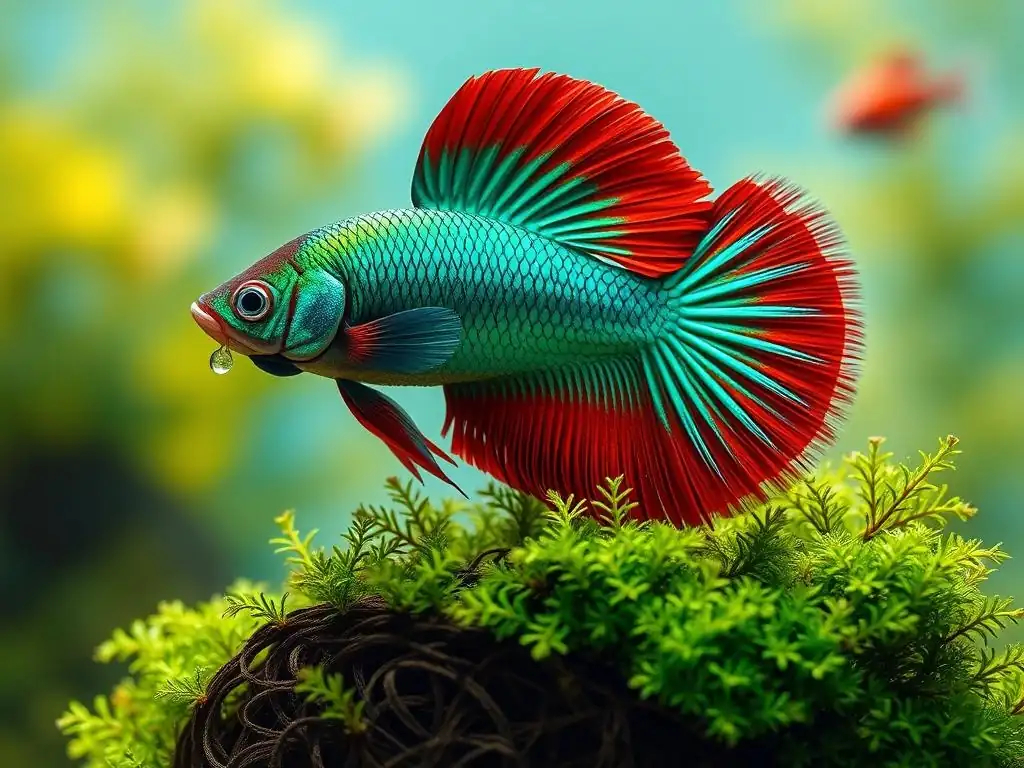
Effective feeding begins with careful observation of your fish's individual and collective feeding behaviors. Spend time watching how each species approaches food, how quickly they consume it, and whether any individuals are consistently missing out. For instance, you might notice that your zebra Danios eagerly snatch food from the surface, while your shy dwarf gouramis prefer to pick at slowly sinking items near plant cover. Understanding these nuances is critical for tailoring your feeding strategy.
This detailed observation allows you to identify potential issues before they escalate. You might observe a dominant angelfish monopolizing a feeding zone, preventing smaller tetras from getting enough food, or notice that your bottom-dwelling corydoras only get scraps after all the mid-water fish have eaten. By identifying these patterns, you can adjust feeding times, food types, and distribution methods to ensure every fish receives adequate nutrition and to promote peaceful community tank feeding tips.
2. Varied Diet: Providing a Balanced Nutritional Profile for All Species
Offering a Mix of Flake, Pellet, and Frozen Foods
A diverse diet is paramount for a thriving community tank, catering to the varied nutritional requirements and feeding preferences of different species. High-quality flake foods serve as an excellent staple for many mid-water and surface feeders, providing a broad spectrum of vitamins and minerals.
Pellets, available in various sizes and sinking rates, are ideal for fish that prefer to feed in the water column or closer to the bottom, offering denser nutrition. For example, a 20-gallon community tank with guppies, neon tetras, and a few platies might receive a high-quality flake food as a base, supplemented with small slow-sinking pellets to ensure all fish, especially the slightly shyer ones, get their share.
Frozen foods, such as bloodworms, brine shrimp, and daphnia, are invaluable for providing essential proteins, fats, and natural pigments that enhance fish coloration and vitality. These foods are highly palatable and can stimulate the appetites of even picky eaters. Incorporating frozen foods 2-3 times a week can significantly boost the overall health of your fish. For instance, adding frozen bloodworms to the diet of a community tank containing mollies and swordtails can improve their breeding success rates and intensify their natural red and orange hues.
Incorporating Live Foods for Enrichment and Health
Live foods offer unparalleled nutritional benefits and provide crucial mental and physical enrichment, stimulating natural hunting instincts. Options like live brine shrimp, daphnia, and blackworms are highly nutritious and can significantly improve the health and vigor of your fish. For example, feeding live daphnia once a week can dramatically improve the activity levels and coloration of species like cherry barbs or celestial pearl danios, mimicking their natural foraging behaviors in the wild.
While highly beneficial, live foods should be sourced carefully to avoid introducing diseases into your aquarium. Culturing your own live foods, such as brine shrimp nauplii, is a safer alternative and provides a consistent supply. The act of chasing and consuming live prey helps keep fish active and can reduce aggression by diverting their energy towards natural behaviors, contributing to a more peaceful community tank feeding environment.
3. Feeding Frequency and Portion Control: Avoiding Overfeeding and Competition
Determining the Right Amount of Food for Your Community Tank
Determining the correct amount of food for your community tank is crucial for both fish health and water quality. Overfeeding is one of the most common mistakes in aquarium keeping, leading to polluted water, excessive algae growth, and health issues for fish. The appropriate amount depends on the tank's bioload (number and size of fish), the specific metabolic rates of the species, and the type of food. A general guideline is to start with a very small amount and observe how quickly it is consumed.
For instance, in a 30-gallon community tank housing 15-20 small fish like neon tetras and platies, a single pinch of high-quality flake food, roughly 0.5 grams, per feeding is often sufficient. Younger, more active fish or those being conditioned for breeding may benefit from 2-3 small feedings per day, while mature fish often thrive on just one feeding per day. The key is to provide just enough food that all fish can consume it within a short timeframe, preventing any excess from decaying in the water.
The Two-Minute Rule: A Guideline for Feeding Time
The "two-minute rule" is an excellent guideline to prevent overfeeding and maintain pristine water quality. This rule dictates that you should only feed an amount of food that your fish can completely consume within two to three minutes. Any food remaining after this period indicates overfeeding and should be promptly removed using a small net or siphon to prevent it from decaying and polluting the water.
Applying this rule consistently helps prevent the accumulation of uneaten food, which rapidly breaks down into ammonia and nitrites, harmful compounds that stress fish and fuel undesirable algae blooms. By adhering to the two-minute rule, you ensure that fish receive adequate nutrition without compromising water parameters, fostering a healthier and more peaceful community tank feeding environment.
4. Feeding Techniques for a Calm and Orderly Mealtime
Target Feeding: Ensuring Shy or Slow-Eating Fish Get Enough
Target feeding is an invaluable technique for ensuring that shy, slow-eating, or bottom-dwelling fish receive adequate nutrition, especially in a bustling community tank where faster, more aggressive eaters might dominate. This method involves using a turkey baster, long tweezers, or feeding tongs to deliver food directly to specific fish or areas of the tank. For example, you can offer frozen bloodworms directly to a shy dwarf cichlid hiding among plants, or place sinking pellets precisely where your Kuhli loaches are known to forage.
This technique is particularly effective for species that are easily outcompeted, such as smaller tetras, certain types of gouramis, or nocturnal bottom feeders like some catfish and plecos. By ensuring these vulnerable fish receive their share, target feeding reduces stress and competition, promoting healthier growth and a more balanced social dynamic within the aquarium. It's a crucial peaceful community tank feeding tip for maintaining harmony.
Distraction Techniques: Reducing Aggression During Feeding
Aggression during feeding can be a significant issue in community tanks, with dominant fish chasing or nipping at others to monopolize food. Distraction techniques can help mitigate this behavior by spreading out the food or diverting the attention of aggressive individuals. One effective method is to introduce food simultaneously at multiple points across the tank, such as dropping flakes at one end and sinking pellets at the other. This disperses the fish and reduces intense crowding in a single area.
Another approach involves using a "decoy" food. For example, if you have a particularly aggressive angelfish, you could drop a larger, highly palatable chunk of frozen food in one area to occupy its attention, while simultaneously distributing smaller, general community food items elsewhere for the other fish. This strategy allows less assertive fish to eat peacefully without constant harassment, contributing significantly to a calm and orderly mealtime.
5. Choosing the Right Food for Different Fish Types
Top Feeders, Mid-Water Feeders, and Bottom Dwellers: Catering to Different Feeding Zones
Catering to the diverse feeding zones within your aquarium is essential for ensuring all fish receive proper nutrition. Fish are generally categorized into top feeders, mid-water feeders, and bottom dwellers, each requiring food that remains in their preferred feeding stratum. Floating flakes and sticks are ideal for top feeders like hatchetfish or guppies, as they stay on the surface. Slow-sinking granules and small pellets are best for mid-water inhabitants such as tetras and rasboras, which feed in the water column.
For bottom dwellers like corydoras, bristlenose plecos, and loaches, fast-sinking wafers, tablets, or pellets are necessary to ensure the food reaches them before it's consumed by other fish. For instance, in a community tank with mollies (top), cardinal tetras (mid), and a bristlenose pleco (bottom), you would need to provide a combination of floating flakes, small slow-sinking granules, and algae wafers, respectively. This multi-zone feeding strategy is a cornerstone of peaceful community tank feeding.
Matching Food Size to Mouth Size
Matching the size of the food to the mouth size of your fish is critical for both safety and efficient consumption. Food particles that are too large can lead to choking hazards or make it impossible for smaller fish to ingest, resulting in wasted food and potential health issues. Conversely, food that is too small for larger fish may not provide adequate nutrition and simply pass through their system too quickly.
For example, neon tetras and other very small fish require micro-pellets or finely crushed flakes that they can easily swallow. Larger species like angelfish or gouramis can handle standard-sized flakes, small pellets, or appropriately sized frozen foods. Always observe your fish during feeding to ensure they are able to comfortably consume the food. If you notice food being spit out repeatedly, it's often an indication that the particles are too large, requiring an adjustment to a smaller size or a different food type.
6. Minimizing Competition: Creating a Level Playing Field
Multiple Feeding Stations: Spreading Out the Food
Minimizing competition during mealtime is key to fostering a peaceful community tank. One highly effective method is to establish multiple feeding stations within the aquarium. Instead of dropping all the food in one central location, distribute it in two or three distinct spots. This strategy disperses the fish, reducing intense crowding and allowing more timid or slower fish to access food without being intimidated by dominant tank mates.
For larger tanks or those with a high density of fish, multiple feeding stations are particularly beneficial. For example, in a 50-gallon community tank with a mix of fast-moving barbs and more reserved dwarf cichlids, dropping a pinch of food at each end of the tank simultaneously can significantly reduce aggressive interactions and ensure that a wider range of fish get enough to eat.
Using Feeding Rings and Tubes
Feeding rings and tubes are simple yet effective tools for minimizing competition and ensuring specific fish types receive their share. Feeding rings, which float on the surface, contain floating food within a defined area, preventing it from scattering too quickly and allowing surface feeders like guppies or hatchetfish to eat without having to chase food all over the tank. This reduces surface competition and allows other fish to focus on their preferred feeding zones.
Feeding tubes, often used for shrimp or specific bottom feeders, deliver food directly to a targeted spot on the substrate. This bypasses aggressive mid-water fish and ensures that sinking foods reach the intended inhabitants. For instance, a feeding tube can be used to deliver an algae wafer directly to a pleco's favorite hiding spot, guaranteeing it gets its meal without competition from faster-moving species. These specific tools are excellent peaceful community tank feeding tips.
Maintaining a Healthy Community Tank After Feeding
Monitoring Water Quality After Feeding
Maintaining excellent water quality is paramount, especially after feeding, as uneaten food rapidly decomposes and can significantly impact water parameters. Regular monitoring of ammonia, nitrite, and nitrate levels is crucial. Even small amounts of leftover food can lead to spikes in ammonia (toxic) and nitrite (toxic), followed by an increase in nitrate (less toxic but harmful in high concentrations). For example, a sudden rise in ammonia from 0 ppm to 0.25 ppm after feeding is a clear indicator of overfeeding or insufficient filtration.
It is recommended to test water parameters weekly for a stable tank. If you notice any signs of stress in your fish, such as rapid gill movement or lethargy, or if the water appears cloudy, conduct immediate tests. Prompt detection of elevated toxins allows for quick corrective action, such as a partial water change, preventing long-term stress and health issues for your fish.
Regular Water Changes: Preventing Ammonia and Nitrate Buildup
Regular water changes are an indispensable part of aquarium maintenance, directly combating the buildup of ammonia, nitrite, and especially nitrate, which accumulate even with careful feeding. While biological filtration converts ammonia and nitrite into nitrate, nitrates can only be effectively removed through water changes or by live plants. Without regular dilution, high nitrate levels can cause stress, suppress the immune system, and stunt the growth of fish.
A consistent schedule, such as a 25-30% water change weekly or bi-weekly, depending on the tank's bioload and filtration, is generally recommended. For instance, a heavily stocked 40-gallon community tank might benefit from a 25% weekly water change, while a lightly stocked 20-gallon tank could manage with a bi-weekly change. This routine replenishes essential minerals and removes dissolved organic compounds, ensuring a healthy and stable environment.
Dealing with Leftover Food: Preventing Waste and Algae Blooms
Promptly dealing with leftover food is critical for preventing water pollution and unsightly algae blooms. Any food that remains uneaten after the designated feeding time (e.g., within 5 minutes) should be siphoned out of the tank immediately. Decaying food is a primary source of ammonia and nitrite, leading to cloudy water and a strong, unpleasant odor.
Furthermore, excess nutrients from uneaten food act as a powerful fertilizer for algae, leading to rapid growth of nuisance algae like green hair algae or brown diatom algae. These algae not only detract from the aquarium's aesthetics but also compete with beneficial plants for nutrients. By swiftly removing any uneaten food, you significantly reduce the organic load in the tank, maintaining clearer water and a healthier balance for your fish and plants.
Troubleshooting Common Community Tank Feeding Problems
Aggressive Feeding Behavior: Identifying and Addressing the Root Cause
Aggressive feeding behavior, characterized by chasing, nipping, or monopolizing food, is a common problem in community tanks. This behavior often stems from hunger, territoriality, or species incompatibility. For instance, a dominant cichlid might prevent smaller tetras from accessing food, leading to stress and malnutrition for the latter. Identifying the root cause is the first step in addressing it.
Solutions include increasing feeding frequency with smaller portions to reduce overall hunger, implementing target feeding for shy fish, or re-evaluating species compatibility if certain fish consistently harass others during mealtime. Adding more hiding spots or breaking up line of sight with decor can also help reduce territorial disputes. For example, if a dominant pearl gourami is overly aggressive, temporarily distracting it with a large pellet at one end of the tank while distributing food elsewhere can help.
Fish Not Eating: Diagnosing Potential Issues and Solutions
When fish refuse to eat, it's a significant cause for concern and usually indicates an underlying problem. Common reasons include illness, stress, poor water quality, incorrect food type, or new tank syndrome. For example, a fish with Ich (white spot disease) might lose its appetite due to stress and irritation.
Immediate diagnostic steps should include checking all water parameters (ammonia, nitrite, nitrate, pH, temperature) to rule out water quality issues. Observe the fish closely for any physical symptoms of disease, such as clamped fins, faded coloration, spots, or labored breathing. If water parameters are stable and no visible disease is present, try offering different types of highly palatable foods, like frozen bloodworms, to entice them. A fish refusing food for more than 24 hours often warrants closer investigation and potentially quarantine.
Cloudy Water After Feeding: Identifying the Cause and Implementing Corrective Measures
Cloudy water appearing shortly after feeding is a common issue and typically points to either a bacterial bloom caused by decaying organic matter or an excessive amount of fine particulate matter from low-quality food. If the cloudiness is milky white, it's often a bacterial bloom triggered by uneaten food. If it's more like a fine dust, it could be food breaking down too quickly before consumption.
To correct this, first, significantly reduce the quantity of food offered, ensuring all food is consumed within the two-minute rule. Second, ensure your filtration system is adequate; adding a fine filter floss to your filter can help trap particulate matter. Third, perform a small 20-25% water change and thoroughly siphon any visible uneaten food from the substrate. In persistent cases, evaluate your food brand for quality, as some cheaper foods can disintegrate rapidly.
Advanced Community Tank Feeding Techniques
Automated Feeders: Convenient and Consistent Feeding Options
Automated feeders offer a convenient and highly consistent solution for community tank feeding, especially beneficial for busy aquarists, during vacations, or for maintaining a strict feeding schedule. These devices deliver precise amounts of food at set intervals, eliminating human error and ensuring that fish receive regular, measured meals. This consistency can significantly reduce feeding-related stress and aggression, as fish learn to anticipate meal times.
Modern automated feeders come in various types, capable of dispensing flakes, pellets, or even freeze-dried foods, often with multiple compartments for varied diets. For instance, a quality auto-feeder can be programmed to dispense 0.2 grams of small pellets twice daily, ensuring stable nutrition even when you are away for a week. When selecting an automated feeder, consider features like moisture control for flake foods and reliable battery life to ensure uninterrupted operation. This systematic approach greatly supports peaceful community tank feeding.
Training Your Fish: Conditioning Them to Specific Feeding Times and Locations
Training your fish to associate specific cues with feeding times and locations can lead to a more orderly and less chaotic mealtime. Fish are remarkably intelligent and can be conditioned to respond to stimuli such as a light tap on the tank, the presence of the owner, or a specific light setting. This conditioning helps reduce frantic darting and competition, as fish learn to gather expectantly at a designated spot.
To implement this, consistently feed your fish at the same time each day and in the same location, perhaps using a feeding ring as a visual cue. Over time, fish will begin to congregate in that area even before food is introduced. For example, many aquarists report success in training fish like gouramis or mollies to come to a specific corner of the tank simply by consistently dropping food there. This predictability reduces stress and encourages a more peaceful and organized feeding frenzy.
Conclusion: Nurturing a Thriving and Peaceful Community Tank Through Proper Feeding
Frequently Asked Questions
How often should I feed my peaceful community tank?
Feed your fish once or twice daily with an amount they can consume in 2-3 minutes. Overfeeding is a common cause of water quality issues and can lead to fish health problems.
What types of food are best for a peaceful community tank?
Offer a varied diet including high-quality flake food, sinking pellets, and occasional live or frozen foods. This ensures that all fish receive the necessary nutrients.
How can I prevent aggressive fish from hogging all the food?
Use multiple feeding locations or sinking pellets to ensure that all fish, even those that are shy or stay at the bottom, have access to food. This helps prevent aggressive feeding behavior.
What are some signs that I am overfeeding my fish?
Signs of overfeeding include cloudy water, uneaten food accumulating at the bottom of the tank, and algae blooms. Adjust your feeding schedule and amount accordingly.
How important is it to consider the dietary needs of different species in a community tank?
It is extremely important to research the specific dietary requirements of each species in your tank. This ensures that all fish are receiving the proper nutrition for their health and well-being.
Final Reflection: Cultivating Harmony in the Aquarium
The insights shared within this article, focusing on peaceful community tank feeding tips, resonate deeply in a world increasingly seeking harmony and balance. Just as we strive to create a thriving ecosystem within our aquariums, the principles of mindful resource allocation and considerate interaction extend far beyond the glass walls. The lessons learned about minimizing competition and ensuring equitable access to nourishment offer a microcosm of the larger challenges we face in fostering a more just and equitable world.
This journey into the aquatic realm has underscored the profound impact of our actions on the delicate balance of a community. Observing the subtle dynamics of a community tank reveals the interconnectedness of all living things and the importance of proactive planning. The greatness of a nation and its moral progress can be judged by the way its animals are treated.
- Mahatma Gandhi. This quote, though often applied to larger animals, holds true even within the confines of our aquariums, reminding us that compassion and thoughtful consideration are essential for creating a flourishing environment for all.
Now, consider how you can apply these principles of mindful feeding and community care to your own life. Just as you carefully plan your tank's mealtimes to ensure every fish thrives, reflect on how you can foster a more equitable and harmonious environment in your own community. What small changes can you make to promote fairness, reduce competition, and ensure that everyone has access to the resources they need to flourish? The power to cultivate peace and abundance lies within each of us.
Transform Your Tank: Cultivate Harmony at Mealtime!
Thanks for diving into the art of peaceful feeding in your community tank! We hope you’ve gained valuable insights to create a stress-free environment for your finned friends. Now, let's put that knowledge into action and elevate your aquarium experience.
Here are some steps you can take right now:
- Implement a designated feeding zone to minimize competition and ensure all fish get their share.
- Explore introducing live food occasionally to trigger natural hunting instincts and keep mealtimes exciting.
- Share your community tank feeding triumphs and challenges in the comments – what innovative techniques have worked for you?
What surprising feeding habits have you noticed in your community tank, and how have you adapted your strategy to accommodate them?