
My Corydoras is Inactive or Hiding: Is Something Wrong?

Welcome to Aquarium Mastery!
Ever wondered why your usually playful Corydoras are suddenly hiding and inactive? It's a common concern among aquarium enthusiasts, and we're here to help you unravel the mystery. Dive into our comprehensive guide on inactive Corydoras hiding reasons and discover the potential causes behind their behavior, along with practical solutions to get your Corys back to their usual, charming selves. Ready to uncover the secrets to a thriving Corydoras community? Let's explore!
- Corydoras Behavior: Inactivity and Hiding
- Understanding Corydoras Behavior
- Potential Reasons for Inactive Behavior
- Diagnosing Inactivity
- Solutions and Treatments
- Preventing Inactivity
- Seeking Expert Help
-
Frequently Asked Questions
- Why is my Corydoras suddenly hiding more than usual?
- What are the most common reasons for Corydoras inactivity?
- How can I tell if my Corydoras is stressed or sick?
- What kind of tank environment do Corydoras need to thrive and be active?
- How many Corydoras should I keep together to prevent inactivity and hiding?
- Final Reflection: Understanding the Silent Signals of Our Aquatic Companions
- Ignite Your Corydoras' Spark!
Corydoras Behavior: Inactivity and Hiding
Understanding Corydoras Behavior
Normal vs. Concerning Behavior
Healthy Corydoras are typically active, social fish. They are bottom dwellers and will spend much of their time sifting through the substrate with their barbels in search of food, often in groups of six or more. It's common to see them darting around, occasionally resting on a leaf or piece of decor for a short period, and then resuming their foraging.
They are also known for their "burst and rest" swimming pattern, and sometimes they will even dart to the surface for a quick gulp of air. Occasional hiding, especially when newly introduced to a tank or during their sleep cycles (often at night), is also a normal part of their behavior.
However, prolonged inactivity or constant hiding can be a significant indicator that something is amiss. If your Corydoras remains motionless for hours on end, refuses to come out even for feeding, or isolates itself from its group, these are concerning signs. A sudden, noticeable shift from their typical energetic behavior to lethargy or reclusiveness suggests that an underlying issue, such as stress, poor water quality, or illness, is causing this "inactive Corydoras hiding reason."
Signs of Inactivity
Inactivity in Corydoras manifests in several ways beyond just hiding. You might observe them staying in one spot for extended periods, perhaps tucked away behind a filter or wedged into decor, without moving even when food is introduced. Their fins might appear clamped close to their body, and their breathing could be either abnormally rapid or barely noticeable. They may also lose interest in food, refusing to participate in typical foraging activities with their tank mates.
Distinguishing between normal resting and true inactivity is crucial. A resting Corydoras will typically respond to stimuli, such as a gentle tap on the glass or the smell of food, by moving or showing alertness. An truly inactive Corydoras, however, might remain listless and unresponsive, indicating a deeper problem. If a Corydoras exhibits continuous stillness for more than a few hours during its active period, or if it consistently hides and avoids interaction for more than a day, it's a strong sign to investigate potential "inactive Corydoras hiding reasons."
Potential Reasons for Inactive Behavior
Water Quality Issues
Poor water quality is arguably the most common and immediate "inactive Corydoras hiding reason." Fish are highly sensitive to their aquatic environment, and even slight deviations from ideal parameters can cause significant stress, leading to lethargy and a weakened immune system. Unstable or toxic water conditions directly impact a Corydoras's ability to breathe, metabolize food, and maintain overall health, forcing them to conserve energy by becoming inactive.
The accumulation of harmful substances like ammonia and nitrite, or extreme shifts in pH, can quickly turn a healthy environment into a hazardous one. These chemical imbalances don't just stress fish; they can cause irreversible organ damage and even death if not addressed promptly. Therefore, regular and accurate water testing is paramount to preventing water quality from becoming a primary contributor to "inactive Corydoras hiding reasons."
Ammonia and Nitrite Toxicity
Ammonia (NH3) and nitrite (NO2) are highly toxic compounds produced as part of the nitrogen cycle from fish waste, uneaten food, and decaying plant matter. Even at low concentrations, such as 0.25 parts per million (ppm) of ammonia, these substances can cause severe stress and internal damage to fish, leading to visible symptoms like rapid gill movement, lethargy, and a strong inclination to hide. Corydoras, being bottom dwellers, are particularly susceptible to these toxins as they are often more concentrated near the substrate.
The presence of any detectable ammonia or nitrite (i.e., anything above 0 ppm) signifies an issue with your tank's biological filtration and is a critical "inactive Corydoras hiding reason." These toxins impair a fish's ability to absorb oxygen, leading to suffocation at a cellular level, even if oxygen levels in the water are otherwise normal. This discomfort and internal distress compel Corydoras to seek isolation and remain inactive as a self-preservation mechanism.
pH Imbalance
The pH level of aquarium water measures its acidity or alkalinity, and for most Corydoras species, a stable pH between 6.0 and 7.5 is ideal, though preferences can vary slightly by species (e.g., Corydoras sterbai prefers slightly higher pH). Sudden or extreme fluctuations outside this range, such as a rapid drop from 7.0 to 6.0 or a spike to 8.0, can induce severe physiological stress, often referred to as pH shock. This shock can quickly manifest as erratic swimming followed by profound lethargy and the fish becoming an "inactive Corydoras hiding reason."
Symptoms of pH imbalance include loss of appetite, clamped fins, and a general dullness in coloration, in addition to the inactivity. While a specific pH number within the acceptable range is important, consistency is often more critical than hitting an exact target. Frequent or wide pH swings are far more detrimental than a stable pH that is slightly outside the generally recommended range, as fish struggle to adapt to constant changes in their environment.
Water Change Importance
Regular water changes are fundamental to maintaining good water quality and preventing the accumulation of harmful nitrates, which are the end product of the nitrogen cycle. Performing routine water changes, typically 25-30% of the tank volume weekly, dilutes dissolved pollutants, replenishes essential trace minerals, and helps stabilize water parameters. Neglecting this vital maintenance task allows nitrates to build up, and while less immediately toxic than ammonia or nitrite, chronically high nitrate levels (above 20-40 ppm) can cause chronic stress, suppress the immune system, and contribute significantly to "inactive Corydoras hiding reasons."
Insufficient or inconsistent water changes lead to a gradual decline in water quality, creating a perpetually stressful environment for Corydoras. This chronic stress weakens their natural defenses, making them more susceptible to various diseases and leading to a general state of malaise and inactivity. Regular water changes are not just about removing toxins; they are about providing a consistently clean and healthy habitat that promotes active, natural behavior.
Stress Factors
Beyond water quality, various environmental and social stressors can significantly impact a Corydoras's well-being, often leading to them becoming an "inactive Corydoras hiding reason." Corydoras are inherently sensitive fish, and their natural instincts drive them to seek safety when feeling threatened or uncomfortable. Stress, in any form, directly impacts their immune system, making them more vulnerable to illness and reducing their overall vitality.
Chronic stress can suppress a fish's immune response by up to 50% or more, making them highly susceptible to opportunistic pathogens that might otherwise be harmless. This weakened state often translates into visible behavioral changes, such as decreased activity, loss of appetite, and persistent hiding. Identifying and mitigating these stress factors is crucial for the long-term health and activity of your Corydoras.
Incompatible Tank Mates
The presence of aggressive or overly boisterous tank mates is a significant source of chronic stress for peaceful bottom dwellers like Corydoras. Fish that are known fin-nippers (e.g., certain Barbs or Tetras), highly territorial species (e.g., some Cichlids), or simply much larger and more dominant fish can constantly harass Corydoras, preventing them from feeding or resting comfortably. This persistent intimidation forces Corydoras to remain hidden as a coping mechanism, becoming a primary "inactive Corydoras hiding reason."
For instance, a large Angelfish or a semi-aggressive Gourami might view the small Corydoras as a threat or simply a nuisance, chasing them away from food or open spaces. Over time, this constant fear and lack of security lead to chronic stress, which manifests as lethargy, clamped fins, and an overall reluctance to engage in normal activities. Selecting peaceful, similarly sized community fish, such as small schooling tetras, rasboras, or dwarf gouramis, is essential to ensure a harmonious environment for Corydoras.
Overcrowding
Overcrowding occurs when too many fish are kept in a tank relative to its size and filtration capacity. A general rule of thumb for smaller fish is one inch of fish per gallon of water, but even this can be misleading for active species like Corydoras. An overcrowded tank leads to several issues: increased waste production, which overwhelms the biological filter; reduced oxygen levels due to higher demand; and increased competition for food and space. All these factors contribute to a stressful environment, making overcrowding a common "inactive Corydoras hiding reason."
In an overcrowded tank, Corydoras may struggle to find adequate food, even if regularly fed, as faster or more dominant fish consume it quickly. The constant close proximity to other fish, coupled with deteriorating water quality, leads to chronic stress and a compromised immune system. This often results in listlessness, a reluctance to forage, and persistent hiding as the fish attempts to escape the perceived pressure of its environment. For a group of 6 Corydoras aeneus, a minimum of a 20-gallon long tank is generally recommended to provide sufficient space.
Insufficient Hiding Places
Corydoras, while social, are also prey animals in the wild and possess a natural instinct to seek cover when feeling vulnerable. A tank that lacks adequate hiding places—such as caves, driftwood, rock formations, or dense live plants—can leave Corydoras feeling exposed and insecure. This constant state of anxiety can lead to chronic stress, causing them to become an "inactive Corydoras hiding reason," often pressing themselves against the glass or attempting to hide in plain sight.
For example, a tank with only open space and minimal decor will not provide the sense of security these fish need. They might spend their time huddled together in a corner, or remain motionless under a single leaf, rather than actively exploring and foraging. Providing a variety of hiding spots, ensuring there are enough retreats for every Corydoras in the group plus extra, allows them to feel safe and secure, encouraging more natural and active behaviors. Aim for at least one dedicated hiding spot per Corydoras, in addition to areas of dense planting.
Illness and Disease
Perhaps the most concerning "inactive Corydoras hiding reason" is the onset of illness or disease. Fish, like any other animal, will often hide when they feel unwell, a natural instinct to protect themselves from predators when their defenses are down. A sudden and sustained change in activity level, especially when accompanied by other physical or behavioral symptoms, should immediately raise suspicion of a health issue.
Diseases can range from parasitic infections and bacterial diseases to fungal issues, each presenting with unique symptoms in addition to general lethargy. Prompt identification and treatment are crucial, as many fish diseases can progress rapidly and be fatal if left unaddressed. Regular observation of your Corydoras can help you spot the early signs of sickness, allowing for timely intervention.
Common Diseases and Symptoms
Several common fish diseases can cause Corydoras to become inactive or hide. For instance, Ichthyophthirius multifiliis (Ich), a common parasitic infection, manifests as small white spots resembling salt grains on the body and fins, often accompanied by scratching against tank decor, clamped fins, and lethargy. Columnaris (Flexibacter columnaris), a bacterial infection, can appear as white, cotton-like growths around the mouth or on the body, fin erosion, and rapid breathing, leading to significant inactivity.
Other potential ailments include Fin Rot, where fins appear frayed or ragged, and Dropsy, characterized by a swollen body and scales protruding outwards (pineconing), both of which cause severe discomfort and lead to lethargy. Any of these diseases can make a Corydoras feel unwell, prompting it to seek isolation and become an "inactive Corydoras hiding reason." Early detection of these specific symptoms is vital for successful treatment.
Recognizing Sickness
Recognizing sickness in Corydoras requires careful observation beyond just inactivity. Look for changes in their normal appearance: their coloration might become dull or pale, or conversely, abnormally dark. Their fins may be clamped tightly against their body, indicating stress or discomfort. Observe their breathing; rapid gill movement can signal oxygen deprivation or internal distress.
Physical signs such as visible lesions, ulcers, fungal growths, or white spots on the body, fins, or gills are clear indicators of illness. Also, note any changes in body shape, like bloating or emaciation. If your Corydoras exhibits prolonged inactivity (more than 24-48 hours) coupled with any of these physical symptoms, it is highly probable that an underlying health issue is the primary "inactive Corydoras hiding reason" and requires immediate attention.
Columnaris
Columnaris, caused by the bacterium Flexibacter columnaris, is a highly contagious and often rapidly progressing bacterial infection that can be a severe "inactive Corydoras hiding reason." It is sometimes mistakenly identified as a fungal infection due to its "cotton wool" appearance. Symptoms typically include white or grayish patches on the mouth, gills, or body, which can spread quickly and develop into open sores or ulcers. Corydoras infected with Columnaris will exhibit profound lethargy, clamped fins, rapid breathing, and may refuse to eat.
This disease thrives in warmer water and poor water conditions, making fish more susceptible. It can lead to severe tissue damage and internal organ failure, often proving fatal within days if left untreated. Its aggressive nature means that any Corydoras showing signs of Columnaris requires immediate isolation and specific antibiotic treatment to prevent widespread infection and potentially save the fish.
Ichthyophthirius Multifiliis (Ich)
Ich, commonly known as White Spot Disease, is one of the most prevalent parasitic infections in freshwater aquariums and a frequent "inactive Corydoras hiding reason." It is caused by the ciliate parasite Ichthyophthirius multifiliis. The most characteristic symptom is the appearance of small, white, salt-like spots scattered across the fish's body and fins. Infected Corydoras will often scratch or rub themselves against tank decorations or substrate due to intense irritation and itching caused by the parasites burrowing into their skin.
As the infection progresses, Corydoras will become increasingly lethargic, lose their appetite, and spend more time hiding or at the bottom of the tank. The parasite has a complex life cycle, with free-swimming stages that can quickly infect other fish in the tank. Elevated temperatures can accelerate this life cycle, making prompt and consistent treatment, often involving heat and medication, crucial to eradicate the parasite and restore the fish's health and activity.
Inadequate Diet
The quality and sufficiency of a Corydoras's diet directly impact its energy levels, immune system, and overall vitality. An inadequate diet, whether due to nutritional deficiencies or insufficient food intake, can lead to chronic weakness and lethargy, becoming an often-overlooked "inactive Corydoras hiding reason." Just like any living creature, fish require a balanced array of nutrients to thrive.
If a Corydoras is not receiving the right balance of proteins, fats, vitamins, and minerals, its body will struggle to perform essential functions, leading to reduced activity and a compromised ability to fight off disease. This can manifest as a general lack of enthusiasm for foraging or interaction, and a tendency to remain still or hidden for longer periods than normal.
Nutritional Deficiencies
A diet lacking essential nutrients can lead to chronic health issues and significantly contribute to Corydoras inactivity. For Corydoras, which are omnivorous bottom feeders, a diet composed solely of standard fish flakes that dissolve before reaching the bottom is often insufficient. They require a balanced intake of high-quality proteins, healthy fats, and crucial vitamins and minerals to maintain their energy levels and robust immune system.
Without these vital nutrients, Corydoras can suffer from stunted growth, weakened muscles, and a compromised immune response, making them more susceptible to illness. A fish suffering from chronic nutritional deficiencies will naturally exhibit reduced activity, dull coloration, and a general listlessness. This can make them an "inactive Corydoras hiding reason," as their bodies simply lack the energy to engage in normal foraging and social behaviors.
Choosing the Right Food
Selecting the right food is paramount for Corydoras health. High-quality sinking pellets or wafers specifically formulated for bottom feeders are ideal, as they reach the substrate where Corydoras forage. Look for foods that list spirulina, various proteins (e.g., fish meal, shrimp meal), and a good vitamin complex in their ingredients. Avoid generic flakes as a primary food source, as they often get eaten by upper-level fish or dissolve before reaching the Corydoras.
Supplementing their diet with variety is also crucial. Offer frozen foods such as bloodworms, brine shrimp, daphnia, or live blackworms a few times a week. This not only provides a broader spectrum of nutrients, including essential amino acids and fatty acids, but also stimulates their natural foraging instincts, which can encourage activity. A diverse and high-quality diet is a key preventative measure against "inactive Corydoras hiding reasons."
Ensuring Adequate Food Intake
In a community tank, ensuring that Corydoras receive adequate food can be challenging due to competition from faster-swimming or more aggressive tank mates. Food often gets consumed by mid-water or surface feeders before it has a chance to sink to the bottom where Corydoras forage. If your Corydoras are consistently underfed, they will become lethargic and hide, leading to a subtle but significant "inactive Corydoras hiding reason."
Observe your tank during feeding time to ensure that food is reaching the bottom and that your Corydoras are actively consuming it. If competition is an issue, consider target feeding by dropping sinking pellets directly into their preferred foraging areas, or feeding after the main tank lights have been off for a short period, when other fish are less active. Feeding smaller amounts more frequently can also help ensure all fish, including the bottom dwellers, get their share.
Environmental Factors
The physical environment within the aquarium plays a crucial role in the comfort and activity levels of Corydoras. Beyond water chemistry, elements such as the type of substrate, lighting conditions, and temperature stability can significantly influence their behavior. Inappropriate environmental factors can cause chronic stress or physical discomfort, leading to a Corydoras becoming an "inactive Corydoras hiding reason."
A tank that does not mimic their natural habitat or provides unsuitable conditions will inevitably lead to a decline in their well-being. These factors might not be immediately obvious but can subtly contribute to lethargy and reclusive behavior over time, making it important to consider all aspects of their living space.
Substrate Issues
Corydoras use their delicate barbels to sift through the substrate in search of food. The type of substrate in your tank is therefore critically important. Coarse, rough, or sharp gravel (e.g., gravel with jagged edges larger than 3mm) can easily damage their sensitive barbels, leading to abrasions, infections, and chronic discomfort. When their barbels are injured, Corydoras will avoid foraging, leading to a lack of activity and making them an "inactive Corydoras hiding reason."
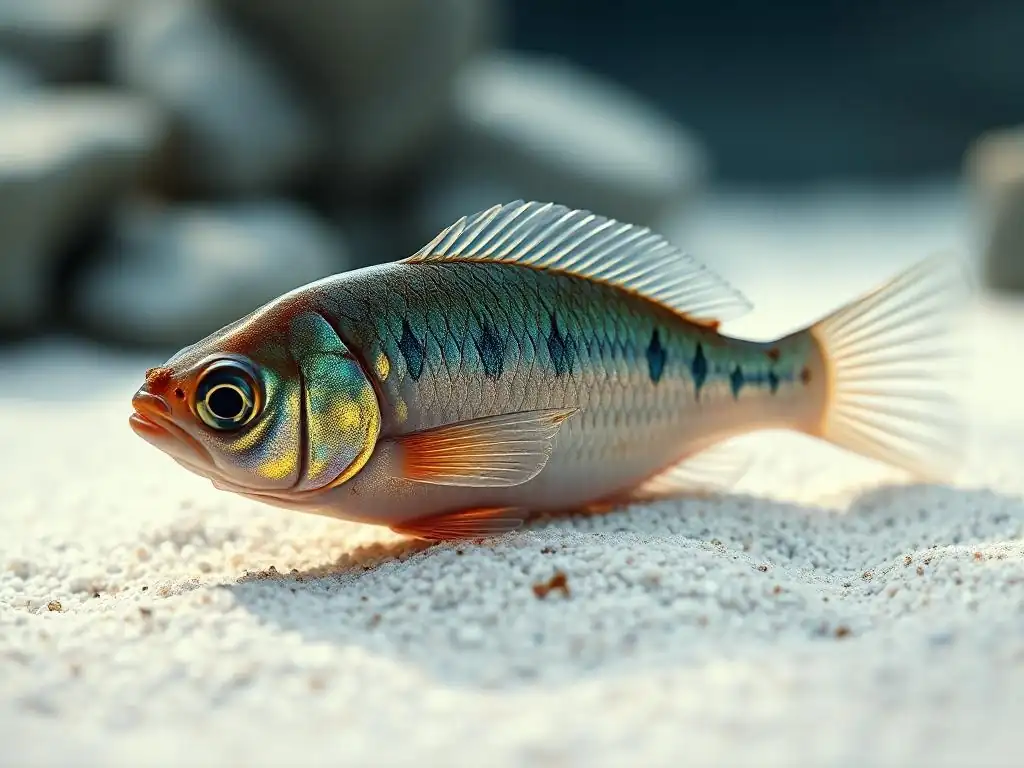
The ideal substrate for Corydoras is fine sand (e.g., play sand, pool filter sand) or very smooth, small gravel (under 2mm in diameter). This allows them to safely sift and dig without damaging their barbels, promoting natural foraging behaviors. Damaged barbels can also impair their ability to detect food, leading to malnutrition, further contributing to their inactivity. Regularly inspect your Corydoras's barbels for any signs of redness, swelling, or erosion.
Lighting Preferences
Corydoras are typically more active during periods of dim light or at dusk and dawn in their natural habitat. They are not accustomed to intense, continuous bright lighting. Very strong aquarium lighting, especially if left on for extended periods (e.g., 12 hours or more a day), can be highly stressful for them. This constant exposure can make them feel vulnerable and exposed, prompting them to seek cover and become an "inactive Corydoras hiding reason" during daylight hours.
To accommodate their preferences, provide a lighting cycle that mimics natural day and night, typically 8-10 hours of moderate light. Additionally, incorporating dense live plants, driftwood, or rock formations that create shaded areas within the tank can offer them retreats from bright light. This sense of security allows them to feel more comfortable exploring the tank and engaging in natural behaviors, rather than constantly hiding.
Temperature Fluctuations
Maintaining a stable water temperature is crucial for the health and activity of Corydoras. Most Corydoras species thrive in temperatures between 72-78°F (22-26°C), though specific species may have slightly different preferences. Rapid or significant temperature fluctuations, such as a drop or rise of more than 2-3°F within a few hours, can cause thermal shock, severely stressing the fish's system.
These fluctuations can suppress their immune response, make them more susceptible to disease, and directly lead to lethargy, clamped fins, and a general "inactive Corydoras hiding reason." A reliable, appropriately sized heater and an accurate thermometer are essential to prevent such temperature swings. Consistency is key; even if your tank's temperature is at the lower or higher end of their preferred range, stability is more important than frequent adjustments.
Diagnosing Inactivity
When a Corydoras becomes inactive or hides, a systematic approach to diagnosis is essential to identify the underlying cause. This involves a combination of careful observation, precise water testing, and a thorough physical examination of the fish. Rushing to solutions without proper diagnosis can worsen the problem or delay effective treatment.
By methodically checking these key areas, you can narrow down the potential "inactive Corydoras hiding reasons" and formulate an appropriate plan of action. It's often a process of elimination, starting with the most common and easily verifiable issues.
Observing Behavior
The first step in diagnosing Corydoras inactivity is detailed behavioral observation. Note precisely when the inactivity started. Is it sudden or gradual? Is the fish constantly inactive, or does it show brief periods of normal behavior? Is it hiding more than usual, or simply staying in one spot in the open? Observe if the inactivity is accompanied by other behavioral changes, such as loss of appetite, abnormal swimming patterns (e.g., darting, spiraling), or a lack of interaction with its school.
It is helpful to dedicate 5-10 minutes each day to simply watching your fish. Keep a mental or written log of any unusual behaviors or changes you notice. For instance, if your Corydoras usually forages actively for 3-4 hours after feeding but now remains still for 8 hours, that's a significant change. Consistent, daily observation can help you detect subtle shifts before they escalate, providing crucial clues to the "inactive Corydoras hiding reason."
Testing Water Parameters
Immediately test your aquarium's water parameters using a reliable liquid-based test kit. Strip tests can be less accurate and may provide misleading results. Focus on the most critical parameters: ammonia, nitrite, nitrate, and pH. For ammonia and nitrite, the reading should always be 0 parts per million (ppm). Nitrate levels should ideally be below 20 ppm, and certainly no higher than 40 ppm.
Check the pH level and ensure it is stable and within the appropriate range for your specific Corydoras species (typically 6.0-7.5). Any deviations from these ideal ranges are strong indicators of water quality issues and are primary "inactive Corydoras hiding reasons." Document your readings and compare them to previous tests to identify any trends or sudden spikes. This data will guide your immediate actions, such as performing a water change.
Examining for Physical Signs
After observing behavior and testing water, conduct a thorough physical examination of the inactive Corydoras. This might require gently coaxing the fish out of its hiding spot or observing it closely with a flashlight. Look for any visible signs of illness:
- White spots: Indicative of Ich.
- Cottony growths or lesions: Suggestive of Columnaris or fungal infections.
- Frayed or ragged fins: A sign of fin rot or physical damage.
- Bloating or "pineconing" scales: Potential signs of Dropsy or internal bacterial infection.
- Changes in coloration: Paleness, darkening, or unusual patches.
- Redness or irritation: Particularly around the gills or barbels.
Also, pay close attention to the fish's breathing rate. Rapid gill movement can indicate stress, poor oxygen levels, or the presence of toxins. Note overall body condition; emaciation can point to chronic illness or underfeeding. These visual cues are essential for pinpointing the specific "inactive Corydoras hiding reason" and determining the appropriate course of treatment.
Solutions and Treatments
Once the cause of your Corydoras's inactivity has been diagnosed, implementing the correct solutions and treatments promptly is crucial for their recovery. The approach will vary significantly depending on whether the issue is water quality, stress, illness, or diet. Often, a multi-faceted approach addressing several factors simultaneously yields the best results.
Remember that patience and consistency are key. It may take time for your Corydoras to fully recover and return to its normal active self. Always prioritize the most critical issues first, such as toxic water parameters or severe illness.
Improving Water Quality
Addressing water quality issues is often the most immediate and impactful step in resolving "inactive Corydoras hiding reasons." If water tests reveal elevated ammonia, nitrite, or nitrate levels, or an unstable pH, corrective action is needed without delay. Improving water quality directly reduces stress on the fish and removes toxins that are harming their internal systems.
This foundational step sets the stage for any further treatments or interventions. A clean and stable environment allows the Corydoras's immune system to recover and reduces the burden on its internal organs, promoting healing and a return to normal activity.
Performing Water Changes
If water tests show elevated ammonia or nitrite, or very high nitrates (above 40 ppm), perform an immediate, large water change. For critical situations, a 50% water change is often recommended, followed by smaller daily changes (e.g., 20-25%) until parameters normalize. Always use dechlorinated water that is temperature-matched to the tank water to avoid shocking the fish.
Regular weekly water changes of 25-30% are essential for ongoing maintenance, even when parameters seem fine. This routine dilution of pollutants prevents their buildup and replenishes vital minerals, providing a consistently healthy environment. Consistent water changes are the single most effective way to prevent water quality from becoming an "inactive Corydoras hiding reason."
Using Water Conditioners
Always use a high-quality water conditioner that neutralizes chlorine and chloramines found in tap water. Many modern conditioners also temporarily detoxify ammonia and nitrite, providing immediate, albeit short-term, relief in emergency situations. This can buy you crucial time while you address the underlying cause of the water quality issue.
While water conditioners are vital for making tap water safe, they are not a substitute for proper tank cycling or regular water changes. They are a critical tool for initial setup and ongoing water changes, ensuring that the water you add to your tank doesn't introduce further toxins that could contribute to "inactive Corydoras hiding reasons."
Maintaining Nitrogen Cycle
A fully established and healthy nitrogen cycle is fundamental to long-term water quality stability. If your tank is new, cycling it properly before adding fish is crucial. If an existing tank's cycle has crashed (evidenced by ammonia or nitrite spikes), take steps to re-establish it. This can involve reducing feeding, performing daily water changes, and using beneficial bacteria starter products.
Avoid overfeeding and overcrowding, as these are common causes of nitrogen cycle imbalances. Excess waste overwhelms the beneficial bacteria responsible for breaking down toxins. Maintaining a robust biological filter through proper tank management is key to preventing recurring water quality issues, which are primary "inactive Corydoras hiding reasons."
Reducing Stress Factors
Addressing and eliminating stress factors in the aquarium environment is crucial for encouraging your Corydoras to become active again. Stress directly impacts their immune system and overall vitality, making them prone to inactivity and illness. Creating a serene and secure habitat will help them feel safe enough to resume their natural behaviors.
This involves evaluating social dynamics, ensuring adequate space, and providing sufficient cover. By proactively managing these elements, you can significantly reduce the likelihood of stress-induced "inactive Corydoras hiding reasons."
Re-evaluating Tank Mates
If aggressive or overly boisterous tank mates are identified as the cause of stress, you have a few options. The ideal solution is to rehome the aggressive fish to a more suitable tank or move the Corydoras to a dedicated, peaceful community setup. If rehoming isn't possible, consider adding more hiding places and breaking up line of sight within the tank to reduce direct confrontations.
Remember that Corydoras thrive in peaceful environments. Surrounding them with compatible, non-aggressive species (e.g., small schooling tetras like Neon Tetras, Rasboras, Otocinclus catfish) will significantly reduce their stress levels. A harmonious tank environment encourages them to come out of hiding and display their natural, active behaviors, preventing stress-induced "inactive Corydoras hiding reasons."
Providing Hiding Places
Increase the number and variety of hiding places in your aquarium. Add more caves, driftwood pieces, rock formations, and dense clusters of live or artificial plants. Ensure there are enough options for all Corydoras in your school, plus some extra, so they each have a personal retreat when needed. Arrange the decor to create line-of-sight breaks and secure areas.
A well-decorated tank with ample cover provides a sense of security for Corydoras. When they feel safe, they are more likely to explore the tank, forage for food, and interact with their school, rather than remaining an "inactive Corydoras hiding reason." The psychological comfort derived from hiding spots is vital for their well-being.
Ensuring Adequate Tank Size
If overcrowding is contributing to the inactivity, consider upgrading to a larger aquarium. For a group of 6 Corydoras aeneus, a minimum 20-gallon long tank is generally recommended to provide sufficient swimming and foraging space. A larger tank offers more stable water parameters, reduces competition for resources, and provides more room for individual territories.
While a larger tank is an investment, it significantly improves the quality of life for your fish and reduces chronic stress. Ample space allows Corydoras to behave more naturally, schooling and foraging without constant pressure from tank mates or feeling confined. This directly addresses one of the key "inactive Corydoras hiding reasons" related to environmental constraints.
Treating Illnesses
If your Corydoras's inactivity is diagnosed as a symptom of illness, prompt and appropriate treatment is essential. Misdiagnosis or delayed treatment can lead to the worsening of the condition and potentially infect other fish in the tank. Always prioritize accurate identification of the disease before administering any medication.
Treating illnesses requires careful attention to detail, including correct medication dosage, duration of treatment, and often, isolation of the sick fish. This proactive approach gives your Corydoras the best chance for recovery and prevents the spread of disease throughout your aquarium.
Identifying and Treating Diseases
Accurately identify the specific disease affecting your Corydoras by cross-referencing symptoms with reliable aquarium health guides or consulting an aquatic veterinarian. Once identified, select a medication specifically designed to treat that disease in freshwater fish. For example, Ich is often treated with elevated temperatures and specific Ich medications, while bacterial infections like Columnaris require antibiotics.
Strictly follow the medication instructions regarding dosage and duration. Overdosing can be harmful, while underdosing can lead to resistant pathogens. Many medications require removing activated carbon from the filter during treatment, as it will absorb the medication, rendering it ineffective. Consistency in treatment is key to overcoming the "inactive Corydoras hiding reason" caused by illness.
Quarantine Procedures
Whenever possible, move the sick Corydoras to a separate quarantine tank for treatment. A quarantine tank is a simple setup (e.g., a 5-10 gallon tank with a heater and sponge filter) that allows for focused treatment without affecting the main display tank or its inhabitants. This prevents the spread of contagious diseases to healthy fish and avoids medicating the entire tank unnecessarily.
Quarantine is also invaluable for observing new fish before introducing them to your main tank, helping to prevent the introduction of pathogens. Treating an "inactive Corydoras hiding reason" due to illness in isolation is less stressful for the sick fish and protects the health of your entire aquatic community.
Using Medications
When using medications, always choose products specifically formulated for freshwater aquarium fish and ensure they are safe for scaleless fish like Corydoras. Some medications, particularly those containing copper or certain dyes, can be toxic to Corydoras due to their lack of scales. Read all labels carefully for warnings or specific instructions for sensitive species.
Ensure proper aeration during treatment, as some medications can reduce oxygen levels. Monitor the treated fish closely for any adverse reactions to the medication. If side effects occur, perform a partial water change and consider reducing the dosage or discontinuing the treatment, consulting an expert if necessary. Proper medication use is crucial for resolving the "inactive Corydoras hiding reason" when illness is the cause.
Optimizing Diet
An optimized and consistent diet is fundamental to the long-term health and activity of your Corydoras. If nutritional deficiencies or inadequate food intake are suspected as the "inactive Corydoras hiding reason," adjusting their feeding regimen can lead to significant improvements in energy levels and overall vitality.
A well-fed fish is more resilient to stress and disease, and will exhibit more natural, active behaviors. Focusing on quality, variety, and proper feeding practices will ensure your Corydoras receive all the nutrients they need to thrive.
Selecting Quality Food
Invest in high-quality sinking foods specifically designed for bottom feeders. Look for reputable brands that list a balanced blend of proteins, fats, vitamins, and minerals. Avoid generic or low-quality flakes that may not provide adequate nutrition or may dissolve too quickly before reaching the bottom. Examples include high-protein sinking wafers, pellets, or granules.
The quality of food directly impacts the health and energy levels of your Corydoras. A nutritionally complete diet will bolster their immune system and provide the energy required for active foraging and social interaction, helping to prevent "inactive Corydoras hiding reasons" stemming from malnutrition.
Supplementing Diet
Supplement your Corydoras's diet with a variety of frozen or live foods several times a week. Excellent choices include frozen bloodworms, brine shrimp, daphnia, and mysis shrimp. These provide essential proteins, vitamins, and fatty acids that may be lacking in dry foods. Live foods like blackworms can also stimulate natural foraging behaviors and provide excellent nutrition.
This dietary diversity not only ensures a complete nutritional profile but also makes feeding time more engaging and encourages active behavior. A rich and varied diet is key to preventing weakness and lethargy, thus avoiding dietary "inactive Corydoras hiding reasons."
Ensuring Adequate Food Intake
In a community tank, observe closely during feeding times to ensure that your Corydoras are actually getting enough food. Faster-swimming fish often consume food before it sinks. If necessary, consider feeding your Corydoras after the main tank lights have been off for 15-30 minutes, when other fish are less active. You can also target feed by dropping sinking pellets directly into their preferred foraging areas.
Feed small amounts 1-2 times a day, ensuring that all food is consumed within 5-10 minutes to prevent overfeeding and subsequent water quality issues. Consistent and adequate food intake is vital for their energy levels and overall health, directly addressing "inactive Corydoras hiding reasons" related to undernourishment.
Preventing Inactivity
Proactive prevention is always better than reactive treatment when it comes to fish health. By consistently maintaining a healthy environment and adhering to best practices, you can significantly reduce the likelihood of your Corydoras becoming inactive or hiding due to stress, illness, or poor conditions. A preventative approach fosters a thriving aquarium ecosystem where fish can flourish.
This involves establishing a routine of care that covers all aspects of their well-being, from water quality to social dynamics and diet. Consistent attention to these details will ensure your Corydoras remain active, vibrant, and healthy.
Maintaining a Healthy Environment
A consistently healthy and stable environment is the cornerstone of preventing "inactive Corydoras hiding reasons." This encompasses not just clean water but also appropriate tank setup, sufficient space, and compatible tank mates. Regular maintenance routines are crucial for sustaining these optimal conditions over the long term.
By proactively managing environmental factors, you create a low-stress habitat where Corydoras feel secure and can exhibit their natural behaviors. This reduces their susceptibility to illness and promotes overall vitality, leading to consistently active and engaging fish.
Regular Water Testing
Make water testing a routine part of your aquarium maintenance, ideally once a week or bi-weekly. Consistently monitor ammonia, nitrite, nitrate, and pH levels using a reliable liquid test kit. Keeping a log of your readings can help you identify trends or sudden changes before they become problematic.
Early detection of parameter shifts allows for prompt corrective action, such as a water change, before your fish become stressed or ill. Regular testing is your most powerful tool for preventing water quality issues from becoming a primary "inactive Corydoras hiding reason."
Choosing Compatible Tank Mates
Research fish compatibility thoroughly before introducing any new species to your Corydoras tank. Opt for peaceful, non-aggressive fish that occupy different levels of the water column and will not outcompete or harass your bottom dwellers. Good choices include small schooling tetras, rasboras, and other peaceful community fish.
A harmonious community tank significantly reduces chronic stress for Corydoras, allowing them to exhibit their natural schooling and foraging behaviors without fear. This proactive selection of tank mates is crucial for preventing stress-induced "inactive Corydoras hiding reasons."
Providing a Balanced Diet
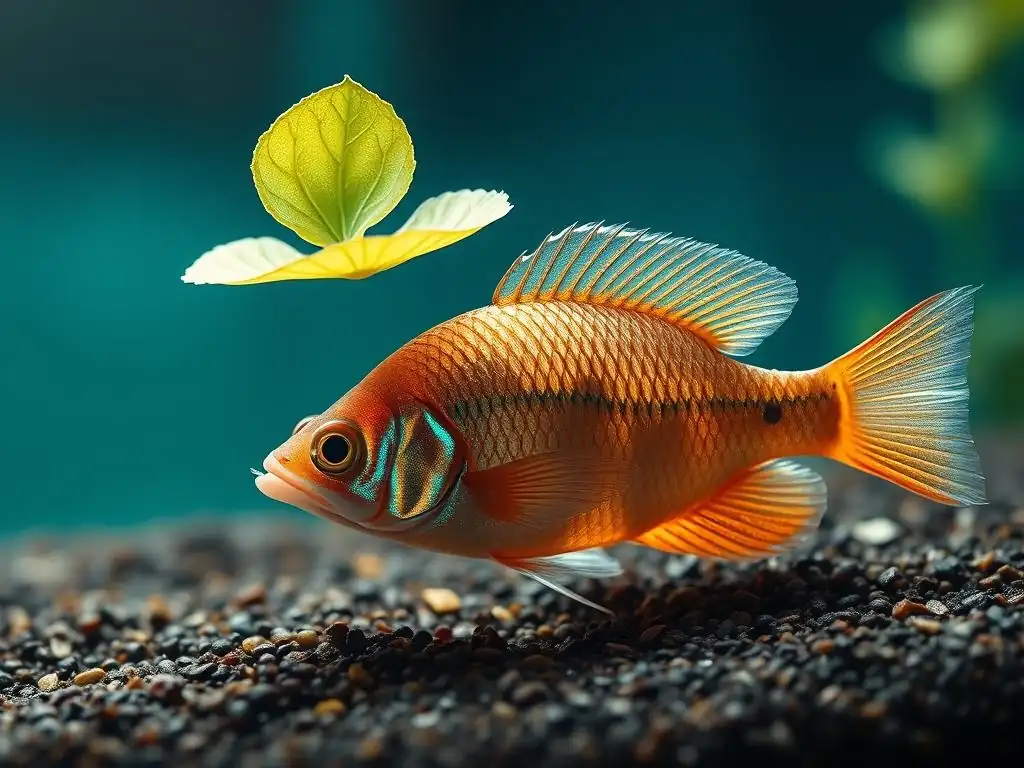
Commit to providing a varied and high-quality diet. Do not rely on just one type of food. Incorporate high-quality sinking pellets or wafers designed for bottom feeders, and supplement regularly with frozen or live foods such as bloodworms, brine shrimp, or daphnia.
A nutritionally complete diet strengthens the immune system, provides ample energy, and contributes to overall resilience against disease and stress. Proper nutrition is a fundamental preventative measure against Corydoras becoming an "inactive Corydoras hiding reason" due to weakness or illness.
Regular Observation
Dedicate a few minutes each day to simply observe your Corydoras. Look for changes in their swimming patterns, appetite, coloration, fin position, or interaction with their school. Pay attention to any subtle shifts in behavior.
Early detection of minor issues allows for prompt intervention before they escalate into serious health problems. Consistent, attentive observation is one of the most effective ways to prevent prolonged "inactive Corydoras hiding reasons" and ensure the long-term health of your fish.
Seeking Expert Help
While many "inactive Corydoras hiding reasons" can be resolved with diligent home care, there are instances where professional assistance becomes necessary. Recognizing when to seek expert help is crucial to provide the best possible outcome for your ailing Corydoras, especially if your own interventions are not yielding results.
Delaying professional consultation can sometimes be detrimental, particularly with rapidly progressing diseases. Knowing when and where to find an aquatic veterinarian can make a significant difference in the prognosis for your fish.
Recognizing When Assistance Is Needed
It's time to seek expert help if:
- Your Corydoras's condition worsens despite your best efforts to improve water quality, reduce stress, and provide a better diet.
- Multiple fish in your tank are exhibiting similar symptoms of inactivity or illness.
- You are unable to accurately diagnose the specific disease based on symptoms.
- The prescribed over-the-counter medications are not effective or seem to be causing adverse reactions.
- The fish exhibits severe symptoms like extreme bloating, rapid breathing, or major lesions.
If you've exhausted common troubleshooting steps for "inactive Corydoras hiding reasons" and still see no improvement, or if the situation seems to be escalating, a professional opinion is warranted to prevent further suffering or loss.
Finding an Aquatic Veterinarian
An aquatic veterinarian specializes in the health and diseases of fish and can provide expert diagnosis and treatment plans. They have access to specialized diagnostic tools, laboratory tests, and prescription-only medications that are not available to the average aquarist. To find an aquatic vet, you can:
- Search online directories, such as those provided by the American Association of Fish Veterinarians (AAFV) or similar organizations in your region.
- Contact local universities with veterinary programs, as they often have aquatic specialists.
- Ask for recommendations from reputable local fish stores or experienced aquarists in your community.
A qualified aquatic veterinarian can perform examinations, conduct water analyses, and even microscopic evaluations to precisely identify the "inactive Corydoras hiding reason" and prescribe the most effective course of action, offering the best chance for your fish's recovery.
Frequently Asked Questions
Why is my Corydoras suddenly hiding more than usual?
Corydoras are social creatures, so excessive hiding can indicate a problem. It could be due to poor water quality, lack of suitable hiding places, or bullying from other tank mates.
What are the most common reasons for Corydoras inactivity?
Common causes include stress from changes in the aquarium environment, disease or parasites, or simply inadequate tank conditions such as the wrong substrate.
How can I tell if my Corydoras is stressed or sick?
Look for signs like rapid breathing, clamped fins, loss of appetite, and erratic swimming. These symptoms often point towards stress or illness requiring immediate attention.
What kind of tank environment do Corydoras need to thrive and be active?
Corydoras require a well-established tank with soft, sandy substrate, plenty of hiding places with plants and driftwood, and good water circulation.
How many Corydoras should I keep together to prevent inactivity and hiding?
Corydoras are schooling fish and thrive in groups. Ideally, you should keep at least six Corydoras of the same species together to promote natural behavior and reduce stress.
Final Reflection: Understanding the Silent Signals of Our Aquatic Companions
The insights shared throughout this article highlight the crucial link between observation and responsible fishkeeping. Recognizing the reasons behind an inactive or hiding Corydoras is not merely about diagnosing a problem, but about fostering a deeper connection with these fascinating creatures. It's a reminder that even seemingly simple pets require attentive care and a commitment to understanding their unique needs within the complex ecosystem of an aquarium.
This exploration into the world of Corydoras behavior underscores the profound impact we have on the lives of the animals in our care. By learning to interpret their silent signals, we become better stewards of their well-being, creating a more harmonious and enriching environment for them. The greatness of a nation and its moral progress can be judged by the way its animals are treated.
- Mahatma Gandhi. This quote resonates deeply when considering the responsibility we undertake when bringing any animal, including a Corydoras, into our homes.
Now, as you observe your own Corydoras, consider the lessons learned here. Are you providing the optimal environment for them to thrive? Are you attuned to the subtle cues they may be sending? Let this knowledge empower you to create a happier, healthier life for your aquatic companions, and in doing so, deepen your appreciation for the intricate beauty of the natural world.
Ignite Your Corydoras' Spark!
Thanks for diving deep into the world of Corydoras care! Now that you're equipped with the knowledge to understand their behavior, it's time to put that understanding into action. Let's bring out the best in your Corydoras.
Here are a few ways to boost your Corydoras' happiness and activity:
- Prioritize creating a Corydoras paradise by enriching their environment. Add more hiding spots, fine sand, and ensure optimal water parameters based on their specific needs.
- Share your Corydoras success stories! Inspire other aquarists by posting photos and tips on social media, using #CorydorasCare.
- Delve deeper! Research specific Corydoras species behaviors to further refine your aquarium setup and cater to their unique needs.
What's one small change you'll implement in your aquarium this week to encourage more active and social Corydoras behavior?