
The Dangers of Overfeeding Your Saltwater Angelfish: Avoid Common Pitfalls

Welcome to Aquarium Mastery!
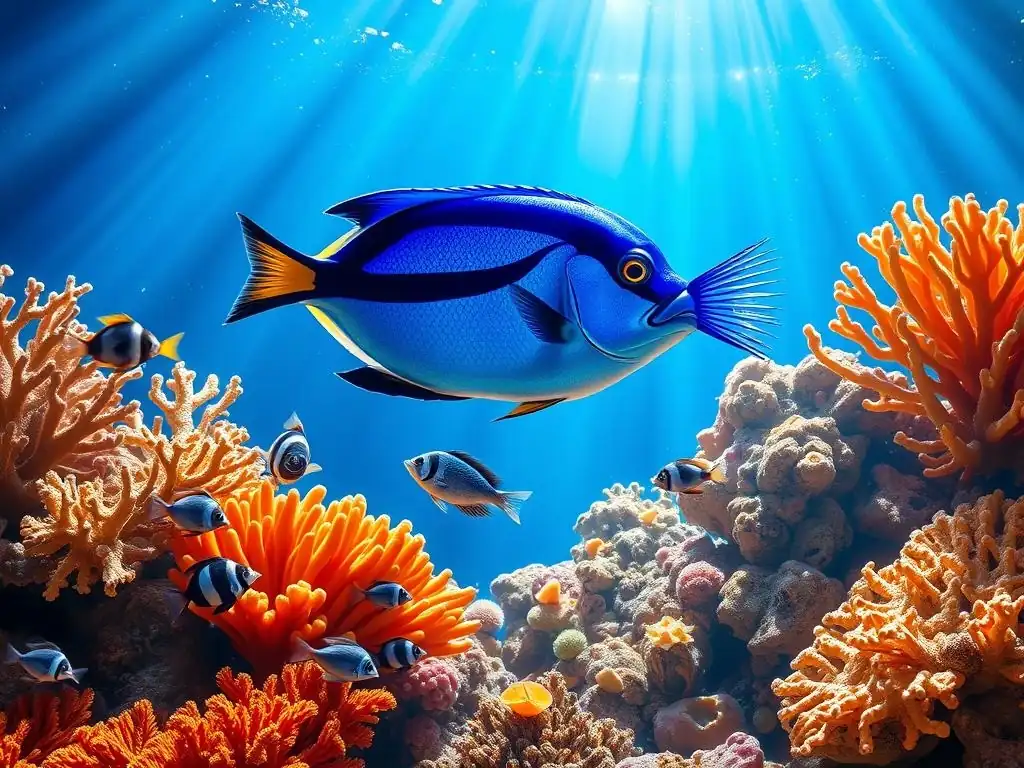
Are you captivated by the vibrant beauty of saltwater angelfish? These stunning creatures can be a rewarding addition to your aquarium, but are you aware of the hidden dangers lurking within your feeding routine? Dive in to discover the critical mistakes many aquarists make when feeding their angelfish and learn how to avoid the saltwater angelfish overfeeding dangers that could threaten their health and well-being. Let's unlock the secrets to a thriving angelfish habitat together!
- The Dangers of Overfeeding Marine Angelfish: Avoiding Common Pitfalls
- Understanding the Marine Angelfish Diet
- Marine Angelfish Overfeeding Dangers: A Detailed Look
- The Impact of Overfeeding on Your Marine Aquarium Environment
- Common Pitfalls Leading to Marine Angelfish Overfeeding
- Preventing Marine Angelfish Overfeeding: Practical Strategies
- Addressing Overfeeding Issues in Your Marine Angelfish
- Long-Term Health Consequences of Marine Angelfish Overfeeding
- Alternative Feeding Methods for Marine Angelfish
- Maintaining a Healthy Marine Angelfish: A Holistic Approach
- Conclusion: Prioritizing Your Marine Angelfish's Health Through Responsible Feeding
-
Frequently Asked Questions
- What are the primary dangers of overfeeding saltwater angelfish?
- How can I tell if I am overfeeding my saltwater angelfish?
- What is the recommended feeding schedule for saltwater angelfish?
- What types of food are best suited for saltwater angelfish, and how do they affect overfeeding risks?
- What preventative measures can I take to avoid overfeeding my saltwater angelfish?
- Final Reflection: The Delicate Balance of Care
- Unlock the Secrets to a Thriving Angelfish!
The Dangers of Overfeeding Marine Angelfish: Avoiding Common Pitfalls
Understanding the Marine Angelfish Diet
Natural Feeding Habits of Angelfish in the Wild
In their natural coral reef habitats, marine angelfish exhibit diverse feeding behaviors, largely dependent on their specific genus and species. For instance, large angelfish from genera like Pomacanthus and Holacanthus are primarily omnivores, with a significant portion of their diet consisting of sponges and tunicates. They are also known to graze on algae and occasionally consume small crustaceans or worms found within the reef structure. Dwarf angelfish, such as those from the Centropyge genus, tend to be more herbivorous, relying heavily on various types of algae and detritus found on live rock and coral.
This natural diet is characterized by continuous, small-scale foraging throughout the day. Unlike many terrestrial animals that consume large, infrequent meals, angelfish in the wild spend a considerable portion of their active hours meticulously picking at the reef, consuming numerous tiny portions of food. This constant grazing provides a steady intake of nutrients and aligns with their digestive physiology, which is adapted for frequent, small meals rather than large, infrequent gorging sessions. Understanding this inherent feeding pattern is crucial for replicating a healthy diet in an aquarium environment.
The Importance of a Varied Diet for Marine Angelfish
Providing a varied diet is paramount for the long-term health and vitality of marine angelfish in captivity. A diverse nutritional intake ensures that all essential vitamins, minerals, proteins, and fatty acids are supplied, mimicking the complex array of nutrients they would obtain from their natural, varied diet. For example, high-quality marine proteins are essential for growth and tissue repair, while essential fatty acids, such as highly unsaturated fatty acids (HUFAs) like DHA and EPA, are critical for immune system function, nerve development, and vibrant coloration.
Without a varied diet, angelfish can develop nutritional deficiencies that compromise their immune system, stunt growth, and lead to dull coloration. A well-rounded feeding regimen should include a mix of high-quality marine-based pellets and flakes, various frozen foods (such as mysis shrimp, brine shrimp, spirulina-enriched formulas), and vegetable matter like dried nori or spirulina flakes. Regularly rotating these food types prevents the angelfish from becoming overly reliant on one food source and ensures a comprehensive nutritional profile, mitigating several saltwater angelfish overfeeding dangers related to poor diet.
Marine Angelfish Overfeeding Dangers: A Detailed Look
Why Overfeeding is Harmful to Your Angelfish
Overfeeding is one of the most common and detrimental practices in marine aquaria, particularly for angelfish. Their digestive systems, while robust, are designed for the continuous processing of small amounts of food. When an angelfish consumes an excessive quantity of food in a single sitting, its digestive tract becomes overloaded. This leads to inefficient digestion, poor nutrient absorption, and can cause internal blockages or severe inflammation of the gut. The internal organs, particularly the liver, are put under immense strain as they attempt to process the overwhelming influx of nutrients, often leading to long-term damage.
Beyond the direct impact on the fish's physiology, overfeeding has significant ramifications for the entire aquarium ecosystem. Uneaten food quickly decomposes in the water, releasing a surge of ammonia, which is highly toxic to fish. While the beneficial bacteria in the biological filter convert ammonia to less harmful nitrite and then to nitrate, an excessive amount of decaying organic matter can overwhelm this process. This results in elevated levels of harmful compounds, directly stressing the angelfish's gills and immune system, making them far more susceptible to disease and significantly contributing to saltwater angelfish overfeeding dangers.
Recognizing the Signs of Overfeeding in Marine Angelfish
Physical Symptoms of Overfeeding: Bloating, Distended Abdomen, Prolapsed Anus
The physical signs of overfeeding in marine angelfish are often apparent and serve as critical indicators of internal distress. One of the most common symptoms is bloating, where the angelfish's abdomen appears noticeably distended or swollen, particularly after a meal. This distension is typically due to gas buildup within the digestive tract or fluid retention caused by impaired digestion. The fish may look unnaturally round or "fat," even if its overall body condition appears healthy otherwise.
In more severe cases of chronic overfeeding or severe digestive blockage, an angelfish may develop a prolapsed anus. This condition occurs when a portion of the intestine protrudes from the vent, indicating extreme internal pressure and distress. Additionally, changes in fecal matter can be a sign; long, stringy, or white feces often indicate internal parasites or bacterial infections exacerbated by an overloaded digestive system, frequently linked to improper diet or overfeeding. Prompt recognition of these physical signs is crucial for intervention.
Behavioral Changes Due to Overfeeding: Lethargy, Reduced Activity, Loss of Appetite
Beyond physical symptoms, overfeeding can induce significant behavioral changes in marine angelfish. An overfed fish often exhibits lethargy, spending more time hiding or resting at the bottom of the tank rather than actively swimming or interacting with its environment. Their movements may appear labored or sluggish, contrasting sharply with the typically active and inquisitive nature of healthy angelfish. This reduced activity is a direct result of their body struggling to cope with digestive overload and the stress of deteriorating water quality.
Paradoxically, an overfed angelfish may also display a reduced or complete loss of appetite, even when offered their favorite foods. This seemingly counterintuitive behavior occurs because their digestive system is already overwhelmed, or the fish is generally unwell due to the stress of its condition. While a healthy angelfish will almost always eagerly approach food, an overfed one might ignore it, spit it out, or show no interest whatsoever. Observing this change in feeding response is a strong indicator of saltwater angelfish overfeeding dangers.
The Impact of Overfeeding on Your Marine Aquarium Environment
Increased Nitrate Levels: A Consequence of Excess Food
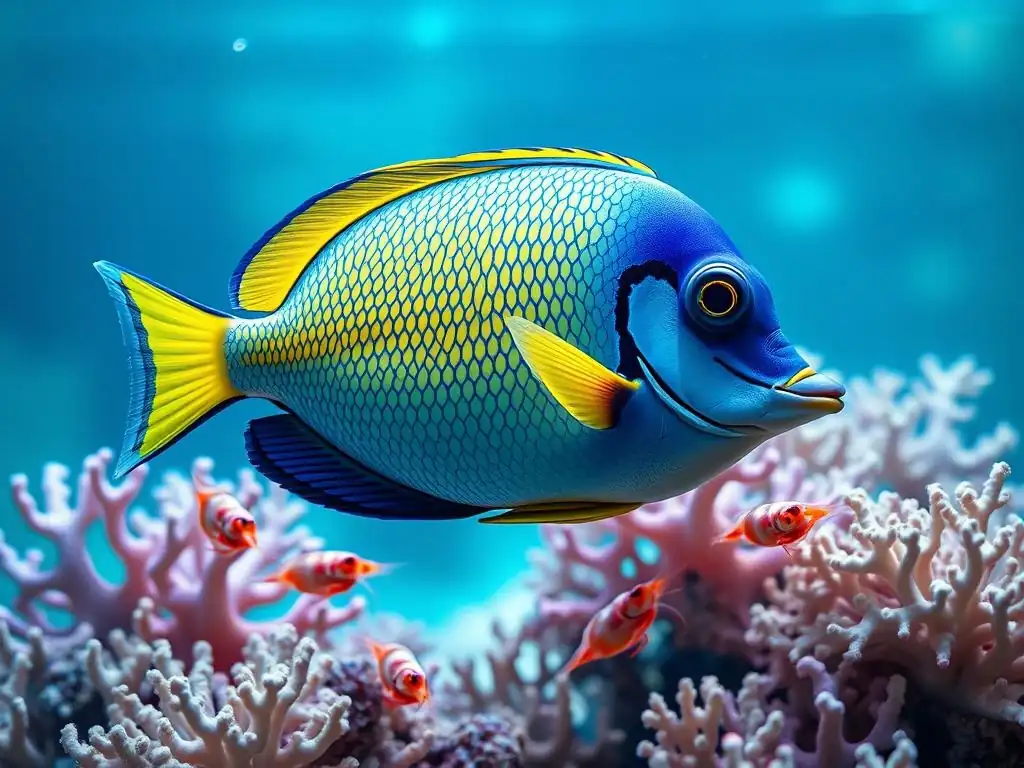
One of the most immediate and pervasive consequences of overfeeding in a marine aquarium is the rapid increase in nitrate levels. When uneaten food decomposes, it releases ammonia into the water. The beneficial nitrifying bacteria in the biological filter then convert this highly toxic ammonia into nitrite, and subsequently, into nitrate. While nitrate is significantly less toxic than ammonia or nitrite, sustained high concentrations are detrimental to all marine life, including angelfish, corals, and invertebrates.
Chronic exposure to elevated nitrate levels (e.g., consistently above 20-40 ppm for sensitive species) leads to chronic stress in angelfish. This stress suppresses their immune system, making them more susceptible to various diseases, including fin rot, lateral line erosion, and parasitic infestations. Furthermore, high nitrates contribute to poor water clarity and can inhibit the growth and vibrant coloration of corals in a reef environment, demonstrating the far-reaching saltwater angelfish overfeeding dangers.
Algae Blooms: The Unwanted Side Effect of Overfeeding
Excess nutrients, primarily nitrates and phosphates released from decaying uneaten food and fish waste, act as potent fertilizers for nuisance algae. Overfeeding provides a constant, abundant supply of these nutrients, creating ideal conditions for rapid and unsightly algae blooms. Common types of nuisance algae that proliferate due to overfeeding include hair algae, diatoms (brown algae), and various forms of cyanobacteria (red slime algae). These algae can quickly cover live rock, substrate, and equipment, diminishing the aesthetic appeal of the aquarium.
Beyond their visual impact, severe algae blooms can outcompete desirable corals for light and nutrients in a reef tank, potentially leading to coral recession or even death. In extreme cases, particularly overnight when plants and algae respire, dense algae blooms can significantly deplete oxygen levels in the water, posing a direct threat to the angelfish and other inhabitants. Managing nutrient input through responsible feeding is therefore critical to preventing these widespread environmental issues caused by saltwater angelfish overfeeding dangers.
Water Quality Degradation: How Overfeeding Affects Your Tank's Balance
The degradation of overall water quality due to overfeeding extends beyond just increased nitrates and phosphates. The decomposition of excess organic matter leads to a cascade of negative effects on the delicate balance of a marine aquarium. It can cause a measurable drop in pH due to increased acidity from carbonic acid production and other metabolic byproducts. Additionally, overfeeding significantly increases the concentration of dissolved organic compounds (DOCs), which can yellow the water, reduce light penetration, and provide a substrate for undesirable bacterial growth.
Furthermore, an overloaded biological filter, struggling to process the constant influx of waste, may become inefficient, leading to persistent low levels of ammonia or nitrite. The cumulative effect of these factors—high nitrates, low pH, high DOCs, and potentially low oxygen—creates a chronically unhealthy environment. This weakens the immune systems of all aquarium inhabitants, from angelfish to invertebrates, making the entire ecosystem more vulnerable to disease outbreaks, stress-related ailments, and ultimately, a complete system crash. The holistic impact underscores the severe saltwater angelfish overfeeding dangers.
Common Pitfalls Leading to Marine Angelfish Overfeeding
Misinterpreting Angelfish Begging Behavior
One of the most common pitfalls leading to marine angelfish overfeeding is misinterpreting their "begging" behavior. Angelfish, like many other aquarium inhabitants, quickly learn to associate the presence of their human caretakers with food. They may swim excitedly to the front of the tank, dart back and forth, or even "dance" in anticipation whenever a person approaches. This behavior is a learned response, a conditioned reflex, and not necessarily an accurate indicator of true hunger or nutritional need.
Many aquarists, out of a desire to provide the best care or simply enjoying the interaction, succumb to this perceived hunger and offer more food than necessary. It's crucial to understand that a healthy angelfish, even one that has been adequately fed, will almost always appear eager for more food. Giving in to this begging behavior consistently can lead to chronic overfeeding, contributing significantly to the various saltwater angelfish overfeeding dangers. A disciplined approach to feeding based on actual need, not perceived hunger, is essential.
Feeding Too Frequently: Establishing a Proper Feeding Schedule
Another prevalent mistake is feeding marine angelfish too frequently throughout the day. While angelfish graze continuously in the wild, their metabolism and activity levels in a confined aquarium environment are different. In an aquarium, with less space to forage and potentially lower metabolic demands, multiple large feedings throughout the day can quickly lead to an accumulation of uneaten food and an overloaded digestive system. Some aquarists might feed three, four, or even more times daily, often in generous portions.
For most adult marine angelfish, one to two small feedings per day are generally sufficient to meet their nutritional requirements without overwhelming their system or polluting the tank. Juvenile angelfish, due to their rapid growth, may benefit from slightly more frequent, but still very small, meals. Establishing and strictly adhering to a proper feeding schedule is key to preventing this common form of saltwater angelfish overfeeding dangers. Consistency helps regulate their metabolism and ensures they receive appropriate nutrition without excess.
Using Inappropriate Food Sizes or Types: Selecting the Right Food
The type and size of food offered also play a critical role in preventing overfeeding. A common pitfall is using food particles that are too large for the angelfish to consume efficiently. When food is too big, the fish may struggle to eat it, leading to pieces being broken off and settling on the substrate or getting lost in the rockwork, where they decompose. Even if the angelfish does manage to consume oversized pieces, it can lead to digestive strain and potential blockages within their relatively short digestive tract.
Equally important is selecting foods specifically formulated for marine angelfish or omnivorous marine fish. Using foods with too much filler, lacking essential marine proteins, or containing ingredients that are difficult for angelfish to digest can lead to malnutrition even if the fish is fed in excess. This seemingly contradictory situation arises because the fish is receiving calories but not the necessary nutrients, contributing to digestive issues and the overall saltwater angelfish overfeeding dangers. High-quality, appropriately sized foods are therefore crucial.
Preventing Marine Angelfish Overfeeding: Practical Strategies
Implementing a Strict Feeding Schedule
Establishing and adhering to a strict feeding schedule is one of the most effective strategies to prevent marine angelfish overfeeding. Instead of feeding impulsively whenever the fish seem "hungry," designate specific times of the day for meals. For example, feeding once in the morning and once in the evening can create a predictable routine. This consistency helps regulate the angelfish's metabolism and reduces the likelihood of them exhibiting exaggerated begging behaviors, as they learn when to anticipate their food.
By sticking to a schedule, you eliminate the guesswork and reduce the temptation to overfeed. It also allows for better monitoring of their appetite and overall health. For instance, if an angelfish consistently refuses food at its scheduled time, it's a clear sign that something might be amiss, whether it's related to overfeeding or another health issue. A disciplined feeding routine is a cornerstone of responsible aquarium husbandry and vital for mitigating saltwater angelfish overfeeding dangers.
Measuring Food Portions Accurately: Avoiding Excess
Accurate measurement of food portions is paramount to avoiding excess and ensuring your marine angelfish receive just the right amount. Do not simply "pinch" or "pour" food; instead, use a small measuring spoon, a dedicated scoop, or even a small container to portion out the exact amount. A good rule of thumb is to offer only as much food as your angelfish can consume entirely within 60 to 90 seconds, or at most, two minutes. Any food remaining after this short period is likely to decay and pollute the water.
For a medium-sized angelfish, this might translate to a small pinch of high-quality flake food or approximately one-quarter of a frozen mysis shrimp cube per feeding. The exact amount will vary based on the fish's size, species, and metabolic rate, but the principle remains the same: small, controlled portions. Consistent measurement helps prevent the accumulation of uneaten food, a primary contributor to saltwater angelfish overfeeding dangers and poor water quality.
Choosing High-Quality Angelfish Food
The quality of the food you provide directly impacts your angelfish's health and the cleanliness of your aquarium. High-quality angelfish foods are formulated with nutrient-dense ingredients, meaning your fish receives maximum nutrition from smaller portions, leading to less waste. Look for foods that list marine proteins (like fish meal, krill, spirulina) as primary ingredients, along with essential vitamins, minerals, and fatty acids. Avoid foods with excessive fillers or questionable by-products.
Rotating different types of high-quality foods—such as premium pellets, flakes, various frozen foods (e.g., spirulina-enriched brine shrimp, mysis shrimp, chopped clam), and dried algae sheets—ensures a complete nutritional profile. This variety also keeps the angelfish interested in their food and prevents them from becoming finicky eaters. Investing in superior nutrition is a proactive step against saltwater angelfish overfeeding dangers, as it supports health while minimizing environmental impact.
Observing Feeding Behavior Closely
Close observation of your angelfish during feeding time is a simple yet powerful strategy to prevent overfeeding. Watch how quickly they consume the food and whether any pieces settle on the substrate, get caught in the rockwork, or float to the overflow. If food remains after the recommended 60-90 second window, it is a clear indication that you are providing too much, and the portion size should be reduced at the next feeding.
Conversely, if the angelfish consumes the food almost instantly and then continues to frantically search the tank, a slight increase in the next portion might be considered, but always with caution. This ongoing observation allows for fine-tuning of feeding amounts based on the individual needs and activity level of your specific angelfish, ensuring optimal health and preventing the accumulation of excess nutrients that contribute to saltwater angelfish overfeeding dangers.
Addressing Overfeeding Issues in Your Marine Angelfish
Identifying the Cause of the Problem
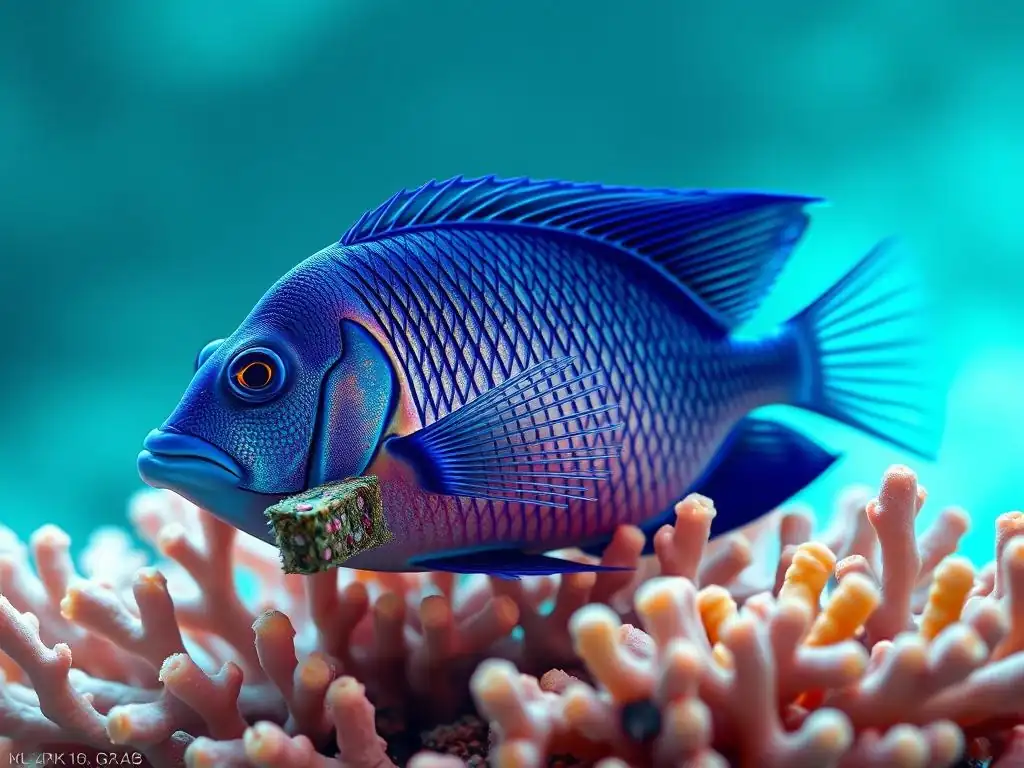
When signs of overfeeding appear, the first crucial step is to identify the root cause of the problem. This involves a thorough review of your current feeding practices. Consider questions such as: How much food are you offering at each meal? How often are you feeding throughout the day? What type of food are you primarily using? Is more than one person feeding the fish, potentially leading to accidental multiple feedings? Sometimes, the issue isn't just quantity but also the quality or digestibility of the food.
Simultaneously, it is essential to test your aquarium's water parameters. Elevated levels of nitrates (e.g., consistently above 40 ppm), or even detectable ammonia or nitrite, are strong objective indicators that organic waste is accumulating in the system, often a direct result of overfeeding. High phosphate levels can also point to excess food as a source. Pinpointing the specific cause is fundamental to developing an effective corrective action plan to mitigate saltwater angelfish overfeeding dangers.
Adjusting Feeding Practices Immediately
Once overfeeding is suspected or confirmed, immediate adjustment of feeding practices is critical. The most direct action is to significantly reduce the quantity of food offered and, in many cases, the frequency of feeding. For angelfish showing severe symptoms of digestive distress, such as extreme bloating or lethargy, a temporary fasting period of 1 to 2 days may be beneficial, but this should be done under careful observation.
Following any fasting, gradually reintroduce food in very small, measured portions. Instead of one or two large meals, consider offering tiny amounts once or twice a day. Transition to high-quality, easily digestible foods, perhaps soaked in a vitamin supplement. The goal is to alleviate the strain on the angelfish's digestive system and prevent further accumulation of waste in the tank. Consistent, reduced feeding is key to recovery from saltwater angelfish overfeeding dangers.
Monitoring Water Parameters Regularly
During and after addressing overfeeding issues, diligent and regular monitoring of water parameters is absolutely essential. Test for ammonia, nitrite, and nitrate levels daily or every other day to track the improvement in water quality. Also, monitor alkalinity, calcium, and pH, as these can be affected by significant organic loads. Consistent testing provides objective data on the tank's health and the effectiveness of your corrective actions.
These readings will guide further interventions. For example, if nitrate levels remain stubbornly high despite reduced feeding, it indicates a significant buildup of organic waste that needs more aggressive removal. Regular monitoring helps ensure that the environment is stabilizing and becoming less stressful for the angelfish, preventing a recurrence of the problems associated with saltwater angelfish overfeeding dangers.
Performing Water Changes to Improve Water Quality
Water changes are an indispensable tool for rapidly improving water quality degraded by overfeeding. Performing a significant water change, typically 20-30% of the tank volume, will immediately dilute accumulated nitrates, phosphates, and other dissolved organic compounds that have built up from excess food and waste. This provides immediate relief to the angelfish by reducing the concentration of harmful pollutants in their environment.
In cases of severe overfeeding, it may be necessary to perform more frequent water changes than usual, perhaps two or three smaller water changes within a week, rather than a single weekly change. Always ensure the new saltwater is properly mixed, temperature-matched, and has the correct salinity before adding it to the tank. Consistent water changes, combined with adjusted feeding, are vital for restoring a healthy and stable environment and mitigating the long-term saltwater angelfish overfeeding dangers.
Long-Term Health Consequences of Marine Angelfish Overfeeding
Liver Damage and Fatty Liver Disease in Angelfish
One of the most severe and insidious long-term health consequences of chronic overfeeding in marine angelfish is liver damage, specifically fatty liver disease, also known as hepatic lipidosis. When angelfish consistently consume more calories and fats than their bodies can process, the excess nutrients are stored as fat, particularly in the liver. Over time, this leads to an abnormal accumulation of lipids within liver cells, causing the organ to become enlarged, inflamed, and less functional.
A compromised liver struggles to perform its vital roles, including metabolizing nutrients, detoxifying waste products, and producing essential proteins. This impaired function can lead to a cascade of health problems, including poor digestion, reduced immune response, and overall systemic failure. Fatty liver disease is often irreversible in advanced stages and is a primary cause of premature death in captive angelfish, representing a critical saltwater angelfish overfeeding danger.
Reduced Lifespan Due to Chronic Overfeeding
The cumulative effects of chronic overfeeding, including the stress of poor water quality, the strain on internal organs, and increased susceptibility to disease, inevitably lead to a significantly reduced lifespan for marine angelfish. Many angelfish species, particularly the larger ones like the Emperor Angelfish ( Pomacanthus imperator), have the potential to live for 10 to 15 years or even longer in optimal aquarium conditions. However, angelfish subjected to consistent overfeeding rarely reach their full potential lifespan.
The constant physiological stress and the development of chronic internal conditions, such as liver damage, diminish the fish's overall vitality and resilience. They become less able to cope with environmental fluctuations or minor pathogens that a healthy fish would easily fight off. This perpetual state of compromised health accelerates the aging process and shortens their life considerably, highlighting a profound long-term saltwater angelfish overfeeding danger.
Increased Susceptibility to Diseases
A direct and critical long-term consequence of marine angelfish overfeeding is a drastically increased susceptibility to various diseases. The chronic stress induced by poor water quality (elevated nitrates, low oxygen, high DOCs) and the internal strain on the digestive and excretory systems severely compromise the angelfish's immune system. A weakened immune response means the fish is far less capable of fighting off common pathogens that are ubiquitous in aquarium environments.
This vulnerability makes them prime targets for parasitic infestations like marine ich ( Cryptocaryon irritans) and velvet ( Amyloodinium ocellatum), as well as bacterial infections leading to fin rot, mouth rot, or internal infections. An overfed, stressed angelfish is often the first to show signs of illness in a tank, and their recovery rates are typically much lower than those of healthy, well-maintained specimens. This heightened disease risk is a major saltwater angelfish overfeeding danger that aquarists must actively prevent.
Alternative Feeding Methods for Marine Angelfish
The Benefits of Live Food (With Caution)
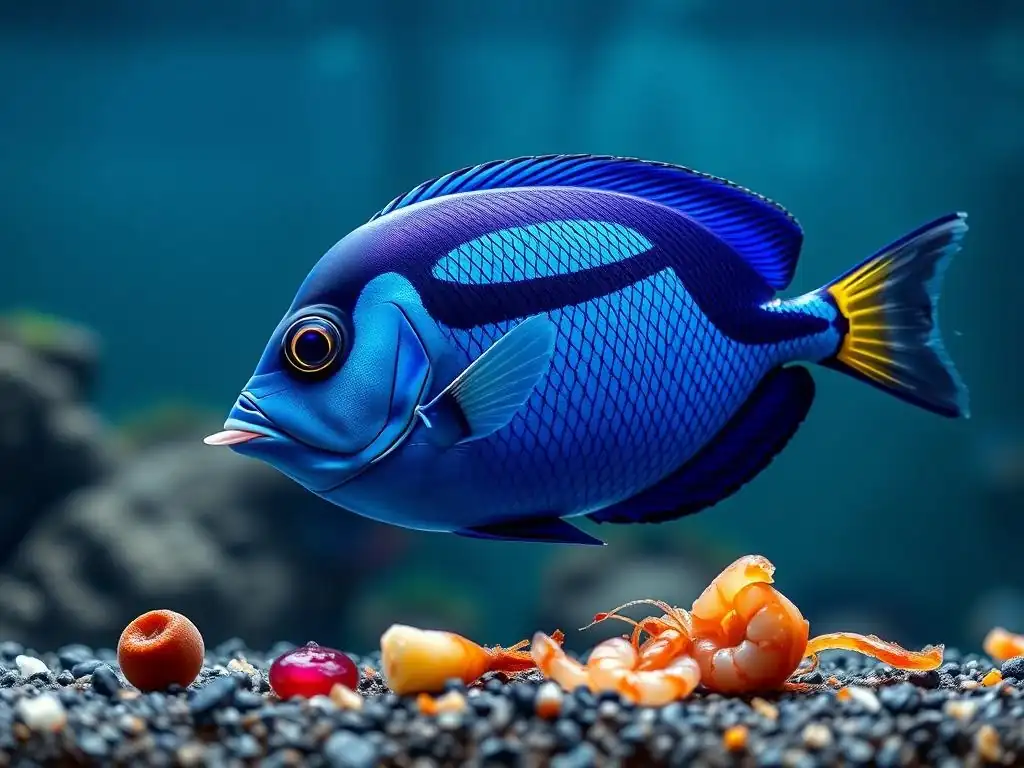
Live foods, such as enriched brine shrimp, mysis shrimp, or even small feeder fish (for larger angelfish, with extreme caution), can offer significant nutritional benefits and provide natural feeding stimulation. They are often highly palatable, encouraging a strong feeding response, and can provide essential proteins and lipids that might be less bioavailable in processed foods. The act of hunting live prey also provides valuable mental and physical enrichment, mimicking natural foraging behaviors.
However, the use of live food comes with considerable caution. The primary risk is the potential introduction of parasites, bacteria, or diseases into the aquarium if the live food source is not absolutely pristine. Live foods that are not properly gut-loaded (fed a nutritious diet themselves before being offered to the angelfish) can also be nutritionally deficient, essentially becoming empty calories. Therefore, live foods should be used as an occasional supplement, not a staple, and sourced from reputable, disease-free suppliers, minimizing the associated saltwater angelfish overfeeding dangers.
Using Automatic Feeders Responsibly
Automatic feeders can be a valuable tool for consistent, measured feeding, particularly for aquarists who travel or have irregular schedules. When set up correctly, they can help prevent overfeeding by dispensing only a pre-determined amount of food at specific intervals, ensuring a disciplined feeding regimen. This consistency can be beneficial in maintaining stable water quality and preventing the impulsive overfeeding that often occurs with manual feeding.
Responsible use of an automatic feeder requires careful calibration and monitoring. Test the feeder for several days before relying on it, ensuring it dispenses the correct portion size and that the food does not clog. Use high-quality, non-clumping foods that are suitable for the feeder mechanism. While automatic feeders can prevent overfeeding by dispensing set amounts, they do not replace the need for daily observation of the angelfish's health and behavior, which remains crucial for detecting any issues, including subtle saltwater angelfish overfeeding dangers.
Incorporating Grazing Opportunities: Algae Sheets, Live Rock, Macroalgae
For marine angelfish, especially dwarf species like Centropyge and larger angelfish that naturally graze on algae and sponges, incorporating natural grazing opportunities is an excellent way to supplement their diet and promote continuous foraging behavior. Attaching a clip with dried nori (seaweed) to the side of the tank several times a week provides a constant source of vegetable matter that they can graze on throughout the day, mimicking their wild diet. This reduces reliance on large, infrequent prepared food feedings.
Furthermore, a well-established marine aquarium with ample live rock provides a natural environment for angelfish to graze on beneficial microalgae and various micro-organisms that colonize its surfaces. Cultivating macroalgae, such as Chaetomorpha or Caulerpa, in the display tank or a refugium can also offer additional natural grazing opportunities. These options not only provide supplemental nutrition but also enrich the angelfish's environment, promoting natural behaviors and reducing the likelihood of overfeeding prepared foods by offering alternative, healthier foraging outlets, thereby reducing saltwater angelfish overfeeding dangers.
Maintaining a Healthy Marine Angelfish: A Holistic Approach
Water Quality Management
Maintaining pristine water quality is the absolute cornerstone of marine angelfish health and is inextricably linked to proper feeding. Regular and accurate testing of key parameters—ammonia, nitrite, nitrate, alkalinity, calcium, magnesium, salinity, and pH—is paramount. Consistent parameters within the optimal range (e.g., salinity 1.023-1.026, pH 8.1-8.4, nitrate below 20 ppm) significantly reduce stress on the angelfish's immune system, making them more resilient to disease.
Robust filtration is essential to support excellent water quality. This includes effective mechanical filtration to remove particulate matter, chemical filtration (like activated carbon and GFO) to absorb dissolved organic compounds and phosphates, and a strong biological filter to process nitrogenous wastes. Regular, scheduled water changes (e.g., 10-20% weekly or bi-weekly) are also crucial for diluting accumulated pollutants and replenishing essential trace elements. A proactive approach to water quality management is fundamental to preventing saltwater angelfish overfeeding dangers and ensuring long-term health.
Proper Tank Size and Environment
Providing an appropriately sized tank and a well-designed environment is critical for the overall well-being of marine angelfish. An undersized tank can lead to chronic stress, stunted growth, and increased aggression, regardless of feeding practices. For example, a juvenile Emperor Angelfish might be housed in a 75-gallon tank, but an adult Pomacanthus imperator requires a minimum of 180-200 gallons to thrive, while a smaller Centropyge bispinosa (Coral Beauty Angelfish) might be comfortable in a 30-gallon tank.
The aquascape should offer a balance of open swimming areas and ample hiding spots within live rock formations. Hiding places reduce stress and provide a sense of security, which is vital for angelfish that can be territorial or shy. A spacious, stimulating environment encourages natural behaviors, promotes activity, and minimizes stress, all of which contribute to a healthy appetite and metabolism, complementing responsible feeding practices in mitigating saltwater angelfish overfeeding dangers.
Choosing Compatible Tank Mates
Careful selection of compatible tank mates is another vital aspect of a holistic approach to angelfish care. Angelfish can be territorial and, depending on the species, may exhibit aggression towards other angelfish or certain other fish. Introducing highly aggressive tank mates can lead to constant stress, fin nipping, and injuries, while overly timid species may be outcompeted for food, even if feeding is otherwise adequate.
Researching the specific temperament and adult size of both your angelfish species and potential tank mates is crucial. Aim for fish that occupy different water columns, have similar environmental requirements, and do not directly compete for food or territory. For instance, pairing a large angelfish with fast-moving, peaceful schooling fish like tangs or chromis can work, while avoiding other large angelfish or very small, delicate fish they might bully. A harmonious community reduces stress, ensuring your angelfish can feed and thrive without undue pressure.
Regular Observation and Monitoring
Consistent, daily observation and monitoring of your marine angelfish's behavior and appearance are paramount for long-term health. Pay close attention to their swimming patterns, breathing rate, coloration, fin condition, and overall body shape. Are they active and alert? Do their fins appear healthy and intact? Is their coloration vibrant? Are they interacting normally with their environment and tank mates?
Early detection of subtle changes—such as slight lethargy, faded colors, minor fin damage, or a slight refusal to eat—can signal the onset of issues, including those related to overfeeding, before they escalate into serious problems. A proactive approach, rather than a reactive one, allows for timely intervention and adjustment of care practices. Regularly observing feeding response, in particular, is key to preventing and addressing saltwater angelfish overfeeding dangers, ensuring your cherished fish remains vibrant and healthy.
Conclusion: Prioritizing Your Marine Angelfish's Health Through Responsible Feeding
Frequently Asked Questions
What are the primary dangers of overfeeding saltwater angelfish?
Overfeeding can lead to poor water quality due to excess waste. This can cause a buildup of harmful substances like ammonia and nitrites, stressing and potentially killing your angelfish.
How can I tell if I am overfeeding my saltwater angelfish?
Observe your fish's behavior. If they are constantly begging for food even after being fed, or if you notice uneaten food accumulating in the tank, you are likely overfeeding them. Also, check for algae blooms, a common sign of excess nutrients.
What is the recommended feeding schedule for saltwater angelfish?
Generally, feeding small portions 2-3 times a day is better than one large meal. Observe how much your angelfish consume in a few minutes, and adjust the amount accordingly. Avoid food rotting on the tank floor.
What types of food are best suited for saltwater angelfish, and how do they affect overfeeding risks?
A varied diet of high-quality flake food, frozen foods (like mysis shrimp), and algae sheets is ideal. Overfeeding is more likely with nutrient-rich foods that decompose quickly, so choose wisely.
What preventative measures can I take to avoid overfeeding my saltwater angelfish?
Use a small, calibrated feeding spoon or a dedicated feeding ring to control portions. Regularly test your water parameters to monitor for imbalances. Siphon out any uneaten food promptly after feeding.
Final Reflection: The Delicate Balance of Care
The insights shared throughout this article underscore a crucial truth: even the most well-intentioned care can inadvertently harm our beloved saltwater angelfish. Understanding the nuances of their dietary needs and the potential consequences of overfeeding is not merely about avoiding a common pitfall; it's about fostering a thriving and sustainable aquatic ecosystem within our own homes.
The impact of responsible angelfish husbandry extends far beyond the individual tank. Our choices as aquarists directly influence the health and longevity of these magnificent creatures, contributing to the preservation of their species and the overall well-being of the marine environment. As Jacques Cousteau so eloquently stated: The sea, once it casts its spell, holds one in its net of wonder forever.
This wonder demands our respect and responsible stewardship.
Now, as you close this article, consider the lessons learned. Reflect on your own practices and ask yourself: am I truly providing the optimal environment for my angelfish to flourish? Let this knowledge empower you to refine your approach, ensuring that your passion for these captivating creatures translates into a commitment to their health and longevity. Embrace the delicate balance of care, and together, we can safeguard the future of saltwater angelfish for generations to come.
Unlock the Secrets to a Thriving Angelfish!
Thank you for diving deep into the art of angelfish care! We hope this article has shed light on the potential dangers of overfeeding and equipped you with the knowledge to keep your aquatic companions healthy and vibrant. Now, let's put that knowledge into action!
Here are a few ways to ensure your angelfish enjoy a long and happy life:
- Immediately reassess your angelfish's feeding schedule. Track their food intake for a week to identify areas where you might be overfeeding.
- Explore the fascinating world of natural angelfish grazing by introducing live rock or algae wafers to their diet.
- Share this guide with fellow aquarium enthusiasts! Spread awareness and help others avoid the pitfalls of overfeeding.
What small change will you make today to enhance your angelfish's well-being and create a more balanced aquarium ecosystem?