
Breeding *Cyprichromis*: Witnessing MidWater Spawning Magic

Welcome to Aquarium Mastery!
Ever wondered how to successfully breed the captivating Cyprichromis? Dive into our detailed Cyprichromis spawning midwater guide and unlock the secrets to witnessing this mesmerizing event in your own aquarium. Ready to explore the magic of midwater spawning and take your freshwater fishkeeping to the next level? Let's get started!
- Breeding Cyprichromis leptosoma: Witnessing Midwater Spawning Magic
- Introduction to Cyprichromis leptosoma Breeding: A Unique Midwater Experience
- Preparing Your Aquarium for Cyprichromis leptosoma Spawning
- Identifying and Selecting Breeding Pairs of Cyprichromis leptosoma
- The Cyprichromis leptosoma Spawning Process: A Detailed Guide
- Post-Spawning Care for Cyprichromis leptosoma Fry and Parents
- Troubleshooting Common Cyprichromis leptosoma Breeding Problems
- Advanced Techniques for Cyprichromis leptosoma Breeding
- Understanding Cyprichromis leptosoma Genetics and Line Breeding
- Conclusion: Mastering Cyprichromis leptosoma Spawning
-
Frequently Asked Questions
- How difficult is it to breed Cyprichromis in a home aquarium?
- What are the key water parameters necessary for successful Cyprichromis spawning?
- What specific behaviors indicate that Cyprichromis are preparing to spawn midwater?
- What should I feed my Cyprichromis to encourage breeding activity?
- How can I ensure a higher survival rate for the fry after the female releases them?
- Final Reflection: Embracing the Dance of Life
- Ignite Your *Cyprichromis* Breeding Journey!
Breeding Cyprichromis leptosoma: Witnessing Midwater Spawning Magic
Introduction to Cyprichromis leptosoma Breeding: A Unique Midwater Experience
Understanding Cyprichromis leptosoma Behavior and Breeding Habits
Cyprichromis leptosoma are captivating cichlids native to the clear, deep waters of Lake Tanganyika in East Africa. Unlike many other cichlids that spawn on substrates or within shells, these fish are pelagic, meaning they inhabit the open water column. In their natural environment, they form large schools, often numbering in the thousands, cruising above the rocky reefs and sandy plains, feeding primarily on zooplankton. Their schooling behavior and graceful movements are a defining characteristic, translating into a dynamic display within a home aquarium.
Their breeding habits are particularly unique and are the reason for their classification as "midwater spawners." The male establishes a temporary territory in the open water, typically above a rock structure or near a vertical element, where he displays to attract females. The actual Cyprichromis spawning midwater process occurs completely free from any substrate, with eggs and milt released and collected by the female before they can fall. This adaptation is crucial for their survival in a vast, open-water habitat where traditional spawning sites are scarce or exposed.
Why Breed Cyprichromis leptosoma? The Rewards of Midwater Spawning
Breeding Cyprichromis leptosoma offers aquarists a profoundly rewarding experience, primarily due to the unique opportunity to observe their fascinating midwater spawning rituals. Witnessing the male's vibrant courtship displays and the female's diligent collection of eggs directly from the water column is a spectacle unlike any other in the freshwater aquarium hobby. Beyond the visual appeal, successfully breeding these fish provides a deep sense of accomplishment and contributes to the preservation of these magnificent Tanganyikan cichlids within the hobby.
Furthermore, there is a consistent demand for healthy, tank-bred Cyprichromis leptosoma within the aquarium community. By engaging in a Cyprichromis breeding program, hobbyists can help reduce the pressure on wild populations while also potentially recouping some of the costs associated with their elaborate setups. The relatively high survival rate of the fry, once proper care is established, makes this a feasible and often successful endeavor for dedicated aquarists seeking a unique Cyprichromis spawning midwater guide experience.
Preparing Your Aquarium for Cyprichromis leptosoma Spawning
Tank Size and Setup for Cyprichromis leptosoma Breeding Success
For successful Cyprichromis leptosoma breeding, tank size is paramount, primarily due to their schooling nature and need for open swimming space. A minimum tank size of 55 gallons (approximately 208 liters) is often recommended for a small group (e.g., one male and three to four females), but a 75-gallon (284-liter) or larger aquarium is significantly better, especially for a breeding colony.
The tank's height is more important than its footprint for these pelagic fish, as they utilize the vertical water column for their displays and spawning. A tank measuring 48 inches long by 18 inches deep by 24 inches high (122x46x61 cm) provides excellent vertical space for their unique midwater spawning behavior.
Larger tanks, such as 120 gallons (454 liters) or more, allow for a larger colony (e.g., three to five males and ten to fifteen females), which further diffuses aggression and encourages more natural schooling and breeding behaviors. Ample open water space is crucial for males to establish temporary territories and for females to escape unwanted attention after spawning. Without sufficient room, stress levels can rise, inhibiting breeding activity and potentially leading to aggression.
Water Parameters for Optimal Cyprichromis leptosoma Health and Breeding
Maintaining stable and appropriate water parameters is critical for the health and breeding success of Cyprichromis leptosoma. These fish thrive in conditions that mimic their natural Lake Tanganyika habitat. The ideal pH range is between 7.8 and 9.0, with a hardness (GH) of 10-20 dGH and alkalinity (KH) of 10-15 dKH. The water temperature should be consistently maintained between 76-80°F (24-27°C). Fluctuations outside these ranges can cause stress, compromise their immune system, and deter Cyprichromis spawning.
Regular water changes are indispensable for maintaining pristine water quality, which directly stimulates breeding activity. Weekly water changes of 20-30% are highly recommended to keep nitrates low and replenish essential minerals. Using a high-quality dechlorinator is essential, and if your tap water parameters are significantly different from the ideal Tanganyikan conditions, consider using buffering agents or specialized salts (e.g., Tanganyika buffer) to achieve and maintain the correct chemistry. Consistent water quality is a key trigger for successful Cyprichromis spawning midwater guide practices.
Creating the Ideal Environment: Substrate, Decorations, and Lighting
While Cyprichromis leptosoma are midwater spawners and do not require a specific substrate for egg laying, a fine sand substrate (e.g., aragonite or fine silica sand) is beneficial for overall tank aesthetics and allows for the growth of beneficial bacteria. For decorations, focus on vertical elements that provide security and visual breaks without impeding open swimming space. Tall rock structures, such as slate stacked vertically or large lava rocks, reaching close to the water surface, are ideal. These structures serve as visual barriers and temporary refuge spots for females after spawning, as well as potential display areas for males.
Lighting should be moderate, mimicking the natural light penetration in Lake Tanganyika's open waters. Overly bright lighting can stress Cyprichromis, leading to washed-out colors and reclusive behavior. Filtration must be robust to handle the bioload of a schooling cichlid tank and maintain excellent water quality. Canister filters or large hang-on-back filters with sufficient mechanical and biological media are recommended. Ensure water flow is gentle to moderate, as strong currents can stress these open-water inhabitants. The overall tank design should emphasize verticality and open space to encourage natural Cyprichromis spawning midwater behaviors.
Choosing the Right Cyprichromis leptosoma Group for Breeding
For optimal Cyprichromis leptosoma breeding success, a specific group composition is highly recommended. The most effective setup is typically a "harem" of one male with three to five females. This ratio helps to disperse the male's attention and aggression among multiple females, reducing stress on any single individual and increasing the likelihood of successful spawning. In larger tanks (120 gallons or more), a colony setup with multiple males (e.g., three to five) and a significantly higher number of females (e.g., ten to fifteen) can be even more successful, as it mimics their natural schooling behavior and further diffuses aggression.
When selecting your breeding group, it is often beneficial to start with a group of six to ten juvenile Cyprichromis leptosoma and allow them to mature together. This approach helps to establish a natural pecking order and pair bonds, leading to a more cohesive and productive breeding colony. As they grow, you can observe their development and ensure you have a healthy male-to-female ratio. This careful selection and grouping are essential steps in your Cyprichromis spawning midwater guide journey.
Identifying and Selecting Breeding Pairs of Cyprichromis leptosoma
Sexing Cyprichromis leptosoma: Recognizing Male and Female Characteristics
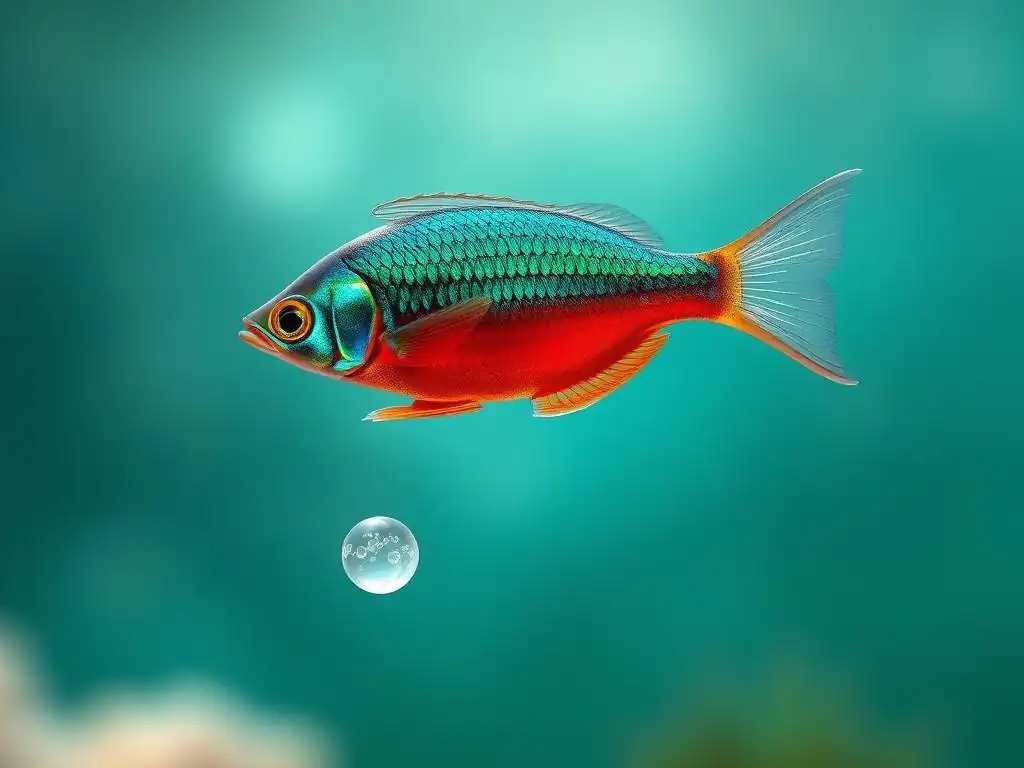
Distinguishing between male and female Cyprichromis leptosoma is crucial for successful breeding and can generally be done by observing several key characteristics. Males are typically larger and more vibrantly colored, especially when mature and during breeding displays. Their fins, particularly the ventral and dorsal fins, tend to be more elongated and showier than those of females. For example, a mature male Cyprichromis leptosoma 'Jumbo Kitumba' might reach 4-5 inches (10-12.7 cm) in length and display intense blue and yellow hues, whereas a female of the same variant would likely be 3-3.5 inches (7.6-8.9 cm) and exhibit more subdued coloration.
A more definitive method, though requiring careful handling, is "venting" the fish. Males will have two openings of similar size behind the anal fin, while mature females will have a noticeably larger, more rounded, and sometimes slightly everted genital papilla, especially when gravid. However, this method can be stressful for the fish and should only be attempted by experienced aquarists. For most hobbyists, visual cues regarding size, coloration, and finnage are usually sufficient for identifying potential breeding pairs within a Cyprichromis breeding colony.
Selecting Healthy and Genetically Sound Breeding Stock
The foundation of a successful Cyprichromis leptosoma breeding program lies in selecting healthy and genetically sound breeding stock. Always choose fish that are active, alert, and exhibit full, undamaged fins. Their bodies should be well-formed, without any visible deformities, and their colors should be bright and true to their variant. Avoid fish that appear listless, have clamped fins, cloudy eyes, or any signs of disease such as white spots (ich), fungal growths, or labored breathing. Purchasing from reputable breeders or fish stores with a good track record is paramount to ensure you acquire strong, disease-free specimens.
Genetic diversity is also an important consideration, particularly if you plan to breed Cyprichromis leptosoma over multiple generations. While it can be challenging to ascertain the exact genetic background of individual fish, try to avoid breeding closely related individuals if possible, especially within a closed colony. Introducing new bloodlines periodically can help maintain vigor, improve fertility, and prevent the accumulation of undesirable genetic traits, ensuring the long-term health and vitality of your Cyprichromis breeding population.
Conditioning Cyprichromis leptosoma for Spawning: Diet and Water Quality
Proper conditioning is vital to encourage Cyprichromis leptosoma to spawn. A high-quality, varied diet is the cornerstone of this process. Offer a mix of live, frozen, and high-quality dry foods. Live foods such as newly hatched brine shrimp, daphnia, and cyclops are excellent for conditioning, providing essential proteins and stimulating natural hunting behaviors.
Frozen foods like mysis shrimp, krill, and bloodworms (in moderation) are also highly beneficial. Supplement these with premium flake or pellet foods specifically designed for cichlids, ensuring they are rich in spirulina and other plant-based nutrients. Feed small amounts two to three times per day to keep them well-nourished without overfeeding.
Beyond diet, pristine water quality is a non-negotiable factor for stimulating Cyprichromis spawning. Consistent partial water changes (e.g., 20-30% weekly) are crucial for keeping nitrate levels low and maintaining stable parameters. A slight increase in water temperature (e.g., from 78°F to 80°F or 25.5°C to 26.5°C) can sometimes act as a trigger, mimicking seasonal changes in their natural habitat. Regular maintenance and a rich diet will significantly increase the likelihood of observing the unique Cyprichromis spawning midwater guide process in your tank.
The Cyprichromis leptosoma Spawning Process: A Detailed Guide
Witnessing Midwater Courtship and Spawning Behavior
The Cyprichromis leptosoma spawning process is a captivating display that typically occurs in the open water column, making them true midwater spawners. The male initiates courtship by selecting a vertical territory, often above a rock formation or near a tall decoration, and begins to display vibrant colors, quivering and shaking his body to attract a receptive female. He will then lead the female into his chosen spawning area, circling her and attempting to entice her to release eggs. This courtship can last for several minutes or even hours, with the male relentlessly trying to convince the female.
Once the female is ready, she will release one to three eggs at a time. Immediately after expulsion, she will quickly turn and scoop the eggs into her mouth for protection. The male then releases his milt, and the female, often appearing to nip at his anal fin or vent area, takes the milt into her mouth to fertilize the eggs internally.
This unique sequence repeats multiple times, with the female releasing and collecting eggs, and then ingesting milt, until the spawn is complete. A single spawn can yield anywhere from 5 to 20 eggs for younger or smaller females, while larger, more mature females may produce up to 30-40 eggs in a single Cyprichromis spawning event.
Understanding the Female's Role in Egg Collection
The female's role in the Cyprichromis leptosoma spawning process is critical and highlights her dedication as a mouthbrooder. Immediately upon releasing each egg, she demonstrates an instinctive and precise maneuver to collect it into her buccal cavity (mouth). This rapid collection prevents the eggs from falling to the substrate, where they would be vulnerable to predation by other tank inhabitants, including the male or other fish in the colony. This behavior is a cornerstone of the Cyprichromis spawning midwater guide to their successful reproduction.
Once she has collected all the eggs, her mouth will appear noticeably distended. At this point, the female will typically become reclusive, seeking out a quiet, secure spot in the tank, often amongst the rockwork or in a less exposed area of the open water. She will hold the eggs for the entire incubation period, diligently rolling them within her mouth to ensure proper oxygenation and to prevent fungal growth. During this time, she will not eat, relying on her fat reserves, which can lead to significant weight loss and stress.
Male Fertilization and Egg Incubation
The male's involvement in fertilization is a unique aspect of Cyprichromis leptosoma breeding. After the female collects the newly laid eggs into her mouth, the male releases his milt (sperm) into the water. The female then takes this milt into her mouth, allowing for internal fertilization of the eggs. This method ensures a high fertilization rate, as the eggs are protected within her mouth while fertilization occurs, a key adaptation for their midwater spawning lifestyle. This intricate dance of egg release, collection, and milt ingestion is a defining characteristic of the Cyprichromis spawning midwater guide process.
Following fertilization, the female enters the incubation phase, which typically lasts between 21 and 28 days (approximately 3 to 4 weeks), depending on the water temperature. Throughout this period, she will diligently "tumble" the eggs within her mouth, a subtle motion that provides essential oxygenation and prevents fungal infections. It is crucial to minimize stress on the brooding female during this time, as excessive disturbance can lead to her spitting out or swallowing the eggs prematurely. Providing plenty of hiding spots and maintaining stable, pristine water conditions will help ensure a successful incubation period.
Post-Spawning Care for Cyprichromis leptosoma Fry and Parents
Removing the Parents After Spawning: When and Why
Once the Cyprichromis leptosoma female has completed her incubation period, she will release fully formed, free-swimming fry. To maximize fry survival and allow the female to recover, it is highly recommended to remove the brooding female to a separate "nursery" tank a few days before the expected fry release. A 10-20 gallon (38-76 liter) tank with stable water parameters identical to the main display tank is suitable for this purpose. Observing the female's mouth for developing eyespots on the eggs is a good indicator that hatching is imminent.
The primary reason for isolating the female is to protect the delicate fry from predation by other tank inhabitants, including the male Cyprichromis and other fish in the main aquarium. Furthermore, removing her allows her to recover from the stress and physical toll of mouthbrooding, during which she does not eat. Once the fry are released, the female can be returned to the main tank, where she can begin feeding and regain her strength. This step is critical in any successful Cyprichromis spawning midwater guide.
Raising Cyprichromis leptosoma Fry: First Foods and Growth
Raising Cyprichromis leptosoma fry requires diligent care, especially regarding their initial diet. Newly released fry are relatively large and can immediately consume newly hatched brine shrimp nauplii. This highly nutritious live food is essential for their rapid growth and development. Feed small amounts multiple times a day (e.g., 3-4 times) to ensure a constant supply of food without overfeeding, which can quickly foul the water.
As the fry grow, typically after 1-2 weeks, their diet can be expanded to include finely crushed high-quality flake food, powdered spirulina, or small frozen foods like cyclops or finely chopped mysis shrimp. Continue to offer brine shrimp as a staple. Cyprichromis fry grow at a moderate pace, often reaching approximately 1 inch (2.5 cm) in length within 2-3 months, at which point they can be introduced to the main diet of the adults. Consistent feeding and a varied diet are key to the successful development of your Cyprichromis spawning midwater guide offspring.
Maintaining Water Quality for Healthy Fry Development
Maintaining pristine water quality is absolutely paramount for the healthy development and survival of Cyprichromis leptosoma fry. Due to their small size and sensitivity, fry are highly susceptible to poor water conditions, particularly elevated ammonia and nitrite levels. Small, frequent water changes are essential; aim for 10-15% water changes every other day, or even daily, using aged or dechlorinated water that matches the parameters of the fry tank.
It is crucial to siphon any uneaten food and waste from the bottom of the fry tank using a small airline tubing, as decaying organic matter rapidly degrades water quality. A gentle sponge filter is the ideal filtration method for a fry tank, as it provides both mechanical and biological filtration without creating strong currents that could harm or overwhelm the delicate fry. Avoid power filters or hang-on-back filters with strong intakes, which can easily suck up the small Cyprichromis fry.
Preventing Diseases in Young Cyprichromis leptosoma
The most effective strategy for preventing diseases in young Cyprichromis leptosoma is maintaining impeccable water quality and providing a nutritious diet. Fry are particularly vulnerable to diseases like Ich (white spot disease) and bacterial infections, often triggered by stress from poor water conditions, unstable temperatures, or inadequate nutrition. Overfeeding, which leads to excess waste and ammonia spikes, is a common culprit for illness in fry.
Ensure stable water temperatures and avoid sudden fluctuations. Regularly observe the fry for any signs of distress, such as clamped fins, rapid breathing, or unusual swimming patterns. While it's generally best to avoid medications in fry tanks unless absolutely necessary, a healthy environment is your primary defense. If you introduce any new fish to your breeding colony, always quarantine them for at least 3-4 weeks to prevent the introduction of pathogens that could impact your valuable Cyprichromis spawning midwater guide population.
Troubleshooting Common Cyprichromis leptosoma Breeding Problems
Addressing Lack of Spawning Activity
A common frustration for aquarists aiming for a Cyprichromis spawning midwater guide is a lack of breeding activity. The first step is to meticulously check all water parameters: pH (aim for 7.8-9.0), GH, KH, and temperature (76-80°F or 24-27°C). Ensure these are stable and within the optimal range for Tanganyikan cichlids. Suboptimal or fluctuating parameters are a frequent deterrent. Next, evaluate the diet; a consistent, high-quality diet rich in live and frozen foods is crucial for conditioning. If the fish are not receiving adequate nutrition, they may not be physiologically ready to spawn.
Another significant factor is the male-to-female ratio and tank dynamics. If a male is overly aggressive or there aren't enough females to diffuse his attention, females may become stressed and unwilling to spawn. Consider adding more females if tank size permits, or increasing the number of vertical hiding spots to provide refuge. Sometimes, a large water change (e.g., 50%) with slightly cooler water, followed by a gradual return to the higher end of their temperature range, can simulate natural environmental cues and trigger Cyprichromis spawning.
Dealing with Infertile Eggs or High Fry Mortality
If your Cyprichromis leptosoma are spawning but the eggs are infertile, or if you experience high fry mortality, several factors could be at play. Infertile eggs often indicate an issue with the male. He might be too young or not yet sexually mature, or he may not be effectively fertilizing the eggs during the unique midwater spawning process. Observe the male's behavior during spawning; ensure he is releasing milt in proximity to the female as she ingests the eggs. Sometimes, increasing the male's conditioning diet can improve fertility.
High fry mortality, on the other hand, is almost always linked to water quality or initial food availability. Even if eggs are fertile and hatch, poor water conditions (ammonia, nitrite spikes) in the fry tank will quickly decimate the brood. Ensure daily small water changes and diligent removal of uneaten food. Additionally, newly hatched brine shrimp nauplii must be available immediately upon fry release, as Cyprichromis fry need to feed very soon after becoming free-swimming. If the fry are starving or exposed to pollutants, even a successful Cyprichromis spawning midwater guide can result in limited offspring.
Preventing Aggression During the Breeding Process
Aggression, particularly from males, can be a significant hurdle in Cyprichromis leptosoma breeding. Males can become territorial and overly aggressive towards females, especially if the tank is too small or lacks adequate structure to break lines of sight. To mitigate this, ensure your aquarium is sufficiently large, providing ample open swimming space and vertical territories (e.g., tall rock structures) that males can claim. A general guideline is a minimum of 55 gallons for a small group, with 120+ gallons ideal for a larger colony.
Maintaining a proper male-to-female ratio is crucial; a ratio of one male to three or more females helps to diffuse male aggression among multiple individuals. If a male is persistently harassing a single female, consider adding more females to the group, provided the tank size allows for it. In extreme cases, temporary separation of the aggressor or the stressed female may be necessary. Observing your Cyprichromis colony regularly will help you identify aggressive behaviors early and intervene before they impact the Cyprichromis spawning midwater guide process.
Advanced Techniques for Cyprichromis leptosoma Breeding
Artificial Incubation of Cyprichromis leptosoma Eggs [Optional]
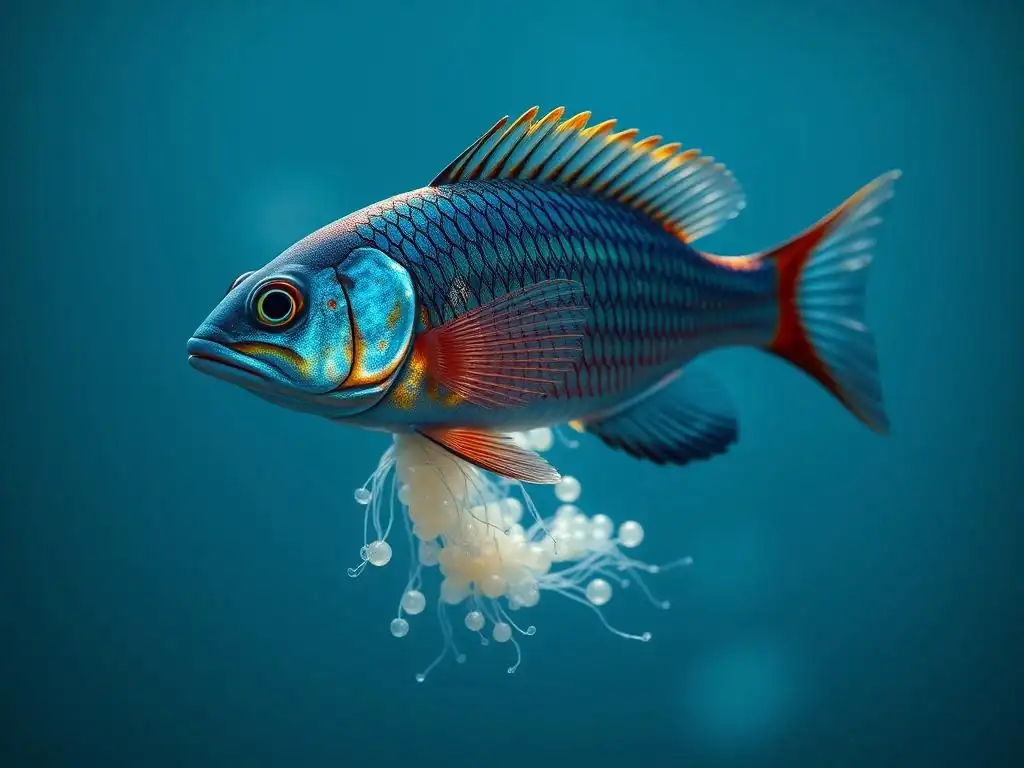
Artificial incubation, also known as "tumbling," is an advanced technique used to save Cyprichromis leptosoma eggs if a female is stressed, constantly dropping her eggs, or if you wish to maximize the yield from a particular spawn. This involves gently stripping the eggs from the female's mouth. The female should be carefully caught and held underwater, and with gentle pressure on her operculum (gill cover) and throat area, the eggs can be coaxed out. This process requires experience and should be done quickly to minimize stress to the female.
Once stripped, the eggs are placed in a specialized egg tumbler or a small container with a gentle airstone that provides constant, mild circulation. This circulation mimics the female's tumbling action, ensuring oxygenation and preventing fungal growth. Adding a few drops of methylene blue to the water can further deter fungal infections.
The tumbler or container should be placed in the main tank or a separate system with identical, stable water parameters (temperature 78-80°F or 25.5-26.5°C). Fry will typically hatch in about 3 weeks, emerging as free-swimming fry ready for brine shrimp. This method provides a controlled environment for the Cyprichromis spawning midwater guide eggs.
Selective Breeding for Desired Traits
Selective breeding is an advanced technique for aquarists who wish to enhance specific desirable traits within their Cyprichromis leptosoma colony, such as more vibrant coloration, larger finnage, or increased disease resistance. This involves carefully selecting the best individuals from each spawn that exhibit the desired characteristics and using them as future breeding stock. For example, if you are working with a 'Blue Flash' variant, you might choose the males with the most intense blue and yellow coloration and the females that consistently produce such vibrant offspring.
This process requires meticulous record-keeping of parentage, spawn dates, and the characteristics of the offspring. It is a long-term commitment that can lead to the development of stunning, unique strains of Cyprichromis leptosoma. However, selective breeding also requires a larger pool of fish to work with and a good understanding of genetics to avoid inbreeding depression and maintain overall vitality within your Cyprichromis spawning midwater guide program. It's a rewarding endeavor for the dedicated hobbyist seeking to refine their stock.
Understanding Cyprichromis leptosoma Genetics and Line Breeding
Maintaining Genetic Diversity in Your Cyprichromis leptosoma Colony
Maintaining genetic diversity is a critical aspect of long-term Cyprichromis leptosoma breeding success, especially when practicing line breeding or selective breeding. Continuously breeding closely related individuals (inbreeding) over multiple generations can lead to a phenomenon known as inbreeding depression. This can manifest as reduced fertility, smaller clutch sizes, increased susceptibility to diseases, physical deformities, and a general weakening of the fish's overall vigor. For example, a colony bred exclusively from sibling pairs for five generations might see a 20-30% reduction in average fry size and a higher incidence of fin deformities.
To combat inbreeding depression and maintain robust, healthy Cyprichromis populations, it is advisable to periodically introduce new, unrelated bloodlines into your breeding colony. If you have multiple males, ensure that different males are breeding with different females to spread genetic material more widely throughout your stock. Keeping accurate records of your fish's lineage, even if approximate, can help you make informed decisions about introducing new fish. This proactive approach ensures the vitality and long-term success of your Cyprichromis spawning midwater guide efforts.
Conclusion: Mastering Cyprichromis leptosoma Spawning
The Joys of Breeding Tanganyikan Cichlids
Breeding Cyprichromis leptosoma is an immensely rewarding aspect of the aquarium hobby, offering a unique window into the fascinating reproductive strategies of Tanganyikan cichlids. The unparalleled experience of witnessing their distinctive midwater spawning, from the male's vibrant courtship displays to the female's diligent mouthbrooding, is a truly magical sight. Successfully raising their delicate fry to adulthood provides a deep sense of accomplishment and connects the aquarist more intimately with the natural world. It underscores the beauty and complexity of these aquatic jewels, making the dedication and effort well worth it.
The journey of mastering Cyprichromis spawning is one of patience, observation, and continuous learning. It challenges aquarists to provide optimal conditions, understand complex behaviors, and adapt to the needs of their fish. The thriving schools of beautiful, tank-bred Cyprichromis that result are a testament to the aquarist's skill and commitment, enriching both the individual's experience and the broader hobby by contributing to the availability of these magnificent fish.
Further Resources for Cyprichromis leptosoma Keepers
For those passionate about continuing their journey with Cyprichromis leptosoma and other Tanganyikan cichlids, a wealth of resources is available to deepen your knowledge and refine your breeding techniques. Engaging with online forums and dedicated cichlid communities can provide invaluable insights, allowing you to connect with experienced breeders, ask specific questions, and share your own successes and challenges. Many forums host lively discussions on Cyprichromis spawning midwater guide best practices and troubleshooting.
Reputable books and scientific articles dedicated to Lake Tanganyika and its cichlid inhabitants offer comprehensive information on species-specific care, genetics, and advanced breeding strategies. Regularly consulting these resources and staying updated on new findings will enhance your understanding and success. Continuous learning and active participation within the aquarist community are key to becoming a truly proficient Cyprichromis keeper and breeder.
Frequently Asked Questions
How difficult is it to breed Cyprichromis in a home aquarium?
Breeding Cyprichromis can be moderately challenging. Success depends on maintaining pristine water conditions and providing a stress-free environment.
What are the key water parameters necessary for successful Cyprichromis spawning?
Maintaining a stable pH around 8.0-8.5 and a temperature between 78-82°F is crucial. Also, minimal nitrates are essential for successful egg fertilization.
What specific behaviors indicate that Cyprichromis are preparing to spawn midwater?
Look for the male displaying intense courtship rituals, including shimmering and fin displays. The female will then cautiously approach, and the spawning process begins.
What should I feed my Cyprichromis to encourage breeding activity?
A varied diet of high-quality flake food, small frozen foods, and live foods is recommended. This provides the necessary nutrients for egg development and spawning.
How can I ensure a higher survival rate for the fry after the female releases them?
Providing dense vegetation or spawning mops for the fry to hide in is important. Also, offering small live foods like baby brine shrimp increases their chances of survival.
Final Reflection: Embracing the Dance of Life
The intricacies of Cyprichromis spawning, as detailed in this guide, resonate far beyond the confines of our aquariums. Understanding the delicate balance of their midwater dance offers a profound lesson in the interconnectedness of life itself. It reminds us that even the smallest ecosystems, meticulously recreated in our homes, mirror the grander, more complex systems of the natural world, demanding our respect and careful observation.
This journey into the world of Cyprichromis has not only provided practical guidance but has also deepened my appreciation for the subtle wonders of nature. The patience and dedication required to witness and understand their spawning behavior is a microcosm of the commitment needed to protect all life on our planet. As the renowned naturalist John Muir wisely stated: In every walk with nature one receives far more than he seeks.
This holds true in our aquariums as much as in the wilderness.
Now, as you embark on your own Cyprichromis breeding adventure, remember the lessons learned here. Observe with patience, nurture with care, and appreciate the magic unfolding before your eyes. Let the dance of life, witnessed in the midwater spawning of these beautiful fish, inspire you to cultivate a deeper understanding and respect for the delicate ecosystems around you, both seen and unseen.
Ignite Your *Cyprichromis* Breeding Journey!
Thanks for diving into the fascinating world of Cyprichromis breeding! We hope you've gained valuable insights into their unique midwater spawning behavior and are feeling inspired to try it yourself. Now, let's turn that inspiration into action!
- Start observing your Cyprichromis more closely: Identify potential breeding pairs exhibiting courtship behavior and provide them with a spacious, well-maintained aquarium. This is the most crucial step to witnessing the spawning magic firsthand.
- Explore variations in tank setups: Experiment with different rock arrangements and water flow patterns to cater to your specific Cyprichromis species or morph.
- Share your breeding successes (or challenges!): Join our Aquarium Mastery community forum and exchange tips, ask questions, and connect with fellow Cyprichromis enthusiasts.
What unique environmental element will you introduce to your Cyprichromis tank to encourage spawning and witness their captivating midwater dance?