
Apistogramma Cacatuoides vs. Agassizii: A Clash of Dwarf Cichlid Titans

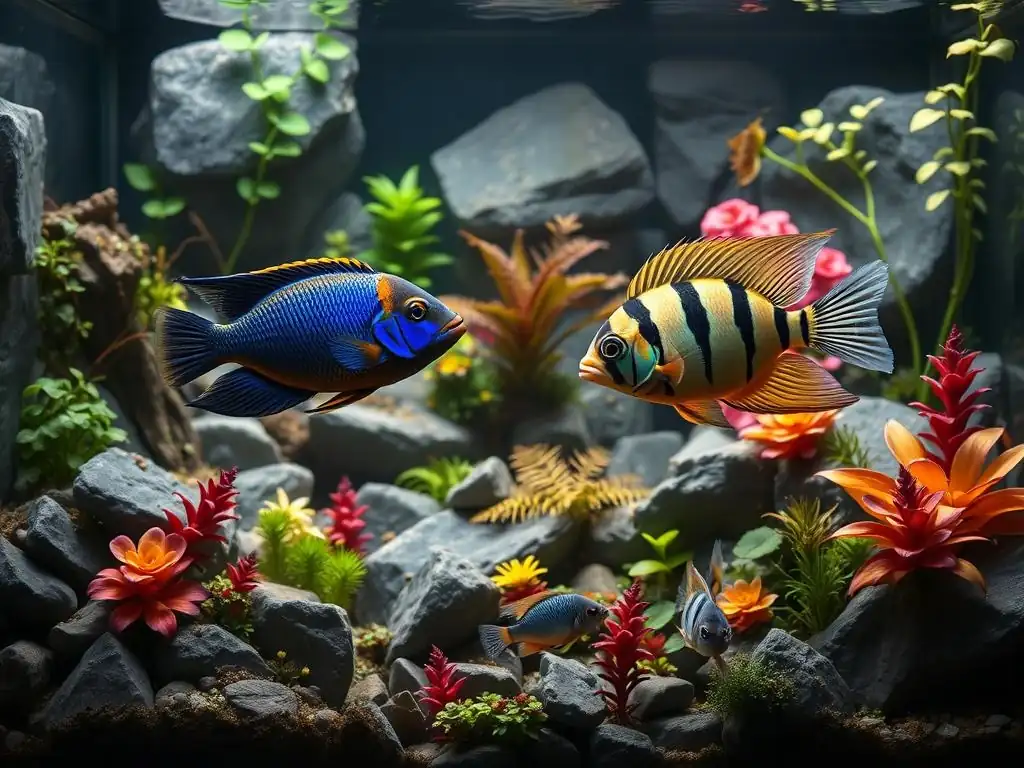
Welcome to Aquarium Mastery, where your aquatic adventures begin!
Ever wondered which dwarf cichlid reigns supreme in the freshwater kingdom? Our latest deep dive into the world of these captivating creatures unveils the secrets to successful dwarf cichlid care. Prepare to explore the unique personalities and needs of Apistogramma Cacatuoides and Agassizii in our ultimate guide. Intrigued? Let's unlock the mysteries of these "tiny titans" together and discover which one is the perfect fit for your aquarium!
- Understanding Dwarf Cichlids: An Introduction to Apistogramma
-
Apistogramma Cacatuoides: The Cockatoo Cichlid Profile
- Origin and Natural Habitat of Apistogramma Cacatuoides
- Appearance and Unique Features of the Cockatoo Cichlid
- Ideal Tank Parameters for Cacatuoides: Water Chemistry and Temperature
- Cockatoo Cichlid Temperament and Compatibility with Tank Mates
- Breeding Apistogramma Cacatuoides: A Detailed Guide
- Common Health Issues in Cacatuoides and Prevention Tips
- Feeding Guide for Apistogramma Cacatuoides: Diet and Nutrition
-
Apistogramma Agassizii: The Agassiz's Cichlid Profile
- Origin and Natural Habitat of Apistogramma Agassizii
- Appearance and Unique Features of Agassiz's Cichlid
- Ideal Tank Parameters for Agassizii: Water Chemistry and Temperature
- Agassiz's Cichlid Temperament and Compatibility with Tank Mates
- Breeding Apistogramma Agassizii: A Step-by-Step Approach
- Common Health Issues in Agassizii and Prevention Tips
- Feeding Guide for Apistogramma Agassizii: Diet and Nutrition
-
Apistogramma Cacatuoides vs. Agassizii: A Detailed Comparison
- Appearance: Distinguishing Between Cacatuoides and Agassizii
- Temperament: Which Apistogramma is More Peaceful?
- Water Parameter Preferences: Cacatuoides vs. Agassizii
- Breeding Difficulty: Which Species is Easier to Breed?
- Availability and Cost: Cacatuoides vs. Agassizii
- Lifespan: How Long Do These Dwarf Cichlids Live?
-
Setting Up the Perfect Tank for Your Dwarf Cichlids
- Tank Size Requirements for Apistogramma Cacatuoides and Agassizii
- Substrate and Decor: Creating a Natural Environment
- Filtration and Water Quality for Optimal Health
- Lighting Requirements for Dwarf Cichlid Tanks
- Plant Selection for Apistogramma Aquariums
- Choosing the Right Tank Mates for Your Apistogramma
- Dwarf Cichlid Care Guide: Maintaining a Healthy Aquarium
- Breeding Dwarf Cichlids: Tips and Tricks for Success
- Conclusion: Choosing the Right Apistogramma for Your Aquarium
-
Frequently Asked Questions
- What are the main differences between Apistogramma cacatuoides and Apistogramma agassizii?
- What are the recommended water parameters for dwarf cichlids like Apistogramma?
- What is the best food to feed Apistogramma dwarf cichlids to ensure optimal health?
- How do I create a suitable aquarium environment for Apistogramma to encourage breeding?
- What are some common health issues to watch out for in Apistogramma and how can I prevent them?
- Final Reflection: Appreciating the Nuances of Miniature Majesty
- Unleash Your Inner Aquarist: Dive Deeper into Dwarf Cichlids!
Understanding Dwarf Cichlids: An Introduction to Apistogramma
What are Dwarf Cichlids and Why Choose Them?
Dwarf cichlids are a fascinating group of smaller cichlid species, typically reaching a maximum adult size of around 4 inches (10 cm) or less. Originating primarily from the diverse river systems of South America, such as the Amazon basin, and parts of Africa, these fish are renowned for their vibrant coloration, intricate behaviors, and suitability for aquarium environments that might be too small for their larger cichlid relatives.
Their compact size allows them to be housed in tanks as small as 10-15 gallons (38-57 liters) for a single pair, though larger setups are always recommended for optimal health and behavior, making them an excellent focus for any dwarf cichlid care guide.
Aquarists often choose dwarf cichlids for their engaging personalities and stunning visual appeal without the aggressive tendencies or massive space requirements of their larger counterparts. Unlike many larger cichlids, which can be highly territorial and destructive to aquascaping, dwarf cichlids generally exhibit more peaceful temperaments, allowing for a wider array of tank mates and delicate aquatic plants. Their diverse species, with over 100 recognized Apistogramma species alone, offer a rewarding experience for those looking to expand their dwarf cichlid care guide knowledge beyond basic community fish, providing complex social interactions and captivating breeding rituals.
Popularity of Apistogramma in the Aquarium Hobby
The genus Apistogramma stands out as one of the most popular groups within the dwarf cichlid category, captivating aquarists with their striking sexual dimorphism, particularly the males' elaborate finnage and intense coloration. Species like Apistogramma cacatuoides and Apistogramma agassizii are readily available and highly sought after due to their relatively robust nature and stunning appearance. Their intricate breeding behaviors, where females often take on primary parental duties, guarding eggs and fry fiercely, add another layer of appeal for hobbyists interested in fish reproduction.
The rise in popularity of Apistogramma species can also be attributed to the increasing trend towards biotope-specific and heavily planted aquariums. Their preference for lush environments with plenty of hiding spots makes them perfect inhabitants for such setups, where they can display natural behaviors and vibrant colors. Furthermore, the manageable dwarf cichlid care guide requirements for many Apistogramma species, especially compared to the more demanding needs of some wild-caught or rarer varieties, make them an attractive choice for intermediate aquarists seeking a rewarding challenge without needing a massive, specialized setup.
Key Considerations for Successful Dwarf Cichlid Care
Successful dwarf cichlid care guide hinges significantly on maintaining pristine and stable water quality. Apistogramma species, in particular, are highly sensitive to fluctuations in water parameters, preferring soft, acidic water conditions that mimic their natural South American habitats. An ideal pH range typically falls between 5.5 and 7.0, with a general hardness (GH) of 0-5 dGH.
Regular, small water changes, such as 20-25% weekly, are crucial for removing nitrates and replenishing essential minerals without causing sudden shifts that could stress the fish. Filtration should be gentle but effective, often utilizing sponge filters or canister filters with a low flow rate to avoid strong currents.
Beyond water parameters, providing an appropriate habitat and a varied diet are paramount for their well-being. Dwarf cichlids thrive in tanks with ample hiding spots and visual barriers created by driftwood, rocky caves (such as coconut shells or terracotta pots), and dense plant cover. This environmental enrichment reduces stress and encourages natural behaviors.
A high-quality, varied diet consisting of live or frozen foods like bloodworms, brine shrimp, and daphnia, supplemented with premium flakes or small pellets, is essential for promoting vibrant coloration, strong immune systems, and successful breeding. Adhering to these principles is fundamental to any comprehensive dwarf cichid care guide.
Apistogramma Cacatuoides: The Cockatoo Cichlid Profile
Origin and Natural Habitat of Apistogramma Cacatuoides
Apistogramma cacatuoides, commonly known as the Cockatoo Dwarf Cichlid, originates from the slow-moving, blackwater, and clearwater tributaries of the Amazon River basin in South America. Their natural range primarily encompasses areas in Peru and Bolivia, particularly within the drainage systems of the Ucayali, Solimões, and Amazon rivers. These environments are characterized by dense leaf litter on the substrate, providing numerous hiding spots and contributing to the soft, acidic water conditions that these fish prefer. The presence of submerged roots and branches further mimics their natural cover, crucial for their well-being and territorial behavior.
In their native habitats, Apistogramma cacatuoides are often found in shallow areas with minimal water flow, typically among submerged vegetation, root masses, and fallen leaves. The water in these regions is generally very soft, with a total dissolved solids (TDS) often below 50 ppm, and acidic, with pH levels ranging from 5.0 to 6.5. Temperatures typically hover around 75-82°F (24-28°C). This specific environmental profile is vital for successful dwarf cichlid care guide practices in captivity, as replicating these conditions closely helps to reduce stress and promote natural behaviors and vibrant coloration.
Appearance and Unique Features of the Cockatoo Cichlid
The Cockatoo Dwarf Cichlid is celebrated for its striking coloration and distinctive finnage, particularly in males. Males can reach up to 3 inches (7.5 cm) in length, while females are typically smaller, around 2 inches (5 cm). The most notable feature of the male is its elongated dorsal fin rays, which resemble the crest of a cockatoo, hence its common name.
The caudal (tail) fin is often lyre-shaped or spade-shaped, with extended outer rays that add to its elegant appearance. Coloration varies widely depending on the specific wild population or cultivated strain, but common patterns include a yellowish body with iridescent blue or green scales, often accentuated by black lateral stripes and red, orange, or yellow markings on the fins.
Females, while less flamboyant, possess their own subtle beauty. They typically exhibit a more subdued yellow or brownish coloration, often with a prominent black lateral stripe. During breeding periods or when guarding fry, the female's body color intensifies to a bright yellow, and the black markings become more pronounced, serving as a visual signal of her maternal instincts. This sexual dimorphism is a key characteristic that makes Apistogramma cacatuoides a visually engaging species for any dwarf cichlid care guide enthusiast, allowing for easy identification of sexes and observation of their social interactions.
Ideal Tank Parameters for Cacatuoides: Water Chemistry and Temperature
For Apistogramma cacatuoides to thrive, maintaining precise and stable water parameters is crucial. They originate from soft, acidic waters, and replicating these conditions in the aquarium is fundamental for their health and longevity. The ideal pH range for Cockatoo Dwarf Cichlids is between 6.0 and 7.0, though they can tolerate slightly more acidic conditions down to 5.5 and occasionally up to 7.5 if acclimated carefully.
Water hardness should be very soft, ideally within 0-10 dGH (degrees of General Hardness), with 0-5 dGH being optimal. Using RO (reverse osmosis) water re-mineralized to the desired parameters or rainwater can help achieve these conditions, essential for any dwarf cichlid care guide.
Temperature is another critical factor. Apistogramma cacatuoides prefer warmer waters, with an ideal range of 75-82°F (24-28°C). Maintaining a consistent temperature is important, as sudden fluctuations can cause stress and make them susceptible to disease.
Regular monitoring of water parameters using reliable test kits is highly recommended to ensure stability. Aim for nitrate levels below 20 ppm and ideally closer to 5-10 ppm, which can be achieved through consistent weekly water changes of 20-25%. Providing leaf litter (e.g., Indian almond leaves) can help maintain acidic conditions and release beneficial tannins, mimicking their natural environment and contributing to a successful dwarf cichlid care guide strategy.
Cockatoo Cichlid Temperament and Compatibility with Tank Mates
Apistogramma cacatuoides are generally considered one of the more peaceful Apistogramma species, making them suitable for community aquariums, provided tank mates are chosen carefully. Males can be territorial, especially during breeding, but their aggression is typically directed towards other male Apistogramma or similar-looking fish, rather than unrelated species. It's best to keep them in a single-male, multiple-female harem (e.g., one male to two or three females) in tanks 20 gallons (75 liters) or larger to disperse aggression and reduce stress on individual females. For a pair, a 15-gallon (57-liter) tank can suffice, but a larger footprint is always preferred.
Compatible tank mates include small, peaceful schooling fish that occupy the upper and mid-water columns, such as Neon Tetras ( Paracheirodon innesi), Cardinal Tetras ( Paracheirodon axelrodi), Rummy-nose Tetras ( Hemigrammus bleheri), and various species of peaceful rasboras. Otocinclus catfish or small Corydoras species are excellent choices for bottom dwellers, as they are non-competitive for food and habitat.
Avoid keeping Apistogramma cacatuoides with overly boisterous or nippy fish, or with species that prefer significantly different water parameters. Providing plenty of hiding spots and visual barriers within the tank is essential for minimizing territorial disputes and ensuring a harmonious environment, a key aspect of any effective dwarf cichlid care guide.
Breeding Apistogramma Cacatuoides: A Detailed Guide
Breeding Apistogramma cacatuoides is a rewarding experience for aquarists and is relatively achievable compared to some other Apistogramma species, making them a popular choice for a dwarf cichlid care guide on reproduction. To encourage spawning, provide soft, acidic water (pH 5.5-6.5, GH 0-5 dGH) and a stable temperature around 78-82°F (26-28°C). A varied diet rich in live and frozen foods, such as blackworms, brine shrimp, and daphnia, will condition the pair for breeding. Essential breeding furniture includes small caves, overturned terracotta pots, or coconut shells, which the female will use as a spawning site.
Once conditions are optimal, the male will display vibrant colors and engage in courtship rituals to entice a female. The female will then lay her eggs, typically 50-150, on the ceiling or inside the chosen cave. She will meticulously guard and fan the eggs, while the male defends the surrounding territory. The eggs usually hatch within 2-4 days, and the fry become free-swimming 5-7 days after hatching. During this period, it's crucial to ensure the male does not harass the female, especially if she is guarding eggs or fry; sometimes, separating the male after spawning is beneficial.
Common Health Issues in Cacatuoides and Prevention Tips
Like all aquarium fish, Apistogramma cacatuoides are susceptible to common fish diseases, particularly when stressed by poor water quality, inadequate diet, or unsuitable tank mates. Ich (white spot disease), characterized by small white spots resembling salt grains on the body and fins, is a frequent ailment. It's often triggered by sudden temperature fluctuations or new fish introductions. Fin rot, a bacterial infection causing frayed or deteriorating fins, is another common issue, often a result of poor water hygiene or physical injury. Internal parasites and bacterial infections can also manifest as lethargy, loss of appetite, or abnormal swimming.
Prevention is the cornerstone of a healthy dwarf cichlid care guide. Maintaining stable, pristine water parameters (pH, GH, temperature), performing regular water changes, and providing a high-quality, varied diet significantly boost their immune system. Quarantine new fish for at least 2-4 weeks before introducing them to the main tank to prevent the spread of diseases.
Overfeeding should be avoided as it leads to poor water quality. If signs of illness appear, prompt diagnosis and treatment are essential. Using a broad-spectrum medication or targeting specific diseases with appropriate treatments can often save affected fish, but addressing the underlying cause is paramount.
Feeding Guide for Apistogramma Cacatuoides: Diet and Nutrition
Apistogramma cacatuoides are micro-predators in their natural habitat, primarily feeding on small invertebrates and insect larvae. In the aquarium, a varied and high-quality diet is essential for their health, vibrant coloration, and breeding success. While they will accept high-quality flakes and small pellets, these should only form a small part of their staple diet. The bulk of their nutrition should come from live or frozen foods.
Excellent choices for frozen foods include bloodworms, brine shrimp, daphnia, and Mysis shrimp. These provide essential proteins and nutrients that mimic their natural diet. Live foods, such as blackworms, grindal worms, or newly hatched brine shrimp (especially beneficial for conditioning breeding pairs), are highly palatable and can stimulate natural hunting behaviors.
Feed small portions two to three times a day, ensuring all food is consumed within a few minutes to prevent water pollution. Overfeeding can lead to digestive issues and compromised water quality, which contradicts a sound dwarf cichlid care guide strategy. Observing their feeding response will help determine the correct amount, ensuring they remain active and healthy.
Apistogramma Agassizii: The Agassiz's Cichlid Profile
Origin and Natural Habitat of Apistogramma Agassizii
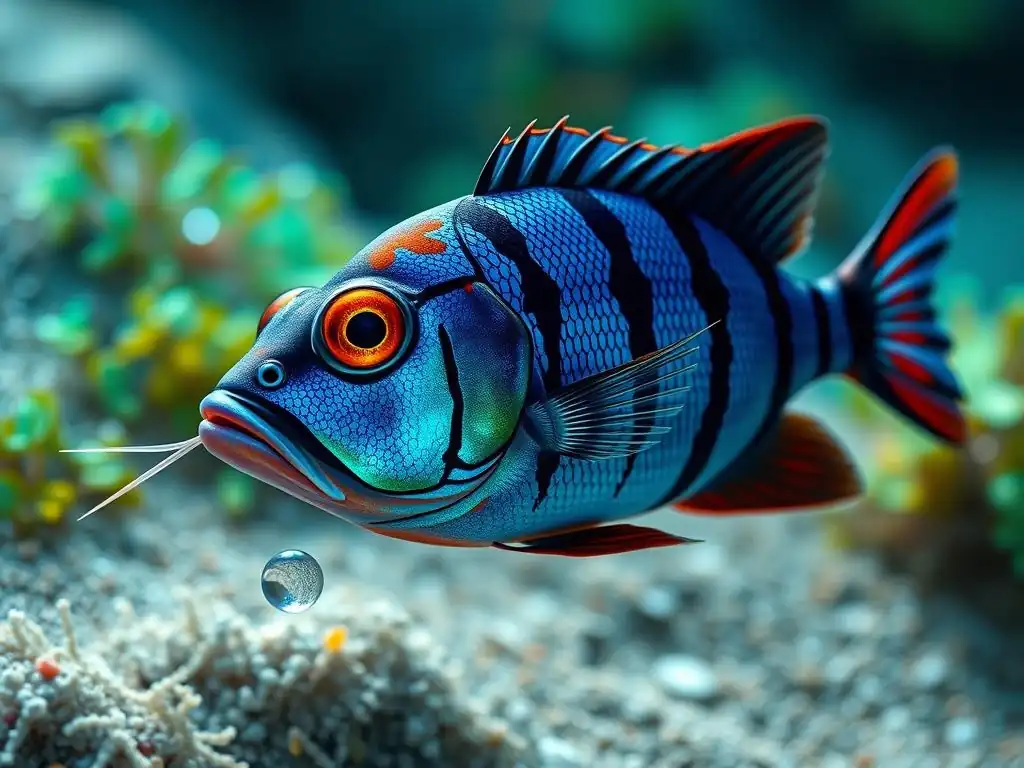
Apistogramma agassizii, commonly known as Agassiz's Dwarf Cichlid, is another captivating species native to the Amazon River basin in South America. Its natural distribution is quite broad, spanning across various blackwater and clearwater tributaries in countries like Brazil, Peru, and Bolivia. This wide range contributes to the numerous geographical color variants observed in the hobby, each displaying unique patterns and hues. Like A. cacatuoides, they inhabit areas rich in leaf litter, submerged roots, and dense aquatic vegetation, which provide essential cover and influence water chemistry.
These environments are typically characterized by very soft and acidic water conditions, with pH values often ranging from 4.5 to 6.5 and negligible hardness (GH 0-3 dGH). Water temperatures in their natural habitat generally remain stable, between 75-82°F (24-28°C). The presence of tannins, leached from decaying organic matter like leaves and wood, gives the water a distinct tea-colored tint and contributes to the low pH. Replicating these specific parameters is a critical component of any comprehensive dwarf cichlid care guide for Apistogramma agassizii, as it directly impacts their health, color, and breeding success in captivity.
Appearance and Unique Features of Agassiz's Cichlid
Apistogramma agassizii is highly prized for its vibrant coloration and elegant body shape, which distinguishes it from other dwarf cichlids. Males typically grow larger than females, reaching up to 3.5 inches (9 cm), while females usually stay around 2 inches (5 cm). Males are particularly striking, showcasing a torpedo-shaped body with a prominent, often pointed, caudal fin.
Their coloration is incredibly diverse, with wild-caught specimens and cultivated strains displaying a spectrum from iridescent blues and greens to fiery reds and oranges, often with a distinctive dark lateral stripe running from the eye to the caudal fin base. The caudal fin frequently exhibits a "flame" pattern or a network of spots.
Females are typically less colorful, generally displaying a yellowish or brownish body with a clear dark lateral stripe. However, during breeding or when guarding fry, their yellow coloration intensifies dramatically, providing a clear visual cue of their maternal state. The wide array of color morphs, such as "Fire Red," "Double Red," and "Tefe," makes Apistogramma agassizii a favorite among collectors and enthusiasts. Their unique appearance and the subtle differences between the various geographical variants make them a captivating subject for any dwarf cichlid care guide.
Ideal Tank Parameters for Agassizii: Water Chemistry and Temperature
To ensure the optimal health and vibrancy of Apistogramma agassizii, it is paramount to provide water parameters that closely mimic their natural soft, acidic environments. The ideal pH range for Agassiz's Dwarf Cichlid is typically between 5.0 and 6.5, with some strains preferring even lower pH values down to 4.5. Water hardness should be very low, preferably in the range of 0-5 dGH.
Achieving these conditions often necessitates the use of RO (reverse osmosis) water, peat filtration, or the addition of Indian almond leaves and driftwood, which release beneficial tannins and help buffer the water to a lower pH. This commitment to precise water chemistry is a hallmark of an advanced dwarf cichlid care guide.
Temperature stability is equally important. Apistogramma agassizii thrives in warm waters, with an optimal temperature range of 75-82°F (24-28°C). Consistent monitoring of both temperature and water chemistry is crucial to prevent stress-related illnesses. Regular, small water changes, perhaps 20% twice a week, are more beneficial than large, infrequent changes, as they help maintain stable parameters and low nitrate levels (ideally below 10 ppm). Providing a calm, well-filtered environment with minimal currents will further contribute to their well-being.
Agassiz's Cichlid Temperament and Compatibility with Tank Mates
Apistogramma agassizii are generally peaceful dwarf cichlids, but like all cichlids, they exhibit territorial behavior, especially during breeding. Males can be aggressive towards other males of the same species or similar-looking fish, making it advisable to keep only one male per tank unless the aquarium is very large (50+ gallons / 190+ liters) and heavily aquascaped with visual barriers.
The ideal setup for A. agassizii is a single male with a harem of two to three females in a tank of at least 20 gallons (75 liters) for a single pair, or 30 gallons (114 liters) or more for a harem.
When selecting tank mates, choose small, peaceful, and non-aggressive fish that prefer similar water parameters and occupy different levels of the water column. Good companions include various species of peaceful tetras (e.g., Ember Tetras, Green Neon Tetras), small rasboras, and pencilfish. Bottom dwellers like Otocinclus catfish or small, peaceful Corydoras species are also suitable, as they do not compete for territory.
Avoid fin-nipping species, large or aggressive fish, and anything that might outcompete them for food or stress them. A well-designed aquascape with plenty of hiding spots and visual breaks is essential for minimizing aggression and ensuring a tranquil environment, a vital element of any dwarf cichlid care guide.
Breeding Apistogramma Agassizii: A Step-by-Step Approach
Breeding Apistogramma agassizii can be a highly rewarding experience for the dedicated aquarist, showcasing their natural parental instincts. To initiate spawning, ensure water parameters are pristine and mimic their natural soft, acidic conditions: pH between 5.0-6.0, GH 0-3 dGH, and a stable temperature of 78-82°F (26-28°C). A diet rich in live and frozen foods, such as blackworms, daphnia, and brine shrimp, will condition the breeding pair. Providing suitable spawning sites, such as small terracotta caves, coconut shells, or even broad plant leaves, is crucial, as the female will lay her eggs inside or on these surfaces.
Once the conditions are met, the male will display vibrant colors and engage in a courtship dance to attract a female. The female will then lay a clutch of 50-100 eggs, which she will diligently guard and fan to ensure proper oxygenation and prevent fungal growth. The eggs typically hatch within 2-4 days, and the fry become free-swimming approximately 5-7 days later.
During this period, the female is highly protective, and the male will defend the surrounding territory. It's often beneficial to remove the male after spawning if the tank is small or if he shows aggression towards the female, allowing her to focus entirely on fry care. This detailed approach is a core part of any successful dwarf cichlid care guide for breeding.
Common Health Issues in Agassizii and Prevention Tips
Apistogramma agassizii, while robust when kept in optimal conditions, can be susceptible to common aquarium ailments if their specific water parameter needs are not met or if they experience stress. Poor water quality is the leading cause of health issues, often resulting in bacterial infections like fin rot, characterized by frayed or decaying fins. Fungal infections, appearing as white, cotton-like growths, can also occur, especially on stressed or injured fish. Parasitic infections, such as Ich (white spot disease) or internal worms, manifest as lethargy, loss of appetite, flashing against tank decor, or visible spots.
Prevention is paramount in maintaining the health of Apistogramma agassizii. This involves consistently monitoring and maintaining stable, soft, and acidic water parameters within their preferred range. Regular, small water changes (e.g., 20% twice weekly) are vital for keeping nitrate levels low and preventing the buildup of toxins.
A varied and nutritious diet strengthens their immune system, making them more resilient to disease. Quarantining all new fish for at least 3-4 weeks before introducing them to the main aquarium is a critical step in preventing the introduction of pathogens. Should illness occur, prompt identification and appropriate treatment are necessary, but resolving the underlying environmental stressor is always the most effective long-term solution, as emphasized in any comprehensive dwarf cichlid care guide.
Feeding Guide for Apistogramma Agassizii: Diet and Nutrition
Apistogramma agassizii are carnivorous micro-predators, and their diet in captivity should reflect their natural inclination to feed on small invertebrates and insect larvae. While they will accept high-quality dry foods, these should be supplemented heavily with frozen and live options to ensure complete nutrition, vibrant colors, and successful breeding. A well-rounded dwarf cichlid care guide for feeding emphasizes variety.
Excellent choices for frozen foods include bloodworms, brine shrimp, Mysis shrimp, and daphnia. These provide essential proteins, fats, and vitamins. Live foods, such as newly hatched brine shrimp, blackworms, grindal worms, and small fruit flies (for surface feeders), are highly stimulating and can trigger natural hunting behaviors, which is beneficial for their overall well-being.
Feed small amounts two to three times a day, only as much as they can consume within a few minutes. Overfeeding not only pollutes the water but can also lead to digestive problems and obesity in the fish. Observing their response to different foods will help tailor the diet to their specific preferences and ensure they receive adequate nutrition.
Apistogramma Cacatuoides vs. Agassizii: A Detailed Comparison
Appearance: Distinguishing Between Cacatuoides and Agassizii
While both Apistogramma cacatuoides and Apistogramma agassizii are stunning dwarf cichlids, they possess distinct physical characteristics that allow for easy differentiation. The most prominent feature of the male A. cacatuoides is its elongated, spiky dorsal fin, which resembles a cockatoo's crest, and its often lyre-shaped or spade-shaped caudal fin with extended outer rays. Their body coloration typically includes a yellowish base with iridescent blue or green scales, often highlighted by prominent black markings and striking red or orange accents on the fins. Females are generally yellow or brownish with a strong black lateral line, intensifying in color during breeding.
In contrast, male Apistogramma agassizii have a more torpedo-shaped body with a distinct, often pointed or spade-shaped caudal fin that frequently exhibits a "flame" pattern or network of spots. Their dorsal fin is typically less exaggerated than that of A. cacatuoides. Agassiz's cichlids are known for their incredibly diverse color morphs, ranging from deep blues and greens to fiery reds and oranges, often with a prominent dark lateral stripe.
Females, while also turning bright yellow during breeding, lack the distinctive dorsal and caudal fin shapes of their male counterparts. Understanding these visual cues is a key part of any dwarf cichlid care guide focused on species identification.
Temperament: Which Apistogramma is More Peaceful?
When comparing the temperament of Apistogramma cacatuoides and Apistogramma agassizii, both are generally considered peaceful dwarf cichlids suitable for community tanks, but with subtle differences in their territoriality. Apistogramma cacatuoides is often regarded as slightly more peaceful and less prone to aggression, particularly towards other fish species, making them a very popular choice for beginners in dwarf cichlid care guide practices. Males can be territorial among themselves or with other similar-looking Apistogramma males, especially in smaller tanks or when breeding, but their aggression is typically limited to display and chasing rather than severe injury.
Apistogramma agassizii males, while still relatively peaceful compared to larger cichlids, can exhibit a higher degree of intraspecific aggression, particularly towards other Apistogramma males. They tend to be more intensely territorial, especially if a female is present or if they are guarding a spawning site. For this reason, it is generally recommended to keep only one male A. agassizii per tank unless the aquarium is exceptionally large (e.g., 50 gallons or more) and offers extensive visual barriers. Both species thrive in harem setups (one male, multiple females) which helps to disperse male aggression and reduce stress on individual females.
Water Parameter Preferences: Cacatuoides vs. Agassizii
Both Apistogramma cacatuoides and Apistogramma agassizii originate from the soft, acidic waters of the Amazon basin, and thus share similar preferences for water parameters. However, there are slight nuances that can influence their long-term health and breeding success in a dwarf cichlid care guide. Apistogramma cacatuoides is generally considered slightly more adaptable to a broader range of pH values, tolerating pH from 6.0 to 7.5, though 6.0-7.0 is ideal. They also do well in soft to moderately soft water, with a GH range of 0-10 dGH. This adaptability contributes to their popularity among hobbyists.
Apistogramma agassizii, on the other hand, often prefers and thrives in more consistently soft and acidic conditions. Their ideal pH range is typically narrower, from 5.0 to 6.5, and they truly excel in very soft water with a GH of 0-5 dGH. While they can sometimes adapt to slightly harder water, their colors may fade, and breeding success might be reduced.
Both species prefer stable temperatures between 75-82°F (24-28°C). For optimal results with A. agassizii, more stringent control over water chemistry, often involving RO water and buffering agents like peat or Indian almond leaves, is recommended compared to the slightly more forgiving A. cacatuoides.
Breeding Difficulty: Which Species is Easier to Breed?
When it comes to breeding in the home aquarium, Apistogramma cacatuoides is generally considered one of the easier Apistogramma species to breed, making it an excellent choice for aquarists new to dwarf cichlid care guide breeding. They are relatively prolific and less demanding regarding specific water parameters for spawning compared to some other Apistogramma species. Providing a suitable cave, stable soft/acidic water (pH 6.0-7.0), and a rich diet often suffices to trigger spawning. The female is usually a diligent parent, guarding eggs and fry fiercely.
Apistogramma agassizii can also be bred successfully in captivity, but they are often considered slightly more challenging than A. cacatuoides. They tend to be more particular about water chemistry, often requiring softer and more acidic conditions (pH 5.0-6.0, GH 0-3 dGH) to stimulate spawning. While the parental care is similar, their higher sensitivity to water quality fluctuations means that maintaining the precise parameters needed for breeding requires more attention and consistency. For aquarists looking for a slightly greater challenge in their dwarf cichlid care guide journey, A. agassizii offers a rewarding experience once their specific needs are met.
Availability and Cost: Cacatuoides vs. Agassizii
Both Apistogramma cacatuoides and Apistogramma agassizii are widely available in the aquarium hobby, making them accessible choices for enthusiasts exploring dwarf cichlid care guide options. Apistogramma cacatuoides, particularly common color strains like "Triple Red" or "Orange Flash," are among the most frequently stocked Apistogramma species in local fish stores and online retailers. Their widespread availability is due to their relatively easy breeding in captivity and adaptability. Consequently, their cost is generally lower, ranging from approximately $15-$30 per fish, depending on size, sex, and color strain.
Apistogramma agassizii is also very popular and widely available, though perhaps slightly less ubiquitous than A. cacatuoides. Its diverse range of color morphs (e.g., "Tefe," "Fire Red," "Double Red") often means that specific, highly sought-after variants can command higher prices. While common strains may be priced similarly to A. cacatuoides (around $20-$40 per fish), rarer or exceptionally vibrant wild-caught specimens or specific cultivated strains of A. agassizii can be significantly more expensive, sometimes reaching $50-$80 or more per fish. The cost often reflects the rarity of the specific variant and the difficulty of sourcing or breeding it.
Lifespan: How Long Do These Dwarf Cichlids Live?
The lifespan of both Apistogramma cacatuoides and Apistogramma agassizii is quite similar and largely dependent on the quality of their care and environmental conditions. With optimal dwarf cichlid care guide practices, including stable water parameters, a high-quality diet, and a stress-free environment, both species can live for approximately 3 to 5 years in a home aquarium. Some individuals, particularly robust females or those in exceptionally well-maintained tanks, might even exceed this range, reaching up to 6 years.
Factors that can significantly shorten their lifespan include fluctuating or incorrect water parameters, particularly high nitrates or extreme pH levels, which lead to chronic stress and weakened immune systems. A poor or unvaried diet can also result in nutritional deficiencies and reduced longevity. Overcrowding, aggressive tank mates, or prolonged exposure to disease can also severely impact their health and lifespan. Providing a spacious, well-maintained, and appropriately aquascaped tank with suitable tank mates is crucial for ensuring these beautiful dwarf cichlids live out their full potential.
Setting Up the Perfect Tank for Your Dwarf Cichlids
Tank Size Requirements for Apistogramma Cacatuoides and Agassizii
Selecting the appropriate tank size is a fundamental aspect of any comprehensive dwarf cichlid care guide. For a single pair of either Apistogramma cacatuoides or Apistogramma agassizii, a minimum tank size of 15 gallons (approximately 57 liters) is generally recommended. This size provides enough swimming space and allows for the establishment of small territories. However, to truly see these fish thrive and exhibit their natural behaviors, a 20-gallon long (approximately 75 liters) or 30-gallon (approximately 114 liters) tank is highly preferred for a pair.
If planning to keep a harem (one male with two or three females), which is often ideal for dispersing male aggression, a tank of at least 30 gallons (114 liters) is necessary. For multiple Apistogramma species or mixed groups of dwarf cichlids, a tank of 40 gallons (150 liters) or larger is advisable, ensuring ample space and visual barriers to prevent conflict. The "long" dimensions of tanks are often preferred over "tall" ones, as they provide more horizontal swimming space and a larger footprint for territory establishment on the substrate.
Substrate and Decor: Creating a Natural Environment
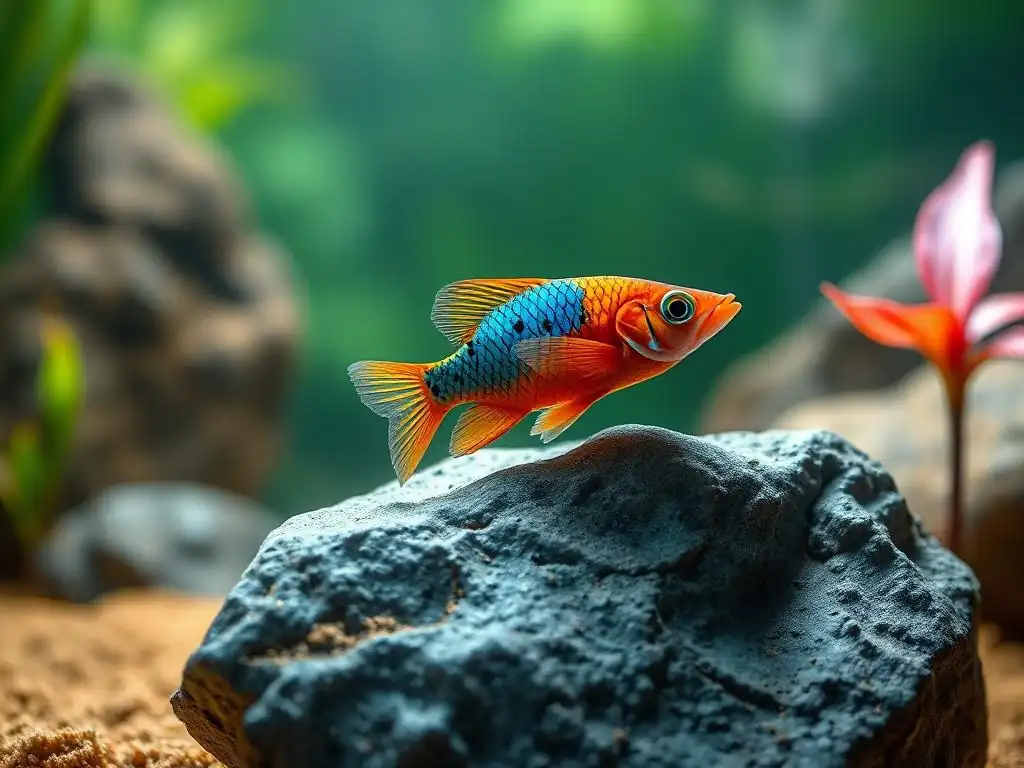
The choice of substrate and decor is crucial for replicating the natural habitat of Apistogramma species and forms a vital part of a comprehensive dwarf cichlid care guide. A soft, fine sand substrate is highly recommended, as these fish often sift through it in search of food and may engage in digging behaviors, especially during breeding. Coarse gravel can injure their delicate barbels and is generally unsuitable. A dark-colored substrate can also help to bring out their vibrant colors and reduce stress by mimicking a natural dark riverbed.
Beyond the substrate, providing ample hiding spots and visual barriers is paramount. Driftwood, particularly spider wood or bogwood, is excellent for creating intricate root structures and releasing beneficial tannins, which contribute to soft, acidic water conditions. Small caves formed from terracotta pots, coconut shells, or smooth rocks are essential spawning sites and retreats for females or subdominant males. Dense plantings, especially broad-leaved plants like Amazon Swords or Cryptocorynes, further enhance the natural feel and provide additional cover, making the tank a secure and stimulating environment for your dwarf cichlids.
Filtration and Water Quality for Optimal Health
Maintaining pristine water quality is non-negotiable for Apistogramma species and is a cornerstone of any effective dwarf cichlid care guide. Given their sensitivity to nitrates and fluctuating parameters, robust but gentle filtration is essential. Sponge filters are an excellent choice for dwarf cichlid tanks, especially breeding setups, as they provide effective biological filtration without creating strong currents that can stress these fish. Canister filters with adjustable flow rates are also suitable for larger tanks, often equipped with spray bars to diffuse the outflow.
Beyond mechanical and biological filtration, chemical filtration, such as activated carbon (changed regularly) or peat, can be beneficial. Peat not only helps to lower pH and soften water but also releases tannins, mimicking their natural blackwater environments. Regular water changes are critical: perform 20-25% water changes weekly to keep nitrate levels low (ideally below 10 ppm) and replenish essential trace elements. Consistent monitoring of pH, GH, KH, ammonia, nitrite, and nitrate levels using reliable test kits is vital to ensure stable and healthy conditions, preventing stress and disease.
Lighting Requirements for Dwarf Cichlid Tanks
The lighting requirements for Apistogramma dwarf cichlid tanks are generally moderate, aligning with their preference for shaded, dimly lit environments in their natural habitat. Strong, intense lighting can stress these fish, leading to faded colors and reclusive behavior. Therefore, a dwarf cichlid care guide emphasizes providing appropriate light levels. LED lighting systems with adjustable intensity are ideal, allowing aquarists to fine-tune the brightness. A photoperiod of 8-10 hours per day is sufficient for both the fish and most aquatic plants typically used in Apistogramma setups.
If the tank is heavily planted with light-demanding species, stronger lighting may be necessary. In such cases, it's crucial to provide ample floating plants (e.g., Dwarf Water Lettuce, Red Root Floaters) or dense surface cover from tall plants to create shaded areas where the Apistogramma can retreat. This helps to diffuse the light and replicate the dappled light conditions found in their native blackwater streams. Observing the fish's behavior is key: if they appear stressed, hide constantly, or exhibit faded colors, reducing light intensity or adding more cover may be beneficial.
Plant Selection for Apistogramma Aquariums
Planting is a vital component of any dwarf cichlid care guide as it directly contributes to the well-being and natural behavior of Apistogramma species. Live plants provide crucial hiding spots, visual barriers, and help maintain water quality by absorbing nitrates. They also contribute to a sense of security for these often shy fish. Ideal plant choices are those that thrive in soft, acidic water and moderate lighting.
Excellent options include various species of Cryptocoryne (e.g., Cryptocoryne wendtii, Cryptocoryne undulata), which form dense bushes and appreciate the soft substrate. Anubias species ( Anubias barteri, Anubias nana) and Java Fern ( Microsorum pteropus) are hardy epiphytes that can be attached to driftwood or rocks, creating naturalistic cover.
Vallisneria and Amazon Swords ( Echinodorus amazonicus) are good background plants that provide vertical cover. Additionally, floating plants like Amazon Frogbit ( Limnobium laevigatum) or Dwarf Water Lettuce ( Pistia stratiotes) are highly recommended as they diffuse light, offer surface cover, and can absorb excess nutrients, further mimicking their native shaded environments.
Choosing the Right Tank Mates for Your Apistogramma
Selecting appropriate tank mates is a critical aspect of a successful dwarf cichlid care guide, as it directly impacts the stress levels and overall health of your Apistogramma. Both Apistogramma cacatuoides and Apistogramma agassizii are relatively peaceful but can be territorial, especially males during breeding. Therefore, tank mates should be small, peaceful, and non-aggressive, occupying different parts of the water column to avoid direct competition for space.
Ideal companions include small, schooling characins such as Neon Tetras ( Paracheirodon innesi), Cardinal Tetras ( Paracheirodon axelrodi), Rummy-nose Tetras ( Hemigrammus bleheri), Ember Tetras ( Hyphessobrycon amandae), or various peaceful rasboras like Harlequin Rasboras ( Trigonostigma heteromorpha). These fish provide a sense of security for the Apistogramma by indicating a safe environment.
For bottom dwellers, small, peaceful catfish like Otocinclus species ( Otocinclus affinis) or various Corydoras species ( Corydoras aeneus, Corydoras paleatus) are excellent choices, as they are non-competitive and help with tank cleaning. Avoid large, boisterous, or fin-nipping fish, and certainly do not house them with other aggressive cichlids.
Dwarf Cichlid Care Guide: Maintaining a Healthy Aquarium
Regular Water Changes: Maintaining Water Quality
Regular water changes are arguably the most crucial practice in any comprehensive dwarf cichlid care guide. Apistogramma species are highly sensitive to the accumulation of nitrates and other dissolved organic compounds, which can quickly lead to stress, disease, and faded coloration. Performing consistent water changes helps to dilute these toxins, replenish essential trace elements, and maintain the stable water parameters (pH, GH, temperature) that these fish require.
For most Apistogramma setups, a weekly water change of 20-25% of the tank volume is recommended. In heavily stocked tanks or those with larger bioloads, two smaller water changes per week (e.g., 10-15% twice weekly) might be more beneficial to maintain even greater stability. Always use dechlorinated water that is temperature-matched to the aquarium to prevent shock. For species requiring very soft, acidic water, using RO (reverse osmosis) water re-mineralized to the desired parameters or conditioned rainwater is often necessary. This consistent maintenance routine is non-negotiable for long-term dwarf cichlid health.
Monitoring Water Parameters: A Crucial Step
Beyond regular water changes, consistent monitoring of water parameters is a crucial step in a proactive dwarf cichlid care guide. Fluctuations in water chemistry are a primary cause of stress and illness in Apistogramma species. Key parameters to regularly test include:
- pH: The acidity or alkalinity of the water. Aim for 5.5-7.0 for most Apistogramma, with some species preferring lower.
- General Hardness (GH): Measures dissolved mineral content. Keep it soft, 0-10 dGH, with 0-5 dGH being ideal for many.
- Carbonate Hardness (KH): Indicates buffering capacity. Lower KH (0-4 dKH) is often desired for acidic setups, but it also means less pH stability.
- Ammonia (NH3/NH4+): Should always be 0 ppm. Any detectable ammonia indicates an issue with the nitrogen cycle or overfeeding.
- Nitrite (NO2-): Should always be 0 ppm. Also indicative of an incomplete nitrogen cycle.
- Nitrate (NO3-): The end product of the nitrogen cycle. Aim for below 20 ppm, ideally 5-10 ppm, through regular water changes.
Using reliable liquid test kits is recommended over test strips for accuracy. Weekly testing allows aquarists to identify potential problems before they become critical, enabling timely adjustments to maintenance routines or water treatments.
Preventing and Treating Common Fish Diseases
Prevention is the most effective strategy for managing common fish diseases in Apistogramma aquariums, a cornerstone of any robust dwarf cichlid care guide. A healthy, stress-free environment with stable, pristine water parameters, a high-quality diet, and appropriate tank mates significantly boosts their immune system. Quarantine all new fish for at least 3-4 weeks in a separate tank before introducing them to the main display. This allows for observation and treatment of any potential diseases they might carry without risking the entire tank.
Despite best efforts, diseases can sometimes occur. Common ailments include Ich (white spot disease), fungal infections (cotton-like growths), fin rot (frayed fins), and internal parasites (lethargy, emaciation, abnormal feces). Early detection is critical for successful treatment. Observe your fish daily for any changes in behavior, appetite, or physical appearance. If disease is suspected, promptly diagnose the issue and apply the appropriate medication, following dosage instructions carefully. Simultaneously, address any underlying environmental stressors, such as poor water quality or overcrowding, as medication alone will not provide a long-term solution.
Identifying Signs of Stress in Your Apistogramma
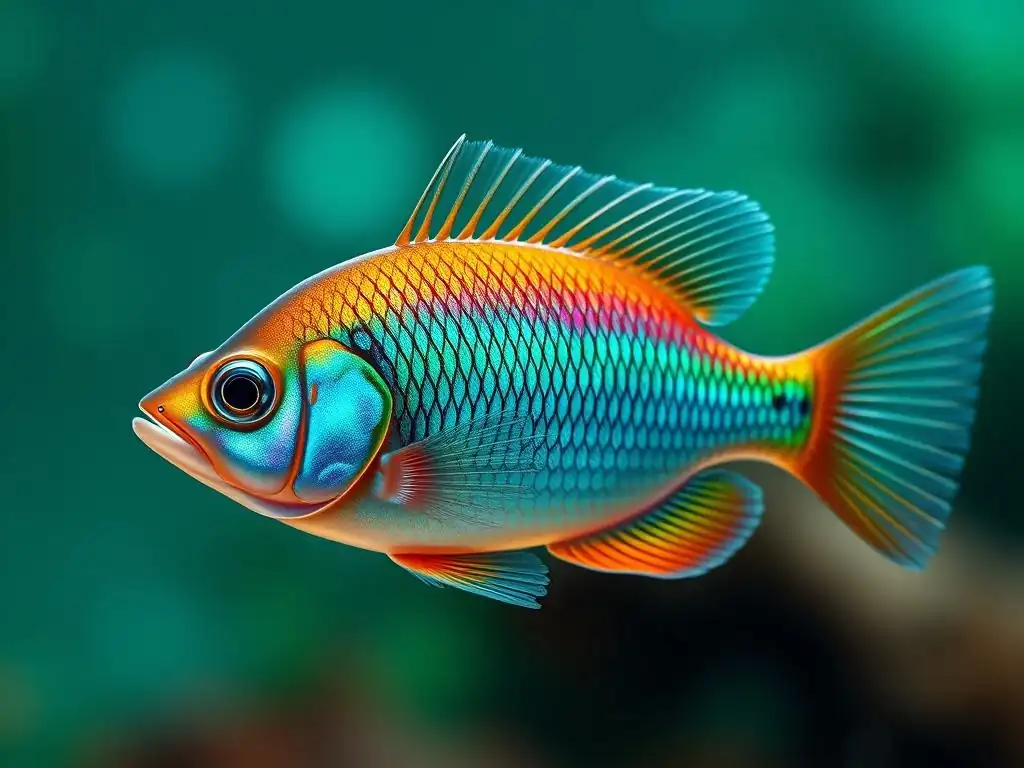
Recognizing signs of stress in your Apistogramma is a vital skill for any aquarist following a comprehensive dwarf cichlid care guide. Early detection allows for prompt intervention, preventing minor issues from escalating into serious health problems. One of the most common indicators of stress is faded coloration; healthy Apistogramma typically display vibrant hues, while stressed individuals may appear pale or dull.
Other key signs include clamped fins, where the fins are held close to the body, and labored breathing, indicated by rapid gill movements. Stressed fish may become reclusive, hiding excessively, or conversely, exhibit abnormal swimming patterns, such as darting erratically or rubbing against tank decor (flashing). A loss of appetite or refusal to eat is another significant red flag. Behavioral changes, such as increased aggression or unusual lethargy, also warrant investigation. Upon noticing any of these symptoms, immediately check water parameters, observe tank mate interactions, and consider potential environmental stressors to identify and rectify the cause.
Acclimation Process for New Dwarf Cichlids
Proper acclimation is a critical, yet often overlooked, step in introducing new dwarf cichlids to your aquarium. A careful acclimation process minimizes stress and reduces the risk of shock or disease, allowing the fish to adjust gradually to new water parameters. The drip acclimation method is highly recommended for sensitive species like Apistogramma.
To begin, float the sealed bag containing the new fish in your aquarium for 15-20 minutes to equalize the water temperature. Do not open the bag during this time. After temperature equalization, carefully open the bag and pour the fish and its water into a clean bucket or small container. Using airline tubing and an air valve, set up a slow drip from your main aquarium into the bucket.
Aim for a drip rate of about 1-2 drips per second. Once the volume of water in the bucket has quadrupled (this may take 45-60 minutes or longer, depending on the initial volume), carefully net the fish and transfer it to the aquarium, discarding the water from the bucket. This slow, gradual introduction is key to successful dwarf cichlid care guide practices for new arrivals.
Breeding Dwarf Cichlids: Tips and Tricks for Success
Setting Up a Breeding Tank for Apistogramma
Setting up a dedicated breeding tank can significantly increase your success rate when attempting to breed Apistogramma species, offering more control over environmental factors and reducing predation on fry. For a single pair or a small harem (one male, two females), a 10-20 gallon (38-75 liter) tank is typically sufficient. The substrate should be fine sand, allowing the fish to sift and dig.
Crucially, the tank must include suitable spawning sites. Small caves, such as overturned terracotta pots, coconut shells with a single opening, or specialized ceramic breeding caves, are essential. These provide the female with a secure, enclosed space to lay and guard her eggs.
Dense plantings, including broad-leaved plants like Cryptocoryne or Echinodorus, and floating plants, offer additional cover and security for the parents and later for the fry. Filtration should be gentle, ideally a sponge filter, to prevent strong currents and avoid sucking up tiny fry. Maintaining pristine, stable water parameters (soft, acidic water within their preferred breeding range) is paramount in this dedicated dwarf cichlid care guide for breeding.
Stimulating Spawning in Cacatuoides and Agassizii
To stimulate spawning in both Apistogramma cacatuoides and Apistogramma agassizii, replicating their natural breeding triggers is key. The primary environmental cue is often a slight drop in temperature combined with a subsequent increase in fresh, soft, acidic water. Performing a series of small, daily water changes (e.g., 10-15% for 3-5 days) with very soft, slightly cooler water (perhaps 75°F/24°C) can mimic the onset of the rainy season in their natural habitat, which often signals breeding time.
Alongside environmental triggers, conditioning the fish with a rich, varied diet is essential. Feed live and frozen foods such as blackworms, bloodworms, brine shrimp, and daphnia several times a day. This high-protein diet helps the females develop eggs and provides the necessary energy for spawning and parental care.
Ensuring the presence of suitable spawning sites (caves, coconut shells) and maintaining a peaceful, secure environment free from stress will further encourage the pair to breed. Observing increased male coloration, fin displays, and female interest in potential spawning sites are strong indicators that spawning is imminent, a crucial tip in any dwarf cichlid care guide for reproduction.
Caring for Eggs and Fry: From Hatching to Independence
Once Apistogramma eggs have been laid, typically inside a cave, the female takes on the primary role of parental care, a fascinating aspect of dwarf cichlid care guide observations. She will diligently guard the eggs, fanning them to ensure proper oxygenation and removing any infertile or fungused eggs. The male will defend the surrounding territory. Eggs usually hatch within 2-4 days, depending on temperature. The newly hatched fry, called wigglers, are immobile and feed off their yolk sac for another 5-7 days. During this period, the female may move them to different pits or locations within the cave.
When the fry become free-swimming, they will emerge from the cave under the watchful eye of the female. At this stage, they require very fine, nutritious food. The female will continue to guard them fiercely, guiding them to food sources and protecting them from perceived threats. It's crucial to maintain pristine water quality during this period, performing very small, gentle water changes daily (e.g., 5-10%) to avoid stressing the delicate fry. Ensuring adequate hiding spots for the female and fry is also vital to their survival and development.
Feeding Fry: The Right Diet for Growing Cichlids
Feeding newly free-swimming Apistogramma fry is a critical stage in their development and a key challenge in any dwarf cichlid care guide for breeding. Their mouths are incredibly small, requiring microscopic food sources for the first few weeks. The absolute best first food is newly hatched brine shrimp nauplii. These are highly nutritious, swim actively, and are easily digestible by the tiny fry. Hatching brine shrimp daily will provide a constant supply of fresh food.
As the fry grow, typically after 1-2 weeks on brine shrimp, their diet can be supplemented with microworms, vinegar eels, or finely crushed high-quality flake food designed for fry. Gradually introduce larger foods like finely chopped bloodworms or daphnia as they continue to grow, usually around 3-4 weeks old. Feed small amounts multiple times a day (4-6 times) to ensure constant access to food, as they have high metabolic rates. Overfeeding should be avoided to prevent water pollution, which is detrimental to fry health. Consistent, high-quality nutrition is paramount for rapid growth and healthy development.
Preventing Predation of Eggs and Fry
Preventing predation of Apistogramma eggs and fry is a crucial consideration, especially in a community tank setting, and is a vital component of a successful dwarf cichlid care guide for breeding. In a community aquarium, most tank mates, and even the male Apistogramma if he becomes overly aggressive or stressed, may view the tiny eggs and fry as a food source.
The most effective method to prevent predation is to set up a dedicated breeding tank. This allows the female (and potentially the male, if compatible) to focus solely on parental care without external threats. If breeding in a community tank, provide an abundance of dense plant cover, driftwood, and secure caves.
These structures offer hiding spots for the fry and visual barriers that can deter larger fish. However, even with ample cover, some fry loss is almost inevitable in a community setting. In some cases, if the male becomes a threat to the female or fry, he may need to be temporarily removed to a separate tank to ensure the survival of the brood.
Conclusion: Choosing the Right Apistogramma for Your Aquarium
Which Dwarf Cichlid is Right for You: Cacatuoides or Agassizii?
Choosing between Apistogramma cacatuoides and Apistogramma agassizii ultimately depends on your experience level, available tank space, and specific preferences for appearance and temperament. For beginners to the dwarf cichlid care guide, Apistogramma cacatuoides is often recommended. They are generally more adaptable to a slightly wider range of water parameters and are considered somewhat more peaceful, making them a forgiving choice for those new to keeping dwarf cichlids. Their striking "cockatoo" finnage and vibrant colors are also universally appealing.
Apistogramma agassizii, while equally stunning with its diverse color morphs and elegant shape, often requires more precise and stable water parameters, particularly softer and more acidic conditions, to truly thrive and breed successfully. They can also exhibit slightly more intraspecific aggression. For intermediate to advanced aquarists who are comfortable with fine-tuning water chemistry and managing territorial behaviors, Apistogramma agassizii offers a rewarding challenge and a chance to showcase some of the most beautiful variations in the Apistogramma genus. Both species, when properly cared for, will bring immense joy and fascinating behavior to your aquarium.
Final Thoughts on Dwarf Cichlid Care and Enjoyment
Dwarf cichlids, particularly Apistogramma species, offer a captivating and rewarding experience for aquarists. Their vibrant colors, intricate social behaviors, and fascinating breeding rituals make them a highlight in any freshwater aquarium. While they require specific water parameters and diligent care, the effort is well worth it, leading to a thriving and aesthetically pleasing aquatic environment. The journey of mastering dwarf cichlid care guide principles involves a commitment to stable water quality, a high-quality diet, and a thoughtfully aquascaped habitat that mimics their natural environment.
Remember that each fish is an individual, and observing their behavior is key to understanding their needs. By providing a stable, enriching environment, you'll not only ensure the health and longevity of your Apistogramma but also gain a deeper appreciation for the complex world of these miniature aquatic titans. Whether you choose the flamboyant A. cacatuoides or the elegant A. agassizii, embracing the detailed aspects of their care will lead to a truly enjoyable and successful aquarist experience.
Resources for Further Learning About Apistogramma
For aquarists keen on deepening their knowledge and expertise in dwarf cichlid care guide and Apistogramma species, a wealth of resources is available. Online forums and dedicated aquarium communities are invaluable, offering platforms to connect with experienced hobbyists, ask questions, and share insights. Websites specializing in cichlid care, such as AquariumMastery.com, provide detailed profiles, care sheets, and troubleshooting guides that cover various aspects of keeping these fish, from basic setup to advanced breeding techniques.
Specialized books on dwarf cichlids, often authored by ichthyologists and seasoned aquarists, offer in-depth scientific information on species identification, natural habitats, and specific care requirements for numerous Apistogramma species. Local aquarium clubs are also a fantastic resource, providing opportunities to attend presentations, participate in workshops, and even acquire rare or wild-caught specimens from fellow members. Continual learning and engagement with the broader aquarium community are essential for evolving your dwarf cichlid care guide practices and ensuring the best possible environment for your fish.
Frequently Asked Questions
What are the main differences between Apistogramma cacatuoides and Apistogramma agassizii?
The primary differences lie in their fin shapes and body markings. Cacatuoides males have more elaborate dorsal and caudal fins, while agassizii males often display a more elongated body shape.
What are the recommended water parameters for dwarf cichlids like Apistogramma?
Generally, aim for a pH between 6.0 and 7.0, with a temperature range of 78-82°F (25-28°C). Soft, slightly acidic water is ideal for most Apistogramma species.
What is the best food to feed Apistogramma dwarf cichlids to ensure optimal health?
A varied diet is crucial, including high-quality flake food, frozen foods (like bloodworms and daphnia), and small live foods. This ensures they receive all necessary nutrients.
How do I create a suitable aquarium environment for Apistogramma to encourage breeding?
Provide plenty of hiding places using caves, driftwood, and plants. Maintain stable water parameters and offer a varied, nutritious diet to induce spawning.
What are some common health issues to watch out for in Apistogramma and how can I prevent them?
Ich (white spot disease) and bacterial infections can occur. Prevent these by maintaining excellent water quality, quarantining new fish, and providing a stress-free environment.
Final Reflection: Appreciating the Nuances of Miniature Majesty
The journey through the vibrant world of Apistogramma cacatuoides and agassizii reveals more than just the intricacies of dwarf cichlid care; it underscores the importance of understanding individual species needs within a broader ecosystem. These miniature titans, though similar in many ways, demand tailored approaches to thrive, a principle that extends far beyond the confines of our aquariums and into our understanding of the natural world.
The enduring appeal of these fish lies not only in their stunning beauty but also in the responsibility they inspire within us to become better caretakers, more observant naturalists, and more compassionate stewards of the planet. In the end, we will conserve only what we love; we will love only what we understand; and we will understand only what we are taught.
- Baba Dioum. This quote resonates deeply when considering the dedication required to successfully maintain these delicate creatures, a dedication that fosters a profound appreciation for biodiversity.
Now, as you embark on your own dwarf cichlid adventure, remember that knowledge is just the beginning. Let this guide be a springboard, not a cage. Dive deeper, observe keenly, and adapt your approach to the unique personalities of your fish. By embracing the challenge of providing optimal care, you not only enrich their lives but also enrich your own, fostering a deeper connection to the natural world and a greater understanding of the delicate balance that sustains us all.
Unleash Your Inner Aquarist: Dive Deeper into Dwarf Cichlids!
Thank you for exploring the captivating world of Apistogramma cacatuoides and agassizii with us. We hope you've discovered valuable insights into these dwarf cichlid titans and feel inspired to elevate your aquarium hobby! Now, it's time to take action and transform your aquatic vision into reality.
Here are a few ways to continue your journey:
- Start Planning Your Dream Apisto Setup: Research the specific needs of Apistogramma cacatuoides or agassizii, considering tank size, water parameters, and suitable tankmates.
- Share your newfound knowledge! Inspire other aquarium enthusiasts by sharing this article on social media or discussing it in online forums.
- Uncover the Secrets of Aquascaping: Experiment with creating natural habitats using driftwood, rocks, and plants to mimic their native South American environment.
Ready to embark on your Apistogramma adventure? What's one new element you plan to introduce to your aquarium design based on what you've learned today?