
Blackwater Bliss: The Ideal Tank Setup for Thriving Green Neon Tetras

Welcome to Aquarium Mastery!
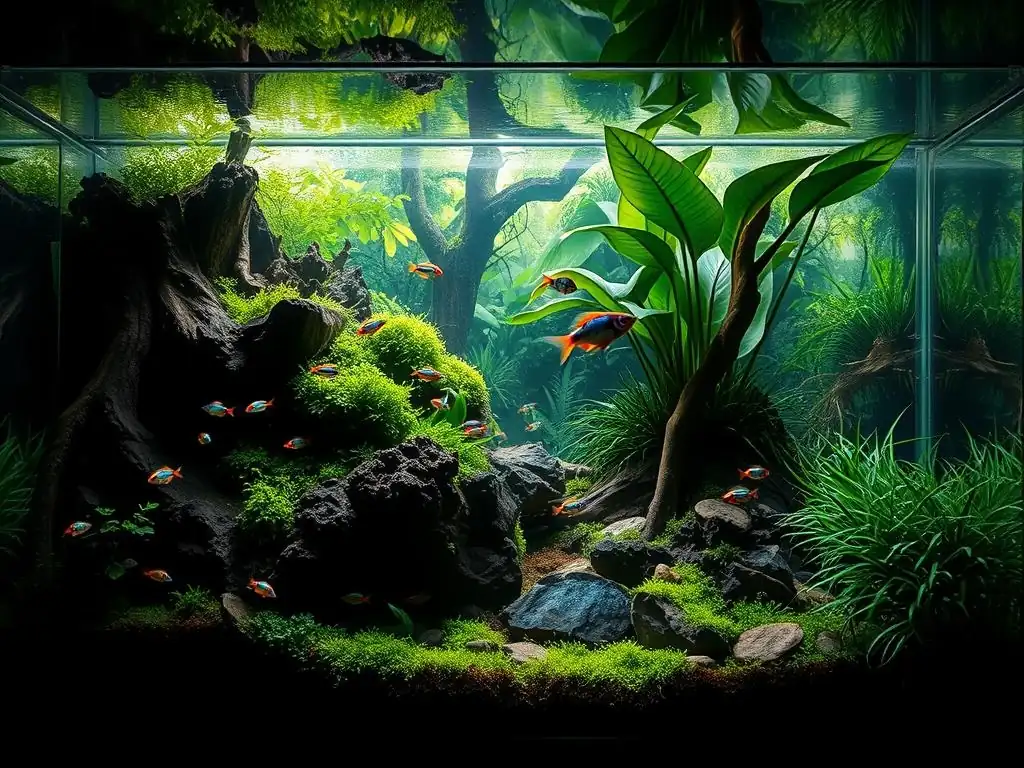
Ever wondered how to unlock the vibrant potential of your Green Neon Tetras? Dive into "Blackwater Bliss: The Ideal Tank Setup for Thriving Green Neon Tetras" and discover the secrets to creating a thriving ecosystem where these shimmering jewels can truly flourish. Uncover the essential elements, from water parameters to plant life, that will transform your aquarium into a captivating underwater paradise. Intrigued? Let's explore the perfect habitat for these mesmerizing fish!
- Understanding Green Neon Tetras and Their Natural Habitat
- Setting Up Your Green Neon Tetra Tank: A Step-by-Step Guide
- Achieving Blackwater Conditions for Green Neon Tetras
- Choosing the Right Tank Mates for Green Neon Tetras
- Feeding Green Neon Tetras for Optimal Health and Color
- Maintaining a Healthy Green Neon Tetra Aquarium
- Troubleshooting Common Issues in Green Neon Tetra Tanks
- Enjoying Your Thriving Green Neon Tetra Blackwater Aquarium
-
Frequently Asked Questions
- How does a blackwater tank benefit Green Neon Tetras?
- What size tank is recommended for a school of Green Neon Tetras?
- What specific water parameters are crucial for Green Neon Tetra health?
- What types of plants are suitable for a Green Neon Tetra blackwater tank?
- What are some common diseases that affect Green Neon Tetras, and how can I prevent them in a blackwater tank?
- Final Reflection: Embracing the Blackwater Ecosystem
- Dive Deeper: Cultivate Your Green Neon Paradise!
Understanding Green Neon Tetras and Their Natural Habitat
Green Neon Tetra Origins: The Amazonian Blackwater Environment
The Green Neon Tetra, scientifically known as Paracheirodon simulans, hails from the intricate blackwater river systems of the Amazon basin. Their natural distribution primarily spans the Rio Negro and Rio Orinoco basins in South America, particularly within countries like Brazil, Colombia, and Venezuela. These environments are characterized by extremely soft, acidic water, stained tea-colored by the decomposition of organic matter such as leaves, wood, and other plant debris. This organic decomposition releases humic acids and tannins, which lower the pH significantly, often to levels between 4.0 and 6.0, and reduce the water's mineral content.
The dense rainforest canopy above these rivers allows very little light to penetrate, creating a dimly lit, subdued aquatic world. The riverbeds are typically covered with a thick layer of leaf litter and submerged branches, providing abundant hiding spots and foraging grounds. This unique ecosystem, with its stable low pH, minimal mineral content, and rich organic compounds, has shaped the physiological needs and behavioral patterns of the Green Neon Tetra, making a blackwater setup crucial for their long-term health and vibrant coloration in captivity.
Why Blackwater Conditions Benefit Green Neon Tetras
Replicating blackwater conditions in a home aquarium offers numerous advantages for Green Neon Tetras, significantly contributing to their well-being and natural display. The soft, acidic water reduces osmotic stress on the fish, as their bodies are naturally adapted to environments with low dissolved solids. The presence of tannins acts as a mild antiseptic, helping to inhibit the growth of harmful bacteria and fungi, thereby reducing the incidence of common aquarium ailments such as fin rot and certain parasitic infections. Studies suggest that fish kept in tannin-rich water exhibit stronger immune responses.
Furthermore, the dim lighting and abundance of hiding places created by leaf litter and driftwood in a blackwater setup provide a sense of security for these naturally shy fish. This reduced stress allows Green Neon Tetras to display their most vibrant coloration, often a more intense green-blue stripe than seen in neutral or hard water setups.
Their schooling behavior is also more pronounced in a calm, dark environment, allowing aquarists to observe their natural social dynamics. For example, a school of 15 Green Neon Tetras in a well-established blackwater tank will typically exhibit tighter schooling and less erratic darting compared to those in a brightly lit, clear water tank.
Key Water Parameters for Green Neon Tetra Health and Color
Maintaining precise and stable water parameters is paramount for the health and vibrant coloration of Green Neon Tetras. Their natural blackwater habitat dictates specific requirements that must be met in the aquarium. The ideal temperature range for these fish is between 24°C and 28°C (75°F and 82°F), with a consistent 26°C (79°F) often cited as optimal for promoting activity and metabolism. Fluctuations of more than 2°C (3.6°F) within a 24-hour period can cause significant stress.
Regarding water chemistry, Green Neon Tetras thrive in very soft, acidic conditions. The pH should ideally be maintained between 4.5 and 6.5, with a target around 5.5 to 6.0 being excellent for color enhancement and breeding potential. General Hardness (GH) should be extremely low, ideally between 0-5 dGH (degrees of general hardness), indicating very soft water.
Carbonate Hardness (KH), which buffers pH, should also be low, typically 0-3 dKH. While these low KH levels can make pH more susceptible to swings, careful management and consistent water changes with similarly conditioned water are key. Nitrate levels should be kept below 20 ppm, ideally under 10 ppm, through regular maintenance to prevent chronic stress and disease.
Setting Up Your Green Neon Tetra Tank: A Step-by-Step Guide
Choosing the Right Size Tank for Green Neon Tetra Schooling
Selecting the appropriate tank size is a foundational step for a thriving Green Neon Tetra tank. While these fish are small, reaching an adult size of only about 1 inch (2.5 cm), they are highly social and exhibit strong schooling behavior. Therefore, ample swimming space is crucial, especially horizontally. A minimum tank size of 10 gallons (approximately 38 liters) is often recommended for a small school of 6-8 Green Neon Tetras. This size provides enough volume for water stability and some schooling movement.
However, for a more robust and visually impressive school of 10-15 Green Neon Tetras, a 15-20 gallon (57-76 liter) long-style aquarium is significantly better. A tank with a longer footprint, such as a standard 20-gallon long tank (typically 30 inches or 76 cm in length), offers more horizontal swimming space than a taller tank of the same volume.
This allows the school to spread out, interact naturally, and display their schooling dynamics more effectively, reducing stress and promoting healthier fish. Larger tanks also offer greater water volume, which contributes to more stable water parameters and reduces the impact of minor fluctuations.
Essential Equipment for a Green Neon Tetra Blackwater Aquarium
Filtration System: Maintaining Water Quality for Green Neons
A reliable filtration system is indispensable for maintaining pristine water quality in a Green Neon Tetra tank, even in a blackwater setup. The primary goal is efficient biological filtration to convert harmful ammonia and nitrites into less toxic nitrates, while also providing gentle water movement. Sponge filters are an excellent choice for smaller blackwater tanks (up to 20 gallons) due to their simplicity, low cost, and most importantly, their gentle flow, which does not disturb these small, delicate fish. They provide ample surface area for beneficial bacteria and are very safe for fry if breeding occurs.
For larger tanks or those desiring more robust filtration, a small hang-on-back (HOB) filter with adjustable flow, such as an AquaClear 20 or 30, can be used. It's crucial to ensure the flow is baffled or directed to prevent strong currents.
Canister filters, like the Fluval 107 for tanks over 20 gallons, offer superior media capacity for biological and chemical filtration (if used), providing excellent water clarity and stability with customizable flow. Regardless of the type, ensure the filter media includes ceramic rings or bio-balls for biological filtration and clean it regularly by rinsing in old tank water to preserve beneficial bacteria.
Heater and Thermostat: Achieving Optimal Temperature
Maintaining a stable and appropriate temperature is critical for Green Neon Tetras, given their tropical Amazonian origins. A submersible heater equipped with an integrated thermostat is an essential piece of equipment. The general rule of thumb for heater wattage is approximately 5 watts per gallon of water. For instance, a 10-gallon green neon tetra tank would typically require a 50-watt heater, while a 20-gallon tank would benefit from a 100-watt unit.
It is vital to choose a heater that is appropriately sized for your tank volume to prevent rapid temperature swings or insufficient heating. Placement of the heater, often near the filter output, can help ensure even heat distribution throughout the aquarium. Regularly checking the tank temperature with a separate, accurate thermometer is also crucial to verify the heater's calibration and ensure the water remains consistently within the ideal range of 24-28°C (75-82°F), as temperature stability directly impacts the fish's metabolism, immune system, and overall stress levels.
Lighting: Simulating the Dimly Lit Blackwater Habitat
Replicating the subdued lighting of the Green Neon Tetra's natural blackwater habitat is crucial for their comfort and vibrant display. Strong, direct illumination is detrimental, as it can stress these shy fish and fade their colors. Instead, aim for low-intensity lighting that mimics the filtered sunlight penetrating a dense rainforest canopy. Low-wattage LED lights are ideal, offering energy efficiency and often adjustable brightness.
For a typical green neon tetra tank, a light output of approximately 0.25 to 0.5 watts per liter (or 1 to 2 watts per gallon for standard LEDs) is usually sufficient. Running the lights for a duration of 6 to 8 hours per day is generally adequate for both the fish and any low-light tolerant plants.
Consider a light fixture with a dimmer function or one designed for planted tanks that can be set to a very low intensity. Additionally, incorporating floating plants like Amazon Frogbit ( Limnobium laevigatum) or Dwarf Water Lettuce ( Pistia stratiotes) can further diffuse the light, creating natural shaded areas and enhancing the blackwater aesthetic, providing a perfect environment for your Green Neon Tetra tank.
Substrate Selection: Replicating the Natural Riverbed
The choice of substrate plays a significant role in replicating the natural environment of Green Neon Tetras and enhancing the overall aesthetic of a blackwater tank. In their native habitat, riverbeds are often composed of fine sand and a thick layer of decomposing leaf litter. Therefore, a dark, fine-grained substrate is highly recommended. Options include specialized black aquarium sand, black blasting sand (ensure it's inert and thoroughly rinsed), or even pool filter sand.
Avoid light-colored or highly reflective substrates, as these can stress Green Neon Tetras by reflecting too much light, making them feel exposed and vulnerable. A substrate depth of 1-2 inches (2.5-5 cm) is generally sufficient. This depth allows for the natural accumulation and decomposition of leaf litter, contributing to the blackwater effect and providing foraging opportunities for the fish. A fine sand substrate also benefits any bottom-dwelling tank mates, such as Corydoras catfish, allowing them to sift through it safely without damaging their delicate barbels.
Hardscape: Creating a Natural and Secure Environment
Effective hardscaping is vital for creating a natural and secure environment within your Green Neon Tetra tank, mirroring their blackwater origins. The strategic placement of various elements provides visual appeal, crucial hiding spots, and contributes to the desired water chemistry.
Driftwood: Essential for Tannin Release and Hiding Places
Driftwood is arguably the most critical hardscape element for a Green Neon Tetra tank. It not only provides structural complexity and visual interest but also serves functional purposes essential for a blackwater setup. As driftwood slowly decomposes, it releases beneficial tannins and humic acids into the water, contributing to the characteristic tea-stained appearance and helping to naturally lower and stabilize the pH. Popular types include Malaysian driftwood, Manzanita branches, and Mopani wood, all of which are excellent tannin sources.
Before adding driftwood to the aquarium, it's advisable to pre-soak it for several days to weeks in a separate container, changing the water daily, to release excess tannins and prevent excessive initial discoloration of your tank water. This soaking also helps to waterlog the wood, preventing it from floating.
Position the driftwood to create numerous caves, crevices, and shaded areas, offering secure hiding spots for the Green Neon Tetras, which are naturally shy and thrive in environments where they feel protected. The irregular surfaces of driftwood also provide an ideal substrate for the growth of beneficial biofilm, a natural food source for micro-organisms and a snack for the tetras themselves.
Leaf Litter: Mimicking the Forest Floor and Providing Shelter
Leaf litter is an indispensable component for truly authentic Green Neon Tetra blackwater tanks, directly mimicking the forest floor of their natural habitat. As leaves decompose, they slowly release tannins and humic substances, contributing to the desired water parameters and characteristic amber tint. Beyond their chemical contribution, leaf litter provides vital foraging grounds for the tetras, as microorganisms and detritus accumulate on and beneath the leaves, offering natural food sources.
More importantly, leaf litter offers extensive natural hiding spots and visual barriers, significantly reducing stress for these small, somewhat timid fish. Common choices include Catappa leaves (Indian Almond Leaves), which are widely available and highly effective, as well as oak leaves or guava leaves (ensure they are pesticide-free and collected from a safe source).
Start with a layer of 1-2 medium Catappa leaves per 5 gallons (19 liters) and replenish them every 3-4 weeks as they break down. The presence of leaf litter not only enhances the blackwater aesthetic but also encourages natural behaviors and provides a sense of security for your Green Neon Tetra tank residents.
Rockwork: Adding Depth and Visual Appeal
While driftwood and leaf litter are primary for a blackwater Green Neon Tetra tank, select rockwork can complement the hardscape by adding depth, visual interest, and additional structure. It's crucial to choose inert rocks that will not leach minerals and significantly alter water parameters, especially the pH and hardness, which are intentionally kept low in a blackwater setup. Examples of suitable inert rocks include lava rock, river stones, or certain types of slate.
Before adding any rocks, it's wise to perform a simple vinegar test: place a few drops of white vinegar on the rock; if it fizzes, it indicates the presence of calcium carbonate and should be avoided for a blackwater tank as it will raise pH and hardness. Arrange the rocks to create subtle caves, ledges, or simply to break up the lines of the driftwood, adding more visual complexity to the layout. Ensure all rockwork is stable and secure to prevent accidental collapses that could harm the fish or damage the tank.
Achieving Blackwater Conditions for Green Neon Tetras
Utilizing Natural Methods for Blackwater Creation
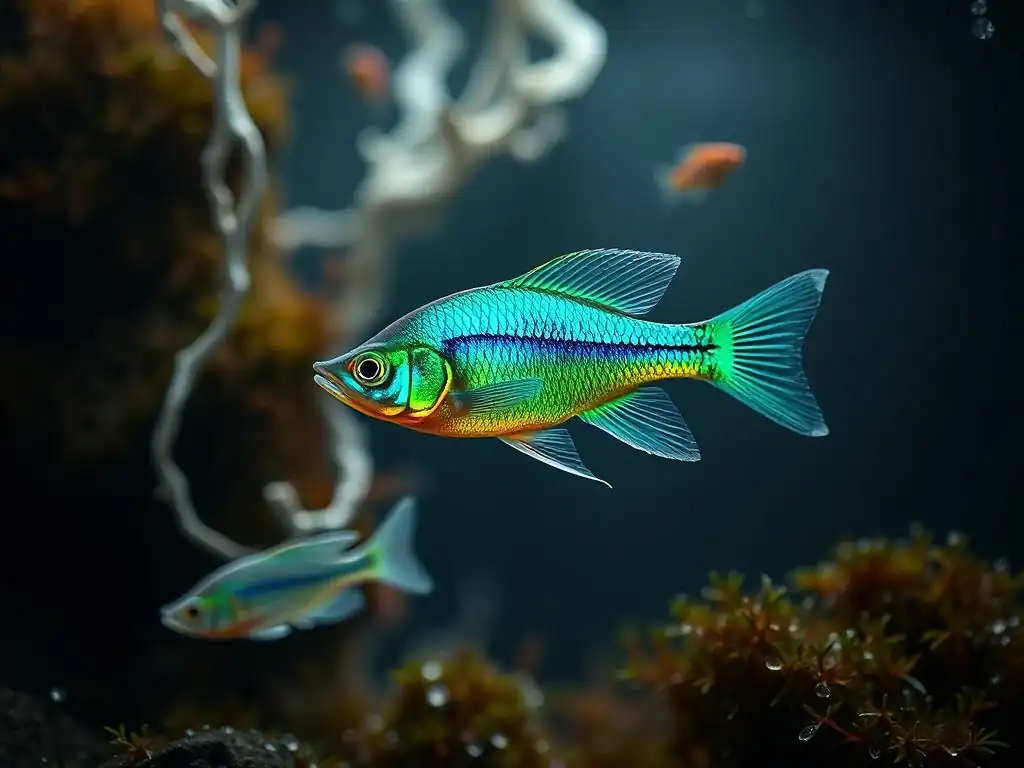
Achieving authentic blackwater conditions for your Green Neon Tetra tank involves introducing natural organic materials that slowly release tannins and humic substances. These methods not only tint the water but also provide beneficial compounds that replicate the fish's natural environment.
Catappa Leaves (Indian Almond Leaves): A Natural Tannin Source
Catappa leaves, also known as Indian Almond Leaves ( Terminalia catappa), are perhaps the most popular and effective natural source of tannins for blackwater aquariums. When submerged, these leaves gradually release humic acids, fulvic acids, and various tannins, which collectively lower the pH, soften the water, and impart the characteristic amber or tea-stained color. Beyond their chemical contributions, Catappa leaves provide a natural substrate for biofilm and microorganisms, which serve as a supplemental food source for Green Neon Tetras and their fry.
To use them, simply add dried Catappa leaves directly to your Green Neon Tetra tank. A good starting point is 1 medium leaf per 5-10 gallons (19-38 liters) of water, adjusting the quantity based on the desired tint and pH level. The leaves will sink after a few days and slowly decompose over 2-4 weeks. It's advisable to replace them as they break down, ensuring a continuous release of beneficial compounds and maintaining the blackwater effect. Many aquarists find that the presence of these leaves also enhances the vibrancy of the tetras' colors and reduces stress.
Alder Cones: Another Source of Beneficial Tannins
Alder cones, derived from various species of Alnus trees, are another excellent natural material for creating blackwater conditions in your Green Neon Tetra tank. These small, woody cones are highly potent tannin sources, releasing humic acids and tannins relatively quickly compared to leaves, and contributing to the desired low pH and soft water. Their compact size makes them discreet additions to the aquarium, and they can be particularly useful for smaller tanks or for spot-treating specific areas.
Typically, 5-10 alder cones per 10 gallons (38 liters) of water can be added to achieve a noticeable blackwater effect. They usually sink immediately and continue to release tannins for several weeks before needing replacement. Like Catappa leaves, alder cones also offer a surface for beneficial biofilm growth, contributing to a healthy micro-ecosystem. Their consistent release of compounds helps to stabilize the water chemistry, making them a reliable choice for maintaining the specific parameters required for a thriving Green Neon Tetra setup.
Peat Moss: Lowering pH and Adding Humic Substances
Aquarium-grade peat moss is a highly effective natural method for lowering pH and adding beneficial humic substances to a Green Neon Tetra tank. It acts as a natural ion exchanger, absorbing calcium and magnesium ions (thereby reducing hardness) and releasing hydrogen ions, which in turn lowers the pH. Peat also infuses the water with humic and fulvic acids, contributing to the blackwater conditions and providing the beneficial properties associated with tannins, such as mild antiseptic qualities.
To use peat moss, it should be placed in a fine mesh filter bag and either added to the filter chamber (if space allows) or simply submerged directly in the tank. A common starting quantity is 1 cup of peat moss for every 10-20 gallons (38-76 liters) of water, though this can vary based on the initial water parameters and desired pH.
Monitor your pH carefully, as peat can significantly lower it, especially in water with low KH. Replace the peat every 4-6 weeks, or when it no longer effectively lowers the pH, to maintain consistent blackwater parameters for your Green Neon Tetra tank.
Using Commercial Blackwater Extracts: A Convenient Option
For aquarists seeking a more immediate and controlled method to achieve blackwater conditions, commercial blackwater extracts offer a convenient alternative to natural botanicals. These liquid formulations contain concentrated humic and fulvic acids, along with tannins, derived from natural sources. They are designed to quickly tint the water, lower the pH, and provide the beneficial compounds found in natural blackwater environments, without the need for decomposing leaves or wood.
Brands such as Fluval Blackwater Conditioner or API Blackwater Extract provide specific dosing instructions, typically recommending a few drops per gallon or a certain volume per tank size during water changes. For instance, a common dosage might be 5 ml per 10 gallons (38 liters) weekly.
While commercial extracts provide an instant aesthetic and chemical benefit, they may not offer the same long-term biological advantages (like biofilm growth on leaves) as natural botanicals. However, they are excellent for maintaining the desired water parameters consistently, especially during routine water changes, and can be used in conjunction with natural methods to fine-tune your Green Neon Tetra tank's environment.
Monitoring and Maintaining Blackwater Parameters
Consistent monitoring and maintenance are crucial for ensuring the long-term stability and health of your Green Neon Tetra blackwater aquarium. The unique parameters of a blackwater setup require diligent attention to prevent harmful fluctuations.
Regular Water Testing: Ensuring Stable Water Chemistry
Regular water testing is the cornerstone of successful blackwater aquarium keeping for Green Neon Tetras. Given their sensitivity to fluctuating conditions, frequent monitoring of key parameters is essential. It is highly recommended to use a reliable liquid-based test kit, such as the API Freshwater Master Test Kit, which provides accurate readings for pH, ammonia, nitrite, and nitrate. Weekly testing for ammonia, nitrite, and nitrate is critical to ensure the nitrogen cycle is functioning properly and to catch any spikes that could harm the fish.
For pH, test weekly, aiming to keep it within the ideal range of 4.5-6.5. Additionally, test General Hardness (GH) and Carbonate Hardness (KH) bi-weekly or monthly, as these values directly impact the pH stability and overall water softness, which are vital for green neon tetras. Target a GH of 0-5 dGH and a KH of 0-3 dKH. Consistent monitoring allows you to make minor adjustments through water changes or by adding more tannins, preventing major swings that could stress your Green Neon Tetras and compromise the blackwater conditions.
Water Changes: Maintaining Optimal Conditions
Regular water changes are fundamental to maintaining optimal conditions in a Green Neon Tetra blackwater tank, even with excellent filtration. While tannins are beneficial, nitrates and other dissolved organic compounds can accumulate over time and become detrimental to fish health. Weekly water changes of 15-20% of the tank's volume are generally recommended to dilute nitrates and replenish essential trace elements. For example, in a 20-gallon green neon tetra tank, this translates to changing 3-4 gallons each week.
When performing water changes, it is paramount to use dechlorinated water that matches the tank's temperature as closely as possible to avoid temperature shock. Furthermore, the replacement water should ideally be pre-conditioned to match the tank's low pH and soft water parameters. This might involve using reverse osmosis (RO) water remineralized to target GH/KH levels or treating tap water with blackwater extracts if your tap water is naturally soft. Consistency in water change volume and parameters is key to preventing stress and ensuring the long-term stability of your Green Neon Tetra's blackwater environment.
Choosing the Right Tank Mates for Green Neon Tetras
Compatible Fish Species for a Peaceful Community Tank
Green Neon Tetras are peaceful, schooling fish that thrive in a calm environment. Selecting appropriate tank mates is crucial to ensure their well-being and to prevent stress or aggression. The best companions are other small, docile species that prefer similar soft, acidic water conditions and will not outcompete the Green Neons for food.
Ember Tetras and Chili Rasboras: Small, Docile Tankmates
Ember Tetras ( Hyphessobrycon amandae) and Chili Rasboras ( Boraras brigittae) are excellent choices for tank mates in a Green Neon Tetra setup. These species share similar size requirements, reaching only about 0.8 inches (2 cm) and 0.7 inches (1.8 cm) respectively, making them too small to pose a threat to Green Neons. Both Ember Tetras and Chili Rasboras also thrive in soft, acidic blackwater conditions and exhibit peaceful temperaments, allowing them to coexist harmoniously without aggression or excessive competition for space or food.
Their small size and schooling nature complement the Green Neon Tetras, enhancing the visual appeal of a densely planted, blackwater aquarium. They will occupy different levels of the water column, with Ember Tetras often found mid-water and Chili Rasboras preferring the upper to mid-levels, ensuring all areas of the tank are utilized. Keeping these species in schools of at least 8-10 individuals will encourage their natural schooling behavior and reduce individual stress, contributing to a vibrant and peaceful Green Neon Tetra tank community.
Corydoras Catfish: Bottom-Dwelling Clean-Up Crew
For the bottom layer of your Green Neon Tetra tank, various species of Corydoras catfish make ideal tank mates. These small, peaceful, and unaggressive catfish are excellent scavengers, helping to keep the substrate clean by sifting through it for uneaten food. Their gentle nature ensures they will not disturb the Green Neon Tetras, and their preference for soft, sandy substrates aligns perfectly with a blackwater setup.
Specifically, smaller species like Pygmy Corydoras ( Corydoras pygmaeus) or Dwarf Corydoras ( Corydoras habrosus) are excellent choices, typically reaching adult sizes of only 1 inch (2.5 cm) to 1.5 inches (3.8 cm). They are schooling fish themselves and should be kept in groups of at least 6 individuals to reduce stress and encourage natural behavior. Their presence adds an active and beneficial element to the lower strata of your Green Neon Tetra tank, enhancing the overall biodiversity and contributing to a balanced ecosystem.
Invertebrates: Adding Biodiversity to Your Green Neon Tetra Tank
Introducing invertebrates can add fascinating biodiversity and functional benefits to your Green Neon Tetra tank. They can help with algae control and add another layer of interest to the aquatic environment.
Cherry Shrimp: Peaceful and Colorful Additions
Red Cherry Shrimp ( Neocaridina davidi) are a popular and visually appealing choice for a Green Neon Tetra tank. These freshwater dwarf shrimp are known for their vibrant red coloration and their peaceful demeanor, making them excellent tank mates for small, non-aggressive fish like Green Neons. They typically grow to about 1 inch (2.5 cm) in size. Cherry Shrimp are primarily detritivores and algae eaters, constantly grazing on biofilm, decaying plant matter, and soft algae, contributing to the tank's cleanliness.
While Green Neon Tetras are generally too small to pose a significant threat to adult Cherry Shrimp, very young shrimplets might occasionally be seen as a snack. However, in a well-planted tank with plenty of hiding spots among leaf litter and moss, a healthy shrimp colony can thrive and reproduce. Their active foraging behavior and striking coloration add dynamic movement and visual interest to the lower levels of your Green Neon Tetra tank, enhancing the natural feel of the blackwater environment.
Nerite Snails: Effective Algae Control
Nerite Snails ( Neritina natalensis) are highly regarded as one of the most effective and safe algae-eating invertebrates for a community aquarium, including a Green Neon Tetra tank. These snails are excellent at consuming various types of algae, including diatoms, green spot algae, and even some forms of hair algae, without damaging live plants. They come in several attractive patterns, such as Zebra Nerite Snail or Horned Nerite Snail, adding a decorative element.
A significant advantage of Nerite Snails is that they do not reproduce excessively in freshwater aquariums. While they may lay small, white, sesame-seed-like eggs on hard surfaces, these eggs typically require brackish water to hatch, preventing an uncontrolled population boom. This makes them a preferable choice over other snail species that can quickly overrun an aquarium. Adding 1-2 Nerite Snails per 10 gallons (38 liters) can provide continuous, natural algae control, helping to maintain the pristine appearance of your Green Neon Tetra tank.
Fish to Avoid: Aggressive or Fin-Nipping Tank Mates
When selecting tank mates for your Green Neon Tetras, it is crucial to avoid species that are aggressive, territorial, or known fin-nippers. Green Neons are small, delicate fish that can easily become stressed, injured, or even preyed upon by larger or more boisterous tank mates, leading to faded colors, disease, or death.
Species to definitively avoid include larger, predatory cichlids such as Oscars ( Astronotus ocellatus), Jack Dempseys ( Rocio octofasciata), or even larger Angelfish ( Pterophyllum scalare), as these can easily consume Green Neon Tetras. Even some smaller, seemingly peaceful cichlids might become too territorial during breeding.
Similarly, steer clear of known fin-nippers like Tiger Barbs ( Puntigrus tetrazona), Serpae Tetras ( Hyphessobrycon eques), or Buenos Aires Tetras ( Hyphessobrycon anisitsi), as their nipping behavior can cause significant stress and physical harm to the delicate fins of Green Neons. Any fish that grows significantly larger than 2-3 inches (5-7.5 cm) or has a reputation for being boisterous or aggressive should be excluded from a Green Neon Tetra tank to maintain a peaceful and safe environment for these sensitive fish.
Feeding Green Neon Tetras for Optimal Health and Color
Providing a Varied and Nutritious Diet
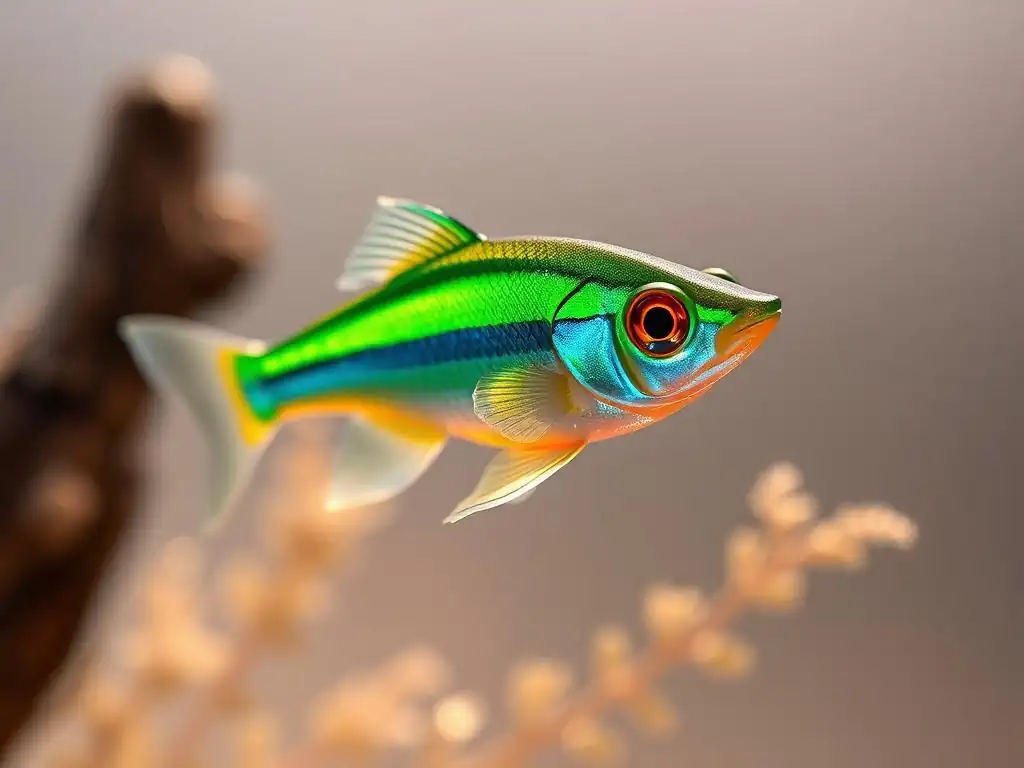
A varied and nutritious diet is paramount for the optimal health, vibrant coloration, and overall longevity of Green Neon Tetras. While they are not picky eaters, a diet consisting solely of one type of food can lead to nutritional deficiencies. Therefore, a balanced approach incorporating different food types is highly recommended for any Green Neon Tetra tank.
High-Quality Flake Food: A Staple Diet for Green Neons
High-quality flake food should form the staple diet for your Green Neon Tetras. When selecting flake food, opt for brands specifically formulated for small tropical fish, as these typically contain the appropriate nutritional profile and are manufactured into small, easily digestible pieces. Look for flakes with a high protein content, ideally 40% crude protein or higher, derived from quality sources like fish meal or shrimp meal. Brands such as TetraMin Tropical Flakes or Hikari Micro Pellets are often good choices.
Due to their small mouths, Green Neon Tetras may struggle with larger flakes. It is advisable to crush larger flakes between your fingers before feeding to ensure they are bite-sized and easily consumed. This staple diet provides the foundational nutrients for daily energy and general health, and feeding once or twice daily in small amounts ensures they receive consistent nourishment without polluting the water. A good quality flake food helps maintain the base health of your Green Neon Tetra tank inhabitants.
Small Live and Frozen Foods: Enhancing Color and Breeding
To supplement their staple flake diet and truly enhance the health and vibrant coloration of Green Neon Tetras, incorporating small live and frozen foods is essential. These foods provide a richer array of nutrients, essential fats, and proteins that are often more bioavailable than in processed foods, and they also stimulate natural hunting behaviors. Frozen options like small bloodworms (chopped if necessary), brine shrimp, and daphnia are excellent choices. These can be easily thawed and offered to the fish.
Live foods, though requiring more effort to source or culture, offer the highest nutritional value and stimulate the strongest feeding response. Newly hatched brine shrimp are particularly beneficial for conditioning breeding pairs and are small enough for even juvenile Green Neon Tetras to consume. Other live options include micro-worms or infusoria (for very young fry). Offering these live or frozen foods 2-3 times per week provides critical micronutrients, boosts their immune system, and significantly contributes to their iridescent green-blue stripe, making your Green Neon Tetra tank a showcase of natural beauty.
Feeding Frequency and Amount: Preventing Overfeeding
Proper feeding frequency and amount are critical to the health of your Green Neon Tetras and the overall water quality of your blackwater aquarium. Overfeeding is one of the most common mistakes in aquarium keeping and can quickly lead to deteriorated water parameters, including high nitrates, ammonia spikes, and cloudy water, all of which are detrimental to these sensitive fish.
It is best to feed Green Neon Tetras small amounts 1-2 times per day. The key is to provide only what they can consume entirely within 2-3 minutes. Observe your fish during feeding; if food remains floating or settles on the substrate after this timeframe, you are feeding too much.
Remove any uneaten food promptly to prevent it from decaying and polluting the water. Consistent underfeeding is generally less harmful than chronic overfeeding, as fish can go without food for a day or two without issue. By adhering to this feeding principle, you ensure your Green Neon Tetras receive adequate nutrition while maintaining stable and healthy water conditions in their blackwater tank.
Maintaining a Healthy Green Neon Tetra Aquarium
Regular Tank Maintenance: Ensuring Long-Term Stability
Consistent and routine tank maintenance is the backbone of a healthy and stable Green Neon Tetra blackwater aquarium. Adhering to a regular schedule prevents the build-up of harmful compounds, maintains the desired water parameters, and ensures the long-term well-being of your fish.
Weekly tasks should include a 15-20% water change, ensuring the new water is dechlorinated and matches the tank's temperature and pH as closely as possible. During this time, lightly vacuum the substrate to remove detritus, being careful not to disturb the beneficial leaf litter excessively. Wiping down the inside glass to remove any algae or film is also part of the weekly routine.
Bi-monthly or monthly, depending on the tank's bioload, filter media should be gently rinsed in old tank water (never tap water, which contains chlorine that kills beneficial bacteria) to remove accumulated sludge without destroying the bacterial colony. This is also a good time to prune any overgrown plants and visually inspect all equipment. An annual deep clean is rarely necessary if regular maintenance is diligently performed, as consistent small efforts prevent major issues and contribute significantly to the stability of your Green Neon Tetra tank.
Recognizing and Treating Common Green Neon Tetra Diseases
Despite careful maintenance, Green Neon Tetras can sometimes fall victim to common aquarium diseases. Early recognition of symptoms and prompt, appropriate treatment are crucial for their recovery and to prevent the spread of illness within your Green Neon Tetra tank.
Neon Tetra Disease: Prevention and Early Detection
Neon Tetra Disease (NTD), caused by the parasite Pleistophora hyphessobryconis, is a notoriously difficult and often fatal condition that can affect Green Neon Tetras, as well as other characins. There is currently no definitive cure once the disease has progressed significantly. Symptoms include a loss of the vibrant green-blue stripe (or a patchy fading), erratic swimming, difficulty schooling, emaciation, and sometimes the appearance of cysts or lumps on the body.
Prevention is paramount. The most effective preventative measure is to quarantine all new fish for a period of 2-4 weeks in a separate tank before introducing them to your main Green Neon Tetra tank. During quarantine, observe them closely for any signs of illness. Maintaining stable, pristine water parameters and a low-stress environment in the main tank also significantly reduces susceptibility. If NTD is suspected, immediately remove the affected fish to a hospital tank to prevent the parasite from spreading to other inhabitants, as the disease is highly contagious, especially through cannibalism of infected dead fish.
Fin Rot: Identifying and Addressing Bacterial Infections
Fin rot is a common bacterial infection that can affect Green Neon Tetras, often stemming from poor water quality, stress, or physical injury. It is characterized by the fins appearing frayed, ragged, or disintegrating, often with a milky or reddish edge. In severe cases, the entire fin can be eaten away, potentially leading to secondary infections if left untreated.
The primary and most effective treatment for fin rot is to address the underlying cause, which is almost always suboptimal water conditions. Perform immediate and frequent small water changes (e.g., 20-30% daily for several days) to improve water quality and reduce bacterial load. Ensure your filtration is adequate and not clogged.
For mild cases, adding aquarium salt (e.g., 1 tablespoon per 5 gallons, dissolved first) can help, as can natural remedies like Indian Almond Leaves which release antibacterial tannins. For more severe or persistent infections, an over-the-counter antibacterial medication, such as API Melafix or Seachem KanaPlex, may be necessary. Consistent monitoring of water parameters is key to preventing recurrence in your Green Neon Tetra tank.
Promoting Breeding in Your Green Neon Tetra Tank
Breeding Green Neon Tetras can be a rewarding challenge, requiring specific conditions to encourage spawning and raise fry. While they may occasionally scatter eggs in a community tank, a dedicated breeding setup significantly increases success rates.
To promote breeding, set up a separate 5-10 gallon (19-38 liter) breeding tank. The water parameters are crucial: it must be extremely soft, ideally 0-1 dGH, and very acidic, with a pH between 5.0 and 5.5. This can be achieved using reverse osmosis (RO) water remineralized minimally, combined with peat filtration or heavy use of alder cones. The tank should be dimly lit or even kept dark, as the eggs are light-sensitive. Provide spawning material such as Java Moss ( Taxiphyllum barbieri), spawning mops, or fine-leaved plants for the fish to lay their adhesive eggs on.
Condition a healthy breeding pair (or a group of 2 males and 1 female) with a diet rich in live foods like blackworms or newly hatched brine shrimp for a week or two. Once eggs are observed (often in the morning), remove the adult fish promptly, as they will readily consume their own eggs. The eggs typically hatch within 24-36 hours, and the fry become free-swimming in 3-5 days.
For the first week, feed the microscopic fry infusoria or a liquid fry food, transitioning to newly hatched brine shrimp after that. Raising Green Neon Tetra fry requires dedication to small, frequent water changes and meticulous feeding.
Troubleshooting Common Issues in Green Neon Tetra Tanks
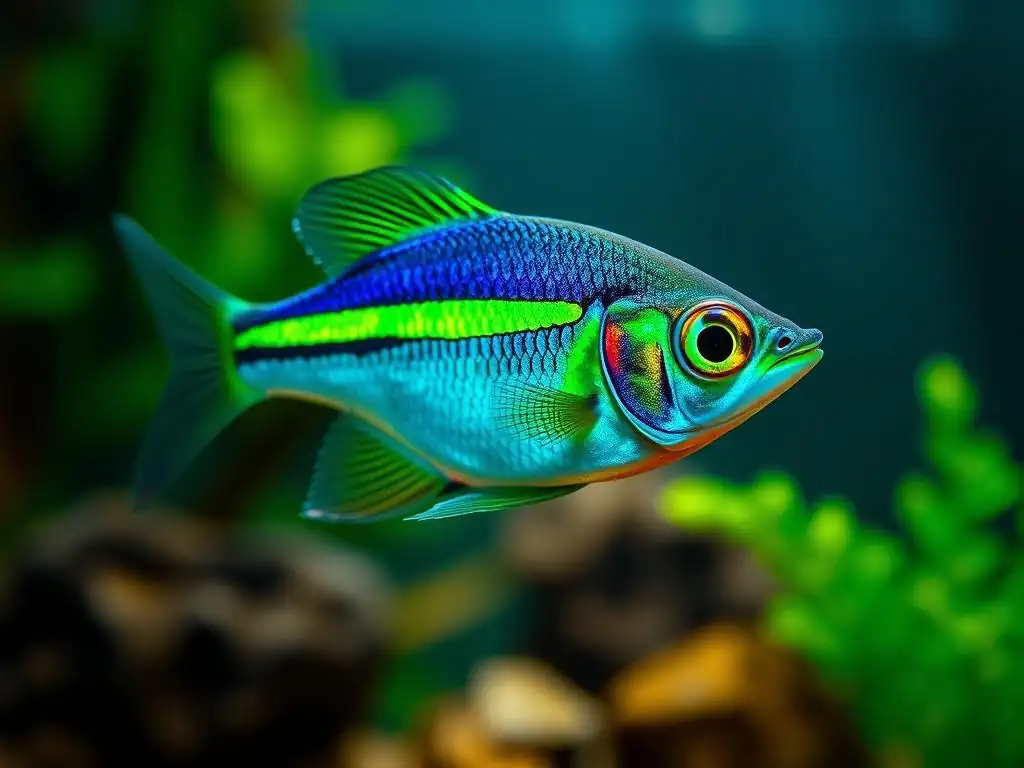
Even with careful planning and maintenance, aquarists may encounter common issues in their Green Neon Tetra tanks. Knowing how to identify and resolve these problems is crucial for the long-term health of your fish and the stability of the blackwater environment.
Addressing Algae Blooms in Blackwater Aquariums
While blackwater tanks naturally have lower light penetration, algae blooms can still occur, indicating an imbalance in the Green Neon Tetra tank ecosystem. The most common causes are excessive lighting duration or intensity, and nutrient overload from overfeeding or insufficient water changes. A green, cloudy water appearance, or excessive growth on surfaces, are clear indicators.
To address an algae bloom, first, reduce your lighting period to 6-7 hours per day and ensure the intensity is appropriate for a low-light setup. Second, re-evaluate your feeding regimen; ensure you are not overfeeding, and remove any uneaten food promptly. Third, increase the frequency and volume of water changes (e.g., 25% twice a week) to dilute excess nutrients.
Introducing algae-eating invertebrates like Nerite Snails can also help manage the issue. In severe cases, a complete blackout for 2-3 days (covering the tank to block all light) can temporarily halt algae growth, but the underlying cause must still be addressed to prevent recurrence.
Dealing with Cloudy Water: Identifying and Resolving the Cause
Cloudy water in a Green Neon Tetra tank can be alarming but is often a symptom of an underlying issue that can be resolved. The appearance of the cloudiness can help identify the cause. A milky or hazy cloudiness, particularly in new setups or after a large water change, typically indicates a bacterial bloom, often associated with a cycling tank or an excess of organic waste from overfeeding. This is a common issue for a new green neon tetra tank.
If the water is cloudy and green, it's likely an algae bloom (see above). If it's cloudy with fine particulate matter, it might be disturbed substrate or insufficient mechanical filtration. For bacterial blooms, the best course of action is to perform frequent small water changes (e.g., 20% daily for several days), reduce feeding significantly, and ensure your filter is clean and functioning efficiently.
Avoid adding chemicals to clear the water, as they can sometimes do more harm than good. For particulate matter, ensure your filter media includes fine filter floss or sponges to trap suspended particles. Patience and consistent good husbandry are key to achieving crystal-clear water.
Preventing and Managing pH Fluctuations
pH fluctuations can be highly stressful and even fatal for Green Neon Tetras, which thrive in stable, acidic conditions. While blackwater setups naturally have low pH, their low Carbonate Hardness (KH) means they have less buffering capacity, making them more susceptible to pH swings.
The primary causes of pH fluctuations include large, infrequent water changes with water of significantly different pH, decaying organic matter causing a pH crash, or insufficient buffering capacity. To prevent this, always ensure new water matches the tank's pH and temperature closely. If your tap water is hard or has a high pH, consider using reverse osmosis (RO) water remineralized to target GH/KH levels (e.g., 0-3 dKH) to establish a stable low pH.
Regular, small water changes (15-20% weekly) help prevent the accumulation of acids from decomposition that can drive pH down too rapidly. If you notice a sudden, drastic pH drop (e.g., below 4.5), perform a small (10-15%) water change with carefully matched, slightly higher pH water and increase aeration. Consistency in water parameters is far more important than hitting an exact pH number for the health of your Green Neon Tetra tank.
Enjoying Your Thriving Green Neon Tetra Blackwater Aquarium
Observing and Appreciating the Natural Beauty of Your Fish
Once your Green Neon Tetra blackwater aquarium is established and thriving, take the time to truly observe and appreciate the natural beauty and fascinating behaviors of your fish. In a well-designed blackwater environment, their iridescent green-blue stripe will appear exceptionally vivid, contrasting beautifully with the amber-tinted water and dark substrate. This enhanced coloration is a direct result of their comfort and reduced stress in a habitat that closely mimics their native Amazonian rivers.
Watch as the school moves gracefully through the water, exhibiting their characteristic tight schooling patterns, especially when they feel secure. Observe their natural foraging behaviors as they explore the leaf litter and driftwood for microscopic food particles. The tranquil, dimly lit atmosphere of a blackwater tank creates a serene viewing experience, allowing you to connect with the subtle nuances of their movements and interactions. This observational aspect is one of the most rewarding parts of maintaining a Green Neon Tetra tank, as you witness these small jewels truly flourish in their ideal environment.
Continuous Learning and Improvement in Aquarium Keeping
The journey of maintaining a Green Neon Tetra blackwater aquarium is one of continuous learning and improvement. The world of aquatics is vast and ever-evolving, and even experienced aquarists find new techniques, insights, and challenges. Embrace this ongoing process by staying informed and open to new ideas.
Regularly consult reputable resources like AquariumMastery.com for updated information on fish care, water chemistry, and troubleshooting. Consider joining online aquarium forums or local fish clubs, where you can share experiences, ask questions, and learn from a community of fellow enthusiasts. Each tank is unique, and what works perfectly for one Green Neon Tetra tank might need slight adjustments for another. Patience, keen observation, and a willingness to adapt your methods based on the specific needs of your fish and tank are the most valuable tools in your aquarist's toolkit, ensuring the sustained health and beauty of your blackwater setup.
Frequently Asked Questions
How does a blackwater tank benefit Green Neon Tetras?
Blackwater tanks mimic the natural habitat of Green Neon Tetras, providing the soft, acidic water and dim lighting they thrive in. This reduces stress and promotes vibrant coloration.
What size tank is recommended for a school of Green Neon Tetras?
A minimum of a 10-gallon tank is recommended for a small school (6-8) of Green Neon Tetras. Larger tanks, such as 20 gallons or more, are preferable for larger schools and better water stability.
What specific water parameters are crucial for Green Neon Tetra health?
Maintaining a pH between 5.5 and 6.5, a temperature between 73°F and 81°F (23°C and 27°C), and very soft water are essential for their well-being.
What types of plants are suitable for a Green Neon Tetra blackwater tank?
Plants like Java Fern, Anubias, and Amazon Swords are good choices. These plants thrive in lower light conditions and contribute to a natural, aesthetically pleasing environment.
What are some common diseases that affect Green Neon Tetras, and how can I prevent them in a blackwater tank?
Neon Tetra Disease and Ich are common. Maintaining pristine water quality, providing a stress-free environment, and quarantining new fish are crucial preventative measures.
Final Reflection: Embracing the Blackwater Ecosystem
The journey into creating the ideal Green Neon Tetra tank reveals more than just the technical aspects of aquarium keeping; it highlights our ability to recreate and appreciate the delicate balance of nature within our own homes. The principles of blackwater biotope design, from understanding water parameters to selecting appropriate flora and fauna, underscore the importance of mimicking natural environments to ensure the health and well-being of our aquatic companions.
This exploration into the world of Green Neon Tetras has profoundly influenced my understanding of responsible fishkeeping. It's a reminder that our role as aquarists extends beyond mere ownership; it's about becoming stewards of miniature ecosystems, fostering biodiversity and promoting ethical practices. In nature, nothing exists alone.
- Rachel Carson. This quote perfectly encapsulates the interconnectedness of the blackwater environment and the responsibility we bear in replicating it.
As you consider setting up your own Green Neon Tetra tank, remember that you're not just building an aquarium; you're cultivating a slice of the Amazon. Let the principles of blackwater biotope design guide you, not just in creating a visually stunning environment, but in fostering a thriving ecosystem where these vibrant fish can truly flourish. Embrace the challenge, learn from the process, and witness the beauty that unfolds when we strive to understand and respect the natural world.
Dive Deeper: Cultivate Your Green Neon Paradise!
Thanks for exploring the captivating world of Blackwater aquariums and their amazing potential to bring out the best in Green Neon Tetras! Now that you're armed with the knowledge, it's time to transform your aquarium into a thriving ecosystem.
Here's how to take the next steps:
- Embrace the darkness: Begin by carefully assessing your current tank setup. What aspects could be tweaked to better mimic a Blackwater biotope? Consider the substrate, botanicals, and lighting.
- Join the Aquarium Mastery community! Share your Blackwater journey, ask questions, and inspire others.
- Experiment with new botanicals. Introduce Indian almond leaves, alder cones, or other natural elements to enrich your tank.
Ready to unleash the full potential of your Green Neon Tetras? What's one small change you can make this week to move closer to a Blackwater setup?