
From Tiger to Denison: Understanding the Diversity of Popular Aquarium Barbs

Welcome to Aquarium Mastery!
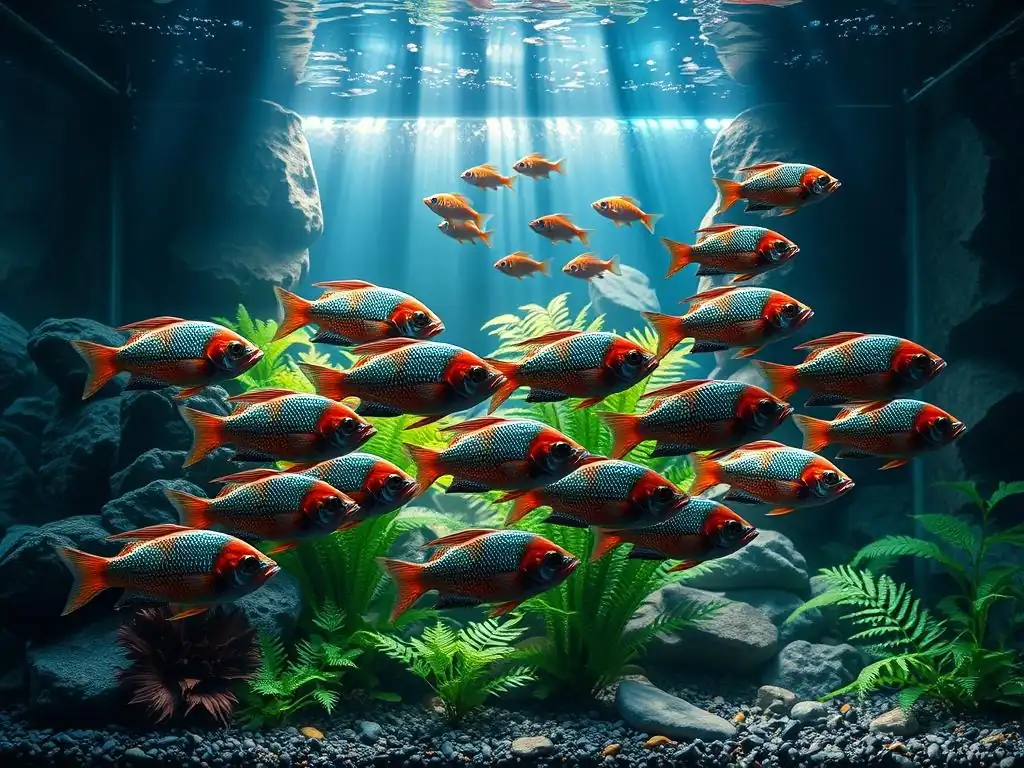
Ever wondered how to keep your dazzling Barbs thriving and displaying their vibrant colors? Dive in and discover essential Barbs aquarium care tips in our comprehensive guide. Uncover the secrets to creating the perfect habitat, ensuring their health, and understanding their unique personalities. Are you ready to unlock the full potential of these energetic freshwater gems? Let's get started!
- Introduction to Barbs: Active and Colorful Aquarium Inhabitants
- Exploring Popular Barb Species for Home Aquariums
- Barb Aquarium Care Tips: Essential Guidelines
- Common Barb Aquarium Problems and Solutions
- Choosing the Right Barb for Your Aquarium: Considerations and Compatibility
- Conclusion: Mastering Barb Aquarium Care for a Thriving Aquatic Ecosystem
- Frequently Asked Questions
- Final Reflection: Embracing the Spectrum of Aquatic Life
- Unleash the Barb Brilliance in Your Aquarium!
Introduction to Barbs: Active and Colorful Aquarium Inhabitants
What are Barbs? A Cyprinid Family Overview
Barbs are a diverse group of freshwater fish belonging to the Cyprinidae family, which also includes carps and minnows. Characterized by their active nature, schooling behaviors, and often vibrant coloration, barbs are a popular choice for many freshwater aquarists. They typically possess a torpedo-shaped body, small mouths, and in some species, noticeable barbels around their mouths, though this feature varies significantly.
Globally distributed across Asia and Africa, barbs encompass a wide range of sizes, from the diminutive Dwarf Barb ( Puntius gelius ) at just over an inch to larger species like the Tinfoil Barb ( Barbonymus schwanenfeldii ) which can exceed 12 inches (30 cm) in length. Popular aquarium genera include Puntius, Sahyadria, and Puntigrus, each offering unique characteristics and challenges for the dedicated aquarist. Their adaptability to various water conditions, within reasonable limits, contributes to their widespread appeal in the hobby.
Why Choose Barbs for Your Freshwater Aquarium?
Choosing barbs for a freshwater aquarium offers a dynamic and visually stimulating experience. Their inherent schooling behavior means that when kept in appropriate numbers, they display fascinating social interactions and synchronized swimming patterns, adding a lively dimension to the tank. Many barb species boast striking colors, such as the brilliant red of the Cherry Barb or the distinct striped pattern of the Tiger Barb, which can significantly enhance the aesthetic appeal of a planted or community aquarium.
Furthermore, many barb species are relatively hardy once established in a well-maintained tank, making them suitable for aquarists with varying levels of experience. Their diverse size range allows them to fit into different aquarium setups, from smaller community tanks to large species-specific displays. Observing their active nature and social hierarchy provides an educational insight into aquatic life, making them a rewarding addition for those interested in enriching their freshwater aquatic ecosystem.
Exploring Popular Barb Species for Home Aquariums
Tiger Barbs ( Puntigrus tetrazona ): Care and Keeping
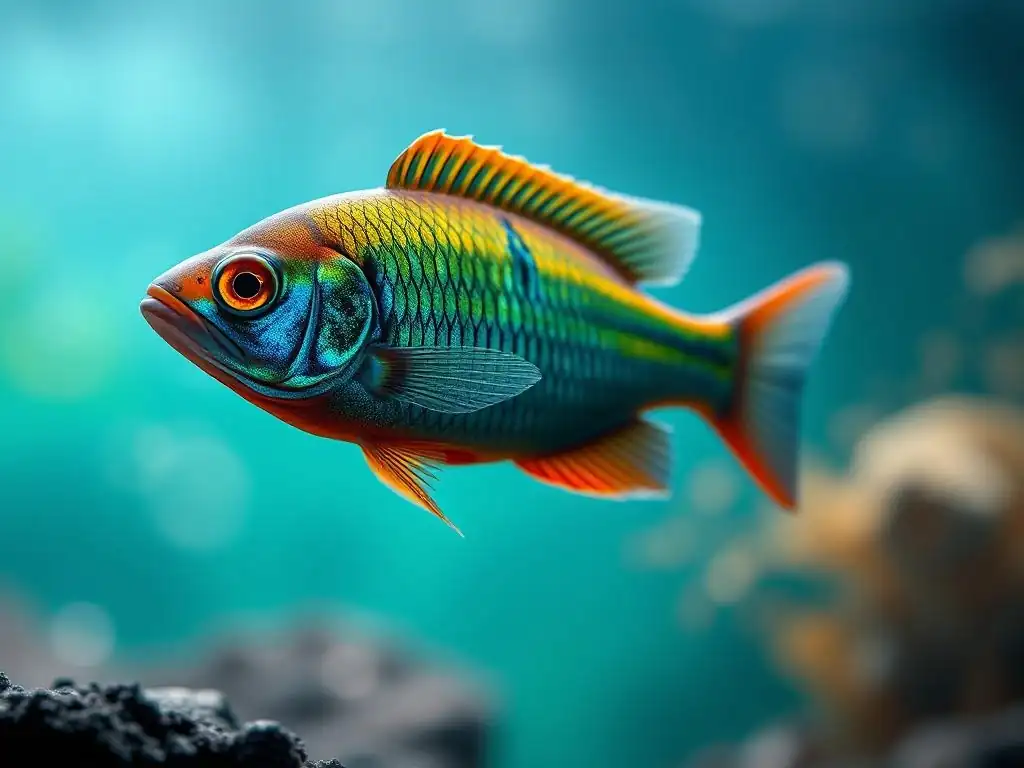
Tiger Barbs, scientifically known as Puntigrus tetrazona, are one of the most recognizable and active barb species in the aquarium hobby. Originating from the islands of Sumatra and Borneo, these fish are famed for their distinctive vertical black stripes on a vibrant orange-gold body, resembling a tiger's pattern. They typically reach an adult size of about 2.5 to 3 inches (6.5 to 7.5 cm) and are known for their energetic, sometimes boisterous, swimming style.
Despite their popularity, Tiger Barbs have a reputation for being semi-aggressive and prone to fin-nipping, especially if not kept in sufficiently large schools. To mitigate this behavior, a minimum school of 6-8 individuals is recommended, with 10 or more being ideal, as this disperses their aggression among themselves. Optimal water parameters for Tiger Barbs include a temperature range of 74-79°F (23-26°C), a pH of 6.0-7.5, and soft to moderately hard water (GH 5-19 dGH), vital Barbs aquarium care tips for their well-being.
Tiger Barb Tank Mates and Temperament Considerations
When selecting tank mates for Tiger Barbs, careful consideration of their temperament is paramount. Due to their notorious fin-nipping tendency, slow-moving fish with long, flowing fins, such as Angelfish, Bettas, and Guppies, are generally unsuitable as they are likely to be harassed. Instead, focus on robust, fast-moving, and similarly sized fish that can hold their own.
Good tank mate options include various species of Danios (e.g., Giant Danios), Clown Loaches (which are often compatible and can even help deter nipping), certain types of Plecos, and other active, schooling barbs like Black Ruby Barbs, provided the tank is adequately sized. Maintaining a large school of Tiger Barbs (preferably 10 or more) is one of the most effective Barbs aquarium care tips to reduce aggression towards other species, as they tend to focus their nipping behavior within their own group.
A minimum 20-gallon long aquarium is recommended for a small school, with 30-55 gallons or more preferred for larger groups to provide ample space.
Achieving Optimal Tiger Barb Aquarium Conditions
Optimal aquarium conditions are crucial for the health and vibrant display of Tiger Barbs. A tank size of at least 20 gallons (75 liters) is the minimum for a small school of 6-8, though a 30-gallon (113 liters) or larger tank is highly recommended for a thriving group of 10 or more. These active fish require plenty of open swimming space, particularly in the mid-water column, which should be complemented by strong, efficient filtration to maintain excellent water quality.
The tank decor should include a mix of open areas and densely planted sections, using sturdy plants like Java Fern, Anubias, or Cryptocoryne, which can withstand their energetic movements. Driftwood and rocks can also provide visual barriers and hiding spots, reducing stress and aggression within the school. A dark substrate can help enhance their vibrant colors. Consistent water parameters, including a stable temperature between 74-79°F (23-26°C) and a slightly acidic to neutral pH (6.0-7.5), are essential for optimal health and to prevent disease, forming key Barbs aquarium care tips.
Cherry Barbs ( Puntius titteya ): A Peaceful and Vibrant Option
Cherry Barbs, scientifically known as Puntius titteya, are a highly popular and peaceful choice for community freshwater aquariums. Native to Sri Lanka, these small barbs are admired for the striking cherry-red coloration of the males, which intensifies during breeding or when displaying. Females are typically a more subdued orange-brown, often with a faint horizontal stripe. They generally reach a modest adult size of about 1.5 to 2 inches (3.8 to 5 cm), making them suitable for smaller tank setups.
Unlike their more boisterous Tiger Barb cousins, Cherry Barbs exhibit a calm and shy demeanor, making them excellent candidates for peaceful community tanks. They are schooling fish and should be kept in groups of at least 6 individuals to encourage natural behavior and reduce stress. A 10-gallon (38-liter) aquarium can comfortably house a small group, though a 20-gallon (75-liter) tank is ideal for a larger, more active school, providing ample space for their gentle explorations.
Cherry Barb Care: Water Parameters and Diet
Caring for Cherry Barbs is relatively straightforward, making them a great option for beginner aquarists. They thrive in clean, well-maintained water with a temperature range of 72-79°F (22-26°C). While they prefer slightly acidic to neutral water (pH 6.0-7.0) and soft to medium-hard water (GH 5-19 dGH), they are quite adaptable and can tolerate a broader range of parameters as long as they are stable. Regular partial water changes, typically 25% weekly, are crucial for maintaining pristine water quality and overall health, a fundamental Barbs aquarium care tip.
Cherry Barbs are omnivorous and have a healthy appetite. Their diet should consist of high-quality flake food or small pellets as a staple. To ensure optimal health and enhance their vibrant coloration, supplement their diet with a variety of live or frozen foods such as bloodworms, brine shrimp, daphnia, and cyclops. Feeding small amounts two to three times a day, only what they can consume within a few minutes, is recommended to prevent overfeeding and maintain water quality.
Breeding Cherry Barbs: A Beginner's Guide
Breeding Cherry Barbs is a relatively straightforward process, making them an excellent choice for novice aquarists looking to experience fish breeding. To encourage spawning, condition a pair or a small group (one male to two females) with a varied diet rich in live and frozen foods for several days. Set up a separate breeding tank, ideally 5-10 gallons (19-38 liters), with soft, slightly acidic water (pH 6.0-6.5) and a temperature around 78°F (25.5°C).
The breeding tank should contain fine-leaved plants like Java moss, spawning mops, or a spawning grate, as Cherry Barbs are egg scatterers and will drop their adhesive eggs among the foliage. Spawning typically occurs in the morning. Once the eggs are laid and fertilized, usually numbering 100-200, the adult fish should be removed to prevent them from eating the eggs.
The eggs will hatch within 24-48 hours, and the fry will become free-swimming a few days later. Initial feeding for the tiny fry should be infusoria or liquid fry food, transitioning to newly hatched brine shrimp as they grow, essential Barbs aquarium care tips for successful propagation.
Denison Barbs ( Sahyadria denisonii ): The Roseline Shark
Denison Barbs, officially known as Sahyadria denisonii and often called Roseline Sharks or Red-Lined Torpedo Barbs, are among the most striking and sought-after freshwater fish in the aquarium trade. Native to fast-flowing streams and rivers in the Western Ghats of India, they possess a sleek, torpedo-shaped body adorned with a distinctive bright red stripe above a prominent black stripe running from snout to tail. Their active and graceful swimming adds a dynamic element to larger aquariums.
These barbs are highly active schooling fish and thrive when kept in groups of at least 6-8 individuals, displaying their full natural behavior and reducing stress. While beautiful, their wild populations have faced significant decline due to over-collection for the aquarium trade and habitat loss, leading to their classification as Endangered by the IUCN. Therefore, supporting captive-bred specimens is an important aspect of responsible Barbs aquarium care tips for this species.
Denison Barb Size, Growth Rate, and Lifespan
Denison Barbs are a larger species of barb, typically reaching an adult size of 4-6 inches (10-15 cm) in a home aquarium, though some individuals may grow slightly larger, especially in very spacious tanks. Their growth rate is moderate to fast when provided with optimal conditions, including a high-quality diet and pristine water. Due to their size and active nature, they require substantial swimming space, making them unsuitable for smaller tanks.
With proper care, including stable water parameters, a balanced diet, and a spacious environment, Denison Barbs can live for a considerable time. Their average lifespan in captivity ranges from 5 to 8 years, with some well-cared-for individuals living up to 10 years or even longer. Achieving this longevity relies heavily on consistent and excellent Barbs aquarium care tips, particularly focusing on water quality and tank dimensions.
Maintaining a Healthy Denison Barb School in Your Aquarium
Maintaining a healthy school of Denison Barbs requires a significant commitment to tank size and water quality. Due to their adult size and high activity levels, a minimum tank size of 55-75 gallons (208-284 liters) is recommended for a school of 6-8 individuals, with longer tanks (48 inches/120 cm or more) being preferable to accommodate their extensive swimming needs. Strong filtration, such as a canister filter, is essential to handle their bioload and maintain highly oxygenated, pristine water, mimicking their natural fast-flowing habitats.
Water parameters for Denison Barbs should ideally be a pH of 6.8-7.8, a temperature range of 65-79°F (18-26°C), and soft to moderately hard water (GH 5-15 dGH). The tank aquascape should include plenty of open swimming space in the mid-water column, along with areas of dense planting, driftwood, or smooth rocks to provide hiding spots and visual breaks. Providing a current with a powerhead can also enhance their environment, contributing to their overall well-being and natural behavior.
Barb Aquarium Care Tips: Essential Guidelines
Water Quality: Maintaining Ideal Parameters for Barbs
Maintaining impeccable water quality is the cornerstone of successful Barbs aquarium care tips. Stable and appropriate water parameters are crucial for the health, vibrancy, and longevity of all barb species. Regularly testing your aquarium water is non-negotiable to monitor key parameters and detect any deviations before they become problematic. A reliable liquid test kit is far more accurate than test strips for this purpose.
While specific ideal parameters vary slightly between barb species (e.g., Cherry Barbs prefer slightly softer, more acidic water than Denison Barbs), general guidelines apply. Most popular barbs thrive in temperatures between 72-79°F (22-26°C) and a pH range of 6.0-7.5. Consistent temperature and pH are more important than hitting an exact number, as sudden fluctuations can cause significant stress to fish, making them susceptible to disease.
Importance of Regular Water Changes for Barb Health
Regular partial water changes are arguably the most critical aspect of Barbs aquarium care tips for maintaining a thriving aquatic environment. Over time, nitrates, phosphates, and other dissolved organic compounds accumulate in aquarium water, even with efficient filtration. These pollutants, byproducts of fish waste and uneaten food, can become toxic at high concentrations and lead to stress, weakened immune systems, and disease outbreaks.
Performing weekly water changes of 25-30% of the tank volume effectively removes these accumulated toxins and replenishes essential trace minerals. For example, in a 55-gallon tank, changing 14-17 gallons weekly can keep nitrate levels below the recommended 20 ppm for most barbs. This consistent refresh of water significantly reduces the biological load, ensures stable water chemistry, and contributes directly to the robust health and vibrant coloration of your barbs.
Understanding pH, Ammonia, Nitrite, and Nitrate Levels
Understanding and monitoring the nitrogen cycle is fundamental to effective Barbs aquarium care tips. Ammonia (NH3/NH4+) and nitrite (NO2-) are highly toxic compounds that are produced by fish waste and decaying organic matter. In a healthy, cycled aquarium, beneficial bacteria convert ammonia into nitrite, and then nitrite into nitrate (NO3-). Consequently, ammonia and nitrite levels should always be 0 ppm. Any detectable levels indicate an issue with the nitrogen cycle or overstocking, posing an immediate threat to your barbs.
Nitrate, while less toxic than ammonia and nitrite, can still be harmful in high concentrations. For most barb species, maintaining nitrate levels below 20 ppm is ideal. Regular water changes are the primary method for controlling nitrate accumulation. pH, a measure of acidity or alkalinity, should be kept stable within the preferred range for your specific barb species. For instance, Tiger Barbs tolerate a pH range of 6.0-7.5, while Cherry Barbs prefer 6.0-7.0. Fluctuations in pH are often more detrimental than a slightly off but stable reading.
Diet and Feeding: Providing a Balanced Nutrition for Barbs
Providing a balanced and varied diet is a crucial component of comprehensive Barbs aquarium care tips. Barbs are generally omnivorous, meaning they require both plant-based and protein-rich foods to thrive. A well-rounded diet not only ensures their nutritional needs are met but also contributes significantly to their vibrant coloration, strong immune system, and overall vitality. Relying solely on one type of food can lead to nutritional deficiencies over time.
A high-quality flake food or small pellet designed for omnivorous tropical fish should form the staple of their diet. However, supplementation with a variety of other foods is essential. This includes frozen foods such as bloodworms, brine shrimp, and daphnia, which provide necessary protein and fat. Live foods, like blackworms or daphnia, can also be offered periodically to encourage natural foraging behaviors and provide additional enrichment.
Recommended Foods for Different Barb Species
While barbs are generally omnivorous, the size and specific dietary needs can vary between species, influencing the best Barbs aquarium care tips for feeding. For example, Tiger Barbs, with their slightly larger mouths and higher activity levels, benefit from high-quality flakes, small sinking pellets, and regular servings of frozen bloodworms or brine shrimp. These protein-rich options fuel their energetic swimming.
Cherry Barbs, being smaller and more delicate, require smaller-sized foods. Fine flakes, micro-pellets, and small frozen foods like daphnia or cyclops are ideal. Their gentle nature means they might be outcompeted by more aggressive eaters, so ensuring they get enough food is important. Denison Barbs, due to their larger size and rapid metabolism, need a diet that includes larger pellets, krill, mysis shrimp, and live blackworms, providing ample energy and nutrients for their active lifestyle and growth. Tailoring the food size and type to the specific barb species ensures optimal consumption and nutrition.
Avoiding Overfeeding in Your Barb Aquarium
One of the most common mistakes in aquarium keeping, and a critical point in Barbs aquarium care tips, is overfeeding. While it might seem harmless, overfeeding can lead to a cascade of negative consequences for your barb aquarium. Uneaten food decomposes rapidly, releasing ammonia and nitrites, which are highly toxic to fish, even in small amounts. This directly compromises water quality, leading to cloudy water, algae blooms, and potentially deadly ammonia spikes.
Beyond water quality issues, overfeeding can also lead to health problems for the barbs themselves, such as obesity, digestive issues, and swim bladder disease. A general rule of thumb is to feed your barbs only what they can consume entirely within 2-3 minutes, once or twice a day. Consider incorporating a fasting day once a week to allow their digestive systems to clear and further reduce the bioload on the tank. This practice is vital for maintaining a healthy and stable aquatic environment for your barbs.
Tank Setup: Creating a Suitable Habitat for Your Barbs
Creating an appropriate tank setup is fundamental to the well-being and natural behavior of your barbs, forming a cornerstone of effective Barbs aquarium care tips. The right environment directly influences their health, stress levels, and even their coloration. When planning your aquarium, consider not just the total volume but also the dimensions, particularly the length, as many barb species are active swimmers that appreciate horizontal swimming space.
A well-designed habitat should aim to replicate aspects of their natural environment, providing both open areas for swimming and sheltered spots for retreat. For instance, active schooling species like Tiger Barbs and Denison Barbs thrive in longer tanks that allow them to dart across the aquarium, while also benefiting from densely planted zones where they can feel secure and display more natural behaviors. This balance contributes to a thriving and stress-free environment for your barb population.
Substrate, Plants, and Decorations for Barb Aquariums
The choice of substrate, plants, and decorations significantly impacts the overall health and aesthetics of a barb aquarium. A fine gravel or sand substrate is generally suitable for most barb species and is easy to maintain.
Live plants are highly recommended as they offer numerous benefits: they absorb nitrates, provide oxygen, and create natural hiding places and visual barriers, which are crucial for reducing stress and aggression, especially among species like Tiger Barbs. Sturdy plant species such as Java Fern, Anubias, Cryptocoryne, and various stem plants like Vallisneria are excellent choices as they can withstand the active movements of barbs.
Beyond live plants, incorporating natural decorations like driftwood and smooth, non-calcareous rocks can enhance the aquarium's natural feel and provide additional hiding spots. Ensure all decorations are free of sharp edges that could injure your fish. Strategic placement of these elements can create distinct territories and broken lines of sight, which is particularly beneficial in managing the social dynamics of schooling barbs, preventing bullying and promoting a harmonious community.
Ensuring Adequate Swimming Space and Hiding Places
One of the most crucial Barbs aquarium care tips for their well-being is ensuring a proper balance between ample swimming space and sufficient hiding places. Active schooling barbs, such as Tiger Barbs and Denison Barbs, require significant linear swimming room to exhibit their natural behaviors. For example, a 36-inch (90 cm) long 30-gallon tank is often preferable to a 24-inch (60 cm) cube 30-gallon tank for these species, as it provides more horizontal space for their energetic darting.
While open space is vital, hiding places are equally important. These retreats, provided by dense plant clusters, driftwood formations, or rock caves, offer barbs a sense of security and a place to de-stress. For schooling species, hiding spots can also serve as visual breaks, helping to diffuse aggression within the group by allowing less dominant individuals to escape the line of sight of more assertive ones. This thoughtful arrangement contributes to a less stressful environment, promoting healthier and more vibrant fish.
Common Barb Aquarium Problems and Solutions
Fin Nipping and Aggression: Addressing Barb Behavior Issues
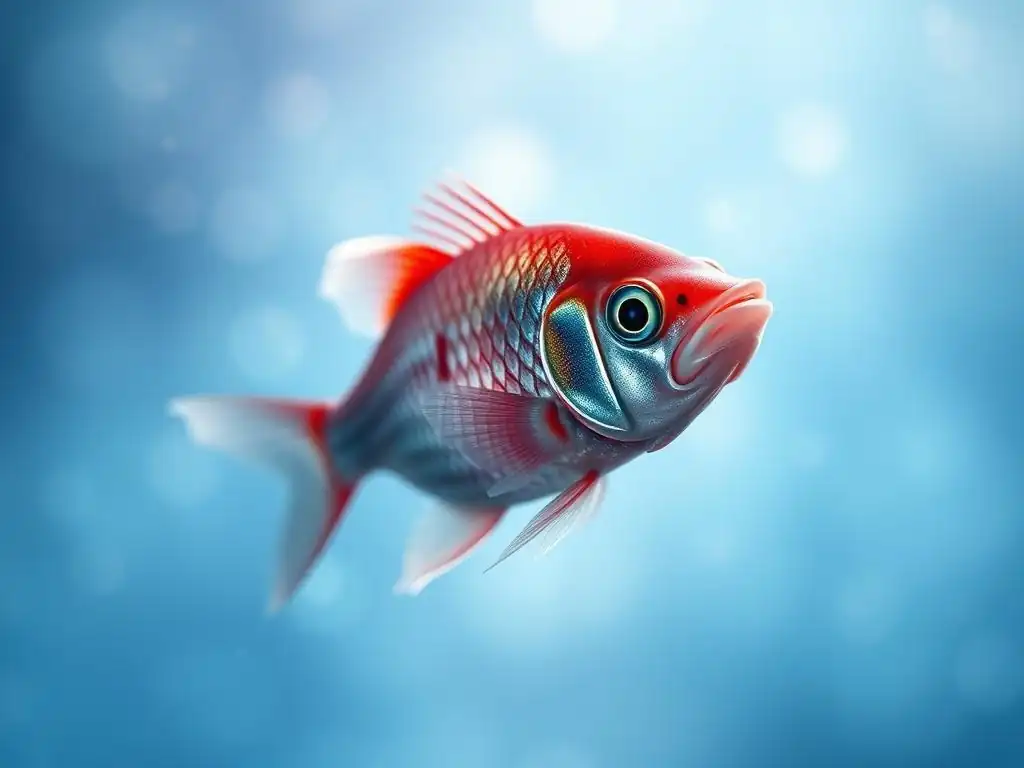
Fin nipping and aggression are common behavioral issues encountered in barb aquariums, particularly with species like the Tiger Barb. This behavior, where fish bite the fins of tank mates, is often a symptom of underlying problems rather than just inherent aggression. It can lead to stress, injury, and secondary infections for the nipped fish, and is a key area addressed by effective Barbs aquarium care tips.
Identifying the root cause is the first step towards a solution. Common triggers include insufficient school size (leading to aggression being directed outwards instead of within the group), an overcrowded tank, or inappropriate tank mates that are slow-moving or have long, flowing fins. Observing the specific interactions and the overall tank environment can provide critical clues to pinpoint the source of the problem.
Identifying the Cause of Aggression in Your Barb Tank
To effectively address aggression and fin nipping in your barb tank, it's essential to systematically identify the underlying cause. Firstly, assess the school size of your barbs; for Tiger Barbs, anything less than 8-10 individuals can lead to increased outward aggression as they lack enough of their own kind to diffuse their boisterous energy. Secondly, consider the tank size and stocking density. An overcrowded tank, even with appropriate school numbers, can heighten stress and aggression due to limited personal space. A 20-gallon tank for 6 Tiger Barbs is the minimum, but a 30-gallon or larger is much better.
Thirdly, evaluate your tank mates. Are there any slow-moving, long-finned fish like Angelfish, Bettas, or Guppies? These are prime targets for fin nipping. Also, check water parameters; poor water quality or unstable conditions can stress fish, making them more irritable and prone to aggressive behaviors. Lastly, observe if a single dominant individual is causing most of the trouble; sometimes, removing a particularly aggressive fish can restore peace to the tank.
Strategies for Reducing Fin Nipping and Promoting Harmony
Once the cause of fin nipping and aggression is identified, several strategies can be employed to promote harmony in your barb aquarium, forming vital Barbs aquarium care tips. The most effective method for species like Tiger Barbs is to increase their school size. Aim for a group of at least 8-10 individuals; this larger number dilutes aggression among the group, causing them to focus their interactions on each other rather than on other species.
Additionally, ensure your tank provides ample swimming space while also incorporating plenty of visual barriers and hiding places using live plants, driftwood, and rockwork. These elements break up lines of sight, allowing less dominant fish to escape potential confrontations. Carefully select tank mates that are robust, fast-moving, and can withstand the barbs' energetic nature, avoiding any fish with long, delicate fins. Finally, maintaining impeccable water quality and a consistent feeding schedule reduces overall stress, which can significantly curb aggressive tendencies.
Barb Diseases: Prevention and Treatment
Like all aquarium fish, barbs are susceptible to various diseases, often stemming from poor water quality, stress, inadequate diet, or the introduction of new, infected fish. The best Barbs aquarium care tips emphasize prevention over cure, as a healthy, well-maintained environment is the strongest defense against illness. A proactive approach significantly reduces the likelihood of disease outbreaks in your barb aquarium.
Prevention primarily involves maintaining stable and pristine water parameters, providing a balanced and nutritious diet, avoiding overstocking, and minimizing stress factors. Quarantining all new fish for a period of 2-4 weeks in a separate tank before introducing them to the main aquarium is also a critical preventative measure. This allows you to observe new arrivals for signs of illness and treat them without risking the health of your established fish.
Recognizing Common Barb Diseases (Ich, Fin Rot, etc.)
Recognizing common barb diseases early is crucial for effective treatment and preventing widespread outbreaks. Ich, or White Spot Disease, is one of the most prevalent parasitic infections, appearing as small, salt-like white spots on the fish's body and fins. Affected barbs may also "flash" or rub against tank surfaces due to irritation, and become lethargic.
Fin Rot, a bacterial infection, manifests as frayed, ragged, or discolored fins, often with a white or red edge. Other common issues include fungal infections, which look like cotton-like growths on the body or fins, and various bacterial infections presenting as red streaks, ulcers, bloating, or popeye. Internal parasites might cause wasting, abnormal swimming, or changes in stool. Early detection through daily observation is a fundamental Barbs aquarium care tip for successful intervention.
Effective Treatment Options and Quarantine Procedures
When a barb exhibits signs of illness, prompt and appropriate treatment is essential. For Ich, common treatments include gradually raising the aquarium temperature (if compatible with all inhabitants, typically to 82-86°F/28-30°C for 7-10 days, ensuring good aeration) and/or using aquarium salt or commercial Ich medications. Fin Rot and other bacterial infections often respond well to broad-spectrum antibiotics, available at pet stores. Fungal infections can be treated with antifungal medications. Always follow product instructions carefully.
A crucial Barbs aquarium care tip for managing disease is the use of a quarantine tank. This separate, smaller tank allows you to isolate sick fish for targeted treatment without exposing the main tank's inhabitants to medication or risking the beneficial bacteria in your primary filter. It also prevents the spread of contagious diseases. The quarantine tank should be set up with a heater, filter, and basic decor, and its water parameters should match the main tank to minimize stress during transfer.
Choosing the Right Barb for Your Aquarium: Considerations and Compatibility
Assessing Your Tank Size and Experience Level
Choosing the right barb for your aquarium involves a careful assessment of both your current tank size and your experience level as an aquarist. These factors will significantly influence the success and enjoyment of keeping these active fish. For instance, a small 10-gallon (38-liter) tank is generally suitable for a small school of peaceful Cherry Barbs, which only reach about 2 inches (5 cm).
However, if you're considering Tiger Barbs, a minimum of a 20-gallon long (75-liter) tank is required for a small school of 6-8, with a 30-55 gallon (113-208 liter) tank being much better to accommodate their activity and reduce aggression. Denison Barbs, reaching 4-6 inches (10-15 cm) and being highly active, demand a minimum of 55-75 gallons (208-284 liters) for a school.
Beginner aquarists might find Cherry Barbs more forgiving due to their peaceful nature and adaptability, while Tiger Barbs require a more hands-on approach to managing their temperament and schooling needs, making this a vital aspect of Barbs aquarium care tips.
Matching Barb Temperaments with Other Tank Inhabitants
Matching barb temperaments with other tank inhabitants is critical for a harmonious community aquarium, and a key consideration in Barbs aquarium care tips. Barbs exhibit a range of temperaments, from the peaceful and shy Cherry Barb to the semi-aggressive and boisterous Tiger Barb, and the active community-oriented Denison Barb. Understanding these differences is essential to prevent stress, fin nipping, or outright aggression.
Peaceful barbs like Cherry Barbs thrive with other similarly docile community fish such as Corydoras catfish, small Tetras, and Rasboras. Tiger Barbs, on the other hand, should only be housed with robust, fast-moving fish that can withstand their energetic nature and occasional fin-nipping, such as certain Danios, larger Loaches (e.g., Clown Loaches), or other species of barbs with similar temperaments, provided they are kept in large schools to diffuse aggression. Always research potential tank mates thoroughly to ensure compatibility in terms of size, water parameters, and temperament.
Responsible Barb Selection: Supporting Sustainable Aquarium Practices
Responsible barb selection extends beyond just tank compatibility and involves supporting sustainable aquarium practices. When acquiring new barbs, always choose healthy fish from reputable fish stores or breeders. Look for active, brightly colored fish that are free from visible signs of disease, such as fin rot, white spots (Ich), or clamped fins. Avoid purchasing fish from tanks with sick or dead specimens, as this can indicate poor husbandry and a higher risk of bringing disease into your home aquarium.
Furthermore, consider the origin of the fish. For species like the Denison Barb, whose wild populations are endangered due to over-collection, choosing captive-bred specimens is a crucial aspect of ethical and sustainable Barbs aquarium care tips. Supporting breeders who prioritize responsible practices helps alleviate pressure on wild populations and ensures the long-term availability of these beautiful species in the hobby. This mindful approach benefits both the fish and the broader aquatic ecosystem.
Conclusion: Mastering Barb Aquarium Care for a Thriving Aquatic Ecosystem
Mastering barb aquarium care unlocks the potential for a truly vibrant and dynamic aquatic ecosystem in your home. From the feisty charm of the Tiger Barb to the serene beauty of the Cherry Barb and the elegant power of the Denison Barb, these diverse cyprinids offer a rewarding experience for aquarists of all levels. Their active schooling behaviors and often striking colors make them captivating inhabitants, bringing life and movement to any freshwater setup.
By diligently applying the essential Barbs aquarium care tips outlined—focusing on pristine water quality, a balanced diet, species-appropriate tank setup, and proactive problem-solving—you can ensure your barbs not only survive but truly thrive. Creating an environment that caters to their specific needs fosters their natural behaviors, enhances their coloration, and promotes long-term health. The dedication invested in understanding and meeting their requirements culminates in a flourishing and harmonious aquatic display that will be a constant source of enjoyment and wonder.
Frequently Asked Questions
How do I choose the right barb species for my aquarium?
Consider your tank size and the temperament of the barb. Some barbs, like Tiger Barbs, are known to be fin nippers and require larger schools and more space than smaller, calmer species like Cherry Barbs.
What are the ideal water parameters for a barb aquarium?
Barbs generally prefer a slightly acidic to neutral pH (around 6.0-7.0), a temperature range of 72-78°F (22-26°C), and good water quality. Regular water changes are crucial for maintaining these parameters.
What should I feed my barbs?
Barbs are omnivores and will accept a variety of foods. Offer a high-quality flake food as a staple, supplemented with live or frozen foods like brine shrimp or bloodworms for optimal health and vibrant colors.
How can I prevent aggression among barbs in my aquarium?
Keeping barbs in schools of at least six helps to disperse aggression. Providing plenty of hiding places with plants and decorations also reduces stress and territorial behavior.
What are some common diseases that affect barbs and how can I treat them?
Barbs are susceptible to common aquarium diseases like Ich (white spot disease) and fin rot. Maintain pristine water conditions to prevent illness and treat promptly with appropriate medications available at your local aquarium store if needed.
Final Reflection: Embracing the Spectrum of Aquatic Life
The journey through the vibrant world of aquarium barbs, from the bold Tiger to the elegant Denison, underscores the remarkable diversity hidden within even a single family of fish. Understanding their unique needs is not just about successful fishkeeping; it's about fostering a deeper appreciation for the delicate ecosystems we attempt to recreate in our homes, and the responsibility that comes with it.
This exploration has highlighted how crucial informed choices are in aquarium keeping, influencing not only the health of our fish but also the broader impact on wild populations. My own journey into aquascaping began with a simple goldfish, but it quickly evolved into a passion for understanding the intricate needs of each species, a passion I hope to instill in others. In the end, we will conserve only what we love; we will love only what we understand; and we will understand only what we are taught.
- Baba Dioum's words resonate deeply, reminding us that education is the cornerstone of conservation.
Now, armed with these insights into barb aquarium care tips, I invite you to reflect on your own role in the aquatic world. Consider how you can contribute to responsible fishkeeping, ensuring the well-being of these fascinating creatures and the preservation of their natural habitats. Let's strive to create not just beautiful aquariums, but thriving ecosystems that reflect our commitment to a more sustainable future for all.
Unleash the Barb Brilliance in Your Aquarium!
Thanks for diving into the vibrant world of aquarium barbs! We hope you've uncovered a newfound appreciation for these active and colorful fish. Now, it's time to bring that knowledge to life.
Here are a few things you can do next:
- Plan your next barb-filled aquarium! Consider tank size, temperament compatibility, and ideal water parameters to create the perfect environment for your chosen species.
- Explore similar species:Research other active schooling fish to find good tankmates and enrich your understanding of aquarium dynamics.
- Share your newfound knowledge with other aquarium enthusiasts. Help them discover the joy of keeping these active fish!
What fascinating barb species will you be adding to your aquarium next, and what unique setup will you create for them?