
Do Kissing Gouramis Really Clean Algae? Setting Expectations

Welcome to Aquarium Mastery!
Ever wondered if that adorable Kissing Gourami can actually keep your tank sparkling clean? We're diving deep into the truth behind Kissing Gourami algae cleaning in this article. Prepare to have your expectations challenged as we explore what these fascinating fish can actually do for your freshwater aquarium – and what they can't! Ready to uncover the secrets? Let's get started!
- Understanding the Kissing Gourami's Algae-Eating Reputation
- Kissing Gourami Feeding Habits: Beyond Algae Consumption
- The Truth About Kissing Gouramis and Algae: Debunking the Myth
- Effective Algae Control Methods for Your Aquarium
- Setting Realistic Expectations: Kissing Gouramis in Your Aquarium
- Alternatives to Kissing Gouramis for Algae Control in Aquariums
- Conclusion: Kissing Gouramis and Algae - A Limited Solution
-
Frequently Asked Questions
- ### Do Kissing Gouramis really clean algae in an aquarium?
- ### What types of algae might a Kissing Gourami eat?
- ### Are there better algae-eating fish options besides the Kissing Gourami?
- ### What are the potential downsides of using Kissing Gouramis for algae control?
- ### What else do Kissing Gouramis eat besides algae?
- Final Reflection: Beyond the Myth of the Algae-Eating Kiss
- Ignite Your Aquarium Passion: Dive Deeper Now!
Understanding the Kissing Gourami's Algae-Eating Reputation
The Popular Belief: Kissing Gouramis as Algae Eaters
The notion that Kissing Gouramis are diligent algae eaters is a widespread misconception among aquarists, particularly those new to the hobby. This belief often stems from observing their unique "kissing" behavior, where they press their thick, fleshy lips against surfaces. Many interpret this action as dedicated scraping of algae, similar to the feeding habits of true algae-eating species like Otocinclus catfish or plecos. This observation, combined with the fact that juvenile kissing gouramis do occasionally graze on soft biofilms and nascent algae, contributes to the persistent myth.
However, this popular belief largely overstates their actual effectiveness. While a young Kissing Gourami might indeed nibble at a patch of soft green film on a leaf or glass, their contribution to significant algae control in an established aquarium is negligible. The "kissing" behavior is primarily a form of territorial display or a way to browse very soft surfaces for micro-organisms, rather than an efficient method for removing tougher forms of algae like green spot algae or black beard algae.
Reality Check: How Effective Are Kissing Gouramis at Cleaning Algae?
In reality, Kissing Gouramis are far from being effective algae cleaners. Their mouth structure, characterized by large, fleshy lips with fine teeth, is designed more for browsing soft plant matter and sifting through substrate for detritus and small invertebrates, not for scraping tough algal growths. As they mature, their interest in even soft algae diminishes significantly, and they prefer a diet of prepared foods, blanched vegetables, and protein sources.
Studies and extensive aquarist experience consistently show that Kissing Gouramis contribute very little to keeping an aquarium free of algae. For instance, an adult Kissing Gourami, which can grow up to 12 inches (30 cm) long, will consume a fraction of the algae that a single Bristlenose Pleco, typically 4-5 inches (10-13 cm), would clear in the same timeframe. Relying on Kissing Gouramis for algae cleaning will invariably lead to an overgrowth of algae, necessitating other, more effective intervention methods.
Kissing Gourami Feeding Habits: Beyond Algae Consumption
What Do Kissing Gouramis Actually Eat? A Balanced Diet
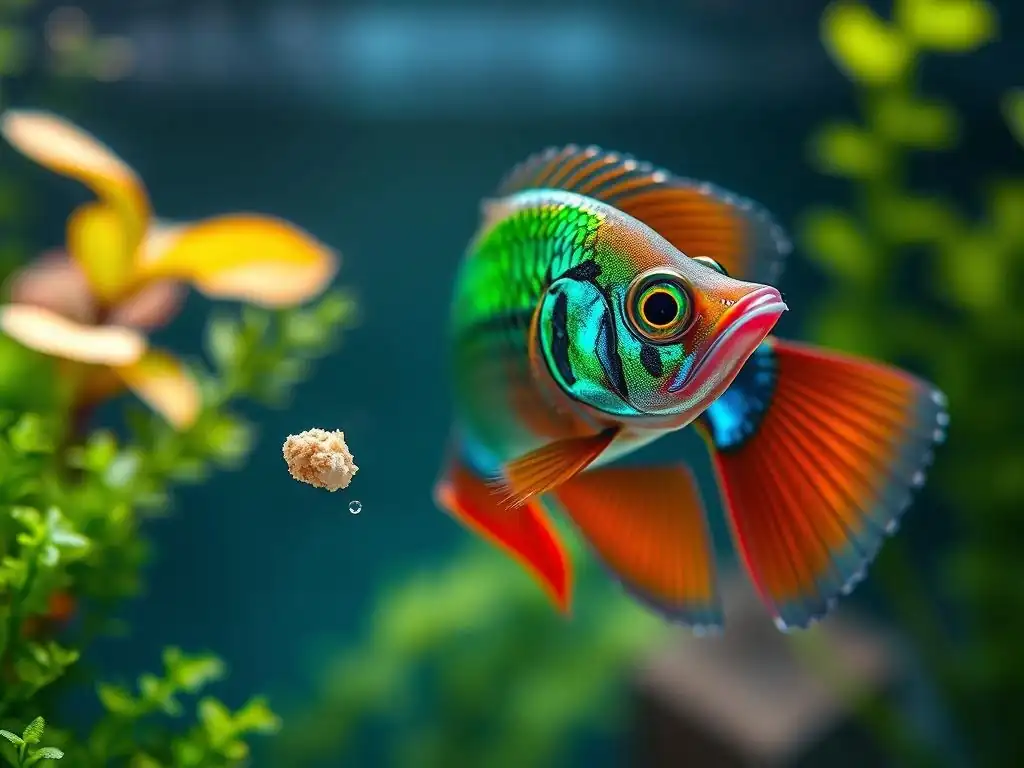
Kissing Gouramis are omnivores, with a natural diet that includes a variety of plant matter, small crustaceans, insect larvae, and detritus found in their natural habitats of Southeast Asia. In an aquarium setting, a balanced diet is crucial for their health and longevity, which can span 5 to 7 years or even longer. They thrive on high-quality flake foods, pellets, and sinking wafers formulated for omnivorous fish.
To supplement their diet and promote optimal health, it is important to offer blanched vegetables such as zucchini, cucumber, peas, and lettuce several times a week. Occasional treats of live or frozen foods like brine shrimp, bloodworms, and daphnia are also beneficial. While they might occasionally graze on soft algae or biofilm, this constitutes a very minor part of their dietary needs and should not be confused with dedicated algae consumption.
Algae Grazing vs. Dedicated Algae Control
It's important to differentiate between incidental algae grazing and the purposeful, efficient algae control provided by true algivores. Kissing Gouramis, particularly younger individuals, may occasionally "kiss" or nibble at soft, newly formed algae or the biofilm layer on surfaces. This behavior is more akin to opportunistic browsing for micro-organisms and soft detritus rather than actively scraping and consuming significant quantities of established algae.
Dedicated algae control, on the other hand, involves species with specialized mouthparts designed for scraping, rasping, or consuming specific types of algae. For example, Otocinclus catfish have sucker mouths perfect for diatoms, while Siamese Algae Eaters are renowned for tackling stubborn hair algae. Kissing Gouramis lack these specialized adaptations, meaning their impact on common aquarium algae issues like green spot algae, brush algae, or black beard algae is virtually non-existent.
The Truth About Kissing Gouramis and Algae: Debunking the Myth
Are Young Kissing Gouramis Better Algae Cleaners?
The observation that young Kissing Gouramis appear to be more active in "cleaning" surfaces is often cited as evidence of their algae-eating capabilities. Indeed, juvenile gouramis may exhibit more frequent grazing behavior on glass, decorations, and plant leaves. This is primarily because their smaller size allows them to access more surfaces, and their diet at a younger age might be more opportunistic, including a greater proportion of biofilm and microscopic organisms found within soft algae.
However, even at a young age, their effectiveness as algae cleaners is minimal compared to dedicated species. As these fish mature and grow, their diet shifts towards larger food items, and their grazing on algae becomes even less frequent and impactful. An adult Kissing Gourami, reaching a foot in length, will show little to no interest in algae, focusing instead on prepared foods and larger plant matter.
Why Relying Solely on Kissing Gouramis for Algae Control is a Mistake
Solely relying on Kissing Gouramis for algae control is a significant oversight that leads to persistent algae problems in an aquarium. Firstly, their inability to effectively consume substantial amounts of algae means that nutrient imbalances and excessive light will inevitably lead to rampant algae growth. This unchecked growth can quickly degrade water quality by consuming oxygen at night and releasing organic compounds, potentially stressing other fish.
Secondly, their large adult size necessitates spacious tanks, typically 75 gallons (approximately 284 liters) or more for a single adult, making them unsuitable as a "clean-up crew" for smaller community tanks where algae is a common issue. Investing in a large fish that doesn't fulfill the desired role of algae control is an inefficient use of tank space and resources. Instead, a multi-faceted approach to algae management is essential for a healthy and visually appealing aquarium.
Effective Algae Control Methods for Your Aquarium
Proven Algae-Eating Fish Species (Besides Kissing Gouramis)
For genuine algae control, it's crucial to select species with proven effectiveness. Otocinclus catfish are excellent for soft green algae and diatoms, with a group of 5-6 Otos capable of keeping a 20-gallon tank spotless. Siamese Algae Eaters (SAEs), known for their ability to consume difficult black beard algae and hair algae, are highly valued, though they require tanks of at least 20 gallons and can reach 6 inches (15 cm).
Bristlenose Plecos are superb for removing green spot algae and diatoms from glass and decor, with a single adult effectively managing a 30-gallon tank. Nerite snails are also highly efficient algae cleaners, consuming a wide range of algae types without overpopulating the tank.
These species possess the appropriate mouthparts and dietary preferences to significantly impact algae levels. For instance, a single Bristlenose Pleco can scrape several square inches of tough green spot algae from a tank wall daily, a feat far beyond the capability of any Kissing Gourami. Incorporating these dedicated algae eaters is a practical and effective strategy for maintaining a clean aquarium.
Maintaining Optimal Water Parameters to Prevent Algae Growth
Preventing algae growth is more effective than trying to remove it once it's established. Maintaining optimal water parameters is a cornerstone of this prevention. Regular water changes, typically 25-30% weekly, are vital for diluting nitrates and phosphates, which are primary nutrients for algae. Nitrates should ideally be kept below 20 parts per million (ppm), and phosphates as close to 0 ppm as possible. Using a reliable test kit to monitor these levels is crucial.
Proper filtration, including mechanical, biological, and chemical media, helps remove organic waste before it breaks down into algae-feeding nutrients. Overfeeding fish also contributes significantly to nutrient buildup; feeding only what your fish can consume in 2-3 minutes, once or twice a day, helps minimize waste. Stable pH (between 6.0-8.0) and consistent temperatures (72-82°F or 22-28°C for most freshwater tanks) also contribute to a balanced ecosystem less prone to algae blooms.
The Importance of Proper Lighting and Filtration for Algae Management
Lighting is a major catalyst for algae growth. Excessive light duration or intensity provides algae with the energy it needs to proliferate rapidly. For most freshwater planted tanks, 8-10 hours of moderate lighting per day is sufficient. Using a timer to ensure consistent light cycles can prevent overexposure. If algae is a persistent issue, consider reducing the light duration to 6-7 hours temporarily.
Effective filtration is equally critical for algae management. A robust filtration system, adequately sized for your tank, removes physical debris and converts harmful ammonia and nitrite into less toxic nitrate. Mechanical filtration (filter floss, sponges) traps particulate matter, preventing it from decomposing into algae nutrients. Biological filtration (ceramic rings, bio-balls) houses beneficial bacteria that process nitrogenous waste. Chemical filtration, such as activated carbon or phosphate removers, can further strip the water of dissolved organics and specific algae-promoting nutrients, significantly reducing the food available for algae.
Setting Realistic Expectations: Kissing Gouramis in Your Aquarium
The Role of Kissing Gouramis in a Community Tank
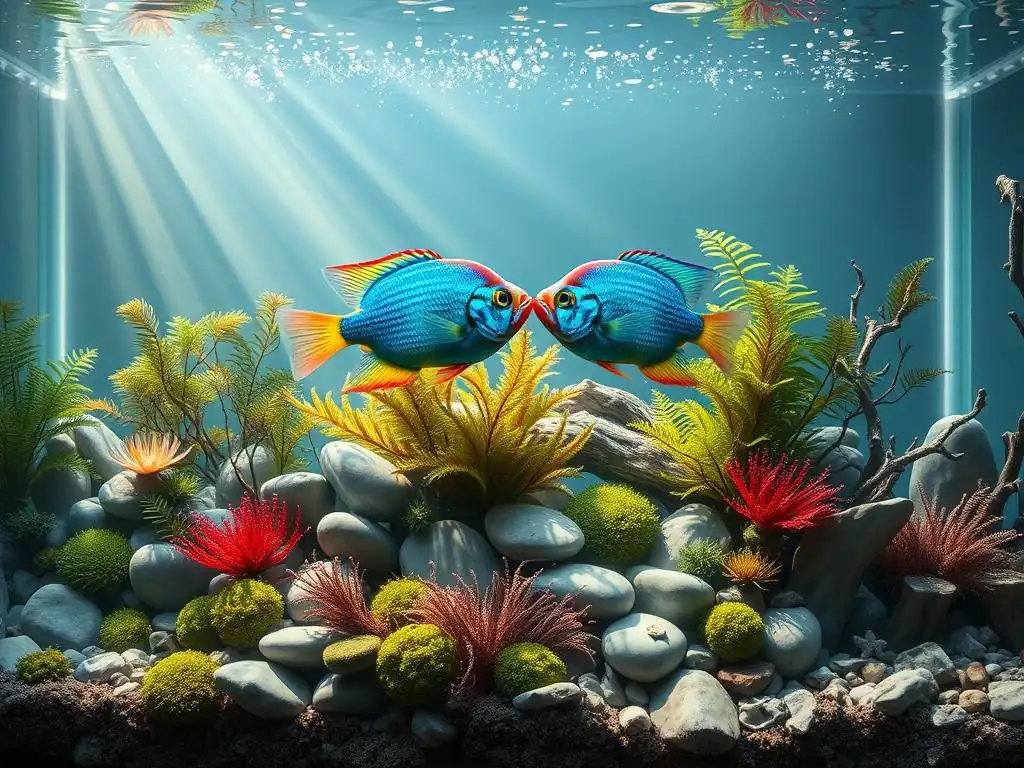
When considering Kissing Gouramis for your aquarium, it's essential to set realistic expectations for their role. They are not effective algae cleaners. Instead, they are large, long-lived, and generally peaceful (though occasionally nippy or territorial) fish that add a unique presence to a spacious community tank. Their distinctive "kissing" behavior is a fascinating social interaction, often observed between two individuals establishing dominance or simply greeting each other.
They are best kept in tanks of 75 gallons (approximately 284 liters) or more, with plenty of open swimming space and some hiding spots created by plants or decor. Suitable tank mates include other large, peaceful community fish that can hold their own, such as larger tetras, barbs, cichlids (like angelfish), and robust bottom dwellers. Their primary contribution to the aquarium is their engaging personality and size, not their ability to manage algae.
Supplementing Algae Control with Other Methods for a Healthy Ecosystem
For a truly healthy and aesthetically pleasing aquarium, relying on a single species for algae control, especially one as ineffective as the Kissing Gourami, is insufficient. A multi-pronged approach is always the most effective strategy. This involves not only introducing dedicated algae-eating species like Otocinclus catfish or Nerite snails but also implementing diligent aquarium husbandry practices.
Regular manual removal of algae from glass and decor, consistent water changes to reduce nutrient loads, and strict control over lighting duration and intensity are paramount. Furthermore, avoiding overfeeding and ensuring your filtration system is robust and well-maintained will starve algae of its essential nutrients. Combining these methods ensures that algae remains under control, allowing your Kissing Gouramis to thrive as appreciated inhabitants, rather than being burdened with an impossible cleaning task.
Alternatives to Kissing Gouramis for Algae Control in Aquariums
Exploring Other Algae-Eating Fish Species
For effective algae control, numerous fish species are far superior to the Kissing Gourami. The Siamese Algae Eater (Crossocheilus siamensis) is highly regarded for its voracious appetite for hair algae and even black beard algae. For smaller tanks, Otocinclus catfish are excellent for diatoms and soft green algae, often working in groups to keep surfaces clean.
Bristlenose Plecos (Ancistrus spp.) are a popular choice for larger tanks, efficiently consuming diatoms and green spot algae from glass and decor, and only reaching a manageable size of 4-5 inches. Other options include various types of Loaches, like the Reticulated Hillstream Loach, which are good at grazing on biofilm and soft algae in high-flow environments.
It's crucial to research the specific needs and adult size of any algae-eating fish before introducing them, as some, like the Common Pleco, can grow exceptionally large (over 18 inches or 45 cm) and are unsuitable for most home aquariums.
Invertebrate Algae Eaters: Snails and Shrimp
Invertebrates offer another excellent and often overlooked solution for algae control. Nerite Snails (Neritina spp.) are among the best algae eaters available. They are tireless grazers of diatoms, green spot algae, and even some types of hair algae from glass, rocks, and plant leaves. They come in various attractive patterns and do not reproduce in freshwater, preventing overpopulation. A single Nerite snail can keep a 10-gallon tank remarkably clean.
Amano Shrimp (Caridina multidentata) are also highly effective, particularly against hair algae and biofilm. These industrious crustaceans are known for their constant foraging, making a significant impact on filamentous algae. A group of 5-10 Amano shrimp can make a noticeable difference in a 20-gallon tank. Both Nerite snails and Amano shrimp have a very low bioload, meaning they add minimal waste to the aquarium, making them ideal additions to almost any community tank seeking natural algae control.
Conclusion: Kissing Gouramis and Algae - A Limited Solution
Managing Algae Effectively for a Thriving Aquarium Environment
The notion that Kissing Gouramis are reliable algae cleaners is a persistent myth that aquarists should discard. While young individuals may occasionally graze on soft biofilms, their contribution to significant algae control in an aquarium is minimal at best, especially as they mature. Their mouth structure is not adapted for effective algae scraping, and their dietary preferences lean heavily towards prepared foods and plant matter rather than a diet of tough algal growths. True algae management in a thriving aquarium environment stems from a holistic approach. This includes diligent husbandry practices such as consistent water changes to keep nitrates below 20 ppm and phosphates near 0.05 ppm, strict control over lighting duration (typically 8-10 hours), and the use of robust filtration systems.
Rather than being tasked with algae removal, the true value of Kissing Gouramis lies in their unique characteristics as fascinating aquarium inhabitants. Their distinctive "kissing" behavior, large adult size of up to 12 inches (30 cm), and generally peaceful (though occasionally territorial) nature make them interesting additions to spacious community tanks. They are long-lived fish, potentially thriving for 5-7 years, and contribute to the visual diversity of an aquarium.
Appreciate Kissing Gouramis for their individual charm and ensure their specific dietary and spatial needs are met. For effective algae control, turn to proven algae-eating species like Otocinclus catfish, Bristlenose Plecos, Nerite snails, or Amano shrimp, which are genuinely equipped for the task.
Frequently Asked Questions
### Do Kissing Gouramis really clean algae in an aquarium?
While Kissing Gouramis may nibble at algae as part of their diet, they are not highly effective algae eaters. Relying solely on them for algae control is generally not recommended.
### What types of algae might a Kissing Gourami eat?
Kissing Gouramis are more likely to consume soft, film algae rather than tougher varieties like hair algae or black beard algae. Their effectiveness varies depending on the individual fish.
### Are there better algae-eating fish options besides the Kissing Gourami?
Yes, several other fish species are more efficient algae eaters, such as Otocinclus catfish, Siamese Algae Eaters, and Nerite snails. These options are generally more reliable for algae control.
### What are the potential downsides of using Kissing Gouramis for algae control?
Kissing Gouramis can grow quite large and may become territorial or aggressive towards other fish. They can also disrupt plants and outcompete other fish for food.
### What else do Kissing Gouramis eat besides algae?
Kissing Gouramis are omnivores and require a varied diet, including flake food, pellets, and vegetable matter. They shouldn't be expected to survive solely on algae and need supplemental feeding.
Okay, here's a final reflection tailored for your article "Do Kissing Gouramis Really Clean Algae? Setting Expectations," designed to resonate with readers and encourage further thought:
Final Reflection: Beyond the Myth of the Algae-Eating Kiss
The journey through the world of Helostoma temminckii has revealed a truth often obscured by popular belief: the kissing gourami's algae-cleaning prowess is largely a myth. While they might nibble at algae in their youth, relying on them as dedicated cleaners is a recipe for disappointment and potentially, an unhealthy fish. The reality is far more nuanced, demanding responsible research and informed decision-making before introducing any creature into an aquarium ecosystem.
This exploration has highlighted the importance of responsible pet ownership and challenging preconceived notions. The allure of a "natural" solution to algae problems is understandable, but it's crucial to remember that every living being has specific needs. The greatness of a nation and its moral progress can be judged by the way its animals are treated.
- Mahatma Gandhi. This quote, though broad, speaks to the ethical responsibility we bear when bringing animals into our care, demanding we prioritize their well-being over convenient solutions.
Now, armed with a clearer understanding of the kissing gourami's true nature, consider this: how can you become a more informed and responsible aquarist? Reflect on the information presented here and apply it not just to kissing gouramis, but to all the creatures you consider bringing into your aquatic world. Embrace research, prioritize ethical care, and strive to create a thriving, balanced ecosystem where every inhabitant can flourish. The beauty of an aquarium lies not just in its aesthetics, but in the knowledge and compassion that fuels its creation.
Ignite Your Aquarium Passion: Dive Deeper Now!
Thank you for exploring the intriguing world of Kissing Gouramis with us! We hope this article has provided valuable clarity on their algae-eating habits and helped you set realistic expectations for your aquarium. Now, let's translate this knowledge into action!
Here's how you can continue your aquarium journey:
- Observe your gourami closely over the next week, paying attention to its behavior and interaction with algae in your tank. This hands-on observation will give you a much better understanding of its specific algae-eating capabilities and needs.
- Join the Aquarium Mastery Community Forum to share your experiences with Kissing Gouramis and connect with fellow aquarists.
- Experiment with supplementing your gourami's diet with blanched vegetables like zucchini or spinach to provide a well-rounded nutritional plan.
What surprising behavior have you observed in your Kissing Gourami since learning about their algae-eating habits?