
Blind Cave Tetra Uniqueness: Thriving Without Sight – A Fascinating Care Guide

Welcome to Aquarium Mastery!
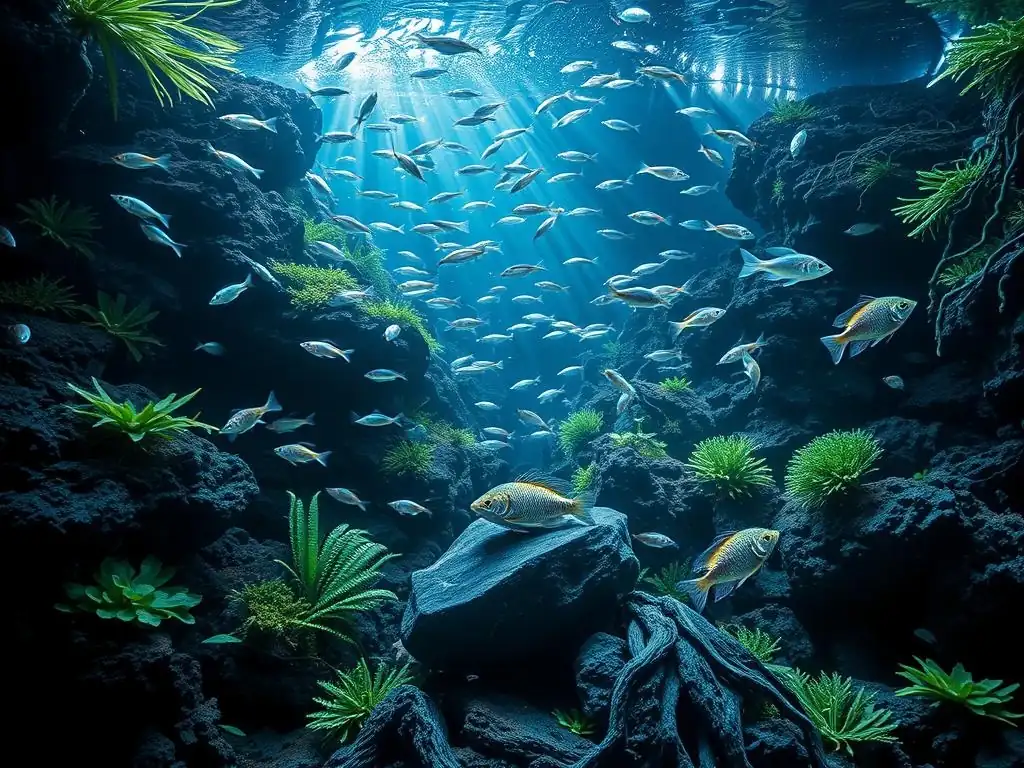
Ever wondered how a fish can thrive in complete darkness? Dive into the fascinating world of the Blind Cave Tetra with our comprehensive care guide. Discover the secrets to keeping these unique creatures happy and healthy, and unravel the mysteries of their sightless existence. Ready to learn more about these incredible fish and how to provide them with the perfect habitat? Let's explore!
- Understanding the Blind Cave Tetra: An Introduction to Astyanax mexicanus
- Setting Up the Perfect Aquarium for Blind Cave Tetras
- Blind Cave Tetra Care: A Comprehensive Guide
- Blind Cave Tetra Tank Mates: Choosing Compatible Species
- Breeding Blind Cave Tetras: A Step-by-Step Guide
- The Blind Cave Tetra's Sensory Adaptations: How They Navigate
- The Appeal of Blind Cave Tetras: Why Keep Them?
- Troubleshooting Common Blind Cave Tetra Issues
- Conclusion: Mastering the Art of Blind Cave Tetra Care
-
Frequently Asked Questions
- How does the Blind Cave Tetra survive without eyesight?
- What are the ideal water parameters for Blind Cave Tetras in an aquarium?
- What should I feed my Blind Cave Tetras?
- Are Blind Cave Tetras compatible with other fish species in a community aquarium?
- What are some common health issues affecting Blind Cave Tetras and how can I prevent them?
- Final Reflection: Embracing Adaptation and Resilience
- Dive Deeper: Unlock the Secrets of the Blind Cave Tetra!
Understanding the Blind Cave Tetra: An Introduction to Astyanax mexicanus
The Evolutionary Marvel of the Blind Cave Tetra
The Blind Cave Tetra, scientifically known as Astyanax mexicanus, represents a truly remarkable feat of evolution. Unlike its sighted surface-dwelling counterparts, this fascinating fish has adapted to life in perpetually dark subterranean environments over millions of years. This adaptation has led to the loss of functional eyes and pigmentation, making them a living example of regressive evolution. Their unique characteristics provide a profound insight into how species can evolve to thrive in extreme conditions, making them a captivating subject for any aquarist interested in evolutionary biology.
Originating from the extensive cave systems of northeastern Mexico, these fish have undergone significant genetic changes to survive in their lightless world. Studies have shown that the genes responsible for eye development are present but are either non-functional or downregulated, leading to the development of vestigial eyes or, in many cases, no external eyes at all. This incredible transformation highlights the power of natural selection in shaping species, emphasizing that features no longer necessary for survival can diminish over time, channeling energy into other, more crucial adaptations.
Distinguishing Features: What Makes the Blind Cave Tetra Unique?
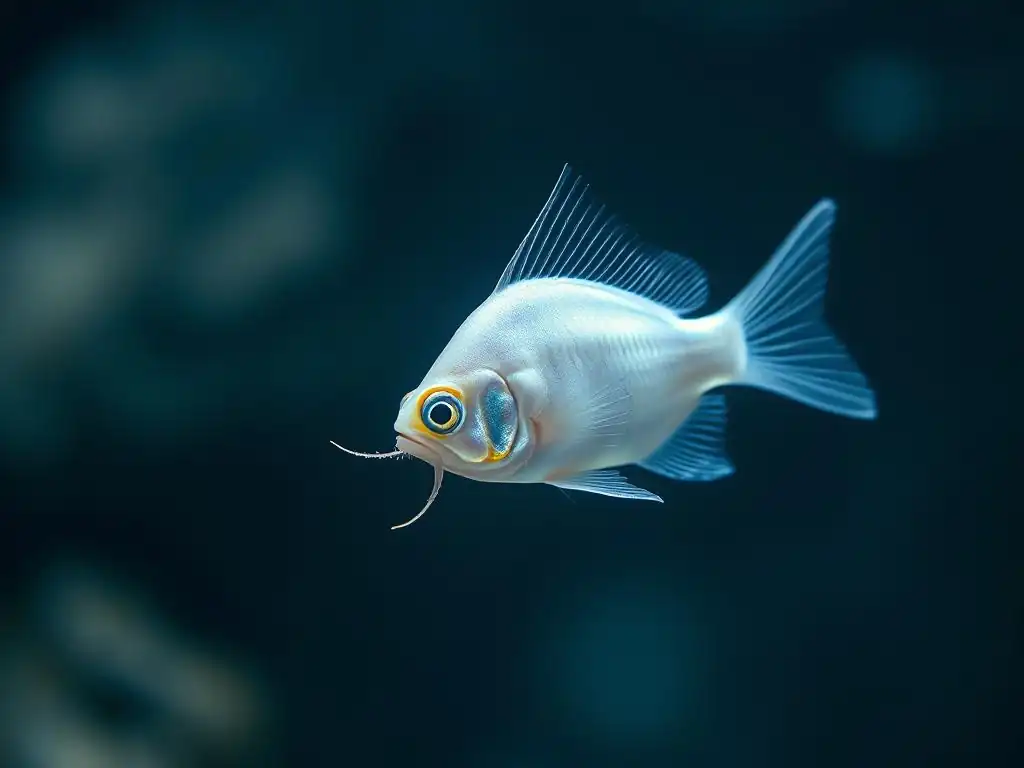
The most striking feature of the Blind Cave Tetra is, unequivocally, its lack of eyes. While some individuals may exhibit tiny, underdeveloped eye remnants beneath the skin, the majority appear completely eyeless. This absence of sight is complemented by their characteristic lack of pigmentation, giving them a pale, often pinkish-white or translucent appearance. This stark contrast to the vibrant colors of many other freshwater aquarium fish immediately sets them apart, making them a visually distinct addition to a specialized aquarium.
Beyond their appearance, their sensory adaptations are what truly define their uniqueness. Without sight, the Blind Cave Tetra relies heavily on its highly developed lateral line system, an intricate network of sensory pores that detect subtle changes in water pressure and vibrations. This allows them to navigate their environment, locate food, and perceive the presence of other fish with surprising accuracy. Furthermore, their sense of smell and taste are significantly enhanced, enabling them to detect food sources and chemical cues in the dark. Understanding these unique sensory capabilities is paramount to providing proper blind cave tetra care.
Blind Cave Tetra Habitat: Origins and Natural Environment
The natural habitat of the Blind Cave Tetra is confined to the specific subterranean cave systems found primarily in San Luis Potosí, Tamaulipas, and Nuevo León states of northeastern Mexico. These caves, such as La Cueva Chica, Cueva de El Pachón, and Cueva de los Sabinos, are characterized by constant darkness, stable water temperatures, and often a scarcity of food resources. The water in these caves typically has a neutral to slightly alkaline pH, ranging from 7.0 to 8.0, and is moderately hard, with a general hardness (GH) often between 10-20 dGH.
Life in these caves presents unique challenges, including limited oxygen and a reliance on organic matter washed in from the surface for sustenance. The stable conditions, however, mean that these fish are accustomed to minimal fluctuations in temperature and water chemistry. When setting up an aquarium for them, replicating these stable, dark, and calm conditions is crucial for their well-being. A successful blind cave tetra care guide emphasizes mimicking these natural environmental factors to reduce stress and promote health.
Setting Up the Perfect Aquarium for Blind Cave Tetras
Tank Size Requirements for a School of Blind Cave Tetras
To ensure the well-being and natural schooling behavior of Blind Cave Tetras, a minimum tank size of 20 gallons (approximately 75 liters) is recommended for a small group of 6-8 individuals. While these fish are not particularly large, typically reaching about 4-5 inches (10-12 cm) in length, they are active swimmers and thrive in the company of their own kind. Providing ample space allows them to form a cohesive school, which is essential for their security and reduces individual stress.
For larger schools, which are highly beneficial for these social fish, a 30-gallon (113-liter) or even 40-gallon (150-liter) breeder tank would be more appropriate. The increased footprint of a breeder tank, rather than just height, offers more horizontal swimming space, which is valuable for a species that navigates by sensing its surroundings. A spacious tank also contributes to more stable water parameters, simplifying the overall blind cave tetra care guide process and minimizing the need for frequent drastic interventions.
Essential Water Parameters for Blind Cave Tetra Health
Maintaining stable and appropriate water parameters is critical for the long-term health of Blind Cave Tetras. They thrive in temperatures ranging from 68-78°F (20-26°C), with a preference towards the cooler end of this spectrum mirroring their cave environment. The pH should be kept between 7.0 and 8.0, leaning towards slightly alkaline, and water hardness (GH) should be moderate to hard, ideally between 10-20 dGH. These parameters directly reflect their natural cave water chemistry and are vital for their metabolic functions.
Beyond temperature, pH, and hardness, diligent monitoring of nitrogenous compounds is non-negotiable. Ammonia (NH3/NH4+) and nitrite (NO2-) levels must always be at 0 ppm, as even trace amounts can be highly toxic. Nitrate (NO3-) levels should be kept below 20 ppm through regular water changes. Utilizing a reliable liquid test kit for weekly checks is a fundamental aspect of any effective blind cave tetra care guide, ensuring the water quality remains pristine and consistent, thereby preventing stress and disease.
Substrate and Decoration Ideas for a Blind Cave Tetra Tank
When selecting substrate for a Blind Cave Tetra aquarium, the primary consideration should be safety and ease of navigation. Fine gravel or sand are excellent choices, as their smooth textures pose no risk of injury to these active fish, which may occasionally bump into surfaces while navigating. Avoiding sharp or abrasive substrates is crucial, as their delicate bodies and sensory organs could be damaged. A dark substrate color can also help to absorb any ambient light, further mimicking their natural environment and potentially reducing stress.
Decorations should be chosen with their sightless navigation in mind. Smooth rocks, driftwood with no sharp edges, and artificial plants are ideal. Real plants can be used, but only very low-light tolerant species like Anubias or Java Fern, as bright lighting is detrimental to these fish.
Arranging decorations consistently is important; once placed, avoid frequently moving them. This allows the Blind Cave Tetras to create a mental "map" of their environment using their lateral line system, making them feel secure and reducing erratic behavior. Providing caves or sheltered areas made from smooth rocks or PVC pipes can also offer comforting hiding spots, enhancing the overall blind cave tetra care setup.
Lighting Considerations for Sightless Fish
Given their evolutionary adaptation to lightless cave environments, lighting in a Blind Cave Tetra aquarium should be kept to a minimum or, ideally, completely absent. Exposure to bright light can cause significant stress to these fish, as their sensory systems are not designed for visual input. A dimly lit room or a tank with no dedicated light fixture is preferable. If any lighting is used, it should be very low wattage and on for only a few hours a day, mimicking dusk or dawn conditions, and perhaps only for human viewing.
For aquarists who wish to grow plants, this presents a challenge. However, there are several very low-light plant options like Java Moss, Java Fern, or Anubias species that can survive with minimal illumination or even ambient room light. Alternatively, high-quality artificial plants can provide aesthetic appeal and hiding spots without requiring any light. The overarching goal of blind cave tetra care regarding lighting is to provide an environment that closely resembles their natural, perpetually dark habitat, ensuring their comfort and reducing any potential disorientation or anxiety caused by light.
Blind Cave Tetra Care: A Comprehensive Guide
Feeding Your Blind Cave Tetras: Diet and Nutrition
Blind Cave Tetras are omnivores and thrive on a varied diet that replicates the opportunistic feeding they would undertake in their natural cave environments. High-quality flake foods and sinking pellets should form the staple of their diet, providing essential vitamins and minerals. However, supplementation with frozen or live foods is crucial for optimal health and vigor. Excellent choices include bloodworms, brine shrimp, daphnia, and tubifex worms. These foods not only provide rich protein and nutrients but also stimulate their natural foraging behaviors.
When feeding, consistency is key. Blind Cave Tetras navigate by sensing vibrations and chemical cues in the water. Feeding them in the same spot at the same time each day helps them to quickly locate the food.
Gently tapping the tank or creating a small water disturbance near the feeding spot can also alert them to the presence of food. Offer small amounts of food one to two times daily, ensuring all food is consumed within a few minutes to prevent water fouling. Overfeeding is a common mistake in blind cave tetra care, leading to poor water quality and health issues.
Maintaining Water Quality: Essential for Blind Cave Tetra Wellbeing
Pristine and stable water quality is the cornerstone of successful Blind Cave Tetra care. These fish are highly sensitive to fluctuations in water parameters and to the presence of harmful nitrogenous compounds. Regular partial water changes are paramount; a 25-30% water change weekly is generally recommended to keep nitrates low and replenish essential minerals. Always use a reliable water conditioner to neutralize chlorine and chloramines in tap water before adding it to the tank.
Effective filtration is also vital. A gentle sponge filter or a hang-on-back (HOB) filter with a low flow rate is usually sufficient for a Blind Cave Tetra tank, ensuring mechanical and biological filtration without creating strong currents that could disorient them. Regular maintenance of filters, including rinsing filter media in old tank water, prevents the buildup of detritus and maintains beneficial bacterial colonies. Consistent monitoring of ammonia, nitrite, and nitrate levels with a liquid test kit should be a routine practice, forming the backbone of any diligent blind cave tetra care guide.
Common Blind Cave Tetra Diseases and Prevention
Like all aquarium fish, Blind Cave Tetras can be susceptible to various diseases, often exacerbated by poor water quality, stress, or improper diet. While they don't have specific diseases unique to their species, they can contract common freshwater ailments. Prevention is always the best approach in blind cave tetra care. This includes maintaining stable, pristine water parameters, providing a balanced and varied diet, avoiding overcrowding, and quarantining any new fish for at least two weeks before introducing them to the main tank. A well-maintained environment significantly boosts their natural immunity.
Should a disease arise, early detection and prompt treatment are crucial. Observing your fish daily for any changes in behavior, appearance, or swimming patterns can help identify issues before they become severe. Symptoms such as lethargy, clamped fins, white spots, or frayed fins are indicators that something is amiss. Addressing the root cause, typically water quality issues, should always be the first step in treatment, followed by appropriate medication if necessary.
Ich (White Spot Disease) and Treatment
Ichthyophthirius multifiliis, commonly known as Ich or White Spot Disease, is a prevalent parasitic infection that can affect Blind Cave Tetras. Symptoms include small, white spots resembling grains of salt on the fish's body and fins, rapid breathing, flashing (rubbing against tank decorations), and clamped fins. The parasite thrives in stressful conditions and poor water quality.
Treatment typically involves raising the aquarium temperature gradually to 82°F (28°C) over 24 hours, as higher temperatures accelerate the parasite's life cycle, making it more vulnerable to medication. Simultaneously, adding aquarium salt (non-iodized) at a concentration of 1 tablespoon per 5 gallons of water can help alleviate stress and kill the parasites. For severe cases, over-the-counter Ich medications containing malachite green or formalin can be used, following product instructions carefully.
Remember to remove activated carbon from the filter during medication, as it will absorb the treatment. Treatment should continue for at least 7-10 days, even if symptoms disappear, to ensure all parasites are eradicated.
Fin Rot and Treatment
Fin Rot is a common bacterial infection characterized by the deterioration of a fish's fins, which appear frayed, ragged, or discolored, often with a reddish or white edge. It is almost always a secondary infection, meaning it occurs when fish are already stressed or their immune system is compromised, most frequently due to poor water quality, overcrowding, or physical injury.
The primary step in treating Fin Rot in Blind Cave Tetras, and indeed in any fish, is to immediately improve water quality. This involves performing a significant water change (50%) and then conducting daily 25% water changes for several days. Ensure ammonia and nitrite levels are zero and nitrates are below 20 ppm. If the condition is mild, improved water quality alone may be sufficient for recovery.
For more advanced cases, a broad-spectrum antibiotic designed for aquarium use, such as erythromycin or furan-2, may be necessary. Always follow the medication instructions precisely. Preventing Fin Rot is a key part of comprehensive blind cave tetra care, emphasizing stable water parameters and a stress-free environment.
Blind Cave Tetra Tank Mates: Choosing Compatible Species
Ideal Tank Mates for Peaceful Coexistence
Choosing appropriate tank mates for Blind Cave Tetras requires careful consideration of their unique sensory limitations and peaceful nature. Ideal companions are other docile, non-aggressive species that are roughly the same size and will not outcompete the tetras for food. Fish that are slow-moving or bottom-dwellers are often excellent choices, as they won't interfere with the tetras' navigation or feeding habits.
Good examples of compatible tank mates include various species of Corydoras catfish, such as Peppered or Bronze Corydoras, which are peaceful bottom scavengers. Otocinclus catfish are also suitable, as they are small, peaceful algae eaters. Other peaceful schooling tetras, like Neon Tetras or Ember Tetras, can coexist if the lighting is kept very dim to accommodate the Blind Cave Tetras. Dwarf Gouramis can also be considered, provided their specific needs for slow water movement and low light are met. The best blind cave tetra care guide will always stress the importance of research before introducing any new fish.
Fish to Avoid Keeping with Blind Cave Tetras
Certain fish species are entirely unsuitable as tank mates for Blind Cave Tetras due to their aggressive nature, tendency to nip fins, or rapid feeding habits that would leave the sightless tetras at a disadvantage. Any overtly aggressive or territorial fish, such as most cichlids (e.g., Convict Cichlids or larger African Cichlids), should be strictly avoided. Their aggressive behaviors would severely stress and potentially harm the peaceful Blind Cave Tetras.
Fin-nipping species, like Tiger Barbs or some larger Barb species, are also poor choices. While Blind Cave Tetras lack eyes, their fins are still vulnerable, and constant nipping would lead to stress and potential infection. Furthermore, very fast-moving or boisterous fish that are highly competitive feeders could easily outcompete the Blind Cave Tetras for food, leading to malnutrition. Large predatory fish are, of course, out of the question. Prioritizing the safety and comfort of your Blind Cave Tetras is a fundamental aspect of responsible blind cave tetra care.
Breeding Blind Cave Tetras: A Step-by-Step Guide
Setting Up a Breeding Tank for Blind Cave Tetras
Breeding Blind Cave Tetras in a home aquarium is achievable with the right setup and conditions. A dedicated breeding tank, typically 5-10 gallons (19-38 liters) in size, is recommended. This tank should be kept bare-bottomed or have a spawning mop or a layer of marbles on the bottom to protect the eggs from being eaten by the parents after spawning. The water in the breeding tank should be slightly softer and more acidic than the main tank, aiming for a pH of 6.5-7.0 and a general hardness (GH) of 5-8 dGH.
Filtration should be gentle, with a sponge filter being an ideal choice, as it provides biological filtration without creating strong currents that could harm delicate eggs or fry. The tank should also be dimly lit or dark, mimicking their natural breeding environment. Maintaining stable water parameters in this breeding setup is a crucial step in a successful blind cave tetra care guide for reproduction.
Identifying Male and Female Blind Cave Tetras
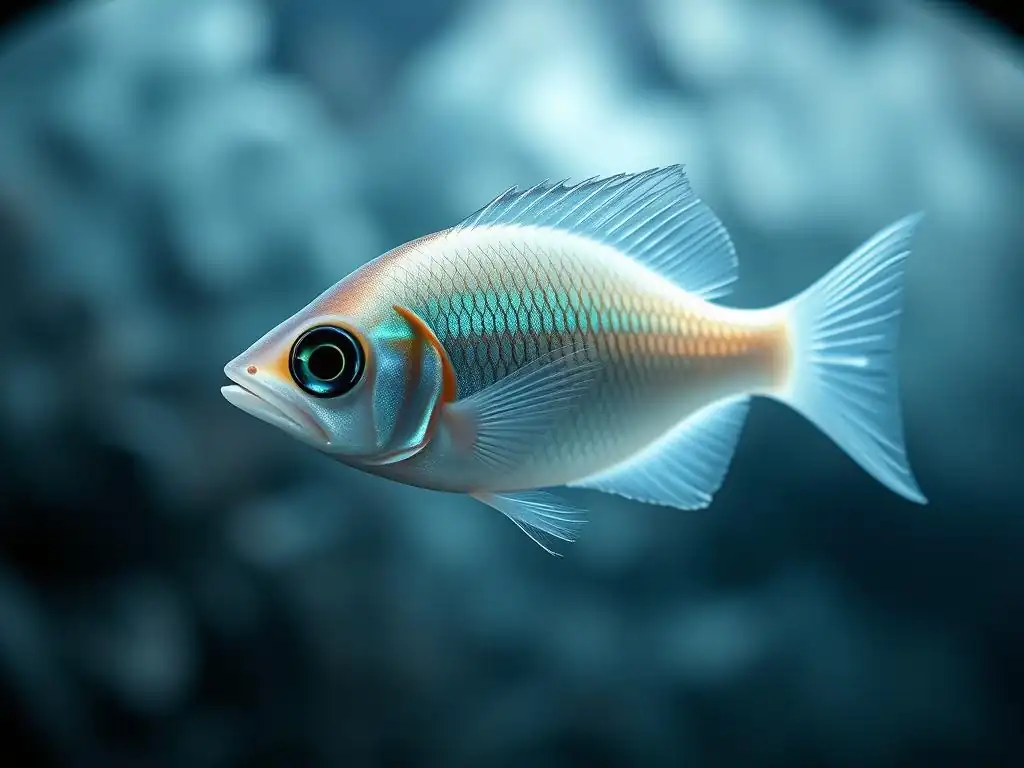
Distinguishing between male and female Blind Cave Tetras can be challenging, as they lack the vibrant coloration often used to differentiate sexes in other fish. However, there are subtle visual cues that can help. Females, especially when gravid (carrying eggs), tend to have a noticeably rounder and plumper belly compared to the males. Their body shape will appear fuller, particularly around the ventral area.
Males are generally slimmer and more streamlined. During breeding season or when conditioned with high-quality foods, males might exhibit slightly more active behavior, but this is less reliable than the female's physical appearance. Observing a group closely when well-fed can often reveal the plumper females, making it easier to select a breeding pair or trio (one female to two males) for the breeding tank. Patient observation is key in this aspect of blind cave tetra care.
Encouraging Spawning and Caring for Fry
To encourage spawning, condition the selected male and female Blind Cave Tetras with a diet rich in live and frozen foods for several days to a week. Foods like bloodworms, brine shrimp, and daphnia are excellent for this purpose. Gradually increase the water temperature in the breeding tank to 75-78°F (24-26°C) and perform a small, cool water change to simulate natural rain events, which can trigger spawning. Spawning typically occurs in the early morning.
Once spawning has occurred, which can involve the female scattering hundreds of tiny, adhesive eggs, the adult fish should be immediately removed from the breeding tank. Blind Cave Tetras, like many other tetra species, will readily consume their own eggs and fry. The eggs will hatch within 24-36 hours. The newly hatched fry are tiny and will consume their yolk sacs for the first few days.
After this, they require extremely small foods such as infusoria or liquid fry food. As they grow, they can gradually be transitioned to newly hatched baby brine shrimp. Maintaining pristine water quality with small, frequent water changes is essential for fry survival, making this a delicate phase of blind cave tetra care.
Lateral Line System: Their Primary Sensory Tool
The lateral line system is arguably the most critical sensory adaptation of the Blind Cave Tetra, serving as their primary means of navigating their dark, subterranean world. This sophisticated system, visible as a faint line along the side of the fish's body, is composed of specialized neuromasts—sensory cells that detect subtle vibrations, water currents, and pressure changes in their environment. This allows them to effectively "feel" their surroundings without the need for sight.
With their highly developed lateral line, Blind Cave Tetras can perceive obstacles, locate food sources, and even detect the presence and movement of other fish, which is crucial for schooling. This system acts like a sonar, providing them with a detailed "hydrodynamic map" of their immediate environment. This remarkable adaptation underscores the resilience and ingenuity of evolution, enabling them to thrive in conditions that would be impossible for sighted fish, and is a central point of interest for anyone exploring advanced blind cave tetra care.
Adaptation to Darkness: Unique Survival Strategies
The adaptation of Blind Cave Tetras to perpetual darkness extends beyond just the loss of vision and the enhancement of their lateral line system. Their entire physiological makeup is geared towards survival in an aphotic environment. The loss of eyes and pigmentation is not merely a deficiency; it's an energy-saving strategy. Developing and maintaining complex visual organs and pigments requires significant metabolic energy, which can be conserved when these features are no longer necessary. This conserved energy can then be redirected towards other vital functions, such as foraging and reproduction in a resource-scarce environment.
Furthermore, these fish exhibit enhanced chemoreception (smell and taste), allowing them to detect dissolved chemicals and food particles with greater sensitivity. Their overall metabolism is also adapted to the lower food availability found in caves. These combined sensory and metabolic adaptations allow them to efficiently forage, avoid predators (if any), and interact within their environment, showcasing a profound example of natural selection optimizing an organism for its specific niche. Understanding these adaptations is key to providing comprehensive blind cave tetra care.
The Appeal of Blind Cave Tetras: Why Keep Them?
A Unique and Intriguing Addition to Your Aquarium
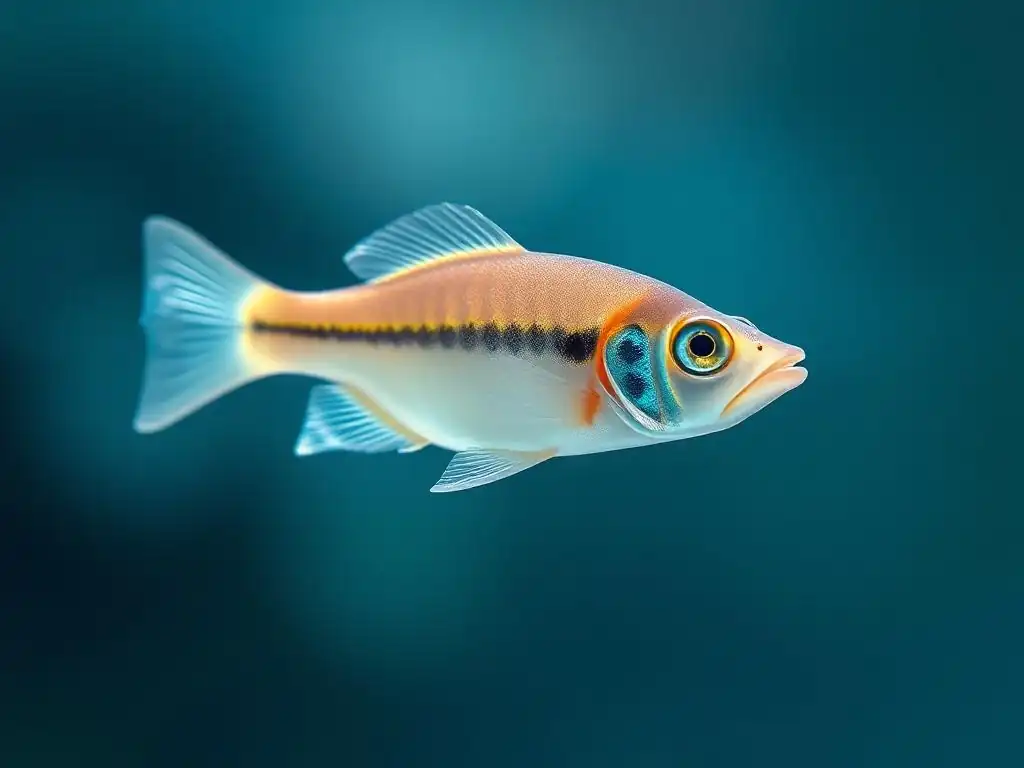
The Blind Cave Tetra offers a truly unique and intriguing presence in a freshwater aquarium. Their striking appearance, devoid of eyes and pigmentation, instantly sets them apart from the more common, colorful aquarium inhabitants. They serve as a constant reminder of the incredible diversity of life on Earth and the astonishing ways in which species adapt to extreme environments. For aquarists looking for something genuinely different, a school of Blind Cave Tetras can provide a captivating focal point that sparks conversation and curiosity.
Beyond their appearance, observing their navigation and social interactions without the use of sight is a profoundly fascinating experience. Witnessing how they expertly maneuver through decorations, locate food, and maintain school cohesion using only their other senses provides a deeper appreciation for the complexities of animal biology. Their relatively peaceful temperament also makes them a suitable choice for a specialized community tank, making a dedicated blind cave tetra care guide a valuable resource for those drawn to their distinct charm.
Educational Value: Observing Evolution in Action
Keeping Blind Cave Tetras offers an unparalleled educational opportunity, allowing aquarists to observe a living example of evolution in action right in their home. These fish vividly demonstrate the principles of natural selection and adaptation, showcasing how organisms lose traits that are no longer beneficial in a specific environment while enhancing others that are crucial for survival. For students, educators, or anyone with an interest in biology, a Blind Cave Tetra aquarium can serve as a dynamic, real-world case study.
By providing optimal blind cave tetra care, you are nurturing a species that embodies millions of years of evolutionary refinement. Their existence prompts questions about sensory biology, genetic adaptation, and the incredible plasticity of life. Observing their unique navigation and survival strategies can deepen one's understanding of how life adapts to even the most challenging conditions, making them more than just pets, but rather living biological exhibits.
Troubleshooting Common Blind Cave Tetra Issues
Erratic Swimming: Potential Causes and Solutions
Erratic swimming in Blind Cave Tetras, such as darting, bumping into tank walls, or aimless wandering, can be a clear sign of stress or discomfort. One of the most common causes is poor water quality, including elevated levels of ammonia, nitrite, or nitrate. Sudden changes in water parameters, such as pH or temperature swings, can also disorient them. Another factor might be an unsuitable tank environment, such as overly bright lighting or a lack of consistent hiding spots, which can make them feel insecure.
To address erratic swimming, first, perform a full set of water tests to check for any deviations in ammonia, nitrite, nitrate, pH, and temperature. If parameters are off, conduct a partial water change (25-30%) using temperature-matched, conditioned water. Ensure the tank lighting is minimal or off. Observe tank mates for any signs of aggression. Maintaining a stable, dark, and calm environment is paramount for their well-being, as highlighted in any comprehensive blind cave tetra care guide.
Lack of Appetite: Potential Causes and Solutions
A Blind Cave Tetra refusing to eat is a serious concern and often indicates an underlying problem. Stress is a primary culprit, which can stem from poor water quality, unsuitable tank mates, or an unstable environment. Disease is another common reason; a sick fish will often lose its appetite before other symptoms become apparent. Sometimes, it's simply a matter of the fish not being able to locate the food effectively, especially if feeding methods are inconsistent.
To resolve this, begin by testing all water parameters to rule out water quality issues, correcting any imbalances with appropriate water changes. Observe the fish closely for any other signs of illness, such as clamped fins, lesions, or unusual growths. Ensure you are feeding at a consistent spot and time each day, perhaps gently tapping the tank to alert them.
Offer a variety of high-quality foods, including frozen options, as they might be more attractive. If the issue persists, consider isolating the fish in a hospital tank for closer observation and potential treatment, following a specialized blind cave tetra care protocol.
Fin Damage: Potential Causes and Solutions
Fin damage in Blind Cave Tetras, appearing as frayed, torn, or ragged fins, can be attributed to several factors. Physical injury is common, especially if the tank contains sharp decorations or aggressive tank mates. Blind Cave Tetras, despite their adept navigation, can occasionally bump into rough surfaces. Bacterial infections, often a secondary issue arising from poor water quality or stress, are also a frequent cause, leading to fin rot.
To address fin damage, first, carefully inspect all tank decorations and remove anything with sharp edges, replacing them with smooth alternatives. Re-evaluate tank mates to ensure no fin-nipping or aggressive species are present; if so, they must be removed. Crucially, test water parameters and perform water changes to ensure pristine water quality, as this is vital for healing and preventing bacterial infections.
If signs of bacterial infection (like redness or white edges on the fins) are present, a broad-spectrum antibacterial medication may be necessary, alongside continued water quality management. Proactive blind cave tetra care includes a safe environment and stable water.
Conclusion: Mastering the Art of Blind Cave Tetra Care
Mastering the art of Blind Cave Tetra care is a rewarding endeavor that offers a unique glimpse into the extraordinary adaptations of aquatic life. These fascinating fish, with their remarkable ability to thrive without sight, demand a specialized approach that prioritizes stable water parameters, a dark and calm environment, and a consistent feeding routine. By understanding their evolutionary history and sensory adaptations, aquarists can create a habitat that perfectly caters to their specific needs, ensuring their health and well-being.
From setting up the ideal tank with smooth decorations and minimal lighting to providing a varied diet and diligently monitoring water quality, every aspect of their care contributes to their longevity and vitality. Troubleshooting common issues like erratic swimming or fin damage relies heavily on maintaining a pristine and stress-free environment. Ultimately, providing comprehensive blind cave tetra care allows these evolutionary marvels to flourish, offering a truly captivating and educational experience for any dedicated aquarist.
Frequently Asked Questions
How does the Blind Cave Tetra survive without eyesight?
The Blind Cave Tetra, scientifically known as Astyanax mexicanus, has adapted to its cave environment. It relies on enhanced sensory systems like lateral lines to detect vibrations and changes in water pressure, allowing it to navigate and find food. This sensory compensation is key to its survival.
What are the ideal water parameters for Blind Cave Tetras in an aquarium?
Maintaining optimal water quality is crucial. Aim for a temperature of 72-78°F (22-26°C), a pH between 6.5 and 7.5, and ensure excellent filtration to keep the water clean and free of pollutants. Regular water changes are also essential.
What should I feed my Blind Cave Tetras?
Blind Cave Tetras are omnivores and accept a variety of foods. Provide a balanced diet of high-quality flake food, supplemented with live or frozen foods like brine shrimp, daphnia, and bloodworms. Variety is key for optimal health and nutrition.
Are Blind Cave Tetras compatible with other fish species in a community aquarium?
Blind Cave Tetras are generally peaceful but can be easily outcompeted for food. Choose tank mates that are similarly sized, peaceful, and can tolerate the same water parameters. Avoid fin-nipping species.
What are some common health issues affecting Blind Cave Tetras and how can I prevent them?
While generally hardy, Blind Cave Tetras can be susceptible to common freshwater fish diseases like ich and fin rot. Maintaining excellent water quality, providing a balanced diet, and avoiding overcrowding are crucial for prevention. Quarantine new arrivals before introducing them to the main tank.
Final Reflection: Embracing Adaptation and Resilience
The journey into understanding the Blind Cave Tetra, as detailed in this care guide, highlights the remarkable power of adaptation in the face of adversity. These fish, thriving in perpetual darkness, offer a compelling testament to life's ability to not only survive but flourish under seemingly impossible conditions. Their existence serves as a potent reminder that limitations can be catalysts for innovation and unique forms of beauty.
This exploration of the Blind Cave Tetra's existence has profoundly impacted my understanding of resilience, extending far beyond the confines of an aquarium. Witnessing their evolutionary journey underscores the importance of embracing change and finding strength in unexpected places. It is not the strongest of the species that survives, nor the most intelligent that survives. It is the one that is most adaptable to change.
- Charles Darwin. This quote resonates deeply, reminding us that adaptability is not merely a survival mechanism, but a key to unlocking new possibilities and perspectives.
Now, consider the lessons learned from these fascinating creatures. How can you apply their unwavering resilience and adaptability to your own life? Embrace the challenges that come your way, view limitations as opportunities, and remember that even in the darkest of times, there is always the potential for growth and unique beauty to emerge. Let the Blind Cave Tetra inspire you to thrive, no matter the circumstances.
Dive Deeper: Unlock the Secrets of the Blind Cave Tetra!
Thank you for exploring the fascinating world of the Blind Cave Tetra. Now that you've learned about their unique adaptations and care requirements, it's time to take your understanding a step further.
Here's how you can continue your journey:
- Consider creating a dedicated, enriching environment for Blind Cave Tetras. Are you ready to set up a species-specific aquarium tailored to their needs?
- Share this article with fellow aquarium enthusiasts and start a conversation about the ethical considerations of keeping and breeding these unique fish.
- Research local aquarium clubs or online forums to connect with experienced keepers and discover advanced care tips beyond the basics.
What specific challenges or ethical questions does keeping Blind Cave Tetras raise for you, and how do you plan to address them in your own aquarist journey?