
Fish to AVOID with Your Dwarf Cichlids: Protecting Your Prized Pets

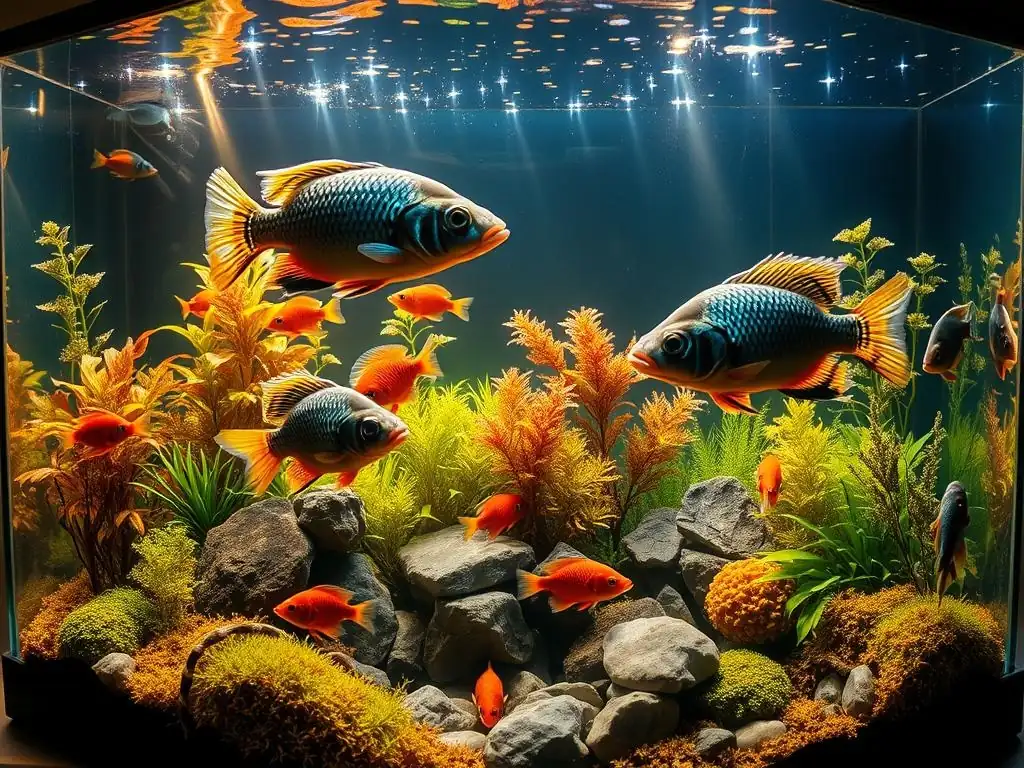
Welcome to Aquarium Mastery!
Ever wondered if your dream aquarium could turn into a nightmare for your delicate Dwarf Cichlids? Understanding the delicate balance of your freshwater ecosystem is crucial. Dive in to discover which fish species you absolutely need to AVOID to ensure your prized Dwarf Cichlids thrive and create a harmonious underwater world. What dangers lurk beneath the surface? Let's find out!
- Understanding Dwarf Cichlid Temperament for a Peaceful Aquarium
- Large and Aggressive Fish: Incompatible Tank Mates for Dwarf Cichlids
- Fin-Nipping Fish: Stressors for Your Dwarf Cichlids
- Overly Active Fish: Disrupting the Dwarf Cichlid Environment
- Fish with Similar Ecological Niches: Competition and Conflict
- Fish That Require Different Water Parameters: Ensuring Optimal Health
-
Schooling Fish That Stress Dwarf Cichlids: Minimizing Anxiety
- How Large Schools of Fish Can Intimidate Dwarf Cichlids
- Schooling Fish That Are Too Boisterous for a Peaceful Cichlid Tank
- Red Eye Tetras (Moenkhausia sanctaefilomenae): Can Be Overly Active
- Black Skirt Tetras (Gymnocorymbus ternetzi): Sometimes Fin-Nip
- Congo Tetras (Phenacogrammus interruptus): Need a Larger Tank
- Choosing Suitable Tank Mates for Dwarf Cichlids: Creating a Harmonious Community
- Conclusion: Prioritizing Compatibility for Healthy Dwarf Cichlids
-
Frequently Asked Questions
- What types of fish should I absolutely avoid keeping with dwarf cichlids?
- Why are certain fish considered "incompatible" with dwarf cichlids?
- Can I keep schooling fish with my dwarf cichlids? If so, which ones?
- How does tank size affect the compatibility of dwarf cichlids with other fish?
- What happens if I ignore the advice and keep incompatible fish with my dwarf cichlids?
- Final Reflection: Harmony in the Aquarium
- Unleash a Thriving Cichlid Haven!
Understanding Dwarf Cichlid Temperament for a Peaceful Aquarium
Dwarf Cichlid Behavior: Key Considerations for Tank Mates
Dwarf cichlids, such as Rams ( Mikrogeophagus ramirezi), Apistogrammas ( Apistogramma spp. ), and Kribensis ( Pelvicachromis pulcher), are renowned for their vibrant colors, intricate social behaviors, and relatively small size, typically ranging from 2 to 4 inches. Unlike their larger cichlid cousins, they are generally less aggressive, making them suitable for community aquariums. However, they are still cichlids, meaning they exhibit territorial tendencies, especially during breeding, and require specific environmental conditions to thrive. Their delicate nature and specialized needs make careful tank mate selection paramount.
Their behavior often involves establishing small territories, particularly around caves, driftwood, or dense plant thickets, which they will defend against perceived intruders. While they are not typically aggressive towards non-cichlid species that do not infringe on their space, stress can quickly turn a peaceful dwarf cichlid into a timid, withdrawn, or even overly aggressive specimen. Understanding these nuances is the first step in avoiding Dwarf cichlid incompatible fish scenarios and ensuring a harmonious aquarium.
The Importance of Selecting Compatible Fish for Dwarf Cichlids
Selecting compatible tank mates is not merely about preventing physical harm; it's about fostering an environment where your dwarf cichlids can exhibit their natural behaviors, thrive, and potentially even breed. Incompatible fish can introduce undue stress, leading to a weakened immune system, susceptibility to diseases like Ich or bacterial infections, and a significantly shortened lifespan. For instance, constant harassment from fin-nippers can cause chronic stress, leading to fin rot and secondary infections.
Furthermore, competition for food, territory, or even just the constant presence of overly active or large fish can suppress the natural colors and activities of dwarf cichlids. A stressed dwarf cichlid may hide perpetually, refuse to eat, or fail to engage in courtship rituals. Therefore, identifying and avoiding Dwarf cichlid incompatible fish is crucial for the long-term health, vitality, and enjoyment of your prized pets.
Large and Aggressive Fish: Incompatible Tank Mates for Dwarf Cichlids
Avoiding Predatory Fish That Will Prey on Dwarf Cichlids
The most immediate danger to dwarf cichlids comes from larger, predatory fish. Even if a fish isn't an obligate predator, any species significantly larger than your dwarf cichlid (e.g., more than double its size) can view it as a potential food source, especially if the dwarf cichlid is small or juvenile. This predatory instinct is hardwired and cannot be trained out of a fish. Introducing such species into the same tank is a direct invitation for disaster, often resulting in the disappearance or severe injury of your dwarf cichlids.
It's not just about direct consumption; the sheer presence of a large predator can induce chronic fear and stress in smaller fish. This constant state of alarm can lead to suppressed immune systems, poor feeding, and a general failure to thrive. Therefore, any fish known for its predatory nature or significant adult size should be considered Dwarf cichlid incompatible fish and strictly avoided.
Why Large Cichlids Don't Mix with Dwarf Varieties
Large cichlids, even those not strictly predatory, are generally poor tank mates for dwarf varieties due to fundamental differences in size, temperament, and territorial needs. Species like the Oscar or Jack Dempsey can grow to 8-14 inches or more, dwarfing any dwarf cichlid and making them feel constantly threatened. These larger cichlids also establish extensive territories, often becoming highly aggressive, especially during breeding periods.
The territorial disputes that inevitably arise between large and dwarf cichlids will always put the smaller fish at a severe disadvantage. Dwarf cichlids will be constantly chased, bullied, and prevented from accessing food or prime hiding spots, leading to severe stress and injury. This inherent incompatibility makes most large cichlids definitively Dwarf cichlid incompatible fish.
Oscar (Astronotus ocellatus): A Predatory Threat
Oscars are one of the most popular large cichlids, known for their charismatic personalities and impressive size, often reaching 12 to 14 inches in adulthood. While they can be fascinating to observe, their predatory nature and rapid growth make them entirely unsuitable for any tank containing dwarf cichlids. A small Oscar might seem harmless initially, but within months, it can grow large enough to easily consume a 2-4 inch dwarf cichlid.
Their powerful jaws and voracious appetite mean that any fish small enough to fit into their mouth, including fully grown dwarf cichlids, is at extreme risk. Even if a dwarf cichlid is not immediately eaten, the sheer presence of such a large, active predator will cause immense stress, leading to a life of constant fear and likely premature death. They are prime examples of Dwarf cichlid incompatible fish.
Jack Dempsey (Rocio octofasciata): Too Aggressive for Dwarfs
The Jack Dempsey cichlid is another large Central American cichlid that can reach 8-10 inches and is well-known for its aggressive and territorial nature. They are powerful fish with a strong desire to establish and defend a large territory within the aquarium. This makes them a direct threat to the smaller, more delicate dwarf cichlids, which also require their own personal space.
Even in a very large tank, a Jack Dempsey's aggression can be overwhelming for dwarf cichlids. They will relentlessly chase, nip, and bully smaller tank mates, preventing them from feeding or finding refuge. The constant harassment would quickly lead to exhaustion, injury, and severe stress for any dwarf cichlid. Hence, Jack Dempseys are definitively Dwarf cichlid incompatible fish.
Texas Cichlid (Herichthys cyanoguttatus): Territorial Dominance
The Texas Cichlid is a robust and highly territorial species native to North America, capable of growing up to 12 inches. They are particularly aggressive, especially when mature or during breeding, and will assert their dominance over virtually any tank mate. Their strong territorial instincts mean they will not tolerate other cichlids, even dwarf varieties, attempting to establish territories in the same aquarium.
The size disparity combined with the Texas Cichlid's extreme aggression makes them a clear danger to dwarf cichlids. They would relentlessly attack and injure any dwarf cichlid that ventures into their perceived territory, making a peaceful cohabitation impossible. For these reasons, Texas Cichlids are unequivocally Dwarf cichlid incompatible fish.
Fin-Nipping Fish: Stressors for Your Dwarf Cichlids
Identifying Fin-Nipping Behavior in Aquarium Fish
Fin-nipping is a common aggressive behavior observed in various aquarium fish species, where individuals bite and tear at the fins of their tank mates. This behavior is often characterized by short, sharp nips, particularly targeting flowing fins like those of angelfish, bettas, or slower-moving fish with elaborate finnage, which includes many dwarf cichlid species, especially Rams and Apistogrammas with their delicate caudal and dorsal fins. It can be a sporadic act of aggression or a persistent habit depending on the species and individual fish.
Common signs of fin-nipping include ragged or torn fins, increasingly frayed edges, or even missing pieces of fins. While some fish may tolerate minor nipping, consistent attacks cause significant stress and can lead to severe health complications. Recognizing this behavior early and understanding which species are prone to it is essential for preventing Dwarf cichlid incompatible fish pairings.
How Fin-Nippers Impact Dwarf Cichlid Health and Well-being
The impact of fin-nipping on dwarf cichlids extends far beyond aesthetic damage. Torn fins are open wounds, making the fish highly susceptible to secondary bacterial infections, fungal infections, and fin rot, which can quickly spread and become life-threatening if left untreated. Even if infections are avoided, the constant stress from being harassed can severely compromise a dwarf cichlid's immune system, making it more vulnerable to other diseases.
Chronic stress also leads to a decline in overall well-being, manifesting as faded colors, loss of appetite, lethargy, and a reluctance to engage in natural behaviors like foraging or breeding. A dwarf cichlid under constant threat of fin-nipping will spend most of its time hiding, experiencing a significantly diminished quality of life. Therefore, avoiding fin-nipping species is crucial to prevent these Dwarf cichlid incompatible fish from harming your pets.
Tiger Barbs (Puntigrus tetrazona): Known Fin-Nippers
Tiger Barbs are vibrant, active schooling fish, but they have a notorious reputation for fin-nipping. While their aggression is often directed at each other within a large school (ideally 6-10 or more individuals), they frequently extend this behavior to other tank mates, especially those with long, flowing fins or slower swimming speeds. Dwarf cichlids, with their relatively calm demeanor and often elongated fins, are prime targets for these persistent nippers.
Even a large school of Tiger Barbs may not completely suppress their nipping tendencies towards other species. The constant harassment can lead to severely damaged fins, chronic stress, and susceptibility to disease for dwarf cichlids, making Tiger Barbs a classic example of Dwarf cichlid incompatible fish.
Serpae Tetras (Hyphessobrycon eques): Potential Nipping Issues
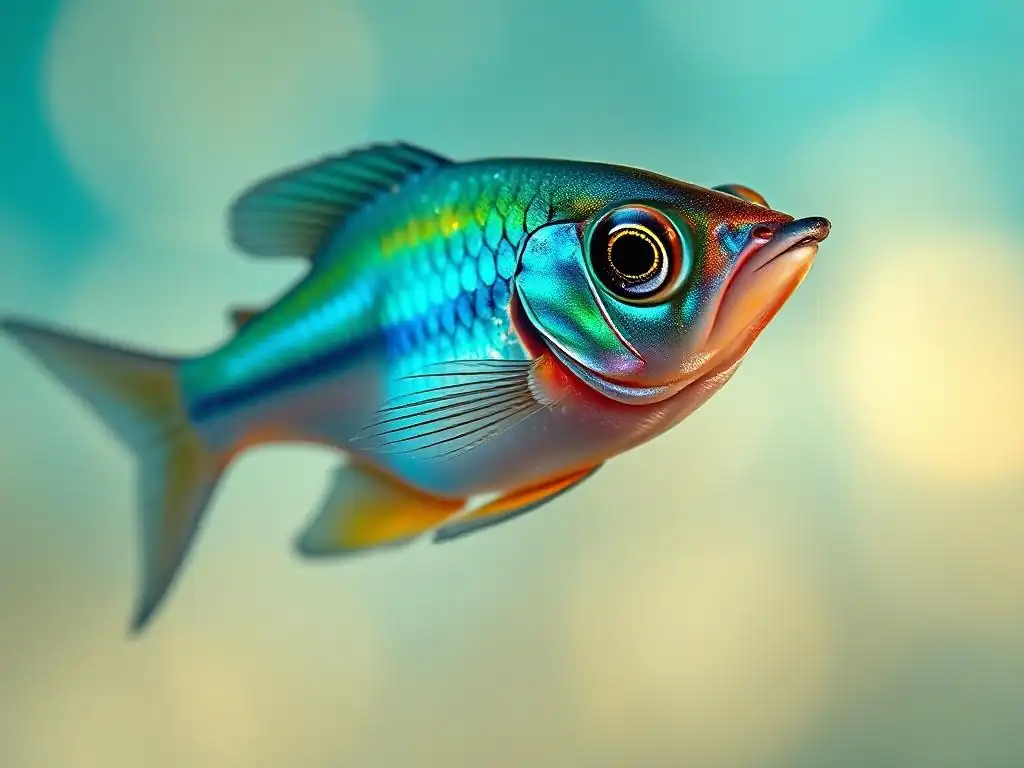
Serpae Tetras are attractive, schooling fish with a deep red coloration. Like Tiger Barbs, they are often marketed as community fish, but they possess a similar propensity for fin-nipping, particularly if not kept in sufficiently large schools of at least 6-8 individuals. When kept in smaller groups, their aggression can escalate, leading them to harass other tank mates, including dwarf cichlids.
Their quick movements and tendency to be boisterous can lead to them nipping at the delicate fins of dwarf cichlids, causing stress and potential injury. While some aquarists report success with large schools in very spacious tanks, the risk of fin damage and stress to dwarf cichlids makes Serpae Tetras generally considered Dwarf cichlid incompatible fish.
Rosy Barbs (Pethia conchonius): Can Be Aggressive
Rosy Barbs are colorful and generally hardy fish that can reach up to 6 inches in length. While often recommended for community tanks, larger or older Rosy Barbs, particularly males, can become surprisingly boisterous and aggressive, especially during breeding or when food is introduced. Their energetic swimming and occasional tendency to chase can translate into fin-nipping behavior towards slower-moving or more delicate fish.
Dwarf cichlids, with their more reserved nature and specific territorial needs, can easily become targets for this aggression. The constant chasing and occasional nipping can cause significant stress and physical harm. Therefore, despite their common inclusion in community setups, Rosy Barbs can prove to be Dwarf cichlid incompatible fish in many situations.
Overly Active Fish: Disrupting the Dwarf Cichlid Environment
The Impact of Hyperactive Fish on Dwarf Cichlid Territory
Hyperactive fish, characterized by their constant, rapid swimming and energetic movements, can significantly disrupt the tranquil environment preferred by dwarf cichlids. While dwarf cichlids are active, they also require periods of calm and defined territories where they feel secure. The continuous darting and chasing of overly active species can invade these established territories, leading to constant perceived threats for the dwarf cichlids.
This constant disturbance prevents dwarf cichlids from settling down, establishing their breeding territories, or even resting properly. The incessant movement can overwhelm their senses and lead to chronic stress, manifesting as faded colors, reluctance to eat, and a general state of anxiety. Such constant agitation makes hyperactive species Dwarf cichlid incompatible fish candidates.
Fish That Compete Too Aggressively for Food with Dwarf Cichlids
Beyond territorial disruption, overly active fish often possess a more aggressive feeding style, which can lead to dwarf cichlids being outcompeted for food. Many dwarf cichlid species are slower, more deliberate eaters, taking their time to forage or retrieve food from the substrate. Faster, more voracious eaters can quickly consume all available food before the dwarf cichlids have a chance to feed adequately.
This food competition can lead to malnutrition, stunted growth, and weakened immune systems for the dwarf cichlids. Even if enough food is offered, the stress of constantly competing for resources can be detrimental. Therefore, fish that are significantly faster or more dominant feeders are often Dwarf cichlid incompatible fish, as they prevent your prized pets from receiving adequate nutrition.
Giant Danios (Devario aequipinnatus): Too Fast and Active
Giant Danios are large, torpedo-shaped schooling fish that can reach up to 4 inches in length. They are incredibly fast and active swimmers, constantly darting around the aquarium, primarily in the upper and middle water columns. While generally peaceful, their sheer speed and constant motion can be overwhelming for the calmer, more deliberate dwarf cichlids.
The ceaseless activity of Giant Danios can create a chaotic environment, preventing dwarf cichlids from establishing territories or feeling secure. Their rapid movements can also startle dwarf cichlids, leading to stress and hiding behavior. This makes Giant Danios a classic example of Dwarf cichlid incompatible fish due to their high energy levels.
Silver Dollars (Metynnis argenteus): Voracious Eaters
Silver Dollars are large, disc-shaped schooling fish that can grow up to 6 inches or more. They are highly active and, more significantly, voracious eaters. While often peaceful towards other fish, their rapid consumption of food can leave little for slower-feeding dwarf cichlids, particularly if they are shy or take time to emerge from hiding spots.
Their large size and energetic swimming can also intimidate smaller dwarf cichlids, contributing to stress and a reluctance to feed in the open. Additionally, Silver Dollars are primarily herbivorous and will readily consume live plants, which are often crucial for dwarf cichlid hiding and breeding. These factors make Silver Dollars Dwarf cichlid incompatible fish.
Tinfoil Barbs (Barbonymus schwanenfeldii): Grow Too Large
Tinfoil Barbs are beautiful, schooling fish that are often sold when small, but they can reach an immense size of 12-14 inches in adulthood. Their large adult size, coupled with their highly active and boisterous nature, makes them completely unsuitable for a tank with dwarf cichlids. A fully grown Tinfoil Barb would dwarf and severely intimidate any dwarf cichlid.
Beyond their intimidating presence, Tinfoil Barbs are powerful swimmers and can create significant turbulence, disrupting the calm environment preferred by dwarf cichlids. Their sheer size and activity level make them a definitive example of Dwarf cichlid incompatible fish, as they would overwhelm and stress any smaller tank mate.
Fish with Similar Ecological Niches: Competition and Conflict
Understanding Niche Competition in the Aquarium
Ecological niche competition occurs when two or more species in the same environment require and compete for the same limited resources. In an aquarium, these resources include territory (hiding spots, breeding sites), food sources (specific types of food, feeding zones), and even ideal water parameters. When species occupy similar niches, direct conflict is almost inevitable, leading to stress, aggression, and a reduced quality of life for one or both parties.
Dwarf cichlids typically inhabit the lower to mid-levels of the tank, often preferring caves, driftwood, and dense plant cover for security and breeding. Introducing other species that also prefer these same zones and require similar hiding spots or food types will lead to direct competition. Understanding these overlapping needs is key to identifying Dwarf cichlid incompatible fish.
Avoiding Fish That Compete for the Same Resources as Dwarf Cichlids
To maintain a peaceful and thriving dwarf cichlid aquarium, it is crucial to avoid tank mates that directly compete for the same ecological niche. This means selecting fish that inhabit different areas of the tank (e.g., upper-level swimmers), have different dietary preferences, or are significantly more peaceful and less territorial. When two species are vying for the same prime real estate or limited food, the more dominant or aggressive species will inevitably prevail, leaving the dwarf cichlids stressed and potentially malnourished.
For instance, if both species prefer the same type of cave for breeding, constant skirmishes will ensue. This continuous conflict prevents the dwarf cichlids from establishing a secure home and can even lead to physical injury. Therefore, a careful assessment of ecological niches is vital to prevent introducing Dwarf cichlid incompatible fish into your setup.
Other Bottom-Dwelling Cichlids: Direct Competition
Introducing other bottom-dwelling cichlid species alongside dwarf cichlids is a recipe for direct territorial conflict. While dwarf cichlids are generally peaceful for cichlids, they are still highly territorial, especially when breeding. Other cichlids that occupy the same bottom or mid-level niche will inevitably clash over prime real estate, hiding spots, and potential breeding sites.
Even if the other cichlid is also a "dwarf" variety, like certain Apistogramma species with different temperaments, or a more robust Nanochromis species, direct competition for the same limited resources will lead to constant stress, chasing, and potential injury. This makes most other bottom-dwelling cichlids, especially those with similar territorial needs, Dwarf cichlid incompatible fish.
Aggressive Catfish Species: Territorial Disputes
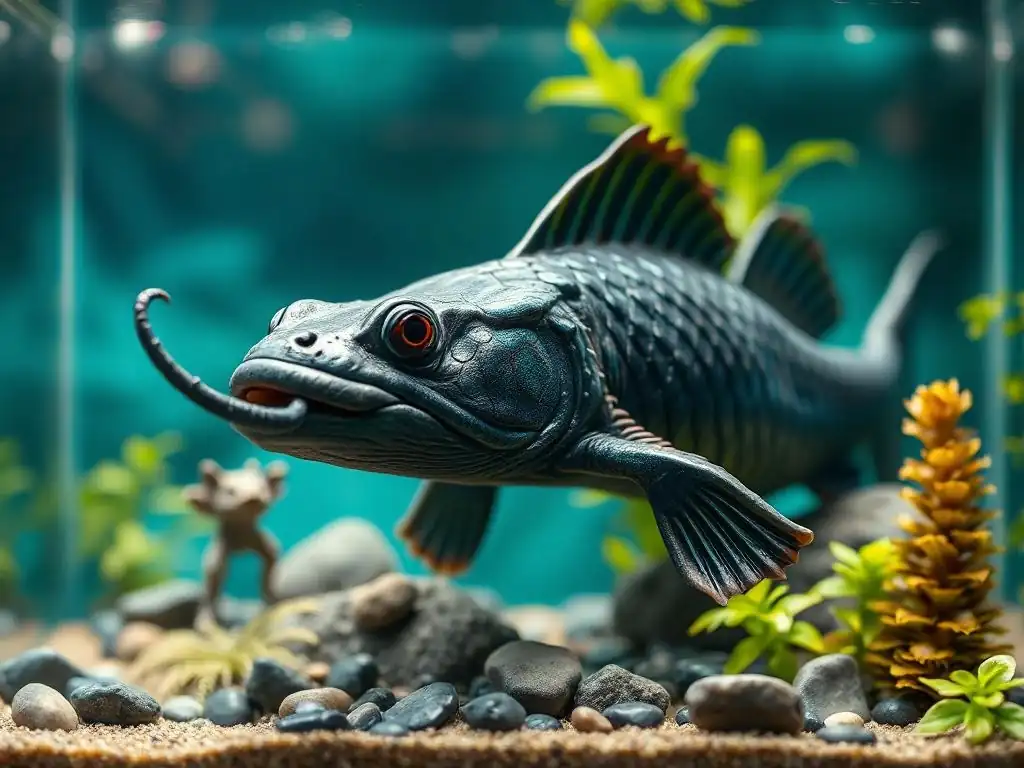
While many catfish species are peaceful bottom dwellers, certain larger or more aggressive types can pose a threat to dwarf cichlids due to territorial disputes or simply their boisterous nature. For example, some larger Synodontis catfish species can become quite territorial, especially as they mature, and may harass or compete with dwarf cichlids for hiding spots and food.
Even non-aggressive but very large catfish, such as certain Pimelodus or Megalodoras species, can inadvertently stress dwarf cichlids simply by their size and activity, displacing them from preferred areas or outcompeting them for food. It is crucial to research specific catfish species, as their temperament and size can vary wildly, making many of them Dwarf cichlid incompatible fish.
Large Plecos: Excessive Waste Production
While most plecos are not directly aggressive, large species like the Common Pleco ( Hypostomus plecostomus), which can grow up to 18 inches, are highly Dwarf cichlid incompatible fish due to their massive bioload. These fish produce an enormous amount of waste, rapidly degrading water quality in all but the largest aquariums. Dwarf cichlids are highly sensitive to poor water conditions and fluctuating parameters.
The constant battle with nitrates and other pollutants caused by a large pleco's waste output will lead to chronic stress, weakened immune systems, and susceptibility to disease for dwarf cichlids. Furthermore, large plecos can inadvertently disturb the substrate and aquascape, disrupting dwarf cichlid territories and potentially dislodging plants or decorations that provide crucial hiding spots.
Fish That Require Different Water Parameters: Ensuring Optimal Health
The Importance of Matching Water Chemistry
Maintaining stable and appropriate water chemistry is the cornerstone of healthy fishkeeping. Fish, including dwarf cichlids, are adapted to specific ranges of pH, temperature, and water hardness found in their natural habitats. Deviations from these ideal parameters cause significant physiological stress, weakening the fish's immune system, impairing organ function, and making them highly susceptible to diseases. For instance, a pH swing of just 0.5 can be stressful, while a 1.0 change can be lethal for sensitive species.
Dwarf cichlids, particularly species like Rams and many Apistogrammas, typically thrive in soft, acidic to neutral water (pH 5.5-7.0) with temperatures ranging from 75-82°F (24-28°C). Introducing fish that require vastly different parameters forces a compromise that will inevitably stress one or both sets of inhabitants, making them Dwarf cichlid incompatible fish choices.
Fish That Need Significantly Different pH, Temperature, or Hardness Levels
When selecting tank mates for dwarf cichlids, it is paramount to ensure that all species can thrive within the same narrow range of water parameters. Attempting to house fish with conflicting needs leads to a "middle ground" that is suboptimal for everyone, causing chronic stress and reducing lifespan. For example, some fish prefer very hard, alkaline water, while others require cool temperatures, neither of which aligns with the needs of most dwarf cichlids.
This mismatch in fundamental environmental requirements is a critical factor in determining Dwarf cichlid incompatible fish. Even if fish are behaviorally compatible, incorrect water chemistry will inevitably lead to health problems, faded colors, and a general failure to thrive for the more sensitive species.
African Cichlids: Require Harder, Alkaline Water
African Cichlids, particularly those from the Rift Valley lakes (Malawi, Tanganyika, Victoria), are perhaps the most prominent example of Dwarf cichlid incompatible fish due to water parameter requirements. These species thrive in very hard, alkaline water with a high pH, typically ranging from 7.8 to 8.5, and often prefer temperatures slightly cooler than many dwarf cichlids. This is in stark contrast to the soft, acidic to neutral water (pH 5.5-7.0) preferred by most South American dwarf cichlids.
Attempting to house African and South American cichlids together would force one group to live in suboptimal conditions, leading to severe stress, disease, and a dramatically shortened lifespan. Furthermore, most African cichlids are also significantly more aggressive and territorial than their dwarf counterparts, exacerbating the incompatibility.
Discus (Symphysodon): Need Very Soft, Acidic Water
Discus fish are majestic cichlids that, like many dwarf cichlids, prefer soft, acidic water. However, Discus typically require even softer water (GH 1-5, pH 5.5-6.5) and significantly higher temperatures (82-86°F or 28-30°C) than the average dwarf cichlid. While some dwarf cichlids (like certain Apistogramma species) can tolerate these temperatures, others, like Rams, prefer slightly cooler conditions (75-80°F).
The extreme sensitivity of Discus to water quality and their need for pristine, very warm water can make them challenging tank mates. Maintaining such high temperatures consistently can stress dwarf cichlids that prefer cooler ranges, and the specific water chemistry for Discus can be too extreme for some dwarf cichlids, making them a difficult and often Dwarf cichlid incompatible fish pairing for all but the most experienced aquarists.
Goldfish (Carassius auratus): Prefer Cooler Temperatures
Goldfish are a common aquarium fish, but they are definitively Dwarf cichlid incompatible fish due to vastly different temperature requirements and their significant bioload. Goldfish are cold-water fish, preferring temperatures between 65-72°F (18-22°C). In contrast, tropical dwarf cichlids require warmer water, typically 75-82°F (24-28°C). Housing them together would force one species to live outside its optimal temperature range, leading to chronic stress and illness.
Beyond temperature, Goldfish produce a substantial amount of waste, leading to rapid accumulation of nitrates and other pollutants. This high bioload would quickly degrade water quality, which is detrimental to sensitive dwarf cichlids that thrive in pristine conditions. The fundamental differences in their environmental needs make Goldfish entirely unsuitable tank mates for dwarf cichlids.
Schooling Fish That Stress Dwarf Cichlids: Minimizing Anxiety
How Large Schools of Fish Can Intimidate Dwarf Cichlids
While many dwarf cichlids appreciate the presence of small, peaceful schooling fish as dithers (fish that signal safety), overly large or boisterous schools can have the opposite effect, intimidating and stressing these relatively small and often shy cichlids. A constant flurry of activity from dozens of fast-moving fish can make dwarf cichlids feel overwhelmed and exposed, preventing them from establishing territories or even venturing out to feed.
This can be particularly problematic during breeding, when dwarf cichlids become more territorial and require a sense of security to successfully spawn and raise fry. A large, active school can easily disrupt their breeding attempts, leading to failed spawns or even aggression from the stressed cichlids. Therefore, careful consideration of schooling fish type and numbers is essential to avoid Dwarf cichlid incompatible fish pairings.
Schooling Fish That Are Too Boisterous for a Peaceful Cichlid Tank
Not all schooling fish are created equal when it comes to temperament. Some species, despite their schooling nature, are simply too energetic, fast, or even prone to occasional aggression (like fin-nipping) to be ideal tank mates for the generally calmer dwarf cichlids. These boisterous species can create a constantly agitated environment that undermines the peace and stability dwarf cichlids need to thrive.
The constant, rapid movement can lead to dwarf cichlids spending most of their time in hiding, experiencing chronic stress, and potentially even being outcompeted for food. It is essential to differentiate between peaceful, mid-water schooling fish and those whose activity levels or occasional aggression make them Dwarf cichlid incompatible fish.
Red Eye Tetras (Moenkhausia sanctaefilomenae): Can Be Overly Active
Red Eye Tetras are hardy, active schooling fish that can grow up to 2.5 inches. While generally peaceful and attractive with their prominent red eyes, they are known for their energetic swimming and can be quite boisterous, especially in smaller tanks. Their constant darting movements throughout the mid and upper water columns can be overwhelming for more sedate dwarf cichlids.
The high activity level of a school of Red Eye Tetras can create an environment that feels too chaotic for the territorial and sometimes shy dwarf cichlids, leading to stress and a reluctance to emerge from hiding. For this reason, Red Eye Tetras are often considered Dwarf cichlid incompatible fish in tanks specifically designed for the calm observation of dwarf cichlids.
Black Skirt Tetras (Gymnocorymbus ternetzi): Sometimes Fin-Nip
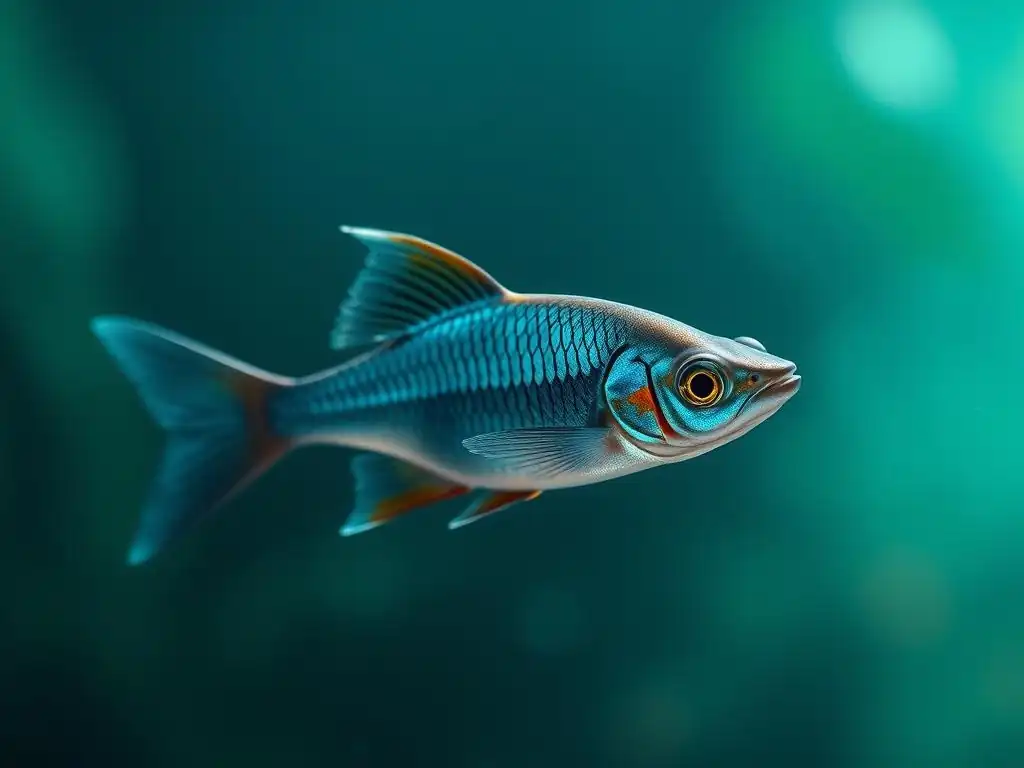
Black Skirt Tetras are popular, hardy schooling fish, growing to about 2-3 inches. While often peaceful, they can occasionally display fin-nipping behavior, particularly if not kept in large schools of 6-8 individuals or more, or if food is scarce. Their tendency to nip can be problematic for dwarf cichlids, which often have delicate, flowing fins.
Even if the nipping is infrequent, the cumulative stress and potential for fin damage make them a questionable choice for dwarf cichlid tanks. The risk of injury and the constant low-level stress from potential harassment classify Black Skirt Tetras as potentially Dwarf cichlid incompatible fish.
Congo Tetras (Phenacogrammus interruptus): Need a Larger Tank
Congo Tetras are stunning, active schooling fish known for their iridescent colors and flowing fins. Males can reach up to 3.5 inches, and they require a school of at least 6-8 individuals. While generally peaceful, their large size and active swimming style mean they need a spacious aquarium (50 gallons or more) to truly thrive. In smaller tanks, their boisterous nature can overwhelm smaller or more reserved tank mates.
Their energetic movements and need for open swimming space can conflict with the dwarf cichlids' preference for defined territories and calmer areas. While not aggressive, their sheer activity and size in a tank not adequately large can make them a source of stress. Thus, without a very spacious setup, Congo Tetras can be Dwarf cichlid incompatible fish.
Choosing Suitable Tank Mates for Dwarf Cichlids: Creating a Harmonious Community
Peaceful Community Fish Options for Dwarf Cichlid Aquariums
Creating a harmonious aquarium for dwarf cichlids involves carefully selecting peaceful community fish that complement their temperament and occupy different areas of the tank. Ideal tank mates are those that are not aggressive, do not fin-nip, are not overly active, and thrive in similar water parameters. They should also be small enough not to intimidate the dwarf cichlids and preferably inhabit the mid to upper water columns, leaving the lower levels primarily for the cichlids.
Examples include various peaceful tetra species (like Neons, Cardinals, Rummynoses), small rasboras, and certain peaceful bottom-dwellers like Corydoras catfish. These species provide dither fish benefits, signaling safety to the cichlids without posing a threat or causing undue stress, ensuring you avoid Dwarf cichlid incompatible fish scenarios.
Considering Tank Size and Aquascaping for a Balanced Ecosystem
Beyond species selection, tank size and aquascaping are critical factors in creating a balanced ecosystem for dwarf cichlids. Even with compatible species, an undersized tank can lead to aggression and stress due to insufficient territory. A minimum of 20 gallons (approximately 75 liters) is often recommended for a pair of dwarf cichlids, with larger tanks (30-40+ gallons) providing more flexibility for additional tank mates.
Proper aquascaping, including dense planting, driftwood, and rock formations, creates visual barriers and numerous hiding spots. This allows dwarf cichlids to establish territories and retreat when feeling threatened, while also providing refuge for other tank mates. Adequate space and intricate aquascaping significantly reduce the likelihood of conflict and stress, even with potentially borderline Dwarf cichlid incompatible fish.
Cardinal Tetras (Paracheirodon axelrodi): Peaceful and Colorful
Cardinal Tetras are among the most popular and suitable tank mates for dwarf cichlids. They are peaceful, small (up to 2 inches), and primarily inhabit the mid to upper water columns, rarely venturing into the dwarf cichlids' bottom territories. Their vibrant colors provide a beautiful contrast, and their schooling behavior offers a sense of security for the cichlids without being overwhelming.
They thrive in similar soft, acidic to neutral water parameters and temperatures that dwarf cichlids prefer. Keeping them in a school of at least 6-10 individuals provides them with security and enhances their natural schooling behavior. Cardinal Tetras are a prime example of a perfectly compatible species, far from Dwarf cichlid incompatible fish.
Corydoras Catfish: Peaceful Bottom Dwellers
Corydoras catfish are an excellent choice for the bottom of a dwarf cichlid tank. They are peaceful, small (typically 1-3 inches depending on species), and spend their time sifting through the substrate for food, rarely interacting directly with the dwarf cichlids. They occupy a distinct niche, acting as scavengers and keeping the bottom clean without competing for territories or resources.
Corydoras thrive in similar water parameters and temperatures as dwarf cichlids and are known for their calm demeanor. Keeping them in schools of at least five individuals ensures their well-being. Their non-aggressive nature and complementary role make them highly recommended tank mates, the opposite of Dwarf cichlid incompatible fish.
Harlequin Rasboras (Trigonostigma heteromorpha): Peaceful and Active
Harlequin Rasboras are small (up to 2 inches), peaceful schooling fish that primarily inhabit the mid-water column. Their calm demeanor and attractive copper coloration make them an ideal choice for a dwarf cichlid community tank. They are not known for fin-nipping or excessive activity, allowing dwarf cichlids to maintain their territories without disturbance.
They prefer soft, acidic water and temperatures similar to those favored by most dwarf cichlids, making them an excellent match in terms of water chemistry. Keeping them in schools of 8-10 or more enhances their schooling behavior and provides a peaceful, active element to the tank. Harlequin Rasboras are a great example of a harmonious tank mate, not Dwarf cichlid incompatible fish.
Conclusion: Prioritizing Compatibility for Healthy Dwarf Cichlids
The Long-Term Benefits of Selecting Appropriate Tank Mates
The meticulous selection of appropriate tank mates for your dwarf cichlids yields numerous long-term benefits that extend far beyond simply preventing aggression. A well-matched community promotes reduced stress levels, which directly translates to a stronger immune system and a significantly lower susceptibility to common aquarium diseases. Healthy dwarf cichlids display more vibrant colors, exhibit natural behaviors such as foraging, courtship rituals, and even successful breeding, enriching the entire aquarium experience.
Furthermore, a harmonious tank reduces the need for interventions like disease treatments or rehoming fish, saving time, effort, and resources. By thoroughly researching and understanding the needs and temperaments of potential tank mates, aquarists can cultivate a thriving, peaceful ecosystem where dwarf cichlids can truly flourish, ensuring their longevity and vitality for years to come. Avoiding Dwarf cichlid incompatible fish is the key to this success.
Resources for Further Research on Dwarf Cichlid Compatibility.
While this article provides extensive guidance on avoiding Dwarf cichlid incompatible fish, the world of aquarium keeping is vast and constantly evolving. Continuous learning and research are invaluable for any dedicated aquarist. Reputable online forums, specialized dwarf cichlid communities, and comprehensive fishkeeping books offer a wealth of detailed information on specific species, their care requirements, and nuanced compatibility considerations. Consulting multiple sources and observing the behavior of your own fish are crucial steps in making informed decisions for your aquarium.
Frequently Asked Questions
What types of fish should I absolutely avoid keeping with dwarf cichlids?
Avoid aggressive or fin-nipping fish like tiger barbs, serpae tetras, and larger cichlids. These can stress dwarf cichlids or outcompete them for food. Also, avoid extremely small fish that could be viewed as food.
Why are certain fish considered "incompatible" with dwarf cichlids?
Incompatibility typically stems from differences in temperament, size, or environmental needs. Aggressive fish can bully dwarf cichlids, while overly active species can cause them stress.
Can I keep schooling fish with my dwarf cichlids? If so, which ones?
Yes, but choose carefully! Consider peaceful, small schooling fish like ember tetras or harlequin rasboras. Ensure they are not fin-nippers and that the tank is large enough to accommodate both groups.
How does tank size affect the compatibility of dwarf cichlids with other fish?
A larger tank size generally increases compatibility. It provides more space for fish to establish territories and avoid conflict, reducing stress on the dwarf cichlids.
What happens if I ignore the advice and keep incompatible fish with my dwarf cichlids?
You risk stressing your dwarf cichlids, leading to weakened immune systems, disease, and potentially death. Incompatible tankmates can also outcompete them for resources like food and hiding spots.
Final Reflection: Harmony in the Aquarium
The delicate balance of an aquarium ecosystem, as we've explored, hinges on understanding compatibility. Protecting your prized dwarf cichlids isn't just about choosing the right food or maintaining water parameters; it's about carefully curating a community where every member can thrive without becoming a source of stress or danger. Ignoring these principles can lead to devastating consequences, underscoring the importance of informed decision-making in the world of aquascaping.
This careful consideration of tank mates extends beyond the glass walls of our aquariums. It reflects a broader need to understand and respect the intricate relationships within any ecosystem, whether natural or artificial. The choices we make, even in seemingly small environments, have ripple effects. The best way to predict the future is to create it.
– Peter Drucker. This quote resonates deeply, reminding us that the future of our aquariums, and indeed, the health of our planet, lies in our hands and the conscious choices we make today.
Now, armed with this knowledge, consider how you can apply these principles of compatibility and responsible stewardship to other areas of your life. Are there "incompatible fish" in your own social circles or professional environments? How can you foster harmony and understanding, ensuring that everyone has the opportunity to flourish? Let this article be a catalyst for mindful decision-making, not just in your aquarium, but in all aspects of your life, creating a more balanced and thriving world for all.
Unleash a Thriving Cichlid Haven!
Thank you for diving into the world of dwarf cichlid compatibility! We hope you've gained valuable insights into creating a harmonious aquarium. Now, let's turn that knowledge into action and ensure your cichlids flourish.
Here's how you can take the next step:
- Act now: Re-evaluate your current tank mates against the criteria discussed and make informed decisions to remove any potential threats.
- Dive deeper: Research specific tank mate experiences within the dwarf cichlid community forums to learn from others' successes and failures.
- Share the wisdom: Pass on this guide to fellow aquarium enthusiasts to help them avoid common cichlid keeping pitfalls.
What adjustments will you make to your tank this week to foster a better environment for your dwarf cichlids?