
Aquascaping for Severums: Can Planted Tanks and Gentle Giants Coexist?

Welcome to Aquarium Mastery!
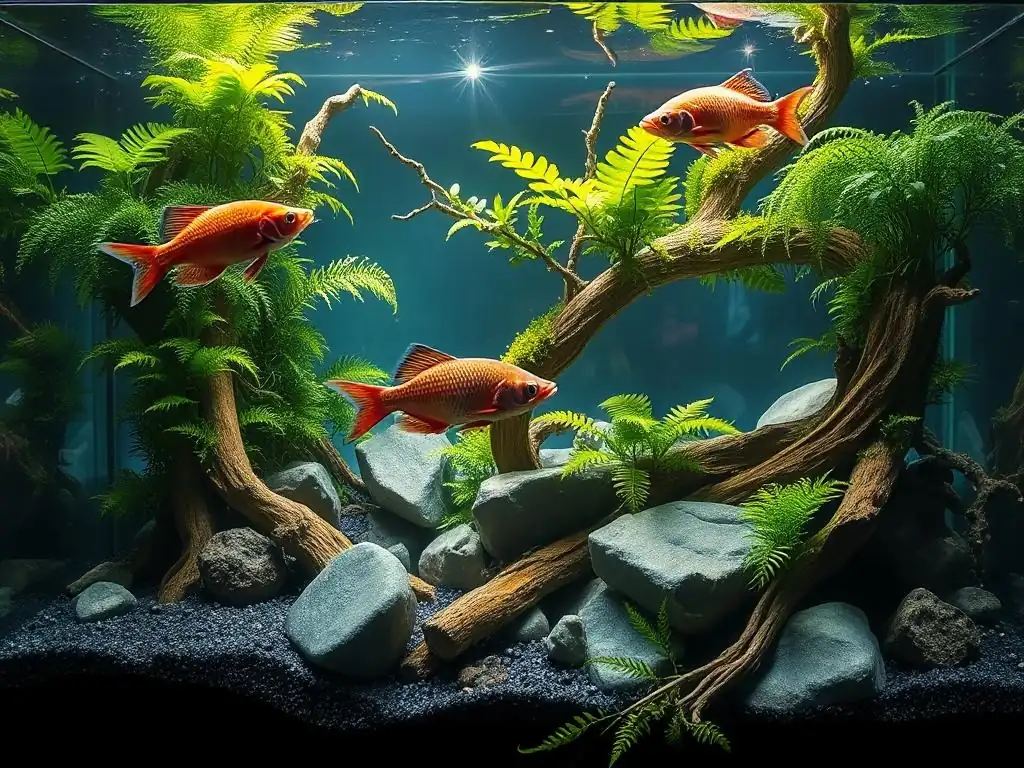
Ever wondered if you could create a lush, living underwater paradise with the majestic Severum as its centerpiece? It's more attainable than you think! Dive into our latest article where we unlock the secrets of Severum planted tank aquascaping, exploring how to harmonize these gentle giants with a thriving planted environment. Intrigued? Let's uncover the possibilities together...
- Understanding Severums and Their Compatibility with Planted Aquariums
- Selecting the Right Plants for a Severum Aquarium
- Aquascaping Design Principles for Severum Tanks
- Setting Up Your Severum Planted Tank: A Step-by-Step Guide
- Maintaining a Healthy Severum Planted Tank
- Choosing Tank Mates for Severums in a Planted Aquarium
- Troubleshooting Common Issues in Severum Planted Tanks
- Examples of Successful Severum Planted Tank Aquascapes
- Conclusion: Achieving Harmony in a Severum Planted Aquarium
-
Frequently Asked Questions
- How compatible are Severums with live plants in an aquascape?
- What are some of the best plant choices for a Severum planted tank?
- What aquascaping techniques can help protect plants from Severums?
- How does water chemistry play a role in a successful Severum planted tank aquascape?
- What are some common mistakes to avoid when aquascaping a Severum tank?
- Final Reflection: Harmony in the Depths
- Unleash Your Dream Severum Aquascape!
Understanding Severums and Their Compatibility with Planted Aquariums
Severum Cichlid Profile: Temperament, Size, and Natural Habitat
Severum cichlids, primarily Heros severus and Heros efasciatus, are often dubbed "Gentle Giants" within the cichlid family due to their generally peaceful demeanor compared to more aggressive New World cichlids like Oscars. These intelligent and curious fish exhibit a range of fascinating behaviors, from intricate social interactions to parental care. While they can be territorial, especially during breeding, their aggression is typically directed towards conspecifics or similar-looking fish, making them a popular choice for larger community aquariums. Their mild temperament is a key factor when considering a Severum planted tank aquascaping project.
Originating from the slow-moving rivers, floodplains, and tributaries of the Amazon Basin in South America, Severums thrive in environments rich with submerged roots, driftwood, and leaf litter. Adult Severums can reach an impressive size, typically growing between 8 to 12 inches (20-30 cm) in length, and can live for 10 to 15 years with proper care. Their natural diet is omnivorous, consisting of plant matter, detritus, small insects, and crustaceans, which is a crucial aspect to consider when planning a Severum planted tank aquascape, as their natural foraging habits can impact delicate aquatic plants.
The Challenge of Keeping Plants with Severums: Potential Issues
The primary challenge in creating a thriving Severum planted tank aquascape stems from their natural behaviors: digging and foraging. Severums are known to sift through substrate, especially when searching for food or preparing breeding sites. This digging can easily uproot plants, particularly those with shallow root systems or those that are not firmly anchored. Once uprooted, plants can float to the surface, become damaged, or decay, leading to poor water quality if not removed promptly.
Beyond digging, their omnivorous diet means that Severums may occasionally nibble on or consume softer plant leaves. While they are not obligate herbivores like some African cichlids, a Severum might see a tender plant shoot as a tasty snack, especially if their diet is deficient in vegetable matter. This can lead to unsightly damage, stunted plant growth, and ultimately, the demise of less robust plant species. Therefore, careful selection of plant species and proper feeding are paramount for successful Severum planted tank aquascaping.
Key Considerations for a Successful Severum Planted Tank
Achieving a harmonious Severum planted tank aquascape requires careful planning, primarily focusing on plant resilience and tank setup. The most critical consideration is the selection of robust, hardy plant species that can withstand both the Severum's occasional nibbling and their digging tendencies. Plants with tough leaves, strong root systems, or those that can be securely attached to hardscape elements are ideal. Prioritizing durability over delicate aesthetics will significantly increase the chances of success in your Severum planted tank.
Furthermore, the overall aquascape design must account for the Severum's size and behavior. Providing ample swimming space, strategic placement of hardscape elements, and a suitable substrate are essential.
A minimum tank size of 75 gallons (280 liters) for a single adult Severum, or 125 gallons (470 liters) for a pair or small group, is recommended to minimize territorial disputes and provide enough room for both fish and plants. Securing plants firmly, potentially by weighting them or attaching them to rocks and driftwood, is a vital technique to prevent them from being uprooted during the Severum's natural activities, making Severum planted tank aquascaping a rewarding challenge.
Selecting the Right Plants for a Severum Aquarium
Hardy Plant Species That Can Withstand Severum Attention
When undertaking Severum planted tank aquascaping, the selection of robust plant species is paramount. These "gentle giants" can be surprisingly destructive to delicate flora through their digging and occasional nibbling. Therefore, plants chosen for a Severum aquarium must possess strong root systems, tough leaves, or the ability to be securely anchored to hardscape. Focusing on species known for their durability and resilience will significantly increase the longevity and aesthetic appeal of your aquascape.
Examples of suitable plants include various Anubias species, Java Fern, and certain types of Vallisneria. These plants are not only visually appealing but also offer the structural integrity needed to coexist with active cichlids. Their adaptability to a range of water parameters, including those typically maintained for Severums (pH 6.0-7.5, temperature 75-82°F or 24-28°C), further solidifies their suitability for Severum planted tank aquascaping.
Anubias: A Low-Maintenance Option for Severum Tanks
Anubias species (e.g., Anubias barteri, Anubias nana, Anubias coffeefolia) are among the most popular and reliable choices for Severum planted tank aquascaping. Their thick, leathery leaves are generally unappealing to Severums for consumption, and their rhizomatous growth habit means they do not rely on deep substrate roots. Instead, Anubias can be attached to driftwood or rocks using fishing line or super glue, preventing them from being uprooted by the Severum's digging activities.
These plants are incredibly low-maintenance, tolerating a wide range of lighting conditions from low to moderate and requiring minimal fertilization. Their slow growth rate also means less frequent pruning, making them an excellent, stable foundation for any Severum aquascape. The robust nature and ease of securing Anubias make them an indispensable element for successful Severum planted tank aquascaping.
Java Fern: Durable and Easy to Propagate in Cichlid Aquariums
Java Fern ( Microsorum pteropus) is another highly recommended plant for Severum planted tank aquascaping due to its exceptional durability and unique growth habit. Similar to Anubias, Java Fern is a rhizome-based plant that can be easily attached to hardscape elements like driftwood or rocks, preventing it from being dislodged. Its tough, somewhat bitter-tasting leaves are rarely bothered by Severums, making it a safe choice for their environment.
This plant thrives in low to moderate lighting and is highly adaptable to various water parameters, making it forgiving for aquarists. Java Fern propagates readily by forming new plantlets on its leaves, which can then be gently detached and reattached elsewhere, allowing for easy expansion of your Severum planted tank aquascape. Its resilience and propagation ease make it an excellent choice for adding lush greenery without significant risk of damage from your Severums.
Vallisneria: A Fast-Growing Plant for Severum Aquascapes
Vallisneria, often referred to as "Vals" (e.g., Vallisneria spiralis, Vallisneria americana), can be a viable option for Severum planted tank aquascaping, provided certain considerations are met. These plants have a strong root system and a rapid growth rate, which can help them recover from any minor disturbances or nibbling. Their long, ribbon-like leaves create a natural backdrop and provide excellent cover for fish.
While their roots are relatively strong, securing them deeply in the substrate is crucial to prevent uprooting. Providing a good substrate depth (at least 3-4 inches or 7-10 cm) will help anchor them effectively. The fast growth of Vallisneria can sometimes outpace damage from Severums, making it a dynamic and beneficial addition to a Severum planted tank aquascape, especially for creating a dense, naturalistic feel.
Plants to Avoid in a Severum Planted Tank: Vulnerable Species
When designing a Severum planted tank aquascape, it is equally important to know which plants are likely to fail. Many common aquarium plants, while beautiful, are simply too delicate to withstand the natural behaviors of Severums. These include species with soft, tender leaves, shallow root systems, or those that are particularly appealing as a food source. Attempting to keep these vulnerable plants will often lead to frustration, plant destruction, and potential water quality issues from decaying plant matter.
Examples of plants to avoid include most stem plants with delicate foliage, such as Rotala species, Ludwigia, and Cabomba. Similarly, foreground carpeting plants like Dwarf Hairgrass or Monte Carlo, which rely on extensive, shallow root networks, are highly susceptible to being uprooted. Cryptocoryne species, while somewhat hardy, can be prone to "Crypt melt" if disturbed, and their initial fragility makes them a risky choice for Severum planted tank aquascaping. Prioritizing hardiness over visual appeal for these specific plants will save you time and resources.
Aquascaping Design Principles for Severum Tanks
Creating a Severum-Friendly Environment: Space and Hiding Places
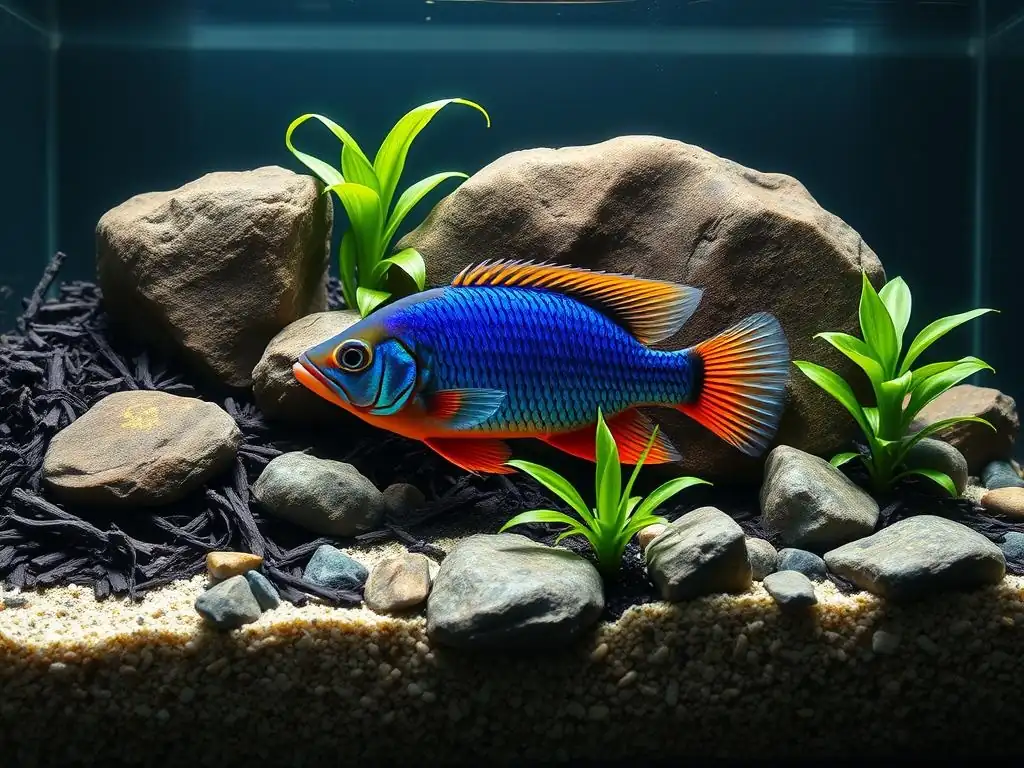
Effective Severum planted tank aquascaping goes beyond just selecting hardy plants; it involves designing an environment that caters to the fish's natural behaviors while allowing plants to thrive. Severums, despite their "gentle giant" moniker, are still cichlids that appreciate ample space for swimming and clear territories. A well-designed aquascape should provide open swimming areas, particularly in the mid to upper water column, allowing these relatively large fish to move freely and comfortably.
Simultaneously, incorporating numerous hiding places and visual barriers is crucial for reducing stress and preventing aggression, especially in a community setting or with multiple Severums. These hiding spots can be created using large pieces of driftwood, rock formations, or dense groupings of robust plants. Such structures not only offer refuge but also help define territories, minimizing conflict and promoting a sense of security for the fish within your Severum planted tank aquascape.
Substrate Selection: Choosing the Right Bottom Layer for Plants and Severums
The choice of substrate is a fundamental aspect of Severum planted tank aquascaping, as it serves multiple functions: anchoring plants, providing a medium for beneficial bacteria, and catering to the Severum's sifting behavior. A fine to medium-grade sand or smooth gravel (2-4mm) is generally recommended. This type of substrate is gentle on the Severum's mouth and gills as they sift through it, preventing injuries that can occur with sharper or coarser materials.
For planted tanks, a nutrient-rich substrate designed for aquatic plants can be used as a base layer, capped with an inert top layer of sand or gravel. This provides essential nutrients for rooted plants while preventing the Severums from constantly disturbing the enriched layer. A substrate depth of at least 3-4 inches (7-10 cm) is advisable, especially for rooted plants, to provide sufficient anchoring against the Severum's natural digging. This depth also allows for proper root development, contributing to a more stable and healthy Severum planted tank aquascape.
Hardscape Elements: Rocks, Wood, and Their Role in Severum Aquascaping
Hardscape elements—rocks and driftwood—are indispensable in Severum planted tank aquascaping, serving both functional and aesthetic purposes. Functionally, they provide critical hiding spots and visual barriers, reducing stress and territorial disputes among Severums. Aesthetically, they mimic the natural habitats of Severums, creating a more authentic and visually appealing environment. Furthermore, these elements offer ideal surfaces for attaching epiphytic plants like Anubias and Java Fern, which are excellent choices for Severum tanks due to their resilience.
When arranging hardscape, consider creating distinct zones and sight breaks. Large, stable pieces of driftwood can be positioned to form intricate root-like structures, while smooth, rounded rocks can be stacked to create caves or ledges. Ensuring all hardscape is stable and cannot be toppled by the active Severums is paramount for safety. This careful integration of rocks and wood is key to a successful Severum planted tank aquascape, offering both structural integrity and natural beauty.
Selecting Safe and Suitable Rocks for a Severum Tank
When incorporating rocks into your Severum planted tank aquascape, safety and suitability are the primary concerns. All rocks must be inert, meaning they will not leach harmful minerals or alter water parameters (pH, hardness) significantly. Common safe choices include slate, basalt, lava rock, and river stones. Limestone and marble, which can increase water hardness and pH, should generally be avoided unless your water source is very soft and you specifically aim for higher pH.
Before placing any rocks, thoroughly clean them by scrubbing off any dirt or debris and boiling or soaking them to sterilize. Arrange rocks in stable configurations, ensuring they are firmly placed on the tank bottom, ideally before adding substrate, to prevent them from shifting or falling if a large Severum digs around them. This attention to detail in rock selection and placement contributes significantly to the long-term stability and safety of your Severum planted tank aquascape.
Using Driftwood to Create Natural Hiding Spots
Driftwood is an essential hardscape element for Severum planted tank aquascaping, offering both aesthetic appeal and practical benefits. Its natural appearance beautifully mimics the submerged roots and branches found in the Amazonian habitats of Severums, creating a more authentic biotope. More importantly, driftwood provides numerous crevices, nooks, and crannies that serve as excellent hiding spots and visual barriers for Severums, helping to reduce stress and territorial aggression.
Beyond providing shelter, driftwood can also release beneficial tannins into the water, which can slightly lower pH and provide a natural anti-bacterial effect, mimicking the blackwater conditions found in some Severum habitats. Ensure any driftwood used is aquarium-safe, such as Malaysian driftwood, Mopani wood, or Manzanita. Thoroughly soak or boil new pieces to remove excess tannins and make them sink before adding them to your Severum planted tank aquascape.
Setting Up Your Severum Planted Tank: A Step-by-Step Guide
Tank Size and Dimensions: Providing Adequate Space for Severums
The foundation of a successful Severum planted tank aquascape begins with selecting an appropriately sized aquarium. Severums are large cichlids that require substantial space to thrive, both for their physical growth and to minimize stress and aggression in a planted environment. For a single adult Severum, a minimum tank size of 75 gallons (approximately 280 liters) is recommended. This provides ample swimming room and allows for sufficient space to incorporate plants and hardscape without overcrowding.
For a pair or a small group of Severums, a tank of 125 gallons (approximately 470 liters) or larger is ideal. Larger tanks offer more stable water parameters and more room for each fish to establish its territory, which is crucial for reducing conflicts, especially during breeding. The tank's footprint is often more important than its height; a longer and wider tank provides more horizontal swimming space and surface area for gas exchange, which benefits both the Severums and the plants in your Severum planted tank aquascape.
Filtration and Water Parameters: Maintaining a Healthy Environment
Maintaining pristine water quality is critical for the health of both Severums and aquatic plants in a Severum planted tank aquascape. Severums are large fish that produce a significant bio-load, necessitating robust filtration. A combination of mechanical, biological, and chemical filtration is highly recommended. Canister filters are often preferred for larger tanks due to their efficiency, capacity, and ability to handle high flow rates, ensuring efficient removal of detritus and ammonia.
Consistent water parameters are also vital. Severums thrive in soft to medium-hard water with a pH range of 6.0 to 7.5, and a temperature of 75-82°F (24-28°C). Regular testing for ammonia, nitrite, nitrate, and pH is essential. While plants help absorb nitrates, routine water changes (25-30% weekly) are still necessary to replenish essential minerals, remove accumulated waste, and maintain stable conditions for a healthy Severum planted tank aquascape.
Lighting Considerations: Achieving Optimal Plant Growth and Severum Well-being
Lighting in a Severum planted tank aquascape must strike a balance between supporting healthy plant growth and ensuring the comfort of the fish. While many hardy plants suitable for Severum tanks (like Anubias and Java Fern) thrive under moderate to low light, providing adequate illumination for other potential plants without promoting excessive algae growth is key. LED lighting systems are highly recommended due to their energy efficiency, tunable spectrums, and long lifespan.
Aim for a moderate light intensity, typically 20-30 PAR (Photosynthetically Active Radiation) at the substrate level, for 8-10 hours per day. Too much light can stress Severums, as they prefer more subdued environments, and can also lead to rampant algae blooms. Conversely, too little light will stunt plant growth. Selecting a light that allows for customization of intensity and spectrum can help optimize conditions for both the plants and the Severums in your Severum planted tank aquascape.
Planting Techniques: Securing Plants Against Severum Activity
One of the most crucial aspects of successful Severum planted tank aquascaping is employing secure planting techniques to prevent plants from being uprooted. For rhizome-based plants like Anubias and Java Fern, the key is to attach them firmly to hardscape elements. This can be done using aquarium-safe super glue (cyanoacrylate gel) or by tying them with cotton thread or fishing line until their roots naturally adhere to the rock or wood. Ensure the rhizome itself is not buried in the substrate, as this can cause it to rot.
For rooted plants like Vallisneria, plant them deeply into the substrate, ensuring at least 3-4 inches of substrate depth. Consider placing larger, heavier rocks around the base of newly planted rooted specimens to act as a barrier against digging. Additionally, allow plants to establish themselves for several weeks, or even a couple of months, before introducing the Severums, if possible. This allows roots to firmly anchor, significantly increasing their chances of survival in your Severum planted tank aquascape.
Maintaining a Healthy Severum Planted Tank
Water Changes and Tank Cleaning: Preventing Algae Growth
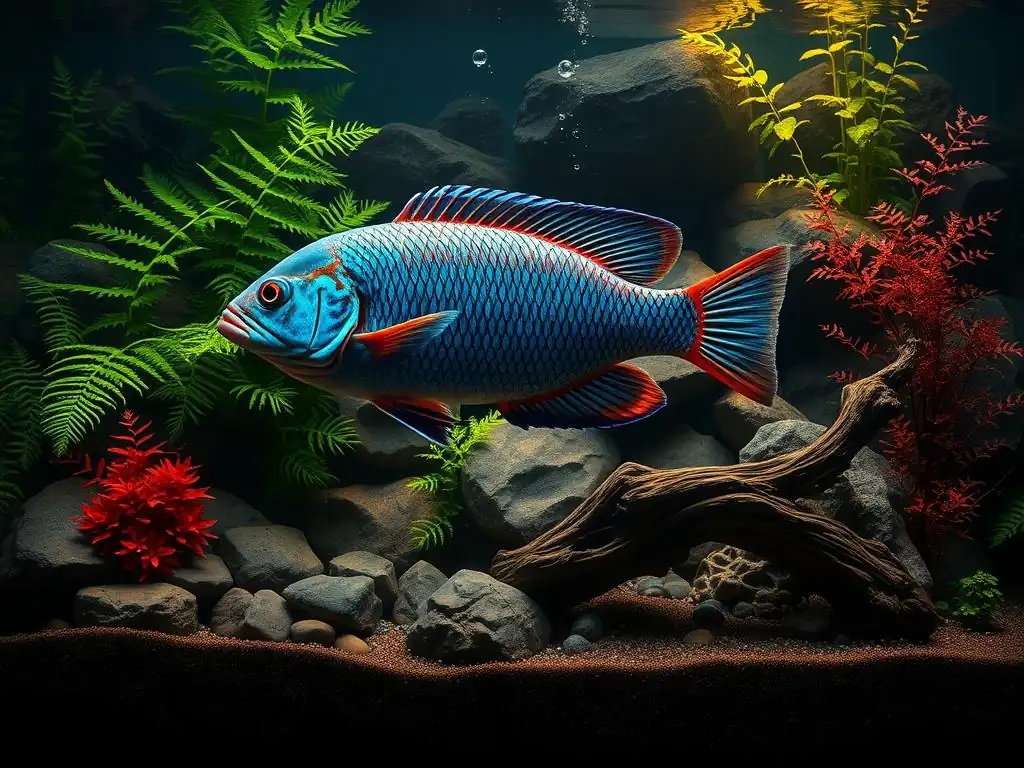
Regular water changes are paramount for maintaining a healthy Severum planted tank aquascape, despite the presence of plants that absorb nitrates. Severums are large fish that contribute significantly to the bioload, and while plants utilize nitrates, other waste products and dissolved organic compounds can accumulate. Performing weekly water changes of 25-30% is generally recommended. This not only removes pollutants but also replenishes essential minerals that plants and fish consume, contributing to overall stability.
Alongside water changes, consistent tank cleaning helps prevent unsightly algae growth, a common issue in planted tanks. Regularly siphoning the substrate to remove detritus, wiping down the tank glass, and pruning any decaying plant leaves are essential tasks. Leftover food and fish waste provide nutrients for algae, so diligent cleaning is crucial for maintaining a clean and aesthetically pleasing Severum planted tank aquascape.
Fertilization: Providing Nutrients for Plant Growth
Even with a nutrient-rich substrate, plants in a Severum planted tank aquascape will eventually deplete available nutrients, necessitating a fertilization regimen. The type and amount of fertilizer depend on the plant species, light intensity, and CO2 injection (if any). For tanks with moderate lighting and hardy plants, a comprehensive liquid all-in-one fertilizer administered weekly after water changes is often sufficient. This ensures that plants receive essential macro and micronutrients like nitrogen, phosphorus, potassium, iron, and trace elements.
It's crucial to monitor plant health for signs of deficiencies, such as yellowing leaves (iron deficiency), stunted growth (nitrogen or phosphorus deficiency), or holes in leaves (potassium deficiency). Adjusting fertilization based on these visual cues will ensure your plants remain vibrant and healthy. Balancing nutrient levels is key to robust plant growth without contributing to excessive algae, making it a vital component of successful Severum planted tank aquascaping.
Monitoring Severum Behavior: Identifying Potential Problems
Continuous observation of your Severums' behavior is a critical aspect of maintaining a healthy Severum planted tank aquascape. Changes in behavior can often be the first indicator of environmental stress, disease, or issues within the aquascape. Look for signs such as lethargy, clamped fins, rapid breathing, loss of appetite, or unusual swimming patterns. These could indicate poor water quality, parasitic infections, or other health concerns that require immediate attention.
Regarding plant interactions, observe if Severums are excessively digging around specific plants or persistently nibbling on leaves. While some minor interaction is normal, consistent destructive behavior might suggest insufficient food, boredom, or a need to re-evaluate plant placement or security. Early identification of these issues allows for prompt intervention, whether it's adjusting feeding, reinforcing plant anchors, or treating a health concern, ensuring the long-term success of your Severum planted tank aquascape.
Choosing Tank Mates for Severums in a Planted Aquarium
Compatible Fish Species for a Severum Community Tank
Selecting appropriate tank mates is crucial for a harmonious Severum planted tank aquascape. Despite their "gentle giant" reputation, Severums are still cichlids and can exhibit territorial behavior, especially as they mature or during breeding. Compatible tank mates should be similarly sized, robust enough to handle the Severum's presence, and not overly aggressive. They should also prefer similar water parameters and temperatures.
Excellent choices for a Severum community tank include other large, peaceful South American cichlids like Uaru cichlids, Geophagus species (Earth Eaters), or even other Severum varieties if the tank is sufficiently large (125 gallons+). Large, peaceful schooling fish such as Silver Dollars, Congo Tetras, or various larger Rainbowfish species can also make good companions, occupying the mid to upper levels of the tank and adding dynamic movement without competing for bottom space. Avoid very small fish that could be seen as prey or overly aggressive cichlids that could stress the Severums.
Invertebrates in a Severum Tank: Snails and Shrimp Considerations
Incorporating invertebrates into a Severum planted tank aquascape requires careful consideration, as Severums are omnivores and opportunistic eaters. Most small snails and shrimp will likely be viewed as food by adult Severums. Common aquarium snails like Mystery Snails, Nerite Snails, or Malaysian Trumpet Snails might be consumed, especially smaller individuals. Larger, tougher-shelled snails might survive, but their population could be significantly reduced.
Similarly, most freshwater shrimp, including popular varieties like Cherry Shrimp or Amano Shrimp, are highly susceptible to predation by Severums. Even Amano Shrimp, known for their larger size, may become a snack. Therefore, if the goal of your Severum planted tank aquascape includes a thriving invertebrate population, it's generally advisable to limit your expectations or avoid smaller, softer-bodied species altogether. The primary focus should remain on the well-being of the Severums and the stability of the plant life.
Troubleshooting Common Issues in Severum Planted Tanks
Severums Uprooting Plants: Prevention and Solutions
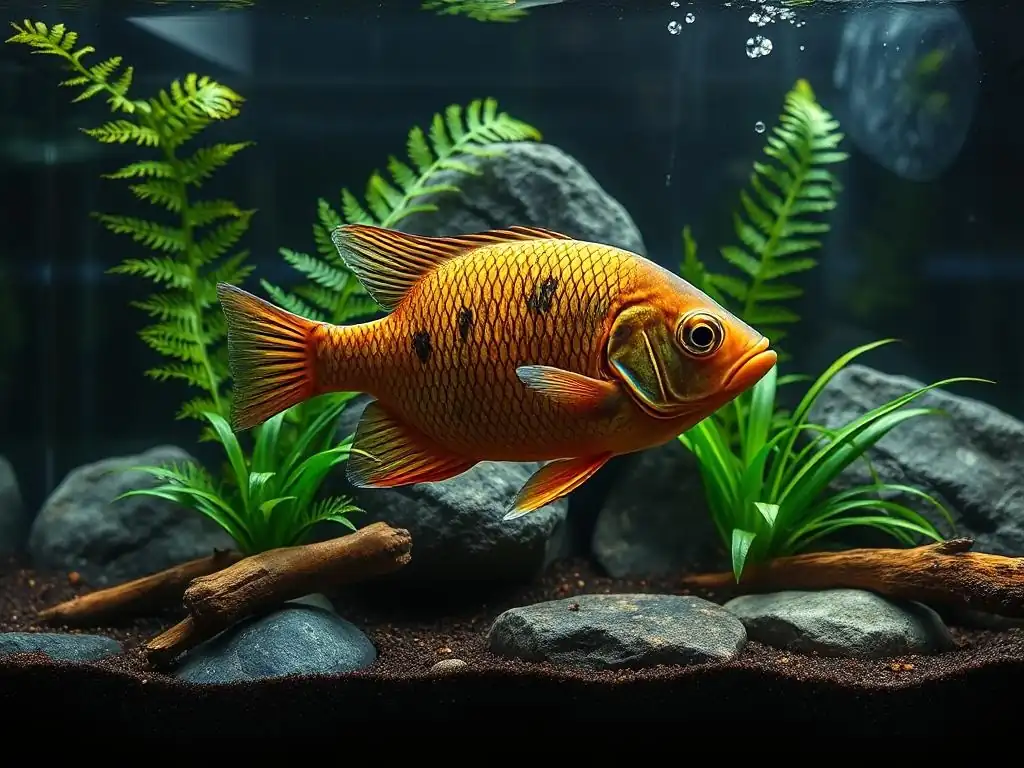
Severums uprooting plants is a frequent challenge in Severum planted tank aquascaping, stemming from their natural digging and foraging behaviors. The best prevention lies in plant selection and secure planting techniques. Choose plants with strong root systems or those that can be attached to hardscape, such as Anubias and Java Fern. For rooted plants like Vallisneria, ensure they are planted deeply (at least 3-4 inches) into the substrate, and consider placing larger, heavy rocks around their base to act as physical barriers.
If uprooting persists, solutions include adding more hardscape elements to create visual barriers and define territories, thereby reducing general digging. Ensuring the Severums are well-fed with a varied diet, including vegetable matter, can also reduce their inclination to nibble on plants due to hunger or nutrient deficiencies. In extreme cases, if a specific plant is repeatedly targeted, it might be necessary to remove that plant or consider rehoming the Severum to a non-planted tank if the issue cannot be mitigated.
Algae Blooms: Causes and Control Methods in Planted Cichlid Tanks
Algae blooms are a common and often frustrating issue in any planted aquarium, including a Severum planted tank aquascape. They typically indicate an imbalance in the tank's ecosystem, often related to excess nutrients (nitrates, phosphates) and/or too much light. In Severum tanks, the high bioload from large fish can contribute to nutrient accumulation, making algae control a continuous effort.
Effective control methods involve a multi-pronged approach. Firstly, ensure consistent water changes (25-30% weekly) to dilute excess nutrients. Secondly, optimize lighting duration (8-10 hours) and intensity; too much light fuels algae growth.
Thirdly, ensure proper filtration and regular tank cleaning, including siphoning detritus from the substrate and wiping glass, to remove organic waste. Balancing plant fertilization to ensure plants outcompete algae for nutrients is also crucial. Introducing algae-eating fish (if compatible) or snails (if they won't be eaten) can offer some biological control, but fundamentally, addressing the root cause of the imbalance is key for a successful Severum planted tank aquascape.
Plant Deficiencies: Identifying and Addressing Nutrient Imbalances
Plant deficiencies in a Severum planted tank aquascape manifest as various visual symptoms, indicating a lack of essential macro or micronutrients. Identifying these signs early is crucial for maintaining vibrant plant health. For instance, yellowing or pale new leaves, especially between the veins, often points to an iron deficiency. Stunted growth or overall yellowing of older leaves can suggest a lack of nitrogen, while holes in leaves might indicate a potassium deficiency.
Addressing these imbalances involves adjusting your fertilization regimen. If using an all-in-one liquid fertilizer, ensure you are dosing according to the product instructions and the specific needs of your plants. For severe deficiencies, targeted supplementation of specific nutrients might be necessary. Regular water testing for nitrates and phosphates can help gauge overall nutrient levels, while observing plant growth and color will guide fine-tuning of your fertilization strategy, ensuring the long-term success of your Severum planted tank aquascape.
Examples of Successful Severum Planted Tank Aquascapes
Case Study 1: A Mature Severum Planted Tank with Anubias, Java Fern, and Amazon Swords
One exemplary Severum planted tank aquascape features a 180-gallon (680-liter) tank, housing a pair of adult Green Severums ( Heros efasciatus) and a school of Silver Dollars. The aquascape prioritizes robust, durable plants. Large pieces of Malaysian driftwood are strategically placed, providing numerous hiding spots and serving as anchor points for a dense arrangement of Anubias species ( A. barteri, A. nana) and various forms of Java Fern ( Microsorum pteropus), all securely attached.
The substrate consists of a 3-inch layer of nutrient-rich planted tank substrate capped with 1 inch of fine, dark sand. This allows for the successful growth of several large Amazon Sword plants ( Echinodorus amazonicus) in the background, their strong root systems making them resilient to minor digging. The lighting is moderate LED, running for 9 hours daily, and a comprehensive liquid fertilizer is dosed weekly. This setup has maintained stability for over three years, with the Severums coexisting peacefully with the lush vegetation, demonstrating effective Severum planted tank aquascaping.
Case Study 2: A Smaller Severum Planted Tank with a Biotope Aquascaping Style
A successful, albeit smaller, Severum planted tank aquascape of 90 gallons (340 liters) demonstrates a biotope-inspired approach, focusing on a single adult Severum. The tank mimics a slow-moving Amazonian tributary, using a fine sand substrate and a significant amount of Mopani driftwood and smooth river stones. The aquascape features a dense growth of Corkscrew Vallisneria ( Vallisneria spiralis) along the back and sides, planted deeply to resist uprooting.
Floating plants, such as Amazon Frogbit ( Limnobium laevigatum), are used to diffuse the moderate LED lighting, creating dappled light conditions that Severums appreciate. While the Severum occasionally sifts the sand, the deep planting and the resilient nature of the Vallisneria have ensured its longevity. This aquascape emphasizes natural aesthetics and fish comfort, proving that even with a single Severum, a well-planned Severum planted tank aquascape can thrive.
Conclusion: Achieving Harmony in a Severum Planted Aquarium
Achieving a beautiful and thriving Severum planted tank aquascape is a rewarding endeavor that beautifully combines the grace of these "gentle giants" with the tranquility of a lush aquatic garden. While the challenges of Severums' digging and occasional nibbling are real, they are not insurmountable. The key lies in meticulous planning, informed plant selection, and the implementation of robust aquascaping techniques.
By prioritizing hardy plant species like Anubias, Java Fern, and securely anchored Vallisneria, coupled with strategic hardscape elements that provide both aesthetic appeal and functional protection, aquarists can create a stable environment. Consistent water quality management, appropriate lighting, and vigilant monitoring of both fish and plant health are equally vital. With patience and adherence to these principles, the vision of a vibrant Severum planted tank aquascape can indeed become a long-lasting reality, offering a captivating display of nature's harmony.
Frequently Asked Questions
How compatible are Severums with live plants in an aquascape?
Severums, while generally peaceful, are known to nibble on and uproot plants. Certain hardier plant species can coexist successfully with them, but careful selection is crucial.
What are some of the best plant choices for a Severum planted tank?
Plants like Java Fern, Anubias, and Amazon Swords are generally good choices. They are less palatable to Severums and can withstand some rough handling.
What aquascaping techniques can help protect plants from Severums?
Using large rocks and driftwood to create barriers around plant roots can help. Also, attaching plants to hardscape instead of planting them directly in the substrate can prevent uprooting.
How does water chemistry play a role in a successful Severum planted tank aquascape?
Maintaining stable water parameters is essential for both Severums and plants. Regular water changes and proper filtration are necessary to prevent algae blooms and nutrient imbalances, which can negatively impact both.
What are some common mistakes to avoid when aquascaping a Severum tank?
Overcrowding the tank with plants that are too delicate or easily consumed is a common mistake. Also, failing to provide adequate hiding places for the Severums can increase stress and plant damage.
Final Reflection: Harmony in the Depths
The journey of creating a thriving Severum planted tank is more than just arranging plants and adding fish; it's about understanding the delicate balance between nature's artistry and the needs of its inhabitants. The principles explored in this article, from plant selection to tank design, are not merely theoretical exercises, but practical guidelines for fostering a harmonious ecosystem that benefits both flora and fauna. This pursuit of equilibrium is increasingly relevant today, as aquarists seek to create more natural and enriching environments for their aquatic companions.
This exploration into Severum planted tank aquascaping has profoundly influenced my perspective on aquarium keeping, revealing the interconnectedness of all elements within the tank. It's not simply about aesthetics; it's about creating a sustainable and enriching habitat. As the renowned aquarist Takashi Amano once said: To know Mother Nature, is to love her smallest creations.
This sentiment underscores the importance of understanding the needs of each plant and fish, and striving to create an environment where they can thrive together.
Now, I invite you to reflect on your own aquarium practices. Consider how you can apply the principles of balance and harmony to create a more enriching environment for your aquatic friends. Embrace the challenge of creating a Severum planted tank, and discover the profound satisfaction that comes from witnessing the beauty and resilience of nature thriving within your own home. Let's all strive to be better stewards of the aquatic world, one planted tank at a time.
Unleash Your Dream Severum Aquascape!
Thanks for diving into the world of Severum aquascaping! We hope you've gained valuable insights into creating a harmonious planted tank for these gentle giants. Now, let's turn that knowledge into action!
Here are a few things you can do to start:
- Plan your Severum-proof aquascape! Sketch out your tank design, considering robust plants and sturdy hardscape.
- Share your ideal Severum tank setup on social media. Use #AquariumMastery to inspire others.
- Explore less common, Severum-compatible plants like Java Fern varieties to add unique textures.
Ready to build the ultimate planted paradise for your Severums? What's the first plant you're adding to your aquascape?