
Diamond Tetra Radiance: Enhancing Their Sheen with Proper Diet and Lighting

Welcome to Aquarium Mastery!
Ever wondered how to truly unlock the dazzling potential of your Diamond Tetras? Diamond Tetra Radiance: Enhancing Their Sheen with Proper Diet and Lighting dives deep into the secrets of bringing out their incredible sparkle. Prepare to uncover the key elements – beyond just food and bulbs – that contribute to a truly breathtaking display. Intrigued? Keep reading to discover how to make your Diamond Tetras the shimmering stars of your freshwater aquarium!
- Understanding Diamond Tetra Sheen: The Basics
- Optimizing Diamond Tetra Diet for Maximum Sheen
- Diamond Tetra Lighting Strategies for Enhanced Viewing
- Maintaining Optimal Water Parameters for Diamond Tetra Health and Sheen
- Common Problems Affecting Diamond Tetra Sheen and How to Solve Them
- Combining Diet and Lighting for Ultimate Diamond Tetra Radiance
- Troubleshooting: When Your Diamond Tetras Aren't Sparkling
- Conclusion: Unlocking the Full Potential of Your Diamond Tetra's Sheen.
-
Frequently Asked Questions
- How does diet affect the shimmering appearance of Diamond Tetras?
- What type of lighting best enhances the shimmering effect of Diamond Tetras?
- How often should I feed my Diamond Tetras to maintain their optimal sheen?
- What are some common signs that my Diamond Tetras are not getting the right diet or lighting?
- Can improper water parameters impact the effectiveness of diet and lighting on Diamond Tetra radiance?
- Final Reflection: Unveiling the Inner Sparkle
- Ignite Your Diamond Tetra's Sparkle!
Understanding Diamond Tetra Sheen: The Basics
What Makes Diamond Tetras Sparkle?
The captivating sparkle of Diamond Tetras ( Moenkhausia pittieri ) is primarily attributed to specialized reflective cells called iridophores, which contain microscopic guanine crystals. These crystals are arranged in layers, and when light strikes them, it is refracted and reflected in a way that creates a shimmering, iridescent effect, much like a diamond. The intensity and brilliance of this sheen are influenced by various factors, including the fish's health, diet, and the specific lighting conditions in their aquarium.
Beyond the guanine crystals, the overall health and vitality of the Diamond Tetra directly impact how prominently these reflective qualities are displayed. A healthy fish with robust scales and vibrant underlying pigmentation will naturally exhibit a more dazzling sheen. Conversely, a stressed or unhealthy Diamond Tetra may appear dull, with its characteristic sparkle significantly diminished, highlighting the critical link between internal well-being and external radiance.
Genetics and Sheen Intensity in Diamond Tetras
The genetic makeup of individual Diamond Tetras plays a fundamental role in determining their inherent capacity for iridescence. While all members of the species possess iridophores, the density, size, and arrangement of guanine crystals can vary significantly between different genetic lines. This means that some Diamond Tetras are naturally predisposed to exhibit a more intense and consistent sparkle than others, even under identical environmental conditions.
Selective breeding practices, particularly among professional breeders, have focused on enhancing this genetic predisposition for a more pronounced sheen. Over generations, breeders aim to propagate fish that display superior reflective qualities, contributing to the availability of truly radiant specimens in the hobby. However, even with strong genetics, environmental factors like proper Diamond Tetra diet lighting remain crucial for these fish to express their full genetic potential for brilliance.
Age and Its Influence on Diamond Tetra Iridescence
The iridescence of Diamond Tetras typically develops and intensifies as they mature. Young fry and juvenile Diamond Tetras may exhibit a subtle sheen, but their full "diamond" effect usually becomes most pronounced once they reach adulthood, generally around 6 to 12 months of age. During this period, their scales fully develop, and the guanine crystals within the iridophores become more organized and numerous, leading to a more striking sparkle.
As Diamond Tetras age beyond their prime, typically after two to three years, some individuals may experience a gradual reduction in their sheen intensity. This can be a natural part of the aging process, where cellular functions and pigment production may slow down. However, maintaining optimal Diamond Tetra diet lighting conditions, alongside excellent water quality, can help prolong their vibrant appearance well into their later years, ensuring they retain their radiant charm for as long as possible.
Optimizing Diamond Tetra Diet for Maximum Sheen
The Importance of a Varied Diet for Diamond Tetras
A well-rounded and varied Diamond Tetra diet is paramount for not only their overall health and longevity but also for maximizing their characteristic sheen. Just like humans, fish require a diverse range of nutrients – proteins, fats, carbohydrates, vitamins, and minerals – to thrive. Relying on a single type of food, even if it's high quality, can lead to nutritional deficiencies that directly impact their coloration and the vibrancy of their iridescence.
For Diamond Tetras, a rich and varied diet supports the synthesis of pigments and the healthy development of their reflective scales. Essential fatty acids and carotenoids, for instance, play a crucial role in enhancing the silver and iridescent hues. By providing a mix of high-quality flake foods, live, and frozen options, aquarists can ensure these fish receive all the necessary building blocks to truly radiate within the aquarium.
Essential Nutrients for Diamond Tetra Color Enhancement
Protein Sources for Vibrant Colors
Protein is a fundamental building block for all living tissues, including the scales and skin cells responsible for a Diamond Tetra's sheen. High-quality protein sources are essential for cell repair, growth, and the production of enzymes and hormones vital for overall health. A Diamond Tetra diet rich in protein, typically around 40-50% crude protein content in their primary foods, supports robust scale development and vibrant coloration.
Excellent protein sources for Diamond Tetras include fish meal, spirulina, krill, and various insect meals. Spirulina, in particular, is not only a great protein source but also contains natural carotenoids that can enhance the silvery-blue and iridescent tones of the fish. Ensuring a consistent intake of these protein-rich foods is a key component of a successful Diamond Tetra diet lighting strategy for optimal radiance.
The Role of Vitamins and Minerals in Sheen Development
Vitamins and minerals, though required in smaller quantities, are critical co-factors in numerous metabolic processes that influence a Diamond Tetra's health and color. Vitamin A, for instance, is vital for healthy skin and vision, while Vitamin E acts as an antioxidant, protecting cells from damage. Vitamin C is crucial for immune function and collagen synthesis, contributing to healthy scales and fin integrity.
Trace minerals such as selenium, zinc, and iron also play roles in enzyme activities and pigment production. A deficiency in these micronutrients can lead to dullness, faded colors, and reduced vitality. Many high-quality commercial fish foods are fortified with these essential vitamins and minerals, but supplementing with live or frozen foods can further ensure a comprehensive Diamond Tetra diet lighting approach that supports their full potential for sparkle.
Best Foods for Diamond Tetras: A Detailed Guide
High-Quality Flake Foods: A Staple Diet
High-quality flake foods should form the cornerstone of any Diamond Tetra diet. Look for brands that list fish meal, spirulina, and other natural ingredients as primary components, often with a crude protein content of 45% or higher. These flakes are typically fortified with essential vitamins and minerals, providing a balanced nutritional base. For example, flakes containing astaxanthin or other carotenoids are particularly beneficial for enhancing their natural iridescence.
These commercial flakes are convenient and ensure a consistent nutritional profile. When selecting, check the ingredient list for fillers like excessive corn starch or wheat, which offer little nutritional value. A good quality flake food will dissolve slowly, reducing water cloudiness, and should be eagerly consumed by your Diamond Tetras, indicating its palatability and nutritional appeal.
Live and Frozen Foods: Enhancing Color and Health
Incorporating live and frozen foods into the Diamond Tetra diet is highly recommended for boosting their color and overall vitality. These foods mimic their natural diet in the wild and provide a rich source of proteins, fats, and natural pigments. Live foods like brine shrimp, daphnia, and small bloodworms are excellent choices, stimulating natural hunting behaviors and providing superior nutritional value.
Frozen versions of these foods, such as frozen bloodworms, brine shrimp, and mysis shrimp, are also highly beneficial and more convenient than live cultures. For instance, feeding frozen brine shrimp two to three times a week can significantly enhance their intake of carotenes, which are crucial for the development of their iridescent scales. Always thaw frozen foods before feeding to prevent digestive issues and ensure they are consumed safely.
Vegetable Matter: Balancing the Diamond Tetra Diet
While Diamond Tetras are primarily carnivorous, a small amount of vegetable matter is beneficial for their digestive health and overall well-being. Many high-quality flake foods already contain spirulina or other algae, providing this component. However, supplementing with blanched green peas (shelled and crushed) or specialized spirulina pellets can further balance their diet.
The inclusion of vegetable matter aids in digestion and can prevent common issues like bloat or constipation, which can indirectly affect a fish's appearance. A balanced Diamond Tetra diet that includes a small percentage of plant-based material contributes to a healthier gut, which in turn supports better nutrient absorption and thus more vibrant sheen.
Diamond Tetra Feeding Schedule: Frequency and Portion Control
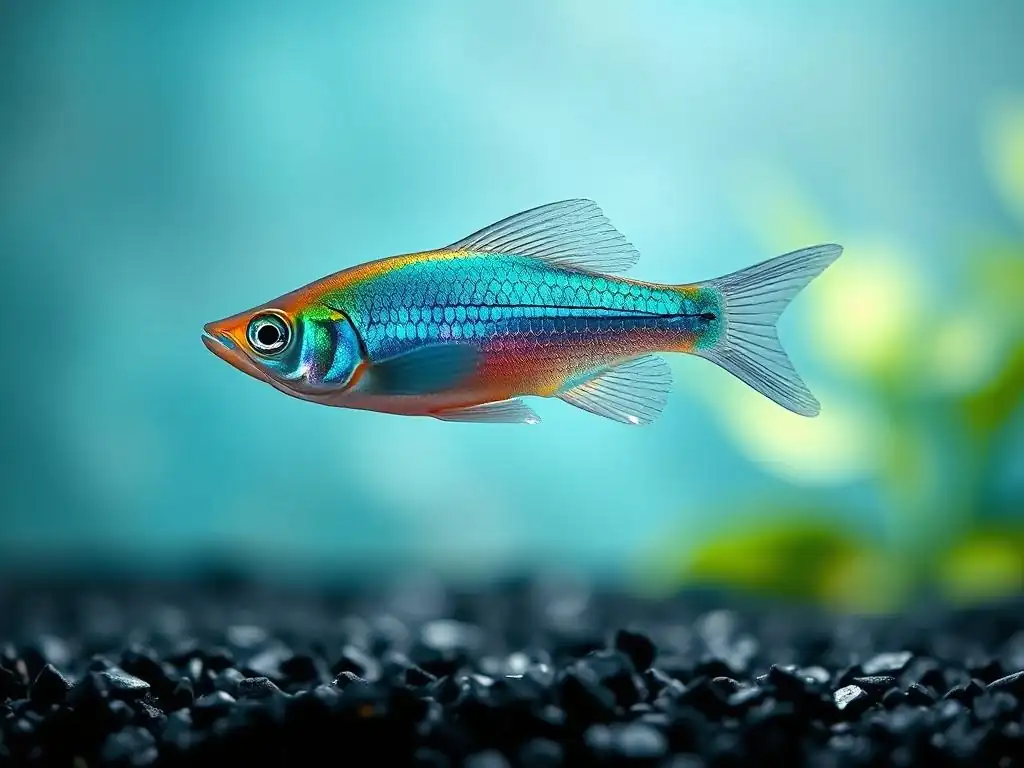
Establishing a consistent feeding schedule is crucial for the health and vibrancy of your Diamond Tetras. It is generally recommended to feed them small amounts two to three times a day, rather than one large meal. This approach mimics their natural grazing behavior in the wild and ensures they receive a steady supply of nutrients throughout the day, preventing overfeeding and subsequent water quality issues.
For portion control, a good rule of thumb is to offer an amount of food that your Diamond Tetras can completely consume within two to three minutes. Any uneaten food should be removed promptly to prevent it from decaying and fouling the water. This careful approach to the Diamond Tetra diet lighting strategy not only ensures optimal nutrient intake but also maintains pristine water conditions, which are equally vital for their sheen.
Avoiding Overfeeding: Maintaining Water Quality and Fish Health
Overfeeding is one of the most common mistakes in aquarium keeping and has direct negative consequences on both water quality and fish health, ultimately dulling the Diamond Tetra's sheen. Excess food decomposes, leading to spikes in ammonia and nitrite, which are highly toxic to fish. Even high nitrate levels, while less acutely toxic, contribute to chronic stress and can suppress a fish's immune system, making them more susceptible to disease and diminishing their natural sparkle.
Beyond water quality, overfeeding can lead to obesity and digestive problems in Diamond Tetras, shortening their lifespan and impacting their vitality. An unhealthy, bloated fish will never display its full iridescence. Therefore, adhering strictly to the "two-to-three-minute rule" for feeding is essential. This disciplined approach ensures that all food is consumed, minimizing waste and maintaining the pristine water conditions necessary for the Diamond Tetra's radiant appearance.
Diamond Tetra Lighting Strategies for Enhanced Viewing
The Impact of Lighting on Diamond Tetra Appearance
The lighting in an aquarium plays a pivotal role in how the iridescent sheen of Diamond Tetras is perceived. Their sparkle is a result of light reflecting off guanine crystals in their scales, meaning the quality, intensity, and spectrum of light directly influence their visual brilliance. Suboptimal lighting can make even the healthiest Diamond Tetra appear dull and lifeless, failing to showcase their unique "diamond" quality.
Proper Diamond Tetra lighting not only enhances their aesthetic appeal for the observer but also contributes to the fish's overall well-being by mimicking natural daylight cycles. When light is optimized, the subtle blues, silvers, and purples within their scales become incredibly vibrant, making them truly stand out in the aquarium. This makes lighting an indispensable component of a comprehensive Diamond Tetra diet lighting plan.
Choosing the Right Aquarium Lighting for Diamond Tetras
LED Lighting for Diamond Tetras: Benefits and Considerations
LED (Light Emitting Diode) lighting has become the preferred choice for modern aquariums, offering numerous benefits for Diamond Tetras. LEDs are energy-efficient, have a long lifespan (often tens of thousands of hours), and generate minimal heat, which is crucial for maintaining stable water temperatures. Crucially, many LED fixtures offer adjustable spectrums and dimming capabilities, allowing aquarists precise control over their tank's illumination.
When selecting LED lighting for Diamond Tetras, consider fixtures that offer a full spectrum, as this will best replicate natural sunlight and enhance the full range of their iridescent colors. Look for models with a high Color Rendering Index (CRI), ideally 90 or above, which ensures colors appear true and vibrant. The ability to customize the light output allows for dynamic lighting schemes that can truly make the Diamond Tetras glow.
Spectrum and Color Temperature: Finding the Perfect Balance
The spectrum and color temperature of aquarium lighting significantly influence how the Diamond Tetra's sheen is displayed. Color temperature, measured in Kelvin (K), describes the warmth or coolness of the light. For general viewing and optimal fish coloration, a color temperature between 6500K and 8000K is often recommended. This range closely mimics natural daylight and provides a balanced light that highlights both the silver iridescence and any subtle underlying colors.
A full-spectrum light, which includes wavelengths across the entire visible light spectrum, is ideal for bringing out the full array of colors in your Diamond Tetras. Some aquarists find that a slightly cooler (higher K) light, or one with a boost in blue and red wavelengths, can particularly enhance the iridescent blues and reds often present in their scales. Experimentation within the recommended range can help pinpoint the perfect balance for your specific Diamond Tetra diet lighting setup.
Lighting Duration: Mimicking Natural Day-Night Cycles
Mimicking the natural day-night cycle is crucial for the health and stress reduction of Diamond Tetras, which in turn impacts their sheen. A consistent photoperiod of 10 to 12 hours of light per day is generally recommended. This duration provides ample time for the fish to be active and display their colors while also allowing for a crucial period of darkness for rest and natural biological processes.
Excessive lighting duration (e.g., 14+ hours) can stress fish, leading to faded colors and increased susceptibility to disease. It also promotes excessive algae growth, which can obscure the view of your fish and compete for nutrients. Conversely, too little light can also be stressful and prevent the fish from displaying their full vibrancy. Using an automatic timer is highly recommended to ensure a consistent and reliable lighting schedule, contributing positively to the Diamond Tetra diet lighting strategy.
Optimizing Tank Placement for Best Lighting Effects
The physical placement of the aquarium, in conjunction with its lighting, can further optimize the visual impact of your Diamond Tetras. Avoid placing the tank in direct sunlight, as this can lead to rapid algae growth, overheating, and inconsistent lighting, all of which stress fish and degrade water quality, negatively affecting their sheen. Direct sunlight also creates harsh, uneven light spots that don't allow for the even reflection needed for optimal sparkle.
Instead, position the tank in a location where the artificial lighting can provide consistent and even illumination across the entire tank. The goal is to create a well-lit environment where the Diamond Tetras can swim freely and their iridescence can be appreciated from all angles. Proper tank placement is a subtle yet significant aspect of enhancing the visual appeal of your Diamond Tetras, complementing your Diamond Tetra diet lighting efforts.
Dimming and Brightness Control: Adapting to Diamond Tetra Needs
Modern LED lighting systems often come with dimming and brightness control features, which can be immensely beneficial for Diamond Tetras. Gradually increasing and decreasing light intensity at the beginning and end of the photoperiod, simulating dawn and dusk, can significantly reduce stress on the fish. Abrupt changes in light can startle and stress fish, leading to temporary dullness or hiding behaviors.
The ability to adjust brightness also allows aquarists to fine-tune the light intensity to best showcase the Diamond Tetras' sheen without being overly harsh. Some Diamond Tetras may appear more vibrant under slightly subdued lighting, while others might pop under brighter conditions. Experimenting with these controls, as part of your comprehensive Diamond Tetra diet lighting plan, allows for personalized optimization that caters to the specific visual response of your fish.
Maintaining Optimal Water Parameters for Diamond Tetra Health and Sheen
Water Quality and Its Connection to Diamond Tetra Color
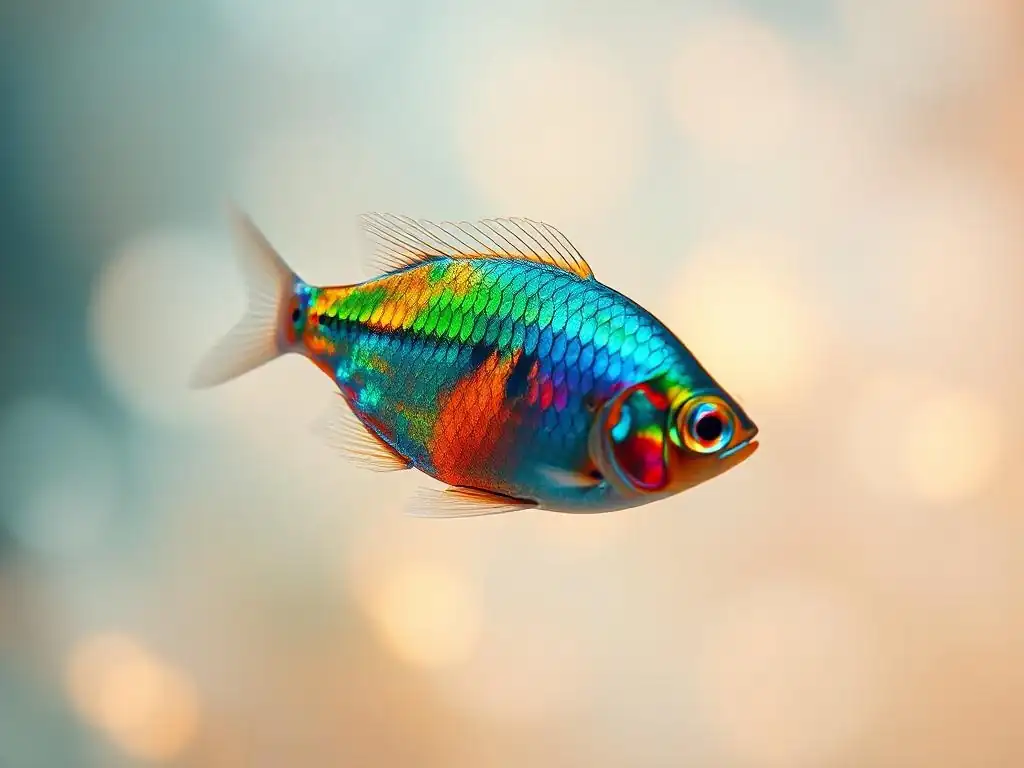
Optimal water quality is the single most critical factor for the health and vibrant sheen of Diamond Tetras. Pristine water conditions directly reduce stress, prevent disease, and ensure that the fish's metabolic processes function efficiently, all of which are prerequisites for displaying their brilliant iridescence. Poor water quality, characterized by elevated levels of ammonia, nitrite, or nitrate, acts as a chronic stressor that suppresses the immune system and diverts energy from color production, leading to dull, faded fish.
Ammonia and nitrite, even in low concentrations, are highly toxic and will quickly diminish a Diamond Tetra's sparkle, often preceding more severe health issues. While nitrates are less acutely toxic, consistently high levels (above 20 ppm) can still cause chronic stress and inhibit a fish's ability to maintain vibrant coloration. Therefore, rigorous monitoring and maintenance of water parameters are fundamental, serving as the bedrock upon which successful Diamond Tetra diet lighting strategies are built.
Regular Water Changes: Removing Waste and Replenishing Minerals
Regular water changes are the cornerstone of maintaining excellent water quality for Diamond Tetras. They are essential for diluting and removing accumulated nitrates, phosphates, and other dissolved organic wastes that can degrade water quality and contribute to faded colors. A common recommendation is to perform a 25% water change weekly, though the frequency and volume may vary depending on tank size, stocking density, and filtration efficiency.
Beyond waste removal, fresh water replenishes essential trace minerals that are naturally depleted over time or absorbed by fish and plants. These minerals are vital for various biological functions, including osmoregulation and enzyme activity, which indirectly support vibrant coloration and overall vitality. Consistent water changes are a non-negotiable aspect of ensuring your Diamond Tetras maintain their maximum sheen, complementing their Diamond Tetra diet lighting.
Maintaining Proper pH Levels for Diamond Tetras
Diamond Tetras thrive in slightly acidic to neutral water conditions. An ideal pH range for these fish is generally between 6.0 and 7.5. Maintaining a stable pH within this range is crucial, as significant or rapid fluctuations can cause severe stress, leading to a loss of color and increased susceptibility to disease. While Diamond Tetras are relatively adaptable, consistency is key; a stable pH of 6.8 is often preferred over a fluctuating pH between 6.0 and 7.5.
Regularly testing your aquarium's pH level is essential to ensure it remains within the optimal range. Factors such as substrate type, buffering capacity of the water, and the presence of driftwood can influence pH. Any adjustments to pH should be made gradually to avoid shocking the fish. A stable and appropriate pH contributes significantly to the overall well-being of Diamond Tetras, allowing them to fully express their genetic potential for iridescence.
Temperature Considerations for Diamond Tetra Health and Appearance
The optimal temperature range for Diamond Tetras is typically between 72-78°F (22-26°C). Maintaining a stable temperature within this range is vital for their metabolic rate, immune function, and overall comfort. Temperatures outside this range, or sudden fluctuations, can cause significant stress, leading to lethargy, loss of appetite, and a noticeable dulling of their vibrant sheen.
A reliable aquarium heater, appropriately sized for your tank, is essential to maintain a consistent temperature. Use an accurate thermometer to monitor the water temperature daily. Stable temperature ensures that Diamond Tetras are not expending energy on thermal regulation, allowing their bodies to focus on growth, health, and the production of those stunning iridescent scales that define their beauty.
Common Problems Affecting Diamond Tetra Sheen and How to Solve Them
Disease and Parasites: Impact on Color and Appearance
One of the most immediate indicators of disease or parasitic infection in Diamond Tetras is a noticeable dulling or fading of their characteristic sheen. A healthy, vibrant fish will typically display its full iridescence, but when ill, its colors may recede, appearing washed out or greyish. Common diseases like Ich (white spot disease), fin rot, or bacterial infections can quickly strip a fish of its sparkle, often accompanied by other symptoms such as clamped fins, labored breathing, or abnormal swimming.
Early detection and prompt treatment are crucial to restoring both the fish's health and its radiance. Quarantining new fish, maintaining excellent water quality, and providing a nutritious Diamond Tetra diet lighting plan are preventative measures. If disease is suspected, accurate diagnosis and appropriate medication, often guided by a veterinarian or experienced aquarist, are necessary to help the fish recover and regain its brilliant sparkle.
Stress and Its Effect on Diamond Tetra Iridescence
Stress is a pervasive factor that can significantly diminish a Diamond Tetra's iridescence. When fish are stressed, their bodies divert energy from non-essential functions, like color production, to coping mechanisms. Common stressors include poor water quality (as discussed previously), overcrowding, aggressive tank mates, inadequate hiding spots, sudden changes in environment (e.g., pH or temperature swings), or even constant loud noises and vibrations near the tank.
A stressed Diamond Tetra will often appear pale, hide frequently, exhibit clamped fins, or display erratic swimming patterns. Addressing the source of stress is paramount to restoring their health and vibrancy. This might involve reducing stocking density, providing more cover, ensuring compatible tank mates, or stabilizing water parameters. A calm, secure environment is as vital as the Diamond Tetra diet lighting for maintaining their full potential for radiance.
Poor Water Quality: A Major Cause of Faded Colors
As reiterated throughout this guide, poor water quality stands as a primary culprit behind faded colors and diminished sheen in Diamond Tetras. Elevated levels of ammonia, nitrite, and consistently high nitrates act as chronic toxins, directly impacting the fish's health and ability to display vibrant colors. These compounds stress the fish's osmoregulatory system and can damage gills and other internal organs, leading to a general malaise that manifests as dullness.
Beyond visible toxins, a build-up of dissolved organic compounds (DOCs) from uneaten food and fish waste can also contribute to "old tank syndrome," where water becomes stagnant and lacks essential minerals, further impacting fish health and color. Regular water changes, effective filtration, and proper feeding practices are the best defense against poor water quality. A consistent commitment to these practices is fundamental to unlocking and maintaining the full radiance of your Diamond Tetras, making it a critical aspect of the overall Diamond Tetra diet lighting strategy.
Combining Diet and Lighting for Ultimate Diamond Tetra Radiance
Synergistic Effects of Proper Diet and Lighting
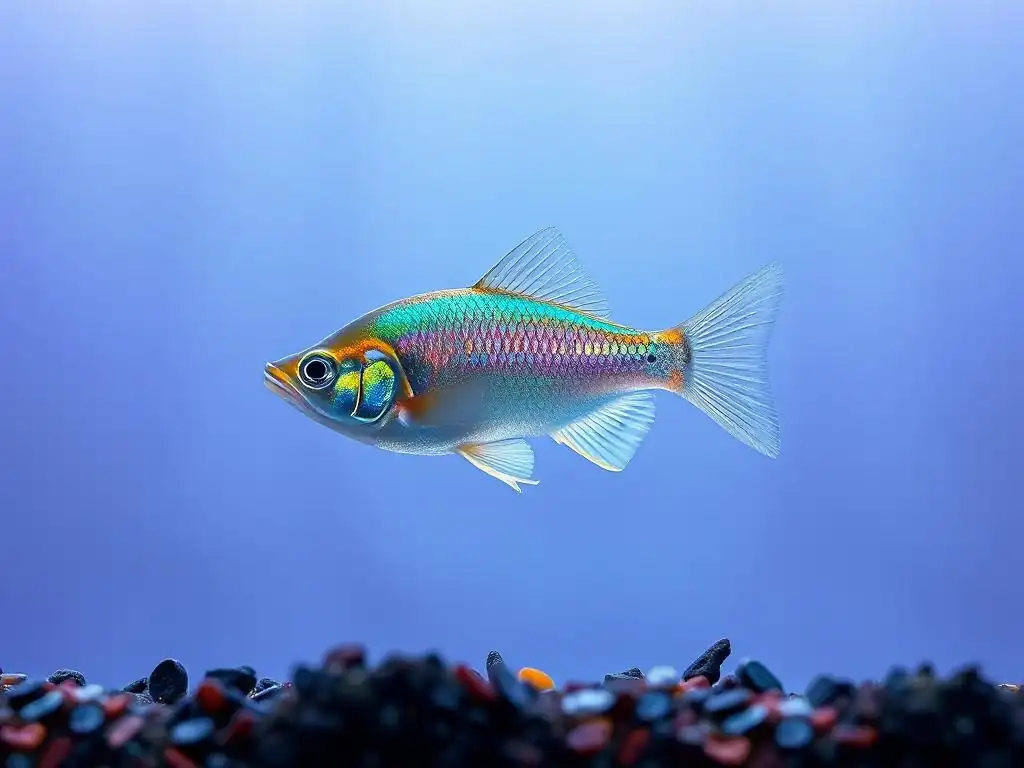
The true brilliance of Diamond Tetras is not achieved by focusing on diet or lighting in isolation, but rather through their synergistic combination. A proper Diamond Tetra diet provides the essential internal building blocks – pigments, healthy cells, and robust scales – that enable the fish to produce their vibrant colors and reflective qualities. However, without optimal Diamond Tetra lighting, these internal attributes cannot be fully appreciated; the light is what illuminates and showcases their inherent sparkle.
Conversely, even the best lighting cannot compensate for a nutritionally deficient fish. A Diamond Tetra that is unhealthy due to a poor diet or stress will appear dull, regardless of how perfectly the light is set. When both elements are meticulously managed, the effect is transformative: the fish are internally healthy and pigmented, and the external light then interacts perfectly with their scales, creating an unparalleled display of iridescence and radiance.
Combining a High-Protein Diet with Full-Spectrum LED Lighting
To achieve ultimate Diamond Tetra radiance, integrate a high-protein, carotenoid-rich diet with a high-quality full-spectrum LED lighting system. For instance, consistently feeding a premium flake food with a minimum of 45% crude protein, supplemented with live or frozen brine shrimp two to three times a week, provides the internal nutritional foundation. Brine shrimp are particularly effective as they are rich in natural carotenoids like astaxanthin, which are known to enhance reds and silvers in fish.
Concurrently, illuminate the aquarium with a full-spectrum LED light set to a color temperature of 6500K-8000K, ensuring a consistent 10-12 hour photoperiod. This lighting setup will perfectly highlight the light-refracting guanine crystals and the carotene-enhanced pigments in their scales. The combination ensures that the fish are not only producing vibrant colors internally but also that these colors are beautifully displayed and enhanced by the external light, making their "diamond" sheen truly spectacular.
Monitoring and Adjusting Your Approach for Optimal Results
Achieving the ultimate Diamond Tetra radiance is an ongoing process that requires diligent monitoring and willingness to adjust your approach. Regularly observe your fish for changes in their sheen, activity levels, and feeding response. Are their colors vibrant and consistent, or do they appear dull on certain days? Are they eagerly consuming their Diamond Tetra diet, or is food left uneaten?
Keep a log of your feeding schedule, the types of food offered, and your lighting parameters (duration, intensity, spectrum). If you notice a decline in sheen, systematically review each aspect of your Diamond Tetra diet lighting plan. Perhaps a slight increase in live food frequency is needed, or a minor adjustment to the light's color temperature. Small, incremental changes, followed by observation, will help you fine-tune your approach for the most brilliant results.
Troubleshooting: When Your Diamond Tetras Aren't Sparkling
Ruling Out Common Causes of Dull Colors
If your Diamond Tetras are not exhibiting their characteristic sparkle, the first step is to systematically rule out the most common causes. Begin by thoroughly testing your water parameters: ammonia (should be 0 ppm), nitrite (should be 0 ppm), and nitrate (ideally below 20 ppm). High levels of any of these indicate poor water quality, a primary stressor. Next, assess your feeding regimen: are you providing a varied, high-quality Diamond Tetra diet with sufficient protein and color-enhancing foods? Overfeeding or underfeeding can both lead to dullness.
Then, examine your lighting setup. Is the light old and dim? Is the photoperiod consistent (10-12 hours)? Is the spectrum appropriate (full-spectrum, 6500K-8000K)? Also, consider potential stressors in the tank, such as aggressive tank mates, overcrowding (Diamond Tetras need ample swimming space; a group of six or more requires at least a 20-gallon tank), or sudden environmental changes. Addressing these fundamental issues will often resolve the problem and restore their sheen.
Seeking Expert Advice: When to Consult a Veterinarian
While many issues affecting Diamond Tetra sheen can be resolved by adjusting diet, lighting, and water parameters, there are instances when professional advice is warranted. If your fish show persistent signs of illness beyond dullness, such as visible lesions, rapid breathing, severe fin rot, significant weight loss despite eating, or unusual growths, it's time to seek expert advice.
A specialized aquatic veterinarian can provide an accurate diagnosis and recommend appropriate medical treatments that are beyond the scope of general aquarium husbandry. They can also offer insights into complex water chemistry issues or long-term health problems that might be contributing to the lack of sparkle. Don't hesitate to consult a professional if your troubleshooting efforts yield no improvement, especially when multiple fish are affected or symptoms worsen.
Troubleshooting Chart: Problem, Possible Cause, Solution
- Problem: Dull, Faded Colors
- Possible Causes:
- Poor Water Quality (High ammonia/nitrite/nitrate)
- Inadequate Diamond Tetra Diet (Lack of protein, carotenoids)
- Stress (Aggressive tank mates, overcrowding, sudden changes)
- Disease/Parasites (Early stages of illness)
- Old/Ineffective Lighting (Wrong spectrum, low intensity)
- Solutions:
- Perform immediate 25-50% water change; test parameters daily.
- Review and enhance diet with high-quality flakes, live/frozen foods.
- Address stressors: check tank mates, provide hiding spots, ensure stable parameters.
- Observe for other symptoms; consider quarantine and treatment if necessary.
- Upgrade lighting to full-spectrum LED (6500K-8000K); ensure 10-12 hr photoperiod.
- Possible Causes:
- Problem: Fish Hiding Frequently / Appears Skittish
- Possible Causes:
- Stress (Lack of hiding spots, aggressive tank mates, too much light)
- New environment (Recently added fish)
- Solutions:
- Add more live plants or decor for cover.
- Ensure a school of 6+ Diamond Tetras for security.
- Reduce light intensity or provide dimming ramp.
- Allow time to acclimate; maintain stable conditions.
- Possible Causes:
- Problem: Lack of Appetite / Refusing Food
- Possible Causes:
- Poor Water Quality
- Disease
- Incorrect Food Type/Size
- Stress
- Solutions:
- Test water parameters; perform water change.
- Observe for other disease symptoms; consider treatment.
- Offer varied Diamond Tetra diet; ensure food is appropriately sized for their mouths.
- Identify and remove stressors.
- Possible Causes:
Conclusion: Unlocking the Full Potential of Your Diamond Tetra's Sheen.
Unlocking the full potential of your Diamond Tetra's exquisite sheen is a rewarding endeavor that extends beyond mere aesthetics; it's a testament to comprehensive and attentive aquarium husbandry. The radiant sparkle these fish exhibit is a direct reflection of their internal health, which is meticulously supported by an optimized Diamond Tetra diet lighting strategy, pristine water quality, and a stress-free environment.
By committing to a high-protein, carotenoid-rich Diamond Tetra diet, providing consistent full-spectrum LED lighting, and diligently maintaining stable, clean water parameters, you create an ecosystem where these stunning fish can truly thrive. This holistic approach ensures that their genetic predisposition for iridescence is fully expressed, transforming your aquarium into a dazzling display of living jewels. The journey to ultimate Diamond Tetra radiance is one of observation, care, and continuous refinement, culminating in a captivating spectacle that truly embodies their name.
Frequently Asked Questions
How does diet affect the shimmering appearance of Diamond Tetras?
A proper diet plays a crucial role. A varied diet rich in high-quality protein and natural color enhancers like spirulina will intensify their iridescence. Inadequate nutrition can lead to a duller appearance and reduced overall health.
What type of lighting best enhances the shimmering effect of Diamond Tetras?
Full-spectrum LED lighting is ideal for highlighting their radiance. Specifically, using a light with a color temperature around 6500K will mimic natural sunlight and bring out their diamond-like scales.
How often should I feed my Diamond Tetras to maintain their optimal sheen?
Feed them small amounts two to three times daily. Only give them what they can consume in two to three minutes to prevent overfeeding and maintain water quality.
What are some common signs that my Diamond Tetras are not getting the right diet or lighting?
Signs of dietary or lighting issues include a faded or dull coloration, lethargy, and a lack of shimmer. Also, observe if they are eating properly and if the lighting seems too dim or harsh.
Can improper water parameters impact the effectiveness of diet and lighting on Diamond Tetra radiance?
Yes, absolutely. Poor water quality can stress the fish, hindering their ability to absorb nutrients and display their best coloration. Maintain stable water parameters (pH, ammonia, nitrite, nitrate) for optimal results.
Final Reflection: Unveiling the Inner Sparkle
The journey to understanding the optimal Diamond Tetra Diet Lighting combination is more than just a technical exercise; it's an exploration of how we can unlock the full potential and beauty of the natural world, even within the confines of our aquariums. The principles of providing a balanced diet and appropriate lighting extend beyond mere aesthetics, impacting the health, vitality, and ultimately, the radiant sheen of these captivating fish.
This exploration has profoundly influenced my perspective on responsible fishkeeping. It's a reminder that our role as caretakers is to provide not just sustenance, but an environment that allows these creatures to thrive and express their inherent beauty. The beauty of the natural world lies in the details, and our responsibility is to create the conditions that allow those details to shine.
This quote encapsulates the essence of what we strive for when we dedicate ourselves to the well-being of our aquatic companions.
Now, consider how you can apply these principles of attentive care and environmental optimization to other aspects of your life. Just as the Diamond Tetra responds to a balanced diet and proper lighting, what areas in your own life could benefit from a similar approach? Take a moment to reflect on how you can cultivate an environment that allows your own inner sparkle to truly shine.
Ignite Your Diamond Tetra's Sparkle!
Thank you for exploring the secrets to unlocking your Diamond Tetra's full radiant potential! Now, it's time to transform that knowledge into breathtaking beauty in your own aquarium.
Here are a few ways to get started:
- Elevate their diet: Begin supplementing their current food with high-quality, color-enhancing flakes and small live foods like daphnia to witness a true shimmer transformation.
- Share your newfound glow: Spread the word by sharing this article with fellow aquarium enthusiasts and help them bring out the best in their Diamond Tetras.
- Consider a surprising pairing: Research compatible tank mates that will further accentuate the Diamond Tetra's brilliance by providing contrast and visual harmony in your aquascape.
What fascinating color transformation have you witnessed in your Diamond Tetras after adjusting their diet or lighting?