
Aggressive Plecos? Understanding Territorial Behavior & Solutions

Welcome to Aquarium Mastery!
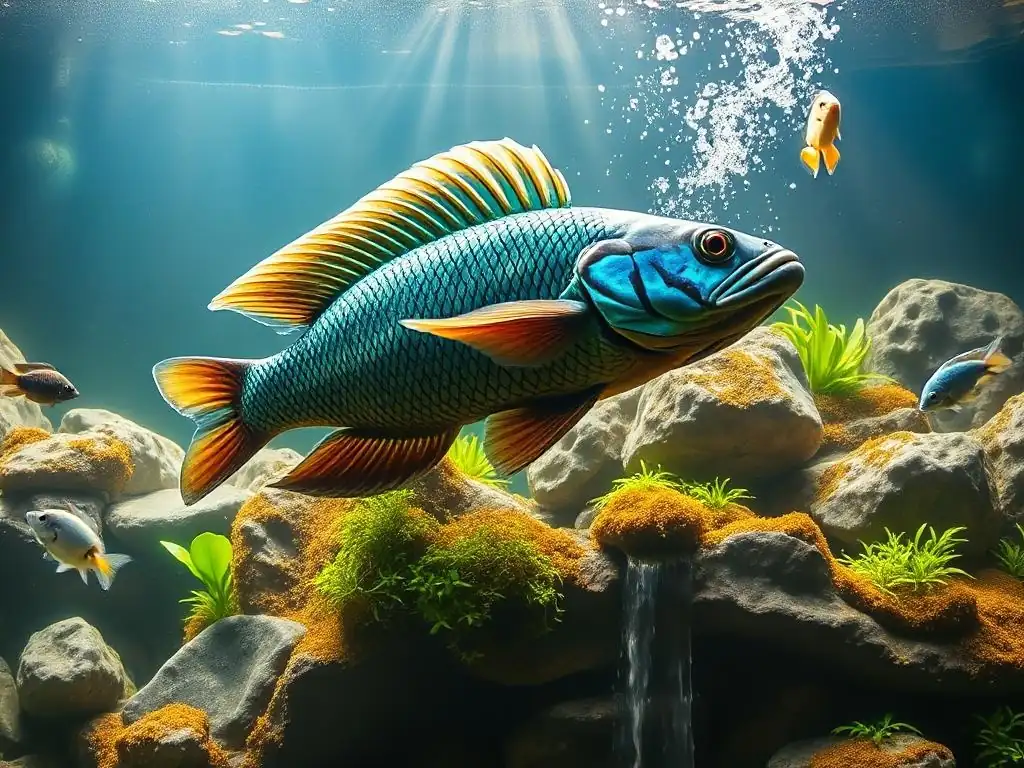
Ever wondered why your peaceful aquarium has suddenly turned into a battleground? Dive into our expert guide on "Aggressive Pleco Solutions Tank" and uncover the secrets to understanding and managing territorial behavior in these fascinating creatures. From identifying the root cause to implementing practical solutions, we'll help you restore harmony to your freshwater haven. Get ready to transform your aggressive pleco tank into a thriving ecosystem!
- Understanding Aggression in Plecos: Is Your Pleco a Bully?
- Territoriality in Plecos: Defining Their Space
-
Solutions for Aggressive Pleco Behavior in Your Aquarium
- Increasing Tank Size: Providing Ample Space for All
- Re-Scaping the Aquarium: Breaking Up Existing Territories
- Adding More Hiding Places: Caves, Driftwood, and Plants
- Introducing Tank Mates Carefully: Choosing Compatible Species
- Monitoring Water Parameters: Stress and Aggression
- Pleco Diet and Nutrition: Addressing Food-Related Aggression
- Specific Scenarios: Dealing with Different Types of Pleco Aggression
- Preventing Future Aggression: Proactive Tank Management
- Aggressive Pleco Solutions: A Summary of Effective Strategies
- Frequently Asked Questions
- Final Reflection: Harmony in the Aquarium
- Unlock Pleco Harmony: Dive Deeper & Take Action!
Understanding Aggression in Plecos: Is Your Pleco a Bully?
Common Misconceptions About Pleco Aggression
Many aquarists mistakenly believe that all plecos are universally peaceful, docile bottom-dwellers solely focused on algae consumption. While many species exhibit a calm demeanor, particularly when young, this perception can be misleading. Certain pleco species, especially as they mature, can develop significant territorial instincts or even display outright aggression, particularly if their environmental needs are not met. For instance, a Common Pleco (Pterygoplichthys pardalis), which can grow over 20 inches in length, will often become highly territorial and potentially aggressive towards tank mates once it reaches adulthood, especially in tanks under 100 gallons.
It's crucial to differentiate between true aggression and normal territorial displays or stress-induced behavior. A Bristlenose Pleco (Ancistrus spp.) might chase another fish away from its preferred cave, which is a common territorial defense, rather than an unprovoked attack. However, persistent harassment, fin nipping, or direct physical confrontations are clear indicators of a problem. Understanding the specific species of pleco you keep is vital, as their natural behaviors and needs vary greatly, impacting whether you'll need aggressive pleco solutions tank strategies.
Identifying Aggressive Behavior in Your Pleco Tank
Identifying aggressive behavior in your pleco tank involves keen observation of your pleco's interactions with other fish and its environment. Look for signs such as persistent chasing, fin nipping, body ramming, or the forceful expulsion of other fish from specific areas like caves or driftwood. An agitated pleco might also display a darkened body coloration, flared fins, or a rigid posture. For example, a larger Sailfin Pleco (Pterygoplichthys gibbiceps) might repeatedly body-slam smaller fish or guard a prime feeding spot, preventing others from accessing food.
It's important to distinguish between a brief chase, which might be a normal territorial warning, and sustained, harmful aggression. If you observe torn fins, scraped bodies, or visible signs of stress (e.g., clamped fins, hiding excessively, rapid breathing) in other tank mates, your pleco's behavior is problematic. During feeding times, an aggressive pleco might monopolize food, pushing other bottom-dwellers away, leading to undernourishment for the less dominant fish. Recognizing these specific actions is the first step toward implementing effective aggressive pleco solutions tank management.
What Makes a Pleco Aggressive? Exploring the Root Causes
Several factors can contribute to a pleco exhibiting aggressive behavior, often stemming from environmental stress or unmet biological needs. The primary causes include insufficient tank space, a lack of adequate hiding spots, direct competition for food resources, and species-specific aggression, particularly among males of the same or similar species. For instance, a common pleco housed in a 55-gallon tank, which is far too small for its adult size, will almost inevitably become stressed and aggressive due to the constant feeling of confinement and lack of personal space.
Stress, whether environmental or social, is a significant trigger for aggression in plecos. Poor water quality, such as consistently high nitrate levels (e.g., exceeding 40 ppm), improper pH (outside the typical 6.5-7.5 range for most common plecos), or fluctuating temperatures, can weaken a pleco's immune system and make it irritable and defensive. Furthermore, an inadequate diet can lead to resource guarding, where the pleco becomes aggressive over limited food sources, highlighting the need for comprehensive aggressive pleco solutions tank approaches.
Territoriality in Plecos: Defining Their Space
Why Are Plecos Territorial? The Instincts Behind the Behavior
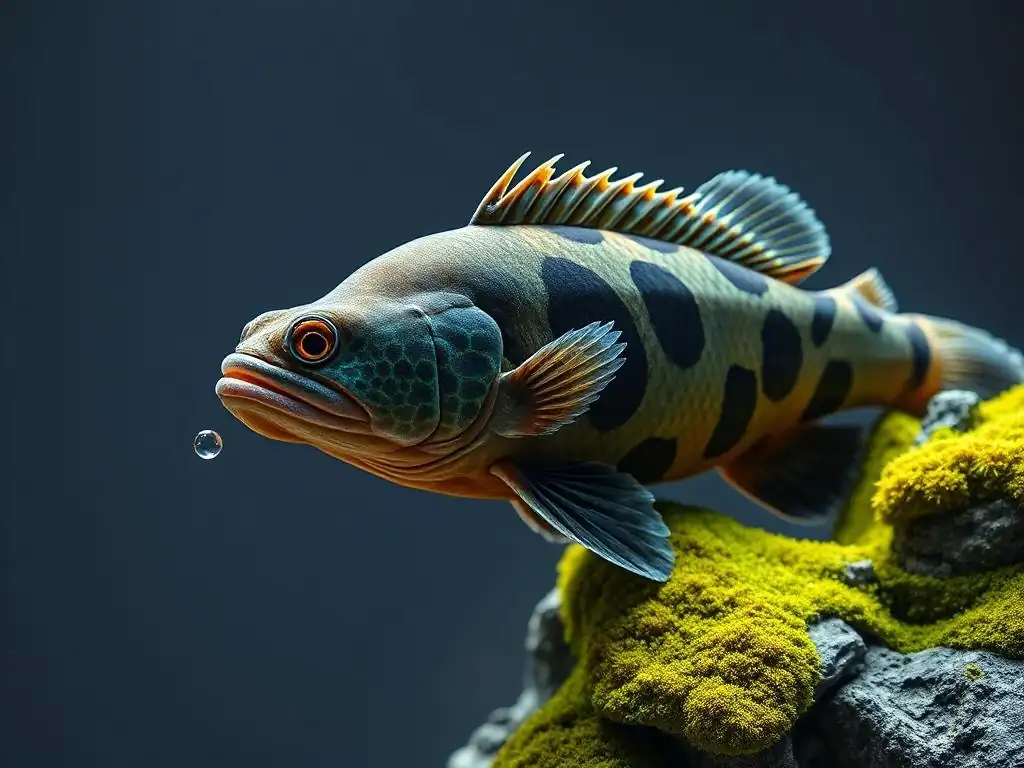
Territoriality in plecos is not merely a behavioral quirk but a deeply ingrained evolutionary instinct critical for their survival and reproduction. This behavior ensures access to vital resources such as food, optimal hiding spots for security, and suitable breeding sites. Many pleco species, especially mature males, establish and fiercely defend territories to attract mates and protect their eggs or fry from perceived threats. For example, a male Bristlenose Pleco will meticulously clean and defend a specific cave, viewing any intruder as a direct threat to his potential offspring.
This innate drive for territory becomes more pronounced during breeding seasons or when plecos mature. They perceive other fish, particularly those that are similar in appearance or occupy the same ecological niche, as direct competitors for limited resources. Even species typically considered peaceful can become intensely territorial if their basic needs for space and security are not adequately met, underscoring why understanding this instinct is central to finding aggressive pleco solutions tank strategies.
Recognizing Territorial Markers in Your Aquarium
Plecos use specific physical objects and areas within the aquarium as territorial markers, clearly defining their claimed space. These often include large pieces of driftwood, caves, rock formations, or even specific patches of substrate. A pleco will repeatedly return to and guard its chosen spot, actively chasing away any fish that venture too close. You might observe a pleco meticulously "cleaning" an area of a log or rock, which serves as a visual and chemical signal of its claim.
Observe where your pleco spends the majority of its time and how it reacts when other fish approach that particular zone. For example, a Golden Nugget Pleco (Baryancistrus xanthellus) might claim a specific, prominent piece of décor and display aggressive posturing towards any tank mate that breaches its invisible boundary. Persistent patrolling of an area or immediate defensive reactions to perceived intrusions are clear indicators of an established territory, which can then inform your aggressive pleco solutions tank adjustments.
How Tank Size and Layout Affect Pleco Territoriality
Tank size and its internal layout are paramount in influencing pleco territoriality and the potential for aggression. Inadequate tank size, particularly for larger species, drastically amplifies territorial disputes. A 29-gallon tank, while seemingly spacious for smaller fish, is critically insufficient for a common pleco, leading to chronic stress and almost guaranteed aggression due to the constant feeling of being confined. Even for smaller species like Bristlenose Plecos, a 20-gallon long tank offers significantly more floor space than a 20-gallon high, which can reduce potential conflicts among multiple individuals by providing more horizontal territory.
The layout of the aquarium directly dictates how territories are formed and defended. An open, undifferentiated tank layout with few visual breaks forces plecos to share limited, exposed spaces, significantly increasing the likelihood of conflict. Conversely, a thoughtfully scaped tank featuring multiple visual barriers, distinct zones, and abundant hiding spots allows plecos to establish separate, private territories. This strategic arrangement minimizes direct confrontation and is a foundational element for effective aggressive pleco solutions tank design.
Solutions for Aggressive Pleco Behavior in Your Aquarium
Increasing Tank Size: Providing Ample Space for All
The most fundamental and often most effective long-term aggressive pleco solutions tank strategy is to provide ample tank space. For large species like the Common Pleco (Pterygoplichthys pardalis), a minimum tank size of 100 gallons is recommended for a single adult specimen, and even then, aggression can persist if the horizontal footprint is insufficient. For smaller, more commonly kept species like the Bristlenose Pleco, a 30-gallon tank is significantly more suitable than a 20-gallon, especially if you plan to keep more than one, as it provides more individual space.
More space inherently reduces the perceived competition for food, hiding spots, and general living area, allowing plecos to establish larger, less overlapping territories. This reduction in perceived threat drastically lowers stress levels for the pleco itself and its tank mates, often mitigating aggressive tendencies. For bottom-dwelling plecos, the length and width (footprint) of the tank are often more critical than its height, as it directly correlates to the available surface area for exploration and claiming territory.
Re-Scaping the Aquarium: Breaking Up Existing Territories
Rearranging the internal décor of your aquarium can be a surprisingly effective tactic to disrupt established pleco territories and alleviate aggression. By moving driftwood, rocks, caves, and plants, you can force the pleco to re-evaluate its claimed space and create new lines of sight. This can be a temporary measure to calm a tense situation or a long-term solution depending on the pleco's individual personality. For example, shifting a large piece of bogwood by even a few inches can make a previously claimed spot feel new and less defensible.
The goal of re-scaping is to create multiple distinct zones and visual barriers within the tank. This prevents a single pleco from dominating a large, open area and provides numerous escape routes and hiding spots for other fish. Introducing new large decor items, such as a new cave system or a substantial piece of driftwood, can also help by offering fresh hiding places and breaking up the perceived continuity of the tank, which is a key component of aggressive pleco solutions tank management.
Adding More Hiding Places: Caves, Driftwood, and Plants
Providing an abundance of suitable hiding places is crucial for reducing stress and aggression in plecos. As primarily nocturnal or crepuscular creatures, plecos naturally seek out dark, sheltered areas during the day to rest and feel secure. A lack of such retreats can cause significant stress, directly leading to defensive or aggressive behavior. Aim for at least one dedicated cave or secure hiding spot per pleco, in addition to general hiding places for other tank mates.
These numerous hiding spots serve as essential safe zones where plecos can retreat and feel secure, thereby reducing their perceived need to defend a vast open area from intruders. They also offer vital escape routes for other fish, preventing prolonged harassment and allowing them to de-stress. This focus on providing ample cover is a fundamental and often immediate component of effective aggressive pleco solutions tank strategies.
Choosing the Right Caves for Plecos
When selecting caves for your plecos, it's important to choose ones that are appropriately sized for the species you keep. Many plecos, especially breeding males, prefer a snug fit that allows them to feel secure and protected. Terracotta caves, PVC pipes, or ceramic logs are excellent, safe choices. For instance, a Bristlenose Pleco typically prefers a cave with an opening of about 1.5 to 2 inches, while a slightly larger species like a Clown Pleco (Panaqolus maccus) might need a wider entrance, around 2.5 to 3 inches.
Ensure that the chosen caves are smooth and free of any sharp edges or rough surfaces that could injure your pleco's delicate fins or body. Position them in various parts of the tank – some more openly accessible, others more secluded – to offer choices and break up lines of sight. Providing a variety of cave types and locations increases the likelihood that each pleco will find a suitable, defensible personal space, contributing to a more peaceful environment.
The Benefits of Driftwood for Pleco Health and Territory
Driftwood is an indispensable element for most pleco species, serving multiple vital functions beyond just aesthetics. It provides essential roughage for their diet, aiding in digestion and overall gut health, as many plecos, like the Clown Pleco, actively rasp on wood. Furthermore, driftwood offers natural hiding spots and serves as a powerful territorial marker, allowing plecos to claim and defend specific areas.
Strategic placement of driftwood can effectively create visual barriers and multiple distinct "territories" within the aquarium. Large, branched pieces can offer numerous nooks, crannies, and shaded areas, enabling multiple plecos or other bottom-dwellers to coexist more peacefully by providing individual spaces. Aim for several pieces if you house more than one pleco, ensuring each has access to this vital resource for both health and behavioral well-being, enhancing your aggressive pleco solutions tank efforts.
Live Plants for a Balanced and Peaceful Aquarium
Dense planting, particularly with broad-leafed species like Anubias, Java Fern, or large sword plants, provides excellent cover and breaks up lines of sight within the aquarium. This natural landscaping reduces direct confrontation between fish and offers crucial refuge for harassed tank mates. Beyond their aesthetic and behavioral benefits, live plants also absorb nitrates, directly contributing to superior water quality and a healthier environment for your pleco.
While some pleco species (especially larger ones) may uproot plants or consume softer varieties, robust, well-rooted species or those tied to decor are generally safe and beneficial. Plants like Amazon Swords (Echinodorus spp.) can grow quite large, offering substantial cover and creating natural barriers that are invaluable for mitigating aggression. A heavily planted tank often correlates with a calmer overall fish community, making it a key component of effective aggressive pleco solutions tank design.
Introducing Tank Mates Carefully: Choosing Compatible Species
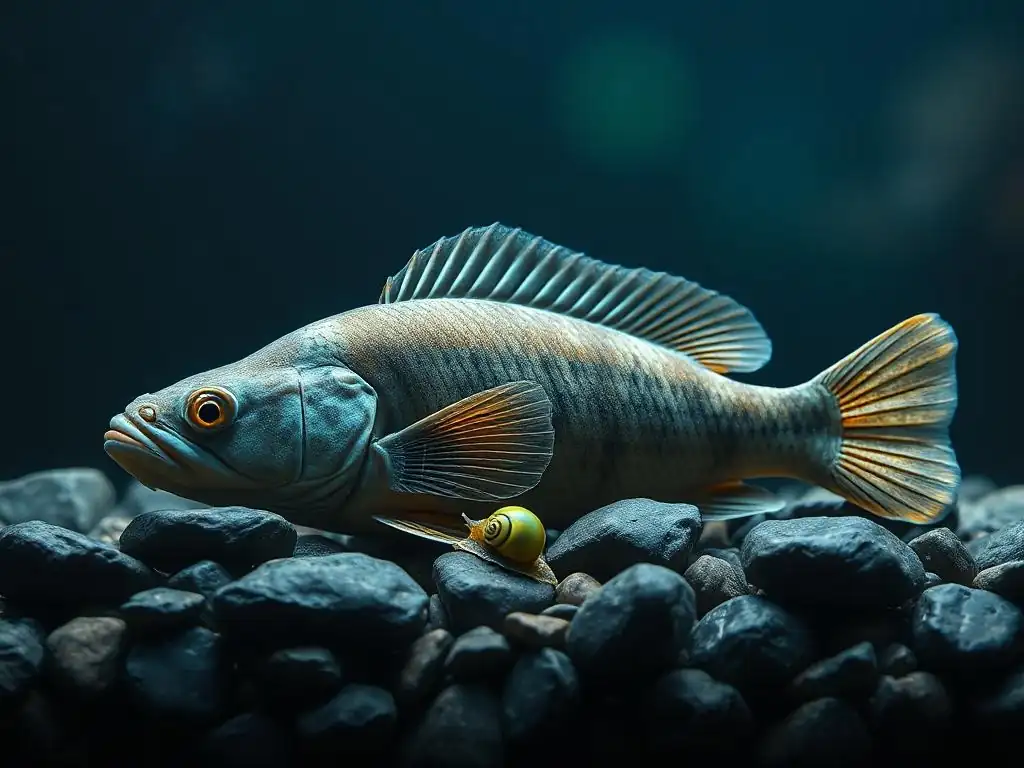
The selection of tank mates plays a crucial role in preventing or exacerbating pleco aggression. Introducing incompatible fish can trigger or intensify aggressive behaviors in your pleco. It's essential to avoid overly boisterous, fin-nipping, or highly territorial fish that might stress your pleco or directly compete with it. Thoroughly research the adult size, temperament, and specific needs of any potential tank mate before introducing them to your pleco's environment.
Opt for fish species that occupy different water columns within the aquarium and have distinct dietary needs to minimize direct competition for space and food. For example, fast-moving schooling fish that primarily inhabit the mid-to-upper water column are generally less likely to interfere with a pleco's bottom-dwelling territory. This careful consideration of species compatibility is a critical aspect of implementing successful aggressive pleco solutions tank strategies.
Best Tank Mates for Plecos: Peaceful Coexistence
Ideal tank mates for most pleco species are peaceful fish that primarily inhabit the mid to upper levels of the water column. Good choices include various Tetras (e.g., Neon Tetras, Rummy Nose Tetras, Black Skirt Tetras), Rasboras (e.g., Harlequin Rasboras, Chili Rasboras), Danios (e.g., Zebra Danios), and smaller, peaceful Gouramis. These species typically do not compete for bottom space or food, minimizing direct interaction and potential conflict with your pleco.
Other peaceful bottom dwellers, such as Corydoras catfish, can sometimes coexist with plecos, provided the tank is sufficiently large and offers multiple feeding zones and ample hiding spots for all. However, avoid keeping multiple male plecos of the same species in anything but exceptionally large tanks (e.g., over 150 gallons for two larger pleco species), as inter-species aggression is common. Prioritizing fish with different niches is key to a harmonious aggressive pleco solutions tank.
Fish to Avoid: Potential Conflict with Plecos
To prevent conflict, it's best to avoid housing plecos with slow-moving, long-finned fish such as Angelfish, Discus, or Bettas. Some pleco species, particularly larger or more aggressive individuals, might nip at their flowing fins, mistaking them for food or simply out of irritation. Similarly, steer clear of other large, highly territorial bottom-dwelling cichlids or certain aggressive Synodontis catfish species, as they will directly compete with your pleco for prime territory and resources, leading to inevitable clashes.
Additionally, very small or delicate fish, especially those that spend time near the bottom, might be accidentally injured or unduly stressed by a large pleco moving around. While not always intentional aggression, a large pleco's size can pose a threat. Careful research into the specific pleco species' temperament and adult size is crucial to avoid housing it with vulnerable tank mates, making informed choices vital for aggressive pleco solutions tank planning.
Monitoring Water Parameters: Stress and Aggression
Poor water quality is a significant stressor for all aquarium inhabitants, including plecos, and stress is a primary catalyst for aggressive behavior. Fluctuations in pH, elevated levels of ammonia or nitrite, and consistently high nitrate concentrations can all make a pleco irritable and prone to lashing out. Regular and consistent water testing is therefore vital. For most common pleco species, maintaining a stable pH between 6.5-7.5, ammonia and nitrite at 0 ppm, and nitrates below 20 ppm is crucial for their well-being.
Ensuring a stable water temperature within the species' preferred range (e.g., 74-80°F for many common plecos) is equally important, as sudden or drastic temperature shifts can cause shock and stress. A healthy, stable aquatic environment contributes immensely to a calm and peaceful pleco, significantly reducing the likelihood of stress-induced aggression. Therefore, meticulous water parameter management is a cornerstone of effective aggressive pleco solutions tank maintenance.
The Importance of Water Quality in Reducing Aggression
Pristine and stable water conditions are paramount in reducing overall stress levels for plecos, allowing them to thrive rather than merely survive. When a pleco feels healthy and unstressed, its natural tendencies for aggression are significantly diminished. High levels of metabolic waste, for instance, can lead to chronic low-level stress, making a pleco more defensive and prone to lashing out. Ammonia burns or fin rot, often symptoms of poor water quality, can also make a pleco feel vulnerable and thus more aggressive.
Consistent water parameters prevent the physiological stress that often precedes behavioral problems. A well-maintained biological filter, appropriate filtration for the tank size and bioload, and regular testing are essential for achieving and maintaining these optimal conditions. This proactive approach to water quality is a fundamental and often overlooked aspect of preventing and resolving aggressive pleco solutions tank challenges.
Regular Water Changes for a Healthy Tank Environment
Regular water changes are indispensable for maintaining a healthy and stable aquarium environment, directly impacting pleco temperament. Consistent weekly or bi-weekly water changes, typically ranging from 25-30% of the tank volume, are crucial for diluting accumulated nitrates and replenishing essential minerals that are depleted over time. For example, in a 100-gallon tank, a 25-gallon water change every week or two is a good starting point to keep nitrates in check.
Always use a reliable water conditioner to neutralize chlorine, chloramines, and heavy metals present in tap water before adding it to the tank. Furthermore, ensure that the new water is temperature-matched to the existing tank water to prevent thermal shock to your pleco and other fish. This diligent maintenance routine prevents the gradual decline in water quality that can subtly trigger stress and aggression in even normally peaceful pleco species, making it a key part of aggressive pleco solutions tank care.
Plecos are primarily herbivorous or omnivorous, with a strong dietary requirement for plant matter and, for many species, driftwood. An inadequate or insufficient diet can lead to nutritional deficiencies and, crucially, increased competition for food resources, which often manifests as aggression. It is vital to ensure your pleco receives enough high-quality algae wafers, blanched vegetables (e.g., zucchini, cucumber, spinach), and appropriate driftwood for rasping.
If a pleco is not receiving adequate nutrition, it may become territorial over perceived food sources or even resort to undesirable behaviors such as rasping on the slime coat of other fish. This "slime coat grazing" is particularly common with larger, underfed plecos targeting flat-bodied fish like Angelfish or Discus, and it is a clear sign of dietary deficiency and stress-induced aggression. Addressing this through proper feeding is a critical aggressive pleco solutions tank strategy.
Ensuring Adequate Algae Growth
While many pleco species are excellent algae eaters, relying solely on natural algae growth in a well-maintained home aquarium is often insufficient to meet their full nutritional needs, especially for larger or more active species. Supplemental feeding is almost always necessary. For instance, a 12-inch common pleco can consume a surprisingly large volume of algae daily, far more than what most residential aquarium setups naturally produce, particularly if the tank is kept clean.
Even species highly regarded for their algae-eating capabilities, such as the Bristlenose Pleco, greatly benefit from and require supplemental foods. Over-reliance on natural algae can lead to a pleco becoming malnourished, stressed, and consequently more competitive or aggressive. Therefore, while algae growth is beneficial, it should be viewed as a supplement to, not a replacement for, a balanced, artificial diet.
Supplemental Feeding: Preventing Food Competition
To prevent food-related aggression and ensure your pleco receives adequate nutrition, offer high-quality algae wafers, sinking pellets, and blanched vegetables (e.g., zucchini, cucumber, peas) at night, which is when most plecos are most active. Drop food in multiple locations across the tank floor to ensure all plecos and other bottom-dwellers get their share, effectively reducing direct competition. For example, if you have two plecos, place an algae wafer on opposite sides of the tank.
Ensure that the food sinks quickly and is easily accessible to your pleco without being monopolized by faster, mid-water column fish. If other tank mates are consistently eating the pleco's food before it can get to it, try feeding the pleco specifically after the main aquarium lights have been turned off for the night. This strategic feeding ensures your pleco is well-nourished and significantly reduces the likelihood of food-related aggression, a vital component of aggressive pleco solutions tank management.
Specific Scenarios: Dealing with Different Types of Pleco Aggression
Aggression Towards Other Plecos: Strategies for Mitigation
Aggression between plecos is a common scenario, particularly between males of the same species or closely related species (e.g., two male Bristlenose Plecos). This type of aggression is primarily territorial, driven by competition for prime hiding spots and breeding rights. The most effective strategies for mitigation involve ensuring ample tank size and providing an abundance of varied hiding spots. For instance, two adult male Bristlenose Plecos might require a tank of 50 gallons or more, equipped with numerous distinct caves and driftwood pieces, to coexist peacefully without constant skirmishes.
If aggression persists despite adequate space and hides, consider separating the individuals into different tanks or rehoming one. In some specific cases, introducing a female might redirect male-on-male aggression by shifting their focus to breeding, but this also necessitates ample space and willingness to manage potential offspring. Crucially, creating multiple visual barriers within the tank is paramount for aggressive pleco solutions tank setups housing more than one pleco, allowing them to establish and maintain separate territories.
Aggression Towards Bottom-Dwelling Fish: Finding a Balance
Plecos may exhibit aggression towards other bottom-dwelling fish, such as Corydoras catfish or loaches, due to perceived competition for food sources or prime territorial spots. To find a balance, ensure the tank is sufficiently large, providing ample horizontal space for all bottom dwellers. Additionally, provide multiple feeding spots and an abundance of diverse hiding places for every fish. For example, if a pleco is harassing a group of Kuhli Loaches, adding more driftwood and distributing sinking foods widely can help alleviate the tension.
Carefully observe feeding habits to determine if the aggression is food-related. If the pleco is monopolizing food, ensure supplemental feeding after lights out, when other fish are less active. If the aggression is purely territorial, re-scaping the tank to create more distinct zones and visual barriers can significantly alleviate the issue by allowing each bottom-dweller to establish its own perceived safe zone.
Aggression Towards Invertebrates: Protecting Your Shrimp and Snails
While many pleco species are generally considered safe with invertebrates, some larger or more omnivorous plecos might occasionally attempt to prey on smaller shrimp or snails, particularly if they are underfed or if the invertebrates are perceived as a food source. This behavior is less common with strictly herbivorous plecos like Bristlenoses but can occur with others. For instance, a larger Common Pleco might inadvertently crush or attempt to eat a snail, while some species might actively target shrimp.
To protect your shrimp and snails, ensure your pleco is consistently well-fed with appropriate, high-quality foods. Provide plenty of dense plant cover, mosses, and small crevices where shrimp can hide and seek refuge. If a pleco consistently preys on or injures invertebrates despite proper feeding and hiding spots, then separation or rehoming the pleco might be the only viable aggressive pleco solutions tank option to ensure the safety of your invertebrate inhabitants.
Preventing Future Aggression: Proactive Tank Management
Quarantine New Plecos: Observing Behavior Before Introduction
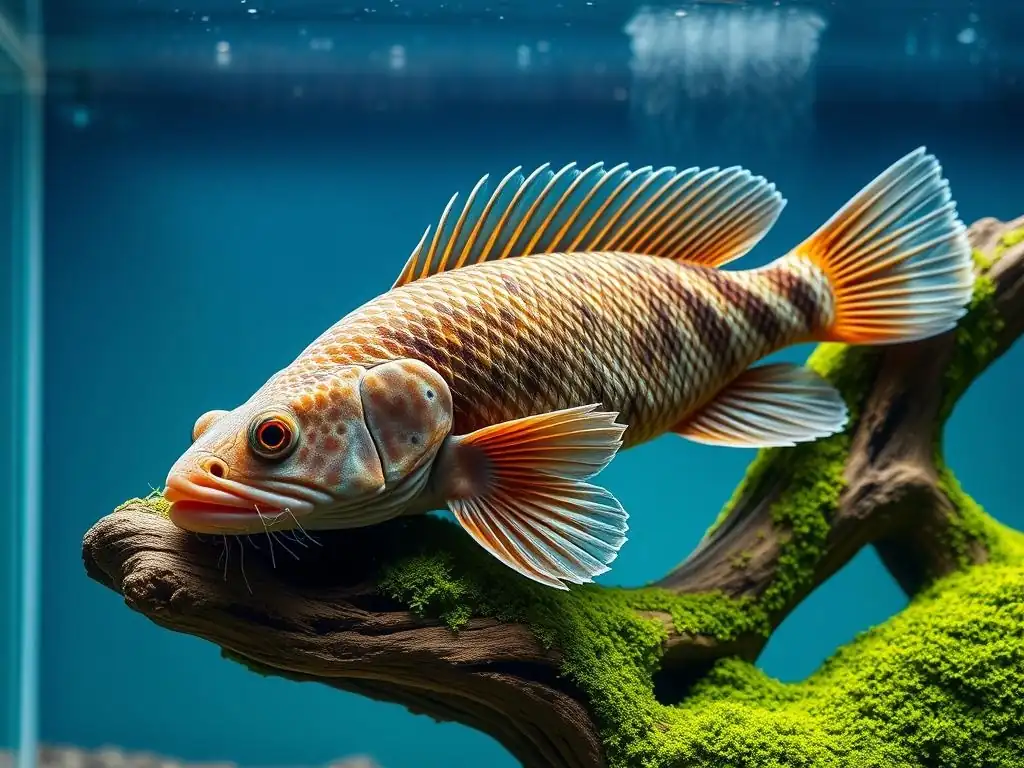
Always implement a strict quarantine protocol for any new fish, including plecos, for a minimum period of 2 to 4 weeks. This crucial step serves multiple purposes: it allows you to observe their general health in isolation, preventing the potential introduction of diseases or parasites into your main display tank. More importantly, it provides an opportunity to gauge the new pleco's temperament and observe any immediate signs of aggression without impacting your established community.
During the quarantine period, provide a simple setup with a basic hide. Observe how the new pleco reacts to food, its environment, and any temporary tank mates (if applicable). This proactive step can prevent a potentially aggressive pleco from disrupting the delicate balance of an established, peaceful community tank, saving you from future aggressive pleco solutions tank challenges and stress for your fish.
Avoiding Overcrowding: The Key to a Peaceful Aquarium
Overcrowding is one of the most significant and preventable causes of stress and aggression in any aquarium environment. It leads to increased competition for food, space, and hiding spots, and contributes to rapid degradation of water quality. It is imperative to thoroughly research the adult size of your chosen pleco species and select a tank that can comfortably accommodate its full-grown dimensions, as well as those of its tank mates. A common mistake is purchasing a small pleco that will eventually outgrow a standard aquarium, leading to future aggression.
While the "one inch of fish per gallon" rule can serve as a very loose guideline, it is often insufficient for bottom-dwelling fish like plecos, which require significant floor space. For instance, a 4-inch Bristlenose Pleco needs a minimum of 20-30 gallons, whereas a 12-inch Sailfin Pleco demands 75-100 gallons or more. Adhering to appropriate stocking levels is the fundamental key to maintaining a peaceful and healthy aggressive pleco solutions tank.
Regularly Observing Your Pleco's Behavior: Early Detection is Key
Consistent and regular observation of your pleco and its tank mates is crucial for early detection of potential aggression or stress. Dedicate time daily to watch their interactions, looking for subtle signs of distress such as clamped fins, faded or darkened colors, constant hiding, or unusual chasing. Catching these behaviors early allows for timely intervention before aggression escalates into serious injury or chronic stress for the affected fish.
Maintain a log of your water parameters and feeding habits, as any deviation from normal behavior should prompt an investigation into water quality, diet, or tank dynamics. Proactive observation allows you to identify triggers and implement corrective measures quickly. This vigilant approach is the best way to maintain a peaceful and healthy aggressive pleco solutions tank, ensuring the well-being of all your aquatic inhabitants.
Aggressive Pleco Solutions: A Summary of Effective Strategies
Quick Checklist: Addressing Pleco Aggression in Your Tank
To effectively manage and mitigate aggressive pleco behavior in your aquarium, a comprehensive approach is required. Start by ensuring adequate tank size: a minimum of 100+ gallons for large species like the Common Pleco, and 30+ gallons for smaller species like the Bristlenose, prioritizing horizontal floor space. Provide abundant and varied hiding spots, including multiple pleco caves, large pieces of driftwood for rasping and shelter, and dense live plants to create visual barriers.
Maintain pristine water quality through regular, consistent water changes (e.g., 25-30% weekly) and diligent monitoring of parameters (0 ammonia/nitrite, low nitrates). Implement a proper diet with high-quality algae wafers and blanched vegetables, offered after lights out to prevent food competition. Carefully select compatible tank mates that occupy different water columns, avoiding other large bottom-dwellers or long-finned fish. Regularly re-scape the aquarium to disrupt established territories, and always quarantine new plecos to observe their behavior before introduction, ensuring a peaceful aggressive pleco solutions tank environment.
Frequently Asked Questions
How can I tell if my pleco is being aggressive?
Signs of aggression in plecos include chasing other fish, nipping fins, and defending a specific territory, often a cave or piece of driftwood.
What are some common reasons for pleco aggression?
Pleco aggression is often rooted in territoriality and competition for resources, especially in overcrowded tanks or when multiple plecos are present.
What size tank is generally recommended to reduce aggression in plecos?
The ideal tank size depends on the species of pleco, but generally, larger tanks (75 gallons or more) are better to provide ample space and reduce territorial disputes.
What are some specific solutions for dealing with an aggressive pleco?
Possible solutions include rearranging the tank decor to disrupt established territories, adding more hiding places, or separating the aggressive pleco into a different tank.
Can specific tank mates help reduce aggression in plecos?
While no tank mate guarantees a peaceful environment, dither fish can sometimes help by creating a more active and less predictable environment, thus reducing the focus on territorial defense.
Final Reflection: Harmony in the Aquarium
The insights shared throughout this article, focusing on understanding and mitigating aggression in plecos, are particularly relevant today as the popularity of these fascinating fish continues to rise. Maintaining a balanced and thriving aquarium ecosystem is not just about aesthetics; it's about responsible pet ownership and respecting the complex needs of the creatures in our care. Ignoring the potential for territorial disputes can lead to stress, injury, and even death for these vulnerable animals, highlighting the urgent need for informed and proactive solutions.
This exploration into pleco behavior has profoundly influenced how we perceive the delicate balance within our aquariums. It reminds us that each fish, regardless of size or perceived simplicity, possesses unique needs and deserves a carefully considered environment. The lessons learned extend beyond plecos, urging us to approach all aspects of aquarium keeping with empathy and a commitment to creating harmonious habitats. The greatness of a nation and its moral progress can be judged by the way its animals are treated.
- Mahatma Gandhi. This quote resonates deeply, underscoring the ethical responsibility we bear towards the creatures we choose to keep.
Now, armed with a deeper understanding of pleco territoriality and the strategies to address it, I invite you to reflect on your own aquarium practices. Are you providing adequate space, hiding places, and resources for all your inhabitants? Are you observing their behavior closely and intervening when necessary? Let us all strive to create aquariums that are not just visually appealing, but also havens of peace and well-being for the magnificent plecos and other aquatic life we cherish.
Unlock Pleco Harmony: Dive Deeper & Take Action!
Thank you for exploring the world of pleco behavior with us! We hope you've gained valuable insights into understanding and managing territorial aggression in your aquarium. Now, let's put that knowledge into action!
- Take the Plunge: Carefully observe your pleco's behavior over the next week. Note specific instances of aggression, who it targets, and the environment at the time. This detailed record is crucial for targeted solutions.
- Expand Your Horizons: Explore the aquarium layout to identify potential "territorial hotspots." Consider rearranging decor to disrupt established claims.
- Share the Wisdom: Spark a discussion! What creative solutions have you used to manage pleco aggression in your aquarium?
What small change will you implement in your tank this week based on what you have learned today, and why do you believe this adjustment will make a positive difference?