
Understanding Line Breeding vs. Hybridization in Peacock Cichlids

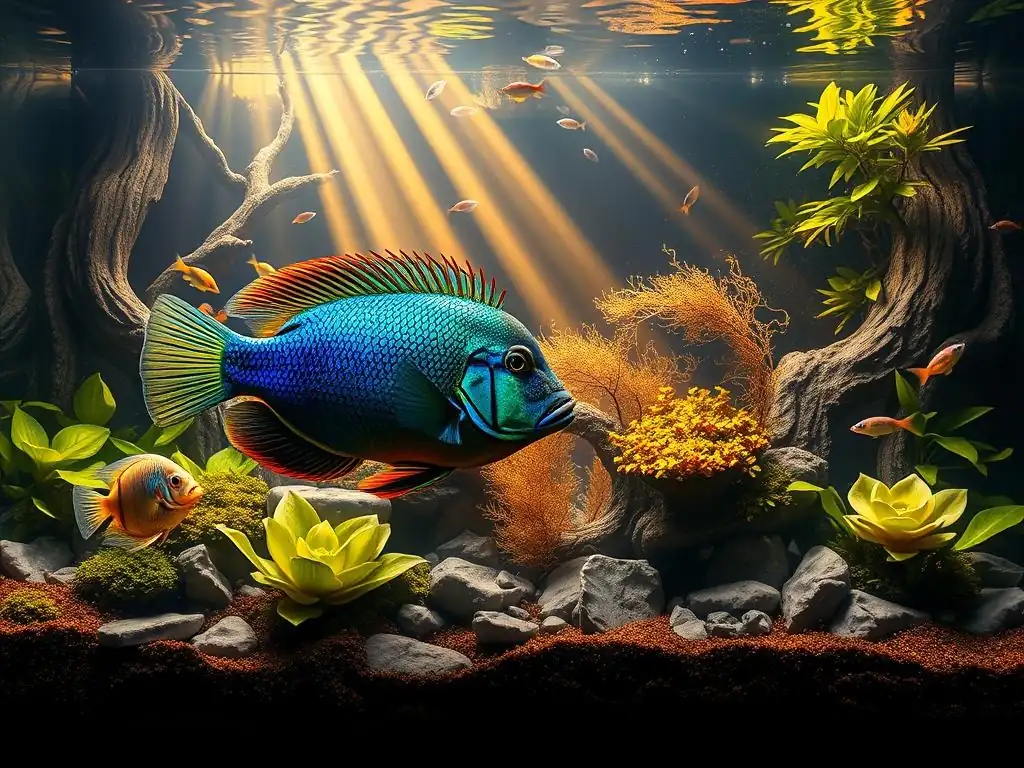
Welcome to Aquarium Mastery! Ever wondered how to unlock the secrets of vibrant colors and healthy offspring in your Peacock Cichlids? Dive into our expert guide on Peacock Cichlid breeding techniques, where we explore the fascinating world of line breeding versus hybridization. Uncover the best approaches to enhance your aquarium and cultivate stunning specimens. Ready to master the art of Peacock Cichlid breeding? Let's get started!
- Introduction to Peacock Cichlid Breeding Techniques
- Line Breeding Peacock Cichlids: Maintaining the Bloodline
- Hybridization in Peacock Cichlids: Creating New Color Morphs
- Line Breeding vs. Hybridization: A Detailed Comparison for Peacock Cichlids
- Choosing the Right Breeding Technique for Your Peacock Cichlids
- Conclusion: Mastering Peacock Cichlid Breeding Through Informed Choices
-
Frequently Asked Questions
- What is the primary difference between line breeding and hybridization when it comes to Peacock Cichlids?
- Why would someone choose line breeding over hybridization for their Peacock Cichlids?
- What are some potential drawbacks to hybridization in Peacock Cichlids?
- How does water quality affect the success of Peacock Cichlid breeding, regardless of the technique used?
- What are some ethical considerations when practicing hybridization with Peacock Cichlids?
- Final Reflection: The Art of Shaping Aquatic Beauty
- Unleash the Vibrant Potential of Your Peacock Cichlids!
Introduction to Peacock Cichlid Breeding Techniques
The Allure of Breeding Peacock Cichlids
Breeding peacock cichlids ( Aulonocara species) is a captivating aspect of the aquarium hobby, drawing enthusiasts with the promise of vibrant colors, intricate social behaviors, and the satisfaction of nurturing new life. These stunning fish, native to Lake Malawi in Africa, are renowned for their iridescent blues, reds, yellows, and oranges, making them a centerpiece in many freshwater aquariums. The desire to propagate specific color morphs, enhance desirable physical traits, or even discover entirely new combinations fuels the passion for peacock cichlid breeding techniques among aquarists worldwide.
The diversity within the Aulonocara genus is immense, with numerous naturally occurring species and geographical variants, each possessing unique characteristics. From the deep blues of a "Blue Neon" to the fiery reds of a "Ruby Red" or the striking patterns of an "OB Peacock," breeders are constantly seeking to either preserve the purity of these established lines or explore the potential for innovation. This pursuit often involves a deep dive into genetics and a commitment to understanding the nuances of fish reproduction.
Importance of Understanding Breeding Methods for Peacock Cichlids
A thorough understanding of peacock cichlid breeding techniques is paramount for any aquarist venturing into this rewarding endeavor. Without proper knowledge, breeding efforts can lead to unintended consequences, such as the production of unhealthy offspring, the dilution of valuable genetic traits, or even the accidental creation of sterile fish. Responsible breeding goes beyond simply putting a male and female together; it involves careful planning, selection, and an ethical approach to genetic management.
Knowing the distinction between line breeding and hybridization, for instance, dictates the long-term outcomes for your fish and the broader hobby. It impacts the genetic health of future generations, the integrity of specific Aulonocara strains, and the ability to achieve consistent, predictable results. Mastering these methods ensures not only the success of your breeding program but also contributes to the overall health and vitality of the Aulonocara populations within the aquarium trade.
Line Breeding Peacock Cichlids: Maintaining the Bloodline
What is Line Breeding in Peacock Cichlids?
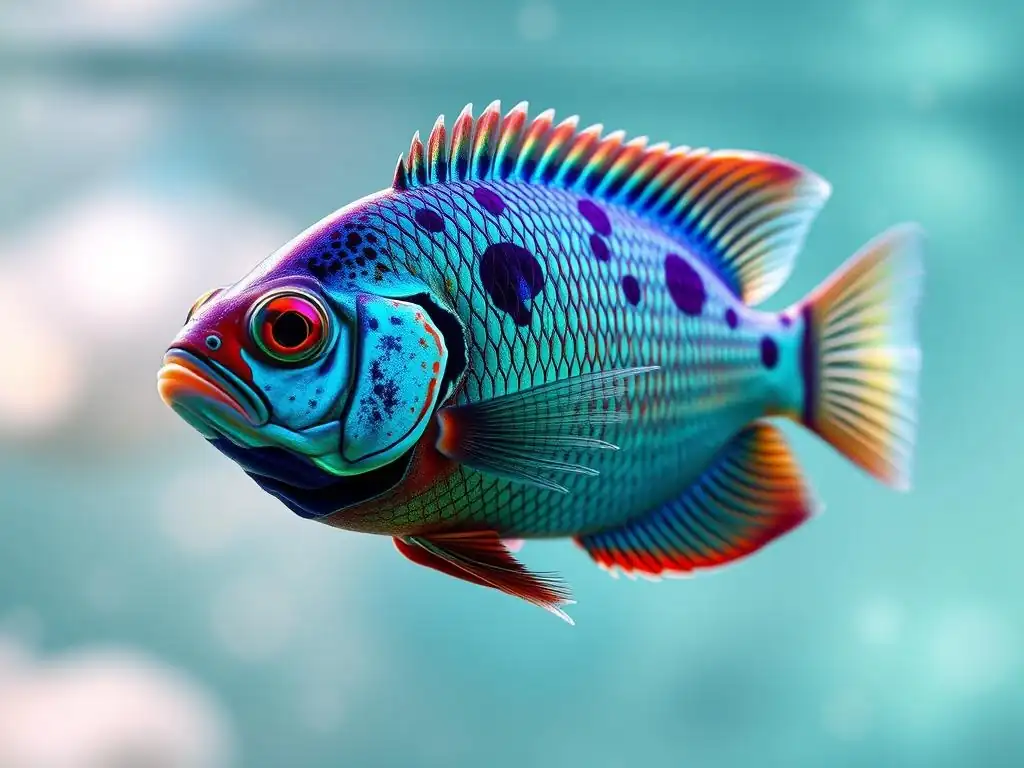
Line breeding is a selective breeding technique focused on reinforcing and concentrating desirable traits within a single, established genetic lineage of peacock cichlids. It involves breeding closely related individuals, often sharing a common ancestor within a few generations, to intensify the expression of specific characteristics. The goal is to "fix" certain genes within the bloodline, leading to a high degree of predictability in the offspring's appearance and temperament.
This method does not involve crossing different species; instead, it refines and purifies traits already present within a specific Aulonocara species or strain. For example, a breeder aiming to enhance the vibrant blue coloration and distinct barring of a "Blue Neon" Peacock cichlid would select the best blue specimens from their existing stock and breed them together, generation after generation, carefully managing the genetic pool to achieve greater consistency and intensity of that particular trait.
Goals of Line Breeding: Enhancing Desirable Traits
The primary goals of line breeding in peacock cichlids revolve around enhancing and stabilizing specific desired traits. These traits can include intensifying color saturation (e.g., deepening the red on a "Eureka Red" or brightening the yellow on a "Sulphur Head"), improving fin shape and size, increasing overall body size, or even strengthening disease resistance. The systematic nature of line breeding allows for a predictable progression towards these objectives over multiple generations.
For instance, a breeder might spend 3-5 generations focusing solely on achieving a specific shade of purple or a particular fin extension, meticulously selecting only those individuals that best embody the target characteristics for subsequent pairings. This dedication to specific peacock cichlid breeding techniques results in the development of highly refined strains that are often sought after for their consistent quality and show-winning potential, where uniformity and excellence in specific features are highly valued.
The Process of Line Breeding Peacock Cichlids
Selecting Breeding Pairs: Prioritizing Specific Characteristics
The cornerstone of successful line breeding is the meticulous selection of breeding pairs. Aquarists must identify individuals that not only exhibit the desired characteristics most strongly but also possess excellent health and vigor. This often means choosing siblings, half-siblings, or parent-offspring pairings that consistently display the target traits, such as a male "Dragon Blood" Peacock with exceptional red coverage and a female from the same lineage showing strong color potential. The chosen fish must be free of deformities, diseases, or any signs of weakness.
Beyond aesthetics, it is crucial to consider the overall health and reproductive history of the potential breeders. A fish with ideal coloration but a history of low fertility or small brood sizes is generally not a suitable candidate for a robust line. Experienced breeders often select young, healthy adults, typically around 1-2 years old, ensuring they have a long productive breeding life ahead to contribute to the genetic line.
Documenting Pedigrees and Lineages
Meticulous record-keeping is an indispensable component of effective line breeding. Breeders maintain detailed logs, often using specific numbering systems (e.g., F1-A, F2-B) to track parentage, offspring numbers, sex ratios, and the expression of desired traits across generations. This documentation allows the breeder to trace the lineage of every fish, identifying successful pairings and understanding the inheritance patterns of specific genes.
These comprehensive records, sometimes spanning 5-7 generations, are vital for assessing the progress of the line, identifying potential genetic bottlenecks, and making informed decisions about future pairings. Without precise documentation, it becomes nearly impossible to manage the genetic pool effectively, leading to guesswork and potentially undermining the entire line breeding effort.
Managing Inbreeding Depression in Peacock Cichlids
While line breeding intentionally uses close relationships, it carries the risk of inbreeding depression—a reduction in fitness due to the accumulation of deleterious recessive genes. This can manifest as decreased fertility (e.g., a drop from typical brood sizes of 30-40 fry to 10-15), stunted growth, weakened immune systems, or increased susceptibility to common aquarium diseases like bloat or ich.
To mitigate this, responsible line breeders periodically introduce new, unrelated bloodlines (a process known as outcrossing) that still possess the desired traits. This typically occurs every 3-5 generations, carefully selecting an outcross individual to broaden the genetic diversity without diluting the established characteristics. Another strategy involves carefully rotating breeding pairs to minimize direct sibling-to-sibling pairings, favoring cousin or half-sibling crosses where appropriate.
Advantages and Disadvantages of Line Breeding Peacock Cichlids
Pros: Predictability and Trait Stabilization
One of the most significant advantages of line breeding peacock cichlids is the high degree of predictability it offers in offspring characteristics. Through consistent selection over generations, breeders can stabilize desired traits, ensuring that a large percentage of fry (often 80-90% by the F3-F5 generation) will exhibit the target coloration, finnage, or body shape. This consistency is highly valued in the hobby, particularly for those seeking show-quality fish or specific established morphs like a "Sunshine" or "German Red" Peacock.
Furthermore, line breeding allows for the creation of distinct, recognizable strains that maintain their unique features over time. This contributes to the preservation of pure Aulonocara forms within the hobby, providing reliable sources for aquarists who wish to keep genetically pure fish without concerns about unintended hybridization.
Cons: Potential for Genetic Defects
Despite its benefits, line breeding carries inherent risks, primarily the potential for concentrating undesirable recessive genes. While strengthening desirable traits, this method can inadvertently increase the likelihood of genetic abnormalities appearing in offspring, such as spinal deformities, swim bladder issues, or weakened immune systems. In poorly managed lines, a small percentage of offspring, perhaps 5-10%, might exhibit such defects.
The risk of inbreeding depression is a constant concern. If outcrossing is not performed judiciously or if the breeding pool becomes too narrow, the overall vigor and health of the line can decline over time, potentially impacting fertility and survival rates after 6-8 generations of intense inbreeding. Maintaining a healthy, viable line requires continuous vigilance and a strategic approach to genetic management.
Hybridization in Peacock Cichlids: Creating New Color Morphs
Defining Hybridization in Peacock Cichlids
Hybridization in peacock cichlids refers to the process of breeding two distinct species or highly differentiated strains of Aulonocara to produce offspring with mixed genetic characteristics. Unlike line breeding, which refines traits within a single lineage, hybridization intentionally combines genetic material from different sources, often with the aim of creating novel appearances not found in purebred fish.
For example, crossing a "Eureka Red" Peacock cichlid ( Aulonocara stuartgranti "Ngara") with a "Blue Neon" ( Aulonocara stuartgranti "Maulana"), or even a male Aulonocara with a female from a different cichlid genus (though less common and often resulting in sterile offspring), constitutes hybridization. The resulting offspring, known as hybrids, will display a blend of traits from both parent species, leading to unique and sometimes unpredictable color patterns or body forms.
The Appeal of Hybridizing Peacock Cichlids: Color and Novelty
The primary appeal of hybridizing peacock cichlids lies in the exciting prospect of creating entirely new color patterns, unique fin shapes, or novel combinations of traits that do not exist in purebred lines. This pursuit of novelty attracts aquarists who are driven by creativity and the desire to produce fish that are truly one-of-a-kind. The vibrant and often unpredictable outcomes can be visually stunning, offering a fresh aesthetic to the hobby.
Many popular "designer" peacock cichlids, such as the "Dragon Blood" or certain "OB" morphs, originated as hybrids or were developed through complex hybridization programs. The thrill of discovering a unique coloration or pattern that stands out in the market can be a significant motivator, sometimes leading to initial higher prices for these novel fish due to their rarity and unique appearance.
The Process of Hybridization: Crossing Different Species or Strains
Identifying Compatible Peacock Cichlid Species for Hybridization
While many Aulonocara species can interbreed, successful and viable hybridization often requires identifying compatible species or strains. Compatibility typically relates to similar body shapes, sizes, and, importantly, similar breeding behaviors and water parameter preferences. For instance, crossing different geographical variants of Aulonocara stuartgranti often yields fertile offspring, whereas crossing Aulonocara with a more distantly related cichlid might result in sterile or less robust hybrids.
The process often involves a degree of experimentation, as not all crosses produce desirable or healthy offspring. Experienced hybridizers typically start with known compatible species or strains, observing their interactions and reproductive success. Careful consideration is given to the size and temperament of the parent fish to ensure successful spawning and minimal aggression within the breeding tank.
Understanding Hybrid Vigor and Sterility
A notable phenomenon often observed in the first generation (F1) of hybrids is hybrid vigor, also known as heterosis. This refers to the tendency of hybrid offspring to be stronger, grow faster, or exhibit increased disease resistance compared to either parent species. This enhanced robustness is attributed to the increased genetic diversity derived from combining two distinct gene pools. For instance, F1 peacock cichlid hybrids might show a growth rate 15-20% faster than their purebred counterparts in optimal conditions.
However, a significant drawback of hybridization, particularly when crossing more genetically distant species, is the potential for sterility. Many F1 hybrids, or more commonly F2 and subsequent generations, may be infertile or have significantly reduced fertility. For example, some cichlid hybrids have a fertility rate of less than 10%, meaning very few, if any, of their offspring will be viable. This can limit further breeding efforts and the establishment of stable hybrid lines.
Ethical Considerations in Peacock Cichlid Hybridization
The practice of hybridization in peacock cichlids carries significant ethical considerations within the aquarium hobby. While it allows for the creation of new forms, it can inadvertently dilute pure bloodlines, making it increasingly difficult for hobbyists to distinguish true species from hybrids. This confusion can have unintended negative consequences, potentially harming conservation efforts for wild populations if hybrids are mistakenly released or used for breeding with pure strains.
Responsible breeders who engage in hybridization emphasize the critical importance of clear and honest labeling. Any fish produced through hybridization should always be sold or traded with a clear disclosure that they are hybrids, not pure species. This transparency prevents accidental misrepresentation and helps maintain the genetic integrity of pure Aulonocara species within the trade, ensuring that hobbyists can make informed decisions about their fish acquisitions.
Advantages and Disadvantages of Hybridizing Peacock Cichlids
Pros: New Color Patterns and Increased Vigor
The most compelling advantage of hybridizing peacock cichlids is the ability to create entirely novel and visually striking color patterns and combinations that are simply not found in purebred lines. Imagine a fish displaying an intense blue body with vibrant red fins and a yellow face, a combination that might not naturally occur in any single Aulonocara species. This creative freedom allows breeders to push the boundaries of what is aesthetically possible.
Furthermore, the phenomenon of hybrid vigor often results in F1 hybrid offspring that are more robust, healthier, and potentially more resistant to common diseases than their purebred parents. This increased hardiness can make them more resilient aquarium inhabitants, leading to higher survival rates (e.g., a 10-15% improvement in fry survival) and easier long-term care for the average hobbyist.
Cons: Unpredictable Offspring and Potential Loss of Genetic Purity
A significant disadvantage of hybridization is the unpredictability of the offspring's traits. Unlike line breeding, where outcomes are highly predictable, a hybrid cross might produce a wide range of appearances, with only a small percentage (sometimes as low as 10-20%) exhibiting the desired novel traits. Many offspring might be dull, exhibit undesirable patterns, or simply not live up to the breeder's expectations, making the process less efficient for consistent production.
More critically, uncontrolled or undeclared hybridization poses a substantial threat to the genetic purity and integrity of Aulonocara species within the hobby. The widespread distribution of mixed-blood fish makes it challenging for aquarists to identify and preserve true species, leading to genetic pollution. This can erode the distinct characteristics that define specific wild populations and cultivated strains, potentially impacting the long-term genetic diversity and value of Aulonocara in the hobby.
Line Breeding vs. Hybridization: A Detailed Comparison for Peacock Cichlids
Genetic Purity and Trait Control
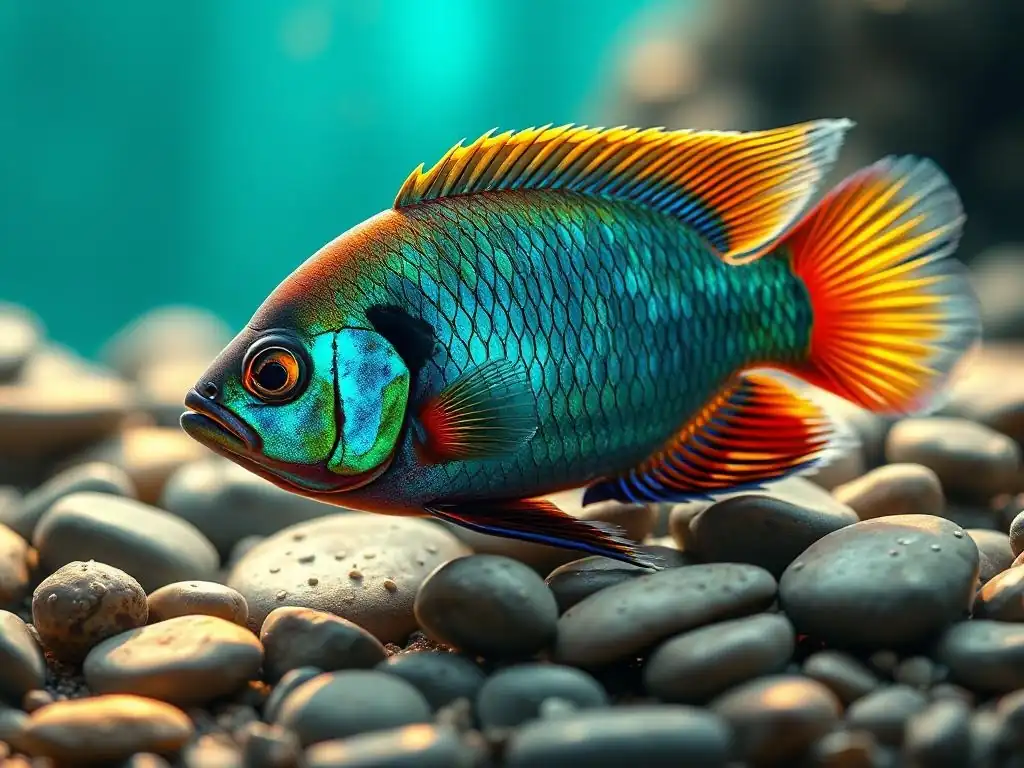
Line breeding in peacock cichlids is inherently focused on maintaining and enhancing genetic purity within a specific species or established strain. The goal is to refine existing traits and ensure a high degree of consistency across generations. By carefully selecting individuals within a defined lineage, breeders exert significant control over trait expression, aiming for 80-95% of offspring displaying the desired characteristics by the F3-F5 generation. This method is about consolidation and predictability.
Hybridization, conversely, intentionally sacrifices genetic purity for the sake of novelty and the creation of new combinations. It involves mixing diverse genetic material, leading to less predictable outcomes, especially in generations beyond the F1. While it can introduce exciting new phenotypes, the control over specific trait expression in subsequent generations is significantly reduced, often resulting in a wider range of appearances among offspring.
Risk of Undesirable Traits and Genetic Issues
Both peacock cichlid breeding techniques carry risks, but of different natures. Line breeding, if not managed with strategic outcrossing, can lead to the concentration of recessive undesirable genes, manifesting as inbreeding depression. This might include reduced fertility, smaller brood sizes (e.g., a decrease of 50% or more), or increased susceptibility to common aquarium diseases after 5-7 generations of continuous close inbreeding without introducing new blood.
Hybridization, while potentially introducing hybrid vigor in the F1 generation, often faces unpredictability in subsequent generations (F2, F3). These later generations can exhibit a wide range of traits, including undesirable ones, and often suffer from reduced fertility or complete sterility. This can make the establishment of stable, self-sustaining hybrid lines challenging, with many hybrid efforts reaching a genetic dead end after only 2-3 generations.
Impact on Species Integrity and Conservation
Line breeding generally supports the integrity of Aulonocara species by focusing on the refinement and preservation of distinct, pure lines. By meticulously selecting for specific characteristics within an established strain, line breeders contribute to maintaining the unique features that define a particular wild population or cultivated morph. This practice helps ensure that genetically pure examples of various Aulonocara species remain available within the hobby.
Hybridization, if unregulated and not clearly labeled, poses a significant risk to species integrity. The widespread distribution of mixed-blood fish can confuse hobbyists, making it increasingly difficult to identify and preserve pure species. This genetic pollution can inadvertently undermine efforts to maintain the distinct genetic diversity of Aulonocara species, potentially impacting their perceived value and, in a broader sense, the understanding and conservation of these fish.
Long-Term Considerations for Peacock Cichlid Health and Appearance
For line breeding, the long-term health and consistent appearance of the peacock cichlids are paramount. By carefully selecting healthy breeding stock and periodically introducing unrelated bloodlines through outcrossing, breeders can prevent inbreeding depression and maintain the overall vigor of their line. The goal is a consistently healthy and aesthetically pleasing line that can be sustained for many generations, often exceeding 10+ generations, while retaining its signature characteristics.
Hybridization's long-term impact on health and appearance can be more varied. While F1 hybrids may exhibit enhanced robustness, the long-term viability of hybrid lines can be questionable. Issues like sterility or the unpredictable segregation of traits in later generations often lead to a plateau or even a decline in desirable characteristics after just 2-3 generations. This makes it difficult to maintain a consistent appearance or ensure sustained fertility for many hybrid lines.
Choosing the Right Breeding Technique for Your Peacock Cichlids
Factors to Consider: Goals, Ethics, and Experience Level
When deciding between line breeding and hybridization for your peacock cichlids, several critical factors must be considered. First, clearly define your goals: Are you aiming to perpetuate and refine a specific, pure strain, or are you hoping to create entirely new color combinations? Your personal ethical stance on genetic purity versus novelty is also paramount. Are you comfortable with potentially creating sterile fish or contributing to genetic mixing?
Your experience level in fish keeping and genetics also plays a significant role. Line breeding requires meticulous record-keeping, a deep understanding of genetic principles, and a long-term commitment to selective breeding. Hybridization, while seemingly simpler to initiate, carries significant ethical responsibilities regarding clear labeling and understanding the potential long-term genetic consequences. Beginners often find line breeding a more structured and less ethically complex starting point.
Responsible Breeding Practices for Peacock Cichlids
Regardless of the chosen peacock cichlid breeding techniques, responsible practices are fundamental to the welfare of your fish and the health of the hobby. This includes providing optimal tank conditions, such as appropriately sized aquariums (e.g., a 75-gallon tank for a small breeding colony of 1 male and 3-4 females), maintaining stable water parameters (e.g., pH 7.8-8.6, hardness 10-18 dGH), and offering high-quality, varied nutrition (e.g., high-quality spirulina flakes and cichlid pellets). Regular water changes (e.g., 25-30% weekly) are essential for maintaining water quality and promoting fish health.
Furthermore, responsible breeders prioritize the health and well-being of their breeding stock and offspring above all else. This commitment extends to providing proper care for all fry, ensuring they are healthy and well-fed, and making arrangements for suitable rehoming or sale, rather than allowing overpopulation or neglect.
Maintaining the Health and Well-being of Your Peacock Cichlids
Beyond specific breeding techniques, the fundamental care and well-being of your peacock cichlids must always be the top priority. This encompasses providing a stress-free environment with plenty of rockwork and caves for territories and hiding spots, crucial for these territorial fish. Monitoring for signs of stress or disease, such as faded colors, clamped fins, or unusual swimming patterns, is vital. Prompt intervention can prevent minor issues from escalating.
A balanced diet, appropriate tank mates (or lack thereof in a breeding setup), and consistent water quality are non-negotiable for healthy Aulonocara. Responsible breeders understand that healthy parents produce healthy offspring, and that the success of any peacock cichlid breeding techniques hinges on the overall vitality of their fish. Ensuring the welfare of every fish, from fry to adult, defines a truly ethical breeding program.
Conclusion: Mastering Peacock Cichlid Breeding Through Informed Choices
The Future of Peacock Cichlid Breeding
The future of peacock cichlid breeding will undoubtedly continue to be shaped by a dynamic interplay between the desire for purity and the allure of novelty. Line breeding will remain essential for the preservation and refinement of existing, cherished Aulonocara strains, ensuring that classic color morphs and species remain vibrant and genetically robust within the hobby. This dedication to specific peacock cichlid breeding techniques safeguards the heritage of these magnificent fish.
Simultaneously, hybridization will likely continue to push the boundaries of aesthetic innovation, creating new and exciting color combinations that capture the imagination of aquarists. The increasing understanding of cichlid genetics and the growing emphasis on responsible practices will guide this evolution, fostering a hobby that values both the integrity of species and the exploration of new possibilities.
Resources for Further Learning about Peacock Cichlid Genetics and Breeding
For aquarists passionate about mastering peacock cichlid breeding techniques, a wealth of resources is available to deepen their knowledge. Engaging with reputable online forums and dedicated cichlid communities can provide invaluable insights from experienced breeders, offering practical advice and real-world examples. Many academic papers on cichlid genetics and aquaculture also offer detailed scientific perspectives for those seeking advanced understanding.
Continuous learning and active participation in the cichlid community are key to staying informed about best practices, emerging trends, and new discoveries in Aulonocara breeding. By leveraging these resources, aquarists can refine their breeding strategies, contribute positively to the hobby, and ensure the continued health and beauty of peacock cichlids for generations to come.
Frequently Asked Questions
What is the primary difference between line breeding and hybridization when it comes to Peacock Cichlids?
Line breeding focuses on maintaining and enhancing desirable traits within a specific bloodline. Hybridization, on the other hand, involves crossing genetically distinct individuals, often from different species, to create new combinations.
Why would someone choose line breeding over hybridization for their Peacock Cichlids?
Line breeding allows breeders to consistently produce fish with predictable characteristics, like color and fin shape. This is important for maintaining established lines and achieving show-quality specimens.
What are some potential drawbacks to hybridization in Peacock Cichlids?
Hybridization can lead to unpredictable offspring with undesirable traits or reduced fertility. It can also compromise the genetic integrity of pure species.
How does water quality affect the success of Peacock Cichlid breeding, regardless of the technique used?
Maintaining optimal water quality is crucial for successful breeding. Poor water conditions can lead to stress, disease, and reduced fertility, impacting both line breeding and hybridization attempts.
What are some ethical considerations when practicing hybridization with Peacock Cichlids?
Hybridization should be approached responsibly to avoid introducing unwanted hybrids into the hobby or the wild. It's also important to be transparent about the genetic makeup of the fish being sold.
Final Reflection: The Art of Shaping Aquatic Beauty
The intricacies of Peacock Cichlid breeding, as we've explored, are not merely about producing offspring; they're about cultivating beauty and preserving genetic integrity in a rapidly changing world. The choices we make as aquarists, whether embracing the precision of line breeding or the potential of hybridization, directly impact the future of these magnificent fish and the hobby we cherish.
This journey into Peacock Cichlid genetics has underscored the delicate balance between preserving established traits and introducing new vigor. My own experiences with these fish have taught me the profound responsibility we bear as stewards of their lineage. The care of a single creature may not seem like much, but the cumulative effect of many caring individuals can change the world.
This quote resonates deeply, reminding us that each breeding decision, each carefully selected pairing, contributes to the larger narrative of conservation and responsible fishkeeping.
Now, as you consider your own approach to Peacock Cichlid breeding, I urge you to reflect on the ethical implications of your choices. Will you strive to maintain the purity of established lines, or will you venture into the uncharted waters of hybridization? The answer lies not just in the techniques you employ, but in the vision you hold for the future of these captivating creatures. Let your actions be guided by knowledge, respect, and a deep appreciation for the art of shaping aquatic beauty.
Unleash the Vibrant Potential of Your Peacock Cichlids!
Thank you for diving deep into the world of Peacock Cichlid genetics! We hope this exploration has shed light on the nuances of line breeding and hybridization. Now, let's transform knowledge into action and watch your aquarium flourish.
Here are some steps you can take right now:
- Start a detailed breeding log for your Peacock Cichlids. Tracking lineage is crucial for either line breeding or responsible hybridization.
- Explore ethical and responsible hybridization practices by connecting with experienced breeders in online forums. Learn from their successes and challenges.
- Consider sharing your most vibrant Peacock Cichlid photos on social media using #AquariumMastery to inspire fellow aquarists and showcase the results of your breeding efforts.
What specific trait are you most excited to enhance in your Peacock Cichlids through responsible breeding?