
Essential Wrasse Care Blueprint: Tank Size, Water Parameters, and Daily Needs

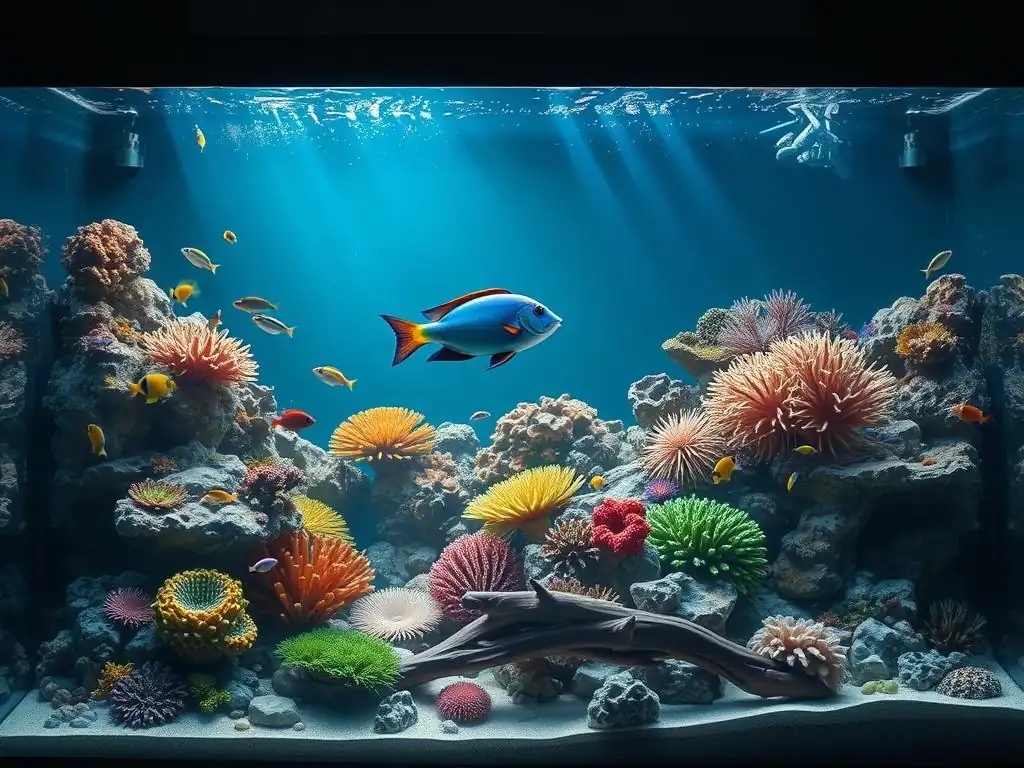
Welcome to Aquarium Mastery!
Dive into the vibrant world of Wrasses! Ever wondered if you're providing the perfect environment for these dazzling reef inhabitants? Our comprehensive Wrasse Tank Care Requirements Guide unlocks the secrets to their thriving health and stunning colors. Discover the ideal tank size, crucial water parameters, and daily needs to ensure your Wrasses flourish. Intrigued? Let's explore the essentials and transform your aquarium into a Wrasse paradise!
Understanding Wrasse Tank Care Requirements: A Comprehensive Guide
Wrasses represent a vast and captivating group of marine fish, known for their vibrant colors, active swimming patterns, and often intriguing behaviors within the reef aquarium. Successfully keeping these dynamic inhabitants requires a thorough understanding of their specific needs, which can vary significantly between species.
From the bustling activity of a Cleaner Wrasse to the more reclusive nature of a Leopard Wrasse, each type presents its own set of challenges and rewards for the dedicated aquarist. This comprehensive guide aims to illuminate the essential Wrasse tank care requirements guide, covering everything from initial species selection to daily maintenance routines, ensuring a thriving environment for these magnificent fish.
Mastering the Wrasse tank care requirements guide involves more than just selecting a beautiful specimen; it necessitates a deep dive into water chemistry, appropriate tank sizing, dietary specifics, and even social dynamics within the reef. Many wrasses, for instance, require mature sand beds for burrowing at night or when startled, while others demand specific feeding frequencies due to their high metabolism.
Neglecting these fundamental aspects can lead to stress, disease, and a diminished lifespan for these sensitive creatures. By adhering to a meticulously planned care regimen, aquarists can create a stable and enriching habitat that allows their wrasses to flourish, showcasing their natural beauty and fascinating behaviors.
Wrasse Species and Their Specific Needs
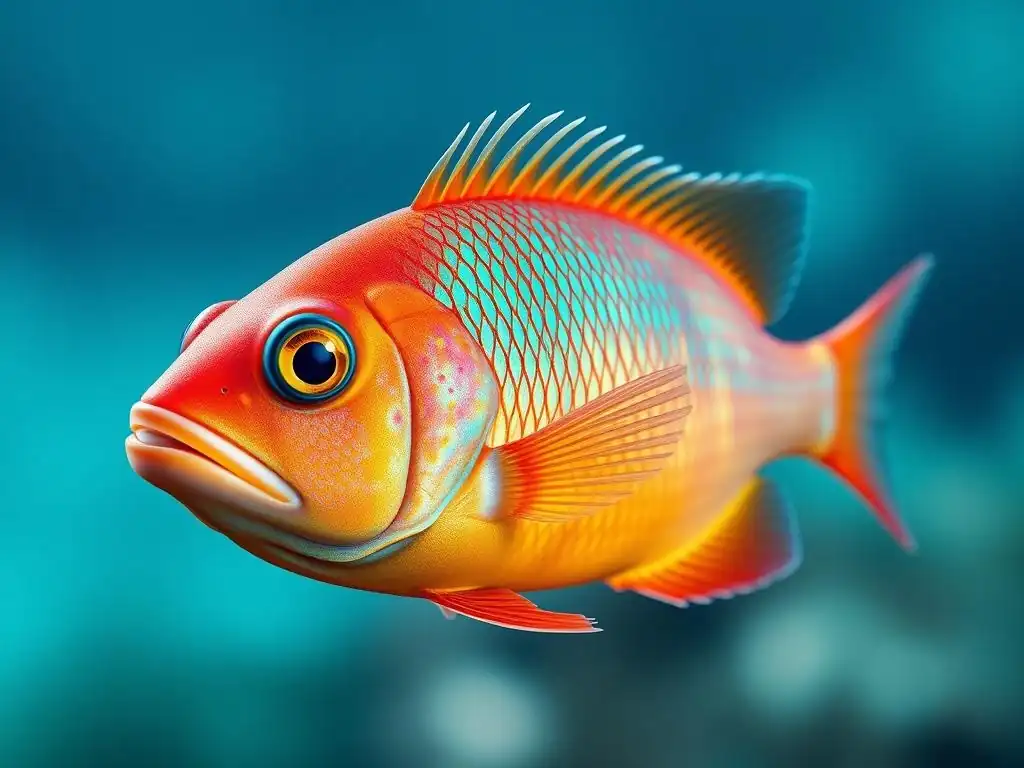
Choosing the Right Wrasse Species for Your Aquarium
Selecting the appropriate wrasse species is the foundational step in establishing a successful marine aquarium, as their individual needs vary dramatically. For instance, the popular Six-Line Wrasse ( Pseudocheilinus hexataenia) is a relatively small and hardy choice, typically reaching about 3 inches, making it suitable for tanks as small as 30 gallons.
These wrasses are known for their pest control capabilities, often preying on pyramid snails and flatworms. Conversely, larger species like the Lunare Wrasse ( Thalassoma lunare) can grow up to 10 inches and require significantly larger aquariums, often 180 gallons or more, due to their active swimming and potential for aggression as they mature.
When considering a wrasse for your reef, it's crucial to research its adult size, temperament, and specific dietary requirements. Fairy Wrasses ( Cirrhilabrus species), such as the exquisite Lubbock's Fairy Wrasse, are generally peaceful and colorful, thriving in tanks of 50 gallons or more, and are primarily planktivores.
In contrast, certain Hogfish Wrasses, like the Cuban Hogfish ( Bodianus pulchellus), can reach considerable sizes (up to 8 inches) and may pose a threat to smaller invertebrates and fish, necessitating a careful selection of tank mates and a larger habitat, often exceeding 75 gallons. Understanding these distinctions is paramount to fulfilling the diverse Wrasse tank care requirements guide for each species.
Wrasse Size and Temperament Considerations
The adult size of a wrasse directly dictates the minimum tank volume required, while its temperament influences potential compatibility with other inhabitants. Small, peaceful wrasses like the Yellow Coris Wrasse ( Halichoeres chrysus), which grows to about 5 inches, are excellent additions to a 50-gallon reef tank, contributing to sand bed sifting and consuming small invertebrates.
Their generally docile nature makes them compatible with a wide range of reef-safe fish and corals. However, species such as the Radiant Wrasse ( Halichoeres iridis), while beautiful, can grow up to 6 inches and may exhibit semi-aggressive tendencies towards smaller or similarly shaped fish, especially in tanks under 75 gallons.
Temperament can also shift as wrasses mature. Juvenile wrasses often display more subdued behavior, but as they grow, their predatory instincts or territoriality may become more pronounced. For example, the Bird Wrasse ( Gomphosus varius), known for its elongated snout, can reach up to 12 inches and requires a tank of at least 125 gallons.
While fascinating to observe, their active hunting style means they are not suitable for tanks with small crustaceans or very small fish. A thorough understanding of these size and temperament dynamics is a critical component of the Wrasse tank care requirements guide, ensuring that the chosen species can thrive without causing undue stress to themselves or other tank inhabitants.
Frequently Asked Questions
What is the minimum tank size recommended for keeping wrasse?
The recommended tank size depends on the species, but generally, a minimum of 75 gallons is necessary for smaller wrasse. Larger species may require tanks exceeding 180 gallons to accommodate their active swimming behavior.
What are the ideal water parameters for a wrasse tank?
Wrasse thrive in stable water conditions. Aim for a temperature between 72-78°F, a specific gravity of 1.023-1.025, and a pH level of 8.1-8.4.
What type of substrate is best for wrasse?
A sand bed is crucial for many wrasse species, allowing them to bury themselves for protection or sleep. The depth should be at least 4-6 inches depending on the specific wrasse species.
What type of food should I feed my wrasse?
Wrasse are primarily carnivores. Offer a varied diet including high-quality frozen foods, such as mysis shrimp, brine shrimp, and finely chopped seafood. Supplement with flake or pellet food formulated for marine carnivores.
How often should I perform water changes in my wrasse tank?
Regular water changes are essential for maintaining water quality. Aim for 10-20% water changes every one to two weeks, depending on the tank's bioload and the number of fish.
Final Reflection: Embracing the Art of Wrasse Husbandry
The intricate dance of maintaining a thriving reef aquarium hinges on understanding the specific needs of its inhabitants, and as we've explored in this guide, mastering wrasse tank care requirements is paramount for success. The vibrant colors and captivating behaviors of these fish bring unparalleled beauty to our underwater worlds, but their well-being depends entirely on our dedication to providing the right environment. Neglecting these essential elements not only jeopardizes their health but also diminishes the overall harmony of the reef ecosystem we strive to create.
The impact of responsible aquarium keeping extends far beyond the glass walls of our tanks. Our commitment to providing optimal care for wrasses reflects a broader understanding of the interconnectedness of marine life and our role in its preservation. In the end, we will conserve only what we love; we will love only what we understand; and we will understand only what we are taught.
- Baba Dioum. This quote serves as a powerful reminder that education and informed action are the cornerstones of conservation, and by diligently adhering to the principles outlined in this guide, we contribute to a more sustainable future for these magnificent creatures.
Now, armed with this knowledge, I invite you to reflect on your own practices and consider how you can further refine your approach to wrasse husbandry. Are you providing the optimal tank size, maintaining the precise water parameters, and meeting their daily needs with unwavering consistency? Let this guide serve as a constant reminder that responsible aquarium keeping is not merely a hobby, but a profound commitment to the well-being of these fascinating fish. Embrace the art of wrasse husbandry, and together, we can ensure that these jewels of the reef continue to thrive for generations to come.
Dive Deeper: Unlock Your Wrasse-Keeping Potential!
Thanks for exploring the world of wrasses with us! We hope you've gained a solid understanding of what it takes to keep these vibrant fish thriving. Now, it's time to translate that knowledge into action and create the perfect environment for your future wrasse friend.
- Take the plunge and research the specific tank size and water parameter requirements for your chosen wrasse species. Don't guess – accurate information is crucial!
- Start small: Observe established wrasse keepers' aquariums, focusing on their setup and livestock choices for inspiration.
- Share your newfound wrasse knowledge! Comment on aquarium forums to help beginners on their wrasse keeping journey.
What's the one wrasse species that's captured your heart, and what's the first thing you'll do to prepare its ideal home?