
Breeding WildCaught Tetras: Aquarium Mastery on Advanced Acclimation & Care


Welcome to Aquarium Mastery, where we unlock the secrets to thriving aquatic ecosystems! Ever wondered if you could successfully breed those vibrant wildcaught tetras you admire? Dive into our comprehensive guide, "Breeding WildCaught Tetras: Aquarium Mastery on Advanced Acclimation & Care," and discover the expert techniques for acclimation and care that will transform your aquarium into a breeding paradise. Ready to unlock the full potential of these fascinating fish? Let's explore!
- Breeding Cardinal Tetras: Aquarium Mastery on Advanced Acclimation & Care
- Understanding Cardinal Tetras: An Introduction to Breeding Challenges
- Advanced Acclimation Techniques for Cardinal Tetras
- Creating the Ideal Breeding Environment for Cardinal Tetras
- Triggering Spawning in Cardinal Tetras
- Cardinal Tetra Breeding Care: From Eggs to Fry
- Advanced Fry Care for Cardinal Tetra Offspring
- Overcoming Common Challenges in Cardinal Tetra Breeding
- Dietary Needs of Cardinal Tetras for Successful Breeding
- Documenting Your Cardinal Tetra Breeding Successes
- Conclusion: Mastering Cardinal Tetra Breeding and Care
-
Frequently Asked Questions
- How does breeding wildcaught tetras differ from breeding captive-bred tetras?
- What are the key challenges in acclimating wildcaught tetras to an aquarium environment?
- What specific water chemistry parameters are essential for breeding wildcaught tetras?
- What type of setup is recommended for encouraging wildcaught tetra breeding in an aquarium?
- What should I feed wildcaught tetra fry after they hatch?
- Final Reflection: Embracing the Wild's Legacy in Our Aquariums
- Ignite Your Tetra Breeding Journey!
Breeding Cardinal Tetras: Aquarium Mastery on Advanced Acclimation & Care
Understanding Cardinal Tetras: An Introduction to Breeding Challenges
The Allure and Challenges of Cardinal Tetra Breeding
Cardinal Tetras (Paracheirodon axelrodi) are one of the most captivating freshwater fish in the aquarium hobby, celebrated for their striking iridescent blue and red stripes that run the length of their bodies. Originating from the acidic, blackwater rivers of the Amazon basin, specifically the Orinoco and Rio Negro basins, these small, peaceful characins are highly sought after by aquarists. Their vibrant coloration and schooling behavior make them a visually stunning addition to any well-maintained community tank, often serving as the centerpiece of biotope setups.
Despite their popularity, breeding wild-caught Cardinal Tetras presents significant challenges that set them apart from many other commonly bred aquarium species. Their specific environmental requirements, particularly regarding water chemistry and stability, demand a high level of precision and dedication from the aquarist.
While commercial breeders in countries like Brazil and Southeast Asia have refined techniques to achieve consistent spawning rates, hobbyist success rates can be considerably lower, often cited as less than 5% without specialized equipment and deep knowledge, compared to commercial operations which might see 30-50% success in controlled breeding pools. This intricate process requires a meticulous approach to wildcaught tetra breeding care.
Identifying Healthy Cardinal Tetras for Breeding
Selecting healthy specimens is the foundational step for any successful breeding program, especially when dealing with sensitive wild-caught tetras. When acquiring Cardinal Tetras for breeding, look for fish that are active, alert, and exhibit full, vibrant coloration, which is a key indicator of their health and low stress levels. Avoid fish with clamped fins, faded colors, or any visible signs of disease such as white spots (Ich), fungal growths, or open sores. Healthy fish will also have clear eyes and show no signs of labored breathing or erratic swimming patterns.
Beyond general health, specific physical indicators can suggest breeding readiness and vigor. Adult Cardinal Tetras typically reach about 2 inches (5 cm) in length. Females often appear noticeably plumper and fuller-bodied, especially when conditioned for spawning, due to the presence of eggs.
Males tend to be more streamlined. Reputable suppliers who prioritize proper handling, short transit times, and initial quarantine are crucial, as wild-caught fish can be more susceptible to stress and disease. For instance, data suggests that wild-caught fish can carry a significantly higher parasite load, sometimes up to 70% more, than their captive-bred counterparts, making careful selection and observation paramount for effective wildcaught tetra breeding care.
Advanced Acclimation Techniques for Cardinal Tetras
Quarantine Protocols for Cardinal Tetra Specimens
Implementing a strict quarantine protocol is non-negotiable for all new wild-caught fish, especially when planning to breed sensitive species like Cardinal Tetras. The primary purpose of quarantine is to prevent the introduction of diseases, parasites, and unwanted organisms into your main display or breeding tanks, while also allowing new fish to recover from the stress of transport and acclimatize to new water parameters in a controlled environment. A dedicated quarantine tank, typically 10-20 gallons (approx.
38-76 liters) for a small group of tetras, equipped with a heater, sponge filter, and minimal décor, should be set up prior to the fish's arrival. A quarantine period of at least 4-6 weeks is highly recommended to observe for symptoms and administer any necessary treatments.
During quarantine, daily observation is key. For wild-caught specimens, it is often advisable to administer preventative treatments for common issues. For example, a broad-spectrum anti-parasitic medication (such as one containing praziquantel) and an antibacterial treatment (like Furan-2) can be used proactively if no overt symptoms are present, as many wild-caught fish carry dormant pathogens.
Regular small water changes (10-20% daily or every other day) are essential to maintain pristine water quality and reduce stress, especially if medications are in use. Monitoring for specific ailments like Ichthyophthirius multifiliis (Ich), fin rot, or internal worms is critical, allowing for targeted treatment before any potential breeding efforts begin. This diligent approach is a cornerstone of advanced wildcaught tetra breeding care.
Gradual Acclimation to Aquarium Water Parameters
Once the quarantine period is successfully completed, the next critical step for wild-caught Cardinal Tetras is their gradual acclimation to the specific water parameters of the breeding tank. The "drip acclimation" method is overwhelmingly superior for sensitive species compared to simply floating the bag and netting the fish.
This technique minimizes the shock from sudden changes in pH, temperature, and total dissolved solids (TDS) that can severely stress or even kill delicate fish. To perform drip acclimation, place the fish and their transport water into a clean, appropriately sized container, then use airline tubing with a control valve to slowly drip water from the target aquarium into the container.
The duration and rate of drip acclimation are crucial. Aim for a slow drip rate of 1-2 drops per second, allowing the water volume in the container to slowly double or triple over a period of 1-2 hours. This gradual process allows the fish's osmoregulation system to adjust to the new water chemistry without undue stress.
Cardinal Tetras thrive in soft, acidic water, typically with a pH between 5.0 and 6.5, and a General Hardness (GH) of 1-4 dGH (18-70 ppm). A rapid pH shift of even 0.5 units, or a significant change in GH, can induce severe osmotic shock, leading to lethargy, loss of appetite, and even mortality. Precision in this step is vital for the long-term health and breeding success of wild-caught tetras.
Minimizing Stress During Acclimation: Best Practices
Beyond water parameter matching, creating a stress-free environment during acclimation is paramount for the survival and eventual breeding success of wild-caught Cardinal Tetras. Stress can severely compromise a fish's immune system, making it more susceptible to disease and less likely to thrive. One key practice is to keep the acclimation area dimly lit or even dark, as sudden bright lights can startle and stress new arrivals. Avoid sudden movements, loud noises, or any disturbances near the acclimation container. Covering the container can also provide a sense of security for the fish.
Furthermore, incorporating specific water conditioners can significantly mitigate stress. Products that detoxify ammonia and nitrite, such as Seachem Prime, are highly beneficial during transport and acclimation, as these compounds can quickly build up in confined spaces and cause severe gill damage. Adding natural elements like Indian almond leaves (Terminalia catappa) or a quality blackwater extract to the acclimation water can also provide immense benefits.
These additives release tannins and humic substances that mimic the fish's natural blackwater habitat, offering mild antiseptic properties and creating a more comforting environment. Maintaining a stable temperature, ideally between 75-80°F (24-27°C), throughout the process is also critical. A calm, chemically stable introduction is the cornerstone of successful wildcaught tetra breeding care.
Creating the Ideal Breeding Environment for Cardinal Tetras
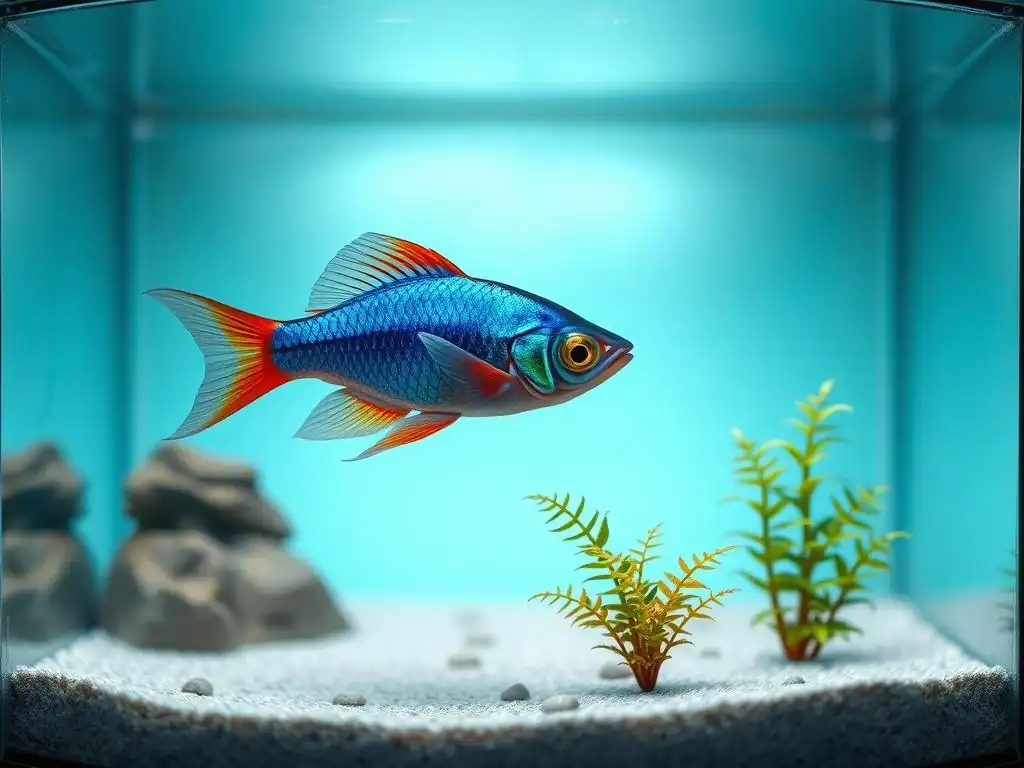
Tank Setup: Simulating the Natural Habitat
To encourage Cardinal Tetras to breed, their environment must closely mimic their natural Amazonian blackwater habitat. A dedicated breeding tank, typically 10-20 gallons (approx. 38-76 liters), is ideal for a pair or a small group (e.g., 2 males to 3 females). The tank should be kept in a quiet, dimly lit area, away from high traffic. Filtration should be gentle, such as a sponge filter, which provides biological filtration without creating strong currents that could harm delicate eggs or fry. Strong currents can also deter spawning behavior.
The tank décor should reflect their native environment. Dark substrate, or no substrate at all for easier fry collection, is preferable. Dense planting, particularly with fine-leaved plants like Java Moss (Taxiphyllum barbieri), Hornwort (Ceratophyllum demersum), or even spawning mops made from synthetic fibers, provides essential hiding spots for the adults and crucial sites for egg deposition. Floating plants like Salvinia or Dwarf Water Lettuce can help diffuse light and provide additional cover, contributing to the feeling of security and reducing stress, which is vital for effective wildcaught tetra breeding care.
Water Chemistry: Essential Parameters for Cardinal Tetra Breeding Success
Water chemistry is arguably the most critical factor for successful Cardinal Tetra breeding. These fish require very soft, acidic water to trigger spawning and ensure egg viability. The ideal pH range for breeding is typically between 5.0 and 6.0, with some breeders reporting success even as low as 4.5. General Hardness (GH) should be extremely low, ideally 0-2 dGH (0-35 ppm), and Carbonate Hardness (KH) should also be minimal, around 0-1 dKH. This low mineral content is essential for the sperm to effectively penetrate the egg membrane.
Achieving these parameters often necessitates using reverse osmosis (RO) or deionized (DI) water, which is then remineralized with specific salts designed for soft water fish, or blended with very soft tap water. Peat filtration or the addition of Indian almond leaves and alder cones can help naturally lower pH and GH while releasing beneficial humic acids and tannins, mimicking their natural blackwater environment.
Regular, precise testing of pH, GH, and KH is indispensable, as even slight fluctuations can inhibit spawning or lead to egg fungusing. For instance, eggs laid in water with a GH above 4 dGH often fail to hatch due to an overly hardened chorion.
Substrate and Planting for Optimal Breeding Conditions
The choice of substrate and planting plays a vital role in creating an optimal breeding environment for Cardinal Tetras. In many breeding setups, a bare bottom tank is preferred to facilitate easier observation and collection of eggs, which are typically clear and adhesive. However, if a substrate is used, it should be dark-colored and fine-grained, such as dark sand or very fine gravel, to help the fish feel more secure and to highlight the eggs if they are laid on the bottom.
For egg deposition, dense planting is crucial. Cardinal Tetras are egg scatterers, and they prefer to lay their eggs among fine-leaved plants or spawning mops. Java Moss is an excellent choice due to its dense, intricate structure that provides ample surface area for eggs to adhere to and protects them from adult predation. Other suitable plants include Hornwort, Cabomba, or even synthetic spawning mops made from nylon yarn. The presence of these structures provides the necessary cues for the fish to spawn and offers protection for the delicate eggs, enhancing the chances of successful wildcaught tetra breeding care.
Triggering Spawning in Cardinal Tetras
Conditioning Cardinal Tetras for Breeding
Successful spawning in Cardinal Tetras begins long before the fish are introduced to the breeding tank; it starts with meticulous conditioning. This involves providing a highly nutritious and varied diet to both male and female breeders for several weeks prior to attempting to spawn them. A diet rich in live foods is paramount, as it provides essential nutrients and stimulates their natural predatory instincts. Excellent live food options include newly hatched brine shrimp (Artemia nauplii), daphnia, micro worms, and grindal worms. These foods are packed with protein and fatty acids crucial for gonad development.
In addition to live foods, high-quality frozen foods like bloodworms, spirulina brine shrimp, and cyclops can supplement their diet. It is important to feed small amounts multiple times a day rather than one large meal, to ensure maximum nutrient absorption and minimize water fouling. During this conditioning phase, observing the fish for signs of health and readiness, such as increased vibrancy in coloration and noticeable plumpness in females, is key. A well-conditioned female can produce hundreds of eggs, underscoring the importance of this dietary regimen for effective wildcaught tetra breeding care.
Simulating Seasonal Changes to Induce Spawning
In their natural Amazonian habitat, Cardinal Tetras typically spawn during the rainy season, when water levels rise, temperatures become more stable, and water chemistry softens due to increased rainfall and runoff from decaying vegetation. Mimicking these seasonal changes in the aquarium can be a powerful trigger for spawning. This involves gradually lowering the water temperature in the breeding tank by a few degrees (e.g., from 78°F to 75°F or 25.5°C to 24°C) over several days, and then slowly raising it back up to the optimal spawning temperature of 77-80°F (25-27°C).
Coupled with temperature changes, simulating the influx of rainwater through daily small, cool water changes using very soft, acidic RO/DI water can further encourage spawning. This technique mimics the dilution of minerals and the increase in humic substances characteristic of the rainy season. Gradually increasing the light cycle from dim to slightly brighter, or changing the photoperiod to simulate longer days, can also contribute to the environmental cues that trigger breeding. These subtle environmental shifts replicate the conditions that signal prime breeding opportunities in their wild environment.
Specific Spawning Triggers for Cardinal Tetras [e.g., Blackwater Infusion]
Beyond general environmental shifts, specific water additives and conditions can act as direct spawning triggers for Cardinal Tetras. A prominent and highly effective trigger is the infusion of "blackwater" conditions. This involves adding concentrated blackwater extract or natural tannins derived from Indian almond leaves (catappa leaves) and alder cones to the breeding tank. These materials release humic acids and tannins, which lower the pH, soften the water, and create the dark, tea-stained appearance characteristic of their native Rio Negro and Orinoco waters. The tannins also have mild anti-fungal and antibacterial properties, which benefit the delicate eggs.
Another crucial trigger is the maintenance of extremely low water hardness. Cardinal Tetra eggs require water with very low mineral content (GH 0-2 dGH) to allow the sperm to penetrate the egg membrane effectively. If the water is too hard, the egg chorion becomes too rigid, preventing fertilization and leading to very low hatch rates.
Some breeders achieve this by using 100% RO/DI water, remineralized only slightly to prevent osmotic shock to the adult fish, but keeping the hardness levels minimal. The combination of blackwater conditions, ultra-soft water, and a slight increase in feeding with live foods often proves to be the definitive trigger for successful spawning in these sensitive wild-caught tetras.
Cardinal Tetra Breeding Care: From Eggs to Fry
Protecting Eggs from Predation: Breeding Tanks and Spawning Mops
Once Cardinal Tetras have spawned, the immediate priority is to protect the delicate eggs from predation, primarily by the parent fish themselves. Cardinal Tetras are notorious egg eaters. Therefore, the breeding tank setup must incorporate measures to safeguard the eggs. If using a bare-bottom tank, eggs will typically fall to the bottom, where they can be easily siphoned out after spawning. However, if using a substrate or plants, fine-leaved plants like Java Moss, Hornwort, or artificial spawning mops are essential. These provide numerous crevices where eggs can adhere and remain out of reach of hungry adult fish.
After spawning, which often occurs in the early morning hours, the parent fish should be carefully removed from the breeding tank. This is a critical step to ensure the survival of the eggs. If the eggs are laid on spawning mops, the mops can be gently transferred to a separate hatching tank containing identical water parameters.
If eggs are scattered on the bottom, a small, flexible hose can be used to carefully siphon them into the hatching tank. This immediate separation of parents from eggs is a key factor in maximizing the hatch rate and is fundamental to effective wildcaught tetra breeding care.
Hatching and First Feeding of Cardinal Tetra Fry
Cardinal Tetra eggs are extremely small and typically hatch within 24-36 hours at a temperature of 77-80°F (25-27°C). The newly hatched fry are even tinier, almost microscopic, and are known as "wrigglers" as they attach themselves to tank surfaces or plants, absorbing their yolk sacs. During this initial period, they do not require food.
It is crucial to maintain pristine water conditions in the hatching tank, as the fry are highly sensitive to even minute amounts of ammonia, nitrite, or nitrates. Gentle aeration from an air stone set to a very low flow is sufficient, avoiding strong currents that could harm the delicate fry.
After approximately 3-5 days, the fry will become free-swimming, indicating that their yolk sacs have been fully absorbed and they are ready for their first food. This is a critical juncture, as their mouths are incredibly small, requiring microscopic food sources. The first food of choice for Cardinal Tetra fry is infusoria (microscopic organisms found in decaying plant matter) or a high-quality liquid fry food specifically designed for egg-laying fish.
Culturing infusoria beforehand is highly recommended, as commercial liquid foods may not always be sufficient. Feeding should be frequent, small amounts multiple times a day (e.g., 4-6 times), to ensure constant availability of food for the rapidly growing fry.
Water Quality Management for Cardinal Tetra Fry
Maintaining impeccable water quality is arguably the most challenging and crucial aspect of raising Cardinal Tetra fry. Due to their minute size and undeveloped osmoregulation systems, fry are extremely sensitive to fluctuations in water parameters and the presence of metabolic waste. Ammonia and nitrite are highly toxic, even in trace amounts. Therefore, a robust yet gentle filtration system is essential. Sponge filters, driven by a gentle air pump, are ideal as they provide biological filtration without creating strong currents that could sweep away or harm the fragile fry.
Daily small water changes are indispensable. Performing 10-20% water changes using aged, temperature-matched, and chemically identical soft, acidic water is often necessary. The water should be siphoned out carefully to avoid sucking up any fry, and new water should be added slowly to prevent sudden shifts. Regularly testing water parameters (pH, ammonia, nitrite, nitrate) is vital to catch any issues before they become problematic. The cumulative effect of decaying uneaten food and fry waste can quickly foul the water, making consistent water quality management the cornerstone of successful wildcaught tetra breeding care.
Advanced Fry Care for Cardinal Tetra Offspring
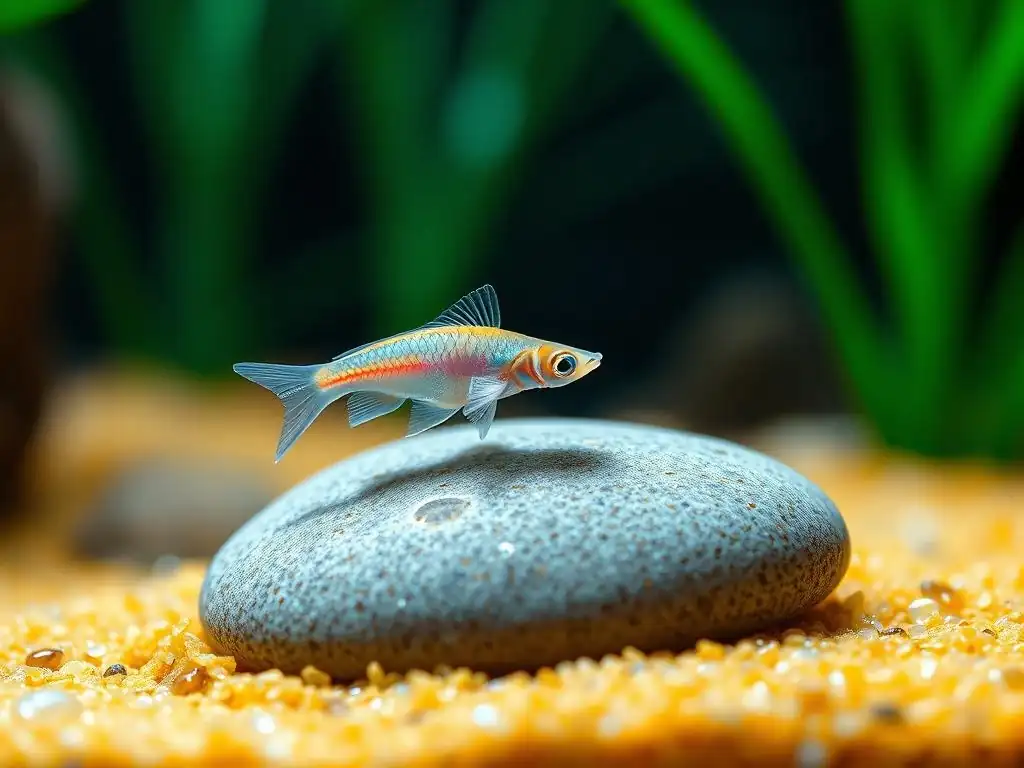
Live Food Cultures: Culturing Infusoria and Other Microorganisms
For successful advanced fry care, relying solely on commercial fry foods is often insufficient for Cardinal Tetras. Live food cultures are essential, particularly for the initial stages of free-swimming fry. Infusoria, a collective term for various microscopic protozoa and rotifers, are the perfect first food due to their tiny size.
They can be easily cultured at home by placing decaying organic matter, such as dried banana peels, lettuce leaves, or even hay, in a jar of aged aquarium water and allowing it to sit for several days in indirect light. The water will become cloudy as the infusoria population blooms.
As the fry grow, they will quickly graduate to slightly larger live foods. Newly hatched brine shrimp (Artemia nauplii) are an excellent next step, typically introduced when the fry are about a week old and visibly larger. Culturing brine shrimp requires a simple setup with a brine shrimp hatchery, salt water, and brine shrimp eggs.
Other beneficial live foods include microworms, which are easy to culture on an oatmeal medium, and vinegar eels, which can be cultured in apple cider vinegar. Providing a varied diet of these live foods ensures optimal nutrition, promotes rapid growth, and significantly increases the survival rate of Cardinal Tetra fry, enhancing overall wildcaught tetra breeding care.
Maintaining Optimal Water Parameters for Fry Growth
While the initial hatching water parameters are critical, maintaining optimal water parameters throughout the fry's growth stages is equally important for their health and development. As the fry grow, their metabolic waste production increases, placing a greater demand on the filtration system and requiring more diligent water changes. The soft, acidic conditions (pH 5.0-6.5, GH 1-4 dGH) that triggered spawning should be consistently maintained, as deviations can stunt growth, cause stress, and lead to deformities or mortality.
Regular, small water changes (e.g., 10-15% daily or every other day) remain paramount. When performing water changes, ensure the replacement water is precisely temperature-matched and has the exact same chemistry as the water in the fry tank. Using a slow drip method for adding new water can prevent sudden shocks. Monitoring water parameters daily with reliable test kits for ammonia, nitrite, and nitrate is crucial. Even low levels of nitrates can be detrimental to delicate fry. Consistent parameters promote healthy growth, vibrant coloration, and robust immune systems, essential for successful wildcaught tetra breeding care.
Preventing Diseases in Tetra Fry: Proactive Measures
Preventing diseases in Cardinal Tetra fry is far more effective than treating them, given their fragility and sensitivity to medications. The primary proactive measure is maintaining impeccable water quality through consistent water changes and gentle filtration. Poor water quality is the leading cause of disease outbreaks in fry. Overfeeding should be avoided, as uneaten food quickly decays and fouls the water, promoting bacterial and fungal growth. Feeding small amounts frequently is better than large, infrequent meals.
Another crucial preventative measure is ensuring proper nutrition through a varied diet of live foods. Well-fed fry with a balanced diet develop stronger immune systems and are more resilient to pathogens. Sterilization of equipment used between different tanks, and avoiding cross-contamination from adult tanks, also reduces disease transmission risks.
If a disease outbreak does occur, identifying the specific pathogen quickly is vital. However, many common aquarium medications are too harsh for fry, making prevention the best strategy. In some cases, increasing temperature slightly or adding a small amount of methylene blue can help with fungal infections on eggs, but for free-swimming fry, pristine water and robust feeding are the best defense.
Overcoming Common Challenges in Cardinal Tetra Breeding
Addressing Infertility in Cardinal Tetras
Infertility can be a frustrating challenge when attempting to breed Cardinal Tetras. It typically manifests as a lack of spawning activity despite ideal environmental conditions, or the production of unfertilized eggs. One common cause of apparent infertility is insufficient conditioning. If the male or female is not receiving a rich, varied diet, particularly live foods, their gonads may not develop fully, leading to a lack of viable eggs or sperm. Reviewing and enhancing the conditioning diet, focusing on foods like newly hatched brine shrimp and microworms, can often resolve this.
Another factor contributing to infertility can be age or genetic lineage. While Cardinal Tetras can breed for several years, older fish might have reduced fertility. Sourcing fish from different, reputable suppliers can help ensure genetic diversity and reduce the likelihood of inbreeding issues which can lead to sterility. Environmental stressors, even subtle ones like fluctuating water parameters or excessive tank traffic, can also inhibit spawning.
Ensuring a quiet, stable, and perfectly tuned breeding environment is crucial. Sometimes, simply rotating breeding pairs or introducing a new male or female can stimulate spawning. In some cases, a small percentage of wild-caught fish may naturally be infertile, a factor that cannot be controlled.
Managing Fungal Infections in Eggs
Fungal infections are a common and disheartening problem when breeding Cardinal Tetras, often leading to significant egg loss. Unfertilized eggs are particularly susceptible to fungal growth, which can then spread to healthy, fertilized eggs, quickly destroying an entire spawn. The primary cause of fungal infections is often poor water quality or the presence of decaying organic matter in the breeding tank. To combat this, maintaining ultra-clean water in the hatching tank is paramount, with daily small water changes.
Several proactive measures can be taken. Removing any unfertilized or "bad" eggs (which often appear opaque white) as soon as they are spotted is crucial to prevent the fungus from spreading. A pipette or small airline tubing can be used for this delicate task. Some breeders also add a very small amount of methylene blue to the hatching water.
While methylene blue can inhibit fungal growth, it also blocks light, which is necessary for some egg development, and can stain equipment. A more natural approach involves ensuring extremely soft, acidic water (pH 5.0-6.0, GH 0-2 dGH) and adding Indian almond leaves or blackwater extract, as the tannins released have natural anti-fungal properties. Overstocking the breeding tank should also be avoided, as it increases bioload and stress, paving the way for fungal issues, thus compromising wildcaught tetra breeding care.
Preventing Fry Mortality: Identifying and Resolving Issues
High fry mortality rates are a significant challenge in Cardinal Tetra breeding, often frustrating even experienced aquarists. The most common causes are poor water quality, inadequate feeding, and disease. Water quality issues, such as elevated ammonia, nitrite, or even sudden pH or temperature swings, can quickly decimate a batch of fragile fry. Consistent daily water changes with perfectly matched, aged water are the most effective preventative measure. Filtration should be gentle (e.g., sponge filter) to avoid strong currents that can exhaust or injure fry, while still providing biological filtration.
Inadequate feeding, particularly the lack of appropriately sized live foods during the critical first week of free-swimming, is another major killer. Fry with their minute mouths cannot consume larger foods. Ensuring a continuous supply of infusoria, followed by newly hatched brine shrimp and microworms, is vital. Starvation is a common cause of death if fry do not find sufficient food.
Disease outbreaks, often secondary to stress or poor conditions, can also wipe out fry. Prevention through pristine water, optimal nutrition, and avoiding overstocking is key, as medications are generally too harsh for fry. Identifying the specific issue quickly—whether it's water parameters, feeding, or disease—and taking immediate corrective action is crucial for successful wildcaught tetra breeding care.
Dietary Needs of Cardinal Tetras for Successful Breeding
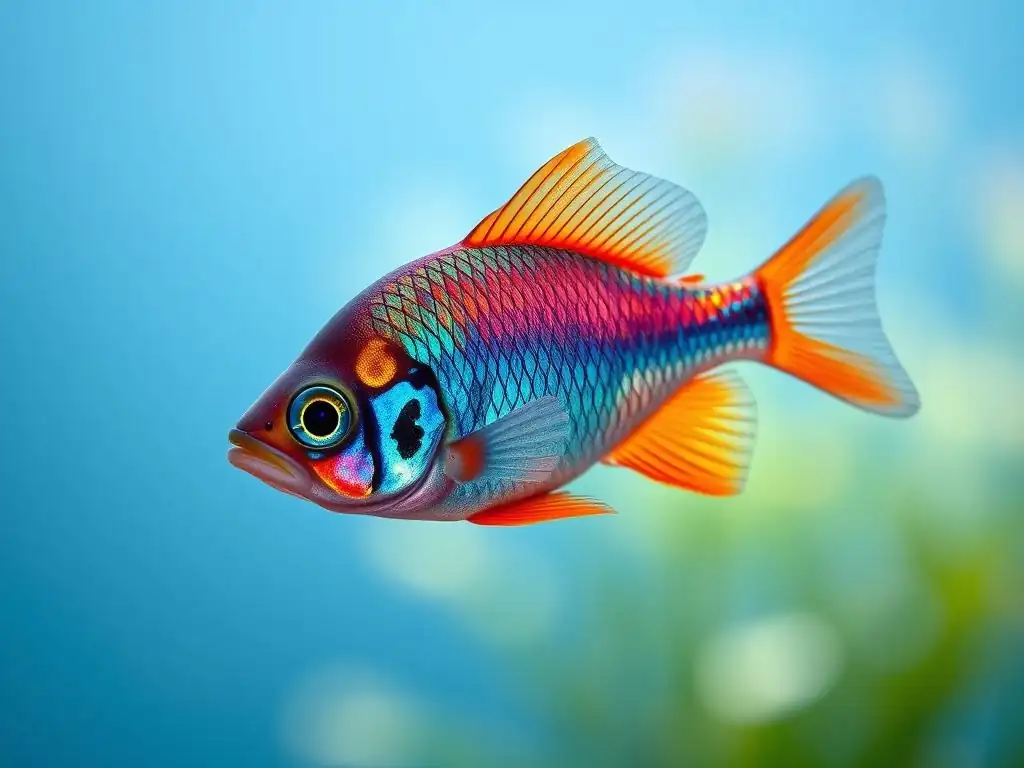
Live Food Enrichment for Enhanced Fertility
The diet provided to Cardinal Tetras directly impacts their fertility and the viability of their eggs and sperm. For optimal breeding success, a diet heavily reliant on live foods is indispensable. Live foods are not only highly palatable, stimulating natural feeding behaviors, but they also provide superior nutritional profiles compared to many processed foods. Key live foods for conditioning breeders include newly hatched brine shrimp (Artemia nauplii), daphnia, microworms, and grindal worms. These sources are rich in proteins, essential fatty acids (like DHA and EPA), and vitamins that are crucial for gonad development and egg maturation.
For instance, feeding adult Cardinal Tetras live daphnia, which are natural filter feeders, can provide a more complete nutritional profile, including beneficial algae and bacteria that daphnia consume. Culturing these live foods at home ensures a fresh, constant supply and minimizes the risk of introducing pathogens often associated with wild-caught live foods. Feeding small, frequent meals of these enriched live foods (e.g., 2-3 times per day) ensures that the breeding pair receives a continuous supply of high-quality nutrients, maximizing their reproductive potential and significantly improving the chances of successful wildcaught tetra breeding care.
Supplementation Strategies for Optimal Breeding Health
While live foods form the cornerstone of a breeding diet, strategic supplementation can further enhance the health and fertility of Cardinal Tetras. Vitamin supplements, particularly those rich in Vitamin E, are known to play a role in reproductive health in many fish species. Liquid vitamin supplements specifically designed for aquarium fish can be added to the water or, more effectively, used to soak frozen or freeze-dried foods before feeding. This ensures the fish directly ingest the vitamins.
Another valuable supplementation strategy involves incorporating foods rich in carotenoids, which are responsible for the vibrant red and blue coloration of Cardinal Tetras. While not directly linked to fertility, vibrant coloration is an indicator of overall health and can contribute to successful pairing. Foods like spirulina flakes or pellets, or frozen foods enriched with astaxanthin, can enhance their color and provide additional beneficial nutrients. Occasionally, offering small amounts of high-quality, protein-rich flake or pellet foods as a supplement to the live diet can also ensure a balanced nutritional intake, supporting the overall vitality required for breeding.
Maintaining a Balanced Diet for Cardinal Tetra Breeders
Maintaining a balanced diet for Cardinal Tetra breeders extends beyond just offering live foods; it involves providing variety and ensuring all nutritional needs are met over time. While live foods are crucial for conditioning, relying solely on one type of food can lead to nutritional deficiencies. Therefore, rotating between different live food cultures (e.g., brine shrimp one day, daphnia the next, microworms on another) is highly recommended. This ensures a broader spectrum of amino acids, vitamins, and minerals.
Complementing live foods with high-quality frozen options, such as bloodworms, cyclops, or Mysis shrimp, adds further variety and nutrients. These should be thawed thoroughly before feeding. Freeze-dried foods, while less nutritious than live or frozen, can also be offered occasionally.
The goal is to mimic the diverse diet they would encounter in their natural habitat, where they forage on a variety of small invertebrates and detritus. A well-rounded diet not only boosts fertility but also strengthens the immune system, making the breeders more resilient to stress and disease, which is vital for the long-term success of wildcaught tetra breeding care.
Documenting Your Cardinal Tetra Breeding Successes
Record Keeping: Tracking Spawning and Fry Development
Thorough record keeping is an invaluable practice for any serious aquarist attempting to breed Cardinal Tetras. Detailed records allow you to identify patterns, understand what works (and what doesn't), and refine your breeding techniques over time. Key information to document includes the date of spawning, the specific breeding pair or group involved, initial water parameters (pH, GH, KH, temperature), and any specific triggers used (e.g., water changes, blackwater additions).
Beyond the initial spawn, meticulously track the development of the eggs and fry. Record the hatch date, the estimated number of fry, their first feeding dates, the types of food offered, and any changes in water parameters or tank conditions. Documenting any issues encountered, such as fungal infections, fry mortality, or deformities, along with the actions taken, provides crucial data for troubleshooting future attempts. This systematic approach transforms breeding from a hit-or-miss endeavor into a scientific process, significantly improving your ability to consistently achieve successful wildcaught tetra breeding care.
The aquarium hobby thrives on shared knowledge and experience. Once you achieve success in breeding Cardinal Tetras, consider sharing your detailed methodologies and insights with the broader aquarium community. This can be done through online forums, local aquarium club meetings, social media groups, or by contributing articles to hobby websites like Aquarium Mastery. Documenting your process with clear descriptions, including specific parameters, feeding schedules, and problem-solving strategies, can be immensely helpful to other aspiring breeders.
Sharing your successes and even your challenges contributes to a collective knowledge base that helps advance the hobby as a whole. It also encourages others who might be struggling with these sensitive wild-caught species. Your unique experiences, especially concerning acclimation and specific triggers, can offer valuable perspectives that might not be widely known. This collaborative spirit not only enriches the community but also helps elevate the overall standard of wildcaught tetra breeding care.
Contributing to the Conservation of Tetra Species [mention ethical considerations]
Successfully breeding wild-caught Cardinal Tetras is more than just a personal achievement; it can also contribute to the broader conservation efforts of freshwater fish species. By establishing self-sustaining populations in captivity, hobbyists can reduce the demand for wild-caught specimens, thereby alleviating pressure on natural populations and their fragile ecosystems in the Amazon basin. Every successful captive-bred fish means one less fish needs to be taken from the wild.
Ethical considerations are paramount when dealing with wild-caught species. Ensure that your initial wild-caught stock is sourced from responsible suppliers who adhere to sustainable collection practices. When breeding, focus on maintaining genetic diversity within your captive population to ensure the long-term health and viability of the line. Sharing genetic material (e.g., trading fry with other reputable breeders) can prevent inbreeding depression. By mastering wildcaught tetra breeding care, aquarists become active participants in conservation, demonstrating that responsible hobby practices can indeed have a positive impact on the natural world.
Conclusion: Mastering Cardinal Tetra Breeding and Care
Frequently Asked Questions
How does breeding wildcaught tetras differ from breeding captive-bred tetras?
Wildcaught tetras often require specific water parameters and environmental triggers to spawn, mimicking their natural habitat. Captive-bred tetras are typically more adaptable to a wider range of conditions.
What are the key challenges in acclimating wildcaught tetras to an aquarium environment?
Acclimation involves gradually adjusting wildcaught tetras to the aquarium's water chemistry, temperature, and lighting. Stress reduction during this process is crucial for survival.
What specific water chemistry parameters are essential for breeding wildcaught tetras?
Maintaining the correct pH, hardness (KH and GH), and temperature is critical for triggering spawning. Researching the native habitat conditions of your specific tetra species is essential.
What type of setup is recommended for encouraging wildcaught tetra breeding in an aquarium?
A species-specific biotope aquarium that replicates their natural environment is ideal. This includes appropriate plants, substrate, and water flow to stimulate breeding behaviors.
What should I feed wildcaught tetra fry after they hatch?
Infusoria, micro worms, and commercially available liquid fry food are suitable initial food sources. Ensure the food is small enough for the tiny fry to consume.
Final Reflection: Embracing the Wild's Legacy in Our Aquariums
The journey from the wild rivers to our home aquariums is a delicate dance, and mastering the art of wild-caught tetra breeding care is more than just a technical skill; it's an act of conservation and respect. The challenges we've explored – from acclimation to creating the perfect breeding environment – highlight the responsibility we bear as stewards of these fragile ecosystems, particularly as wild habitats face increasing threats.
This endeavor resonates deeply because it connects us to the raw beauty and complexity of the natural world. Understanding the specific needs of wild-caught tetras forces us to appreciate their evolutionary journey and the intricate balance of their native environments. In the end, we will conserve only what we love; we will love only what we understand; and we will understand only what we are taught.
- Baba Dioum. This quote encapsulates the transformative power of engaging with these creatures, fostering a deeper understanding and, ultimately, a commitment to their preservation.
As you close this article, consider the profound impact you can have. By applying the knowledge and techniques shared, you're not just breeding fish; you're contributing to the sustainability of these species and promoting responsible aquarium practices. Let the dedication and patience required for wild-caught tetra breeding inspire you to become an advocate for their wild counterparts, ensuring that future generations can marvel at their vibrant beauty, both in the aquarium and in their natural habitats.
Ignite Your Tetra Breeding Journey!
Thanks for diving deep into the world of wild-caught tetra breeding! We hope you've gained valuable insights to elevate your aquarium expertise. Now, let's put that knowledge into action:
- Start Planning Your Acclimation Tank: Set up a dedicated quarantine tank to mirror the tetra's natural habitat as closely as possible – this is crucial for a successful transition!
- Explore local aquarium societies or online forums to connect with experienced breeders and share your progress.
- Share this article with fellow aquarists who are passionate about tetra breeding and conservation.
What specific environmental factor are you most excited to replicate in your acclimation tank?