
Buenos Aires Tetra: Aquarium Mastery on Taming Their Wild Heart for Successful Breeding

Welcome to Aquarium Mastery!
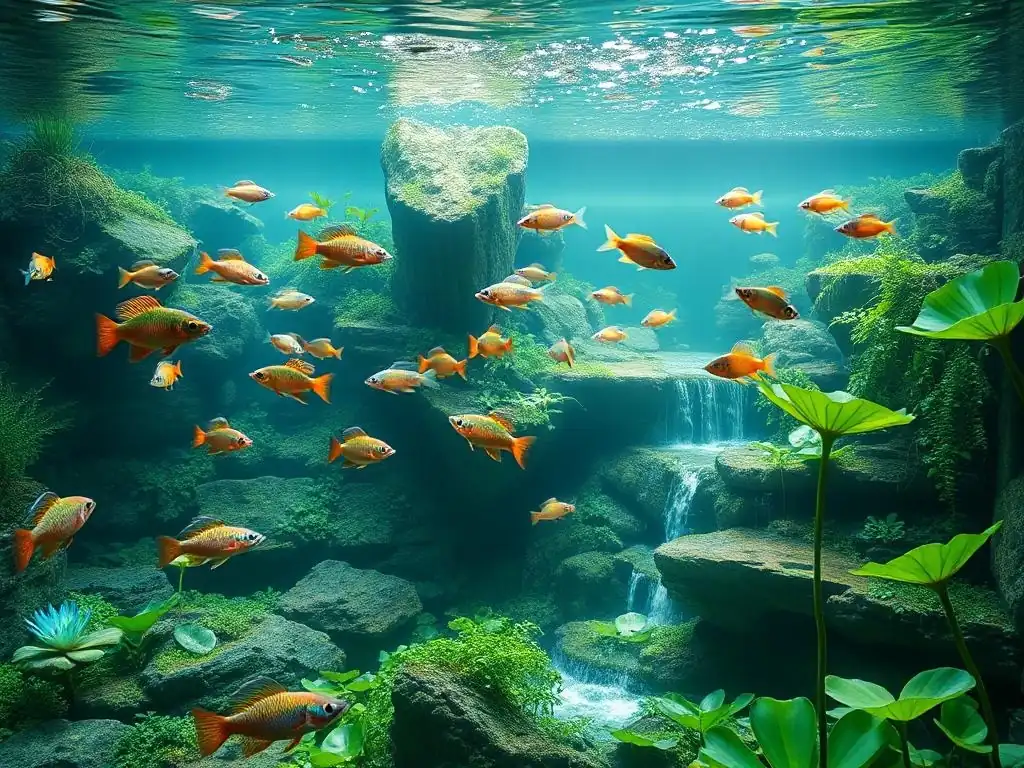
Ever wondered if you could unlock the secrets to successfully breeding the vibrant and somewhat cheeky Buenos Aires Tetra? This guide dives deep into the art of taming their wild heart, offering essential Buenos Aires Tetra breeding tips that will transform your aquarium into a thriving nursery. Prepare to be amazed as we unravel the mysteries of their unique breeding habits and equip you with the knowledge to witness this fascinating process firsthand. Ready to embark on this aquatic adventure?
- Cardinal Tetra: Aquarium Mastery on Replicating Amazonian Conditions for Breeding Success
- Understanding the Cardinal Tetra: A Precursor to Breeding Success
- Preparing Your Cardinal Tetras for Breeding: Conditioning and Care
- The Cardinal Tetra Breeding Process: A Step-by-Step Guide
- Raising Cardinal Tetra Fry: From Hatching to Juvenile Stage
- Troubleshooting Cardinal Tetra Breeding: Common Issues and Solutions
- Advanced Cardinal Tetra Breeding Techniques: Maximizing Success
- Mastering Cardinal Tetra Breeding: Long-Term Care and Considerations
-
Frequently Asked Questions
- How difficult is it to breed Buenos Aires Tetras in a home aquarium?
- What size tank is recommended for breeding Buenos Aires Tetras?
- What water parameters are ideal for Buenos Aires Tetra breeding?
- What should I feed Buenos Aires Tetra fry?
- How can I protect the eggs and fry from the adult Buenos Aires Tetras?
- Final Reflection: Embracing the Art of Aquatic Harmony
- Unleash the Buenos Aires Tetra Breeding Secrets!
Cardinal Tetra: Aquarium Mastery on Replicating Amazonian Conditions for Breeding Success
Understanding the Cardinal Tetra: A Precursor to Breeding Success
Cardinal Tetra Profile: Temperament, Size, and Lifespan
The Cardinal Tetra ( Paracheirodon axelrodi) is a small, peaceful schooling fish renowned for its vibrant iridescent blue stripe and prominent red stripe running the length of its body. Native to the blackwater rivers of the Rio Negro and Orinoco basins in South America, these fish typically grow to about 2 inches (5 cm) in length.
In a well-maintained aquarium with stable water parameters, Cardinal Tetras can live for 3 to 5 years, with some individuals reaching up to 7 years. Their schooling behavior is not just aesthetic; it provides a sense of security and reduces stress, which is vital for their overall health and readiness for Cardinal Tetra breeding tips.
Their delicate nature and specific environmental needs make them a more challenging species for beginners but incredibly rewarding for experienced aquarists. They thrive in established tanks with a consistent environment, showing their best colors and most natural behaviors when kept in groups of at least six, preferably ten or more. Their peaceful temperament makes them excellent tank mates for other small, non-aggressive fish that prefer similar water conditions, ensuring a harmonious community that supports their natural lifecycle, including potential breeding.
Identifying Male and Female Cardinal Tetras for Breeding
Identifying the sex of Cardinal Tetras for breeding purposes can be subtle, as sexual dimorphism is not highly pronounced. Generally, adult female Cardinal Tetras tend to be noticeably rounder and plumper in the belly area, especially when they are gravid (full of eggs). This fuller appearance is most evident when viewed from above or when comparing several individuals side-by-side.
In contrast, male Cardinal Tetras typically appear more slender and streamlined than their female counterparts. While there isn't a definitive visual cue like fin shape or color intensity, observing a group of healthy, well-conditioned fish will often reveal the plumper females. This distinction becomes clearer as the fish mature and are conditioned for breeding, making careful observation a key component of successful Cardinal Tetra breeding tips.
Creating the Ideal Habitat: Mimicking the Cardinal Tetra's Natural Environment
To encourage Cardinal Tetra breeding, replicating their natural Amazonian blackwater environment is paramount. This involves providing a tank with dim lighting, dense vegetation, and soft, acidic water conditions. A minimum 20-gallon aquarium is recommended for a breeding group, allowing ample space for schooling and spawning. A dark, fine sand substrate or a bare bottom is ideal, as it makes egg detection and collection easier.
Essential elements for their habitat include driftwood and a generous amount of leaf litter, such as Indian almond leaves. These natural materials release tannins into the water, creating the characteristic "blackwater" effect, which not only lowers the pH but also provides mild antibacterial properties. Live plants like Java moss, Amazon swords, and Anubias offer crucial hiding places and spawning sites. Maintaining stable water temperature within their preferred range is also critical, as fluctuations can stress the fish and hinder breeding efforts, underscoring the importance of precise environmental control in Cardinal Tetra breeding tips.
Preparing Your Cardinal Tetras for Breeding: Conditioning and Care
Optimizing Water Parameters for Cardinal Tetra Breeding
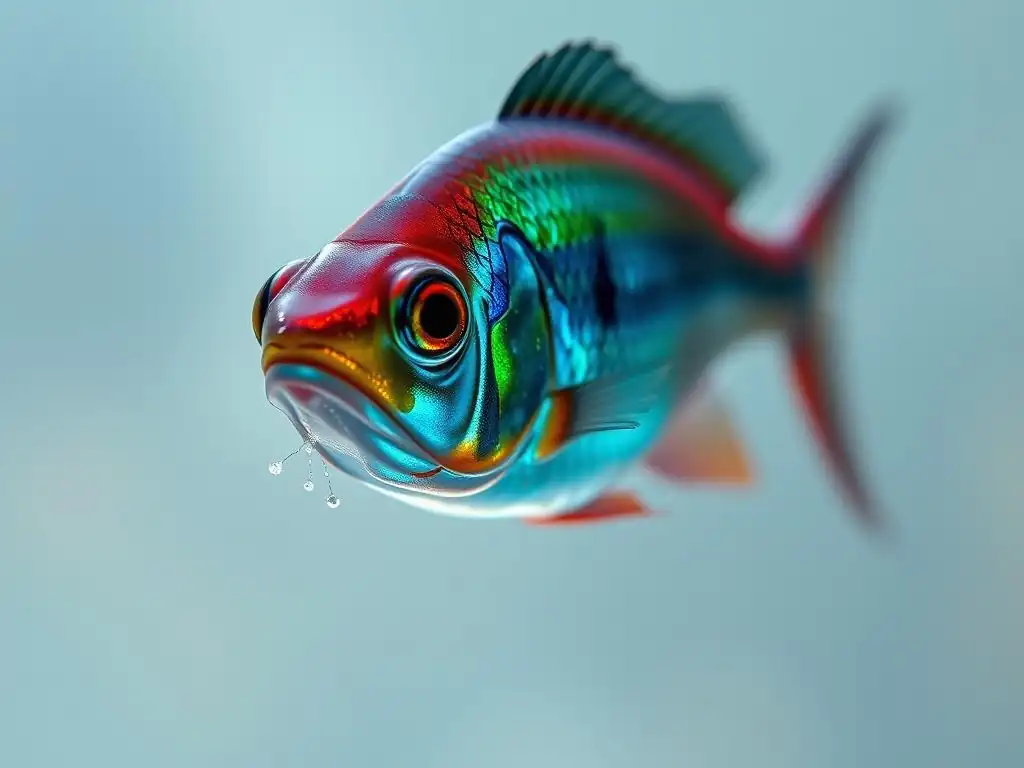
Achieving the precise water parameters for Cardinal Tetra breeding is perhaps the most critical step. These fish require very soft, acidic water to successfully spawn and for their eggs to hatch. The ideal pH range is between 5.0 and 6.0, with water hardness (GH) as low as 1-4 dGH and Total Dissolved Solids (TDS) below 50 ppm. The water temperature should be maintained consistently between 78-82°F (25.5-27.8°C), mimicking the warm, stable conditions of their native floodplains.
To achieve these specific conditions, hobbyists often use reverse osmosis (RO) or deionized (DI) water, which is then remineralized to the desired hardness. Peat filtration or the use of commercial blackwater extracts can help lower pH and add beneficial humic substances. Regular and accurate testing of pH, GH, and TDS is non-negotiable. Consistent parameters are more vital than hitting exact numbers, as sudden fluctuations can be detrimental. Precision in water chemistry is a hallmark of successful Cardinal Tetra breeding tips.
The Importance of Diet: Nutritional Needs for Breeding Cardinal Tetras
A varied and high-quality diet is fundamental for conditioning Cardinal Tetras for breeding. Live foods are particularly crucial as they provide essential nutrients and stimulate natural hunting behaviors, encouraging the fish to come into prime breeding condition. Excellent choices include newly hatched brine shrimp, daphnia, micro-worms, and small bloodworms. These live offerings are rich in protein and fats, which are vital for egg development and sperm production.
Supplementing their diet with high-quality frozen versions of these foods is acceptable if live food is not consistently available. Additionally, a good quality flake or micro-pellet food designed for small omnivores should be offered. Feed small amounts multiple times a day to ensure all fish get enough. A protein-rich diet consistently provided for one to two weeks prior to attempting breeding significantly boosts the chances of successful egg production and fertilization, making nutritional conditioning a cornerstone of effective Cardinal Tetra breeding tips.
Setting Up a Dedicated Cardinal Tetra Breeding Tank
A dedicated breeding tank is highly recommended for Cardinal Tetras to maximize spawning success and fry survival. A small aquarium, typically 5 to 10 gallons, is sufficient. The tank should have a bare bottom or a very sparse substrate to make egg collection easy and prevent eggs from getting lost or becoming fouled. Spawning mops made of nylon yarn, a generous clump of Java moss, or a spawning grid placed above the bottom are essential for providing a safe place for eggs to be laid and to protect them from predation by the parents.
Lighting in the breeding tank should be kept very dim, ideally just ambient room light, as Cardinal Tetra eggs are highly light-sensitive. Filtration should be minimal and gentle; a small, air-driven sponge filter is perfect as it provides biological filtration without creating strong currents that could harm delicate eggs or fry. Place the breeding tank in a quiet, undisturbed location where temperature can be maintained consistently. Preparing this specialized environment well in advance is a crucial Cardinal Tetra breeding tip for minimizing stress and encouraging natural spawning behavior.
The Cardinal Tetra Breeding Process: A Step-by-Step Guide
Triggering Spawning: Simulating Natural Breeding Conditions
Once the Cardinal Tetras are well-conditioned and the breeding tank is set up with optimal water parameters, the next step is to trigger spawning. Introduce a conditioned pair or a trio (one male, two females) into the breeding tank, ideally in the late evening. Spawning typically occurs in the early morning hours, often at dawn. The soft, acidic water, dim lighting, and the presence of spawning material are the primary triggers.
Some breeders find that a slight increase in temperature (by 1-2°F) over a 24-hour period after introduction can stimulate spawning activity. Observing the pair's behavior, such as the male chasing the female into the spawning medium and fin-nipping, indicates readiness. A small water change with slightly cooler, very soft water can sometimes simulate rainfall, which is a natural spawning cue in their native environment, further encouraging the Cardinal Tetra breeding tips process.
Egg Deposition and Fertilization: Observing the Cardinal Tetra Breeding Ritual
During the breeding ritual, the male Cardinal Tetra will actively pursue the female, guiding her into the chosen spawning medium, whether it's a spawning mop or dense Java moss. The female will then deposit tiny, clear, adhesive eggs, either individually or in small clusters. A single female can lay anywhere from 100 to 500 eggs in a single spawning event. As the female releases the eggs, the male immediately follows, fertilizing them.
The eggs are typically clear and very small, making them difficult to spot without careful observation. They will stick to the spawning medium or fall to the bottom. The entire egg deposition and fertilization process can last for several hours. These delicate eggs are highly sensitive to light and water quality, emphasizing the need for a pristine, dark environment immediately after spawning.
Removing the Parents: Preventing Egg Predation in Cardinal Tetras
Cardinal Tetras, like many other tetra species, are notorious egg-eaters. As soon as you observe that spawning is complete—typically indicated by the pair no longer showing interest in the spawning site or the female's belly appearing noticeably deflated—it is crucial to carefully remove the adult fish from the breeding tank. This step is non-negotiable to ensure the survival of the eggs.
Gently net the adults and transfer them back to their main display tank. After removing the parents, it is imperative to dim the lights completely or even cover the breeding tank with a dark cloth. Cardinal Tetra eggs are highly photophobic, meaning exposure to light can prevent them from hatching or cause developmental issues. This immediate removal and darkening of the tank are critical Cardinal Tetra breeding tips for maximizing egg viability and successful hatching.
Raising Cardinal Tetra Fry: From Hatching to Juvenile Stage
First Foods for Cardinal Tetra Fry: Infusoria, Baby Brine Shrimp, and More
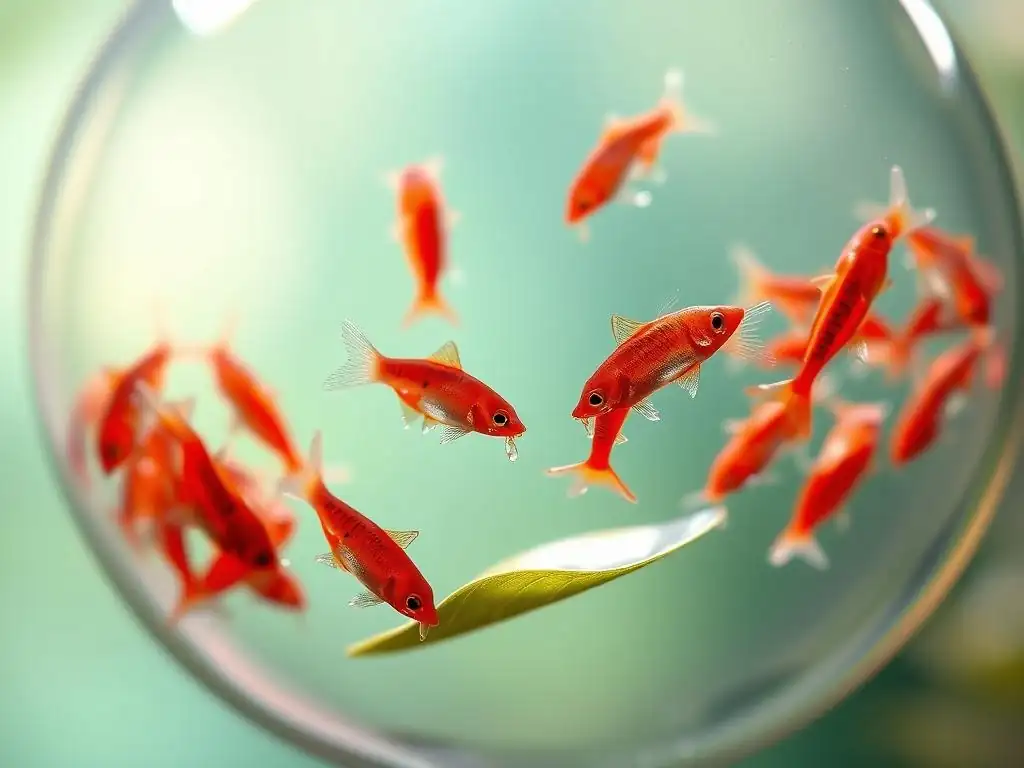
Cardinal Tetra eggs typically hatch within 24 to 36 hours, revealing incredibly tiny fry. These fry are initially immobile and will absorb their yolk sac for the first 3-5 days. Once they become free-swimming, their first food source must be microscopic. Infusoria, which are microscopic organisms, are essential for these initial days. Culturing infusoria from hay or lettuce steeped in water or using specialized liquid fry foods are common methods.
After approximately 5-7 days, when the fry have grown slightly and can consume larger particles, they can be introduced to newly hatched baby brine shrimp ( Artemia nauplii). Feeding should occur in tiny amounts multiple times a day to ensure a constant supply of food without polluting the water. This phase of providing appropriate first foods is crucial for the high survival rate of the fry and is a cornerstone of successful Cardinal Tetra breeding tips.
Maintaining Water Quality for Optimal Fry Growth
Maintaining pristine water quality is paramount for the survival and optimal growth of Cardinal Tetra fry, as they are extremely sensitive to pollutants and water parameter fluctuations. Daily small water changes, typically 10-15% of the tank volume, are vital. The new water must be aged and conditioned to precisely match the parameters (temperature, pH, hardness) of the breeding tank to prevent shock. Using an air line tubing for a slow drip acclimation system for water changes is highly recommended.
A gentle air-driven sponge filter is necessary to provide biological filtration without generating strong currents that could harm the delicate fry. Overfeeding must be meticulously avoided, as uneaten food rapidly fouls the water, leading to dangerous ammonia and nitrite spikes that are lethal to young fry. Consistent, high-quality water is the single most important factor for success in Cardinal Tetra breeding tips for fry rearing.
Preventing Diseases in Cardinal Tetra Fry
Preventing diseases in Cardinal Tetra fry primarily relies on maintaining an impeccably clean and stable environment. All equipment used for the fry tank, including nets and siphons, should be sterilized to avoid introducing pathogens. Consistent water parameters, as discussed, are essential to minimize stress, which can weaken the fry's immune system and make them susceptible to common aquarium diseases like Ich or various bacterial infections.
Avoid introducing anything from other tanks without proper quarantine procedures. If disease does occur, treatment can be challenging due to the fry's extreme fragility and small size. Many common medications are too harsh for fry. Therefore, prevention through diligent husbandry, including regular small water changes and careful feeding, is the most effective strategy for ensuring healthy fry and is a critical aspect of successful Cardinal Tetra breeding tips.
Troubleshooting Cardinal Tetra Breeding: Common Issues and Solutions
Addressing Infertility Issues in Cardinal Tetras
If your Cardinal Tetras are not spawning, or if eggs are being laid but are not fertile, a thorough re-evaluation of your conditioning and setup is necessary. First, scrutinize the diet: ensure a high-protein, varied diet of live and frozen foods has been consistently provided for at least two weeks prior to the breeding attempt. Inadequate nutrition is a common cause of infertility. Second, meticulously check all water parameters—pH, GH, TDS, and temperature. Even slight deviations from the ideal soft, acidic conditions can inhibit spawning or egg viability.
Consider the age of your breeding stock; very young or very old fish may not be optimal breeders. If one pair consistently fails, try different male-female pairings if you have multiple fish. Sometimes, a "cooler" water change, dropping the tank temperature by 1-2°F, can simulate a rain event and shock them into spawning. Patience and incremental adjustments are key Cardinal Tetra breeding tips for overcoming infertility.
Dealing with Egg Fungus and Preventing Losses
Egg fungus ( Saprolegnia) is a common and frustrating issue in Cardinal Tetra breeding, often leading to significant losses. It typically appears as white, fuzzy growth on eggs. Fungus usually targets unfertilized eggs or eggs that have died, but it can quickly spread to healthy, viable eggs. The best immediate solution is to carefully remove any fungused eggs as soon as they are spotted using a pipette or a fine net, preventing the spread to healthy eggs.
To prevent fungus, ensure optimal water quality and parameters, as poor conditions can exacerbate the problem. Some breeders opt to add a very small amount of methylene blue to the water (following product instructions carefully) immediately after spawning, as it has antifungal properties. However, this should be done cautiously as it can also stain the tank. Ensuring proper fertilization by having a healthy, active male is the primary preventative measure, as fertilized eggs are more resistant to fungus. These are essential Cardinal Tetra breeding tips for egg survival.
Managing Lighting Conditions for Successful Hatching
Cardinal Tetra eggs are highly photophobic, meaning they are extremely sensitive to light, and exposure can severely inhibit hatching or cause developmental deformities. This is why the breeding tank must be kept in near-total darkness immediately after spawning and until the eggs hatch. Any direct light, especially bright light, should be avoided.
When checking on the eggs or fry, use only a very dim flashlight, and keep its use brief. After the eggs have hatched (typically within 24-36 hours), a gradual introduction to very dim ambient room light is acceptable, but direct, strong lighting should still be avoided for at least the first week of the fry's life. Maintaining this dark environment is a non-negotiable Cardinal Tetra breeding tip for achieving high hatching rates.
Advanced Cardinal Tetra Breeding Techniques: Maximizing Success
Utilizing Blackwater Extracts to Mimic Natural Habitat
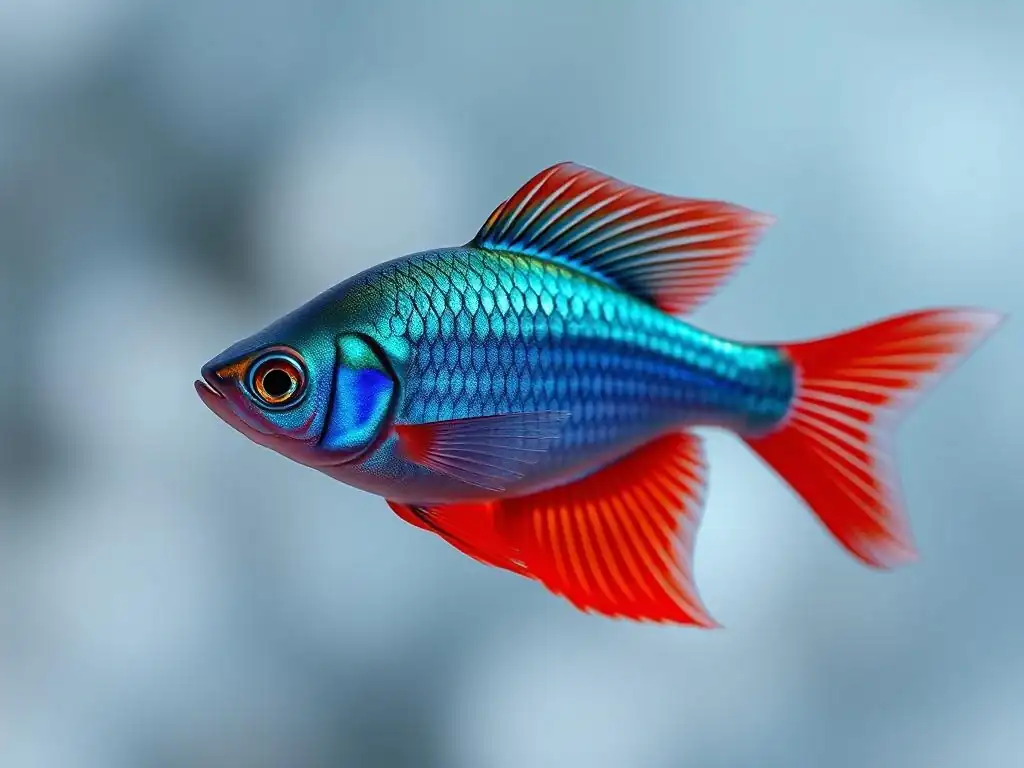
For advanced Cardinal Tetra breeding, utilizing blackwater extracts or natural sources like Indian almond leaves ( Terminalia catappa), alder cones, or peat is highly effective in mimicking their native Amazonian habitat. These materials release humic substances and tannins into the water, which not only lower the pH and soften the water but also provide mild antiseptic and antibacterial properties. These beneficial compounds create an environment that reduces stress on the fish and can act as a crucial trigger for spawning.
The visual effect of the tea-colored water also replicates their natural environment, making the fish feel more secure. When using these extracts or natural materials, it is vital to monitor the pH closely, as they can cause significant drops. Consistent application of these elements can significantly improve spawning rates and egg viability, making them a cornerstone of advanced Cardinal Tetra breeding tips.
Optimizing Spawning Rates Through Temperature Manipulation
While stable water temperature is generally recommended for Cardinal Tetras, a slight, controlled fluctuation can sometimes be used as an advanced technique to induce spawning. A common strategy is to introduce the conditioned breeding pair to the breeding tank at the lower end of their preferred temperature range (e.g., 78°F or 25.5°C) and then gradually increase the temperature by 1-2°F over a day or two, bringing it up to 80-82°F (26.7-27.8°C). This gentle rise can signal favorable conditions for breeding.
Alternatively, a small, cool water change (a drop of 1-2°F) can be employed to simulate the onset of a "rainy season" in their natural habitat. This sudden, subtle change in temperature can often act as a potent spawning trigger for stubborn pairs. Careful observation of the fish's response is key to successful temperature manipulation, a nuanced aspect of advanced Cardinal Tetra breeding tips.
Implementing a Drip Acclimation System for Fry Survival
When performing water changes for Cardinal Tetra fry, which are incredibly delicate and sensitive to environmental shifts, implementing a drip acclimation system is an advanced technique that significantly boosts survival rates. This method involves slowly dripping new, conditioned water into the fry tank over several hours, rather than performing a quick pour. This can be achieved using an air line tubing with a knot or valve to control the flow rate.
The slow, gradual introduction of new water prevents sudden changes in water parameters such as pH, temperature, and Total Dissolved Solids (TDS), which can be lethal to young fry. By minimizing shock, a drip acclimation system ensures a smooth transition, allowing the fry to adjust slowly to the refreshed water. This meticulous approach to water management is a crucial Cardinal Tetra breeding tip for successful mass rearing.
Mastering Cardinal Tetra Breeding: Long-Term Care and Considerations
Maintaining Genetic Diversity in Your Cardinal Tetra Stock
To ensure the long-term health and vigor of your Cardinal Tetra breeding efforts, maintaining genetic diversity is paramount. Continuous inbreeding, where closely related fish are bred over multiple generations, can lead to inbreeding depression. This manifests as smaller fish, reduced fertility, increased susceptibility to diseases, and higher rates of deformities in the offspring.
If you begin with a small initial stock, consider periodically introducing new, unrelated breeding individuals from different sources after several breeding cycles. This practice helps to refresh the gene pool, ensuring the offspring remain robust and healthy. Diversifying your breeding stock is a responsible Cardinal Tetra breeding tip that contributes to the overall strength and resilience of your fish line.
Identifying and Addressing Potential Health Problems in Breeding Adults
Breeding can be a stressful process for adult Cardinal Tetras, potentially weakening their immune systems. It is crucial to closely monitor your breeding adults for any signs of stress or illness, such as clamped fins, lethargy, loss of appetite, fading colors, or the appearance of unusual spots or lesions. Ensuring they are well-fed and returned to a healthy, stable main tank environment after spawning is essential for their recovery.
Maintain impeccable water quality in their main display tank and provide a balanced, nutritious diet to help them regain condition. A stable environment minimizes stress and bolsters their natural defenses. Should any fish exhibit signs of illness, promptly isolate them in a quarantine tank to prevent the spread of disease to other fish. Addressing health problems swiftly is a key Cardinal Tetra breeding tip for maintaining a healthy breeding colony.
Responsible Distribution of Cardinal Tetra Offspring
Once you have successfully raised a batch of Cardinal Tetra juveniles to a healthy, stable size, consider their future. You can keep them to expand your own stock, trade them with other hobbyists, or sell them to local fish stores. This responsible distribution contributes positively to the aquarium hobby and helps reduce the demand for wild-caught specimens, which often face stressful collection and shipping conditions.
Ensure that any fish you distribute are healthy, free of diseases, and well-acclimated to standard aquarium conditions before they leave your care. Providing advice on their specific care requirements to new owners is also a good practice. Sharing healthy, captive-bred Cardinal Tetras not only benefits the species but also promotes sustainable practices within the aquarist community, embodying the best Cardinal Tetra breeding tips.
Frequently Asked Questions
How difficult is it to breed Buenos Aires Tetras in a home aquarium?
Buenos Aires Tetras are considered relatively easy to breed, but require specific conditions. The key is providing a suitable spawning environment and maintaining optimal water parameters.
What size tank is recommended for breeding Buenos Aires Tetras?
A tank of at least 20 gallons is recommended. This provides enough space for the parents and fry, and helps maintain a stable environment during the breeding process.
What water parameters are ideal for Buenos Aires Tetra breeding?
Ideal water parameters include a temperature of 75-78°F, a pH of 6.0-7.0, and soft water. Mimicking their natural environment is crucial for successful spawning.
What should I feed Buenos Aires Tetra fry?
Buenos Aires Tetra fry are very small and need infusoria or liquid fry food initially. As they grow, you can transition them to baby brine shrimp and finely crushed flake food.
How can I protect the eggs and fry from the adult Buenos Aires Tetras?
Buenos Aires Tetras are known to eat their eggs and fry, so it is vital to separate them. Use a spawning mop, marble substrate, or remove the parents after spawning to protect the young.
Final Reflection: Embracing the Art of Aquatic Harmony
The journey into understanding and breeding the Buenos Aires Tetra, as we've explored, is more than just a technical exercise; it's a testament to our ability to connect with the natural world and foster life within the confines of our own homes. The insights shared, from water parameters to dietary needs, are not merely instructions, but keys to unlocking a deeper appreciation for the delicate balance that governs aquatic ecosystems.
This exploration has underscored how patience and observation are paramount in the art of aquarium keeping, mirroring the broader need for mindful interaction with our environment. The success in breeding these vibrant fish is a microcosm of our potential to nurture and sustain life. As the saying goes: In every drop of water, there is a story of life.
This quote encapsulates the essence of our responsibility to understand and protect the intricate web of life, starting with the smallest of creatures in our care.
Now, as you embark on your own journey with the Buenos Aires Tetra, remember that the knowledge shared here is a foundation upon which to build your own unique experience. Let the challenges you face become opportunities for learning and growth, and allow the vibrant energy of these fish to inspire a deeper connection with the natural world. Cultivate your aquariums with care and passion, and witness the remarkable beauty that unfolds when we embrace the art of aquatic harmony.
Unleash the Buenos Aires Tetra Breeding Secrets!
Thank you for exploring the captivating world of Buenos Aires Tetras with us! We hope this article has empowered you with valuable insights into their unique needs and breeding behavior. Now, let's put that knowledge into action!
Here are a few things you can do to continue your journey:
- Commit to creating the ultimate breeding paradise by adjusting your aquarium conditions based on the tips discussed. This is the most important step to seeing results.
- Dive deeper into understanding your tetras by observing their specific behaviors and noting any individual preferences. Share your observations with other hobbyists!
- Consider creating a short video showcasing your Buenos Aires Tetra aquarium setup and share your tips on aquarium forums.
What specific environmental adjustment are you most excited to try first to encourage breeding success with your Buenos Aires Tetras? Share in the comments below!