
Which Gourami Is For You? A Comparative Guide to Popular Species

Welcome to Aquarium Mastery!
Curious about adding a touch of shimmering beauty to your freshwater aquarium? You've come to the right place! Dive into our guide on the Best Gourami Species for Beginners and discover which of these captivating fish is the perfect fit for your aquatic world. Prepare to be amazed by their diverse personalities and vibrant colors – let's find your finned friend today!
- Introduction: Finding the Best Gourami for Your Freshwater Aquarium
- Understanding Gouramis: An Overview of Anabantoid Fish
-
Frequently Asked Questions
- What makes a gourami a good choice for beginner aquarists?
- Which gourami species are specifically recommended for beginner-friendly freshwater aquariums?
- What size tank is generally recommended for keeping gouramis, especially for beginners?
- What are some common mistakes beginner aquarists make when keeping gouramis?
- How can I ensure my gourami is healthy and thriving in my aquarium?
- Final Reflection: The Enduring Allure of Gourami
- Embark on Your Gourami Journey!
Introduction: Finding the Best Gourami for Your Freshwater Aquarium
Gouramis are among the most captivating and diverse freshwater fish available to aquarists, renowned for their vibrant colors, unique body shapes, and intriguing behaviors. From the smallest dwarf varieties to the larger, more imposing species, these labyrinth fish offer a wide array of options for community tanks and species-specific setups alike. Choosing the best gourami species for beginners can be a rewarding experience, as many are hardy and adaptable, making them an excellent starting point for new hobbyists.
This comprehensive guide will delve into the fascinating world of gouramis, providing detailed insights into their care requirements, temperament, and compatibility with other fish. We will compare several popular species, highlighting their unique characteristics and helping you determine which gourami is the perfect fit for your freshwater aquarium. Whether you're seeking a centerpiece fish or a peaceful addition to your community tank, understanding the nuances of each species is key to a thriving aquatic environment.
Understanding Gouramis: An Overview of Anabantoid Fish
What are Gouramis and Why are They Popular Aquarium Fish?
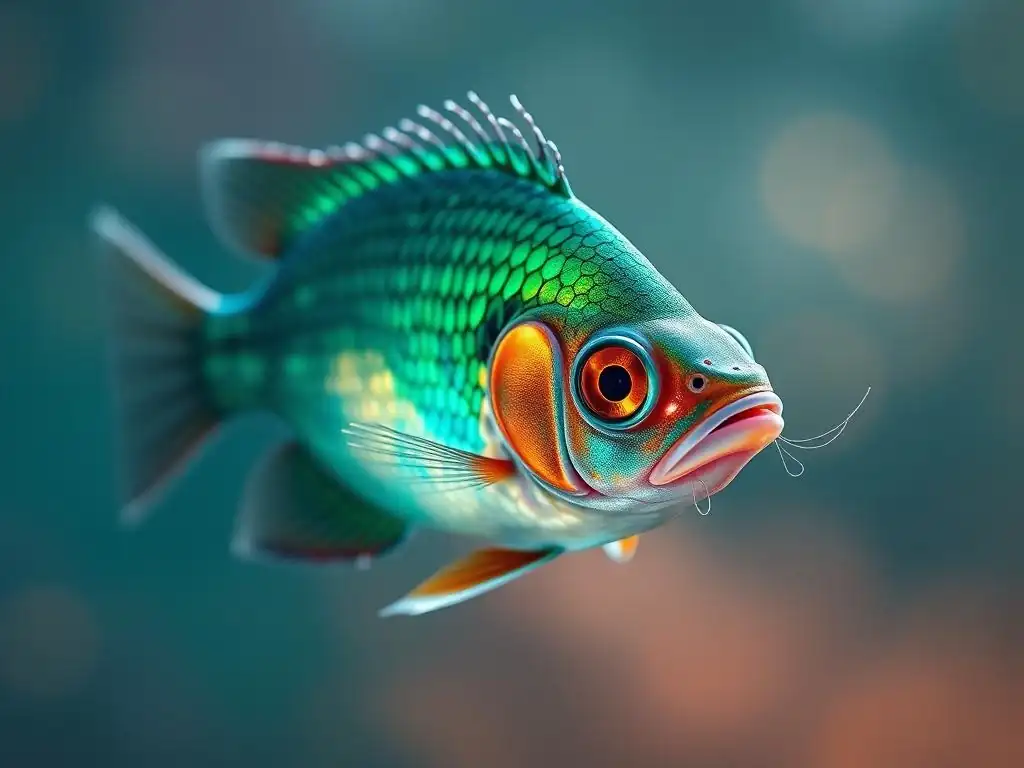
Gouramis encompass a broad group of fish belonging to the family Osphronemidae, originating primarily from slow-moving or stagnant waters across Asia, including regions like India, Thailand, and Indonesia. Their popularity in the aquarium hobby stems from several appealing traits: their often striking coloration, their generally peaceful demeanor (though some exceptions exist), and their unique ability to breathe atmospheric air. Many species display intricate patterns, iridescent scales, and flowing fins, making them visually stunning additions to any freshwater setup.
Beyond their aesthetic appeal, gouramis are also appreciated for their interesting behaviors, such as bubble nesting during breeding and their curious interactions with their environment. Their adaptability to various water conditions, within reasonable parameters, further contributes to their status as a favored choice among both novice and experienced aquarists looking for the best gourami species for beginners or more advanced challenges. For instance, the Dwarf Gourami (Trichogaster lalius) is a prime example of a vibrant, relatively small species that is often recommended due to its manageable size and striking appearance.
Anabantoids: Understanding the Labyrinth Organ
A defining characteristic of gouramis, and indeed all fish in the suborder Anabantoidei, is the presence of a specialized respiratory organ known as the labyrinth organ. This unique anatomical structure, located in the fish's head, allows them to directly breathe atmospheric air in addition to extracting oxygen from the water through their gills. This evolutionary adaptation is crucial for their survival in their natural habitats, which often include oxygen-poor, stagnant waters like rice paddies, swamps, and ditches.
The labyrinth organ functions much like a rudimentary lung, enabling gouramis to "gulp" air from the surface of the water. This remarkable ability makes them incredibly resilient and tolerant of fluctuating water conditions, a significant advantage for hobbyists, especially those seeking the best gourami species for beginners. While they still require well-oxygenated water for optimal health, their capacity to breathe air provides a safety net and allows them to thrive in environments where other fish might struggle. It also means that keeping the water surface clear of excessive plant matter or film is important for their access to air.
Gourami Temperament and Tank Compatibility
Gourami temperament varies significantly between species, ranging from the incredibly peaceful Honey Gourami to the more territorial and occasionally aggressive Three Spot Gourami. Understanding these behavioral nuances is critical for successful tank compatibility and for creating a harmonious community aquarium. Many smaller gourami species, such as the Dwarf and Honey Gouramis, are generally docile and can coexist peacefully with a wide range of similarly sized, non-aggressive fish. However, even these species can display territoriality, especially males, during breeding or when housed in overcrowded conditions.
Larger gourami species, including the Pearl and Three Spot Gouramis, can exhibit more pronounced territoriality, particularly towards other gouramis or fish with similar body shapes and finnage. It is crucial to avoid housing multiple male gouramis of the same or similar species in smaller tanks, as this can lead to intense aggression and stress. When selecting tank mates, prioritize species that are not fin-nippers, as gouramis have flowing fins that can be tempting targets. Ideal companions include peaceful tetras, rasboras, corydoras, and certain types of peaceful plecos, ensuring that the best gourami species for beginners can thrive without conflict.
Frequently Asked Questions
What makes a gourami a good choice for beginner aquarists?
Gouramis are generally considered good for beginners due to their hardiness and adaptability to various water conditions. Many species are also relatively peaceful and readily available.
Which gourami species are specifically recommended for beginner-friendly freshwater aquariums?
The dwarf gourami and the honey gourami are often recommended due to their smaller size and peaceful temperament, making them suitable for smaller tanks. They are also relatively easy to care for.
What size tank is generally recommended for keeping gouramis, especially for beginners?
The tank size depends on the species, but a minimum of 10 gallons is usually recommended for smaller gouramis like the dwarf or honey. Larger gouramis may require 20 gallons or more to thrive.
What are some common mistakes beginner aquarists make when keeping gouramis?
Overcrowding the tank and neglecting regular water changes are common mistakes. Also, failing to properly research the specific needs of the chosen gourami species can lead to problems.
How can I ensure my gourami is healthy and thriving in my aquarium?
Provide a well-filtered tank, maintain stable water parameters, and offer a varied diet. Observe your gourami regularly for signs of illness, such as clamped fins or unusual behavior.
Final Reflection: The Enduring Allure of Gourami
The journey through the diverse world of gourami, as we've explored, reveals more than just a selection of beautiful fish; it highlights the profound connection between humans and the natural world, even within the confines of our homes. Choosing the right gourami, especially for a beginner, is about more than just aesthetics; it's about fostering a responsible and rewarding relationship with these fascinating creatures.
This exploration has underscored the importance of mindful pet ownership and the joy that comes from creating a thriving aquatic ecosystem. The delicate balance of a home aquarium mirrors the complexities of the larger world, teaching us valuable lessons about responsibility, patience, and the interconnectedness of life. In their tiny world, fish teach us about the vastness of the universe.
This quote encapsulates the humbling experience of observing these creatures and learning from their silent wisdom.
As you consider bringing a gourami into your life, remember that you're not just acquiring a pet, but embarking on a journey of discovery. Reflect on the information shared here, consider your own capabilities and resources, and choose a species that will thrive under your care. The rewards of a well-maintained aquarium, filled with the vibrant colors and graceful movements of gourami, are immeasurable. Embrace the challenge, and you'll find yourself captivated by the enduring allure of these aquatic gems.
Embark on Your Gourami Journey!
Thanks for diving into the fascinating world of gouramis! We hope this guide has helped you narrow down the perfect addition to your aquarium. Now, let's put that knowledge into action:
- Start planning your new gourami's habitat! Research the specific needs of your chosen species (tank size, water parameters, plants, etc.) to ensure a thriving environment.
- Share your top gourami pick with other aquarium enthusiasts. What makes it stand out to you?
- Consider documenting your journey! Create a photo journal of your gourami as it grows and adapts to its new home.
What unexpected challenges or rewarding moments do you anticipate experiencing as a gourami owner?