
Apistogramma Viejita: Rare Gem or Common Find? Care & ID Guide

Welcome to Aquarium Mastery!
Ever wondered if you can truly unlock the vibrant beauty of Apistogramma Viejita in your own aquarium? This stunning dwarf cichlid can be more than just a pretty face; understanding its specific needs is key. Dive into our comprehensive Apistogramma Viejita aquarium care guide and discover the secrets to creating the perfect environment for these captivating fish. Are you ready to transform your tank into a thriving ecosystem? Let's explore!
- Unveiling the Apistogramma Viejita: A Complete Care Guide for Aquarium Enthusiasts
- Identifying the Apistogramma Viejita: Distinguishing Features and Characteristics
- Apistogramma Viejita Aquarium Care: Creating the Ideal Habitat
- Apistogramma Viejita Diet and Feeding: Ensuring Optimal Nutrition
- Apistogramma Viejita Tank Mates: Compatibility and Community Tank Options
- Apistogramma Viejita Breeding: Encouraging Reproduction in Captivity
- Apistogramma Viejita Health and Disease: Prevention and Treatment
- Is Apistogramma Viejita Right for You? Assessing Compatibility and Commitment
-
Frequently Asked Questions
- What makes Apistogramma Viejita a desirable aquarium fish?
- What are the key water parameters for a Viejita aquarium?
- What should I feed my Apistogramma Viejita?
- Are Apistogramma Viejita difficult to breed in captivity?
- How can I identify a true Apistogramma Viejita from similar Apistogramma species?
- Final Reflection: Unveiling the Beauty of the Viejita
- Unleash the Viejita's Vibrance in Your Aquarium!
Unveiling the Apistogramma Viejita: A Complete Care Guide for Aquarium Enthusiasts
The Apistogramma viejita is a captivating dwarf cichlid, highly sought after by aquarists for its vibrant colors and engaging behaviors. Hailing from the blackwater streams and tributaries of Colombia, specifically the Meta and Orinoco river basins, this species is considered by many to be a true "gem" in the freshwater aquarium hobby. While not as universally common as some other dwarf cichlids, its availability has increased over recent years, making it an accessible yet still prized addition to a carefully planned aquarium.
Understanding the specific needs of this species is paramount for its thriving in captivity. This comprehensive Apistogramma Viejita aquarium care guide aims to equip both novice and experienced aquarists with the knowledge required to successfully keep, identify, and even breed these fascinating fish. From setting up the ideal habitat to managing their diet and social interactions, every aspect of Apistogramma Viejita husbandry will be explored to ensure these fish not only survive but truly flourish in your home aquarium.
Identifying the Apistogramma Viejita: Distinguishing Features and Characteristics
Identifying Apistogramma viejita accurately is crucial for proper care, as misidentification can lead to incorrect husbandry practices. While some features are shared across the Apistogramma genus, A. viejita possesses unique traits that set it apart. This section will detail the visual cues and characteristics necessary to confidently identify this species, forming a foundational part of any comprehensive Apistogramma Viejita aquarium care guide.
Key Physical Traits of Apistogramma Viejita: A Visual Guide
Apistogramma viejita typically exhibits an elongated, laterally compressed body shape, characteristic of many dwarf cichlids. Males are noticeably larger and more colorful, reaching lengths of approximately 2.5 to 3 inches (6.5-7.5 cm), while females remain smaller, usually around 1.5 to 2 inches (3.5-5 cm). The dorsal fin in mature males often develops extended, pointed rays, and the caudal fin can be lyre-shaped or spade-like, sometimes with intricate patterning. Sexual dimorphism is pronounced, with females displaying a more subdued yellow coloration, especially when breeding, and less elaborate finnage.
Coloration in Apistogramma viejita is diverse and captivating. The base body color can range from a silvery-grey to a warm yellowish-brown, often overlaid with iridescent blue, green, or red scales, particularly in males. A prominent dark lateral stripe usually runs from the operculum (gill cover) to the caudal peduncle, sometimes interrupted by vertical bars. Distinctive markings include a dark spot or blotch on the caudal peduncle, and often a dark "tear drop" mark beneath the eye. The fins are frequently adorned with striking patterns of red, orange, and blue, making them a visually stunning component of a well-maintained Apistogramma Viejita aquarium care setup.
Differentiating Apistogramma Viejita from Other Apistogramma Species
Apistogramma viejita is part of the Apistogramma macmasteri species complex, which includes other popular species like Apistogramma macmasteri itself and Apistogramma hongsloi. This close relation often leads to confusion in identification. Key differentiators for A. viejita often include its more elongated body profile compared to the stockier A. macmasteri, and a less intense, more broken lateral stripe than A. hongsloi. The caudal fin shape and specific markings on the operculum and caudal peduncle are also important diagnostic features. For instance, A. macmasteri typically has a more rounded caudal fin and a distinct horizontal bar through the eye, whereas A. viejita often shows a more pointed caudal fin and a pronounced vertical bar or blotch on the operculum.
Further distinguishing Apistogramma viejita involves examining the specific patterns on their fins and body, which can vary subtly even within the species' various morphs. Apistogramma hongsloi, for example, is often characterized by a more intense red or orange coloration on its fins and body, particularly in the anterior portion, which is generally less pronounced in A. viejita. Always source Apistogramma viejita from reputable breeders or suppliers who can guarantee species authenticity, as hybridization within the Apistogramma genus is not uncommon and can complicate identification. Accurate identification is the bedrock of providing specific and effective Apistogramma Viejita aquarium care.
Apistogramma Viejita Color Variations: Understanding the Different Morphs
Apistogramma viejita exhibits a fascinating array of natural color variations, often referred to as "morphs" or "localities," which are typically named after the river or region where they were originally collected. Common examples include Apistogramma viejita "Rio Meta" and Apistogramma viejita "Rio Orinoco." These variations can display differences in the intensity and distribution of red, orange, blue, and yellow pigmentation. For instance, some morphs might have a more pronounced blue iridescence on their flanks, while others exhibit a stronger red or orange hue in their fins. The exact pattern of the lateral stripe and caudal spot can also vary between localities, adding to the species' aesthetic appeal.
Beyond genetic predisposition, the vibrant display of Apistogramma viejita colors is also influenced by environmental factors and diet. A well-maintained Apistogramma Viejita aquarium care setup, providing optimal water parameters, a high-quality diet rich in carotenoids, and a stress-free environment, will encourage these fish to display their most brilliant and true-to-type colors. Conversely, poor water quality or inadequate nutrition can result in duller coloration and subdued patterns. Understanding these variations and their influencing factors is vital for aquarists aiming to appreciate the full beauty of their Apistogramma viejita.
Apistogramma Viejita Aquarium Care: Creating the Ideal Habitat
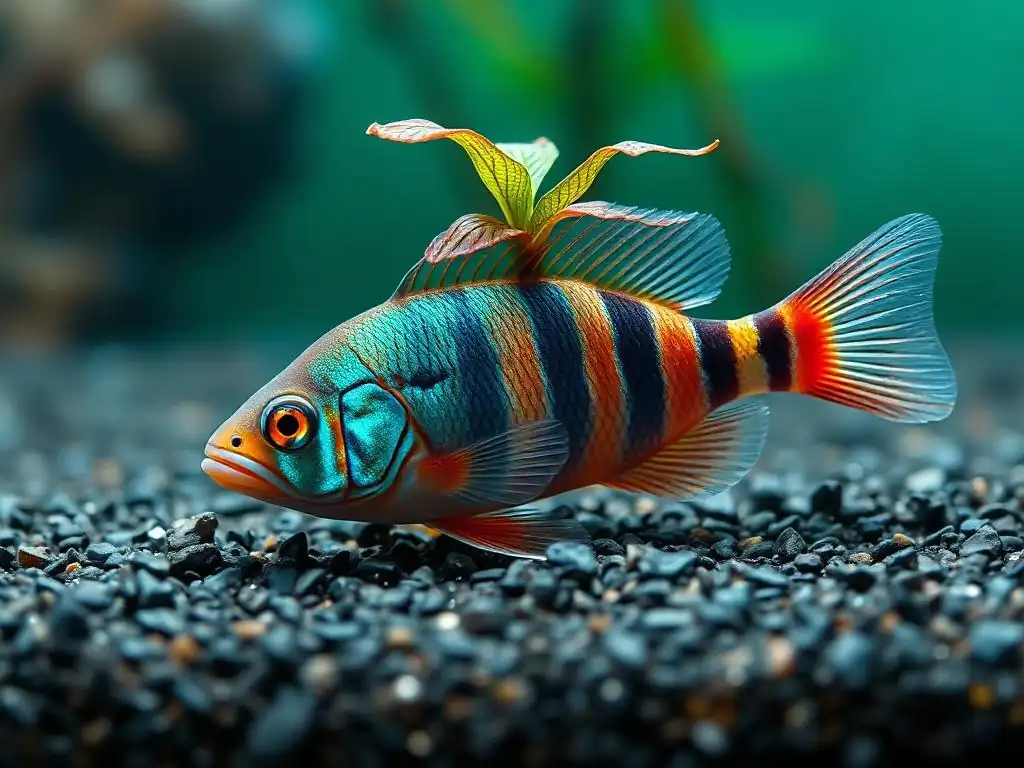
Providing the correct habitat is fundamental to the well-being of Apistogramma viejita. These fish thrive in conditions that closely mimic their natural environment in the blackwater streams of South America. A meticulously planned setup not only ensures their health but also encourages their natural behaviors and vibrant coloration. This section delves into the specifics of creating an ideal habitat, a critical component of any comprehensive Apistogramma Viejita aquarium care guide.
Setting Up the Perfect Apistogramma Viejita Tank: Size and Substrate
For a single pair of Apistogramma viejita, a minimum tank size of 15 to 20 gallons (approximately 57 to 76 liters) is recommended. This provides sufficient space for them to establish territories and reduces potential aggression. If planning to keep a trio (one male and two females) or a small group, a larger tank of 30 gallons (around 114 liters) or more is advisable to ensure adequate individual space and reduce stress. The footprint of the tank is more important than its height, as these fish prefer horizontal swimming space. A tank measuring at least 24 inches (60 cm) in length is ideal for a pair.
The substrate choice is paramount for Apistogramma viejita. Fine, soft sand, such as play sand or specialized aquarium sand (e.g., CaribSea Super Naturals), is highly recommended. These fish are natural diggers and sifting through sand is a crucial part of their foraging behavior and breeding rituals, where females excavate spawning pits. Coarse or sharp gravel should be avoided as it can injure their delicate barbels and mouths. Incorporating elements like driftwood, root structures, and various caves (coconut shells, terracotta pots, or ceramic caves with small entrances) provides essential hiding spots and visual barriers, mimicking their native environment and contributing to excellent Apistogramma Viejita aquarium care. Adding a layer of dried leaf litter, such as Indian almond leaves (Catappa leaves), not only releases beneficial tannins that stain the water a natural tea color but also provides additional hiding places and encourages biofilm growth, a natural food source.
Water Parameters for Apistogramma Viejita: Achieving Optimal Chemistry
Maintaining precise water parameters is perhaps the most critical aspect of Apistogramma Viejita aquarium care. These fish originate from soft, acidic blackwater environments. The ideal water temperature for Apistogramma viejita ranges from 75-82°F (24-28°C), with a stable temperature around 78°F (25.5°C) being optimal for general health and activity. Fluctuations in temperature should be avoided to prevent stress.
The pH level is equally crucial; Apistogramma viejita thrive in acidic conditions, typically with a pH between 4.5 and 6.5. For breeding purposes, a pH closer to 5.0-5.5 is often necessary to ensure successful egg development and hatching. Water hardness should be very soft, ideally 0-5 dGH (degrees of General Hardness), or a Total Dissolved Solids (TDS) reading of 0-90 ppm. Achieving such soft water often requires the use of Reverse Osmosis (RO) or deionized (DI) water, which is then re-mineralized with specific additives designed for soft water fish, rather than relying solely on tap water. Regular monitoring of pH, GH, and KH (Carbonate Hardness) with reliable liquid test kits is essential to maintain these specific parameters consistently, ensuring the long-term success of your Apistogramma Viejita aquarium care.
Filtration and Water Changes: Maintaining Pristine Conditions for Apistogramma Viejita
Effective yet gentle filtration is vital for an Apistogramma viejita aquarium. These fish are sensitive to strong water currents, which can cause stress and inhibit their natural behaviors. Sponge filters or small hang-on-back (HOB) filters with adjustable flow rates are excellent choices, providing adequate mechanical and biological filtration without creating excessive turbulence. Canister filters can also be used, but ensure the outflow is diffused to create a gentle flow. The filter media should prioritize biological filtration to efficiently convert ammonia and nitrites into less harmful nitrates, maintaining a healthy nitrogen cycle.
Regular and consistent partial water changes are absolutely indispensable for maintaining pristine water quality for Apistogramma viejita. Aim for 20-30% weekly water changes, or smaller changes of 10-15% twice a week, using temperature-matched and properly conditioned water. This routine helps to keep nitrate levels low (ideally below 10-20 ppm) and replenishes essential trace elements that are depleted over time. For tanks with very soft, acidic water, using RO/DI water with appropriate re-mineralization salts for water changes is often necessary to maintain stable parameters. Diligent water management is a cornerstone of successful Apistogramma Viejita aquarium care, directly impacting the fish's health, coloration, and longevity.
Plant Selection for Apistogramma Viejita: Creating a Natural Environment
A heavily planted aquarium is highly beneficial for Apistogramma viejita, as it closely mimics their naturally vegetated habitats and provides essential cover and security. Floating plants such as Amazon Frogbit ( Limnobium laevigatum), Dwarf Water Lettuce ( Pistia stratiotes), or Red Root Floaters ( Phyllanthus fluitans) are excellent choices, as they diffuse overhead lighting, which Apistogramma viejita appreciate, and offer additional hiding spots. The dappled light effect also enhances the visual appeal of the aquarium.
For the mid-ground and foreground, a variety of aquatic plants can be utilized. Cryptocoryne species ( Cryptocoryne wendtii, Cryptocoryne undulata) are particularly suitable due to their low-light tolerance and ability to form dense clumps, providing excellent territories and visual barriers. Anubias species ( Anubias barteri, Anubias nana) and Java Fern ( Microsorum pteropus) are also great options, as they can be attached to driftwood or rocks, creating natural-looking structures. When arranging plants, driftwood, and rocks, aim to create numerous hiding places and break up lines of sight. This is especially important if you plan to keep more than one Apistogramma viejita pair or integrate them into a community tank, as it helps reduce aggression and stress among territorial fish. A well-structured, planted tank is crucial for effective Apistogramma Viejita aquarium care, promoting natural behaviors and a thriving environment.
Apistogramma Viejita Diet and Feeding: Ensuring Optimal Nutrition
Proper nutrition is fundamental for the health, vibrancy, and breeding success of Apistogramma viejita. In their natural habitat, these dwarf cichlids are micro-predators, primarily feeding on small invertebrates, insect larvae, and detritus. Replicating this diverse diet in the aquarium is key to providing comprehensive Apistogramma Viejita aquarium care.
What to Feed Apistogramma Viejita: A Balanced Diet for Health and Color
A balanced diet for Apistogramma viejita should consist of high-quality, varied foods. A good staple diet can include premium flake foods or small pellets specifically designed for dwarf cichlids or omnivorous fish, ensuring they are small enough for the fish's mouth. Look for foods with high protein content (around 40-50%) and natural color enhancers. For instance, TetraMin Tropical Flakes or Hikari Cichlid Excel Mini Pellets are often well-received.
Supplementing the staple diet with frozen and live foods is crucial for optimal health and to bring out their best colors. Frozen options like bloodworms, brine shrimp, daphnia, and cyclops are excellent sources of protein and essential nutrients. These should be offered several times a week. For example, a small cube of frozen bloodworms can be thawed and fed every other day. Live foods, when available and safe, provide the most natural feeding experience and are especially beneficial for conditioning breeding pairs. This varied approach is a cornerstone of effective Apistogramma Viejita aquarium care.
Feeding Frequency and Quantity: Avoiding Overfeeding
Apistogramma viejita have relatively small stomachs and a fast metabolism, so it's better to feed them small amounts multiple times a day rather than one large meal. A good feeding regimen involves offering food 2-3 times a day, providing only what they can consume within 2-3 minutes. This prevents uneaten food from decaying and fouling the water, which is detrimental to water quality and can lead to health issues.
Overfeeding is a common mistake that can lead to obesity, digestive problems, and poor water quality. Signs of overfeeding include uneaten food accumulating on the substrate, cloudy water, or elevated ammonia/nitrite levels. If you notice these signs, reduce the feeding quantity and frequency immediately. A well-managed feeding schedule is a vital part of Apistogramma Viejita aquarium care, contributing significantly to their long-term health and the overall cleanliness of the tank. Observe your fish during feeding to gauge their appetite and adjust accordingly.
Live and Frozen Foods: Supplementing Your Apistogramma Viejita's Diet
Live foods are highly beneficial for Apistogramma viejita, especially when conditioning them for breeding or when trying to stimulate natural foraging behaviors. Options include newly hatched brine shrimp (Artemia nauplii), microworms, grindal worms, and small daphnia. These foods are packed with nutrients and provide a natural hunting stimulus. However, ensure live foods are sourced from reliable, disease-free suppliers to avoid introducing pathogens into your aquarium. For example, culturing your own microworms or brine shrimp is a safe and cost-effective way to provide fresh live food.
Frozen foods offer a convenient and safe alternative to live foods, providing similar nutritional benefits without the risk of parasites or diseases. Popular choices for Apistogramma viejita include frozen bloodworms, mysis shrimp, cyclops, and various blends of finely chopped seafood. Always thaw frozen foods completely before feeding to prevent potential digestive issues and ensure they are palatable. Frozen daphnia and cyclops are particularly good for juvenile Apistogramma viejita or smaller adults. Incorporating a rotation of these live and frozen options into their diet ensures a comprehensive and enriching feeding regimen, making it an essential practice in Apistogramma Viejita aquarium care.
Apistogramma Viejita Tank Mates: Compatibility and Community Tank Options
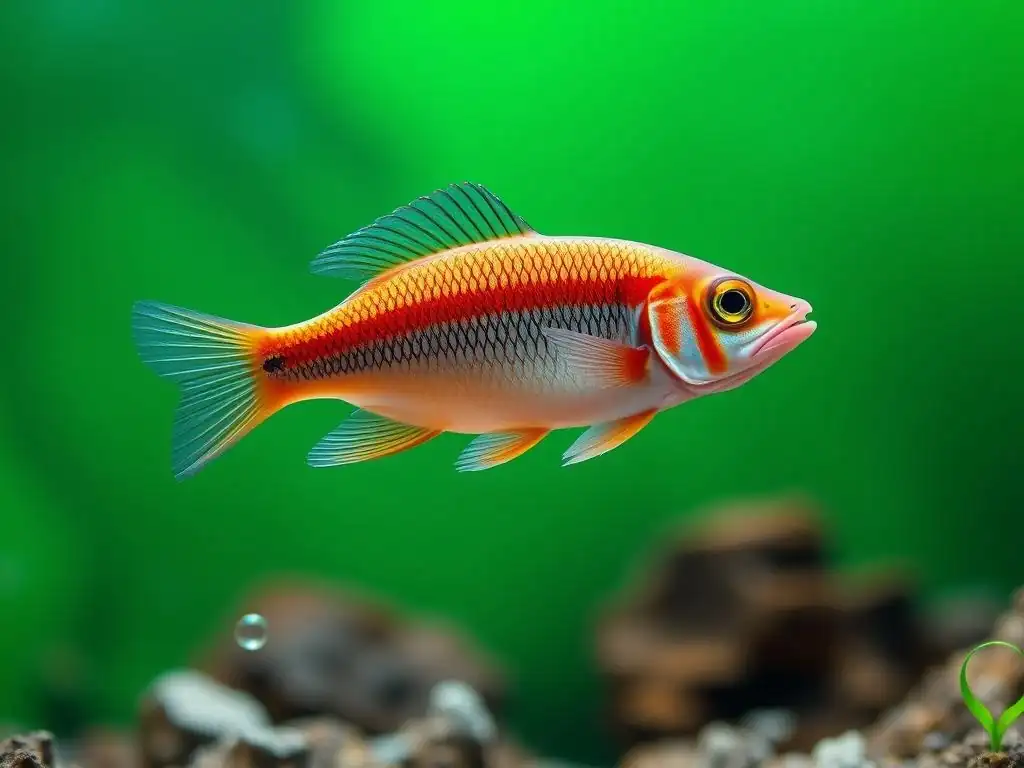
Choosing appropriate tank mates for Apistogramma viejita is crucial for a harmonious and stress-free aquarium environment. While generally peaceful, Apistogramma viejita are territorial, especially during breeding, and require compatible companions that won't compete aggressively for space or food. Thoughtful selection is a key aspect of successful Apistogramma Viejita aquarium care.
Ideal Tank Mates for Apistogramma Viejita: Peaceful Companions
The best tank mates for Apistogramma viejita are peaceful, small to medium-sized fish that prefer similar water parameters and occupy different levels of the water column. Small schooling fish that stay in the mid to upper levels are excellent choices, as they typically do not interfere with the Apistogramma's bottom-dwelling territory. Examples include various species of Tetras, such as Neon Tetras ( Paracheirodon innesi), Cardinal Tetras ( Paracheirodon axelrodi), Ember Tetras ( Hyphessobrycon amandae), or Rummy-Nose Tetras ( Hemigrammus rhodostomus). A school of 6-10 individuals of any of these species would make a great addition.
Other suitable tank mates include small, peaceful catfish like Corydoras species ( Corydoras aeneus, Corydoras panda, Corydoras sterbai), which are bottom dwellers but generally non-competitive and non-aggressive. Otocinclus catfish ( Otocinclus affinis) are also good choices for algae control and their docile nature. Small, peaceful rasboras, such as Harlequin Rasboras ( Trigonostigma heteromorpha), can also coexist well. When selecting tank mates, prioritize species that thrive in soft, acidic water and temperatures between 75-82°F (24-28°C) to ensure all inhabitants flourish within the Apistogramma Viejita aquarium care setup.
Fish to Avoid: Aggressive Species and Potential Problems
When planning your Apistogramma Viejita community tank, it's equally important to know which fish to avoid. Any fish that is overly aggressive, highly territorial, or significantly larger than Apistogramma viejita should be excluded. This includes larger cichlids (e.g., Angelfish, larger South American cichlids like Oscars or Jack Dempseys), which can view Apistogramma as food or competitors. Similarly, aggressive schooling fish like Tiger Barbs or Serpae Tetras can nip at the Apistogramma's fins, causing stress and injury.
Fast-moving or boisterous fish can also be problematic, as they might outcompete the Apistogramma viejita for food or simply stress them out with their constant activity. Even seemingly peaceful fish that grow too large, such as some Gourami species, can become an issue as they mature. Furthermore, avoid any species known to be fin-nippers, as the Apistogramma's delicate fins can be easily damaged. Careful consideration of these factors is a critical part of providing effective Apistogramma Viejita aquarium care and ensuring a peaceful tank environment.
Considerations for a Community Tank with Apistogramma Viejita
When setting up a community tank with Apistogramma viejita, the primary consideration is providing ample hiding spots and visual barriers. This is especially important if you plan to keep more than one pair of Apistogramma or if they will be sharing the tank with other bottom-dwelling fish. A heavily planted tank with plenty of driftwood, rocks, and caves helps to break up lines of sight and establish distinct territories, reducing potential conflicts. For example, using multiple coconut caves or terracotta pots allows each Apistogramma pair to claim its own space.
The tank size should also be generous, particularly if housing multiple Apistogramma or a diverse community. A 30-gallon (114 liters) tank is a good starting point for a single pair with a small school of tetras, but 40 gallons (150 liters) or larger is preferable for more complex communities. Overstocking should be avoided at all costs, as it leads to increased waste, poorer water quality, and heightened aggression. Regular monitoring of fish behavior is crucial; if signs of stress, fin nipping, or excessive aggression are observed, immediate action (such as rehoming certain fish or increasing hiding spots) may be necessary. These considerations are fundamental to a successful Apistogramma Viejita aquarium care guide when integrating them into a community setting.
Apistogramma Viejita Breeding: Encouraging Reproduction in Captivity
Breeding Apistogramma viejita can be a rewarding experience for dedicated aquarists, offering a glimpse into their intricate social behaviors. While not always straightforward, providing optimal conditions significantly increases the chances of successful reproduction. This section outlines the steps and considerations for encouraging Apistogramma Viejita to breed in captivity, a fascinating aspect of Apistogramma Viejita aquarium care.
Setting Up a Breeding Tank for Apistogramma Viejita
To maximize breeding success and protect the fry, setting up a dedicated breeding tank for Apistogramma viejita is highly recommended. A 10 to 15-gallon (38-57 liter) tank is usually sufficient for a single pair. The tank should be sparsely decorated but include essential breeding sites: small caves such as coconut shells, terracotta pots, or PVC pipes, which serve as preferred spawning locations. Fine sand substrate is crucial, as females will often dig a small pit within or near their chosen cave.
Filtration in a breeding tank should be extremely gentle to prevent fry from being sucked in. A mature sponge filter is ideal, providing excellent biological filtration with minimal current. The tank should also be heavily planted with broad-leaved plants like Anubias or Cryptocorynes, offering additional cover for the female and future fry. Maintaining stable, pristine water conditions is paramount, as water quality directly impacts egg viability and fry survival. This specialized setup is a critical component of advanced Apistogramma Viejita aquarium care for breeding purposes.
Triggering Spawning: Ideal Conditions and Water Parameters
To encourage Apistogramma viejita to spawn, specific water parameters and environmental cues are often required. The most crucial factor is extremely soft, acidic water. Aim for a pH between 4.5 and 5.5, and a GH (General Hardness) of 0-2 dGH (0-35 ppm TDS). This can typically be achieved by using 100% RO/DI water re-mineralized with a very small amount of GH booster or by filtering water over peat moss or Indian almond leaves. The temperature should be maintained at the higher end of their preferred range, around 80-82°F (27-28°C), to stimulate breeding.
A varied and high-quality diet of live and frozen foods is also essential for conditioning the breeding pair. Feeding foods like blackworms, daphnia, and especially newly hatched brine shrimp several times a day for a week or two can significantly improve their condition and willingness to spawn. Consistent, small daily water changes (e.g., 10% daily) with cooler, soft water can simulate rainfall and trigger spawning. Once a pair is conditioned, the female will typically become plump with eggs, and both fish will display intensified coloration and increased territorial behavior around their chosen spawning site. These specific environmental manipulations are key to successful Apistogramma Viejita aquarium care for breeding.
Caring for Apistogramma Viejita Fry: From Hatching to Independence
Once Apistogramma viejita eggs are laid (typically 50-150 eggs within a cave), the female will take sole responsibility for their care, fanning them and guarding them diligently. The male may guard the perimeter of the territory but is often removed to prevent potential aggression towards the female or fry. Eggs usually hatch within 3-5 days at 80°F (27°C). The fry are free-swimming approximately 5-7 days after hatching.
Upon becoming free-swimming, the fry require tiny, highly nutritious foods. Newly hatched brine shrimp nauplii are considered the ideal first food due to their high protein content and appropriate size. They should be fed 2-3 times a day in small quantities. As the fry grow (over the next 2-4 weeks), their diet can be gradually expanded to include microworms, daphnia, and finely crushed high-quality flake food. Maintaining impeccable water quality is paramount during this stage; small daily water changes (5-10%) are crucial to prevent the buildup of nitrates and other pollutants. The fry will grow relatively quickly, reaching a size where they can accept larger foods and be introduced to a larger grow-out tank within 4-6 weeks. Successful Apistogramma Viejita aquarium care during the fry stage ensures a high survival rate and healthy development.
Apistogramma Viejita Health and Disease: Prevention and Treatment
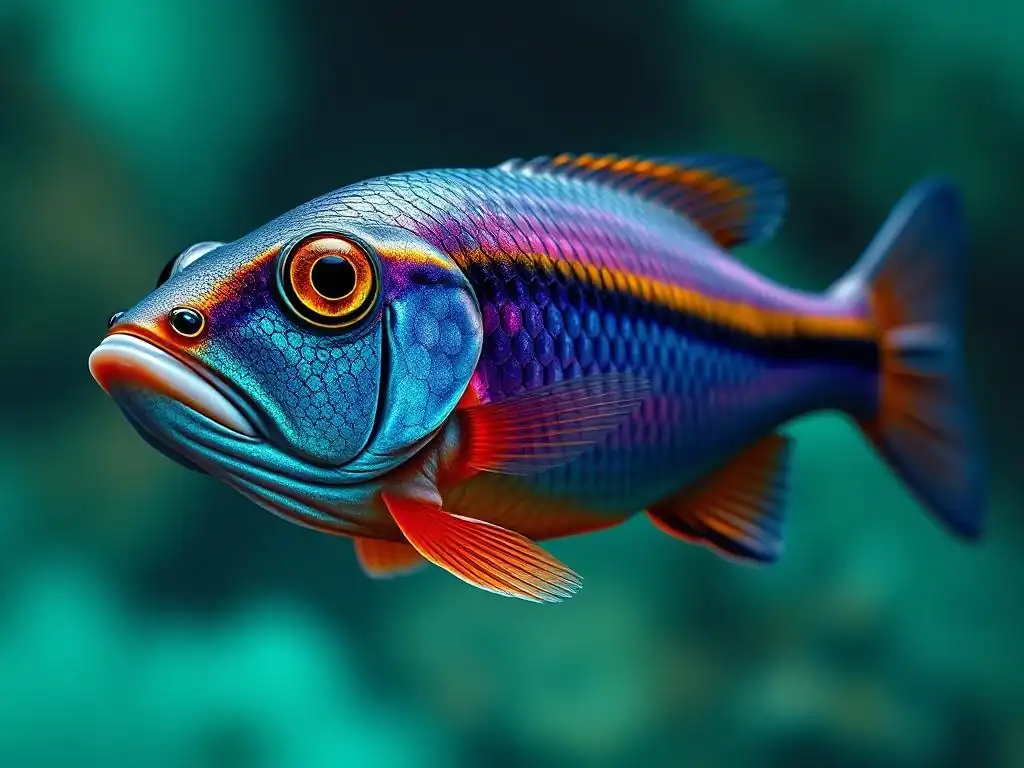
Maintaining the health of your Apistogramma viejita is a cornerstone of responsible aquarism. While relatively hardy when kept in optimal conditions, these fish can be susceptible to common freshwater diseases if their environment is compromised. This section focuses on identifying common ailments, implementing preventative measures, and understanding treatment options, all vital components of comprehensive Apistogramma Viejita aquarium care.
Common Diseases Affecting Apistogramma Viejita: Identification and Symptoms
Apistogramma viejita, like many freshwater fish, can be affected by common parasitic, bacterial, and fungal diseases, particularly if water quality is poor or they are stressed. Ich ( Ichthyophthirius multifiliis), also known as white spot disease, is one of the most common ailments, presenting as small, white spots resembling grains of salt on the fish's body and fins. Affected fish may also rub against tank decorations. Another common issue is fin rot, a bacterial infection characterized by frayed, discolored, or disintegrating fins, often a result of poor water quality or injury.
Internal parasites, though less visible, can manifest as wasting disease, where the fish appears emaciated despite eating regularly, or produces stringy, white feces. Hexamita (Hole-in-the-Head disease) can also affect cichlids, causing lesions or pits around the head and lateral line. Fungal infections often appear as white, cotton-like growths on the body or fins, usually secondary to an injury or bacterial infection. Early identification of these symptoms is critical for effective intervention and forms a key part of diligent Apistogramma Viejita aquarium care.
Preventing Disease in Your Apistogramma Viejita Aquarium: Best Practices
Prevention is always better than cure when it comes to fish health. The most effective preventative measure for Apistogramma viejita is maintaining excellent water quality through regular partial water changes (e.g., 20-30% weekly) and efficient filtration. Stable water parameters (temperature, pH, GH) within their ideal range are crucial for a strong immune system. Avoid sudden fluctuations, as these can stress the fish. For example, ensuring new water is temperature-matched to the tank water prevents temperature shock.
Quarantining new fish for at least 2-4 weeks before introducing them to the main display tank is another vital preventative step. During quarantine, observe new arrivals for any signs of disease and treat if necessary, preventing the spread of pathogens to your established Apistogramma viejita. A varied and nutritious diet also strengthens their immune system, making them more resilient to disease. Avoid overfeeding, which can lead to poor water quality. Lastly, minimizing stress by providing ample hiding spots, appropriate tank mates, and a calm environment contributes significantly to disease prevention, embodying the comprehensive approach of Apistogramma Viejita aquarium care.
Treatment Options for Sick Apistogramma Viejita
If your Apistogramma viejita shows signs of illness, prompt action is necessary. For external parasites like Ich, increasing the water temperature gradually to 86°F (30°C) for several days can accelerate the parasite's life cycle, making it more susceptible to medication. Additionally, commercially available Ich medications containing malachite green or formalin are often effective, following the manufacturer's instructions carefully. Ensure proper aeration during treatment, as some medications can reduce oxygen levels.
Bacterial infections like fin rot can often be treated with broad-spectrum antibiotics or antibacterial medications available at aquarium stores. For example, Furan-2 or Maracyn are commonly used. If an internal parasitic infection is suspected, medicated foods containing metronidazole or praziquantel are usually recommended. Fungal infections can be treated with antifungal medications like methylene blue or specific fungal treatments. Always diagnose the issue accurately before administering medication, as incorrect treatment can cause more harm. It's often beneficial to move the affected fish to a separate quarantine/hospital tank for treatment to avoid medicating the main display tank and stressing other inhabitants, ensuring targeted Apistogramma Viejita aquarium care for recovery.
Is Apistogramma Viejita Right for You? Assessing Compatibility and Commitment
Deciding whether Apistogramma viejita is the right fish for your aquarium requires an honest assessment of your experience level, available resources, and commitment to their specific care requirements. While undeniably beautiful, these dwarf cichlids thrive best when their unique needs are met. This section helps you determine if Apistogramma viejita aligns with your aquaristic goals, completing this comprehensive Apistogramma Viejita aquarium care guide.
The Apistogramma Viejita Temperament: Understanding Their Behavior
Apistogramma viejita are generally peaceful and shy fish, making them excellent candidates for well-planned community tanks. However, like most cichlids, they are territorial, especially during breeding periods. A male and female pair will establish a clear territory, particularly around their chosen spawning site (often a cave or dense plant cluster), and may display aggression towards intruders, including other Apistogramma or bottom-dwelling fish. This territorial behavior is more pronounced in smaller tanks or when adequate hiding spots are lacking.
Outside of breeding, their interactions with appropriate tank mates are typically benign. They are known for their interesting courtship rituals and parental care, with the female taking primary responsibility for guarding the eggs and fry. Observing their natural behaviors, such as sifting through sand for food or displaying elaborate finnage during courtship, is one of the most rewarding aspects of keeping them. Understanding this temperament is crucial for successful Apistogramma Viejita aquarium care, ensuring they are placed in an environment where their natural behaviors can flourish without undue stress.
Difficulty Level: Is Apistogramma Viejita Suitable for Beginners?
While Apistogramma viejita are not considered extremely difficult to keep, they are generally not recommended for absolute beginners. Their specific requirements for soft, acidic water and stable parameters mean that a basic understanding of water chemistry and regular testing is essential. Beginners who are willing to commit to learning about water parameter management, invest in appropriate testing kits, and perform consistent maintenance can certainly succeed. For example, a beginner transitioning from keeping common livebearers might find the precise pH and GH requirements a significant step up.
Experienced aquarists, particularly those familiar with other dwarf cichlids or sensitive soft-water fish, will find Apistogramma viejita to be a rewarding and manageable species. The commitment involves not just daily feeding but also weekly water changes, proactive water parameter monitoring, and an understanding of their subtle behavioral cues. If you are prepared to meet these specific needs, then Apistogramma viejita can be a fantastic addition to your aquarium, making the diligent Apistogramma Viejita aquarium care effort worthwhile.
Finding Apistogramma Viejita for Sale: Sourcing Healthy Specimens
Sourcing healthy Apistogramma viejita is a critical first step in their successful aquarium care. While once considered rare, their availability has increased in recent years, though they may not be found in every local fish store. Reputable online retailers specializing in dwarf cichlids or South American fish are often the best source, as they typically maintain higher standards of care and provide accurate species identification. Expect to pay a premium compared to more common community fish; a single Apistogramma viejita can range from $25 to $60 depending on its morph, sex, and rarity.
When purchasing, look for fish that are active, alert, and displaying vibrant coloration. Avoid fish that appear listless, have clamped fins, visible spots, or frayed fins. Observe them feeding if possible to ensure they have a healthy appetite. Inquire about their origin – wild-caught specimens may be more sensitive and prone to stress, while tank-bred fish are generally hardier and more accustomed to aquarium conditions. Establishing a relationship with a knowledgeable breeder or specialty store can also provide ongoing support and access to higher quality specimens, ensuring you start your Apistogramma Viejita aquarium care journey on the right foot.
Frequently Asked Questions
What makes Apistogramma Viejita a desirable aquarium fish?
Apistogramma Viejita are prized for their vibrant coloration and unique personality. They are also relatively small and peaceful, making them suitable for community tanks (with appropriate tankmates). Their rarity also contributes to their desirability.
What are the key water parameters for a Viejita aquarium?
These fish require soft, acidic water with a pH between 5.5 and 6.5. Maintaining a stable temperature between 72°F and 82°F is also crucial for their health and breeding. Consistent water changes are essential for water quality.
What should I feed my Apistogramma Viejita?
They are omnivores and need a varied diet. Offer a mix of high-quality flake food, frozen foods like bloodworms and daphnia, and small live foods for optimal health and breeding. Avoid overfeeding to prevent water quality issues.
Are Apistogramma Viejita difficult to breed in captivity?
While not the easiest, they can be bred in captivity with the right conditions. Providing suitable spawning sites like caves or overturned flowerpots, along with optimal water parameters and a protein-rich diet, is key to success.
How can I identify a true Apistogramma Viejita from similar Apistogramma species?
Careful observation of their finnage, coloration, and body shape is important. Look for the distinct red coloration in the fins and body, as well as the specific patterns on their operculum. Consulting reliable sources and comparing with photos is helpful.
Final Reflection: Unveiling the Beauty of the Viejita
The journey into understanding Apistogramma viejita extends beyond mere aquarium keeping; it's a dive into the intricate beauty of biodiversity and responsible fishkeeping. The increasing demand for these vibrant dwarf cichlids underscores the importance of accurate identification and informed care, ensuring their well-being in our aquariums and, ultimately, the preservation of their wild populations.
This exploration of Apistogramma viejita has not only deepened our understanding of their specific needs but also highlighted the broader responsibility we have as aquarists. The delicate balance between appreciating these stunning creatures and ensuring their sustainable future is a challenge we must embrace. In the end, we will conserve only what we love; we will love only what we understand; and we will understand only what we are taught.
- Baba Dioum. This quote perfectly encapsulates the need for guides like this, fostering understanding and, consequently, love and conservation.
Now, armed with this knowledge, I invite you to reflect on your own role in the aquarium hobby. Consider how you can contribute to the ethical sourcing and responsible care of Apistogramma viejita, and indeed, all aquatic life. Let's strive to be informed custodians, ensuring that future generations can also marvel at the beauty and complexity of these rare gems.
Unleash the Viejita's Vibrance in Your Aquarium!
Thank you for exploring the captivating world of Apistogramma viejita with us! Now that you're armed with the knowledge to identify and care for these beautiful fish, it's time to bring their vibrant colors to your own aquarium.
Here are a few ways to take your Apistogramma viejita journey to the next level:
- Embark on the search: Visit reputable local fish stores and online breeders, actively asking about availability of Apistogramma viejita* and their specific lineage*. Don't be afraid to inquire about wild-caught vs. tank-bred specimens.
- Share your passion: Show off your newfound knowledge! Post pictures and experiences on aquarium forums and social media with #ApistogrammaViejita to connect with fellow enthusiasts.
- Dive deeper into research: Explore advanced topics like breeding, specific water parameters, and rare color morphs of Apistogramma viejita.
What unique environment are you planning to create for your potential Apistogramma viejita, and what challenges do you anticipate in meeting their specific needs?