
What Do Plecos Eat? A Comprehensive Feeding Guide for All Types

Welcome to Aquarium Mastery!
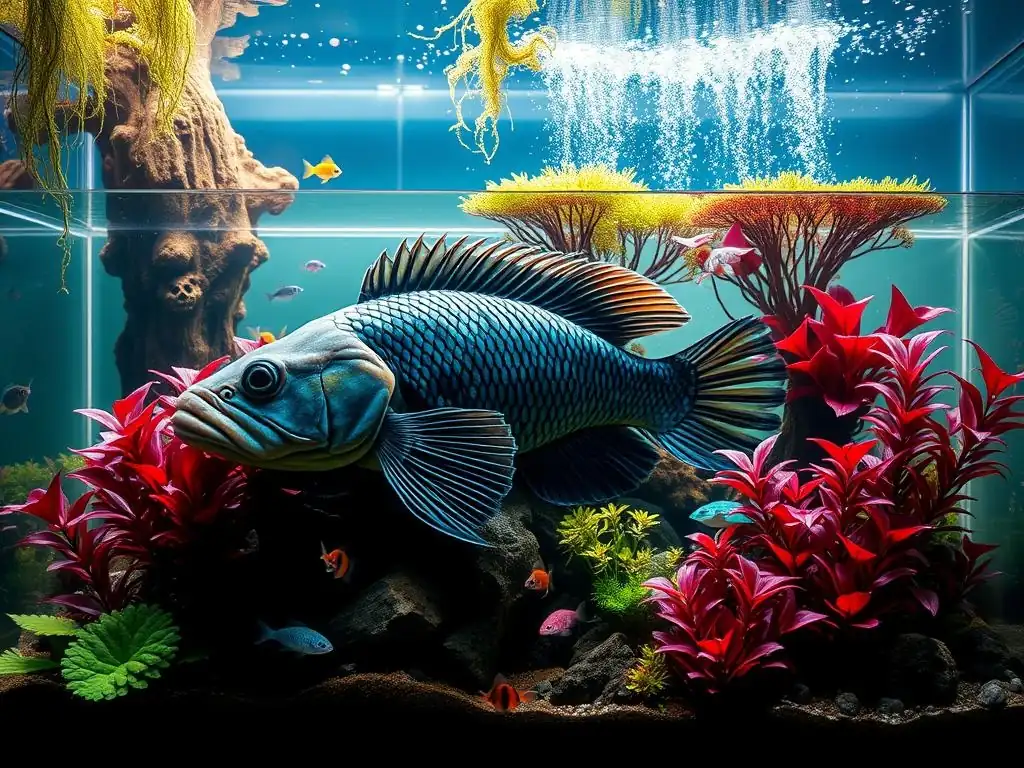
Ever wondered if your Pleco is really getting enough to eat? Dive into our comprehensive "What Do Plecos Eat?" guide and unlock the secrets to a thriving, algae-eating companion. Discover crucial Pleco feeding guide tips and ensure your bottom-dwelling friend gets the nutrition they need. Ready to master Pleco care? Let's get started!
- Understanding Pleco Dietary Needs: A Foundation for Healthy Fish
- Pleco Feeding Guide Tips: Different Diets for Different Species
- A Detailed Pleco Food List: What to Feed Your Pleco
- Feeding Schedule and Quantity: How Much and How Often to Feed Plecos
- Special Feeding Considerations for Different Pleco Types
- Common Pleco Feeding Problems and Solutions
- Creating a Thriving Aquarium Environment for Pleco Feeding
- Conclusion: Mastering Pleco Nutrition for a Healthy Aquarium
- Frequently Asked Questions
- Final Reflection: The Silent Symphony of the Aquarium
- Unlock the Secrets to a Thriving Pleco!
Understanding Pleco Dietary Needs: A Foundation for Healthy Fish
The Importance of a Balanced Diet for Plecos
A balanced diet is paramount for the long-term health, vibrant coloration, and robust growth of any Pleco. These fascinating catfish, belonging to the family Loricariidae, require a diverse array of nutrients, including proteins, carbohydrates, healthy fats, vitamins, and essential minerals, to thrive in an aquarium environment. Insufficient or improper nutrition can lead to a host of health issues, such as stunted growth, faded colors, weakened immune systems making them susceptible to diseases like fin rot or fungal infections, and even reduced lifespan.
Providing a comprehensive diet that meets the specific needs of your Pleco species ensures they develop strong bones, healthy skin, and a robust digestive system. For instance, a Pleco consistently fed a diet lacking in essential vitamins might exhibit lethargy and a dull appearance, while one with insufficient fiber could suffer from digestive blockages. Adhering to a proper pleco feeding guide tips regimen is not merely about preventing starvation; it's about fostering optimal physiological function and overall well-being.
Debunking the Myth: Plecos Are Not Just Algae Eaters
One of the most pervasive misconceptions in the aquarium hobby is that Plecos subsist solely on algae found in the tank. While many Pleco species, particularly the common Pleco (Hypostomus plecostomus) and Bristlenose Plecos (Ancistrus spp. ), are indeed excellent algae grazers, relying exclusively on naturally growing tank algae is a significant dietary oversight. Tank algae alone rarely provide the complete nutritional profile required for these fish, even for species that are primarily herbivorous.
The reality is that Plecos exhibit a wide range of dietary preferences depending on their species. Some are true herbivores, others are omnivores, and a notable few are even carnivorous or xylivores (wood-eaters). This crucial pleco feeding guide tip helps prevent common husbandry mistakes, ensuring that hobbyists understand the necessity of supplementing their Pleco's diet with a variety of commercial and natural foods tailored to their specific needs, rather than solely relying on their tank-cleaning reputation.
Pleco Feeding Guide Tips: Different Diets for Different Species
Algae-Eating Plecos: Optimizing Their Algae Consumption
For species predominantly known for their algae-eating habits, such as the Bristlenose Pleco (Ancistrus cirrhosus) or the Rubber Lip Pleco (Chaetostoma formosae), optimizing their access to and consumption of algae is vital, though not exclusive. These pleco feeding guide tips are essential for herbivorous species, focusing on providing a consistent supply of plant-based matter. While they will diligently graze on biofilm and soft algae within the aquarium, this natural source is rarely sufficient to meet their full nutritional requirements.
Even the most dedicated algae-eating Pleco requires supplementation. Their specialized mouthparts, designed for scraping surfaces, are highly efficient at consuming the thin layers of algae and diatoms that form on glass, rocks, and décor. However, a 6-inch Bristlenose Pleco, for example, would need to graze almost constantly to derive adequate nutrition from tank algae alone, often leading to slow growth and nutritional deficiencies if not supplemented.
Supplementing Algae with Commercial Algae Wafers
High-quality commercial algae wafers are an indispensable part of an algae-eating Pleco's diet. These sinking foods are formulated to provide a concentrated source of spirulina, chlorella, and other beneficial plant matter, often comprising 30-40% spirulina content in reputable brands. They are designed to be dense and sink quickly, making them accessible to bottom-dwelling Plecos without being consumed by faster-moving, mid-water fish.
For a medium-sized Bristlenose Pleco (around 3-4 inches), offering one algae wafer every evening is a common and effective feeding strategy. Larger species, like a 10-inch Common Pleco, might require 2-3 wafers, or even specialized larger wafers, every other day. It is crucial to ensure the wafers are fully consumed within 6-8 hours to prevent water quality degradation from uneaten food.
Natural Algae Growth Encouragement in Your Aquarium
While not a sole food source, encouraging a moderate amount of natural algae and biofilm growth can be beneficial for algae-eating Plecos, allowing them to engage in natural foraging behaviors. This can be achieved by allowing some indirect natural light to reach the tank for a short period daily (e.g., 1-2 hours) or by slightly extending the aquarium's light cycle, provided it doesn't lead to out-of-control algae blooms or negatively impact other tank inhabitants.
Establishing a mature aquarium with stable water parameters naturally fosters the growth of beneficial biofilm on surfaces like driftwood and rocks, which Plecos eagerly graze upon. This biofilm, rich in microorganisms, provides an additional layer of nutrition and acts as a digestive aid. However, it's important to remember that this natural growth serves as a supplement to their diet, not its entirety, and should be balanced with regular tank cleaning to prevent excessive buildup.
Carnivorous and Omnivorous Plecos: Protein-Rich Feeding Strategies
Not all Plecos are vegetarians. Many species, particularly those from genera like Hypancistrus (e.g., L046 Zebra Pleco, L201 Orinoco Angel Pleco) and Peckoltia, lean towards a more carnivorous or omnivorous diet, requiring significant protein intake. For these species, specific pleco feeding guide tips revolve around protein, which is vital for their growth and overall health. Their natural habitats often provide access to insect larvae, small crustaceans, and other protein sources.
These carnivorous and omnivorous Plecos typically have different mouth structures compared to algae-grazing species, often featuring smaller, more pointed teeth adapted for tearing and crushing rather than scraping. Ignoring their protein needs can lead to stunted growth, poor coloration, and increased susceptibility to disease. Therefore, a specialized feeding regimen is crucial for their well-being.
The Role of Protein in Carnivorous Pleco Diets
Protein is the building block for muscle development, tissue repair, and overall growth in carnivorous Plecos. For species like the L046 Zebra Pleco, protein should constitute a significant portion of their diet, often ranging from 40% to 60%. This can be supplied through high-quality sinking pellets specifically formulated for carnivorous bottom feeders, as well as various frozen and occasional live foods.
Common protein sources include frozen bloodworms, brine shrimp, mysis shrimp, and finely chopped earthworms. For example, a juvenile Hypancistrus might be fed a small pinch of high-protein sinking pellets once daily, supplemented with a quarter cube of frozen bloodworms 2-3 times per week. Ensuring adequate protein intake is critical, especially for breeding individuals or growing juveniles.
Variety is Key: Offering a Balanced Omnivorous Pleco Diet
Omnivorous Plecos, such as many species within the genus Baryancistrus (e.g., L007 Leopard Cactus Pleco), require a diverse diet that balances both plant matter and protein. This approach ensures they receive a broad spectrum of nutrients, mimicking their natural foraging habits where they might consume both plant debris and small invertebrates. Variety is not just about nutrition; it also keeps the fish engaged and reduces boredom.
A balanced omnivorous pleco feeding guide tip involves rotating different types of food throughout the week. This could include high-quality algae wafers on some days, sinking omnivore pellets on others, and supplemental offerings of blanched vegetables (like zucchini or spinach) and frozen protein sources (like bloodworms or brine shrimp) a few times a week. For instance, an adult Leopard Cactus Pleco might receive one omnivore pellet every other day, with a blanched zucchini slice one night, and a small portion of frozen brine shrimp the next, ensuring a comprehensive diet.
A Detailed Pleco Food List: What to Feed Your Pleco
Best Commercial Pleco Foods: Wafers, Pellets, and Tablets
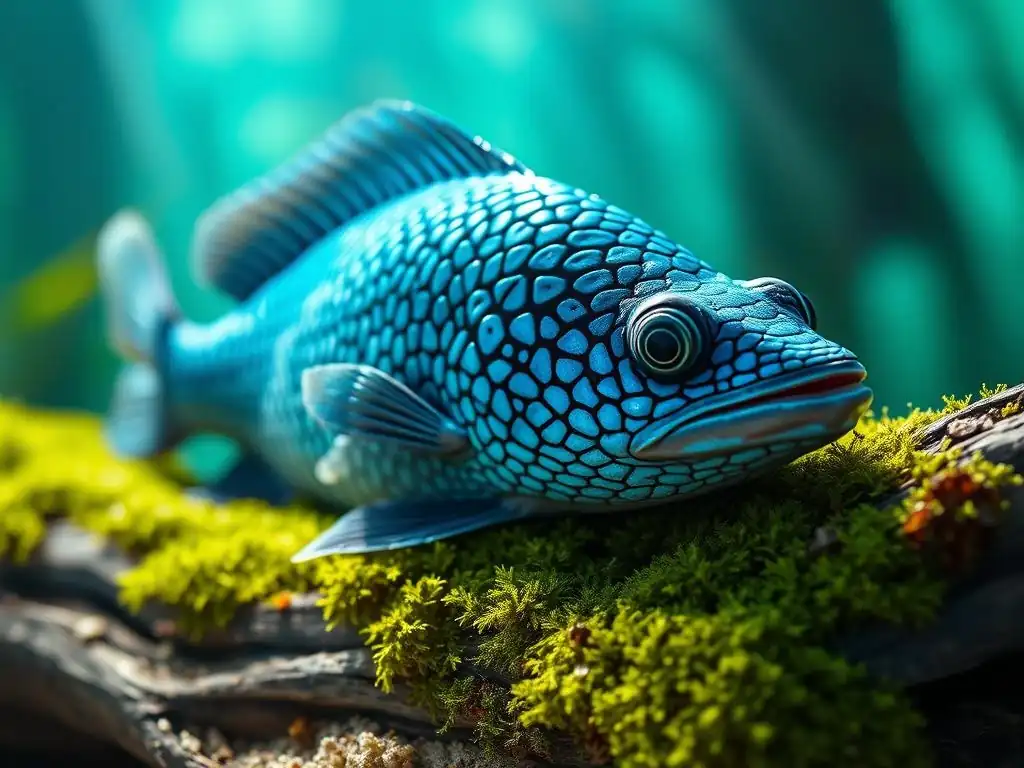
Commercial foods are the backbone of a Pleco's diet, offering convenience and a carefully formulated balance of nutrients. When selecting commercial products, it is paramount to choose sinking foods, as Plecos are bottom-dwellers and will not typically feed from the water surface. The quality of ingredients, particularly the first few listed, indicates the nutritional value of the product.
These commercial pleco feeding guide tips focus on providing readily available and nutritionally complete options. Look for products that specifically state they are for Plecos or bottom feeders, as these are designed to meet their unique dietary needs and feeding behaviors.
Reviewing Top Algae Wafers for Plecos
Algae wafers are a staple for most Pleco species, especially herbivores and omnivores. Reputable brands formulate these wafers with a high percentage of plant-based ingredients, such as spirulina, alfalfa, and various vegetable meals. For example, Hikari Algae Wafers are renowned for their high spirulina content (often exceeding 30%) and excellent water stability, meaning they don't disintegrate quickly and pollute the tank. Sera Spirulina Tabs and TetraPleco Wafers are also popular choices, providing essential fiber and vitamins.
When selecting algae wafers, check the ingredient list for the absence of excessive fillers and artificial colors. A good algae wafer should be dense enough to sink immediately and remain intact for several hours, allowing the Pleco ample time to graze. For a 4-inch Bristlenose Pleco, offering one wafer every evening is generally sufficient, while a larger, 8-inch Common Pleco might require two to three wafers to satisfy its appetite.
High-Protein Pellets and Their Benefits
For carnivorous and omnivorous Pleco species, high-protein sinking pellets are essential. These pellets typically contain a higher percentage of animal-derived proteins such as fish meal, krill meal, shrimp meal, or insect larvae. Specialized pellets for bottom feeders often have protein content ranging from 35% to 55%. Brands like NorthFin Bug Pro or New Life Spectrum H2O Stable Wafers offer excellent protein sources derived from insects or high-quality marine proteins.
The benefits of these pellets include their concentrated nutritional value, ease of feeding, and the ability to deliver specific macronutrients required for species like Hypancistrus or Peckoltia. A small adult L046 Zebra Pleco, for instance, could be fed 3-5 small high-protein pellets every other day, ensuring its protein requirements are met for optimal health and vibrant coloration. These pellets should also be sinking to accommodate their bottom-dwelling nature.
Natural Food Options for Plecos: Vegetables, Meats, and More
Supplementing commercial foods with fresh, natural options provides essential vitamins, minerals, and fiber that might be less concentrated in processed foods. These natural pleco feeding guide tips add valuable diversity to their diet, mimicking what they might forage in the wild.
The Best Vegetables for Plecos: Preparation and Feeding
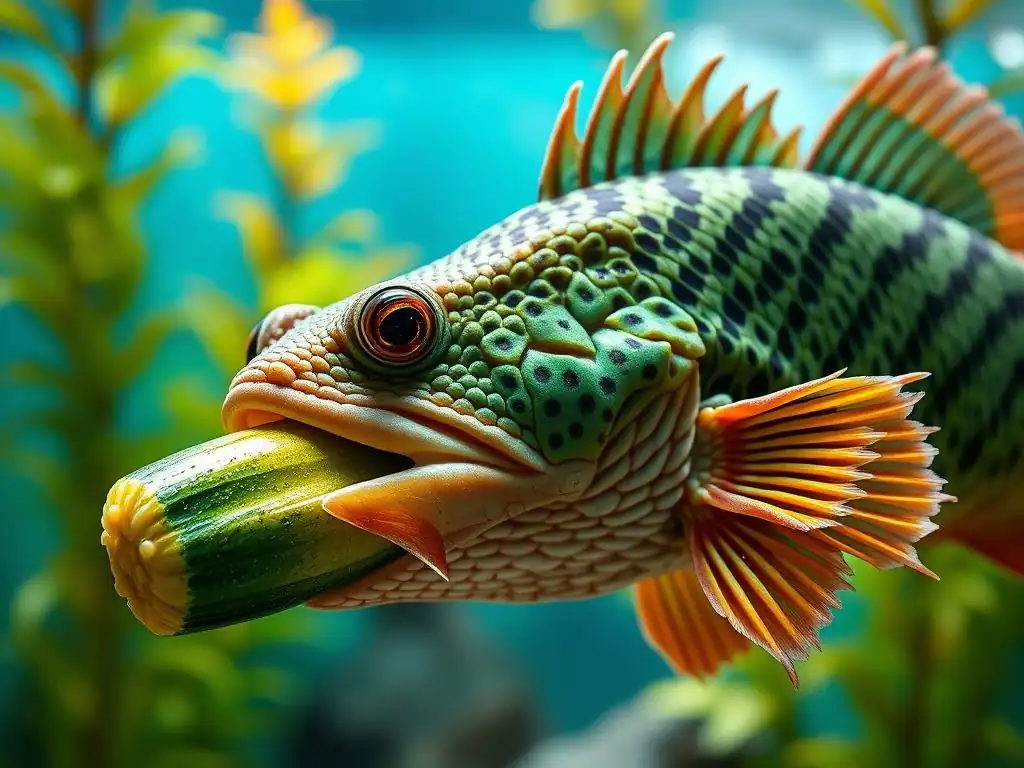
Many Plecos, particularly the herbivorous and omnivorous types, relish fresh vegetables. Zucchini and cucumber slices are excellent choices, offering high water content and beneficial fiber. Other suitable vegetables include blanched spinach, romaine lettuce, and small pieces of sweet potato. It is crucial to blanch harder vegetables like zucchini or sweet potato by boiling them for 1-2 minutes until slightly softened; this makes them easier for the Pleco to consume and helps them sink.
To feed, simply place the blanched vegetable in the tank, often weighted down with an aquarium clip or fork to ensure it sinks to the bottom. For a medium-sized Pleco (e.g., 5-7 inches), a 1/4-inch thick slice of zucchini (about 1.5 inches in diameter) can be offered every 2-3 days. Uneaten vegetable matter should be removed from the tank within 12-24 hours to prevent water pollution.
Live and Frozen Foods: Enhancing Your Pleco's Diet
For carnivorous and omnivorous Plecos, live and frozen foods are invaluable for providing high-quality protein and essential fatty acids. Frozen bloodworms, brine shrimp, and mysis shrimp are readily available at most fish stores and are excellent choices. A typical serving for a medium-sized Hypancistrus might be half a cube of frozen bloodworms, offered 2-3 times per week. These should be thawed before feeding.
Live foods, such as blackworms or grindal worms, can also be offered, but care must be taken to source them from reputable suppliers to avoid introducing parasites or diseases into the aquarium. Always rinse live foods thoroughly before feeding. Offering a variety of these protein-rich options ensures a comprehensive and stimulating diet for your carnivorous Pleco species.
Feeding Schedule and Quantity: How Much and How Often to Feed Plecos
Establishing a consistent feeding schedule and determining the correct quantity of food are critical components of a successful pleco feeding guide. Overfeeding can lead to detrimental water quality issues and health problems for the fish, while underfeeding can result in malnutrition and stunted growth.
Determining the Right Amount of Food for Your Pleco
The appropriate amount of food for your Pleco depends on several factors: its species, size, age, the tank's population density, and the natural algae/biofilm availability. A general guideline is to offer enough food that it is consumed within a few hours for commercial pellets and wafers, or overnight for vegetables. For instance, a 6-inch Common Pleco might require 2-3 algae wafers and a blanched zucchini slice every other night, while a smaller 3-inch Bristlenose might only need one algae wafer daily.
Observe your Pleco's belly; it should appear rounded but not distended. If you notice uneaten food accumulating on the substrate after 8-12 hours, you are likely overfeeding. Conversely, if your Pleco appears unusually active in searching for food or its belly looks sunken, it might be underfed. Adjust the quantity by 10-20% increments until you find the optimal amount.
Establishing a Consistent Pleco Feeding Schedule
Most Plecos are nocturnal or crepuscular (active during twilight hours), meaning they are most active and prefer to feed when the aquarium lights are off. Therefore, the best time to feed your Pleco is typically in the evening, just before or shortly after the lights go out. This allows them to forage undisturbed by other tank inhabitants and aligns with their natural behaviors.
For most adult Plecos, feeding once a day or every other day is sufficient. Juvenile Plecos, due to their rapid growth rate, may benefit from two smaller feedings per day. Consistency in the feeding schedule helps regulate their digestive system and reduces stress. For example, feeding at 9:00 PM every night or every other night creates a predictable routine that your Pleco will adapt to.
Avoiding Overfeeding: Signs and Prevention
Overfeeding is a common mistake that can have severe consequences for both your Pleco and the aquarium ecosystem. Excess food breaks down, releasing ammonia and nitrites, which are highly toxic to fish, and can also lead to an explosion of nuisance algae. Furthermore, chronic overfeeding can cause obesity and fatty liver disease in Plecos, shortening their lifespan.
Signs of overfeeding include uneaten food accumulating on the substrate, cloudy water, a sudden increase in ammonia or nitrite levels (e.g., ammonia spiking from 0 to 0.25 ppm), and rapid algae growth. To prevent overfeeding, always start with a smaller amount of food and gradually increase it if necessary. Remove any uneaten fresh vegetables or wafers after 12-24 hours. Consider using a feeding dish or a small ceramic coaster to contain sinking foods, making it easier to monitor consumption and remove leftovers.
Special Feeding Considerations for Different Pleco Types
Feeding Baby Plecos: A Guide to Juvenile Diet
Juvenile Plecos, typically those under 2-3 inches in length, have distinct dietary needs compared to their adult counterparts. Their rapid growth phases demand a higher caloric and protein intake to support muscle and skeletal development. While adult Plecos might thrive on once-daily feedings, baby Plecos often benefit from smaller, more frequent meals.
For instance, a baby Bristlenose Pleco (under 1 inch) should be offered finely crushed algae wafers or small sinking micro-pellets 2-3 times a day. Their diet should also be slightly richer in protein, often with commercial foods containing 45-50% protein, supplemented with newly hatched brine shrimp or finely chopped frozen bloodworms a few times a week. This accelerated feeding schedule ensures they receive the necessary nutrients for robust development and a healthy start.
Feeding Loricariidae (Wood-Eating Plecos): The Importance of Wood in Their Diet
A unique dietary requirement exists for xylivorous (wood-eating) Plecos, predominantly found in the genus Panaque (e.g., Royal Pleco, L190 Panaque nigrolineatus) and some Cochliodon species. These fish are obligate wood-eaters, meaning wood forms an essential, though often misunderstood, part of their diet. While they do not directly digest the cellulose in wood, they graze on its surface, consuming the biofilm, algae, and microorganisms that colonize it, which are critical for their nutrition. The wood fibers themselves are also ingested and aid in digestion by acting as roughage, helping to maintain a healthy gut flora and facilitating waste passage.
Therefore, providing ample amounts of genuine driftwood (e.g., Malaysian, Mopani, or Manzanita wood) in the aquarium is non-negotiable for these species. An adult Royal Pleco can consume a significant amount of wood over time, often scraping visible grooves into the wood.
In addition to wood, these Plecos should also be offered high-quality algae wafers and blanched vegetables, as the wood alone may not provide all necessary nutrients. For example, a 12-inch Royal Pleco will require several large pieces of driftwood (each easily 10-15 inches long) and should be offered 2-3 large algae wafers or blanched zucchini slices several times per week.
Common Pleco Feeding Problems and Solutions
Even with a comprehensive pleco feeding guide, aquarists may encounter challenges. Understanding common issues and their solutions is key to maintaining a healthy and well-fed Pleco.
Plecos Not Eating: Troubleshooting and Solutions
If your Pleco refuses to eat, it's a significant indicator that something is amiss. The primary causes often include stress, poor water quality, illness, or insufficient hiding spots. First, immediately test your water parameters; a sudden spike in ammonia (above 0 ppm) or nitrite (above 0 ppm), or unstable pH, can severely suppress appetite. Ensure the water temperature is within their ideal range (e.g., 76-82°F or 24-28°C for most common species).
Stress from new tank mates, an inadequate environment, or recent tank changes can also lead to a temporary loss of appetite. Provide ample hiding spots, such as caves or driftwood, to make them feel secure. If water parameters are good and stress is minimized, observe for signs of illness like clamped fins, unusual spots, or labored breathing. Offering a variety of highly palatable foods, such as blanched zucchini or a favorite frozen food, can sometimes entice a reluctant eater.
Algae Overgrowth Despite Pleco Presence: What to Do
A common misconception is that a single Pleco will completely eradicate all algae from an aquarium. While many species are excellent algae grazers, they are rarely sufficient to control severe algae outbreaks, especially if the underlying causes are not addressed. If you observe persistent algae overgrowth despite your Pleco's presence, it usually points to an imbalance in the tank.
The most frequent culprits for excessive algae are overfeeding (which introduces excess nutrients), prolonged or intense lighting (often more than 10 hours daily), or high nitrate levels (above 20 ppm). To address this, reduce the amount of food offered to all tank inhabitants, limit your aquarium's light cycle to 8-10 hours per day, and perform more frequent or larger water changes (e.g., 30-50% weekly) to lower nitrates. Additionally, ensure the Pleco species you have is truly an effective algae eater for the type of algae present; some Plecos prefer soft, green algae, while others might ignore tougher brush algae.
Competition for Food: Ensuring All Tank Mates Get Enough
In a community aquarium, Plecos can often be outcompeted for food by faster-moving or more aggressive tank mates. Since most Plecos are bottom-dwellers and often nocturnal, food offered during the day may be consumed by other fish before the Pleco has a chance to find it. This can lead to your Pleco being underfed, despite your best efforts.
To ensure your Pleco receives adequate nutrition, implement target feeding strategies. The most effective method is to feed your Pleco after the main aquarium lights have been off for 30 minutes to an hour, when other fish are less active. You can also use a feeding tube or tongs to place sinking wafers or blanched vegetables directly near your Pleco's preferred hiding spot. For instance, in a tank with active African Cichlids, placing a large algae wafer inside a Pleco cave at night can ensure the Pleco gets its share without competition.
Creating a Thriving Aquarium Environment for Pleco Feeding
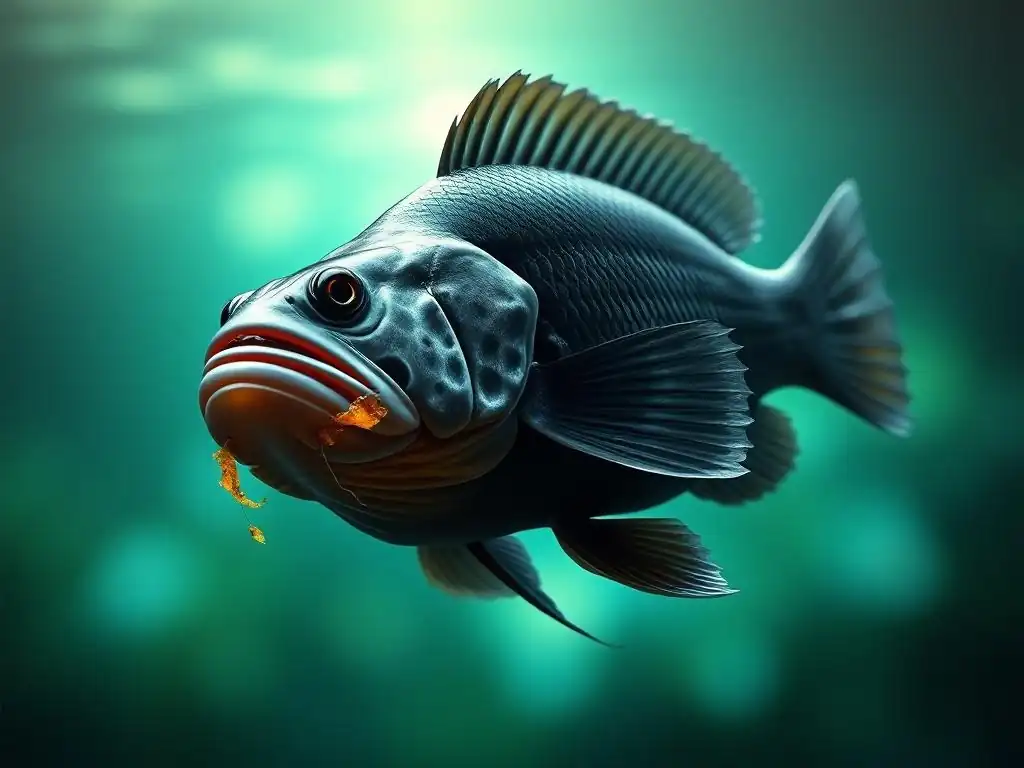
Beyond the food itself, the aquarium environment plays a crucial role in a Pleco's appetite and overall health. A well-maintained tank that mimics their natural habitat will encourage natural foraging behaviors and ensure optimal digestion.
Water Quality and Its Impact on Pleco Appetite
Pristine water quality is arguably the most critical factor influencing a Pleco's appetite and well-being. Poor water conditions, characterized by elevated levels of ammonia, nitrite, or nitrate, can quickly stress a Pleco, leading to lethargy, faded colors, and a complete refusal to eat. Ammonia and nitrite should always be at 0 ppm, and nitrates should be kept below 20 ppm for most species.
Regular water changes (e.g., 25-30% weekly) are essential to dilute waste products and maintain stable parameters. A stable pH (typically between 6.5 and 7.5 for most common Plecos) and consistent temperature (usually 76-82°F or 24-28°C) are also vital. A healthy environment reduces stress, strengthens the immune system, and directly promotes a robust appetite, making this pleco feeding guide tip fundamental to their care.
Substrate and Decorations: Enhancing Natural Foraging
The choice of substrate and decorations significantly impacts a Pleco's ability to forage naturally and comfortably. A smooth substrate like fine sand or smooth gravel is preferred over coarse, sharp gravel, which can damage their delicate barbels and ventral fins as they search for food. A substrate depth of at least 2-3 inches allows them to sift and explore.
Driftwood and various rocks not only provide essential hiding spots but also create surfaces for biofilm and algae to grow, offering natural grazing opportunities. For wood-eating Plecos, large pieces of genuine driftwood (e.g., 8-12 inches for a medium-sized Pleco) are indispensable, serving as both food and shelter. Caves, made from PVC pipes, ceramic, or natural rock formations, are also crucial, as Plecos feel most secure when they have a retreat, which encourages them to come out and feed when comfortable.
Conclusion: Mastering Pleco Nutrition for a Healthy Aquarium
Key Takeaways: Pleco Feeding Guide Summary
Mastering Pleco nutrition is a cornerstone of successful Pleco keeping and vital for maintaining a healthy, vibrant aquarium. This comprehensive pleco feeding guide tips underscores several key principles:
- Species-Specific Diets: Recognize that not all Plecos are alike; their dietary needs vary significantly from herbivorous algae-eaters to omnivores and even carnivores or xylivores. Tailor your feeding regimen to your specific Pleco species.
- Diverse Food Sources: Relying solely on tank algae is insufficient for any Pleco. A balanced diet must include high-quality commercial foods (algae wafers, sinking pellets) supplemented with fresh vegetables and, for some species, protein-rich live or frozen foods.
- Proper Quantity and Schedule: Avoid overfeeding by observing your Pleco's consumption and removing uneaten food. Feed primarily in the evening when Plecos are most active, ensuring they have ample time to forage without competition.
- Optimal Environment: Pristine water quality, stable parameters, and a well-decorated tank with appropriate substrate and plenty of hiding spots (especially driftwood for wood-eaters) are crucial for encouraging natural feeding behaviors and maintaining overall health.
By diligently applying these pleco feeding guide tips, you can ensure your fascinating Plecos thrive, contributing to a balanced and captivating aquarium environment for years to come.
Frequently Asked Questions
What is the best basic diet for Plecos in a freshwater aquarium?
Plecos are primarily algae eaters, so a diet rich in algae is essential. Supplement this with vegetable-based foods like zucchini, cucumber, and algae wafers.
How often should I feed my Pleco?
Feeding frequency depends on the Pleco species, but generally, feeding once a day or every other day is sufficient. Observe your Pleco's body condition to adjust accordingly and avoid overfeeding.
What types of algae wafers are best for Plecos?
Look for algae wafers that contain a variety of plant-based ingredients and spirulina. Avoid wafers with excessive fillers or animal proteins, especially for herbivorous species.
Can I feed my Pleco protein? If so, what sources are best?
While primarily herbivores, some Plecos benefit from occasional protein. Offer small amounts of blanched vegetables or high-quality sinking pellets designed for bottom feeders, but don't overdo it.
How do I ensure my Pleco gets enough food in a community tank?
Plecos can be shy. Place food near their favorite hiding spots after lights out to minimize competition. You can also use a feeding tube to deliver food directly to the bottom.
Final Reflection: The Silent Symphony of the Aquarium
The information presented in this guide underscores the vital connection between understanding a Pleco's dietary needs and ensuring its well-being. Beyond simply providing food, we've explored the intricate balance required to maintain a thriving aquatic ecosystem, highlighting the responsibility we undertake when welcoming these fascinating creatures into our homes. This knowledge is particularly relevant today, as the popularity of Plecos as aquarium inhabitants continues to rise, demanding a more informed and conscientious approach to their care.
This journey into the world of Pleco nutrition has not only broadened our understanding of these unique fish but also illuminated the broader implications of responsible pet ownership. The dedication required to research and provide a species-appropriate diet reflects a deeper commitment to animal welfare and environmental stewardship. The greatness of a nation and its moral progress can be judged by the way its animals are treated.
- Mahatma Gandhi. This quote resonates deeply when considering the care we provide to our Plecos, reminding us that even the smallest creatures deserve our respect and diligent attention.
As you embark on your own journey of Pleco keeping, remember that knowledge is your most powerful tool. Let this guide serve as a foundation, inspiring you to continue learning, observing, and adapting your approach to meet the unique needs of your Plecos. By embracing a mindful and proactive approach to their care, you contribute to a world where all creatures, great and small, can thrive.
Unlock the Secrets to a Thriving Pleco!
Thank you for diving into the world of pleco feeding! We hope this guide has equipped you with the knowledge to keep your algae-eating friend happy and healthy. Now, let's put that knowledge into action!
Here are a few things you can do right now to ensure your pleco gets the best possible diet:
- Reassess your pleco's current diet. Based on what you've learned, are there any changes you need to make?
- Explore creating your own DIY pleco food recipes. Experiment with different vegetables and supplements to find what your pleco loves!
- Share this article with fellow aquarium enthusiasts! Help them discover the joy of a well-fed and vibrant pleco.
What new food will you introduce to your pleco's diet this week, and what changes do you anticipate observing in its behavior or appearance?