
Variatus Platy Revealed: The Ultimate Care Guide for These Jewels

Welcome to Aquarium Mastery!
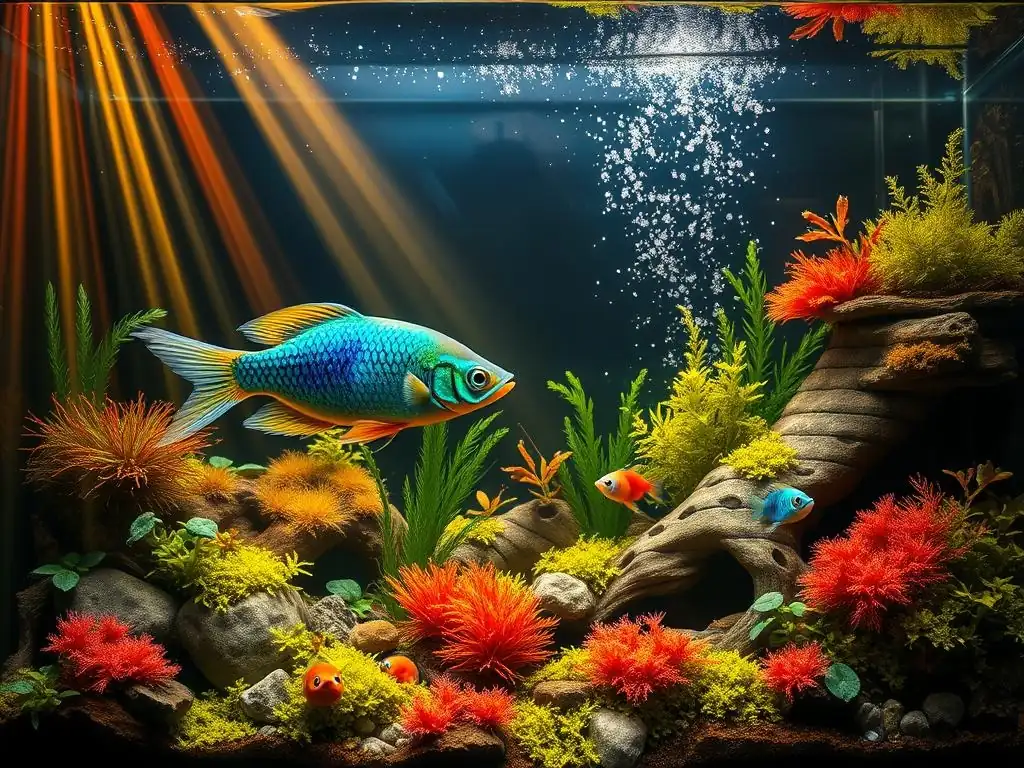
Ever been mesmerized by the vibrant colors and playful nature of the Variatus Platy? Get ready to unlock the secrets to keeping these dazzling jewels thriving in your aquarium. Our Variatus Platy aquarium care guide is your comprehensive resource, packed with essential tips and tricks to ensure your Platy's happiness and longevity. Dive in and discover everything you need to know, from ideal tank conditions to breeding success, and unlock the full potential of these fascinating freshwater fish!
- Variatus Platy Revealed: The Ultimate Care Guide
- Introduction to Variatus Platies
- Variatus Platy Care: Essential Guidelines
- Understanding Variatus Platy Behavior
- Variatus Platy Tank Mates
- Breeding Variatus Platies
- Common Variatus Platy Diseases and Prevention
- Variatus Platy Color Morphs
- Maintaining a Healthy Aquarium: A Checklist
- Troubleshooting Common Problems
- Conclusion: Mastering Variatus Platy Care
-
Frequently Asked Questions
- What are the ideal water parameters for a Variatus Platy aquarium?
- What size aquarium is recommended for a group of Variatus Platies?
- What is the best diet for Variatus Platies to ensure their health and vibrant colors?
- Are Variatus Platies compatible with other fish species in a community aquarium?
- How often should I perform water changes in my Variatus Platy aquarium?
- Final Reflection: The Enduring Allure of the Variatus Platy
- Dive Deeper into the Vibrant World of Platies!
Variatus Platy Revealed: The Ultimate Care Guide
Introduction to Variatus Platies
Why Choose Variatus Platies?
Variatus Platies, scientifically known as Xiphophorus variatus, are a delightful choice for both novice and experienced aquarists due to their vibrant colors, relatively small size, and peaceful demeanor. Originating from Central America, particularly Mexico, these livebearers are known for their hardiness and adaptability to a range of freshwater conditions, making them an excellent foundation for a thriving community tank. Their active swimming patterns and social interactions add dynamic life to any aquarium setup.
Beyond their aesthetic appeal, Variatus Platies are also highly valued for their ease of care and breeding, which contributes significantly to their popularity in the hobby. They typically live for about 2 to 3 years in a well-maintained environment, offering sustained enjoyment. For those seeking a low-maintenance yet captivating fish that thrives in varied setups, the Variatus Platy truly shines, proving why they are often recommended in a comprehensive Variatus Platy aquarium care guide.
Understanding Color Variations
The Variatus Platy is renowned for its incredible diversity in color and fin patterns, a result of selective breeding over many generations. While the wild type exhibits more subdued greens and browns with a distinctive black spot at the caudal fin base, captive-bred varieties showcase an astonishing spectrum. These variations include brilliant reds, oranges, yellows, and even multi-colored combinations like the popular Sunset or Marigold platies.
The genetic plasticity of Xiphophorus variatus allows for the development of distinct morphs, such as the "Pineapple" with its yellow and orange hues, or the "Tuxedo" which features a dark body with lighter fins. Understanding these variations not only enhances appreciation for the species but also aids in selecting specimens that complement a specific aquarium aesthetic. This rich genetic palette underscores why the Variatus Platy is a favorite among breeders and enthusiasts alike, making the journey of exploring a Variatus Platy aquarium care guide all the more rewarding.
Variatus Platy Care: Essential Guidelines
Setting Up the Ideal Aquarium Environment
Creating an optimal environment is paramount for the health and longevity of your Variatus Platies. These fish thrive in a well-established freshwater aquarium that mimics their natural habitat. A stable and clean tank environment minimizes stress and prevents common diseases, ensuring your platies display their full vibrant potential.
For a successful Variatus Platy aquarium care guide, focus on providing ample space and proper filtration. A robust biological filter is crucial for breaking down waste products and maintaining water clarity. Regular maintenance, including partial water changes, will further contribute to a healthy ecosystem, allowing your Variatus Platies to flourish and exhibit their natural behaviors.
Tank Size Considerations
While Variatus Platies are relatively small, reaching an adult size of approximately 2 to 2.5 inches (5-6 cm), they are active swimmers and prefer to be kept in groups. A minimum tank size of 10 gallons (approximately 38 liters) is recommended for a small group of 3-5 platies. However, for a thriving community tank or a larger group, a 20-gallon (around 76 liters) or larger aquarium is ideal.
Larger tanks offer more stable water parameters due to greater dilution of waste, and they provide more swimming space, reducing potential aggression among individuals, especially males. Overcrowding can lead to stress, stunted growth, and increased susceptibility to disease, making adequate tank size a critical component of any comprehensive Variatus Platy aquarium care guide.
Water Parameters: Achieving Optimal Chemistry
Maintaining precise water parameters is fundamental to the well-being of Variatus Platies. They prefer slightly alkaline to neutral water with a pH range of 7.0 to 8.0. The water hardness (GH) should ideally be between 10 to 25 dGH (degrees of General Hardness), reflecting their natural hard water habitats. The ideal water temperature for Variatus Platies ranges from 72°F to 78°F (22°C to 26°C).
Consistent monitoring of these parameters using reliable aquarium test kits is essential. Sudden fluctuations in temperature or pH can cause significant stress to the fish, weakening their immune systems. Regular water changes (25-30% weekly) help to replenish essential minerals and remove nitrates, ensuring a stable and healthy aquatic environment, a cornerstone of any effective Variatus Platy aquarium care guide.
Substrate and Decoration: Creating a Natural Habitat
The choice of substrate and decorations plays a significant role in creating a comfortable and stimulating environment for Variatus Platies. A fine to medium-grade gravel or sand substrate is suitable, allowing for easy cleaning and providing a natural base. Darker substrates can also help to bring out the vibrant colors of the fish.
Incorporating live plants is highly beneficial. Plants like Java Fern, Anubias, and various species of Cryptocoryne not only enhance the aesthetic appeal but also provide hiding spots, reduce nitrates, and offer grazing opportunities for the fish. Driftwood and smooth rocks can further enrich the environment, mimicking natural riverbeds and providing additional territories. Ensuring adequate open swimming space while offering plenty of cover is key to a balanced Variatus Platy aquarium care guide.
Variatus Platy Diet and Feeding
Proper nutrition is vital for the health, coloration, and reproductive success of Variatus Platies. As omnivores, they require a varied diet that includes both plant and animal matter. A well-balanced diet contributes to their overall vitality and strengthens their immune system against potential illnesses.
Feeding your Variatus Platies correctly is a simple yet crucial aspect of their care. Overfeeding can lead to poor water quality and health issues, while underfeeding can result in nutrient deficiencies. Adhering to a consistent feeding schedule and offering appropriate portion sizes are key tenets of an effective Variatus Platy aquarium care guide.
What to Feed: A Balanced Diet
A high-quality flake food specifically formulated for tropical fish should form the staple of the Variatus Platy's diet. Look for brands that list fish meal, spirulina, and various vitamins as primary ingredients. Supplementing their diet with live or frozen foods such as brine shrimp, daphnia, bloodworms, and mosquito larvae provides essential proteins and fats, enhancing their coloration and vigor.
Vegetable matter is equally important. Blanched zucchini, spinach, or shelled peas can be offered occasionally. Algae wafers or spirulina flakes are also excellent supplements. A varied diet ensures that Variatus Platies receive all the necessary nutrients for optimal growth and health, a critical component of a comprehensive Variatus Platy aquarium care guide.
Feeding Frequency and Portion Control
Variatus Platies should be fed small amounts two to three times a day. The key is to provide only what they can consume within 2-3 minutes. Any leftover food should be removed promptly to prevent water contamination, which can lead to ammonia and nitrite spikes. Overfeeding is a common mistake that can lead to digestive problems in fish and foul the aquarium water.
Observing your fish during feeding time can help you gauge appropriate portion sizes. If food remains after a few minutes, reduce the amount next time. Consistent, small feedings are far better than one large feeding, promoting better digestion and maintaining cleaner water conditions, which is a fundamental practice in any reliable Variatus Platy aquarium care guide.
Understanding Variatus Platy Behavior
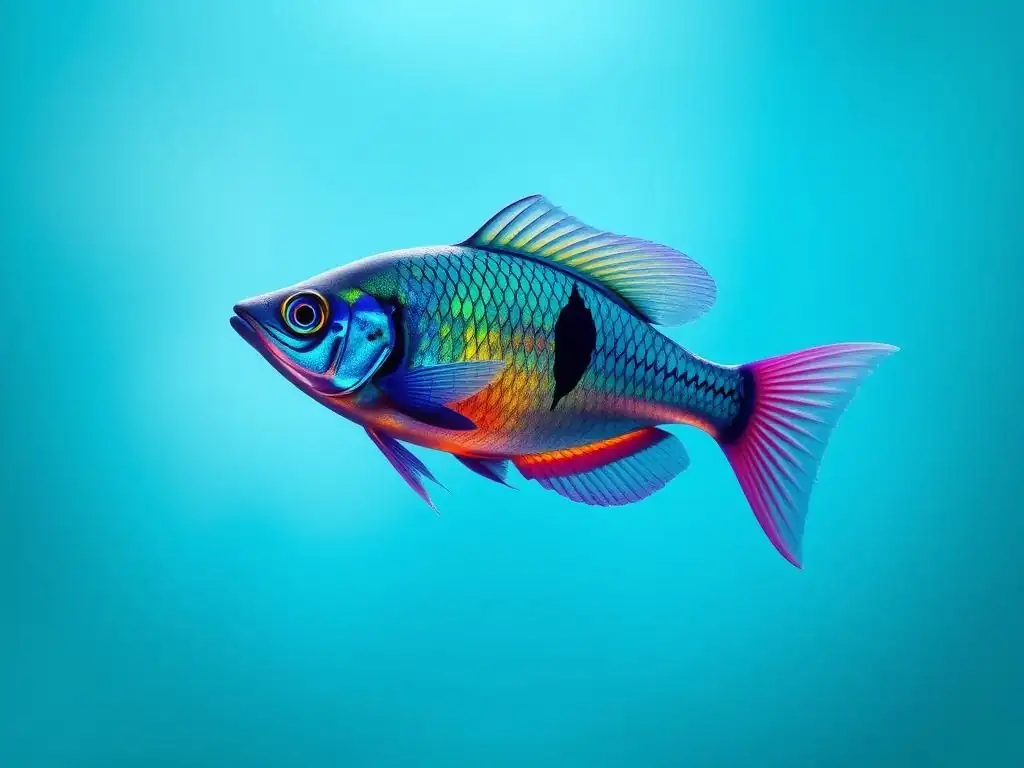
Observing the behavior of your Variatus Platies provides valuable insights into their health and well-being. These fish are generally peaceful and active, displaying a range of social interactions within a community tank. Recognizing their normal behaviors allows for early detection of stress or illness, enabling prompt intervention.
A healthy Variatus Platy will exhibit vibrant colors, active swimming, and a keen interest in food. Understanding their natural inclinations and responses to their environment is a crucial aspect of providing the best Variatus Platy aquarium care guide, ensuring a harmonious and thriving aquatic habitat.
Variatus Platies are highly social fish and thrive when kept in groups. A ratio of at least two to three females for every male is recommended to prevent excessive harassment of individual females by an enthusiastic male. In a well-proportioned group, they will engage in playful chasing and schooling behaviors, adding dynamic movement to the tank.
While generally peaceful, occasional minor squabbles or fin nipping can occur, especially if the tank is overcrowded or if there is an imbalance in the male-to-female ratio. Providing ample hiding spots and visual barriers with plants and decorations can help mitigate these issues, promoting a more stable social hierarchy within the community, a key consideration for any Variatus Platy aquarium care guide.
Recognizing Signs of Stress or Illness
Promptly identifying signs of stress or illness is critical for the survival of your Variatus Platies. Common indicators of distress include clamped fins (fins held close to the body), loss of appetite, lethargy, rapid gill movement, and unusual swimming patterns like darting or rubbing against tank objects. Fading colors can also signal stress or poor water quality.
Physical symptoms such as white spots (Ich), fuzzy growths (fungus), or frayed fins (fin rot) are clear signs of specific diseases. Behavioral changes, like hiding excessively or isolating themselves from the group, also warrant immediate investigation. Early detection and intervention, often through water quality checks and appropriate treatments, are paramount, underscoring the importance of this section in a comprehensive Variatus Platy aquarium care guide.
Variatus Platy Tank Mates
Choosing appropriate tank mates for Variatus Platies is essential for maintaining a peaceful and healthy community aquarium. Given their docile nature and relatively small size, they can be easily intimidated or preyed upon by larger, more aggressive species. Compatibility extends beyond temperament to shared water parameter requirements.
A well-planned community tank enhances the visual appeal and provides a more stimulating environment for all inhabitants. This section of the Variatus Platy aquarium care guide will help you select companions that will coexist harmoniously with your platies, contributing to a thriving and balanced ecosystem.
Best Tank Mates
Ideal tank mates for Variatus Platies are other peaceful, similarly sized community fish that thrive in similar water conditions. Good choices include other livebearers such as Guppies, Mollies, and Swordtails (though Swordtails can grow larger and require more space). Small schooling fish like Neon Tetras, Cardinal Tetras, Rummy Nose Tetras, and Harlequin Rasboras also make excellent companions.
Additionally, bottom dwellers such as Corydoras catfish species (e.g., Panda Cory, Bronze Cory) and Otocinclus catfish are highly compatible, as they occupy different levels of the tank and are peaceful. Snails (e.g., Nerite snails, Mystery snails) and dwarf shrimp (e.g., Cherry shrimp, Amano shrimp, though shrimp fry may be preyed upon) can also coexist peacefully, contributing to tank cleanliness.
Fish to Avoid
Certain fish species should be avoided as tank mates for Variatus Platies due to aggression, predatory behavior, or differing environmental needs. Large, aggressive cichlids like Oscars or Jack Dempseys will view platies as food. Similarly, fin-nipping species such as Tiger Barbs can stress and injure platies, leading to disease.
Very large or fast-swimming fish that can outcompete platies for food should also be avoided. Species that require significantly different water parameters, such as very soft or acidic water (e.g., Discus or certain South American cichlids), are also unsuitable. Careful consideration of temperament, size, and water requirements is crucial for the success of any Variatus Platy aquarium care guide.
Breeding Variatus Platies
Breeding Variatus Platies is a straightforward and rewarding experience, making them an excellent choice for beginner breeders. As livebearers, they give birth to fully formed, free-swimming fry, eliminating the need for egg care. Their prolific nature means that with proper conditions, you can expect regular broods.
Understanding the breeding process, from setting up a suitable environment to caring for the fry, is an exciting aspect of maintaining these vibrant fish. This section of the Variatus Platy aquarium care guide details the steps to successfully breed and raise healthy Variatus Platy offspring.
Setting Up a Breeding Tank
While Variatus Platies can breed in a community tank, a dedicated breeding tank significantly increases the survival rate of the fry. A 5-10 gallon (19-38 liter) tank is sufficient for a single pregnant female. The breeding tank should be equipped with a gentle sponge filter to prevent fry from being sucked into the intake and a heater to maintain stable temperatures.
Crucially, the breeding tank must contain ample hiding places for the fry immediately after birth. Dense live plants like Java Moss, Guppy Grass, or floating plants such as Hornwort provide excellent cover from the mother, who may prey on her own offspring. A breeding box or net can also be used, but these can be stressful for the female and are generally less preferred than a heavily planted tank.
Identifying Male and Female
Distinguishing between male and female Variatus Platies is relatively easy. Males are typically smaller and more slender than females. The most definitive characteristic is the anal fin: in males, the anal fin is modified into a pointed, rod-like organ called a gonopodium, which is used for internal fertilization.
Females, on the other hand, have a fan-shaped anal fin. Gravid (pregnant) females will also develop a noticeable gravid spot, a dark spot near the anal fin, which becomes more pronounced as the fry develop inside. Observing these distinct features is key to successful breeding and is an essential tip in any Variatus Platy aquarium care guide.
Caring for Fry: From Birth to Maturity
Variatus Platy fry are born fully developed and immediately capable of swimming and feeding. Once born, it's advisable to separate the mother from the fry to prevent cannibalism, either by moving the female back to the main tank or by raising the fry in the dedicated breeding tank. The fry are tiny and vulnerable, requiring specific care to thrive.
Feed the fry small, frequent meals (3-4 times a day) of specialized fry food, crushed high-quality flake food, or newly hatched brine shrimp. Ensure the water quality remains pristine with small, frequent water changes (10-15% every other day), being careful not to suck up the delicate fry. As they grow, typically reaching about 1 inch (2.5 cm) in a few weeks, they can be gradually introduced to the main tank's diet and eventually moved to a larger grow-out tank or the main community tank once they are large enough not to be eaten by adult fish.
Common Variatus Platy Diseases and Prevention
Like all aquarium fish, Variatus Platies can be susceptible to various diseases, especially if water quality is poor or they are stressed. Recognizing the symptoms early and implementing appropriate treatments are crucial for their recovery. However, prevention is always better than cure, emphasizing the importance of maintaining optimal tank conditions.
Understanding common ailments and proactive measures is a vital part of any comprehensive Variatus Platy aquarium care guide. This section will detail some prevalent diseases and strategies to keep your fish healthy and thriving.
Identifying and Treating Common Illnesses
A vigilant eye on your Variatus Platies can help you spot the first signs of illness. Changes in behavior, appetite, or appearance are often the earliest indicators. Isolate affected fish in a quarantine tank if possible to prevent the spread of disease to other inhabitants.
Administering the correct medication requires accurate diagnosis, which can be challenging. Consulting a reputable aquarium store or online resources for specific symptoms can guide treatment. Always follow medication instructions precisely, as overdosing can be fatal.
Ich (White Spot Disease): Symptoms and Treatment
Ich, caused by the parasite Ichthyophthirius multifiliis, is one of the most common and recognizable fish diseases. Symptoms include small, white spots resembling grains of salt scattered across the fish's body and fins, rapid breathing, and flashing (rubbing against tank objects). It is often triggered by sudden temperature fluctuations or stress.
Treatment typically involves raising the water temperature gradually to 82-84°F (28-29°C) to accelerate the parasite's life cycle, combined with the use of Ich-specific medications containing malachite green or formalin. Adding aquarium salt (1 tablespoon per 5 gallons) can also help. Continue treatment for at least 7-10 days, even after symptoms disappear, to ensure all parasites are eradicated.
Fin Rot: Causes and Prevention
Fin Rot is a bacterial infection that causes the fins to appear frayed, ragged, or develop white edges. In severe cases, the fins may completely disintegrate, exposing the fin rays. It is primarily caused by poor water quality, overcrowding, or injury, which allow opportunistic bacteria to proliferate.
Treatment involves immediate and significant water changes (up to 50%) to improve water quality, followed by the use of broad-spectrum antibacterial medications. Prevention is key: maintain excellent water parameters through regular testing and water changes, avoid overcrowding, and ensure a balanced diet. A clean environment is the best defense against Fin Rot, a crucial aspect of any robust Variatus Platy aquarium care guide.
Maintaining Water Quality to Prevent Diseases
Consistent high water quality is the single most important factor in preventing diseases in Variatus Platies. Stable parameters minimize stress, which in turn strengthens the fish's immune system, making them more resilient to pathogens. Regular testing of ammonia, nitrite, nitrate, pH, and temperature is non-negotiable.
Perform weekly partial water changes (25-30%) using dechlorinated water that matches the tank's temperature. Clean the substrate regularly to remove uneaten food and waste. Ensure your filtration system is adequately sized and well-maintained, cleaning filter media as needed without completely sterilizing it. A proactive approach to water quality management is the cornerstone of a successful Variatus Platy aquarium care guide, promoting long-term health and vibrancy.
Variatus Platy Color Morphs
The Variatus Platy is celebrated for its stunning array of color morphs, which are a testament to years of selective breeding by aquarists. These genetic variations result in fish with unique and captivating patterns, making them highly sought after for their ornamental value. Understanding these morphs adds another layer of appreciation for this versatile species.
The diversity in coloration makes the Variatus Platy a popular choice for creating visually striking aquariums. This section of the Variatus Platy aquarium care guide delves into some of the most popular color variations and patterns you might encounter.
Popular Color Variations and Patterns
One of the most common and beloved morphs is the Sunset Platy, characterized by a vibrant orange or red body that transitions to a yellow or golden tail. The Marigold Platy is similar, often displaying a rich, deep orange across its entire body. These warm hues bring a cheerful glow to any tank.
Other notable morphs include the Tuxedo Platy, which features a dark, often black, posterior half that contrasts sharply with a lighter, often red or orange, front half. The Pineapple Platy exhibits a mix of yellow and orange, sometimes with a speckled appearance. The Blue Variatus Platy showcases iridescent blue scales, while the Kohaku Platy (named after the Koi carp) often has distinct red and white patches. These diverse patterns highlight the genetic versatility that makes the Variatus Platy a true jewel of the freshwater aquarium.
Maintaining a Healthy Aquarium: A Checklist
Consistent maintenance is the backbone of a healthy and stable aquarium environment for Variatus Platies. Regular care routines prevent the accumulation of toxins, keep water parameters stable, and ensure your fish remain in optimal condition. Following a structured maintenance schedule simplifies the process and significantly reduces the risk of common aquarium problems.
This section provides a practical checklist for both weekly and monthly maintenance tasks, ensuring you have a clear plan for providing the best Variatus Platy aquarium care guide. Adhering to these routines will contribute significantly to the longevity and vibrancy of your fish.
Weekly Maintenance Tasks
- Water Change: Perform a 25-30% partial water change. Use a gravel vacuum to remove detritus from the substrate while siphoning out water.
- Water Parameter Testing: Test water for ammonia, nitrite, nitrate, and pH. Record results to track trends.
- Temperature Check: Verify the aquarium temperature is within the ideal range of 72-78°F (22-26°C).
- Visual Inspection: Observe all fish for signs of illness, stress, or unusual behavior. Check fins, body, and activity levels.
- Equipment Check: Ensure heater, filter, and air pump are functioning correctly. Clean algae from the front glass of the tank.
- Plant Pruning: Trim any overgrown or decaying live plants. Remove any dead plant matter.
Monthly Maintenance Tasks
- Filter Media Cleaning/Replacement: Rinse or replace mechanical filter media (e.g., sponges, floss) to prevent clogging. Avoid replacing all media at once to preserve beneficial bacteria.
- Deep Substrate Clean: Perform a more thorough gravel vacuuming to remove deeper-seated detritus, being careful not to disrupt beneficial bacteria too much.
- Equipment Inspection: Check all equipment for wear and tear, including power cords and tubing. Clean filter hoses if necessary.
- Decoration Cleaning: Remove and gently scrub any decorations that have excessive algae buildup.
- Water Hardness Check: Test for General Hardness (GH) and Carbonate Hardness (KH) to ensure stability, especially if you have hard water fish like Variatus Platies.
- Algae Scrape: Perform a comprehensive scrape of all tank glass surfaces to remove any stubborn algae.
Troubleshooting Common Problems
Even with diligent care, aquarists may encounter common issues that can affect the health and appearance of their Variatus Platy aquarium. Addressing these problems promptly is crucial to prevent them from escalating and causing widespread distress or illness among your fish. Understanding the root causes and effective solutions is a vital part of a comprehensive Variatus Platy aquarium care guide.
This section provides practical advice on how to troubleshoot two frequently encountered problems: algae blooms and aggression within the tank, offering actionable steps to restore balance.
Addressing Algae Blooms
Algae blooms are a common nuisance in aquariums, often appearing as green film on glass, brown diatoms on substrate, or stringy green threads on plants. The primary cause is an imbalance in nutrients and light. Excess nitrates and phosphates, combined with too much light exposure (either too long or too intense), fuel algae growth.
To address algae blooms, first, reduce lighting duration to 8-10 hours per day. Perform a significant water change (30-50%) and thoroughly clean the tank glass and decorations. Ensure you are not overfeeding, as uneaten food breaks down into nutrients that feed algae. Consider adding fast-growing live plants to outcompete algae for nutrients, or introduce algae-eating species like Otocinclus catfish or Nerite snails, which are excellent companions for Variatus Platies.
Dealing with Aggression
While Variatus Platies are generally peaceful, occasional aggression can occur, particularly among males or if the male-to-female ratio is skewed (too many males). Signs include chasing, fin nipping, and stressed behavior in the targeted fish. Overcrowding and insufficient hiding spots can exacerbate aggressive tendencies.
To mitigate aggression, ensure you have a ratio of at least two to three females per male. If aggression persists, consider adding more females or increasing the tank size to provide more territory. Heavily planting the tank and adding decorations like caves or driftwood can create visual barriers and hiding places, allowing submissive fish to retreat. In extreme cases, removing the most aggressive individual may be necessary to restore peace in the community tank, upholding the principles of a harmonious Variatus Platy aquarium care guide.
Conclusion: Mastering Variatus Platy Care
Ensuring a Long and Happy Life
Mastering Variatus Platy care is a rewarding endeavor that brings vibrant life and dynamic activity to your freshwater aquarium. By diligently following the guidelines outlined in this comprehensive Variatus Platy aquarium care guide, from setting up the ideal environment with appropriate tank size and precise water parameters to providing a balanced diet and understanding their social behaviors, you lay the foundation for a thriving aquatic ecosystem.
The journey of caring for Variatus Platies encompasses not only routine maintenance and disease prevention but also the joy of observing their unique color morphs and even the excitement of breeding them. With consistent attention to detail, a proactive approach to water quality, and an understanding of their specific needs, you can ensure your Variatus Platies enjoy a long, healthy, and happy life, becoming true jewels in your home aquarium.
Frequently Asked Questions
What are the ideal water parameters for a Variatus Platy aquarium?
Variatus Platies thrive in water with a pH of 6.8-7.8 and a temperature of 72-78°F (22-26°C). Maintaining stable parameters is crucial, with regular water changes to avoid ammonia and nitrite spikes.
What size aquarium is recommended for a group of Variatus Platies?
A minimum of 10 gallons is recommended for a small group (3-5) of Variatus Platies. Larger groups will require a larger tank, aiming for around 5 gallons per platy to prevent overcrowding.
What is the best diet for Variatus Platies to ensure their health and vibrant colors?
Variatus Platies are omnivores and require a varied diet. Offer them high-quality flake food, supplemented with live or frozen foods like brine shrimp and daphnia for optimal health and color.
Are Variatus Platies compatible with other fish species in a community aquarium?
Variatus Platies are generally peaceful and compatible with other community fish that share similar water parameter requirements. Avoid aggressive or fin-nipping species that could stress them.
How often should I perform water changes in my Variatus Platy aquarium?
Regular water changes are essential for maintaining a healthy aquarium environment. Aim for 25-50% water changes every 1-2 weeks, depending on the tank size and bioload, to remove nitrates and maintain water quality.
Final Reflection: The Enduring Allure of the Variatus Platy
The journey through the vibrant world of the Variatus Platy, as detailed in this guide, highlights more than just aquarium care; it underscores the enduring appeal of bringing a slice of nature's beauty into our homes. These "jewels," as we've called them, represent a microcosm of the larger aquatic ecosystem, and understanding their needs allows us to appreciate the delicate balance of life itself.
The Variatus Platy, though small, has a significant impact. Its ease of care and striking colors have made it a beloved fish for generations, introducing countless individuals to the joys of aquarium keeping and fostering a deeper appreciation for the natural world. As the saying goes, The best way to observe a fish is to become a fish.
This quote reminds us that truly understanding and caring for these creatures requires empathy and a willingness to see the world from their perspective.
Now, as you embark on, or continue, your journey with the Variatus Platy, remember that you are not just maintaining an aquarium; you are cultivating a miniature ecosystem. Let the knowledge gained here inspire you to not only provide the best possible care for your fish, but also to reflect on the interconnectedness of all living things and the responsibility we share in preserving the beauty and biodiversity of our planet.
Dive Deeper into the Vibrant World of Platies!
Thank you for exploring the fascinating world of Variatus Platies with us! We hope this guide has sparked a newfound appreciation for these lively jewels and equipped you with the knowledge to care for them successfully. Now, let's turn that knowledge into action:
- Kickstart Your Platy Paradise: Choose your first three Variatus Platies today! Visit your local aquarium store or a trusted breeder to select healthy, vibrant individuals.
- Share the Spark:Pass on the love of Platies! Post a picture of your setup or favorite Variatus Platy color on social media using #PlatyParadise and inspire others to join the hobby.
- Uncover Hidden Treasures: Research unique, uncommon color morphs of Variatus Platies that you haven't seen before. Which one will you aim to add to your collection next?
Ready to create your own thriving platy haven and share the beauty with others?