
Gold Nugget Pleco: Dazzling Dots and How to Keep Them Thriving

Welcome to Aquarium Mastery!
Ever been captivated by the shimmering, dotted beauty of a Gold Nugget Pleco? These dazzling bottom-dwellers are more than just eye-catching; they're fascinating additions to any freshwater aquarium. Dive in to discover everything you need to know about Gold Nugget Pleco care, from creating the perfect habitat to ensuring their long-term health and happiness. Ready to unlock the secrets to keeping these spotted gems thriving? Let's get started!
- Understanding the Gold Nugget Pleco: An Introduction to Baryancistrus xanthellus
- Gold Nugget Pleco Care: Essential Guidelines for a Healthy Life
- Gold Nugget Pleco Tank Mates: Compatibility and Community Tank Options
- Gold Nugget Pleco Health: Common Diseases and Prevention
- Gold Nugget Pleco Breeding: Challenges and Possibilities
- Where to Buy Gold Nugget Plecos: Selecting Healthy Specimens
- Troubleshooting Common Gold Nugget Pleco Problems
- Gold Nugget Pleco: Final Thoughts on Keeping These Beautiful Fish
- Frequently Asked Questions
- Final Reflection: The Enduring Allure of the Gold Nugget Pleco
- Unleash the Golden Potential of Your Aquarium!
Understanding the Gold Nugget Pleco: An Introduction to Baryancistrus xanthellus
What is a Gold Nugget Pleco? Identifying Characteristics
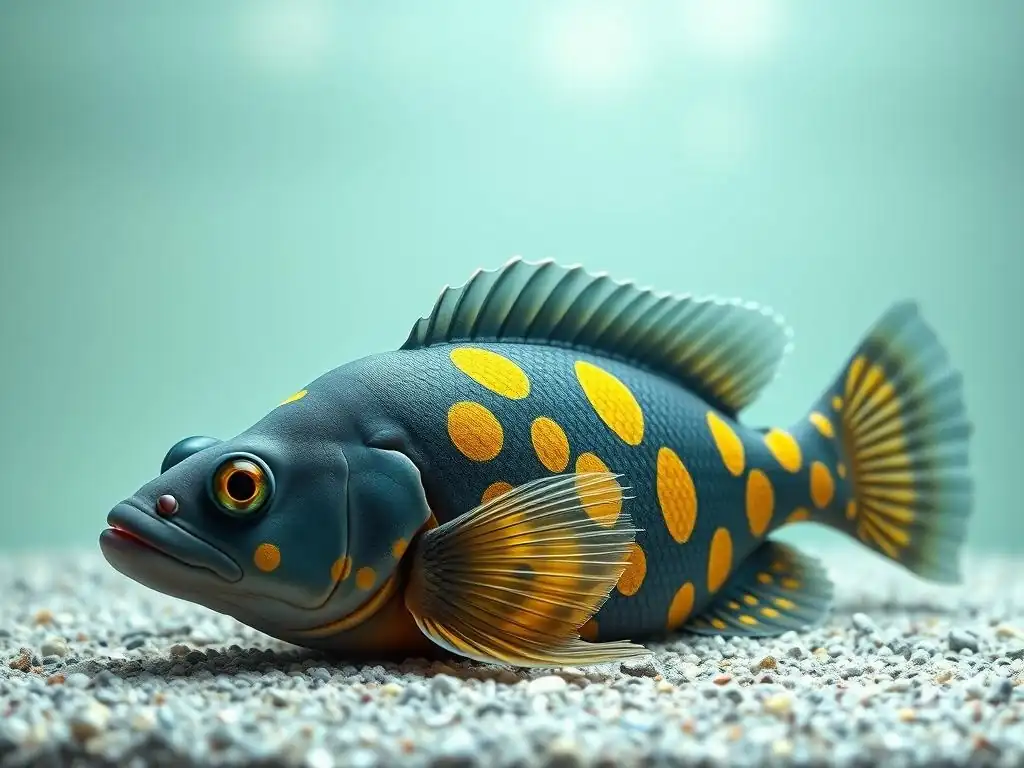
The Gold Nugget Pleco, scientifically known as Baryancistrus xanthellus, is a stunning freshwater catfish renowned for its striking appearance. Its body is typically dark, ranging from deep brown to black, adorned with vibrant yellow or gold spots that vary in size and density depending on the individual and specific L-number. There are three primary L-numbers associated with Gold Nugget Plecos: L018, L081, and L177, which primarily denote variations in spot size and distribution. L018 and L177 are often referred to as "fine spot" or "large spot" varieties, respectively, while L081 typically features smaller, more numerous spots.
These beautiful bottom-dwellers possess a flattened body shape and a prominent suckermouth, characteristic of plecos, which they use for grazing algae and biofilm from surfaces. Adults can reach a size of approximately 8 to 10 inches (20-25 cm) in length, making them a significant presence in a home aquarium. Their unique coloration and relatively peaceful temperament make them highly sought after by aquarists looking for an eye-catching addition to their freshwater setup, provided they can commit to the specific Gold nugget pleco care requirements.
Gold Nugget Pleco Origin and Natural Habitat: The Rio Xingu
The Gold Nugget Pleco originates exclusively from the clear, fast-flowing waters of the Rio Xingu in Brazil. This river is famous for its high biodiversity and unique aquatic ecosystem, characterized by rocky substrates, strong currents, and relatively warm, oxygen-rich water. The Xingu River's unique environment, particularly its rocky rapids, provides abundant surfaces for algae and biofilm growth, which form a significant part of the wild Gold Nugget Pleco's diet.
Understanding their natural habitat is paramount for successful Gold nugget pleco care in captivity. The conditions of the Rio Xingu dictate the ideal aquarium parameters, emphasizing the need for robust filtration, high oxygen levels, and plenty of hardscape that mimics their rocky, fast-flowing home. The construction of the Belo Monte Dam on the Xingu River has raised significant concerns about the long-term survival of many endemic species, including the Gold Nugget Pleco, making responsible sourcing and conservation awareness important for hobbyists.
Gold Nugget Pleco Care: Essential Guidelines for a Healthy Life
Gold Nugget Pleco Tank Size: Creating the Ideal Environment
Providing an adequately sized tank is a cornerstone of proper Gold nugget pleco care. While juvenile Gold Nugget Plecos might seem small, they can grow up to 10 inches (25 cm) in length, requiring substantial space as adults. A minimum tank size of 50 to 75 gallons (approximately 190 to 285 liters) is recommended for a single adult Gold Nugget Pleco to ensure ample swimming room, adequate territory, and stable water parameters.
The footprint of the tank is often more important than its height for these bottom-dwelling fish. A longer and wider tank provides more floor space, which is crucial for a species that spends most of its time grazing and exploring the substrate and decor. For instance, a 75-gallon tank measuring 48 inches long by 18 inches wide (122 cm x 46 cm) would be far more suitable than a taller, narrower 75-gallon tank. Adequate space also helps dilute waste products, contributing to healthier water conditions essential for their well-being.
Water Parameters for Gold Nugget Plecos: Temperature, pH, and Hardness
Maintaining precise water parameters is critical for the health and longevity of Gold Nugget Plecos, reflecting their natural habitat in the Rio Xingu. The ideal temperature range for these fish is between 78°F and 84°F (25.5°C to 29°C). Consistent temperatures within this range help maintain their metabolism and immune system function effectively. Fluctuations outside this range can lead to stress and susceptibility to diseases.
Regarding pH, Gold Nugget Plecos thrive in slightly acidic to neutral water, with an ideal range of 6.5 to 7.5. While they can tolerate a slight deviation, stability is key. Water hardness, measured in dGH (degrees of General Hardness), should ideally be kept between 5 and 15 dGH. Soft to moderately hard water mimics their native conditions. Regular testing of these parameters using reliable aquarium test kits is essential to monitor and adjust water quality, preventing stress and promoting optimal Gold nugget pleco care.
Gold Nugget Pleco Tank Setup: Substrate, Decor, and Filtration
A thoughtfully designed tank setup is fundamental to successful Gold nugget pleco care, providing both comfort and security for these shy, nocturnal fish. The environment should closely mimic their natural riverine habitat, focusing on specific elements that cater to their unique needs. This includes selecting the right substrate, providing essential hiding places, and ensuring robust filtration.
Choosing the Right Substrate for Gold Nugget Plecos
When setting up an aquarium for Gold Nugget Plecos, the choice of substrate is more important than it might seem. These fish have delicate barbels around their mouths, which they use to forage for food on the tank bottom. Therefore, a soft, fine substrate such as sand or very fine gravel is highly recommended. Substrates with sharp edges, like coarse gravel or crushed coral, can cause injury to their barbels, leading to infections or difficulty feeding.
A sand bed of at least 2-3 inches (5-7.5 cm) deep allows them to sift through it comfortably without risk of injury. While they are not known to burrow extensively, a fine substrate prevents food from getting trapped and rotting, which could negatively impact water quality. Ultimately, a smooth substrate contributes significantly to their overall comfort and long-term health, making it an important aspect of proper Gold nugget pleco care.
The Importance of Driftwood and Hiding Places
Driftwood is an indispensable element in any Gold Nugget Pleco aquarium setup. Beyond its aesthetic appeal, driftwood serves multiple critical functions for these fish. Firstly, it provides essential surfaces for the growth of biofilm and algae, which are natural components of their diet. Many pleco species, including Baryancistrus xanthellus, rasp on driftwood to aid digestion, as it provides necessary roughage and potentially beneficial cellulose.
Secondly, Gold Nugget Plecos are inherently shy and nocturnal, requiring numerous hiding places to feel secure. Caves, rock formations, and dense arrangements of driftwood offer crucial retreats where they can rest during the day and escape perceived threats. Without adequate hiding spots, these fish can become stressed, leading to poor health and a reluctance to feed. Providing multiple options ensures that even in a community tank, they have their own safe havens.
Filtration and Water Changes: Maintaining Pristine Conditions
Effective filtration and consistent water changes are paramount for maintaining the pristine water quality that Gold Nugget Plecos demand. Given their size and a diet that can produce significant waste, a robust filtration system is essential. Canister filters or large hang-on-back filters with high flow rates are highly recommended, as they provide excellent mechanical, chemical, and biological filtration. The strong current generated by such filters also helps to oxygenate the water, mimicking their natural fast-flowing river habitat.
In addition to powerful filtration, regular partial water changes are non-negotiable for Gold nugget pleco care. A weekly water change of 25% to 30% is generally recommended to remove nitrates, phosphates, and other accumulated toxins, and to replenish essential minerals. For example, in a 75-gallon tank, this would mean changing approximately 18-22 gallons of water each week. Using a reliable water conditioner to neutralize chlorine and chloramines during water changes is also vital to protect the fish.
Gold Nugget Pleco Diet: What to Feed Your Spotted Pleco
While Gold Nugget Plecos are often perceived solely as algae eaters, relying on algae alone is insufficient for their long-term health. These fish are omnivores with a strong inclination towards plant matter, but they also require a significant protein component in their diet. A varied diet is crucial to ensure they receive all the necessary vitamins, minerals, and macronutrients for robust growth, vibrant coloration, and a strong immune system.
Failing to provide a diverse diet can lead to nutritional deficiencies, stunted growth, and a weakened immune system, making them more susceptible to diseases. For instance, a diet solely based on terrestrial vegetables might lack certain essential amino acids found in animal proteins, while an exclusively protein-rich diet could lead to digestive issues. Therefore, successful Gold nugget pleco care hinges on offering a balanced and varied nutritional regimen that caters to their omnivorous needs.
Recommended Foods: Algae Wafers, Vegetables, and Protein Sources
To provide a balanced diet for your Gold Nugget Pleco, a combination of high-quality commercial foods, fresh vegetables, and occasional protein sources is ideal. High-quality sinking algae wafers or pleco-specific pellets should form the staple of their diet, as these are formulated to provide a broad spectrum of nutrients. Look for wafers with spirulina or other plant-based ingredients listed prominently.
Supplement these with blanched vegetables such as zucchini, cucumber, shelled peas, and spinach. These can be offered a few times a week. To provide necessary protein, offer frozen or freeze-dried bloodworms, brine shrimp, or daphnia once or twice a week. For example, a typical feeding schedule might involve algae wafers daily, blanched zucchini three times a week, and frozen bloodworms once a week. Ensuring a mix of these foods will significantly contribute to optimal Gold nugget pleco care.
Feeding Schedule and Avoiding Overfeeding
Establishing a consistent feeding schedule is important for Gold Nugget Plecos, as is the practice of avoiding overfeeding. Due to their nocturnal nature, it is generally best to feed them after the aquarium lights have been turned off for the night, or just before, as this is when they are most active and comfortable foraging. Offering food at this time minimizes competition from more active, diurnal tank mates.
Feed only as much as your pleco can consume within a few hours to prevent uneaten food from decaying and fouling the water. A good guideline is to offer one or two algae wafers, or a small slice of vegetable, per pleco. Overfeeding can lead to severe water quality issues, such as elevated nitrates and ammonia, which are detrimental to all aquarium inhabitants, especially sensitive bottom-dwellers like plecos. It can also cause digestive problems for the pleco itself, including bloat. Consistent, moderate feeding is a key component of effective Gold nugget pleco care.
Gold Nugget Pleco Tank Mates: Compatibility and Community Tank Options
Suitable Tank Mates for Gold Nugget Plecos: Peaceful Companions
Choosing appropriate tank mates is a crucial aspect of Gold nugget pleco care, as their peaceful and somewhat shy nature requires companions that will not stress or harass them. Ideal tank mates are generally peaceful, non-aggressive, and do not compete directly for the same food sources or hiding spots. Given the Gold Nugget Pleco's preference for warm, fast-flowing, and highly oxygenated water, tank mates should also share similar environmental requirements.
Excellent choices include various species of Tetras (e.g., Cardinal Tetras, Rummy-Nose Tetras), Rasboras, and peaceful schooling fish like Harlequin Rasboras. Small to medium-sized peaceful Cichlids, such as Angelfish or Discus (if water parameters match), can also coexist well, provided they are not overly aggressive. Other bottom-dwellers like Corydoras catfish can be suitable, but ensure there are enough hiding places and food for all. For example, a 75-gallon tank might comfortably house one Gold Nugget Pleco alongside a school of 10-15 Rummy-Nose Tetras and a group of 6-8 Corydoras, ensuring ample space for all.
Fish to Avoid: Aggressive or Competitive Species
When considering tank mates for Gold Nugget Plecos, it is equally important to identify and avoid species that could pose a threat or cause undue stress. Highly aggressive or territorial fish are unsuitable companions, as they can intimidate or injure the slow-moving and docile pleco. For instance, large, boisterous cichlids like Oscars or Jack Dempseys, while impressive, are generally too aggressive and may view the pleco as a rival or even a food item, especially if the pleco is smaller.
Fin-nipping species, such as Tiger Barbs, should also be avoided, as they can cause stress and damage to the pleco's fins, leading to secondary infections. Similarly, very fast-moving or overly competitive feeders might outcompete the Gold Nugget Pleco for food, especially during daylight hours when the pleco is less active. Avoiding these types of fish is a critical part of maintaining a peaceful and healthy environment for optimal Gold nugget pleco care.
Gold Nugget Pleco Health: Common Diseases and Prevention
Identifying Signs of Illness in Gold Nugget Plecos
Early detection of illness is vital for effective Gold nugget pleco care and successful treatment. As bottom-dwellers, their symptoms can sometimes be subtle or masked by their hiding behavior. Key indicators of poor health include changes in behavior, such as unusual lethargy, prolonged hiding (beyond their normal nocturnal habits), or frantic darting. A healthy Gold Nugget Pleco should be active during its feeding times, exhibiting natural foraging behavior.
Physical signs to watch for include faded or dull coloration, which can indicate stress or disease, clamped fins, or ragged/frayed fins, often a sign of fin rot. Any visible spots, growths, white patches, or cottony fungal growths on the body or fins are red flags. Swelling, particularly around the abdomen (bloat), or rapid gill movement (indicating respiratory distress or poor water quality) also warrant immediate attention. Regularly observing your Gold Nugget Pleco during feeding times or when the lights are dim can help you spot these changes quickly.
Common Diseases Affecting Gold Nugget Plecos and Treatments
Gold Nugget Plecos, like all aquarium fish, are susceptible to various diseases, often triggered by poor water quality, stress, or improper diet. Understanding common ailments and their treatments is essential for proactive Gold nugget pleco care.
Ich (White Spot Disease)
Ich, caused by the parasite Ichthyophthirius multifiliis, is one of the most common and recognizable fish diseases. It manifests as small, white, salt-like spots on the body and fins of the fish. Infected Gold Nugget Plecos may also exhibit flashing (rubbing against tank decor), clamped fins, and rapid breathing. The lifecycle of Ich parasites involves free-swimming stages, making it highly contagious.
Treatment typically involves raising the water temperature gradually to 82-86°F (28-30°C) over 24 hours (ensure strong aeration, as higher temperatures reduce oxygen solubility), which speeds up the parasite's life cycle, making it more vulnerable. Concurrently, adding aquarium salt (1 tablespoon per 5 gallons) or using commercially available Ich medications can be effective. It's crucial to treat the entire tank, as the parasite will be present in the water, even if not visible on all fish.
Fin Rot
Fin rot is a bacterial infection that causes the fins to appear frayed, ragged, or even completely dissolve. It often starts at the edges of the fins and progresses inwards. The affected areas may also become red or inflamed. This condition is almost always a result of poor water quality, overcrowding, or physical injury that allows opportunistic bacteria to take hold. For instance, an ammonia spike from infrequent water changes can quickly lead to fin rot in a Gold Nugget Pleco.
Treatment for fin rot primarily involves addressing the underlying cause: performing large, frequent water changes (e.g., 50% daily for several days) to improve water quality, ensuring adequate filtration, and reducing overcrowding if applicable. In severe cases, broad-spectrum antibacterial medications can be used, following product instructions carefully. Maintaining pristine water conditions is the best preventive measure for this common ailment in Gold nugget pleco care.
Bloat
Bloat in Gold Nugget Plecos typically manifests as a swollen abdomen, often accompanied by lethargy, loss of appetite, and unusual swimming patterns. It can be caused by a variety of factors, including bacterial infections, internal parasites, or, most commonly, improper diet leading to digestive issues. Feeding too much protein, or a diet lacking sufficient fiber, can contribute to bloat in these primarily herbivorous fish.
Treatment depends on the suspected cause. If dietary, fasting the fish for 24-48 hours, followed by feeding blanched, deshelled peas (a natural laxative) can help. Ensuring a varied diet rich in plant matter and avoiding overfeeding is crucial for prevention. If a bacterial infection is suspected (often accompanied by other symptoms like ulcers or red streaks), specific antibacterial medications might be necessary. Addressing diet and maintaining excellent water quality are key to preventing bloat and ensuring effective Gold nugget pleco care.
Quarantine Procedures for New Gold Nugget Plecos
Implementing a quarantine procedure for any new Gold Nugget Pleco before introducing it to your main display tank is a non-negotiable step in responsible Gold nugget pleco care. This practice significantly reduces the risk of introducing diseases, parasites, or harmful bacteria to your established aquarium and its inhabitants. A dedicated quarantine tank, typically 10-20 gallons, should be set up with a heater, sponge filter, and a few hiding spots.
The new pleco should be housed in this quarantine tank for a minimum of two to four weeks. During this period, observe the fish closely for any signs of illness, such as white spots, clamped fins, unusual behavior, or lack of appetite. Perform regular small water changes (e.g., 25% every few days) and test water parameters to ensure a stable environment.
If any signs of disease appear, you can treat the fish in the quarantine tank without exposing your main tank to medication or potential pathogens. This isolation period is invaluable for preventing widespread outbreaks and protecting your entire aquatic ecosystem.
Gold Nugget Pleco Breeding: Challenges and Possibilities
Is Breeding Gold Nugget Plecos Possible in Home Aquariums?
Breeding Gold Nugget Plecos ( Baryancistrus xanthellus) in home aquariums is considered challenging and is not commonly achieved by the average hobbyist. While some success stories exist, they are rare and typically involve very specific conditions that replicate their natural habitat, often requiring dedicated breeding setups. The difficulty stems from several factors, including their specific water parameter requirements, the need for mature, healthy breeding pairs, and the precise environmental triggers that stimulate spawning.
Many of the Gold Nugget Plecos available in the aquarium trade are wild-caught, which can make adapting them to captive breeding conditions even harder. Achieving the right balance of water flow, temperature fluctuations, and diet to induce spawning often requires significant experience and specialized equipment. Therefore, while not entirely impossible, aspiring to breed Gold Nugget Plecos should be approached with realistic expectations and a thorough understanding of their complex needs, making it one of the more advanced aspects of Gold nugget pleco care.
Understanding the Breeding Behavior of Baryancistrus xanthellus
Understanding the natural breeding behavior of Baryancistrus xanthellus is key to appreciating the challenges involved in captive breeding. In their native Rio Xingu, Gold Nugget Plecos are cave spawners. The male typically selects a suitable cave or crevice, often a tight space that can accommodate his body and protect the eggs. He then meticulously cleans the chosen site, preparing it for the female.
During courtship, the male will entice the female into the cave. Once inside, the female deposits her adhesive eggs, which the male then fertilizes. Following fertilization, the male takes on the primary role of parental care, diligently guarding the eggs and fanning them with his fins to ensure adequate oxygenation and prevent fungal growth.
He will remain with the eggs until they hatch, which typically takes around 5-7 days, depending on water temperature. The fry then absorb their yolk sacs before becoming free-swimming. Replicating these specific conditions, including suitable spawning caves and stable parameters, is crucial for any attempt at Gold nugget pleco care focused on breeding.
Where to Buy Gold Nugget Plecos: Selecting Healthy Specimens
Choosing a Reputable Source for Your Gold Nugget Pleco
When acquiring a Gold Nugget Pleco, selecting a reputable source is paramount to ensuring you bring home a healthy and well-acclimated fish. Avoid impulse purchases from stores with overcrowded, unsanitary tanks or fish exhibiting signs of stress or illness. Instead, seek out established local fish stores with knowledgeable staff, or trusted online vendors specializing in aquatic livestock.
Reputable sources often provide information about the fish's origin (wild-caught vs. tank-bred, if applicable), and they maintain their tanks with excellent water quality. For instance, a reliable local fish store might have a dedicated quarantine system for new arrivals, minimizing the risk of disease transmission. Online vendors should have clear shipping policies, guarantee live arrival, and offer customer support for any issues. Opting for a well-regarded supplier significantly increases your chances of success in Gold nugget pleco care by starting with a robust specimen.
What to Look for in a Healthy Gold Nugget Pleco
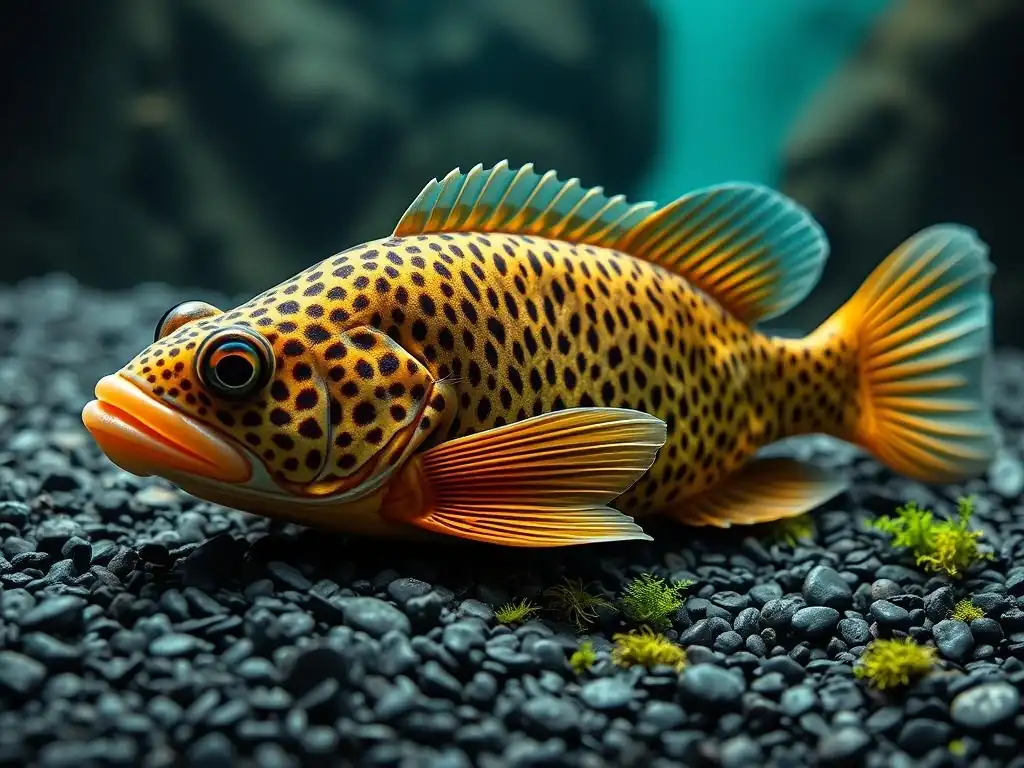
Once you've identified a reputable source, knowing what to look for in a healthy Gold Nugget Pleco is crucial before making a purchase. Observe the fish carefully in its tank for several minutes. A healthy Gold Nugget Pleco should be active and alert, even if it's resting in a hiding spot during the day. When disturbed, it should react and move. Its coloration should be vibrant and consistent with its specific L-number (L018, L081, L177), with clear, bright yellow or gold spots against a dark background. Dull or faded coloration can be a sign of stress or illness.
Physically, inspect the fish for any visible signs of disease or injury. Look for clear, bright eyes without cloudiness, and ensure the fins are intact, without any tears, rips, or signs of fin rot. The body should be full and rounded, not emaciated or bloated. Avoid fish with white spots (Ich), cottony growths (fungus), or any open sores. Observing its breathing is also important; gills should move rhythmically, not rapidly or labored. Taking the time to select a healthy specimen is the first and most critical step in successful Gold nugget pleco care.
Troubleshooting Common Gold Nugget Pleco Problems
Gold Nugget Pleco Not Eating: Potential Causes and Solutions
A Gold Nugget Pleco refusing to eat can be a concerning sign for any aquarist, as consistent feeding is crucial for their health. Several factors can contribute to a loss of appetite. One common cause is stress, often induced by poor water quality (e.g., high ammonia, nitrite, or nitrate levels), inappropriate tank mates, or a lack of adequate hiding places. For instance, a pleco kept in a tank with aggressive cichlids might be too intimidated to come out and feed.
Another significant factor is an unsuitable diet. If the pleco is only offered algae wafers, but it prefers blanched vegetables or needs more protein, it might ignore the food. To troubleshoot, first, test your water parameters immediately and perform a partial water change if necessary. Ensure the tank has plenty of driftwood and caves for security. Then, try offering a variety of foods, such as blanched zucchini, cucumber, or even a small piece of frozen bloodworm, during the evening when the lights are off. Persistence and variety are key to resolving this issue in Gold nugget pleco care.
Gold Nugget Pleco Hiding: Normal Behavior vs. Sign of Stress
Gold Nugget Plecos are naturally nocturnal and generally shy, so a certain amount of hiding during daylight hours is completely normal behavior. They will often seek out caves, driftwood, or dense plant cover to rest and feel secure during the day, emerging primarily at night to forage. Therefore, seeing your Gold Nugget Pleco tucked away for most of the day is usually not a cause for concern, provided they are active and feeding after dark.
However, excessive or constant hiding, even at night, or a reluctance to emerge for food, can indicate stress or illness. If your pleco is hiding more than usual, appears lethargic, or shows any physical signs of disease, it's a red flag. This could be due to poor water quality, bullying from tank mates, inadequate hiding spots, or an underlying health issue.
For example, if a pleco that normally emerges for food at dusk suddenly remains hidden for days, it warrants investigation into water parameters, tank mate compatibility, and overall tank conditions. Differentiating between normal behavior and signs of distress is a vital aspect of effective Gold nugget pleco care.
Gold Nugget Pleco Losing Color: Water Quality and Dietary Considerations
When a Gold Nugget Pleco begins to lose its vibrant yellow or gold coloration, becoming dull or faded, it is usually a strong indicator that something is amiss in its environment or diet. One of the most common culprits is poor water quality. Elevated levels of ammonia, nitrite, or nitrate can stress the fish significantly, leading to a muted appearance as a physiological response to adverse conditions. For example, if a pleco's spots appear washed out after a period of neglected water changes, immediate water testing and a partial water change are typically warranted.
Dietary deficiencies can also contribute to color loss. If the pleco is not receiving a varied and nutritious diet, it may lack the essential pigments and nutrients needed to maintain its striking coloration. A diet solely of algae wafers, without fresh vegetables or occasional protein, might be insufficient.
Stress from aggressive tank mates, inadequate hiding spots, or inappropriate lighting can also cause temporary color fading as a defensive mechanism. Addressing these factors—ensuring pristine water conditions, providing a balanced diet, and minimizing stress—are crucial steps in restoring and maintaining the dazzling dots of your Gold Nugget Pleco, a key aspect of comprehensive Gold nugget pleco care.
Gold Nugget Pleco: Final Thoughts on Keeping These Beautiful Fish
The Rewards of Providing Proper Gold Nugget Pleco Care
Providing proper Gold nugget pleco care is a rewarding endeavor that brings unique beauty and fascinating behavior to the freshwater aquarium. While these fish require specific attention to water parameters, tank setup, and diet, the effort is well worth it. A healthy Gold Nugget Pleco, with its striking black body adorned with brilliant gold spots, becomes a captivating centerpiece, constantly sifting through the substrate or grazing on driftwood.
Their longevity, often reaching 10-15 years with optimal conditions, means they can be a long-term companion in your aquatic journey. Witnessing their nocturnal foraging, their gentle movements, and their vibrant coloration under appropriate lighting truly enhances the aquarium experience. Successfully maintaining these sensitive and visually stunning fish demonstrates a high level of aquarist skill and dedication, making the Gold Nugget Pleco a true jewel for any committed hobbyist.
Frequently Asked Questions
What are the ideal water parameters for a Gold Nugget Pleco?
Gold Nugget Plecos thrive in warm, slightly acidic water. Aim for a temperature range of 73-82°F (23-28°C) and a pH between 6.0-7.5. Regular water changes are crucial for maintaining water quality.
What is the best diet for a Gold Nugget Pleco?
These plecos are primarily herbivores and detritivores. Offer a varied diet including algae wafers, blanched vegetables (zucchini, spinach), and occasional protein sources like bloodworms. Avoid overfeeding to prevent water quality issues.
How large does a Gold Nugget Pleco typically grow?
Gold Nugget Plecos typically reach a size of 4-6 inches (10-15 cm) in captivity. Ensure your aquarium is adequately sized to accommodate their adult size, a 30-gallon tank or larger is recommended.
What are some common health problems that affect Gold Nugget Plecos?
Common issues include ich (white spot disease), fungal infections, and bacterial infections. These are often triggered by poor water quality or stress. Quarantine new arrivals and maintain optimal tank conditions.
Are Gold Nugget Plecos compatible with other fish species?
Generally, Gold Nugget Plecos are peaceful and compatible with other non-aggressive fish. Avoid keeping them with overly aggressive or territorial tank mates that may outcompete them for food or harass them. Monitor interactions closely.
Final Reflection: The Enduring Allure of the Gold Nugget Pleco
The journey of understanding and caring for the Gold Nugget Pleco, as we've explored, is more than just mastering aquarium parameters; it's about appreciating the delicate balance of an ecosystem within our own homes. The increasing popularity of these dazzling fish underscores a growing desire to connect with the natural world, even in urban environments, and highlights the responsibility we bear as custodians of these unique creatures.
This fascination with the Gold Nugget Pleco reflects a deeper trend: our increasing awareness of biodiversity and the importance of responsible pet ownership. My own experience observing these fish has instilled a profound respect for their resilience and the intricate web of life they represent. In the end, we will conserve only what we love; we will love only what we understand; and we will understand only what we are taught.
- Baba Dioum. This quote perfectly encapsulates the essence of responsible aquarism – a journey of learning, appreciation, and ultimately, conservation.
As you embark on, or continue, your journey with the Gold Nugget Pleco, remember that each action, from water changes to dietary choices, impacts their well-being. Let this knowledge inspire you to become not just a keeper, but a true guardian of these remarkable fish. Let the dazzling dots of the Gold Nugget Pleco remind you of the beauty and fragility of the natural world, and empower you to contribute to its preservation, one aquarium at a time.
Unleash the Golden Potential of Your Aquarium!
Thank you for diving into the fascinating world of Gold Nugget Plecos! We hope you've discovered some dazzling insights into keeping these spotted beauties thriving in your aquarium. Now, it's time to put that knowledge into action!
Here's how to make your aquarium a Gold Nugget Pleco paradise:
- Take the plunge and aquascape a dedicated hiding spot using driftwood and rocks. This will mimic their natural habitat and reduce stress.
- Share your newfound knowledge! Post a picture of your Gold Nugget Pleco setup on social media and tag #AquariumMastery to inspire other aquarists.
- Consider introducing leaf litter to your tank! This provides a natural food source and replicates the pleco's native environment.
What's one small change you'll make to your aquarium today to better cater to the needs of your Gold Nugget Pleco?