
Observing Feeding Behavior: What Your Fish Are Telling You at Mealtime

Welcome to Aquarium Mastery!
Ever wondered what your fish are really trying to tell you at mealtime? Dive in and unlock the secrets hidden within their fish feeding behavior patterns. We'll guide you through understanding these fascinating cues, helping you ensure a healthy and thriving aquarium. Get ready to observe, learn, and become a true aquarium master!
- Understanding Fish Feeding Behavior Patterns in Aquariums
- Decoding Common Fish Feeding Behavior: A Guide
- Identifying Abnormal Fish Feeding Behavior
- Factors Affecting Fish Feeding Habits in Aquariums
- Troubleshooting Feeding Problems: Practical Tips
- Recognizing Signs of Overfeeding and Underfeeding
- Utilizing Fish Feeding Behavior Patterns for Early Problem Detection
- Advanced Observation: Understanding Species-Specific Feeding Behaviors
- Conclusion: Mastering the Art of Observing Fish Feeding Behavior for a Healthy Aquarium
-
Frequently Asked Questions
- How does observing fish feeding behavior help me manage my aquarium?
- What are some common feeding behaviors I should be aware of in my freshwater aquarium?
- If my fish are suddenly refusing food, what could be the potential causes?
- How can I ensure that all my fish get their share of food, especially in a community tank?
- What role does feeding behavior play in preventing aggression among fish?
- Final Reflection: Decoding the Language of the Aquarium
- Dive Deeper: Unlock Your Fish's Secrets!
Understanding Fish Feeding Behavior Patterns in Aquariums
Why Observe Your Fish's Feeding Habits?
Observing your fish's feeding habits is one of the most fundamental and effective diagnostic tools available to an aquarist. Changes in fish feeding behavior patterns are often the very first visible indicators of stress, an impending illness, or unsuitable environmental conditions within the aquarium. By paying close attention during mealtime, you can detect subtle deviations from the norm, allowing for early intervention before minor issues escalate into significant problems that are harder to resolve.
This consistent monitoring directly links to the overall well-being and longevity of your aquatic inhabitants. For instance, a sudden loss of appetite in a normally active fish, or conversely, an unusual surge in aggressive eating, can both signal underlying issues. Proactive observation of fish feeding behavior patterns not only helps in preventing disease outbreaks but also saves considerable time and resources by addressing problems when they are most manageable.
The Importance of Recognizing Normal Feeding Behavior
Recognizing "normal" feeding behavior is the baseline against which all deviations are measured, and this normality varies significantly by species. For example, a healthy adult guppy typically consumes flake food rapidly from the surface, while a mature pleco will graze slowly on an algae wafer at the bottom of the tank, often for several hours. Understanding these species-specific fish feeding behavior patterns is crucial because what is normal for one fish might be a red flag for another.
Knowing this baseline allows you to quickly identify when something is amiss. If a normally robust and eager cichlid suddenly ignores food for two consecutive days, it immediately signals a potential problem. Conversely, observing a nocturnal catfish that appears inactive during daytime feedings but shows signs of active foraging at night confirms its normal behavior. This foundational knowledge of expected fish feeding behavior patterns is indispensable for accurate interpretation and timely action.
Connecting Feeding Behavior to Overall Fish Health
There is a direct and often immediate correlation between a fish's feeding behavior and its overall health. A poor or absent appetite frequently indicates internal parasites, bacterial infections, or critically, poor water quality—for instance, elevated ammonia levels exceeding 0.5 ppm or nitrite levels above 0.25 ppm. Conversely, a robust and consistent appetite is generally a strong indicator of good health, a strong immune system, and a thriving aquarium environment.
Specific fish feeding behavior patterns can offer even more granular insights into a fish's physiological state. Rapid gill movement or gasping during feeding might suggest oxygen deprivation or the presence of gill flukes. Repeatedly taking food into the mouth only to spit it out could point to digestive issues, mouth infections, or even simply a food item that is too large for the fish. These subtle cues, when observed keenly, provide critical diagnostic information, enabling aquarists to address health concerns effectively.
Decoding Common Fish Feeding Behavior: A Guide
Eager Eating: A Sign of Good Health?
Generally, eager eating is indeed a strong sign of good health. Healthy fish typically dart quickly for food, showing a strong appetite and robust metabolism. This behavior often indicates optimal water quality, with stable parameters such as a pH between 6.5-7.5 for most community fish and consistently zero ammonia and nitrite levels. It also suggests that the fish are receiving a suitable and nutritious diet that meets their energy requirements.
However, it's important to note that excessively aggressive or frantic eating can sometimes be a cautionary signal. In some cases, it might indicate underfeeding, where fish are constantly hungry, or high competition within the tank. For example, in a community tank with 10 fish, if only 2-3 are consistently consuming the majority of the food due to their speed, other, slower individuals might be underfed despite the overall impression of eagerness. It's about balanced eagerness, not an uncontrolled frenzy, that truly signifies well-being.
Hesitant Feeding: Potential Causes and Solutions
Hesitant feeding describes behavior where fish approach food, nibble tentatively, or take small bites very slowly, sometimes even backing away. Common causes for this fish feeding behavior pattern include stress from a new environment (e.g., new tank syndrome), slight fluctuations in water parameters (such as a sudden temperature drop of 2-3°F), or intimidation by larger or more aggressive tank mates. It can also be a sign that the food offered is unfamiliar or unpalatable to them.
Solutions for hesitant feeding should begin with an immediate check of all water parameters to rule out environmental stress. Offering a different type of food, such as live brine shrimp or frozen bloodworms instead of dry flakes, can often stimulate a hesitant appetite. Ensuring adequate hiding spots for shy fish can reduce stress. If a new fish exhibits hesitation for more than 24-48 hours, it's advisable to re-evaluate its environment, diet, or consider isolating it to a less stressful setup if possible.
Aggressive Feeding: Identifying Dominance and Competition
Aggressive feeding is characterized by fish hogging the food, chasing away tank mates, or consuming food at an unusually rapid pace, often to prevent others from getting any. This fish feeding behavior pattern is common among dominant species or individuals within a community tank. For instance, a male Betta fish might aggressively guard a sinking pellet from smaller schooling fish, or a large cichlid will actively outcompete and intimidate other inhabitants during mealtime.
This behavior, if unchecked, can lead to the chronic underfeeding of subordinate fish, increased stress levels for the entire tank, and potential physical harm through fin nipping or outright aggression. Strategies to mitigate aggressive feeding include spreading food widely across the tank, using multiple feeding spots, or target feeding shyer fish with a pipette. In severe cases, where aggression significantly impacts the well-being of other fish, it may become necessary to remove the most aggressive feeder to ensure all fish receive adequate nutrition.
Bottom Feeding: What It Means for Your Fish and Tank
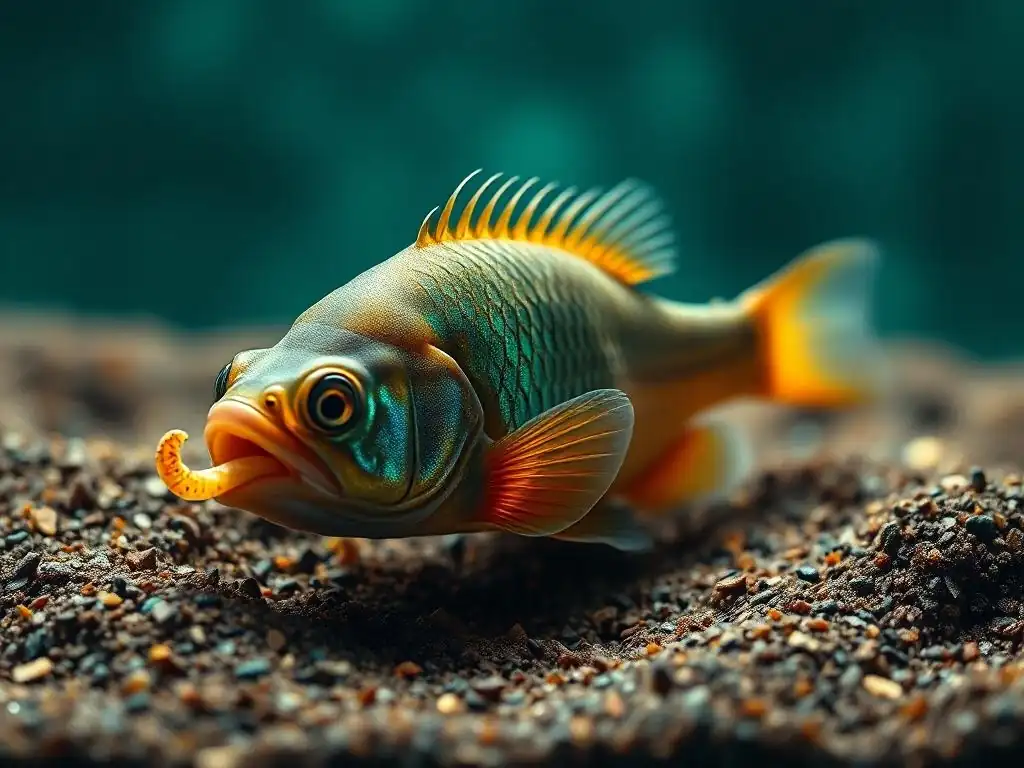
Many aquarium species are natural bottom feeders, including popular choices like Corydoras catfish, Plecos, and various loaches. Their characteristic fish feeding behavior patterns involve actively foraging for detritus, algae, and sinking food items on the substrate. This behavior is incredibly beneficial for overall tank hygiene, as these fish consume uneaten food that would otherwise decay and contribute to poor water quality.
For aquarists, observing bottom feeding means ensuring that sinking foods are consistently provided, as these species often cannot compete for flakes or pellets floating at the surface. It's also crucial to monitor if they are receiving enough food, especially in community tanks where faster, surface-dwelling fish might consume everything before it reaches the bottom. For example, a typical group of 6 adult Corydoras catfish might require 1-2 sinking tablets daily, depending on their size and the overall bio-load of the tank, to maintain their health and activity.
Surface Feeding: Is It Normal or a Cause for Concern?
For many popular aquarium fish, such as guppies, mollies, platies, and Betta fish, surface feeding is entirely normal and expected. These species are naturally adapted to consume flakes, floating pellets, or live foods from the water's surface. Observing them actively and eagerly taking food from the top layer of the water is typically a good sign of their health and comfort in their environment.
However, surface feeding can become a cause for concern if normally mid-water or bottom-dwelling fish are constantly at the surface, gasping for air. This fish feeding behavior pattern strongly indicates low oxygen levels in the water (which can be caused by high water temperature, overstocking, or insufficient aeration) or high levels of toxic compounds like ammonia or nitrite. In such cases, it is a critical sign requiring immediate water parameter testing and corrective action to prevent severe health issues or even fatalities.
Identifying Abnormal Fish Feeding Behavior
Refusal to Eat: Possible Illnesses and Environmental Stressors
A complete refusal to eat for more than 24-48 hours is one of the most serious red flags in fish keeping. This fish feeding behavior pattern can stem from a wide array of issues, ranging from internal parasites and bacterial infections (such as Dropsy or Columnaris) to severe environmental stress. For example, a drastic temperature swing of 5°F or more within a short period can significantly shock a fish's system, causing it to completely lose its appetite.
Other significant environmental stressors include sudden changes in tank setup, the introduction of overly aggressive tank mates, or critically, toxic water parameters. Elevated levels of ammonia (above 0 ppm), nitrite (above 0 ppm), or even high nitrates (above 40 ppm) can make fish too sick to eat. Observing this persistent refusal to eat necessitates an immediate and thorough investigation of both the fish's physical condition and the aquarium's overall environment.
Recognizing the Signs of Disease Through Feeding Habits
Specific diseases often manifest in distinct fish feeding behavior patterns. Fish suffering from internal parasites might eat consistently but show no weight gain, a phenomenon known as wasting disease, or they might expel white, stringy feces. Those with swim bladder issues may struggle to maintain buoyancy and thus find it difficult to reach food, whether at the surface or bottom.
External parasites like Ich (visible as white spots) or Velvet (a fine, gold-dust coating) can cause significant irritation, leading to lethargy and a complete loss of appetite as fish become too uncomfortable to feed, often attempting to "flash" against objects to relieve itching. A fish that typically eats vigorously but suddenly ignores food, coupled with clamped fins or labored breathing, is highly indicative of a systemic bacterial or viral infection, requiring prompt diagnosis and treatment.
The Role of Water Quality in Appetite
Poor water quality is arguably the most common and often overlooked cause of appetite loss in aquarium fish. Elevated ammonia and nitrite are direct toxins that damage gills and internal organs, rendering fish too sick or stressed to eat. Even high nitrate levels, while less acutely toxic, can cause chronic stress and suppress a fish's appetite over time, leading to a gradual decline in health.
Maintaining proper water parameters – specifically, a stable pH, consistent temperature within the species' ideal range, zero ammonia, zero nitrite, and nitrates below 20 ppm – is foundational for a healthy appetite and robust fish feeding behavior patterns. Regular partial water changes, such as a 25% weekly change, are crucial for diluting pollutants and replenishing essential minerals, thereby significantly contributing to optimal conditions that encourage consistent feeding.
Erratic Swimming During Feeding: Neurological Issues or Parasites?
If a fish exhibits erratic swimming patterns specifically around feeding time—such as darting aimlessly, spiraling, swimming upside down, or losing balance—it could indicate more serious underlying issues. These behaviors might point towards neurological damage, severe internal parasites affecting the brain or central nervous system, or advanced stages of certain bacterial or viral infections that impact coordination.
While less common than simple appetite loss, this specific fish feeding behavior pattern demands immediate and serious attention. It could also be a sign of poisoning from heavy metals or adverse reactions to certain medications in the water. It is crucial to observe for other accompanying symptoms like general listlessness, tremors, disorientation throughout the day, or visible lesions, as these can help narrow down the potential cause and guide appropriate intervention.
Spitting Out Food: Taste Preferences vs. Underlying Health Problems
Fish spitting out food can sometimes be a normal behavior, particularly if the food item is too large for them to swallow easily, or if they simply dislike the taste or texture of a new food type. For instance, a small neon tetra might attempt to consume a large flake and then expel it because it's physically too big. Introducing a new brand or type of pellet might also result in initial rejection as fish adjust.
However, persistent spitting out of appropriately sized food, especially if accompanied by signs of weight loss, a sunken belly, or visible discomfort, is a strong indicator of underlying health problems. These could include internal blockages, digestive issues, mouth infections, or even severe stress. It is a critical fish feeding behavior pattern to distinguish between a picky eater and a genuine medical problem. Offering a variety of foods, including live or frozen options, can help rule out simple taste preferences first.
Factors Affecting Fish Feeding Habits in Aquariums
Water Quality and Its Impact on Appetite
Water quality is paramount and directly influences a fish's appetite and overall metabolic functions. Optimal parameters, such as a stable temperature within the species' preferred range (e.g., 75-80°F for most tropical community fish) and consistent pH levels, ensure that a fish's immune system and digestion are functioning efficiently. Suboptimal or fluctuating conditions, conversely, lead to chronic stress and a significantly reduced desire to eat.
Furthermore, the presence of even trace amounts of pollutants like chlorine or chloramines (from untreated tap water) or heavy metals can irritate a fish's gills and digestive tract, severely impacting fish feeding behavior patterns. Regular water testing (ideally weekly tests for ammonia, nitrite, nitrate, and pH) coupled with appropriate and timely partial water changes are absolutely paramount for maintaining the pristine conditions necessary for a healthy appetite and thriving aquatic life.
In a community aquarium, the dynamics between tank mates and the established social hierarchy profoundly influence individual fish feeding behavior patterns. Dominant fish often monopolize food, consuming the majority of it rapidly and leaving insufficient portions for subordinates. This is particularly evident in tanks housing a mix of aggressive and peaceful species, where a large, fast-moving Oscar cichlid might consume 90% of the food before smaller, slower tetras even get a chance.
Strategies to mitigate this include feeding multiple types of food simultaneously (e.g., sinking pellets for bottom dwellers and flakes for surface feeders) or utilizing multiple feeding points spread across the tank. Overcrowding, where the "personal space" per fish drops significantly below the recommended 1 gallon per inch of adult fish, also exacerbates competition and stress, leading to suppressed appetites and increased aggression among tank mates, thereby negatively impacting overall fish feeding behavior patterns.
Influence of Lighting and Time of Day
The lighting schedule and time of day play a significant role in influencing fish feeding behavior patterns. Most diurnal (day-active) fish, which constitute the majority of popular aquarium species, feed most actively during daylight hours, often shortly after the aquarium lights come on. Conversely, nocturnal fish, such as many species of catfish and loaches, are best fed after the lights have been turned off, as they are more active, less stressed, and more likely to forage in darkness.
Inconsistent or erratic lighting schedules, such as lights being on for only 4 hours, then off for 2, and then on again, can severely disrupt a fish's natural circadian rhythm and metabolism, leading to reduced appetite and stress. Maintaining a consistent photoperiod, typically 8-10 hours for most community tanks, helps regulate their internal clock, promotes natural activity cycles, and encourages consistent, healthy fish feeding behavior patterns.
Food Quality and Variety: Meeting Nutritional Needs
The nutritional quality and palatability of the food offered are absolutely critical for maintaining healthy fish feeding behavior patterns and overall well-being. Low-quality flakes or pellets, which may contain excessive fillers or insufficient essential nutrients, can lead to dietary deficiencies, stunted growth, and a gradual reduction in appetite over time. High-quality foods, conversely, are formulated with balanced proteins, essential vitamins, minerals, and fats specific to different fish types.
Offering a varied diet is equally important; it ensures a complete nutritional profile and prevents "food boredom" or nutritional gaps. Incorporating a mix of flakes, pellets, frozen foods (like brine shrimp or bloodworms), and spirulina wafers caters to diverse dietary needs and preferences. For instance, feeding only dry flakes to a carnivorous cichlid will eventually lead to nutritional deficiencies, impacting its fish feeding behavior patterns, growth, and long-term health.
Troubleshooting Feeding Problems: Practical Tips
Adjusting Feeding Schedules and Amounts
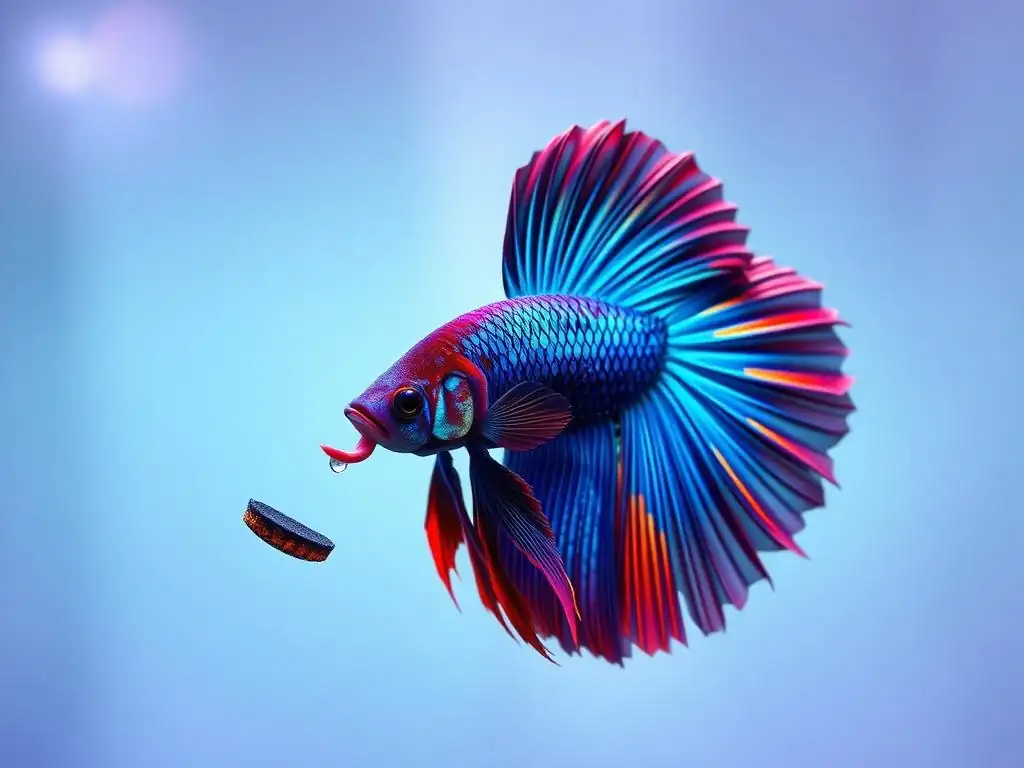
Overfeeding is a prevalent mistake in fishkeeping, leading to rapid water quality degradation due to decaying uneaten food and potential health issues for the fish. Conversely, underfeeding can result in malnutrition, stunted growth, and increased aggression among tank mates due to food competition. A good starting point is to feed small amounts 1-2 times a day, only what your fish can consume entirely within 2-3 minutes. For example, a 20-gallon community tank with 10 small fish might only require a pinch (approximately 0.1-0.2 grams) of flake food per feeding.
If fish are still actively searching for food after 3 minutes, slightly increase the amount during the next feeding. If, however, food remains uneaten after 5 minutes, reduce the quantity. Observing fish feeding behavior patterns during these adjustments helps fine-tune the ideal portion size. Consistency in feeding schedules also helps fish anticipate mealtime, which can reduce stress and encourage more consistent feeding.
Improving Water Quality for Better Appetite
When poor water quality is suspected as the cause of reduced appetite, the most immediate and impactful solution is a partial water change, typically 25-50% of the tank volume. This action rapidly dilutes harmful toxins such as ammonia and nitrite, providing immediate relief to stressed fish. Always use a reliable liquid-based test kit (not test strips) to confirm water parameters before and after the water change, ensuring the problem has been effectively addressed.
Beyond emergency measures, ensuring proper filtration, adequate aeration (e.g., through an air stone or well-placed filter output), and consistent tank maintenance (such as regular gravel vacuuming and filter media cleaning) are crucial for preventing future water quality degradation. Incorporating live plants can also significantly help by absorbing nitrates, contributing to a healthier and more stable environment that encourages robust fish feeding behavior patterns.
Treating Potential Diseases Affecting Feeding
If water quality is optimal and fish feeding behavior patterns remain problematic, suspect a disease. The first step, if feasible, is to isolate the affected fish in a separate quarantine or hospital tank to prevent the spread of illness and facilitate targeted treatment. Research common fish diseases and their specific symptoms (e.g., white spots for Ich, bloating for Dropsy, frayed fins for fin rot) to aid in accurate diagnosis.
Administer appropriate medications strictly following the manufacturer's instructions, paying close attention to dosage and duration. For instance, a common Ich treatment might involve gradually raising the tank temperature to 82°F alongside using a copper-based medication for 7-10 days. Always remember to remove activated carbon from filters during medication, as it can absorb the treatment. Consulting an aquatic veterinarian or a highly experienced aquarist can provide invaluable guidance for precise diagnosis and effective treatment plans.
Separating Aggressive Feeders
In community tanks where one or two fish consistently outcompete, bully, or prevent others from accessing food, temporary separation might be necessary. Utilizing a breeder box within the main tank or setting up a dedicated quarantine tank can allow less dominant or shyer fish to eat in peace without competition or stress. This temporary measure ensures that all fish receive adequate nutrition.
For long-term solutions, re-evaluating the tank stocking to ensure compatible species are housed together is crucial. If tank space allows, upgrading to a larger aquarium can significantly reduce territorial disputes and competition for food. If a fish's aggressive fish feeding behavior patterns are a persistent and unmanageable problem, even after trying various mitigation strategies, finding it a new, more suitable home might be the best option for the well-being of the entire community.
Recognizing Signs of Overfeeding and Underfeeding
The Dangers of Overfeeding: Water Quality and Fish Health
Overfeeding is arguably the most common mistake made by aquarists and is a primary catalyst for poor water quality. Uneaten food rapidly decays in the tank, leading to a dangerous spike in ammonia and nitrite, followed by an accumulation of nitrates, which causes cloudy water, unsightly algae blooms, and toxic conditions. For instance, in a 30-gallon tank, overfeeding by just 0.5 grams daily can cause ammonia levels to rise from 0 ppm to 0.25 ppm within 48 hours.
Beyond water quality, overfeeding severely impacts fish health directly. It can lead to digestive issues such as bloat, fatty liver disease, and a compromised immune system, making fish far more susceptible to secondary infections. Overfed fish may also exhibit lethargy or a reluctance to eat during subsequent feedings despite appearing well-fed, a subtle but important fish feeding behavior pattern that indicates digestive distress.
Identifying Underfeeding: Physical Signs and Behavioral Changes
Underfed fish often display clear physical signs that indicate a lack of sufficient nutrition. They may appear noticeably thin, with sunken bellies, pinched faces, or visible spines (particularly noticeable in slender species like tetras). Their colors may appear dull or faded, and their overall growth can be significantly stunted compared to well-fed counterparts of the same age.
Behavioral signs of underfeeding include constant scavenging along the substrate or tank decorations, an incessant "begging" for food at the surface, increased aggression towards tank mates (often due to heightened food competition), or unusual lethargy. If an entire community tank constantly appears hungry even shortly after a feeding, it strongly suggests that insufficient portions are being provided. Observing these fish feeding behavior patterns is crucial for making timely adjustments to their diet.
Adjusting Feeding Strategies for Optimal Health
The key to optimal fish health lies in finding the "sweet spot" for feeding each specific aquarium. A good starting point is the "2-3 minute rule"—feeding only what your fish can consume completely within that timeframe. This rule should then be adjusted based on consistent observation of their fish feeding behavior patterns and physical condition. For fish with specific dietary needs, such as shy bottom feeders, consider target feeding with a pipette or using feeding rings to contain food for specific species.
Incorporating fasting days, such as one day a week without food, is beneficial for most adult fish. This practice aids in digestion, prevents overfeeding, and closely mimics natural feeding cycles found in the wild. This strategic fasting promotes overall digestive health and contributes to more robust and natural fish feeding behavior patterns, ensuring your fish remain lean, active, and healthy.
Utilizing Fish Feeding Behavior Patterns for Early Problem Detection
Monitoring Feeding Habits as a Preventative Measure
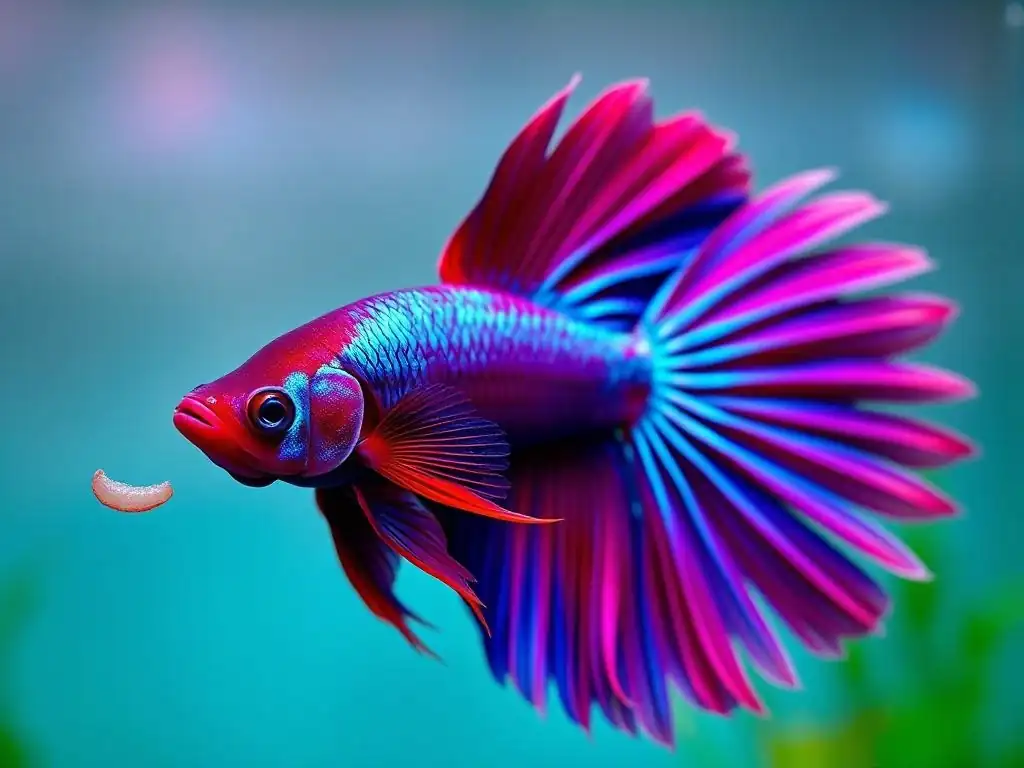
Daily observation of fish feeding behavior patterns is arguably the most straightforward yet powerful preventative measure an aquarist can employ. This consistent attention allows you to catch subtle changes in appetite, enthusiasm, or interaction during mealtime before they escalate into full-blown health crises. For instance, if a normally voracious gourami suddenly takes 5 minutes to approach and consume food, it immediately warrants closer inspection of the fish and its environment.
This proactive approach can significantly reduce fish mortality rates, potentially by as much as 20-30% in well-maintained aquariums, compared to setups where feeding is merely a routine task without watchful observation. Early detection of issues like the onset of fin rot, which might initially manifest as lethargy and a reduced appetite, means quicker treatment and substantially improved chances of recovery for the affected fish.
Linking Feeding Behavior to Specific Health Issues
Establishing a mental or written checklist linking specific fish feeding behavior patterns to potential health issues can greatly enhance your diagnostic capabilities. For example:
- Refusal to eat combined with clamped fins and labored breathing strongly suggests a systemic infection or severe water quality problem.
- Eating but consistently losing weight, accompanied by white, stringy feces is a classic sign of internal parasites.
- Hesitant eating coupled with constant hiding often indicates stress from a new environment, bullying by tank mates, or minor fluctuations in water parameters.
This direct correlation allows for far more targeted and effective interventions. If fish feeding behavior patterns point towards internal parasites, a deworming treatment can be initiated promptly, often before external symptoms become severe, thereby significantly improving the chances of a successful recovery and preventing the spread of the issue to other tank inhabitants.
Creating a Feeding Log for Tracking Changes
A simple logbook or digital spreadsheet can be an invaluable tool for tracking fish feeding behavior patterns, especially for larger or more complex aquarium setups. Regularly record key details such as the date, time of feeding, specific food type offered, the amount given, and any notable observations about individual fish or the entire group's feeding behavior.
Example log entry: "October 26, 7 PM, Flakes (0.5g). All active and ate well, except male Guppy #3, which stayed near the heater and ignored food. Water test: Ammonia 0 ppm, Nitrite 0 ppm, Nitrate 15 ppm." Over time, this detailed log provides a historical record, enabling you to identify subtle trends, recurring issues, or the onset of problems that might otherwise be missed. This data-driven approach significantly enhances your ability to maintain a healthy and thriving aquarium.
Advanced Observation: Understanding Species-Specific Feeding Behaviors
Corydoras catfish are quintessential bottom-dwelling scavengers, and their fish feeding behavior patterns are distinct. They actively sift through the substrate with their sensitive barbels, meticulously searching for sinking food, detritus, and small invertebrates. They are typically most active when the aquarium lights are dim or completely off, mimicking their natural nocturnal or crepuscular foraging habits. A healthy group of 6-8 Corydoras will actively "hoover" the tank bottom, ensuring very little uneaten food decays.
Beyond their individual foraging, Corydoras are schooling fish, and their social dynamics are evident during feeding. If one or two individuals are consistently seen eating alone, appear less active, or are visibly thinner than the rest of the group during feeding times, it could signal stress, bullying, or an underlying illness. Ensuring they have access to appropriately sized sinking pellets or wafers is crucial, as they rarely feed from the water's surface. A 1-inch Corydoras typically needs about half a sinking tablet daily when part of a thriving group.
Observing Feeding in Tetras: Schooling Behavior and Food Competition
Most species of Tetras, such as Neon Tetras, Cardinal Tetras, and Black Skirt Tetras, are classic mid-water schooling fish. Their fish feeding behavior patterns are characterized by darting quickly for flakes or small pellets, often moving as a cohesive, synchronized group. This schooling behavior provides a sense of safety in numbers, even during the potentially vulnerable act of feeding in an open water column.
Despite their schooling nature, individual Tetras can still be outcompeted by larger, faster, or more aggressive tank mates. It's important to observe if all members of the school are getting enough food. If some individuals appear noticeably thinner or are less active and hesitant during feeding, consider spreading the food widely across the surface or using a slightly higher quantity of smaller particles to ensure a more equitable distribution. For instance, a group of 10 Neon Tetras in a 20-gallon tank usually consumes a small pinch of fine flakes in under 2 minutes.
Observing Feeding in Betta Fish: Surface Feeding and Predatory Instincts
Betta fish are primarily surface feeders with a strong, inherent predatory instinct, making them prefer high-protein pellets or live/frozen foods such as bloodworms and brine shrimp. Their fish feeding behavior patterns typically involve a deliberate, almost investigative approach to food, often inspecting it carefully before consuming. They are known for their somewhat finicky eating habits, sometimes rejecting certain food types.
Unique traits of Betta feeding include their individualistic nature. A healthy Betta will typically eat 2-3 high-quality pellets twice a day. A persistent refusal to eat, especially if accompanied by clamped fins, lethargy, or faded colors, is a significant sign of stress or illness in Bettas. Their natural territorial instinct can also lead to aggression during feeding if other fish are present in the tank, so observing for this specific fish feeding behavior pattern is crucial in community setups.
Conclusion: Mastering the Art of Observing Fish Feeding Behavior for a Healthy Aquarium
Observing fish feeding behavior patterns is far more than a mere routine chore; it is an indispensable diagnostic tool that offers profound and immediate insights into the health, well-being, and environmental comfort of your aquarium inhabitants. By diligently monitoring these habits, aquarists are empowered to be proactive rather than reactive, catching subtle changes that signify underlying issues before they escalate into critical problems.
Mastering this art requires consistent attention and a deep understanding of species-specific needs. By continuously learning and interpreting the subtle cues in your fish's feeding habits—from the eager dart of a guppy to the meticulous sifting of a corydoras—you can maintain optimal tank conditions, prevent diseases, and ensure your aquatic pets not only survive but truly thrive. This meticulous approach to observing fish feeding behavior patterns is the hallmark of a truly masterful aquarist and leads to a healthier, more vibrant aquarium experience.
Frequently Asked Questions
How does observing fish feeding behavior help me manage my aquarium?
By carefully watching how your fish eat, you can identify potential problems early, such as illness or bullying, and adjust your feeding strategies to ensure all fish get enough food. This can lead to a healthier and more balanced aquarium environment.
What are some common feeding behaviors I should be aware of in my freshwater aquarium?
Look for behaviors like enthusiastic feeding, slow feeding, surface feeding, and bottom feeding. Deviations from their normal feeding patterns can indicate a problem. Also note the species and the level of the tank that the species prefers to feed in.
If my fish are suddenly refusing food, what could be the potential causes?
Possible reasons include stress, poor water quality, or illness. Check your water parameters immediately and observe your fish for other symptoms like lethargy or fin rot.
Use a variety of feeding techniques, such as sinking pellets for bottom feeders and floating flakes for surface feeders. You can also target feed shy fish with a turkey baster or feeding tube to ensure they get enough.
What role does feeding behavior play in preventing aggression among fish?
Consistent and adequate feeding can reduce competition for food, which can minimize aggression. Ensuring that all fish are well-fed helps to maintain a peaceful and stable aquarium environment.
Final Reflection: Decoding the Language of the Aquarium
The insights into fish feeding behavior patterns presented throughout this article are not merely academic observations; they are vital tools for responsible and compassionate fishkeeping in today's world. Understanding these subtle cues allows us to move beyond simply providing sustenance and instead, actively participate in the well-being of our aquatic companions, ensuring their health and happiness within the artificial ecosystems we create.
This journey into the nuances of fish feeding has profoundly shaped my own perspective on aquarium keeping, highlighting the interconnectedness of observation, understanding, and responsible action. Recognizing the individual personalities and needs of each fish through their feeding habits transforms the act of feeding from a chore into a meaningful interaction. The eye of the master will do more work than both his hands,
as Benjamin Franklin wisely stated, reminding us that attentive observation is often the most powerful tool at our disposal.
Now, as you observe your own aquatic community at mealtime, I encourage you to become a keen interpreter of their individual feeding behaviors. Let the knowledge gained here empower you to create a more enriching and supportive environment for your fish. By paying close attention to their unique patterns, you can unlock a deeper understanding of their needs and, in turn, cultivate a more harmonious and thriving aquarium.
Dive Deeper: Unlock Your Fish's Secrets!
Thanks for exploring the fascinating world of fish feeding with us! We hope you’ve gained valuable insights into understanding your finned friends better. Now it's time to put that knowledge to work!
Here are a few actionable steps you can take right away:
- Conduct a dedicated 5-minute observation session during each feeding to document any changes in your fish's behavior and adjust your feeding strategy accordingly. This is your primary mission!
- Share this article with fellow aquarium enthusiasts and spark a conversation about their feeding techniques and observations.
- Try a 'mystery food' day where you introduce a new, safe food type and meticulously record your fish’s reactions – who knows what hidden preferences you might uncover!
What's the first subtle feeding cue you'll be looking for in your aquarium today?