
Nutrient Control: The Secret Weapon Against Persistent Algae Blooms

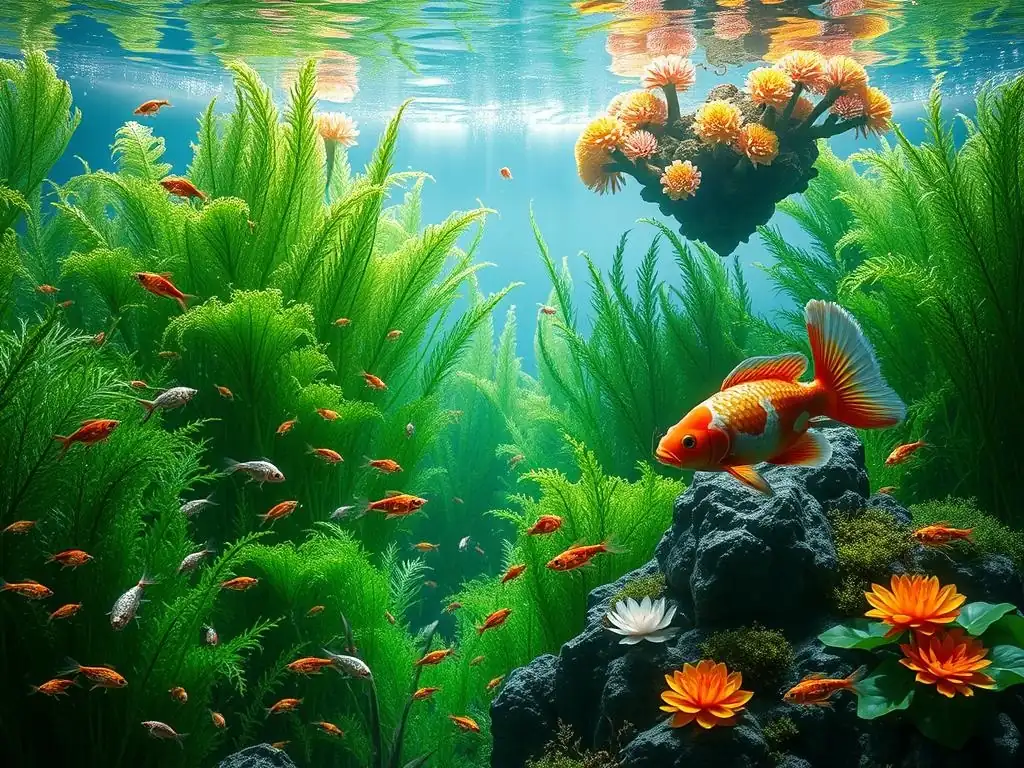
Welcome to Aquarium Mastery!
Are you tired of battling persistent green clouds in your aquarium? Discover the secret weapon against algae blooms in our expert guide. This isn't just another quick fix; we're diving deep into nutrient control – the key to a thriving, crystal-clear aquatic ecosystem. Ready to say goodbye to unsightly algae and hello to a vibrant, healthy tank? Let's get started!
- Nutrient Control: The Key to a Clear Aquarium
- Understanding Algae Growth in Aquariums
- Nutrient Management for Algae Prevention
- Practical Nutrient Management Techniques
- Advanced Algae Control Methods
- Troubleshooting Persistent Algae Issues
- Long-Term Aquarium Ecosystem Management
- A Clear and Healthy Aquarium Through Nutrient Control
-
Frequently Asked Questions
- How do nutrient levels contribute to algae blooms in aquariums?
- What are some practical algae bloom control tips I can implement immediately?
- What role does light intensity and duration play in algae growth?
- How important is proper filtration for preventing algae blooms?
- Besides chemical treatments, what are some natural algae control methods I can use?
- Final Reflection: Cultivating Clarity
- Master Your Tank: Take Action Against Algae!
Nutrient Control: The Key to a Clear Aquarium
Understanding Algae Growth in Aquariums
Causes of Algae Growth in Freshwater and Saltwater Aquariums
Algae proliferation in both freshwater and saltwater aquariums stems primarily from an imbalance in environmental conditions, with excess nutrients and light being the most significant culprits. In freshwater setups, overfeeding is a common trigger, as uneaten food breaks down into ammonia, then nitrites, and finally nitrates, while also releasing phosphates. Decaying plant matter, fish waste, and even tap water laden with phosphates or nitrates can contribute significantly to this nutrient overload. For instance, municipal tap water in some regions can contain nitrate levels exceeding 10 ppm, which, when used for water changes, directly feeds algae.
In saltwater aquariums, the sources are similar but can also include leaching from certain rock types, inadequate curing of live rock, or the use of low-quality salt mixes. Phosphates, in particular, are notorious in reef tanks; they can be introduced through fish food, supplements, or even from the breakdown of detritus. Whether it's a 20-gallon nano tank or a 100-gallon reef system, the fundamental principle remains: algae thrives when its essential building blocks—nutrients and light—are readily available in disproportionate amounts to the tank's other inhabitants like plants or corals.
The Impact of Nutrients on Algae Development
Nutrients, specifically nitrates (NO3) and phosphates (PO4), act as the primary fuel for algae growth. Algae are opportunistic organisms that can rapidly absorb and utilize these compounds from the water column, often outcompeting beneficial bacteria, plants, and corals for their uptake. When nutrient levels surge, algae experience a growth spurt, leading to visible blooms that can quickly cover surfaces, impede light penetration, and diminish the aesthetic appeal of the aquarium. This uncontrolled growth is what aquarists aim to prevent through effective algae bloom control tips.
The threshold for nutrient-induced algae growth varies by aquarium type. In sensitive reef aquariums, phosphate levels as low as 0.03 ppm can trigger outbreaks of nuisance algae like bryopsis or cyano, while nitrates above 5 ppm might also pose issues. Freshwater planted tanks, on the other hand, often tolerate higher nitrate levels (up to 20 ppm or more) because plants actively consume them. However, even in planted tanks, phosphates exceeding 0.1 ppm can lead to green spot algae, indicating that even seemingly tolerable levels can support specific algae types if other factors are out of balance.
Common Algae Types and Their Nutrient Needs
Aquarists encounter a variety of algae types, each with slightly different nutrient preferences and growth patterns. Green Spot Algae (GSA) often appears as small, hard green dots on glass and slow-growing plant leaves, frequently indicating low phosphate levels in planted tanks or high light intensity. Green Hair Algae (GHA) forms long, stringy strands and typically thrives in tanks with excess nitrates and phosphates, often coupled with inconsistent CO2 or light.
Diatoms, commonly known as brown algae, are prevalent in new tanks as they utilize silicates present in tap water or substrate during the cycling phase, but can also indicate excess dissolved organics. Cyanobacteria, or blue-green algae, is not true algae but a photosynthetic bacterium, often appearing as a slimy, dark green or reddish-black mat.
It can thrive in conditions of very low nitrates combined with high phosphates, or in areas with poor water circulation and accumulated detritus. Black Beard Algae (BBA), a particularly stubborn type, often signifies fluctuating CO2 levels and high organic waste, making targeted algae bloom control tips essential for its eradication.
Nutrient Management for Algae Prevention
Pinpointing Nutrient Sources in Your Aquarium
Effective nutrient control begins with identifying the sources contributing to the problem. The most common source is uneaten fish food, which rapidly breaks down into dissolved nutrients. Overfeeding, even by a small amount, can significantly increase nitrate and phosphate levels over time. For example, in a 40-gallon tank, consistently leaving just a few flakes of uneaten food daily can elevate nitrates by 5-10 ppm over a week. Another significant source is the tap water used for water changes; many municipal water supplies contain measurable levels of nitrates and phosphates, directly introducing these compounds into your aquarium.
Beyond food and tap water, decaying organic matter such as dead plant leaves, fish waste, and accumulated detritus in the substrate or filter can continuously release nutrients as they decompose. Substrates like certain gravel types or rocks can also leach phosphates. It's crucial to evaluate your feeding habits, test your source water, and regularly inspect your tank for hidden pockets of decaying material. Pinpointing these sources is a foundational algae bloom control tip, allowing for targeted prevention rather than just reactive treatment.
Water Testing for Nitrates and Phosphates
Regular and accurate water testing is indispensable for effective nutrient management and proactive algae bloom control. Nitrates (NO3) and phosphates (PO4) are the primary nutrients that fuel algae, and monitoring their levels provides crucial insights into your aquarium's health. While test strips offer a quick overview, liquid reagent test kits generally provide more precise readings, which are vital for making informed decisions. Aim to test your water parameters at least once a week, or more frequently if you are experiencing an algae outbreak or making significant changes to your tank.
For freshwater aquariums, maintaining nitrates below 20 ppm and phosphates below 0.1 ppm is a good general target to prevent most algae issues. In sensitive reef tanks, the goals are much stricter: nitrates should ideally be below 5 ppm, and phosphates below 0.03 ppm to prevent nuisance algae and protect delicate corals. Consistent monitoring allows you to track trends, understand the impact of your maintenance routines, and adjust feeding or filtration strategies before a full-blown algae bloom takes hold, making testing an essential part of any algae bloom control tips arsenal.
Practical Nutrient Management Techniques
Feeding Strategies to Minimize Excess Nutrients
One of the simplest yet most effective algae bloom control tips is to adopt proper feeding strategies. Overfeeding is a leading cause of excess nutrients in aquariums, as uneaten food quickly breaks down into nitrates and phosphates. To minimize this, feed your fish small amounts multiple times a day, rather than one large meal.
The general rule of thumb is to only provide what your fish can consume completely within 2-3 minutes. For a community tank of 10-15 small fish in a 30-gallon aquarium, a tiny pinch of high-quality flake or pellet food twice a day is often sufficient, ensuring minimal waste.
Choosing high-quality, digestible foods also plays a significant role. Cheaper foods often contain fillers that pass through fish undigested, contributing more waste to the water. Opt for foods that list fish meal or krill as primary ingredients. Additionally, if you have bottom-dwellers, ensure they receive their share without overfeeding mid-water fish. By being mindful and precise with feeding, you significantly reduce the input of raw materials that algae thrive on, making it a cornerstone of nutrient management.
Waste Removal Through Vacuuming and Water Changes
Regular waste removal is a fundamental practice in preventing nutrient buildup and is a critical component of any algae bloom control tips. Detritus, which includes uneaten food, fish waste, and decaying plant matter, settles on the substrate and in crevices, gradually breaking down to release nitrates and phosphates into the water column. Thorough gravel vacuuming during water changes physically removes these organic pollutants before they can fully decompose. For a moderately stocked 50-gallon tank, a weekly gravel vacuuming session can remove enough accumulated waste to prevent an average of 5-10 ppm of nitrate accumulation over seven days.
Partial water changes are equally vital as they directly remove dissolved nutrients from the water. While vacuuming targets solid waste, water changes dilute and remove the invisible, dissolved nitrates and phosphates that filtration alone cannot always handle. A consistent schedule, such as a 25-30% water change weekly for most community tanks, is highly effective. For example, replacing 15 gallons of water in a 50-gallon tank can reduce nitrate levels by approximately 30%, providing immediate relief and preventing the conditions conducive to algae blooms.
Optimizing Filtration for Nutrient Reduction
Optimizing your aquarium's filtration system is paramount for effective nutrient reduction and overall water clarity. A robust filtration setup works tirelessly to process waste and prevent the accumulation of algae-fueling compounds. Mechanical filtration, often the first stage, removes particulate matter like uneaten food and detritus, preventing their decomposition into dissolved nutrients. Regular cleaning or replacement of mechanical media (e.g., filter floss, sponges) every 1-2 weeks is crucial, as clogged media can become a source of nitrates and phosphates rather than a solution.
Biological filtration, the backbone of a healthy aquarium, converts toxic ammonia and nitrites into less harmful nitrates. While nitrates are still a nutrient, this process prevents the buildup of highly toxic compounds that stress aquatic life. Chemical filtration, on the other hand, offers targeted removal of specific pollutants. A well-maintained filter that is appropriately sized for your tank's bioload ensures that waste is processed efficiently, significantly reducing the available nutrients for algae and serving as a proactive algae bloom control tip.
Chemical Filtration Options for Phosphate Removal
Chemical filtration media specifically designed for phosphate removal are highly effective tools for targeted nutrient control, particularly in tanks prone to nuisance algae. Granular Ferric Oxide (GFO) is one of the most popular options, working by binding phosphates from the water column through adsorption. Activated alumina is another effective phosphate remover. These media are typically placed in a media bag within a high-flow area of a canister filter or in a dedicated reactor to maximize contact time with the water.
When used correctly, GFO can dramatically reduce phosphate levels. For instance, in a 75-gallon reef tank experiencing a phosphate level of 0.5 ppm, a proper amount of GFO (e.g., 100-150 grams) can bring levels down to undetectable or very low concentrations (e.g., below 0.03 ppm) within a few days to a week. However, these media have a finite capacity and must be replaced regularly (typically every 2-6 weeks depending on the phosphate load) to remain effective. Overuse or rapid removal of phosphates can also stress corals and plants, so gradual implementation and monitoring are key algae bloom control tips.
Biological Filtration for Nitrate Reduction
While the primary role of biological filtration is to convert ammonia and nitrite into nitrate, certain specialized biological filtration methods can further reduce nitrates into harmless nitrogen gas through a process called denitrification. This anaerobic process typically occurs in areas with very low oxygen. In saltwater aquariums, a significant amount of live rock with deep crevices and a deep sand bed (DSB) can provide the necessary anaerobic zones for denitrifying bacteria to thrive, naturally keeping nitrates low. A well-established 100-gallon reef tank with ample live rock can often maintain nitrates below 5 ppm through this natural process.
For both freshwater and saltwater systems, specialized media or reactors can be employed to create these anaerobic conditions. Bio-pellets, for example, provide a carbon source for denitrifying bacteria, while sulfur denitratators create an environment where bacteria convert nitrates into nitrogen gas using sulfur as a substrate. These advanced methods can significantly reduce nitrate levels, often from 20-30 ppm down to less than 5 ppm, providing a powerful long-term algae bloom control tip by tackling the final product of the nitrogen cycle.
Live Plants: Natural Nutrient Competitors
Live plants are arguably the most effective natural nutrient competitors against algae in freshwater aquariums. They directly absorb nitrates, phosphates, and other trace elements from the water column for their growth, effectively starving algae of its essential building blocks. A densely planted aquarium acts as a living filter, constantly removing excess nutrients and creating an environment where algae struggles to proliferate. Healthy, fast-growing plants will always outcompete algae for available resources, making them a cornerstone of proactive algae bloom control tips.
Beyond nutrient uptake, plants also shade the substrate and other surfaces, reducing the light available for algae growth. They release oxygen during photosynthesis, benefiting fish and beneficial bacteria, and provide hiding spots for fish. The principle is simple: if your plants are thriving and growing vigorously, they are consuming the nutrients that would otherwise fuel an algae bloom. Therefore, nurturing a healthy planted tank ecosystem is one of the most powerful and sustainable strategies for maintaining a clear, algae-free aquarium.
Selecting Plants for Effective Nutrient Uptake
When aiming for effective nutrient uptake to combat algae, selecting fast-growing, robust plant species is key. These plants are often referred to as "nutrient sponges" because of their rapid growth rate and high demand for nitrates and phosphates. Excellent choices for freshwater aquariums include stem plants like Anacharis (Egeria densa), Hornwort (Ceratophyllum demersum), and Guppy Grass (Najas guadalupensis). Floating plants such as Frogbit (Limnobium laevigatum) or Dwarf Water Lettuce (Pistia stratiotes) are particularly efficient, as they have direct access to atmospheric CO2 and can grow exceptionally fast, absorbing large quantities of nutrients from the water.
For tanks with moderate lighting, plants like various Cryptocoryne species or certain sword plants (Echinodorus spp.) can also contribute significantly to nutrient removal, though at a slower pace. In a 40-gallon tank, introducing 10-15 stems of fast-growing plants like Anacharis can rapidly reduce nitrate levels by 5-10 ppm over a week, demonstrating their powerful role in algae bloom control tips. Prioritizing these species ensures that available nutrients are quickly assimilated by desirable flora rather than nuisance algae.
Maintaining a Balanced Planted Tank Ecosystem
Maintaining a balanced planted tank ecosystem is crucial for maximizing plants' algae-fighting capabilities. Healthy plants are efficient nutrient consumers, but if they are struggling, they cease to be effective nutrient sinks and can even contribute to nutrient release if they melt. Therefore, providing adequate lighting, a consistent supply of CO2 (for high-tech setups), and a comprehensive range of macro and micronutrients is essential. Plants require more than just nitrates and phosphates; they also need potassium, iron, and various trace elements for robust growth.
An imbalance in any of these factors can stress plants, leading to stunted growth, yellowing leaves, or melting, which then frees up nutrients for algae. For example, insufficient CO2 in a high-light tank can lead to Black Beard Algae outbreaks because plants cannot utilize the abundant light effectively without enough carbon.
Regular pruning of healthy plants stimulates new growth and further nutrient uptake, while removing any decaying plant matter prevents it from decomposing and releasing nutrients back into the water. A well-maintained planted tank is a dynamic system where plants actively suppress algae, offering a powerful algae bloom control tip.
Advanced Algae Control Methods

Algae-Eating Invertebrates and Fish
Algae-eating invertebrates and fish can be valuable allies in the battle against algae, serving as a supplementary line of defense after primary nutrient control strategies are in place. For freshwater tanks, Otocinclus catfish are excellent for soft green algae on leaves and glass, while Amano shrimp are renowned for their voracious appetite for various stringy and hair algae. Nerite snails effectively graze on green spot algae and diatoms.
In saltwater setups, Turbo snails, Trochus snails, and various hermit crabs are popular choices for consuming film algae and diatoms. Emerald crabs can help with bubble algae, and certain blennies (like the Lawnmower Blenny) graze on hair algae.
It's crucial to understand that these creatures are clean-up crew and not a solution to underlying nutrient issues. While a group of five Amano shrimp can keep a 20-gallon tank's glass remarkably clean of soft algae, if the nutrient levels are consistently high, the algae will simply regrow faster than they can consume it. They are most effective when integrated into a comprehensive nutrient management plan, acting as a helpful tool in your arsenal of algae bloom control tips rather than a standalone cure.
CO2's Role in Planted Tank Algae Control
Injected CO2 plays a pivotal role in algae control within high-tech planted aquariums by significantly boosting plant growth. When plants have access to ample carbon dioxide, they can photosynthesize more efficiently, leading to faster and more robust growth. This enhanced growth allows them to outcompete algae for available nutrients and light, effectively starving the algae. Maintaining stable CO2 levels throughout the photoperiod is key; typical target levels are between 25-30 ppm, which can be monitored with a drop checker.
However, inconsistent or fluctuating CO2 levels can actually promote algae, particularly Black Beard Algae (BBA). When CO2 levels fluctuate, plants become stressed and cannot absorb nutrients efficiently, creating an opportunity for algae to thrive. For example, if CO2 injection is only active for a few hours or experiences large swings, plants will suffer while algae, being less sensitive to these changes, will take over. Therefore, precise and consistent CO2 dosing is a critical algae bloom control tip for planted tanks, ensuring plants remain dominant.
UV Sterilization for Algae Spore Reduction
UV sterilization is an effective method for clearing green water blooms (caused by free-floating algae) and reducing the overall count of algae spores, bacteria, and protozoa in the water column. A UV sterilizer works by passing aquarium water through a chamber containing a UV-C light bulb. The ultraviolet light damages the DNA of organisms passing through it, preventing them from reproducing and eventually killing them. This can quickly transform a murky, green tank into a crystal-clear one. A properly sized 9W UV sterilizer can clear a 50-gallon green water bloom in 3-5 days.
It is important to note that UV sterilizers only affect free-floating organisms. They do not remove algae attached to glass, plants, or decor, nor do they address the root cause of algae blooms, which is typically an excess of nutrients. While a powerful tool for symptomatic relief and prevention of re-blooming green water, UV sterilization should be considered a temporary or supplementary algae bloom control tip. For long-term success, it must be combined with fundamental nutrient management practices to address the underlying problem.
Troubleshooting Persistent Algae Issues
Identifying Underlying Imbalances
When algae persists despite consistent efforts at nutrient control, it signals a deeper, often overlooked, imbalance within the aquarium ecosystem. The first step in troubleshooting is to systematically re-evaluate all potential factors. This includes re-testing water parameters (nitrates, phosphates, pH, kH, gH, and CO2 if applicable) with fresh test kits to ensure accuracy. Often, a persistent algae bloom can be traced back to inaccurate readings or a nutrient source that was previously missed, such as phosphates leaching from a new decoration or high nitrates in tap water that weren't accounted for.
Beyond water chemistry, assess lighting duration and intensity, as well as the quality and age of your light bulbs. Old fluorescent bulbs can shift spectrums, favoring algae growth. Examine your feeding habits meticulously; even a slightly larger pinch of food daily can accumulate over weeks. For instance, a small, continuous input of 0.5 ppm of phosphate from a low-quality food could lead to a persistent green film algae problem over a month. A thorough, systematic review of all variables is crucial to uncover the true underlying imbalance and implement effective algae bloom control tips.
Addressing Poor Circulation
Poor water circulation is a common, yet often overlooked, contributor to persistent algae issues, particularly for types like Cyanobacteria (blue-green algae) and Black Beard Algae (BBA). Stagnant areas within the aquarium allow detritus to settle and accumulate, creating localized pockets of high nutrients and low oxygen. These conditions are ideal for the growth of certain nuisance algae that thrive in anaerobic or low-flow environments. Algae bloom control tips often highlight the importance of water movement.
To address poor circulation, assess the flow patterns in your tank. Ensure your filter output is positioned to create good overall circulation, reaching all corners of the aquarium. For larger tanks or those with complex aquascapes, adding powerheads or wavemakers can eliminate dead spots. For example, a 75-gallon tank might benefit from an additional 500-800 GPH (gallons per hour) powerhead positioned opposite the filter output to ensure proper water movement throughout the entire tank, preventing detritus buildup and fostering a healthier environment for beneficial bacteria and plants.
Controlling Specific Algae Types (e.g., Green Spot Algae)
Targeted strategies are often necessary for controlling specific, persistent algae types, as their appearance can indicate particular imbalances. Green Spot Algae (GSA), for instance, often suggests very low phosphate levels in a planted tank where plants are rapidly consuming them, or excessive light. If GSA is prevalent, consider slightly increasing phosphate dosing to around 0.05-0.1 ppm in planted tanks to satisfy plant needs and outcompete the algae. If the issue is light, reducing photoperiod to 6-8 hours or lowering intensity can help.
Black Beard Algae (BBA) is frequently linked to fluctuating CO2 levels in planted tanks, or high organic waste. Ensuring stable CO2 (25-30 ppm) throughout the photoperiod and improving water flow to eliminate dead spots are key algae bloom control tips for BBA. Cyanobacteria (blue-green algae), often characterized by its slimy mat, typically thrives in areas of low flow and very low nitrates coupled with high phosphates. Increasing nitrates to 10-20 ppm, improving circulation, and manual removal are effective methods. Understanding the specific conditions that favor each algae type allows for more precise and effective intervention.
Long-Term Aquarium Ecosystem Management

Regular Water Parameter Monitoring
Regular water parameter monitoring is the cornerstone of long-term aquarium health and proactive algae bloom control. It's not enough to test only when a problem arises; consistent weekly or bi-weekly testing of key parameters like nitrates, phosphates, and pH provides a vital baseline and an early warning system for potential imbalances. By tracking these values over time, aquarists can identify trends and subtle shifts that might indicate an impending algae issue or a need to adjust maintenance routines.
Maintaining a detailed log of your test results allows you to visualize your tank's stability. For instance, if your nitrates consistently rise from 10 ppm to 30 ppm between weekly water changes, it suggests an increasing bioload, ineffective filtration, or insufficient water change volume. This data-driven approach allows for precise adjustments, such as increasing water change frequency or volume, optimizing feeding, or adding specific chemical media, thereby preventing major algae outbreaks before they even begin. Consistent monitoring is a non-negotiable algae bloom control tip.
Consistent Maintenance for Nutrient Balance
Consistent and routine maintenance is the bedrock of preventing algae blooms and maintaining long-term nutrient balance. This involves more than just occasional cleaning; it's a regular schedule of tasks designed to remove nutrients before they can accumulate and fuel algae growth. Adhering to a weekly schedule of partial water changes (e.g., 25-30% of tank volume), thorough gravel vacuuming, and rinsing or cleaning filter media is paramount. For a 40-gallon community tank, performing these tasks weekly will typically keep nitrate levels consistently below 15 ppm and phosphates below 0.05 ppm.
Beyond these core activities, regular pruning of live plants (in planted tanks) removes plant mass that would eventually decay, and scraping algae from glass before it becomes established further reduces the overall algae biomass. Avoiding overfeeding, providing high-quality foods, and ensuring proper filter maintenance are equally critical. These consistent efforts combine to create an environment where nutrient levels remain low and stable, making it inhospitable for algae and serving as the most fundamental of all algae bloom control tips.
Adjusting Strategies for Specific Aquarium Needs
Effective long-term algae control requires an understanding that every aquarium is unique, and nutrient management strategies must be adjusted to its specific needs and inhabitants. A heavily planted freshwater tank, for example, will have different nutrient dynamics than a sparsely decorated fish-only tank or a delicate reef aquarium. Planted tanks require nitrates and phosphates as essential fertilizers, albeit in controlled amounts, and may even need supplemental dosing of these nutrients if plants are not thriving.
Conversely, a sensitive reef tank demands extremely low nutrient levels to prevent nuisance algae and protect corals; phosphates above 0.03 ppm or nitrates above 5 ppm can cause significant issues. For such tanks, increasing the frequency of phosphate remover changes (e.g., from monthly to bi-weekly), reducing feeding, or adding more live rock might be necessary. Tailoring your algae bloom control tips to your specific aquarium's bioload, plant density, and inhabitant requirements ensures that your efforts are both effective and sustainable, leading to a healthy, algae-free environment.
A Clear and Healthy Aquarium Through Nutrient Control
Frequently Asked Questions
How do nutrient levels contribute to algae blooms in aquariums?
Excess nutrients, like nitrates and phosphates, act as fertilizer for algae. They provide the building blocks algae need to grow rapidly, leading to a bloom.
What are some practical algae bloom control tips I can implement immediately?
Start with frequent partial water changes to dilute nutrients. Also, physically remove visible algae using an algae scraper or siphon.
What role does light intensity and duration play in algae growth?
Algae thrives under intense light. Reduce the lighting period and consider using dimmer lighting to inhibit algae growth.
How important is proper filtration for preventing algae blooms?
Effective filtration, especially biological filtration, is crucial. It helps break down organic waste and reduces nutrient levels that fuel algae.
Besides chemical treatments, what are some natural algae control methods I can use?
Introduce algae-eating fish or invertebrates, such as snails or shrimp. Aquatic plants also compete with algae for nutrients.
Final Reflection: Cultivating Clarity
The fight against persistent algae blooms, as we've explored, is not merely a technical challenge, but a crucial endeavor for safeguarding our aquatic ecosystems. The urgent need for effective algae bloom control tips is underscored by the increasing frequency and severity of these events, impacting everything from drinking water sources to the livelihoods of coastal communities. Ignoring this problem is no longer an option; proactive nutrient management is paramount.
This issue extends far beyond scientific journals and government regulations. It touches the very heart of our responsibility to protect the natural world for future generations. The beauty and health of our lakes, rivers, and oceans are inextricably linked to our own well-being. We have forgotten how to be good guests, how to walk lightly on the earth as its other creatures do.
- Barbara Ward. This quote serves as a stark reminder of the need for a fundamental shift in our relationship with the environment, prioritizing sustainable practices over short-term gains.
Now, armed with these algae bloom control tips, I invite you to reflect on your own role in this crucial endeavor. Consider the choices you make, from the fertilizers you use in your garden to the products you consume. Every action, no matter how small, can contribute to a healthier, more balanced ecosystem. Let us all strive to be stewards of our planet, working together to cultivate clarity and ensure the long-term health of our precious aquatic resources.
Master Your Tank: Take Action Against Algae!
Thank you for diving into the world of nutrient control! Now that you're armed with the knowledge to combat algae blooms, let's put that wisdom into action and create a thriving aquarium.
Here's what you can do right now:
- Implement a weekly 25% water change, carefully monitoring and adjusting your feeding schedule to minimize excess nutrients.
- Explore introducing algae-eating snails or shrimp to your aquarium ecosystem to naturally combat algae growth.
- Share your newfound knowledge! Discuss effective nutrient control strategies with fellow aquarium enthusiasts in online forums or local aquarium clubs.
What surprising results have you seen from controlling nutrients in your aquarium? Share your story below!