
The Nuances of Featherfin Coloration: Diet, Mood, and Genetics

Welcome to Aquarium Mastery!
Ever wondered why your Featherfin fish's vibrant hues seem to shift and change? Dive into our in-depth exploration of Featherfin fish color genetics and uncover the fascinating factors at play, from diet and mood to the intricate dance of genes. Prepare to unlock the secrets behind their captivating coloration and learn how to truly bring out the best in your aquatic companion. Ready to unravel the mystery?
- Understanding Featherfin Cichlid Color: An Overview
- Featherfin Fish Color Genetics: The Foundation of Appearance
- Diet's Impact on Featherfin Coloration
- Featherfin Mood and Color Change: Decoding Their Signals
- Distinguishing Between Genetic and Environmental Color Influences
- Advanced Featherfin Color Genetics: Polymorphism and Mutations
- Maintaining Optimal Featherfin Color: Aquarium Management Tips
- Featherfin Color and Species Identification: A Guide
- Featherfin Color Genetics: Ethical Considerations in Breeding
- Troubleshooting Featherfin Color Loss or Fading
-
Frequently Asked Questions
- How much does diet impact the color of a Featherfin fish?
- Can a Featherfin fish change color based on its mood?
- What role does genetics play in Featherfin fish coloration?
- Are specific genes known to control Featherfin color patterns?
- How can I ensure my Featherfin fish displays its best coloration?
- Final Reflection: Unveiling the Secrets of Featherfin Radiance
- Unleash Your Featherfin's Full Potential!
Understanding Featherfin Cichlid Color: An Overview
The Allure of Featherfin Cichlid Coloration
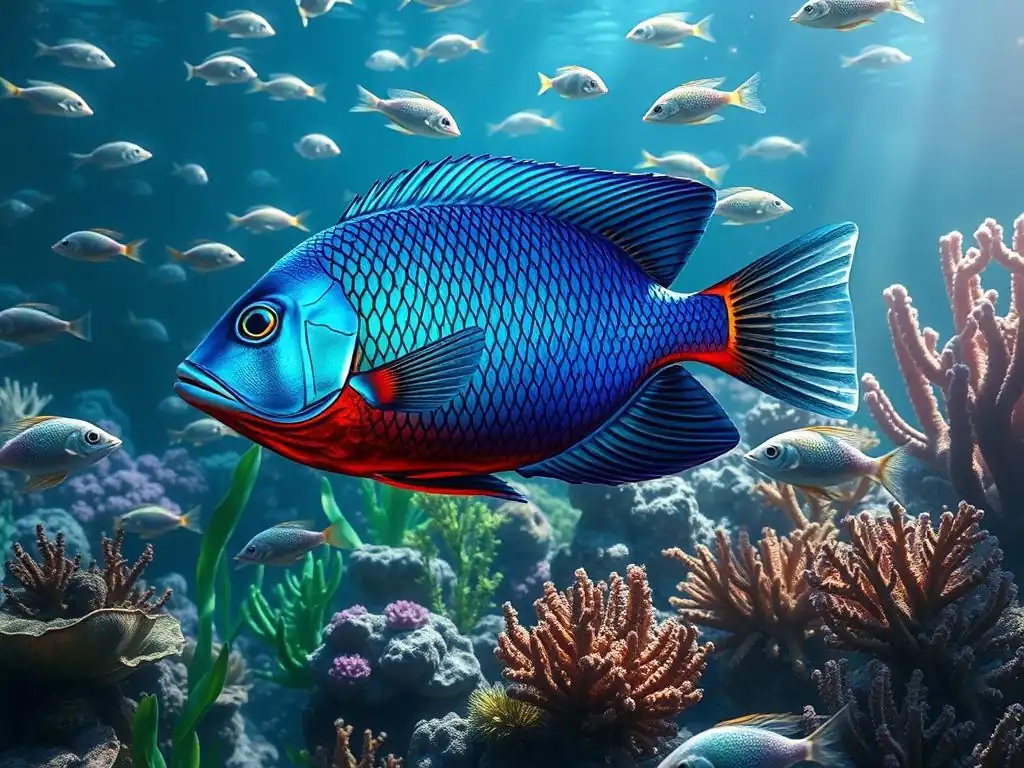
Featherfin cichlids, primarily represented by the elegant Cyprichromis species from Lake Tanganyika, are renowned for their captivating beauty and graceful schooling behavior. Their vibrant and diverse coloration, ranging from iridescent blues and yellows to striking oranges and deep purples, makes them a prized addition to many freshwater aquariums. This inherent beauty is not merely superficial; it serves as a crucial indicator of the fish's health, well-being, and even its social status within the tank.
The appeal of these fish extends beyond their static beauty. The dynamic nature of their coloration, which can shift based on various internal and external factors, adds another layer of fascination for aquarists. Observing these subtle or dramatic changes provides insights into their physiological state and behavioral cues, making them highly engaging subjects for dedicated enthusiasts.
Factors Influencing Featherfin Color Expression
The expression of color in Featherfin cichlids is a complex interplay of several key factors, each contributing to the overall vibrancy and pattern displayed by an individual fish. While genetics lay the fundamental blueprint for a fish's potential coloration, environmental elements significantly influence how brightly and consistently these colors are expressed. These factors include diet, water quality, lighting, the surrounding tank environment, and even the fish's mood and stress levels.
Understanding these multifaceted influences is paramount for any aquarist aiming to maintain Featherfin cichlids at their peak aesthetic and health. By meticulously managing these variables, one can unlock the full genetic potential of their Featherfins, ensuring their colors are as dazzling as nature intended, a testament to effective Featherfin fish color genetics management.
Featherfin Fish Color Genetics: The Foundation of Appearance
The Role of Genes in Featherfin Color Patterns
At the core of every Featherfin cichlid's appearance lies its genetic makeup, which dictates the types, quantities, and distribution of pigment cells within its skin. These specialized cells, known as chromatophores, include melanophores (for black/brown), erythrophores (for red/orange), xanthophores (for yellow), and iridophores (for iridescent or metallic sheens). Specific genes control the synthesis of pigments, the number and density of chromatophores, and their ability to expand or contract, thus forming the intricate patterns and base colors characteristic of various Featherfin species.
For instance, the distinct vertical barring seen in many Cyprichromis leptosoma morphs, or the unique fin coloration of Cyprichromis microlepidotus, are directly encoded by their Featherfin fish color genetics. Variations in these genes, or alleles, lead to the diverse array of natural color morphs observed across different populations and even within the same species from various collection points in Lake Tanganyika.
Heritability of Specific Featherfin Color Traits
Many of the striking color traits observed in Featherfin cichlids are highly heritable, meaning they are reliably passed down from parent to offspring across generations. This strong heritability allows for the propagation of specific color morphs, such as the vibrant "Utinta" blue or the distinct "Jumbo" yellow forms of Cyprichromis leptosoma, which maintain their characteristic hues and patterns through controlled breeding. Breeders can often predict the potential coloration of offspring based on the known genetic traits of the parent fish.
This predictable inheritance is a cornerstone of Featherfin fish color genetics, enabling aquarists to understand why certain color patterns appear consistently within a lineage. While environmental factors can influence the intensity of these colors, the underlying pattern and potential for a specific hue are fundamentally determined by the genes inherited from their ancestors.
Selective Breeding for Enhanced Featherfin Color
Selective breeding plays a significant role in enhancing and stabilizing desirable color traits within captive Featherfin populations. Breeders carefully choose individuals exhibiting the most intense, unique, or aesthetically pleasing coloration to reproduce, aiming to concentrate those specific genes in subsequent generations. This meticulous process can lead to the development of strains with remarkably vivid or novel color patterns that might be less common in the wild.
A prime example is the intentional breeding to intensify the sapphire blues in certain Cyprichromis varieties or to enhance the yellow and orange hues in others. Through generations of thoughtful selection, breeders can refine the Featherfin fish color genetics, creating captive-bred specimens that often surpass the wild-caught counterparts in terms of color saturation and consistency, while still striving to maintain genetic diversity and overall health.
Diet's Impact on Featherfin Coloration
Essential Nutrients for Vibrant Featherfin Colors
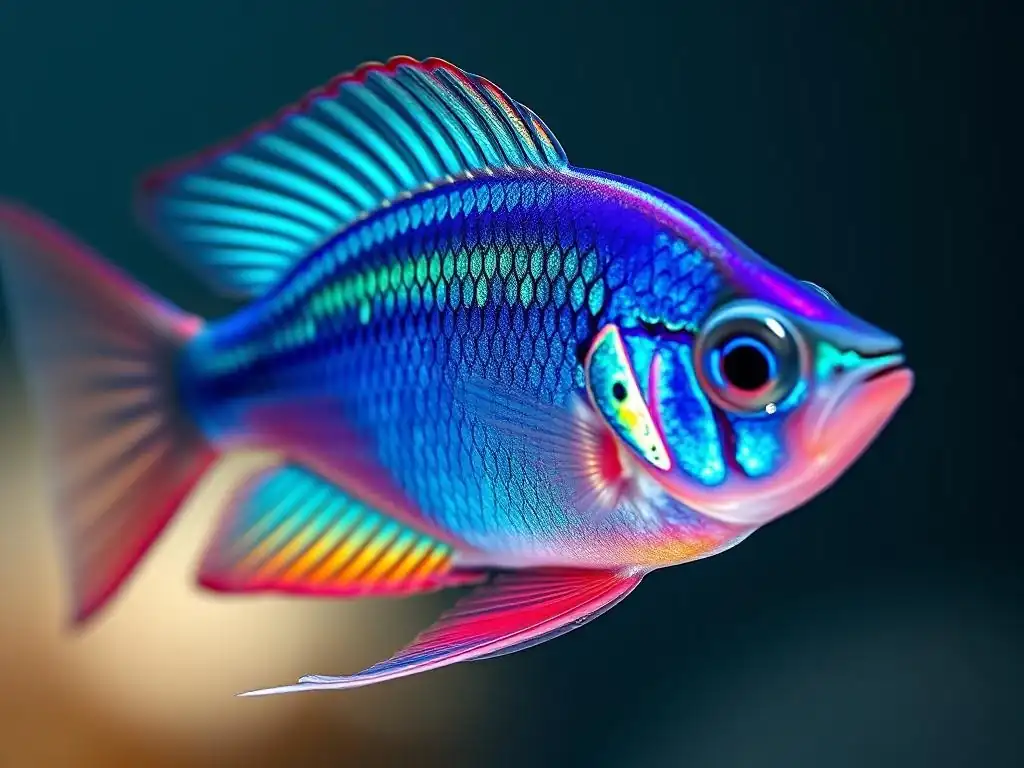
A comprehensive and balanced diet is fundamental to achieving and maintaining vibrant coloration in Featherfin cichlids. Certain pigments, particularly carotenoids responsible for reds, yellows, and oranges, cannot be synthesized by the fish themselves and must be obtained through their diet. Beyond pigments, a diet rich in high-quality proteins, essential fatty acids, and a full spectrum of vitamins (especially A and E) and minerals supports overall fish health, which is directly reflected in their scale luster and color intensity.
For instance, a diet lacking crucial carotenoids will inevitably lead to faded reds and yellows, even in fish with strong Featherfin fish color genetics for these hues. Conversely, providing the right nutritional building blocks allows the fish to fully express its genetic potential, resulting in richer, more saturated colors.
Spirulina and Astaxanthin for Enhanced Color
Two of the most impactful dietary supplements for enhancing Featherfin coloration are Spirulina and Astaxanthin. Spirulina, a blue-green algae, is a rich source of various carotenoids and phycocyanin, which can significantly intensify blue and green pigments in fish. It also provides a broad range of vitamins and amino acids, boosting overall vitality.
Astaxanthin, a powerful red carotenoid pigment found abundantly in krill, shrimp, and certain microalgae, is particularly effective at deepening reds, oranges, and yellows. Many premium fish foods designed for cichlids incorporate Astaxanthin to visibly improve coloration. Regular inclusion of foods fortified with these ingredients can dramatically improve the visual appeal of Featherfins, making their Featherfin fish color genetics truly shine.
Avoiding Dietary Deficiencies That Dull Featherfin Color
A monotonous or low-quality diet is a common culprit behind faded or dull Featherfin colors. If fish food lacks the necessary carotenoids, essential amino acids, or micronutrients, the fish's ability to produce and maintain vibrant pigments is severely compromised. For example, relying solely on basic flake foods that are not specifically formulated for color enhancement or cichlid nutrition can result in a gradual but noticeable decline in color vibrancy over time.
To prevent such deficiencies, it is crucial to offer a varied diet consisting of high-quality pellets or flakes specifically designed for cichlids, supplemented with frozen or live foods like Mysis shrimp, brine shrimp, or daphnia. This diverse feeding regimen ensures that Featherfins receive a complete nutritional profile, preventing color loss and supporting robust health, allowing their inherent Featherfin fish color genetics to be fully expressed.
Featherfin Mood and Color Change: Decoding Their Signals
Stress-Induced Color Fading in Featherfins
Featherfin cichlids are highly sensitive to their environment, and stress is one of the most immediate and visible factors influencing their coloration. When a Featherfin experiences stress—whether from poor water quality, aggressive tank mates, overcrowding, or sudden environmental changes—it often responds by rapidly fading its colors. This "washed-out" appearance is a physiological response, as stress hormones can cause chromatophores to contract, reducing the visible intensity of pigments.
For instance, a vibrant male Cyprichromis leptosoma that typically displays brilliant blue and yellow stripes might suddenly become pale and dull if introduced into a tank with overly aggressive fish or if water parameters become unstable. This color fading serves as a clear warning sign to the aquarist, indicating that the fish is under duress and its well-being is compromised.
Breeding Season Color Intensification
In stark contrast to stress-induced fading, Featherfin cichlids, particularly males, exhibit a dramatic intensification of their colors during the breeding season. This vibrant display is a crucial part of their courtship ritual, designed to attract females and establish dominance over rivals. The blues, yellows, oranges, and iridescent sheens become exceptionally vivid and saturated, often appearing much brighter than their typical everyday coloration.
A male Cyprichromis "Utinta" might transform from a pleasant blue to a deep, electric sapphire, with his fins flaring and becoming more prominent during this period. This heightened coloration is a clear signal of reproductive readiness and vigor, showcasing the full potential of their Featherfin fish color genetics when they are in optimal breeding condition.
Interpreting Color Changes as Indicators of Featherfin Health
Monitoring the subtle and overt color changes in Featherfin cichlids provides invaluable insights into their overall health. Consistent dullness, patchy discoloration, or a persistent washed-out appearance, even in the absence of obvious physical symptoms, can often be the first indicators of underlying health issues, nutritional deficiencies, or chronic stress. A healthy, well-adjusted Featherfin should generally display consistent, vibrant colors appropriate for its species and genetic lineage.
Conversely, a sudden and dramatic loss of color, especially when accompanied by behavioral changes such as lethargy, clamped fins, or refusal to eat, warrants immediate investigation. These signs suggest a more acute problem, such as disease onset or severe environmental stress. Regular observation of Featherfin coloration, alongside their behavior, is a powerful diagnostic tool for proactive aquarium management.
Distinguishing Between Genetic and Environmental Color Influences
Identifying Genetically Determined Color Traits
Genetically determined color traits are the foundational patterns and hues that are inherent to a Featherfin cichlid's DNA. These characteristics are stable and will largely persist regardless of environmental conditions, assuming the fish is healthy and well-cared for. Examples include the specific vertical barring patterns of Cyprichromis leptosoma, the unique fin coloration of certain Cyprichromis microlepidotus populations, or the base body color of a specific Cyprichromis morph (e.g., a "yellow head" variant).
While the intensity of these colors can be influenced by external factors, the underlying pattern and potential for that color are fixed by the Featherfin fish color genetics. Even if a fish is temporarily stressed and its colors fade, the distinct genetic pattern will reappear once the stressor is removed and the fish recovers its health.
Recognizing Environmentally Induced Color Changes
Environmentally induced color changes are often temporary and directly attributable to external factors such as diet, water quality, lighting, or social dynamics. These changes represent the expression, or suppression, of the fish's genetic potential. A Featherfin might possess the genes for brilliant blue, but if its diet lacks the necessary precursors, or if it's kept in poor water conditions, that blue will appear dull or washed out.
Similarly, a fish stressed by aggressive tank mates might temporarily lose its vibrant hues, only to regain them once moved to a calmer environment. These types of color shifts are reversible and serve as immediate feedback mechanisms, indicating that something in the fish's environment or care regimen needs adjustment to optimize Featherfin fish color.
Combining Observation and Research for Accurate Assessment
To accurately assess the true origin of a Featherfin's coloration, aquarists should combine careful observation with thorough research. Regularly observing how a fish's color fluctuates in response to different stimuli (feeding, tank mate interactions, water changes) can help distinguish temporary environmental effects from stable genetic traits. For instance, if a fish consistently displays a muted color despite optimal care, it might indicate a genetic predisposition rather than an environmental issue.
Furthermore, researching the specific Featherfin species or morph in question, understanding its natural color variations, and consulting information on Featherfin fish color genetics can provide crucial context. This holistic approach allows aquarists to make informed decisions about diet, tank setup, and breeding, ensuring they maximize both the health and aesthetic appeal of their Featherfins.
Advanced Featherfin Color Genetics: Polymorphism and Mutations
Understanding Color Polymorphism in Featherfin Populations
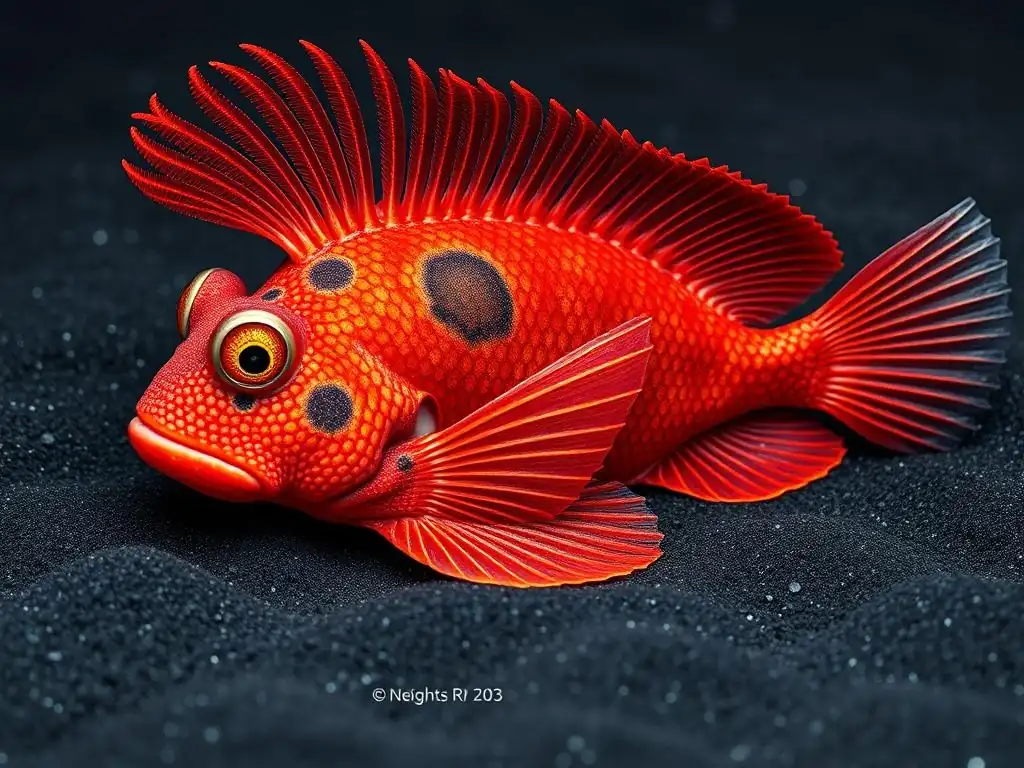
Color polymorphism refers to the existence of two or more distinct color morphs within the same population of a single species. This phenomenon is particularly common and striking among Featherfin cichlids, especially Cyprichromis species from Lake Tanganyika. For example, within a single schooling population of Cyprichromis leptosoma, it is common to find both yellow-bodied and blue-bodied males coexisting and interbreeding.
These different color morphs are genetically determined and are maintained within the population through various evolutionary mechanisms, such as balancing selection or mate choice preferences. Understanding such polymorphism is crucial for appreciating the vast diversity within Featherfin fish color genetics and for responsible breeding practices that aim to preserve natural variations.
The Impact of Genetic Mutations on Featherfin Color Variations
Genetic mutations are spontaneous changes in an organism's DNA sequence that can lead to novel traits, including new color variations. While rare, these mutations can introduce entirely new hues, patterns, or pigment deficiencies not typically seen in the wild population. If a mutation results in a viable and attractive color variant, it can sometimes be isolated and selectively bred by aquarists to establish a new captive strain.
For instance, a mutation might lead to a fish exhibiting an unusual intensity of a particular color, or a complete absence of one pigment type, resulting in a striking new appearance. These mutations are the ultimate source of all genetic variation, driving the evolution and diversity of Featherfin fish color genetics over long periods.
Albinism and Leucism in Featherfin Cichlids
Two notable genetic mutations affecting coloration are albinism and leucism, both of which can occur in Featherfin cichlids. Albinism results from a complete genetic inability to produce melanin, the dark pigment. Albino Featherfins typically have a white or yellowish-white body and characteristic red or pink eyes due to the visibility of blood vessels in the absence of melanin. This condition is due to a mutation in genes responsible for tyrosinase, an enzyme crucial for melanin synthesis.
Leucism, on the other hand, involves a partial loss of pigmentation across all pigment types, but unlike albinism, the eyes remain normally colored. Leucistic Featherfins might appear overall pale, or exhibit distinct white patches, while still retaining some of their natural coloration in other areas. Both albinism and leucism are fascinating examples of how single gene mutations can dramatically alter the phenotypic expression of Featherfin fish color.
Maintaining Optimal Featherfin Color: Aquarium Management Tips
Water Quality and Featherfin Color
Pristine water quality is arguably the single most critical environmental factor for maintaining vibrant Featherfin coloration. Fluctuations in pH, temperature, or the presence of ammonia, nitrite, or high nitrate levels will invariably stress the fish, leading to faded colors. Stable parameters within the recommended range for Tanganyikan cichlids (e.g., pH 7.8-9.0, temperature 76-80°F or 24-27°C) are essential.
Regular partial water changes (e.g., 25-30% weekly) and robust filtration (mechanical, biological, and chemical) are crucial to prevent the buildup of toxins and maintain a healthy, stable environment. When Featherfins are thriving in clean, stable water, their innate Featherfin fish color genetics can be fully expressed, showcasing their brightest hues.
Substrate and Background Influences on Featherfin Appearance
The visual environment of the aquarium, including the substrate and background, can subtly but effectively influence how Featherfin colors are perceived and displayed. Darker substrates, such as fine-grained black or dark brown sand, often provide a stark contrast that makes the fish's colors appear more vibrant and intense. Similarly, a dark background can enhance this effect, encouraging bolder display behavior and helping Featherfins feel more secure.
Conversely, very light or reflective substrates can sometimes cause fish to appear paler, as they may attempt to blend in with their surroundings or feel less secure, leading to a reduction in color intensity. Choosing an appropriate substrate and background can significantly enhance the aesthetic appeal and overall Featherfin fish color.
Lighting and Its Effect on Featherfin Color
The type and intensity of aquarium lighting play a significant role in how Featherfin colors are perceived by the human eye. Full-spectrum LED lights with adjustable color temperatures can be particularly effective. Lights that emphasize the blue and red spectrums can make blues appear deeper and reds/oranges more vibrant, bringing out the best in their Featherfin fish color genetics. Some specialized aquarium lights are designed to enhance specific fish colors.
However, overly harsh or insufficient lighting can either stress fish or fail to adequately illuminate their natural beauty. A consistent photoperiod, typically 10-12 hours per day, is recommended to provide a natural day-night cycle, which contributes to the fish's overall well-being and consistent color expression.
Featherfin Color and Species Identification: A Guide
Using Coloration to Differentiate Featherfin Species
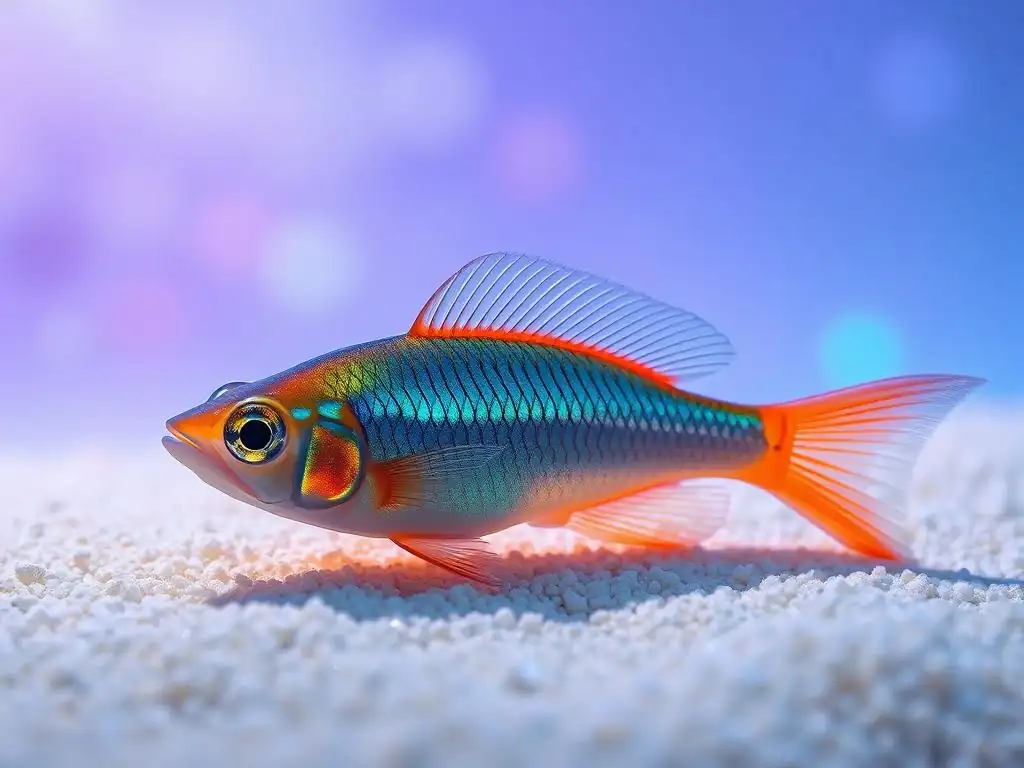
While Featherfin coloration can be influenced by many factors, specific color patterns, fin markings, and overall body hues are often key characteristics used to differentiate between various Cyprichromis and Paracyprichromis species, as well as their numerous geographical variants. For example, the precise arrangement of vertical bars, the presence of specific fin colors (e.g., yellow, blue, red), or the overall iridescent sheen can be indicative of a particular species or collection point.
Aquarists often rely on these subtle color distinctions to identify rare or specific morphs, such as Cyprichromis leptosoma "Kitumba" with its distinctive orange dorsal fin versus the "Mpimbwe" variant known for its bright blue. These consistent genetic markers are vital for accurate identification, especially when dealing with the intricacies of Featherfin fish color genetics.
Color Differences Between Synodontis ornatipinnis and Synodontis eupterus
It's important to clarify that while the term "Featherfin" is most commonly associated with Cyprichromis cichlids, it is also used for certain Synodontis catfish, specifically Synodontis eupterus, due to its prominent, high dorsal fin. However, their coloration and patterns differ significantly. Synodontis ornatipinnis (the Ornate Syno) typically exhibits a dark body adorned with large, distinct white or cream-colored spots and often has highly ornate, striped fins. Its pattern is generally bold and well-defined.
In contrast, Synodontis eupterus (the Featherfin Syno) usually displays a more mottled or camouflaged pattern, consisting of shades of brown, grey, and black, with smaller, less distinct spots or reticulations. While its dorsal fin is indeed large and feather-like, its overall body coloration is generally less vibrant and more subdued than that of S. ornatipinnis, reflecting different Featherfin fish color genetics in distinct fish families.
Avoiding Misidentification Based on Color Alone
Despite its utility, relying solely on coloration for species identification can be misleading due to the variability caused by environmental factors, mood, age, and individual genetic differences. For instance, a stressed Cyprichromis might temporarily lose its characteristic colors, making it difficult to identify accurately. Similarly, juvenile fish may not display their full adult coloration, leading to confusion.
To ensure accurate identification, it is crucial to cross-reference color observations with other morphological characteristics such as body shape, fin structure, mouth position, and known geographical origins. Consulting reliable scientific resources, experienced aquarists, and photographic databases that detail the nuances of Featherfin fish color genetics and morphology is highly recommended for precise identification.
Featherfin Color Genetics: Ethical Considerations in Breeding
Responsible Breeding Practices for Featherfin Color
When breeding Featherfin cichlids for enhanced coloration, it is paramount to prioritize the overall health, vigor, and genetic robustness of the fish alongside aesthetic appeal. Responsible breeders focus on selecting healthy, well-formed individuals with good temperaments, not just the brightest colors. Over-emphasizing a single color trait without considering the broader genetic health can inadvertently lead to weakened immune systems, reduced fertility, or increased susceptibility to disease in subsequent generations.
Ethical breeding practices involve understanding the genetic background of the parent fish, avoiding pairs that might carry undesirable recessive traits, and ensuring the offspring inherit a strong genetic foundation that supports both vibrant Featherfin fish color and long-term well-being.
Avoiding Inbreeding and Genetic Bottlenecks
Excessive inbreeding, often employed to "fix" a specific desirable color trait quickly, carries significant risks. While it can produce offspring with consistent coloration, it dramatically reduces genetic diversity within a lineage. This genetic bottleneck can lead to a phenomenon known as "inbreeding depression," where the offspring exhibit reduced vitality, slower growth rates, increased susceptibility to disease, and even deformities.
To mitigate these risks, responsible breeders periodically introduce new, unrelated bloodlines into their breeding programs. This infusion of fresh Featherfin fish color genetics helps maintain a healthy level of genetic diversity, ensuring the long-term health and resilience of the captive population, rather than sacrificing health for color.
Maintaining Genetic Diversity in Featherfin Populations
Maintaining genetic diversity within captive Featherfin populations is an ethical responsibility for aquarists and breeders. It not only ensures the continued health and adaptability of the species in the aquarium hobby but also potentially preserves genetic material that could be valuable for conservation efforts if wild populations face threats. Sharing breeding stock, collaborating with other hobbyists, and documenting genetic lines contribute to a broader, healthier gene pool.
By prioritizing genetic diversity, aquarists contribute to the sustainability of Featherfin cichlids in the hobby, ensuring that future generations can enjoy these magnificent fish with their full spectrum of natural and enhanced coloration, underpinned by robust Featherfin fish color genetics.
Troubleshooting Featherfin Color Loss or Fading
Diagnosing Potential Causes of Color Loss
When Featherfin cichlids experience a loss or fading of their vibrant colors, it's crucial to systematically diagnose the potential underlying causes. Begin by meticulously checking water parameters: ammonia and nitrite should be zero, nitrates below 20 ppm, and pH and temperature stable within the species' preferred range. Next, observe the fish's behavior for signs of stress, such as hiding, clamped fins, rapid breathing, or aggression from tank mates. Review the diet to ensure it's varied and rich in color-enhancing nutrients. Finally, inspect the fish for any physical signs of disease, such as spots, lesions, or bloating.
A sudden, widespread fading often points to acute stress or poor water quality, while a gradual, persistent dullness might indicate nutritional deficiencies, chronic stress, or the onset of a slow-progressing illness. Understanding these nuances in Featherfin fish color fading is key to effective intervention.
Implementing Corrective Measures for Color Restoration
Once potential causes for color loss are identified, implementing corrective measures is the next step. If water quality is an issue, perform immediate partial water changes and review your filtration system. For stress related to tank mates, consider rehoming aggressive individuals or providing more hiding spots. If diet is suspected, switch to a high-quality, varied diet rich in spirulina and astaxanthin-containing foods. For suspected disease, appropriate treatments should be administered after accurate diagnosis.
It's important to note that color restoration can take time. Consistent, high-quality care over several weeks or even months is often required for Featherfins to regain their full vibrancy and for their Featherfin fish color genetics to be optimally expressed. Patience and persistence are key.
When to Consult a Veterinarian or Experienced Aquarist
While many common causes of Featherfin color loss can be resolved through basic aquarium management, there are instances when professional advice is warranted. If color loss is severe, persistent, and accompanied by other alarming symptoms like extreme lethargy, abnormal swimming, severe physical signs of disease, or if your troubleshooting efforts yield no improvement, it's time to consult an aquatic veterinarian.
Additionally, reaching out to experienced aquarists through local aquarium societies or reputable online forums can provide invaluable insights, especially for complex cases or specific issues related to Featherfin fish color genetics or less common diseases. Leveraging the collective knowledge of the hobby can significantly aid in restoring your Featherfin cichlids to their optimal health and dazzling coloration.
Frequently Asked Questions
How much does diet impact the color of a Featherfin fish?
A Featherfin's diet can significantly influence its coloration. Certain foods rich in carotenoids can enhance reds and oranges, leading to a more vibrant appearance. A poor diet can result in faded or washed-out colors.
Can a Featherfin fish change color based on its mood?
Yes, a Featherfin's mood can affect its coloration. Stress, fear, or aggression can cause a fish to display paler or darker shades. These color changes are usually temporary and revert to normal once the fish is relaxed.
What role does genetics play in Featherfin fish coloration?
Genetics are the primary determinant of a Featherfin's base color and patterns. Certain genetic traits dictate the range of colors a fish can display, regardless of diet or mood. Selective breeding can enhance desired color traits.
Are specific genes known to control Featherfin color patterns?
While the exact genes are still being studied, research points to multiple genes influencing color. These genes control pigment production and distribution, creating the variations we see in Featherfin patterns. Future research may pinpoint specific gene markers.
How can I ensure my Featherfin fish displays its best coloration?
Provide a balanced diet rich in color-enhancing foods, maintain a stress-free environment, and ensure good water quality. Understanding your fish's genetic potential is also crucial for setting realistic expectations.
Final Reflection: Unveiling the Secrets of Featherfin Radiance
The intricate dance between diet, mood, and genetics, as explored in the context of Featherfin fish coloration, reveals a truth far beyond the aquarium: the beauty we observe is often a complex interplay of internal and external forces. Understanding these nuances, as we've delved into the fascinating world of Featherfin fish color genetics, highlights the interconnectedness of life and the subtle influences that shape our perceptions.
This exploration of Featherfin coloration has not only shed light on the scientific mechanisms at play, but also underscored the profound impact of environment and well-being on physical expression. Witnessing the vibrant transformations of these fish, influenced by their diet and emotional state, serves as a potent reminder of our own susceptibility to similar forces. The color of a fish is not merely a pigment; it is a reflection of its life.
This simple statement encapsulates the depth of understanding we've gained, prompting us to consider the unseen factors that contribute to the beauty and health of all living beings.
Now, consider the lessons learned from the Featherfin. How might a deeper understanding of the interplay between genetics, environment, and well-being influence your own life? Let the vibrant hues of these fish inspire you to cultivate a life rich in nourishment, emotional balance, and mindful awareness. Embrace the power of these interconnected forces, and witness the radiant transformation within yourself.
Unleash Your Featherfin's Full Potential!
Thanks for diving deep into the fascinating world of Featherfin coloration! We hope you’ve gained valuable insights into the factors that influence their vibrant hues. Now, let's translate this knowledge into action to enhance the well-being and beauty of your own Featherfins.
Here’s how you can take the next step:
- Implement a diversified feeding strategy: Introduce a wider range of high-quality foods known to enhance coloration, paying close attention to ingredients like spirulina and astaxanthin. Observe and document any changes in your Featherfins' colors. This is the primary action!
- Create a mood-boosting environment: Enhance their habitat with natural elements like driftwood and carefully chosen plants to reduce stress and encourage natural behaviors.
- Share Your Observations: Post pictures of your Featherfins and their diets on relevant forums and help other owners.
Ready to share your experiences and contribute to the community's knowledge?