
Line Breeding for Specific Swordtail Colors: Red, Black, and Beyond

Welcome to Aquarium Mastery!
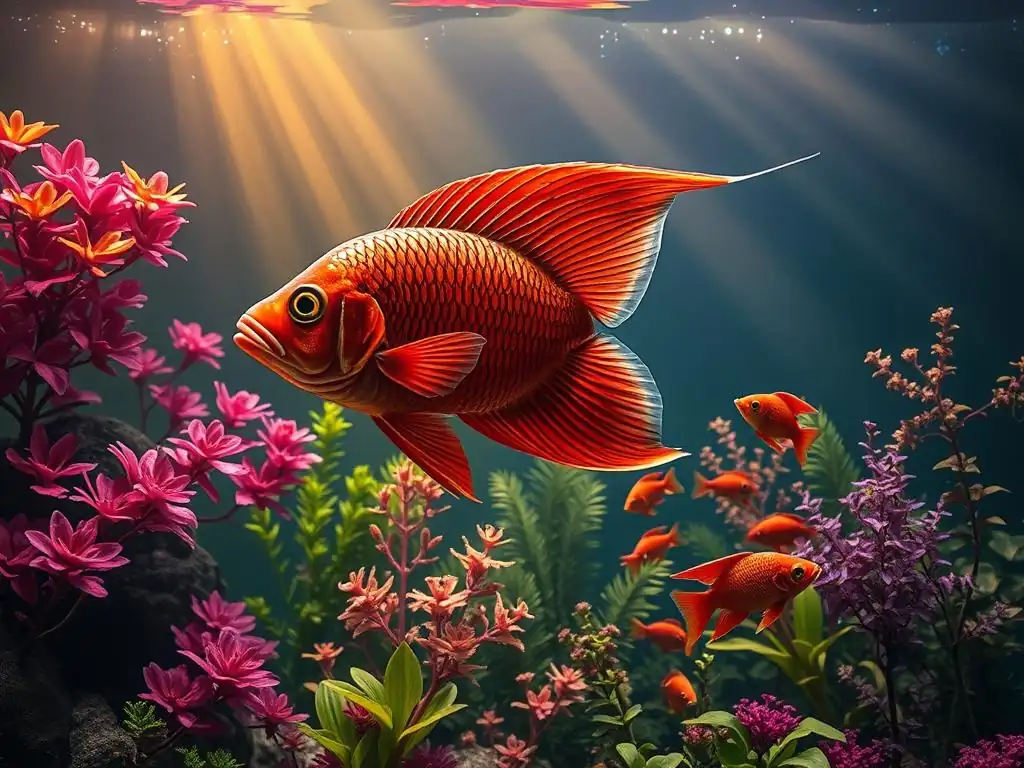
Dive into the fascinating world of aquarium keeping and unlock the secrets to a thriving underwater ecosystem. Ever wondered how breeders achieve those stunning red swordtail hues? This guide explores the intricate dance of color genetics and line breeding, offering practical insights that might just revolutionize your own breeding program. Intrigued? Let's uncover the science and art behind vibrant swordtail coloration and discover how you can cultivate your own line of show-stopping fish!
- Understanding Swordtail Color Genetics for Line Breeding
- Line Breeding for Red Swordtail Color Intensification
- Developing Black Swordtails Through Line Breeding
- Beyond Red and Black: Exploring Other Swordtail Colors
- Line Breeding Techniques for Swordtail Colors
- Maintaining Healthy Swordtail Lines
- Examples of Successful Swordtail Line Breeding Programs
- Advanced Swordtail Color Genetics and Breeding Strategies
-
Frequently Asked Questions
- How does line breeding work to achieve specific red swordtail color genetics?
- What are the risks associated with using line breeding to enhance red swordtail color genetics?
- Besides line breeding, what other methods can be used to influence red swordtail color genetics?
- How many generations of line breeding are typically required to stabilize a specific red swordtail color genetics?
- What factors besides genetics influence the expression of red swordtail color genetics?
- Final Reflection: The Enduring Art of Genetic Refinement
- Unleash Your Inner Swordtail Breeder!
Understanding Swordtail Color Genetics for Line Breeding
Basic Principles of Swordtail Genetics
The foundation of line breeding swordtails, or any livebearer, lies in understanding basic genetics. Like all sexually reproducing organisms, swordtails inherit genes from both parents, which determine their traits, including color. Many color traits in fish, especially those developed through selective breeding, follow Mendelian inheritance patterns, involving dominant and recessive alleles.
However, the vibrant and complex colors seen in many cultivated swordtail strains often involve polygenic inheritance, meaning multiple genes contribute to the final expression of a single trait. For instance, the precise shade and intensity of red swordtail color genetics are rarely determined by a single gene but rather by the cumulative effect of several.
The swordtail (Xiphophorus hellerii) genome, estimated to be around 700 megabases, contains a vast array of genes, some of which are directly responsible for pigment production and distribution. While simple traits like fin shape or the presence of a specific spot might be governed by one or two genes, the development of a uniformly intense red or deep black body color typically requires the interplay of numerous genetic factors.
Breeders aim to concentrate these desirable genes through careful selection, gradually fixing the desired traits within a breeding line. This process can be time-consuming, often requiring several generations of dedicated effort to achieve stable results.
The Role of Genes in Swordtail Coloration
Swordtail coloration is primarily influenced by the presence and distribution of various pigment cells, or chromatophores, in their skin. These include melanophores (producing black/brown melanin), xanthophores (producing yellow pterins), erythrophores (producing red pterins), and iridophores (containing guanine crystals, responsible for iridescent blue/green hues). The specific combination, density, and arrangement of these cells, dictated by the fish's genetic makeup, result in the myriad of colors seen in swordtails. For example, a high concentration of erythrophores and specific genes that promote their full expression are key to developing intense red swordtail color genetics.
Certain genes are known to have a significant impact on specific color patterns. For instance, the "Spot" (Sp) gene in Xiphophorus species is associated with the development of melanistic spots or broader black areas. Similarly, genes influencing the production and deposition of pterin pigments directly contribute to yellow and red coloration.
The challenge in line breeding is identifying and isolating the individuals that possess the optimal combination of these genes to pass on the desired color intensity and uniformity to their offspring. Environmental factors, such as diet and water quality, can also influence the vibrancy of these genetically determined colors, but the underlying genetic potential is paramount.
Identifying Desirable Traits for Line Breeding
Successful line breeding begins with a clear vision and the meticulous identification of desirable traits in potential parent stock. While color is often the primary focus, it is crucial to consider other characteristics that contribute to the overall health and quality of the line. These include robust body shape, healthy finnage (e.g., straight dorsal fins, full caudal fins), appropriate size for the species, and general vigor. Selecting fish that exhibit strong disease resistance and good fertility is also vital, as these traits ensure the long-term viability of the breeding program.
When selecting for color, observation under various lighting conditions is essential to accurately assess the true hue and uniformity. For a red swordtail, look for a deep, even red that covers a significant portion of the body, ideally without faded patches or undesirable black markings unless they are part of the target phenotype. For black swordtails, aim for a profound, uniform black without brown undertones or mottled areas.
Typically, breeders will evaluate a batch of at least 20-30 individuals, from which only the top 5-10% displaying the most desirable combination of traits are chosen as breeding stock. This rigorous selection process is the cornerstone of refining and stabilizing specific color lines over generations.
Line Breeding for Red Swordtail Color Intensification
The Importance of Selective Breeding for Red Swordtails
Wild swordtails typically exhibit muted coloration, often olive-green or brownish, with a prominent lateral stripe. The intensely red swordtails seen in the aquarium trade are a testament to decades of dedicated selective breeding. The primary importance of this process is to concentrate the genes responsible for red pigment production and distribution, effectively transforming a wild-type coloration into a vibrant, uniform red. This intensification is not a natural occurrence but a human-directed evolution, driven by market demand for visually striking fish.
Achieving a stable line of intensely red swordtails is a multi-generational commitment. It's not uncommon for breeders to spend 5 to 7 generations, or even more, to truly fix the "Red swordtail color genetics" to a point where offspring consistently display the desired deep hue. This involves continuously selecting the reddest individuals from each spawn, culling those that are pale or show undesirable markings. The goal is to build a genetic pool where the alleles for red coloration are highly concentrated, ensuring that a high percentage of fry inherit and express the desired intensity.
Selecting Parent Red Swordtails with Deep Coloration
The cornerstone of intensifying red coloration lies in the careful selection of parent fish. Breeders should choose individuals that exhibit the deepest, most uniform red possible, covering as much of the body as desired, ideally without any fading or blotchy areas. Beyond color, the selected parents must also display excellent health, vigorous swimming, and well-formed fins, as these traits contribute to the overall quality and resilience of the breeding line. Avoid any fish showing signs of stress, disease, or physical deformities, as these could indicate underlying genetic weaknesses.
When evaluating potential breeders, it's beneficial to observe them under different lighting conditions and at various times of the day, as a fish's color can fluctuate due to stress or environmental factors. Look for fish where the red pigment appears deeply embedded in the scales, rather than a superficial flush. For optimal results, select individuals that show at least 80% body coverage with the desired red hue, with minimal or no presence of other colors that could dilute the red. Consistent observation over several days can help confirm the stability and intensity of their coloration.
Maintaining Red Swordtail Color Through Generations
Maintaining the intensity of red swordtail color through successive generations requires continuous and rigorous selective breeding. Once a line has been established, breeders must prevent "color regression" – the tendency for colors to fade or become less uniform over time if selection pressure is relaxed. This involves consistent culling of any fry or juvenile fish that do not meet the desired color standards, even if they are otherwise healthy. Only the top performers, typically the brightest and most uniformly red individuals, should be allowed to reproduce.
Beyond genetic selection, environmental factors play a supportive role. A diet rich in carotenoids, such as astaxanthin, can significantly enhance red pigmentation. Foods like spirulina, krill, and specialized color-enhancing flakes are excellent supplements. Maintaining pristine water quality and stable tank parameters also contributes to the overall health and vibrancy of the fish, allowing their genetic potential for red coloration to fully express itself. Without these supportive conditions, even genetically superior fish may not display their full color potential.
Red Swordtail Color Genetics: Achieving the Perfect Shade
Achieving the "perfect shade" of red in swordtails is a nuanced process, largely governed by polygenic inheritance. Unlike simple Mendelian traits, where one gene might dictate color, intense red swordtail color genetics involve the additive effect of multiple genes, each contributing a small amount to the overall pigment density and distribution. This complexity means that simply crossing two red fish doesn't guarantee uniformly red offspring; rather, it's a gradual accumulation of these "red-enhancing" genes over many generations.
Breeders often employ strategies to maximize the concentration of these genes. This includes initial close inbreeding (e.g., brother-sister or parent-offspring crosses) to quickly fix desirable traits, followed by periodic outcrossing with carefully selected, unrelated red swordtails to introduce genetic diversity and prevent inbreeding depression.
Some studies suggest that up to 10-15 genes might influence the final red phenotype in some livebearers, making the selection process intricate. The ultimate goal is to create a breeding line where the genetic predisposition for deep, stable red is so strong that the majority of fry consistently exhibit the desired coloration, even without heavy dietary supplementation.
Developing Black Swordtails Through Line Breeding
Challenges in Breeding True Black Swordtails
Developing a true black swordtail through line breeding presents unique challenges compared to red varieties. While melanism (the development of black pigment) is a natural occurrence, achieving a uniformly deep, non-fading black across the entire body can be difficult. Many "black" swordtails often appear as very dark brown, or exhibit mottled patterns rather than a solid black. Furthermore, in some fish species, excessive melanism can be linked to genetic predispositions for health issues, such as tumor development, reduced fertility, or compromised immune systems, although this is less common in well-established swordtail lines.
Stabilizing a healthy, true black line typically requires more generations than red lines, often taking 8 to 10 generations or even longer. This is due to the genetic complexity of uniform melanism and the need to simultaneously select against any associated negative health traits. The challenge lies in selecting for the darkest individuals while ensuring they remain vigorous, fertile, and free from genetic defects, making the culling process even more critical in black swordtail breeding programs.
Selecting for Melanism in Swordtails
To develop black swordtails, the selection process focuses on identifying individuals with the darkest, most uniform black pigmentation. Look for black that covers not only the body but also the fins, providing a consistent, deep color. It is crucial to distinguish between true genetic black and temporary darkening due due to stress or environmental factors. Breeders should observe fish over time to ensure the color is stable. Avoid selecting fish that show any signs of tumor development, particularly around the caudal peduncle or fins, as this can be a common issue in some highly melanistic strains of livebearers.
The ideal candidates will be those that exhibit a profound black hue that does not appear faded or mottled, even under bright lighting. Prioritize individuals that are not only dark but also robust, active, and show no signs of physical deformities. While initial breeding stock might not be perfectly black, consistent selection of the darkest and healthiest individuals from each successive generation will gradually intensify the melanism. For instance, a breeder might start with fish that are 60-70% black and aim to reach 95% uniform black coverage after several generations.
Stabilizing the Black Color Trait in Swordtail Lines
Stabilizing the black color trait in swordtail lines requires a consistent and rigorous breeding strategy, often employing intensive line breeding. This involves repeatedly crossing the darkest individuals from each generation to concentrate the genes responsible for melanism. Strict culling is paramount; any fry or juvenile fish that are lighter, mottled, or show brown undertones must be removed from the breeding pool. This prevents the reintroduction of genes that dilute the black color and ensures that only the desired traits are passed on.
To maintain genetic vigor and prevent inbreeding depression, which can manifest as reduced size, fertility, or increased susceptibility to disease, breeders might periodically introduce new, unrelated black stock into their line. This "outcrossing" should be done cautiously, ensuring the new fish also possess the desired deep black genes and are free from undesirable traits. Success rates for establishing a truly stable, healthy black line can vary, with early attempts sometimes yielding only 20-30% of offspring meeting the desired black standard, necessitating extensive culling.
Preventing Color Regression in Black Swordtail Breeding
Preventing color regression, where black swordtails revert to lighter or mottled forms, is a continuous challenge in line breeding. The most critical factor is maintaining consistent selection pressure across all generations. If culling standards are relaxed, even for a single generation, the genes for lighter coloration can quickly resurface, causing the line to lose its desired intensity. Breeders must be vigilant in identifying and removing any fish that show signs of "bronzing" (a brownish undertone) or a general fading of the black.
Furthermore, avoiding crosses with very light-colored swordtail variants, unless part of a specific genetic experiment, is crucial. Such crosses will dilute the melanistic genes and set back years of breeding effort. While diet doesn't directly create black pigment, a high-quality, protein-rich diet supports overall fish health, which in turn can contribute to optimal pigment development and expression. Consistent water quality and a stress-free environment also play a role in ensuring the fish's natural coloration is at its best.
Beyond Red and Black: Exploring Other Swordtail Colors
Breeding for Yellow and Orange Swordtail Variations
Beyond the popular red and black, swordtails exhibit a fascinating array of other colors, including vibrant yellows and oranges. These colors are primarily due to the presence of pterin pigments, often produced by xanthophores (yellow) and erythrophores (red-orange). Breeding for these variations involves a similar process of selective breeding, focusing on individuals that display the most intense and uniform yellow or orange hues. Unlike some of the deeper reds or blacks, certain yellow and orange traits can sometimes be easier to stabilize, as their genetic pathways may involve fewer interacting genes.
Many commercial yellow swordtail strains, such as the popular Neon Swordtails, have been successfully stabilized over 4 to 6 generations of careful selection. Breeders look for a brilliant, clear yellow or a deep, fiery orange that covers the body evenly, without dull patches or unwanted markings. Dietary supplements rich in carotenoids, like spirulina or marigold extract, can help enhance these colors, but the underlying genetic potential for vivid yellow or orange is paramount. Consistent culling of pale or mottled individuals ensures the genetic purity and intensity of the line.
Developing Blue and Green Swordtail Hues
True blue and green swordtail hues are less common than red, black, yellow, or orange, and their development often involves different genetic mechanisms. These colors are typically not solely due to pigments but rather to structural coloration, which results from the reflection and refraction of light by specialized guanine crystals within iridophores. Breeding for blue or green involves selecting for individuals that exhibit the most intense iridescence or a distinct blue/green sheen. This can be particularly challenging as these colors often appear as an overlay or shimmer on top of other base colors.
Developing stable lines with distinct blue or green coloration can be a long-term project, often requiring careful observation to discern subtle differences in iridescence. Breeders might cross individuals with a slight blue or green tint and then selectively breed the offspring that show the strongest expression of these structural colors. True blue or green swordtails are rare and usually stem from complex polygenic interactions, making them a fascinating challenge for advanced breeders seeking to push the boundaries of swordtail aesthetics.
Creating Unique Color Combinations in Swordtails
One of the most exciting aspects of swordtail line breeding is the potential to create unique and striking color combinations. This involves understanding the genetics of individual color traits and strategically crossing different lines to combine them into a single phenotype. For example, a breeder might cross a line known for its intense red body color with another line exhibiting strong black finnage to develop a "Red Wag" type swordtail (though "Wag" is often associated with platies, the principle applies to swordtails). Other combinations could include yellow bodies with red spots, or metallic blue bodies with black patterns.
Creating these unique combinations requires a deep understanding of how different color genes interact. It often involves an initial outcross between two distinct lines, followed by intensive line breeding of the F1 (first filial) generation and subsequent generations to fix the desired combination of traits. Examples like "Pineapple Swordtails" (yellow-orange body with red fins) or "Tuxedo Swordtails" (a black body with a lighter head) are products of such multi-trait breeding efforts. This process can be more complex than breeding for a single color, as it requires simultaneous selection for multiple independent genetic traits.
Line Breeding Techniques for Swordtail Colors
Inbreeding vs. Outcrossing in Swordtail Line Breeding
Two fundamental techniques in line breeding are inbreeding and outcrossing, each with distinct advantages and disadvantages. Inbreeding involves mating closely related individuals, such as siblings or parent-offspring. Its primary benefit is to quickly "fix" desirable traits by increasing homozygosity, meaning offspring are more likely to inherit two copies of the same gene for a particular trait.
For instance, 3-4 generations of close inbreeding can significantly stabilize a specific red swordtail color genetics trait. However, excessive inbreeding rapidly reduces genetic diversity, which can lead to inbreeding depression, manifesting as reduced fertility, smaller size, weakened immune systems, and the expression of deleterious recessive genes.
Outcrossing, conversely, involves mating unrelated individuals, often from different lines or populations. This technique introduces new genetic material, increasing genetic diversity and vigor (known as hybrid vigor or heterosis). Outcrossing can be used to refresh a line suffering from inbreeding depression, introduce new desirable traits (e.g., a more vibrant red from another line), or remove undesirable recessive genes. A balanced approach often yields the best results: initial inbreeding to fix the desired color trait, followed by periodic outcrossing with carefully selected, unrelated individuals to maintain vigor and genetic health without diluting the established color.
Managing Genetic Diversity in Swordtail Lines
Maintaining sufficient genetic diversity is crucial for the long-term health and viability of any line-bred swordtail population. While inbreeding is essential for fixing traits, excessive inbreeding can lead to a dangerously narrow gene pool. This reduced diversity makes the line more susceptible to disease, less adaptable to environmental changes, and can result in physical deformities or reduced reproductive success. To mitigate these risks, breeders employ several strategies.
One common approach is to maintain multiple separate breeding groups or "lines" of the same color, periodically crossing individuals between these lines to introduce fresh genetic material. This "line rotation" strategy helps prevent the accumulation of deleterious recessive genes within a single, highly inbred line. Aiming to keep an effective breeding population size of at least 10-12 individuals, rather than just one or two pairs, also helps preserve a broader genetic base. Careful record-keeping is essential to track lineage and plan outcrosses strategically, ensuring that genetic diversity is managed proactively rather than reactively.
Record Keeping for Successful Swordtail Line Breeding
Meticulous record keeping is perhaps the most overlooked yet critical component of successful swordtail line breeding. Without accurate records, breeders operate blindly, unable to track progress, identify successful crosses, or avoid repeating mistakes. Comprehensive records allow breeders to understand the lineage of each fish, the specific traits expressed by parents and offspring, and the overall health and vigor of their lines.
Essential information to record includes:
- Parent IDs: Unique identifiers for each breeding fish (e.g., by number, tag, or distinct markings).
- Spawning Dates: When each batch of fry was born.
- Number of Fry: Initial count and the number of fry surviving to maturity.
- Trait Observations: Detailed notes on color intensity, uniformity, finnage, body shape, and any observed deformities or health issues in both parents and offspring.
- Culling Decisions: Why specific individuals were culled (e.g., pale color, deformities).
- Crosses Made: Which male was bred with which female, and the expected outcomes.
These detailed records, whether kept in a notebook, spreadsheet, or specialized software, enable breeders to make informed decisions, track the inheritance of complex traits like red swordtail color genetics, and significantly accelerate the development of stable, high-quality lines, saving years of trial and error.
Maintaining Healthy Swordtail Lines
Preventing Genetic Defects Through Careful Selection
Preventing genetic defects is a paramount concern in line breeding, as intensive selection and inbreeding can inadvertently concentrate undesirable recessive genes. Careful selection involves rigorously culling any fish that exhibit physical deformities such as bent spines, missing or malformed fins, swim bladder issues, or unusual growths. These defects are often indicators of underlying genetic problems that can weaken the entire line if allowed to propagate.
Beyond obvious physical defects, breeders should also observe for subtle signs of genetic weakness, such as consistently smaller size, reduced fertility, or chronic susceptibility to common diseases like Ich or fin rot, even under optimal conditions. Avoiding breeding from such individuals helps to maintain the overall health and resilience of the line. Genetic defects can begin to manifest more frequently after 4-5 generations of intense inbreeding if not carefully managed, underscoring the need for continuous vigilance and strategic outcrossing.
Addressing Common Health Issues in Line-Bred Swordtails
Line-bred swordtails, particularly those from highly inbred lines, can sometimes be more susceptible to common aquarium diseases due to reduced genetic diversity and potentially weaker immune systems. Diseases like Ich (white spot disease), fin rot, velvet, and various bacterial infections can quickly spread through a vulnerable population. Therefore, proactive health management is crucial.
The primary defense against these issues is maintaining pristine water quality. Regular water changes (e.g., 25-30% weekly), stable water parameters (temperature, pH, hardness), and efficient filtration are non-negotiable. Overcrowding should be strictly avoided, as it increases stress and waste accumulation. A well-maintained 20-gallon long tank can comfortably house a breeding pair and their initial fry. All new fish introduced to the breeding facility, whether for outcrossing or as replacements, must undergo a strict quarantine period of at least 2-4 weeks to prevent the introduction of pathogens to established, potentially sensitive lines.
Ensuring Proper Nutrition for Optimal Color Development
Proper nutrition is fundamental for the overall health, vigor, and optimal color development in swordtails, especially in line-bred strains where specific color intensification is the goal. A high-quality staple diet, consisting of premium flakes or pellets specifically formulated for livebearers, should form the base of their nutrition. This provides essential vitamins, minerals, and protein for growth and reproduction.
To enhance color, particularly for red swordtail color genetics, supplementing the diet with foods rich in natural pigments like carotenoids is highly beneficial. Spirulina, krill, astaxanthin-enriched foods, and natural sources like daphnia or high-quality bloodworms can significantly intensify red, orange, and yellow hues. A varied diet that includes live or frozen foods (e.g., brine shrimp, daphnia, bloodworms) not only boosts color but also provides crucial proteins and fats, supporting robust health, strong immune systems, and optimal fertility, all of which contribute to the success of a breeding program.
Examples of Successful Swordtail Line Breeding Programs
Case Study: Breeding for High-Fin Red Swordtails with Intense Red Coloration
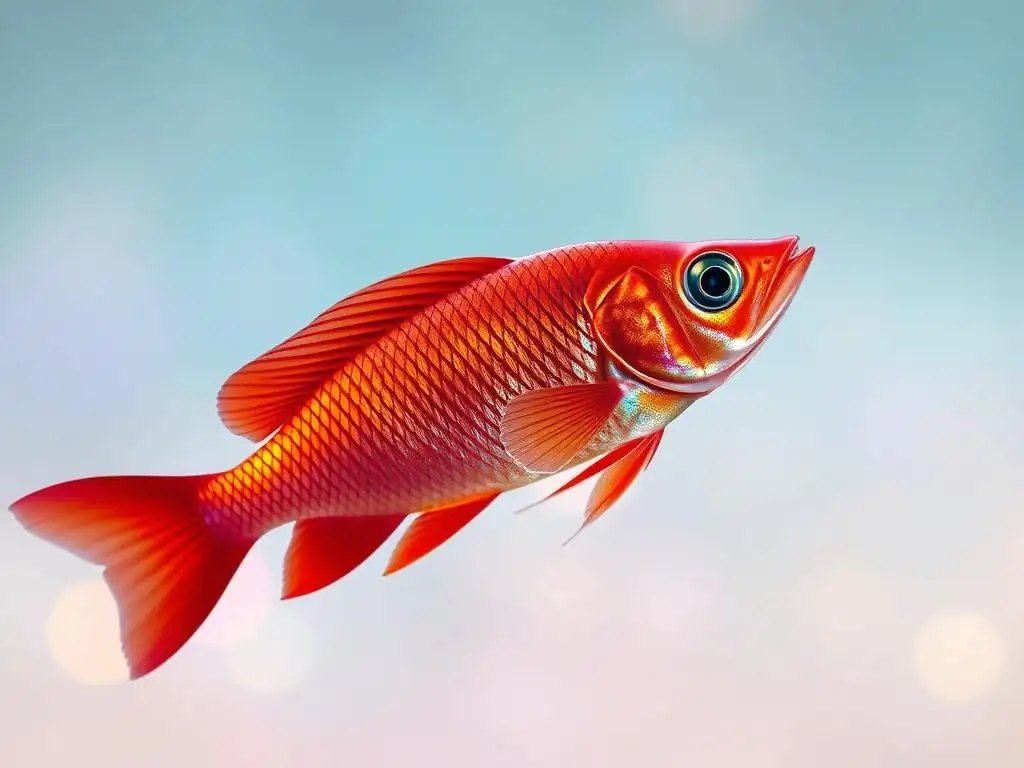
A classic example of successful swordtail line breeding is the development of the High-Fin Red Swordtail with its intensely vibrant red coloration. This strain combines two distinct desirable traits: the exaggerated, flowing dorsal fin (high-fin trait) and a deep, uniform red body color. The breeding process typically starts by acquiring individuals that show promise in both areas, even if not perfectly expressed initially. Breeders then selectively mate fish with the best finnage and the most intense red hue.
The challenge lies in ensuring that the selection for one trait doesn't compromise the other. For instance, some genes for extreme finnage might be linked to reduced fertility or health issues. Dedicated breeders have spent many generations, often over several decades, meticulously selecting for both traits simultaneously. The result is widely available commercial strains like the "Sunset Red Swordtail" or "Blood Red High-Fin Swordtail," which exhibit a stable, striking combination of elongated fins and profound red coloration, demonstrating the power of persistent selective breeding.
Case Study: Developing a Stable Line of Black Moscow Swordtails
While the "Moscow" designation is more commonly associated with guppies, the principle of developing a stable, uniformly black line applies equally to swordtails. Imagine a breeding program aimed at creating a "Black Moscow Swordtail" – a swordtail with a deep, velvety black body and potentially iridescent blue or purple highlights, similar to the guppy strain. This would involve selecting for the darkest, most uniform black individuals, while simultaneously seeking out and enhancing any subtle iridescent qualities.
The primary challenge in such a program would be to achieve a profound, non-fading black without introducing health issues often associated with extreme melanism. This might involve periodic outcrossing with healthy, vigorous, but perhaps less intensely black swordtails to introduce genetic diversity, followed by rigorous re-selection for the desired black color. The "Black Molly," another livebearer, serves as a real-world parallel, demonstrating that dedicated breeding over many generations (often 10+ generations) can indeed stabilize a true black color in a healthy, vibrant fish line.
Lessons Learned from Experienced Swordtail Breeders
Experienced swordtail breeders consistently emphasize several key lessons that are vital for success:
- Patience is Paramount: Line breeding is a long-term commitment. Achieving stable, high-quality lines can take years and many generations of fish. Rushing the process or giving up too soon will lead to inconsistent results.
- Observation is Key: Spend significant time observing your fish. Understand their behavior, health, and how their colors and forms develop. Subtle differences noticed early can significantly impact selection decisions.
- Don't Be Afraid to Cull: Culling (removing undesirable individuals from the breeding pool) is often the most difficult but essential aspect of line breeding. It's not about cruelty, but about genetic improvement and ensuring the health and quality of the future generations. A significant percentage of fry, sometimes 50% or more, may need to be culled to maintain standards, especially when working with red swordtail color genetics.
- Record Keeping is Non-Negotiable: As previously discussed, detailed records are the backbone of any successful breeding program. They provide the data necessary to make informed decisions and track progress over time.
- Network and Learn: Engaging with other experienced breeders provides invaluable knowledge, insights, and sometimes access to new bloodlines. Learning from others' successes and failures can significantly accelerate your own progress.
Advanced Swordtail Color Genetics and Breeding Strategies
Understanding Polygenic Inheritance in Swordtail Colors
As touched upon earlier, most of the vibrant and intense colors in line-bred swordtails, such as the deep red or solid black, are governed by polygenic inheritance. This means that multiple genes, rather than just one or two, contribute to the final expression of the trait. Each gene might have a small, additive effect on the color intensity, pigment density, or distribution. For example, the precise red swordtail color genetics are influenced by several genes that control the number, size, and pigment load of erythrophores, as well as genes that might inhibit other colors.
The complexity of polygenic inheritance makes breeding more challenging but also allows for greater variation and the ability to fine-tune specific shades and patterns. Breeders are essentially accumulating beneficial alleles for a trait across many generations. This explains why achieving a consistent, "perfect" red or black can take numerous generations, as it requires gathering many small genetic contributions into a single individual's genome. Understanding this concept helps breeders appreciate the cumulative nature of their work and the need for persistent selection.
Using Test Crosses to Predict Offspring Color
Test crosses are a classic genetic tool that can be invaluable for understanding the genetic makeup of breeding fish, particularly for traits that follow simpler Mendelian inheritance patterns. A test cross involves mating an individual of unknown genotype (e.g., a swordtail with good red color whose genetic purity is uncertain) with an individual that is homozygous recessive for the trait in question (e.g., a very pale or wild-type swordtail that is known to carry no dominant color genes).
By observing the phenotypes (colors) of the offspring, a breeder can deduce the genotype of the unknown parent. If all offspring are red, the unknown parent is likely homozygous dominant for the red gene. If some offspring are red and some are pale, the unknown parent is heterozygous.
While polygenic traits like intense red swordtail color genetics are too complex for simple test crosses to fully predict, this technique can still be useful for identifying major contributing genes or for confirming the presence of specific recessive genes that might affect color expression. This allows for more informed breeding decisions and reduces guesswork.
The Future of Swordtail Color Breeding: Gene Editing and Marker-Assisted Selection
The future of swordtail color breeding, particularly in commercial or research settings, holds fascinating possibilities with advanced genetic technologies. While not yet widely accessible to the hobbyist, techniques like gene editing and marker-assisted selection could revolutionize how new color strains are developed.
Gene Editing (e.g., CRISPR): This technology allows for precise modifications to an organism's DNA. In the future, it could theoretically be used to directly enhance pigment production genes, silence genes that inhibit desired colors, or even introduce entirely new color pathways into swordtails. This would offer unprecedented control over color expression, potentially creating novel hues or intensifying existing ones with extreme precision. However, ethical considerations and regulatory hurdles mean this is largely a research tool for now.
Marker-Assisted Selection (MAS): MAS involves using DNA markers (specific DNA sequences) that are linked to desirable traits, such as intense red swordtail color genetics. By analyzing a small tissue sample from a young fish, breeders could identify individuals carrying the desired genes long before their full color phenotype develops. This would significantly accelerate breeding programs by allowing for early and accurate selection of breeding stock, dramatically reducing the time and resources required to develop new, stable color lines. As genetic mapping of ornamental fish improves, MAS could become a powerful tool for advanced breeders.
Frequently Asked Questions
How does line breeding work to achieve specific red swordtail color genetics?
Line breeding involves mating closely related individuals over several generations to concentrate desired genes, like those responsible for the red coloration. This process increases the likelihood of offspring expressing the desired trait.
What are the risks associated with using line breeding to enhance red swordtail color genetics?
A significant risk is inbreeding depression, which can lead to reduced genetic diversity, making fish more susceptible to disease and causing physical deformities and reduced fertility.
Besides line breeding, what other methods can be used to influence red swordtail color genetics?
Other methods include selective breeding, where individuals with the most desirable traits are chosen to breed, and outcrossing, introducing unrelated individuals to improve genetic diversity and potentially introduce new color variations.
How many generations of line breeding are typically required to stabilize a specific red swordtail color genetics?
The number of generations varies, but it often takes 3-5 generations or more to achieve a relatively stable line with consistent expression of the desired red color. This is highly dependent on the starting genetics.
What factors besides genetics influence the expression of red swordtail color genetics?
Environmental factors like water quality, diet, and lighting can influence the intensity and vibrancy of the red coloration. Proper care and nutrition are crucial for optimal color development, regardless of genetics.
Final Reflection: The Enduring Art of Genetic Refinement
The journey into red swordtail color genetics, as we've explored, is far more than a scientific exercise; it's a testament to human curiosity and the enduring desire to shape the natural world. The principles of line breeding, meticulously applied, reveal the hidden potential within a species, allowing us to coax forth vibrant hues and patterns that might otherwise remain dormant. This pursuit, while focused on the beauty of a single fish, mirrors broader efforts to understand and manipulate the very building blocks of life.
The impact of such selective breeding extends beyond the aquarium. It underscores the power of observation, patience, and a deep understanding of inheritance. It reminds us that even seemingly small interventions can have profound effects, shaping not only the physical characteristics of a species but also our appreciation for the intricate dance of genes. The beauty of the natural world lies in the details, and it is in the details that we find the greatest opportunities for discovery.
This sentiment echoes the dedication required to unlock the secrets of color expression in these captivating creatures.
As you consider the complexities and rewards of line breeding, I invite you to reflect on the power of focused effort and the beauty that can emerge from dedicated observation. Whether you are a seasoned aquarist or simply an admirer of nature's artistry, may this exploration inspire you to appreciate the intricate tapestry of life and to consider the potential that lies within every seed, every scale, and every carefully chosen pairing.
Unleash Your Inner Swordtail Breeder!
Thanks for diving deep into the world of swordtail genetics! We hope you've gained a solid understanding of how line breeding can help you achieve those vibrant reds, deep blacks, and all the colors in between. Ready to put your knowledge into practice?
Here are a few things you can do right now:
- Start a Line Breeding Logbook: Document your swordtail pairings, offspring colors, and any observations to track your progress and fine-tune your approach.
- Explore advanced breeding techniques:Delve into topics like selective breeding and culling strategies to further refine your swordtail lines.
- Share your swordtail successes (and challenges!) in our community forum, and help other new breeders learn from your experience.
What's the first swordtail color morph you're planning to line breed for, and what are the biggest challenges you anticipate facing?