
Strategies to Minimize Angelfish Damage in a Reef Aquarium

Welcome to Aquarium Mastery!
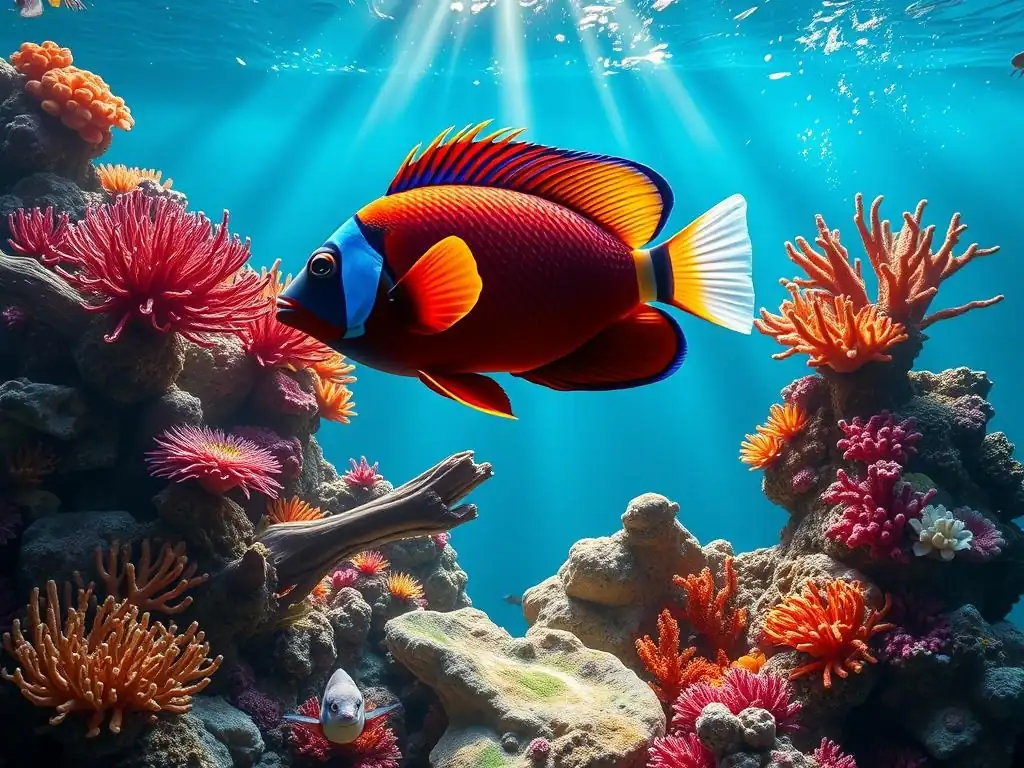
Ever wondered if those majestic angelfish can really coexist peacefully in your reef aquarium, or are they destined to wreak havoc? Dive into our latest article, "Strategies to Minimize Angelfish Damage in a Reef Aquarium," to uncover the secrets to a harmonious underwater ecosystem. Discover practical tips and expert insights to keep your angelfish happy and your corals thriving! Ready to unlock the secrets? Let's explore!
- Understanding Angelfish Behavior and Reef Compatibility
- Preemptive Measures: Choosing the Right Angelfish for a Reef
- Optimizing the Reef Aquarium Environment to Reduce Angelfish Damage
- Dietary Strategies to Deter Angelfish Nipping at Corals
- Reef-Safe Coral Selection: Minimizing Temptation for Angelfish
- Innovative Techniques to Protect Corals from Angelfish
- Addressing Existing Angelfish-Related Reef Damage
- Advanced Strategies: Training and Distraction Techniques
- Long-Term Angelfish and Reef Tank Management
-
Frequently Asked Questions
- How likely is it that an Angelfish will cause damage in a reef aquarium?
- What types of damage can Angelfish inflict on a reef aquarium?
- What are some strategies to minimize Angelfish damage in a reef aquarium?
- Are there any Angelfish species considered generally safer for reef aquariums?
- What should I do if my Angelfish starts nipping at corals in my reef aquarium?
- Final Reflection: Coexistence in the Reef
- Unleash a Thriving Reef: Conquer Angelfish Nipping!
Understanding Angelfish Behavior and Reef Compatibility
Identifying Angelfish Species Prone to Reef Damage
Angelfish, renowned for their vibrant colors and graceful swimming, belong to the family Pomacanthidae, which encompasses a wide range of species with varying degrees of reef compatibility. Large angelfish genera such as Pomacanthus (e.g., Emperor Angelfish, Blueface Angelfish) and Holacanthus (e.g., Queen Angelfish, French Angelfish) are generally considered unsuitable for most reef aquariums. Their natural diets primarily consist of sponges, tunicates, and sometimes even corals in the wild, making them highly prone to causing significant Angelfish reef aquarium damage by nipping at or consuming coral polyps when kept in a confined reef environment.
Dwarf angelfish from the genus Centropyge (e.g., Flame Angelfish, Lemonpeel Angelfish, Coral Beauty) are often labeled "reef-safe with caution." While many individuals may coexist peacefully with corals, some can develop a habit of nipping, particularly at soft polyps like zoanthids, palythoa, or even certain LPS corals such as Euphyllia.
The key distinction lies in their smaller size and often more varied natural diet, but the risk of Angelfish reef aquarium damage remains a significant consideration for aquarists. In contrast, angelfish from the genus Genicanthus (Swallowtail Angelfish), being planktivorous, are generally the safest choice for reef tanks, rarely exhibiting coral-nipping behavior.
Factors Influencing Angelfish Behavior in Reef Tanks
Several factors can influence an angelfish's propensity to cause Angelfish reef aquarium damage. Stress is a primary catalyst; an angelfish housed in an undersized tank, subjected to aggressive tank mates, or living in suboptimal water conditions is more likely to exhibit undesirable behaviors, including nipping at corals. For instance, a Centropyge angelfish in a tank smaller than 50 gallons may experience heightened stress, increasing its likelihood of picking at coral polyps out of anxiety or boredom.
Dietary deficiencies also play a crucial role. If an angelfish is not receiving a varied and nutritious diet that adequately meets its omnivorous or herbivorous needs, it may resort to grazing on corals to supplement its intake. A common example is a Lemonpeel Angelfish (naturally an algal grazer) that, if not consistently provided with marine algae, might turn its attention to the algae growing on coral skeletons or even the coral tissue itself.
Furthermore, individual personality varies greatly among angelfish, even within the same species. Some individuals are simply more inclined to nip, regardless of environmental conditions, making careful observation paramount to preventing extensive Angelfish reef aquarium damage.
Preemptive Measures: Choosing the Right Angelfish for a Reef
Selecting Reef-Safe Angelfish Species: A Detailed Guide
When the goal is to minimize Angelfish reef aquarium damage, careful species selection is the most critical first step. Among the angelfish family, species from the genus Genicanthus, commonly known as Swallowtail Angelfish, are highly recommended for reef environments due to their predominantly planktivorous diet. Species like the Ornate Angelfish ( Genicanthus bellulus) or the Blackspot Angelfish ( Genicanthus melanospilos) are excellent choices, typically ignoring corals entirely as their natural feeding habits revolve around consuming zooplankton in the water column.
For those desiring the classic angelfish shape, certain dwarf angelfish ( Centropyge species) offer a cautious possibility, though they are not entirely without risk of Angelfish reef aquarium damage. The Pygmy Angelfish ( Centropyge argi), Resplendent Angelfish ( Centropyge resplendens), and African Flameback Angelfish ( Centropyge acanthops) are generally considered among the safest Centropyge species for reef tanks.
These species tend to be less prone to nipping compared to their more notorious cousins like the Lemonpeel Angelfish ( Centropyge flavissima) or the Flame Angelfish ( Centropyge loriculus), which have a higher documented incidence of coral picking. Regardless of the species chosen, it is crucial to understand that individual temperament can vary, and even a "reef-safe" angelfish might develop a taste for corals.
Quarantine and Observation Before Introducing Angelfish
A robust quarantine protocol is an indispensable preemptive measure to mitigate potential Angelfish reef aquarium damage. Housing a newly acquired angelfish in a dedicated quarantine tank (QT) for a minimum of three to four weeks provides a crucial period for observation. During this time, the fish can be monitored for signs of disease, aggression, and, most importantly, any tendencies towards coral nipping. This isolation period also allows the angelfish to acclimate to prepared foods, reducing the likelihood that it will seek alternative food sources from the main display tank's corals out of hunger or unfamiliarity.
To actively test for potential Angelfish reef aquarium damage, aquarists can introduce a small, inexpensive coral frag (such as a common mushroom or a small zoanthid colony) into the quarantine tank during the latter part of the observation period. If the angelfish shows any interest in nipping or picking at the coral, it provides a clear warning sign before the fish is introduced to the main reef. This simple test can prevent significant losses of valuable corals in the display tank, saving both money and frustration by identifying a problematic individual early on.
Optimizing the Reef Aquarium Environment to Reduce Angelfish Damage
Providing Ample Hiding Places and Territories for Angelfish
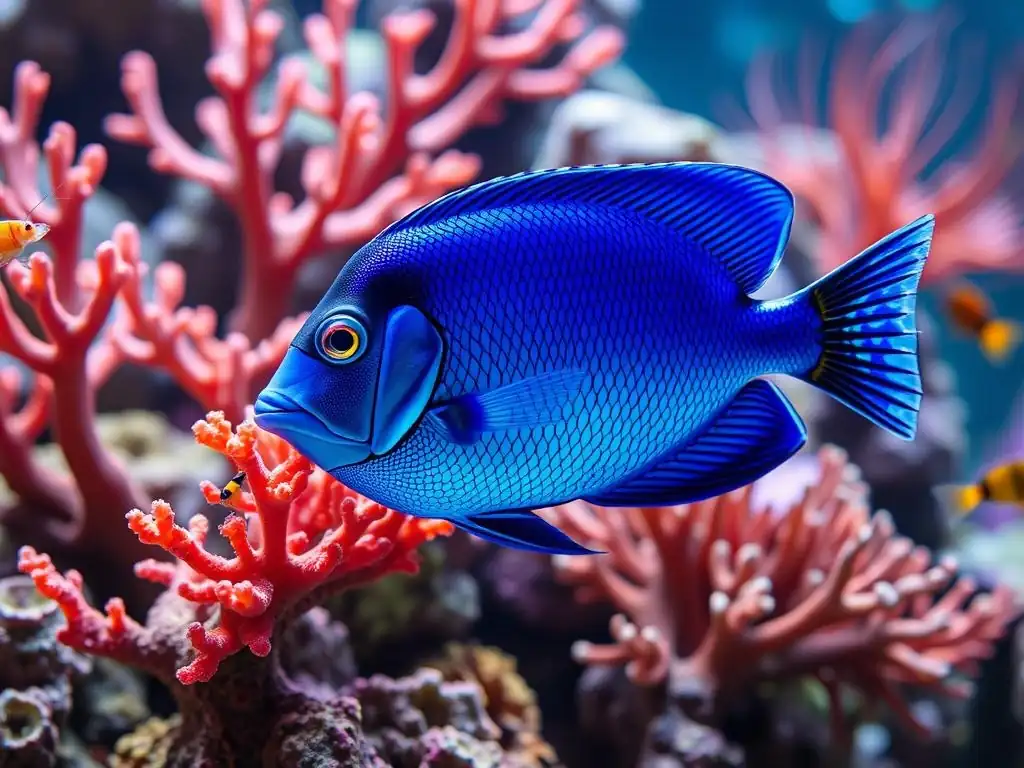
A well-structured reef aquascape is paramount in minimizing stress and, consequently, reducing the likelihood of Angelfish reef aquarium damage. Angelfish, especially the larger species, require ample hiding places and defined territories to feel secure. A complex rock structure with numerous caves, overhangs, and swim-throughs provides essential refuge and reduces territorial aggression, which can otherwise be directed at tank mates or, inadvertently, at corals. When an angelfish feels threatened or lacks personal space, its stress levels can increase, making it more prone to stress-induced nipping.
For example, in a 120-gallon reef tank housing a single large angelfish, ensuring at least 40-50% of the aquascape volume is dedicated to intricate rockwork with multiple distinct zones can significantly reduce stress. For dwarf angelfish, a 50-gallon tank with similar structural density is beneficial. These designated retreats allow the angelfish to escape perceived threats or simply rest, thereby reducing the behavioral manifestations of stress, including the unwanted Angelfish reef aquarium damage from coral picking.
Maintaining Optimal Water Quality to Minimize Stress
Consistent and optimal water quality is fundamental to the health of all reef inhabitants, including angelfish and corals, directly impacting the potential for Angelfish reef aquarium damage. Fluctuations or deficiencies in water parameters can lead to significant stress in angelfish, making them more susceptible to developing undesirable behaviors like coral nipping. Maintaining stable parameters such as temperature (ideally 75-80°F), salinity (1.024-1.026 specific gravity), pH (8.1-8.4), alkalinity (7-11 dKH), calcium (400-450 ppm), and magnesium (1250-1350 ppm) is crucial.
Regular water changes, typically 10-20% bi-weekly, are essential for keeping nitrates below 10 ppm and phosphates below 0.03 ppm, which are critical for coral health and overall system stability. Elevated nutrient levels or inconsistent parameters can weaken corals, making them more vulnerable to any Angelfish reef aquarium damage that might occur. A healthy, low-stress environment for the angelfish translates to a reduced inclination to pick at corals, while a thriving coral population is more resilient to minor disturbances.
Proper Lighting and Flow Considerations for Angelfish and Corals
The interplay of lighting and water flow within a reef aquarium influences both coral health and angelfish behavior, indirectly affecting the potential for Angelfish reef aquarium damage. While angelfish themselves are adaptable to various lighting conditions, extreme brightness without sufficient shaded areas can cause stress. It is crucial to select lighting that meets the specific photosynthetic needs of your corals, ensuring they thrive and maintain their natural defenses. Corals under optimal lighting are healthier and potentially less appealing targets for nipping.
Water flow is equally important. Angelfish generally prefer moderate to strong currents, mimicking their natural oceanic environment, which encourages active swimming and provides enrichment. However, adequate flow also benefits corals by delivering nutrients and removing waste products, contributing to their overall vitality. Ensure that the aquascape provides areas of both strong flow and calmer eddies, catering to the diverse needs of both fish and corals. A balanced flow regime promotes a healthy environment for all inhabitants, reducing stress-induced behaviors that could lead to Angelfish reef aquarium damage.
Dietary Strategies to Deter Angelfish Nipping at Corals
Ensuring a Varied and Nutritious Angelfish Diet
A cornerstone strategy to prevent Angelfish reef aquarium damage is providing a consistently varied and highly nutritious diet. Angelfish are generally omnivores, with many species having a significant herbivorous component to their natural diet, consuming sponges, algae, and detritus. If these dietary requirements are not met in the aquarium, angelfish may resort to picking at corals out of hunger or to seek missing nutrients. Offer a diverse array of high-quality frozen foods, such as mysis shrimp, spirulina-enriched brine shrimp, and specialized marine angelfish formulas that often contain sponge material.
Supplement these frozen foods with premium flakes and pellets specifically designed for marine omnivores and herbivores. For instance, feeding a mix that includes pellets with at least 30% spirulina content, alongside meaty frozen foods, ensures a comprehensive nutritional profile. A well-fed angelfish, receiving all necessary vitamins and minerals, is significantly less likely to graze on corals, thereby minimizing the potential for Angelfish reef aquarium damage caused by nutritional deficiencies.
Supplementing with Algae and Plant Matter
Given the significant herbivorous tendencies of many angelfish species, supplementing their diet with ample algae and plant matter is a highly effective method to deter Angelfish reef aquarium damage. Nori sheets (dried seaweed), specifically marine-grade varieties, are an excellent and easily digestible source of plant material. Attaching a small piece of nori to a vegetable clip in the aquarium allows the angelfish to graze continuously throughout the day, mimicking their natural foraging behavior.
Beyond nori, marine algae pellets or spirulina flakes can be incorporated into daily feedings. Offering these plant-based foods 2-3 times per week, in addition to their regular diet, can satiate their natural urge to graze. This consistent provision of plant matter diverts their attention from corals, as their dietary needs for fibrous and plant-based material are met, substantially reducing the motivation for an angelfish to pick at live coral polyps and minimizing Angelfish reef aquarium damage.
Implementing a Feeding Schedule to Reduce Grazing on Corals
Implementing a strategic feeding schedule is a practical way to keep angelfish satiated and reduce their inclination to nip at corals. Instead of offering one large meal per day, feeding smaller amounts multiple times throughout the day (e.g., 2-3 times) can significantly reduce the likelihood of Angelfish reef aquarium damage. This approach ensures that the angelfish is consistently well-fed and less prone to seeking food from the corals out of hunger or boredom.
For example, feeding small portions of frozen food in the morning, followed by a mid-day offering of nori, and another small portion of pellets in the evening can maintain a steady supply of nutrients. Closely observe the angelfish's belly; it should appear full and rounded after feedings. This consistent availability of food helps prevent the angelfish from developing a habit of grazing on corals, which can quickly lead to noticeable Angelfish reef aquarium damage. A regular and frequent feeding routine is a simple yet powerful tool in reef tank management.
Reef-Safe Coral Selection: Minimizing Temptation for Angelfish
Choosing Hardy and Less Palatable Coral Species
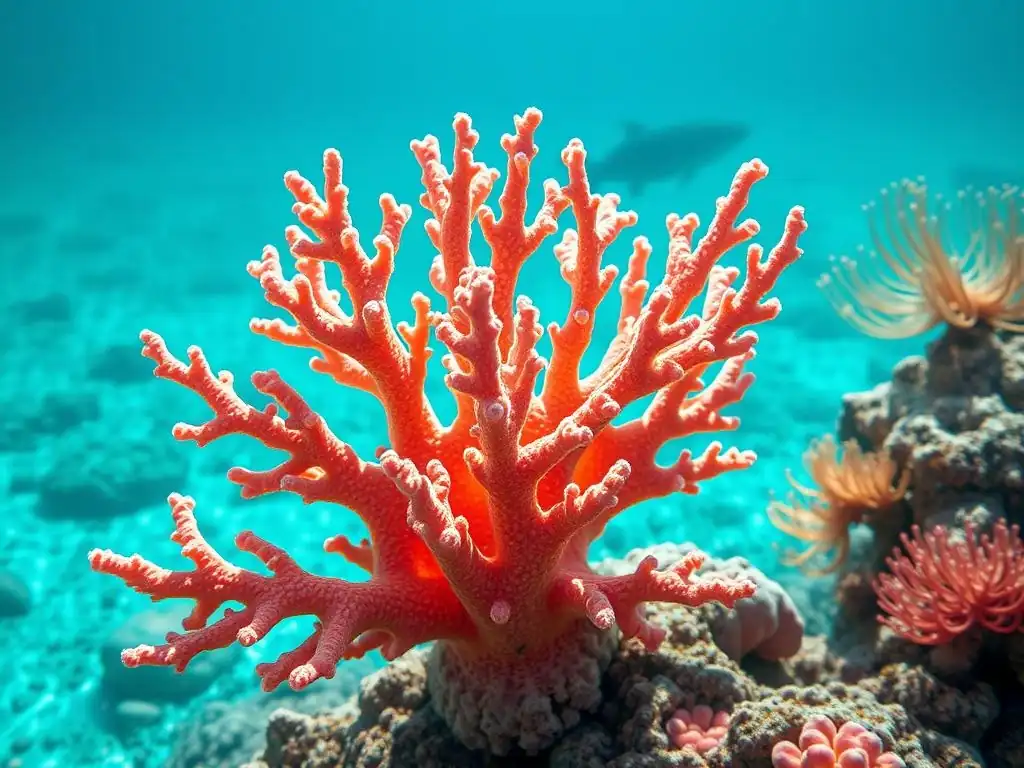
When housing angelfish, even those generally considered "reef-safe with caution," selecting coral species that are less appealing or more resilient can significantly minimize Angelfish reef aquarium damage. Some corals possess natural defenses or chemical deterrents that make them less palatable. Soft corals such as Sarcophyton (Toadstool Leather Corals), Sinularia (Finger Leather Corals), and Lobophytum (Devil's Hand Leather Corals) are often ignored by angelfish due to their tougher, leathery texture and potential production of defensive chemicals. While Xenia species can sometimes be nipped due to their pulsing motion, many hobbyists report them being left alone.
LPS (Large Polyp Stony) corals like Euphyllia (Hammer, Frogspawn, Torch corals) are generally less targeted because of their potent stinging nematocysts, which deter most fish. Other LPS such as Acanthastrea and Favia are also frequently safe. SPS (Small Polyp Stony) corals, including Acropora and Montipora, are typically not preferred food sources, though some angelfish might occasionally pick at their polyps. Conversely, highly palatable corals like zoanthids, palythoa, or certain soft polyps are common targets for Angelfish reef aquarium damage and should be introduced with extreme caution or avoided if a known nipper is present.
Placement of Corals to Reduce Angelfish Access
Strategic placement of corals within the reef aquarium can be an effective passive measure to minimize Angelfish reef aquarium damage. Vulnerable or highly prized coral colonies should be positioned in areas that are less accessible to the angelfish. This might include placing them higher up in the rockwork, in crevices, or in areas with stronger water flow where the angelfish might find it difficult to comfortably settle and nip. For instance, a valuable zoanthid colony could be placed within a small cave opening where only smaller, less destructive fish can reach.
Conversely, less palatable or "sacrificial" corals (e.g., a common, fast-growing Xenia or a resilient leather coral) can be intentionally placed in more exposed areas. The idea is to divert the angelfish's attention to these more accessible and less critical targets. Avoid clustering small, delicate polyps at the very front of the tank or on easily accessible flat surfaces, as this presents an irresistible temptation for an angelfish prone to grazing. Thoughtful aquascaping can create natural barriers and make a significant difference in preventing widespread Angelfish reef aquarium damage.
Innovative Techniques to Protect Corals from Angelfish
Using Coral Guards and Protective Barriers
When specific corals are repeatedly targeted, or if you wish to introduce a highly desired yet vulnerable coral into a tank with a potentially nippy angelfish, using coral guards or protective barriers can be an effective, albeit often temporary, solution to prevent Angelfish reef aquarium damage. These barriers are typically constructed from inert, aquarium-safe materials such as plastic craft mesh, egg crate light diffuser, or clear acrylic. A small, custom-fit cage can be built around an individual coral colony, allowing light and flow to reach it while physically preventing the angelfish from nipping.
While not always aesthetically pleasing, these physical deterrents can be invaluable for allowing a damaged coral to heal, for acclimating a new frag, or for protecting a particularly expensive or rare specimen. For example, a small mesh dome placed over a recovering Acropora frag can provide the necessary protection from an angelfish's curiosity. This method offers immediate and direct protection, minimizing the risk of further Angelfish reef aquarium damage to the enclosed coral.
Employing "Sacrificial" Corals to Divert Attention
The strategy of employing "sacrificial" corals involves introducing less expensive, fast-growing, and often more palatable coral species into the reef aquarium with the specific intent of diverting an angelfish's attention away from more desirable or sensitive corals. The concept is that if an angelfish develops a nipping habit, it will likely prefer to graze on the readily available and regenerating sacrificial corals rather than targeting your prized specimens. Common examples of such corals include certain species of Xenia, common varieties of zoanthids or palythoa, or even intentionally growing nuisance algae like Chaetomorpha in a designated area.
For instance, if a dwarf angelfish begins nipping at a high-end SPS colony, introducing a healthy frag of Xenia elongata in an easily accessible area might redirect its attention. While this method doesn't eliminate the nipping behavior entirely, it can significantly reduce the Angelfish reef aquarium damage to your primary coral collection. It requires ongoing monitoring to ensure the sacrificial corals are not completely decimated and that the angelfish's preference remains diverted.
Identifying the Source of the Damage
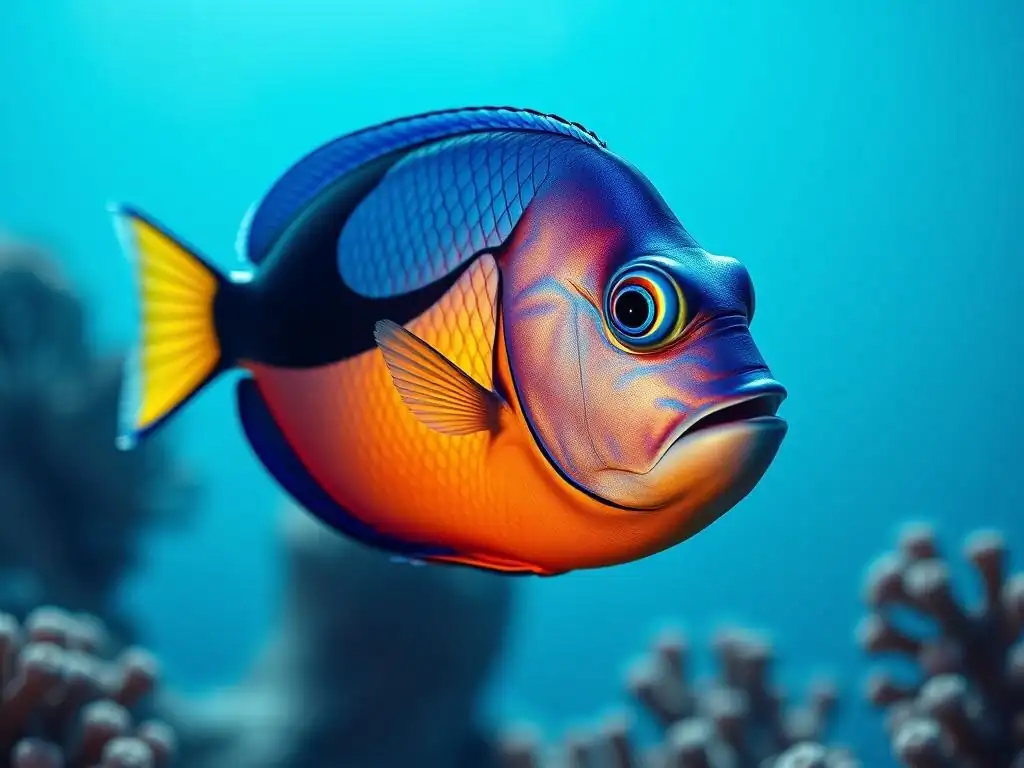
When Angelfish reef aquarium damage becomes apparent, the first critical step is to accurately identify the source. While angelfish are often the prime suspects for nipped or receding coral polyps, other factors can cause similar symptoms, including poor water quality, parasitic pests (e.g., Montipora eating nudibranchs, Acropora eating flatworms), or aggression from other tank inhabitants. Careful observation of the angelfish's behavior, particularly during and after feeding, is essential. Look for direct evidence of nipping – specific bite marks, retracted polyps on otherwise healthy corals, or the angelfish repeatedly approaching and pecking at a particular coral.
It is advisable to spend dedicated time observing the tank, perhaps 15-20 minutes at a time, several times a day, to catch the angelfish in the act. If multiple corals are showing signs of distress but no direct nipping is observed, then a thorough water parameter check (nitrate, phosphate, alkalinity, calcium, magnesium) and a pest inspection should be conducted. Accurately identifying the cause is paramount to implementing effective corrective measures and preventing further Angelfish reef aquarium damage.
Implementing Corrective Measures to Reduce Further Damage
Once it's confirmed that an angelfish is responsible for Angelfish reef aquarium damage, immediate corrective measures must be implemented. If a specific coral is repeatedly targeted, consider moving it to a less accessible location within the aquascape or, if the damage is severe, temporarily relocating it to a dedicated coral quarantine or frag tank for healing.
Simultaneously, re-evaluate the angelfish's diet and feeding schedule. Increasing feeding frequency to 3-4 small meals per day and introducing new, highly palatable foods (especially those rich in marine algae or sponge material) can satiate the fish and reduce its inclination to graze on corals out of hunger or boredom.
Assess the angelfish's overall environment for stress factors. Is the tank size adequate? Are there sufficient hiding places? Are tank mates overly aggressive? Addressing these underlying stressors can significantly reduce nipping behavior. In extreme cases, if the Angelfish reef aquarium damage persists despite all efforts, temporary removal of the angelfish to a separate holding tank for a "time out" might be necessary to allow corals to recover and to reassess the angelfish's compatibility with the reef.
Monitoring Coral Health and Recovery
Following the implementation of corrective measures to address Angelfish reef aquarium damage, diligent monitoring of coral health and recovery is crucial. Regularly observe the affected corals for signs of improvement, such as increased polyp extension, a return of vibrant coloration, and the visible regeneration of damaged tissue. Maintaining pristine water quality during this recovery phase is paramount, as healthy parameters (low nitrates/phosphates, stable alkalinity/calcium/magnesium) directly support coral healing and growth.
Keep a detailed log of the corals that were damaged, the date of intervention, and observations of their recovery. This data helps assess the effectiveness of the strategies employed and provides insights into the angelfish's behavior. If, despite all efforts, Angelfish reef aquarium damage continues or worsens, it may indicate that the specific angelfish individual is simply not compatible with a coral reef environment. In such rare but persistent cases, rehoming the angelfish to a fish-only with live rock (FOWLR) system might be the most responsible long-term solution to ensure the health of your reef.
Advanced Strategies: Training and Distraction Techniques
Using Feeding Sticks or Target Feeding to Redirect Angelfish
Advanced aquarists can employ target feeding techniques to actively redirect an angelfish's attention away from corals and minimize Angelfish reef aquarium damage. Using a long feeding stick or tongs, present food directly to the angelfish. This method serves multiple purposes: it ensures the angelfish receives ample food, it can train the fish to associate the stick with a direct food source, and it provides a distraction. Over time, the angelfish may learn to anticipate food from the stick, reducing its inclination to search for sustenance elsewhere, such as on coral polyps.
This technique is particularly effective with larger or more assertive angelfish species. By consistently offering highly palatable foods (e.g., mysis shrimp, chopped seafood) via the feeding stick at regular intervals, you can keep the angelfish satiated and focused on the provided food rather than grazing on corals. This precise delivery of food not only ensures the angelfish is well-fed but also reduces competition with other tank inhabitants, making it a valuable tool in mitigating Angelfish reef aquarium damage.
Introducing "Dither Fish" to Reduce Angelfish Aggression (Considerations)
While not a direct method to prevent Angelfish reef aquarium damage, introducing "dither fish" can be an advanced strategy to reduce overall stress and aggression in an angelfish, which may indirectly lessen nipping behavior. Dither fish are typically small, active, schooling fish (e.g., certain species of chromis or damsels, like Blue-Green Chromis) that swim openly in the water column. Their confident, free-swimming behavior can signal to a more timid angelfish that the environment is safe, thereby making the angelfish feel more secure and less stressed.
A less stressed angelfish is often less prone to exhibiting undesirable behaviors, including stress-induced coral nipping. However, this strategy requires careful consideration. The dither fish must be compatible with the angelfish and other tank inhabitants, and their introduction will add to the bioload, requiring robust filtration. For example, adding a small school of 5-7 Blue-Green Chromis to a 100-gallon reef tank could potentially alleviate some angelfish stress. This technique is more about general stress reduction than direct Angelfish reef aquarium damage prevention, and its effectiveness can vary.
Long-Term Angelfish and Reef Tank Management
Regular Observation and Intervention
Long-term success in minimizing Angelfish reef aquarium damage hinges on continuous, regular observation and a readiness for prompt intervention. Daily visual inspections of both the angelfish's behavior and the health of your corals are paramount. Look for any new signs of nipping, such as retracted polyps on specific corals or white spots indicating tissue damage. Pay attention to the angelfish's feeding habits and overall demeanor. Early detection of undesirable behavior allows for swift action before minor nipping escalates into significant Angelfish reef aquarium damage.
Maintaining a log or mental note of any observed incidents can help identify patterns, such as certain corals being preferred targets or nipping occurring at specific times of the day. This ongoing vigilance enables aquarists to fine-tune feeding schedules, adjust aquascaping, or re-evaluate tank parameters as needed. Being proactive and prepared to intervene quickly is the most effective way to manage the delicate balance of housing an angelfish in a coral reef environment.
Adjusting Strategies as the Aquarium Matures
A reef aquarium is a dynamic ecosystem, and the strategies employed to minimize Angelfish reef aquarium damage must be adaptable as the tank matures and its inhabitants grow. A young angelfish that initially shows no interest in corals may develop nipping habits as it matures and its dietary needs or preferences evolve. Similarly, as corals grow and spread, they might become more accessible to the angelfish, or their chemical defenses might change. For instance, a coral that was previously ignored might suddenly become a target if its polyps grow into a more inviting cluster.
Therefore, it is crucial to remain flexible and adjust your management strategies over time. If new Angelfish reef aquarium damage begins to appear on previously untouched corals, reassess your feeding regimen, consider introducing additional sacrificial corals, or modify the aquascape to create new barriers. The long-term success of housing angelfish in a reef tank depends on an aquarist's willingness to continuously assess the situation and modify their approach to maintain harmony within the evolving ecosystem.
The Importance of a Balanced Reef Ecosystem
Ultimately, the most comprehensive long-term strategy for minimizing Angelfish reef aquarium damage lies in fostering a balanced, stable, and healthy reef ecosystem. When all components of the aquarium are thriving – from water parameters to tank mates and filtration – the angelfish itself is likely to be less stressed and less prone to destructive behaviors. This includes maintaining appropriate stocking levels to prevent overcrowding, providing robust filtration to manage bioload, and cultivating a diverse microfauna that contributes to the natural food chain.
A well-maintained reef with consistent water quality, ample space, and a varied diet for all inhabitants creates an environment where angelfish are less inclined to pick at corals out of hunger, stress, or boredom. When fish are healthy and their needs are met, they are more likely to exhibit natural, desirable behaviors. The harmonious coexistence of angelfish and corals is best achieved through a holistic approach to reef tank management, where every element contributes to the overall well-being and stability of the entire ecosystem, significantly reducing the potential for Angelfish reef aquarium damage.
Frequently Asked Questions
How likely is it that an Angelfish will cause damage in a reef aquarium?
The likelihood of damage depends heavily on the specific Angelfish species and the individual fish's temperament. Some Angelfish are more prone to nipping at corals and invertebrates than others.
What types of damage can Angelfish inflict on a reef aquarium?
Angelfish are known to nip at stony corals (SPS and LPS), soft corals, and mantle of clams. This can lead to coral stress, bleaching, and even death if the nipping is persistent.
What are some strategies to minimize Angelfish damage in a reef aquarium?
Key strategies include choosing reef-safe Angelfish species, providing a well-fed and varied diet, and introducing the Angelfish last in the stocking order. Also, a large tank with plenty of hiding spots helps.
Are there any Angelfish species considered generally safer for reef aquariums?
Yes, some species like the Pygmy Angelfish (Centropyge genus) are often considered more reef-safe, although no Angelfish is guaranteed to be completely harmless.
What should I do if my Angelfish starts nipping at corals in my reef aquarium?
First, ensure the Angelfish is adequately fed. If the nipping persists, consider removing the Angelfish to a separate tank or rehoming it to protect your corals.
Final Reflection: Coexistence in the Reef
The strategies outlined in this article, focusing on minimizing Angelfish reef aquarium damage, are more crucial than ever in today's reefkeeping hobby. As we strive for increasingly vibrant and diverse reef ecosystems within our homes, understanding how to mitigate the potential impact of these magnificent fish becomes paramount. The delicate balance of a reef aquarium demands careful planning and informed decision-making, ensuring the well-being of all its inhabitants.
The allure of angelfish in a reef aquarium is undeniable, but their presence necessitates a responsible approach. My own journey in reefkeeping has taught me the profound importance of respecting the natural behaviors of these creatures and adapting our aquariums to accommodate them. The best way to keep a reef aquarium is to understand the needs of its inhabitants and provide an environment that allows them to thrive.
This understanding shapes not only our aquariums but also our appreciation for the intricate web of life within them.
Now, as you consider adding an angelfish to your reef aquarium, or perhaps re-evaluate your current setup, I urge you to reflect on the principles discussed here. Let these strategies guide you in creating a harmonious environment where both corals and angelfish can flourish. By embracing responsible reefkeeping practices, we can ensure the beauty and longevity of our underwater worlds for years to come.
Unleash a Thriving Reef: Conquer Angelfish Nipping!
Thank you for diving into the world of angelfish and reef aquariums with us! We hope you've found valuable insights to help you create a harmonious underwater ecosystem. Now, let's turn knowledge into action!
Here are a few steps you can take right now to ensure your reef thrives despite the presence of angelfish:
- Implement the 'Feed and Observe' Strategy: Dedicate specific times to feed your angelfish highly palatable foods, and closely monitor their behavior around your corals immediately afterward. Note any persistent nipping to adjust your feeding strategy accordingly.
- Consider adding a dither fish species to your tank. Their active swimming can distract the angelfish from focusing solely on corals.
- Why not share your angelfish success stories (or challenges!) in our community forum? Your experiences could be invaluable to other reef keepers!
What's one coral species you're most hesitant to introduce with your angelfish, and why?