
Golden & Albino XRay Tetras: Exploring Beautiful Morph Variations & Care

Welcome to Aquarium Mastery!
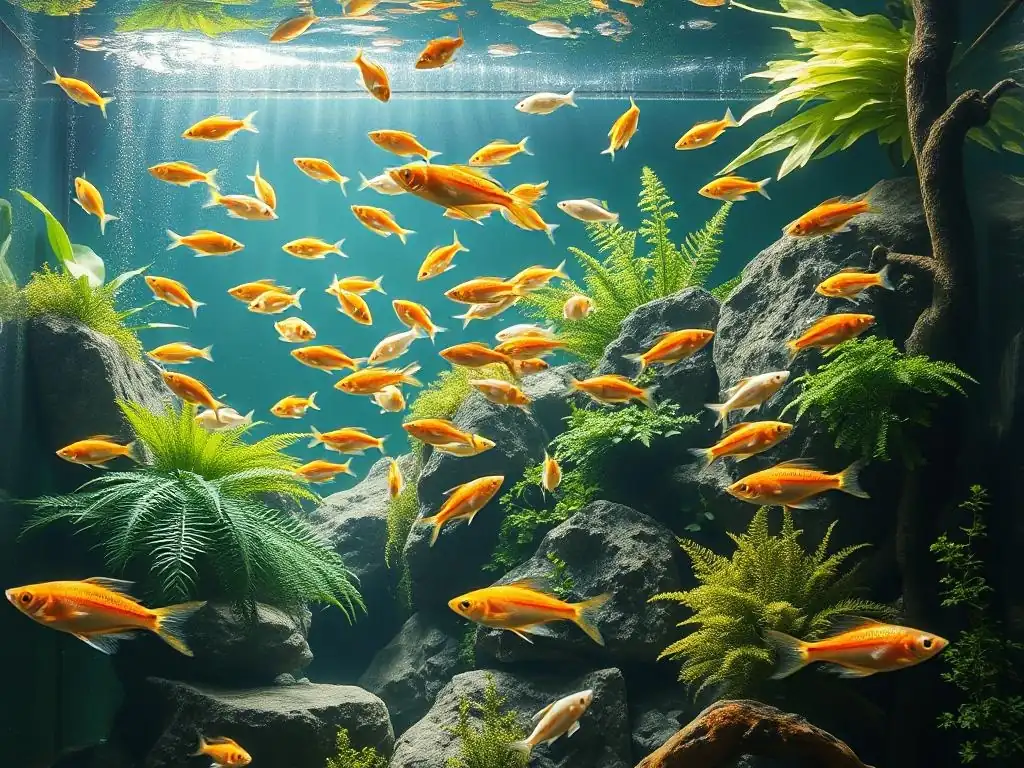
Ever wondered about the shimmering beauty and unique needs of XRay Tetras, particularly the stunning Golden and Albino variations? Dive into our comprehensive XRay Tetras care guide and unlock the secrets to keeping these captivating fish thriving in your freshwater aquarium. Ready to discover the perfect tank mates, ideal water parameters, and everything else you need for a happy and healthy XRay Tetra community? Let's explore!
- Cardinal & Neon Tetras: Exploring Popular Color Variations & Care
- Understanding Cardinal & Neon Tetras: An Introduction to Paracheirodon axelrodi & Paracheirodon innesi
- Exploring the Cardinal Tetra: A Radiant Variation
- Unveiling the Neon Tetra: A Pale Blue and Red Morph
- Cardinal & Neon Tetra Care Guide: Essential Information for All Variations
- Cardinal & Neon Tetra Tank Mates: Building a Harmonious Community
- Cardinal & Neon Tetra Breeding: A Step-by-Step Guide
- Troubleshooting Common Cardinal & Neon Tetra Problems
- Conclusion: Appreciating the Beauty and Care of Cardinal & Neon Tetras
-
Frequently Asked Questions
- How do Golden and Albino XRay Tetras differ from standard XRay Tetras?
- What are the key water parameters needed to ensure the health of Golden and Albino XRay Tetras?
- What type of food should I feed my Golden and Albino XRay Tetras?
- How many Golden or Albino XRay Tetras should I keep together?
- What are some common diseases that can affect Golden and Albino XRay Tetras, and how can I prevent them?
- Final Reflection: Illuminating the Translucent World of XRay Tetras
- Unveil the Radiant Beauty of XRay Tetras!
Cardinal & Neon Tetras: Exploring Popular Color Variations & Care
Understanding Cardinal & Neon Tetras: An Introduction to Paracheirodon axelrodi & Paracheirodon innesi
What are Cardinal & Neon Tetras? A Profile of these Popular Aquarium Fish
Cardinal Tetras ( Paracheirodon axelrodi) and Neon Tetras ( Paracheirodon innesi) are two of the most iconic and beloved freshwater fish in the aquarium hobby. Both species originate from the blackwater and clearwater streams of the Amazon basin, primarily found in countries like Brazil, Colombia, and Peru. These small, schooling fish are celebrated for their vibrant coloration and peaceful demeanor, making them staples in community aquariums worldwide. While similar in appearance, Cardinals are generally slightly larger, reaching up to 2 inches (5 cm) in length, whereas Neons typically grow to about 1.5 inches (4 cm).
Despite their delicate appearance, both Cardinal and Neon Tetras can be quite hardy when kept in appropriate conditions. With proper care, they can live for an average of 3 to 5 years, with some individuals even reaching up to 6 years in well-maintained aquariums. Their popularity stems not only from their aesthetic appeal but also from their relatively manageable care requirements, making them suitable for aquarists of varying experience levels.
The Appeal of Cardinal & Neon Tetras: Vibrant Colors and Schooling Behavior
The primary allure of Cardinal and Neon Tetras lies in their striking, iridescent coloration. Both species feature a prominent blue-green stripe running horizontally along their bodies, complemented by a vivid red stripe beneath it. This dazzling display of color is particularly mesmerizing when observed in a well-planted aquarium, where their hues are intensified against a dark substrate and lush green foliage. The iridescence of their blue stripe is due to guanine crystals within their cells, which reflect light and create a shimmering effect.
Beyond their individual beauty, the true spectacle of these tetras emerges when they are kept in a proper school. Both species are natural schooling fish, and keeping a minimum of 6 to 10 individuals is essential for their well-being and to observe their natural behaviors. When kept in a larger group, they exhibit synchronized swimming patterns, creating a dynamic and visually stunning living kaleidoscope in the aquarium. This schooling behavior also provides them with a sense of security, reducing stress and promoting healthier fish.
Distinguishing Features: Identifying True Cardinal and Neon Tetras
While Cardinal and Neon Tetras share a similar color palette, there are distinct features that differentiate them. The most reliable distinguishing characteristic is the extent of their red stripe. In Cardinal Tetras, the brilliant red stripe runs the entire length of their body, from the tip of their nose to the base of their tail. This continuous red band gives them a more intensely colored appearance.
In contrast, the Neon Tetra's red stripe begins only midway down its body, typically starting from the middle of its iridescent blue-green stripe and extending to the tail. Additionally, the blue-green stripe on a Cardinal Tetra tends to be thinner and brighter, often appearing more electric, while the Neon Tetra's blue stripe is generally wider and can appear slightly duller in comparison. Cardinal Tetras also have a more elongated body shape and can grow slightly larger than their Neon counterparts, typically by about half an inch.
Exploring the Cardinal Tetra: A Radiant Variation
The Allure of Cardinal Tetras: A Deeper Dive into Their Intense Red Stripe
The Cardinal Tetra, Paracheirodon axelrodi, is renowned for its unparalleled intensity of color, particularly its signature red stripe. This vibrant, unbroken band of crimson extends from the tip of its snout all the way to its caudal fin, creating a stunning visual impact that distinguishes it from other similar species. When viewed under optimal aquarium lighting, especially against a backdrop of dark substrate and dense live plants, the Cardinal Tetra's colors appear almost luminescent. This continuous red, coupled with an iridescent blue-green stripe above it, makes them a focal point in any freshwater aquarium.
Their natural habitat in the blackwater rivers of the Amazon basin, often rich in tannins from decaying vegetation, contributes to their vivid coloration. These tannins lower the pH and soften the water, conditions that allow the fish's pigments to express their fullest intensity. Replicating these specific water parameters in an aquarium can significantly enhance their natural glow, making them even more captivating. Aquarists often choose Cardinal Tetras for their ability to add a dramatic splash of color to biotope-specific setups or heavily planted Dutch-style aquariums.
Maintaining Cardinal Tetras: Specific Care Considerations for a Larger Tetra
While generally hardy, Cardinal Tetras do have specific care requirements that contribute to their longevity and vibrant health. Due to their active schooling nature and slightly larger adult size compared to Neons, a minimum tank size of 20 gallons (approximately 75 liters) is recommended for a school of at least six to ten individuals. This provides ample swimming space and helps dilute waste products more effectively.
Water parameters are crucial for Cardinal Tetras, as they thrive in soft, acidic water, mirroring their natural Amazonian environment. An ideal pH range is between 5.0 and 7.0, with a general hardness (GH) of 1-8 dGH (18-140 ppm).
Temperature is another key factor, with Cardinals preferring slightly warmer conditions than Neon Tetras, typically between 73-81°F (23-27°C). They are also more sensitive to sudden fluctuations in water parameters and high levels of nitrates. Therefore, stable water chemistry, achieved through consistent weekly water changes of 25-30% and efficient filtration, is paramount. Providing a well-established tank with plenty of live plants, driftwood, and subdued lighting will help reduce stress and encourage their natural behaviors, contributing to their overall well-being.
Cardinal Tetra Tank Mates: Compatibility Guide
Choosing appropriate tank mates is vital for the health and comfort of Cardinal Tetras. Being peaceful and relatively small fish, they fare best with other similarly sized, non-aggressive species that share similar water parameter requirements. Ideal companions include other small, peaceful tetras like Ember Tetras or Rummy-Nose Tetras, various species of Rasboras (e.g., Harlequin Rasboras, Chili Rasboras), and peaceful bottom-dwellers such as Corydoras catfish (e.g., Panda Corydoras, Pygmy Corydoras) and Otocinclus catfish.
Dwarf Gouramis (e.g., Honey Gouramis, Dwarf Gouramis) and smaller, peaceful cichlids like German Blue Rams can also make suitable tank mates, provided the tank is sufficiently large and provides ample hiding spots to minimize potential territorial disputes. It is crucial to avoid any large, predatory, or aggressive fish that might view Cardinal Tetras as food or harass them, such as larger cichlids (e.g., Oscars, large Angelfish), or fin-nipping species like certain Barbs.
Maintaining a large school of at least 6-10 Cardinal Tetras is also important, as this reduces their stress levels and makes them less susceptible to harassment from other fish.
Unveiling the Neon Tetra: A Pale Blue and Red Morph
The Beauty of Neon Tetras: Pale Blue and Red Elegance in the Aquarium
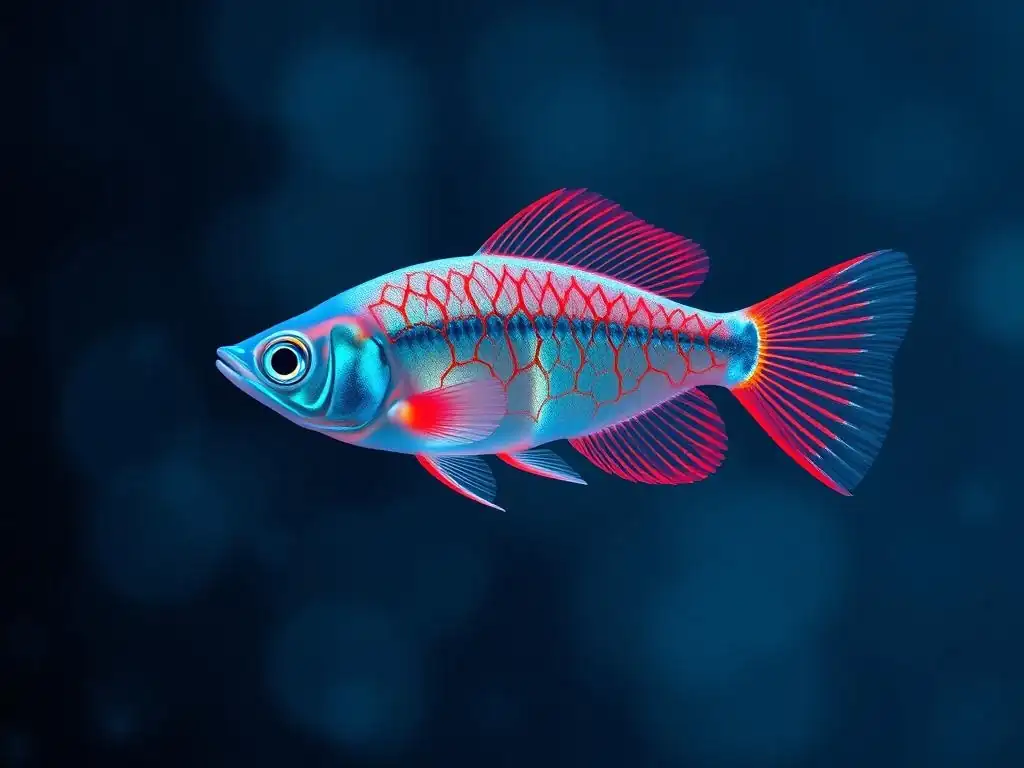
The Neon Tetra, Paracheirodon innesi, is perhaps one of the most iconic and instantly recognizable freshwater aquarium fish, celebrated for its delicate yet striking beauty. Its distinctive coloration features a brilliant iridescent blue stripe running horizontally along the upper half of its body, complemented by a vibrant red stripe that begins mid-body and extends to the tail.
While the red stripe is not as continuous as that of the Cardinal Tetra, the interplay of the bright blue and red creates a classic and elegant aesthetic. This combination makes them particularly captivating when viewed against the backdrop of dark substrates and lush green aquatic plants.
Despite their smaller size, typically reaching about 1.5 inches (4 cm), Neon Tetras possess a unique charm that has captivated aquarists for decades. Their schooling behavior, when observed in groups of 10 or more, transforms a simple aquarium into a dynamic display of synchronized movement and shimmering color. The subtle variations in their blue and red hues under different lighting conditions further add to their allure, making them a popular choice for both beginner and experienced aquarists looking to add a touch of vibrant elegance to their community tanks.
Special Considerations for Neon Tetra Care: Sensitivity and Neon Tetra Disease
Neon Tetras, while generally hardy once established, are notably more sensitive to fluctuations in water quality than some other community fish. They thrive in soft, acidic water with stable parameters, and sudden changes in pH, temperature, or high levels of nitrates can quickly cause stress and lead to health issues. Regular weekly water changes of 20-25% are essential to maintain pristine conditions, keeping ammonia and nitrite at 0 ppm and nitrates below 20 ppm. Their preferred temperature range is 72-78°F (22-26°C), and a pH between 5.5 and 7.0 is ideal.
A significant concern for Neon Tetra owners is Neon Tetra Disease (NTD), a highly contagious and often fatal parasitic infection caused by Pleistophora hyphessobryconis. Symptoms include loss of color, patchy discoloration, cysts, spinal deformities, and erratic swimming. Unfortunately, there is no known cure for NTD, making prevention paramount. This includes rigorously quarantining all new fish for at least 4-6 weeks before introducing them to the main tank, maintaining excellent water quality, and providing a stress-free environment. Due to their susceptibility, careful sourcing of healthy fish from reputable suppliers is also highly recommended.
Neon Tetra Breeding: Challenges and Requirements
Breeding Neon Tetras in a home aquarium can be a challenging but rewarding endeavor, primarily due to their specific water chemistry and environmental requirements for successful spawning. Unlike some other community fish, Neon Tetras require very soft and acidic water to trigger breeding and ensure egg viability. An ideal pH for breeding is typically between 5.0 and 6.0, with a general hardness (GH) of less than 4 dGH (70 ppm), often necessitating the use of reverse osmosis (RO) water mixed with a small amount of mineral salts.
A dedicated breeding tank, typically 5-10 gallons, with dim lighting is essential. The tank should be furnished with fine-leaved plants like Java Moss or artificial spawning mops for the eggs to adhere to, or a mesh bottom to allow eggs to fall through, preventing the parents from consuming them. Conditioning the breeding pair with high-quality, live foods such as bloodworms and brine shrimp for several weeks can encourage spawning.
After spawning, which usually occurs in the morning, the adult fish should be promptly removed as they are prone to eating their own eggs. The eggs are light-sensitive and will hatch within 24-36 hours, with fry becoming free-swimming a few days later, requiring infusoria or newly hatched brine shrimp as their first food.
Cardinal & Neon Tetra Care Guide: Essential Information for All Variations
Tank Setup for Cardinal & Neon Tetras: Creating the Ideal Environment
Establishing the right environment is crucial for the health and vibrancy of both Cardinal and Neon Tetras. For a healthy school of these active fish, a minimum tank size of 20 gallons (approximately 75 liters) is recommended, especially for Cardinal Tetras, though Neon Tetras can start in a 10-gallon tank for a small school. Larger tanks, such as 30-gallon or 55-gallon setups, are always preferred as they provide more stable water parameters and ample space for larger schools, enhancing their natural schooling behavior.
The ideal tank setup should mimic their natural Amazonian habitat. A dark substrate, such as fine-grained black sand, not only enhances their iridescent colors but also helps reduce stress by mimicking dark riverbeds. Dense planting with live plants like Java Moss, Anubias, Amazon Swords, and Cryptocorynes is highly beneficial, offering numerous hiding spots and breaking up line of sight, which further reduces stress.
Incorporating driftwood and leaf litter can also help release tannins, creating beneficial blackwater conditions and providing additional shelter. Filtration should be gentle, as these fish prefer calm waters; sponge filters or hang-on-back filters with adjustable flow are excellent choices.
Water Parameters for Cardinal & Neon Tetras: Maintaining Optimal Conditions
Maintaining precise and stable water parameters is perhaps the most critical aspect of Cardinal and Neon Tetra care. Both species thrive in soft, acidic water, closely replicating their native Amazonian environments. The ideal temperature range for both is between 72-78°F (22-26°C), though Cardinal Tetras can tolerate temperatures up to 81°F (27°C) slightly better. A stable pH level between 5.5 and 7.0 is recommended, with a general hardness (GH) between 1-10 dGH (18-180 ppm).
It is imperative to keep ammonia and nitrite levels at zero parts per million (ppm), and nitrates below 20 ppm. Regular water testing using a reliable liquid test kit is essential to monitor these parameters. Weekly water changes of 25-30% are necessary to prevent the buildup of harmful nitrates and replenish essential minerals. Using dechlorinated water is non-negotiable. For those with hard tap water, using reverse osmosis (RO) water remineralized to the desired parameters can provide the ideal soft, acidic conditions these tetras require for optimal health and color.
Cardinal & Neon Tetra Diet and Feeding: Ensuring Nutritional Needs are Met
Cardinal and Neon Tetras are omnivores, and providing a varied and balanced diet is key to their vibrant health and coloration. Their small mouths necessitate small food items. A high-quality flake food or micro-pellet designed for small tropical fish should form the staple of their diet. Look for foods that list fish meal, spirulina, or other high-quality proteins as primary ingredients.
Supplementing their diet with live or frozen foods is highly beneficial and will significantly enhance their color and vigor. Excellent options include daphnia, brine shrimp, micro-worms, and finely chopped bloodworms. These provide essential proteins and nutrients often lacking in dry foods. Feed small amounts two to three times a day, only what they can consume within 2-3 minutes. Overfeeding can lead to water quality issues and digestive problems. A varied diet not only ensures comprehensive nutrition but also stimulates their natural foraging behaviors, contributing to their overall well-being.
Preventing Common Cardinal & Neon Tetra Diseases: A Proactive Approach
Preventing diseases is far more effective than treating them, especially for sensitive fish like Cardinal and Neon Tetras. The cornerstone of disease prevention is maintaining pristine water quality. Regular, consistent water changes (25-30% weekly) and effective filtration are vital to keep ammonia, nitrite, and nitrate levels in check, as poor water conditions are a leading cause of stress and illness. A well-balanced and varied diet, as discussed previously, also boosts their immune systems, making them more resilient to pathogens.
Quarantining all new fish for a period of 2-4 weeks in a separate tank before introducing them to the main aquarium is a critical proactive measure. This allows you to observe new arrivals for any signs of illness, preventing the introduction of diseases like Ich (White Spot Disease) or the dreaded Neon Tetra Disease (NTD) into your established community.
Avoiding overcrowding in the tank and providing plenty of hiding spots and open swimming areas also reduces stress, which is a major factor in disease susceptibility. Recognizing early signs of illness, such as clamped fins, loss of color, or erratic swimming, allows for prompt intervention.
Cardinal & Neon Tetra Tank Mates: Building a Harmonious Community
Compatible Fish for Cardinal & Neon Tetras: Peaceful Tank Mates
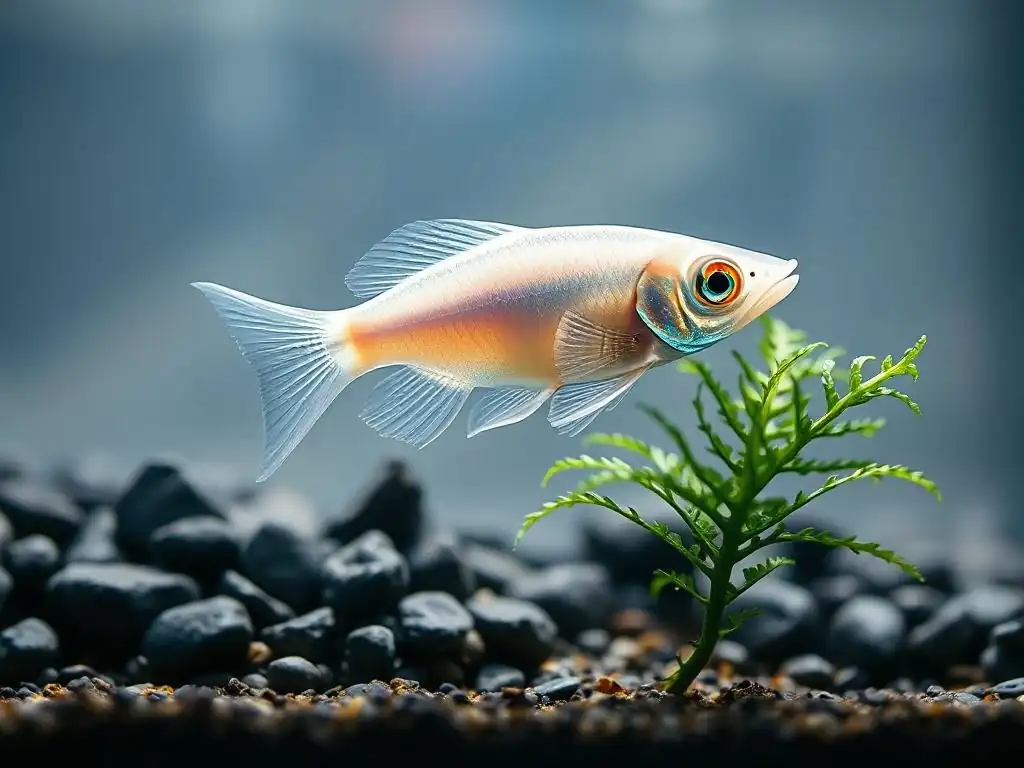
Cardinal and Neon Tetras are peaceful schooling fish and thrive in a community aquarium with other similarly sized and temperamentally compatible species. The key to successful tank mating lies in selecting fish that are not large enough to view the tetras as prey and do not exhibit aggressive or fin-nipping tendencies. Ideal companions include other small, peaceful tetras such as Ember Tetras, Rummy-Nose Tetras, or Glowlight Tetras, which also benefit from schooling.
Other excellent choices are various species of Rasboras, including Harlequin Rasboras, Chili Rasboras, and Lambchop Rasboras, known for their calm demeanor and similar water parameter preferences. Bottom-dwelling fish like Corydoras catfish (e.g., Panda Corydoras, Pygmy Corydoras) and Otocinclus catfish are also highly compatible, as they occupy different areas of the tank and are entirely peaceful. Smaller, peaceful gouramis, such as Honey Gouramis or Dwarf Gouramis, can also coexist harmoniously in a sufficiently sized tank. Ensuring all tank mates share similar soft, acidic water requirements is crucial for the long-term health of the entire community.
Incompatible Fish for Cardinal & Neon Tetras: Avoiding Aggression and Stress
To ensure the safety and well-being of your Cardinal and Neon Tetras, it is crucial to avoid housing them with incompatible fish. Any large, aggressive, or predatory species should be strictly avoided, as they will likely prey upon or severely stress these small tetras. This includes most larger cichlids, such as Oscars, Jack Dempseys, or even larger Angelfish, which, despite sometimes being kept with tetras, can grow large enough to consume them. Even semi-aggressive fish like certain Barbs (e.g., Tiger Barbs) are often notorious fin-nippers and can cause significant stress and injury to the delicate fins of tetras.
Fish that require significantly different water parameters should also be avoided, as attempting to compromise on water chemistry can negatively impact the health of all inhabitants. For instance, fish that prefer hard, alkaline water (e.g., many African cichlids) would not be suitable tank mates. Ultimately, any fish that exhibits dominant, territorial, or overtly aggressive behavior poses a threat to the peaceful and timid nature of Cardinal and Neon Tetras, leading to chronic stress, illness, and potentially death.
Considerations for Invertebrates with Cardinal & Neon Tetras
When considering invertebrates as tank mates for Cardinal and Neon Tetras, most small, peaceful species are generally suitable and can add an interesting dynamic to the aquarium. Dwarf shrimp species, such as Amano Shrimp and various Neocaridina shrimp (e.g., Cherry Shrimp, Blue Dream Shrimp), are popular choices. They are excellent algae eaters and scavengers, contributing to tank cleanliness. While adult shrimp are typically safe, it's worth noting that very young shrimp fry might occasionally be perceived as a snack by hungry tetras, especially if the tank is not heavily planted with ample hiding spots for the fry.
Snails, such as Nerite Snails, Mystery Snails, and Trumpet Snails, are also excellent additions. They are completely peaceful, do not pose a threat to the tetras, and can help with algae control and substrate aeration. However, larger, more aggressive invertebrates like some species of crayfish should be avoided, as they are opportunistic and may attempt to catch and eat small fish. Overall, the combination of Cardinal or Neon Tetras with peaceful shrimp and snails can create a vibrant and balanced ecosystem, provided there are sufficient hiding places for the invertebrates.
Cardinal & Neon Tetra Breeding: A Step-by-Step Guide
Setting Up a Breeding Tank for Cardinal & Neon Tetras
To successfully breed Cardinal and Neon Tetras, a dedicated breeding tank is highly recommended, as parents are prone to eating their eggs. A small 5 to 10-gallon (19-38 liter) tank is sufficient. The tank should be meticulously cleaned and filled with very soft, acidic water, ideally reverse osmosis (RO) water re-mineralized to a GH of 1-4 dGH (18-70 ppm) and a pH between 5.0 and 6.0. This low hardness and acidity are crucial for egg viability.
Lighting should be dim, as the eggs are light-sensitive. Spawning mops made from nylon yarn or large clumps of fine-leaved plants like Java Moss should be placed at the bottom, providing a substrate for the eggs to adhere to. Alternatively, a bare-bottom tank with a layer of mesh or marbles can be used to allow eggs to fall through, protecting them from the parents. A small, gentle air stone or sponge filter can provide minimal water circulation without disturbing the delicate eggs.
Conditioning Cardinal & Neon Tetras for Breeding: Preparing for Spawning
Successful breeding begins with properly conditioning the adult Cardinal and Neon Tetras. Select a healthy, well-conditioned pair or a small group of one female and two males. Females ready to spawn will appear noticeably plumper due to the presence of eggs, while males are typically more slender. Separate the sexes for one to two weeks prior to introducing them to the breeding tank.
During this conditioning period, feed them a high-protein, varied diet consisting of live or frozen foods such as bloodworms, brine shrimp, and daphnia. This nutrient-rich diet helps the females develop eggs and boosts the overall health and vigor of both sexes, signaling to them that conditions are favorable for reproduction. Once conditioned, introduce the chosen pair or trio into the prepared breeding tank, preferably in the late afternoon or evening. Spawning typically occurs the following morning, often at dawn, stimulated by the rising light.
Caring for Cardinal & Neon Tetra Fry: Ensuring Survival and Growth
Once spawning has occurred, the adult Cardinal and Neon Tetras should be promptly removed from the breeding tank to prevent them from consuming the eggs. The eggs are tiny and translucent, usually hatching within 24-36 hours, depending on temperature. During this period, keep the tank in near darkness to protect the light-sensitive eggs. After hatching, the fry will remain attached to surfaces for a few days, absorbing their yolk sacs.
Once the fry become free-swimming, typically within 3-5 days, they will require extremely small food sources. Their initial diet should consist of infusoria, which can be cultured or purchased. After a few days on infusoria, they can be transitioned to newly hatched brine shrimp nauplii or micro-worms, which provide essential nutrients for rapid growth. Feeding should be done in very small amounts several times a day. Perform small, frequent water changes (e.g., 10% daily) using aged, soft water that matches the breeding tank's parameters to maintain optimal water quality for the delicate fry.
Troubleshooting Common Cardinal & Neon Tetra Problems
Identifying Signs of Illness in Cardinal & Neon Tetras
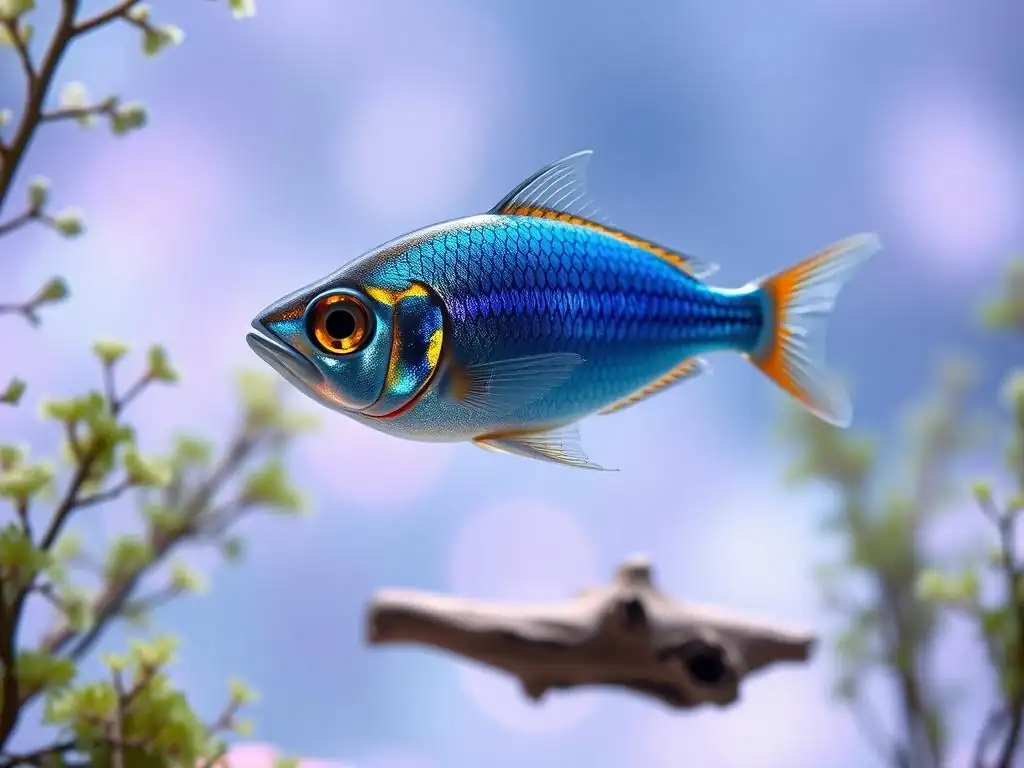
Early detection of illness in Cardinal and Neon Tetras is crucial for successful treatment. Healthy tetras display vibrant colors, active schooling behavior, and clear eyes. Signs of illness can include a loss of their characteristic vibrant coloration, appearing faded or dull. Other indicators are clamped fins, where the fins are held close to the body, or erratic swimming patterns, such as darting, spiraling, or listlessness. Observing physical changes like white spots (Ich), fuzzy growths (fungus), red streaks on the body or fins (bacterial infection), or visible cysts can also signal disease.
Changes in appetite, such as refusing food or excessive hunger, and alterations in body shape, like swelling or severe emaciation, are also red flags. If a fish isolates itself from the school, stays near the surface gasping, or hides excessively, it's often a sign of stress or illness. Promptly identifying these symptoms and investigating the underlying cause, often related to water quality, diet, or stress, is the first step in effective Cardinal Tetra care and Neon Tetra care.
Addressing Fin Rot in Cardinal & Neon Tetras: Treatment Options
Fin rot is a common bacterial infection often caused by poor water quality, stress, or injuries. In Cardinal and Neon Tetras, symptoms include the edges of the fins appearing ragged, frayed, discolored (often white or black), or even completely disintegrating. The affected fins may also show inflammation or redness at their base. If left untreated, fin rot can spread to the body and become fatal.
The primary and most effective treatment for fin rot is to immediately improve water quality. Perform a significant water change (30-50%) and ensure your filtration system is working efficiently. Test water parameters to confirm ammonia and nitrite are at 0 ppm and nitrates are below 20 ppm.
Adding aquarium salt (non-iodized) at a dosage of 1 teaspoon per 5 gallons (19 liters) can aid in recovery by reducing stress and inhibiting bacterial growth, but use with caution if invertebrates are present. In severe cases, specific antibacterial medications available at pet stores can be used, strictly following the manufacturer's instructions. Consistent excellent water quality is the best preventative measure for this common Tetra care challenge.
Dealing with Ich (White Spot Disease) in Cardinal & Neon Tetras
Ich, or White Spot Disease, caused by the parasite Ichthyophthirius multifiliis, is one of the most common and recognizable fish diseases. It manifests as small, white, salt-like spots scattered over the body and fins of Cardinal and Neon Tetras. Infected fish may also rub against tank decorations, exhibit rapid breathing, or become lethargic. Ich is highly contagious and can quickly spread throughout an aquarium, causing significant mortality if not treated promptly.
Treatment for Ich typically involves a multi-pronged approach. Gradually raise the water temperature to 82-86°F (28-30°C) over 24-48 hours, as higher temperatures accelerate the parasite's life cycle, making it more susceptible to treatment. Simultaneously, add aquarium salt (non-iodized) at a concentration of 1 teaspoon per gallon (3.8 liters) of water, dissolving it before adding to the tank. Many aquarists also use commercially available anti-Ich medications. Continue treatment for at least 7-10 days, even if symptoms disappear, to ensure all stages of the parasite are eradicated. Consistent water changes after treatment are essential for recovery.
Dealing with Neon Tetra Disease: Symptoms and Prevention
Neon Tetra Disease (NTD), caused by the parasite Pleistophora hyphessobryconis, is a devastating and largely incurable condition specific to certain tetra species, including Neon and Cardinal Tetras. Symptoms often begin with a loss of the fish's vibrant coloration, particularly the iridescent stripe, which may become patchy or dull. As the disease progresses, visible cysts or lumps may appear on the body, the spine can become curved or deformed, and the fish may exhibit erratic swimming, difficulty schooling, or severe emaciation despite eating.
Unfortunately, there is no effective cure for Neon Tetra Disease once symptoms are advanced. The most crucial aspect of managing NTD is prevention. Rigorous quarantine of all new fish for 4-6 weeks in a separate tank is paramount to prevent introducing the parasite into your main aquarium. Maintaining excellent water quality, providing a balanced diet, and minimizing stress are also vital preventative measures. If a fish is diagnosed with NTD, it should be humanely euthanized to prevent the highly contagious parasite from spreading to other tank inhabitants. Disinfecting the tank and equipment after an outbreak is also advisable.
Conclusion: Appreciating the Beauty and Care of Cardinal & Neon Tetras
The Enduring Popularity of Cardinal & Neon Tetras in Aquariums
Cardinal and Neon Tetras have held their place as quintessential freshwater aquarium inhabitants for decades, and their enduring popularity is a testament to their remarkable beauty and engaging behavior. Their vibrant, iridescent coloration—the continuous red stripe of the Cardinal versus the classic broken red stripe of the Neon—adds an undeniable splash of life and movement to any aquatic landscape. Beyond their individual aesthetic appeal, it is their strong schooling instinct that truly captivates aquarists, transforming a group of fish into a mesmerizing, synchronized ballet of color.
These peaceful fish are not only visually stunning but also contribute positively to the dynamics of a community tank, coexisting harmoniously with a wide array of other small, non-aggressive species. Their relatively small size and manageable care requirements, once their specific water parameter needs are met, make them accessible to both novice and experienced aquarists. They remain a top choice for aquascaping, biotope setups, and general community tanks, continually enchanting observers with their delicate charm and brilliant hues.
Tips for Success with Cardinal and Neon Tetras
Achieving long-term success with Cardinal and Neon Tetras largely hinges on a few key principles of Tetra care. First and foremost, maintain stable and pristine water quality. These fish thrive in soft, acidic water (pH 5.5-7.0, GH 1-10 dGH) with consistent temperatures (72-78°F or 22-26°C). Regular weekly water changes of 25-30% are non-negotiable to keep nitrates low and parameters stable. Secondly, provide an appropriately sized and well-furnished tank. A minimum of 20 gallons for a school, densely planted with live plants and offering hiding spots, will significantly reduce stress and enhance their natural behavior.
Thirdly, always keep them in a school of at least 6-10 individuals. This is crucial for their psychological well-being and to observe their natural schooling behavior. Fourth, offer a varied and high-quality diet, supplementing dry foods with live or frozen options like brine shrimp or bloodworms. Finally, practice diligent disease prevention, which includes quarantining all new fish for 2-4 weeks and immediately addressing any signs of illness. By adhering to these fundamental aspects of Cardinal Tetra care and Neon Tetra care, aquarists can enjoy these beautiful fish for many years.
Frequently Asked Questions
How do Golden and Albino XRay Tetras differ from standard XRay Tetras?
Golden and Albino XRay Tetras are morph variations of the standard XRay Tetra. The primary difference lies in their coloration; Golden XRay Tetras exhibit a yellowish hue, while Albino XRay Tetras lack pigmentation, resulting in a pale or white appearance.
What are the key water parameters needed to ensure the health of Golden and Albino XRay Tetras?
Maintaining stable water parameters is crucial. Aim for a temperature between 72°F and 82°F, a pH of 6.0 to 7.5, and provide excellent filtration to keep the water clean and free of ammonia and nitrites.
What type of food should I feed my Golden and Albino XRay Tetras?
These tetras are omnivores and readily accept a varied diet. Offer them high-quality flake food, supplemented with small live or frozen foods like brine shrimp and daphnia, to ensure they receive essential nutrients.
How many Golden or Albino XRay Tetras should I keep together?
XRay Tetras are shoaling fish and thrive in groups. It is recommended to keep at least six individuals together to reduce stress and encourage natural behaviors.
What are some common diseases that can affect Golden and Albino XRay Tetras, and how can I prevent them?
Common diseases include Ich and fin rot. Preventative measures include maintaining pristine water quality, avoiding overcrowding, and quarantining new fish before introducing them to the main tank to prevent the spread of potential pathogens.
Final Reflection: Illuminating the Translucent World of XRay Tetras
The journey into the world of Golden and Albino XRay Tetras, as explored in this guide, underscores the enduring allure of aquatic biodiversity and responsible pet ownership. Beyond simply keeping fish, we've delved into the specific needs of these captivating creatures, highlighting the importance of informed decisions and dedicated care in maintaining their health and vibrancy. This knowledge is particularly crucial today, as the demand for exotic fish continues to rise, placing increased pressure on both wild populations and the ethical standards of the aquarium trade.
This exploration has not only provided practical guidance but also illuminated the beauty and fragility of these unique morphs. Witnessing the shimmering translucence of an XRay Tetra, especially the golden and albino variations, evokes a sense of wonder and responsibility. It reminds us that even the smallest creatures deserve our utmost respect and attention. The greatness of a nation and its moral progress can be judged by the way its animals are treated.
- Mahatma Gandhi. This quote resonates deeply, urging us to consider the ethical implications of our choices and to strive for a more compassionate approach to animal care.
Now, armed with this comprehensive understanding of XRay Tetra care, I invite you to reflect on your own role in the aquarium hobby. Consider how you can contribute to a more sustainable and ethical future for these beautiful fish. Whether you're a seasoned aquarist or just beginning your journey, remember that every action, from choosing reputable breeders to meticulously maintaining your tank, makes a difference. Let's work together to ensure that the translucent beauty of the XRay Tetra continues to grace our aquariums for generations to come.
Unveil the Radiant Beauty of XRay Tetras!
Thanks for diving deep into the fascinating world of Golden and Albino XRay Tetras! We hope you've discovered the unique charm these morphs can bring to your aquarium. Now, let's bring that knowledge to life!
Here are a few ways to continue your journey:
- Start planning your dream XRay Tetra tank! Research compatible tank mates and begin visualizing the perfect aquascape to showcase their beauty.
- Delve deeper into uncommon Tetra variations. Explore other rare and captivating Tetra species to expand your aquatic knowledge.
- Share your newfound passion! Introduce a friend or family member to the mesmerizing world of XRay Tetras and inspire them to explore the hobby.
What's the first unique decoration or plant you envision adding to a tank designed for Golden or Albino XRay Tetras?