
Emperor Tetra Social Life: Understanding Harems, Sparring, and Tank Mates

Welcome to Aquarium Mastery!
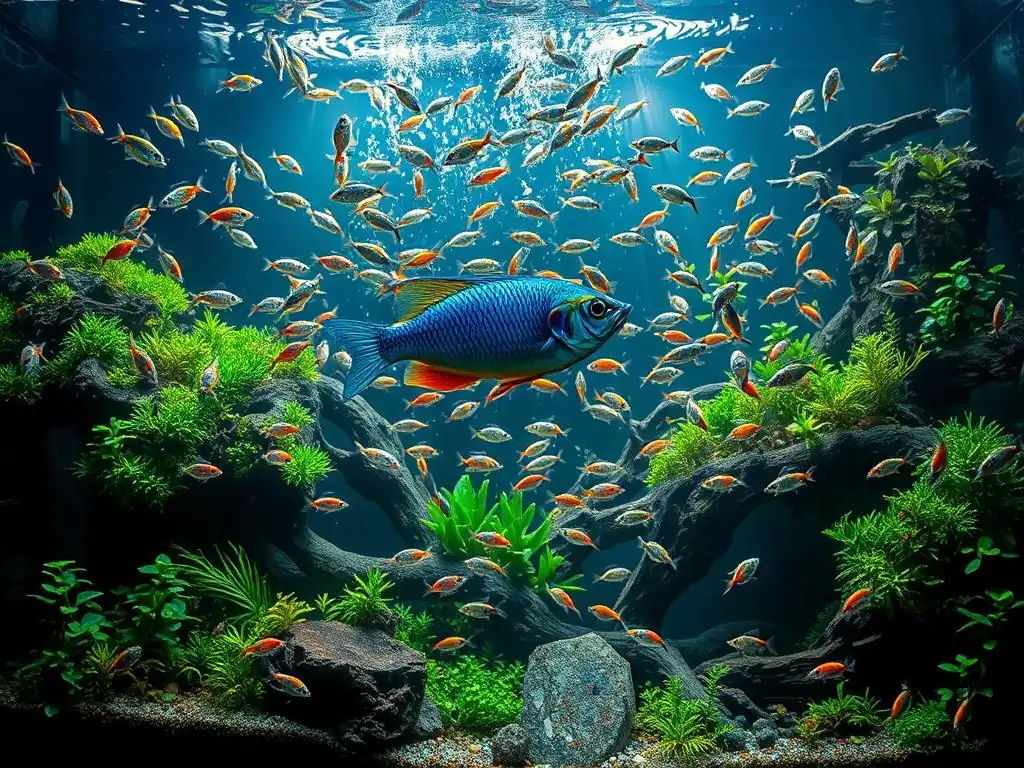
Ever wondered if your Emperor Tetras are truly happy? Dive into the fascinating social dynamics of these captivating fish! Discover the secrets to understanding their harems, playful sparring, and, most importantly, how to choose the perfect Emperor Tetra tank mates to create a thriving and harmonious aquarium ecosystem. Keep reading to unlock the key to a vibrant and balanced underwater world!
- Emperor Tetra Social Life: Understanding Hierarchy, Displays, and Tank Mates
- Understanding Emperor Tetra Social Dynamics in the Aquarium
- Emperor Tetra Hierarchy: Dominance and Reproductive Strategies
- Emperor Tetra Displays: Play, Courtship, or Aggression?
- Choosing Compatible Emperor Tetra Tank Mates
- Creating the Optimal Aquarium Environment
- Preventing and Treating Common Health Issues
- Troubleshooting Social Issues: A Practical Guide
- Advanced Tips for Emperor Tetra Care
- Frequently Asked Questions
- Final Reflection: The Intricate Tapestry of Aquarium Life
- Dive Deeper into the Emperor Tetra World!
Decoding Emperor Tetra Behavior: A Detailed Overview
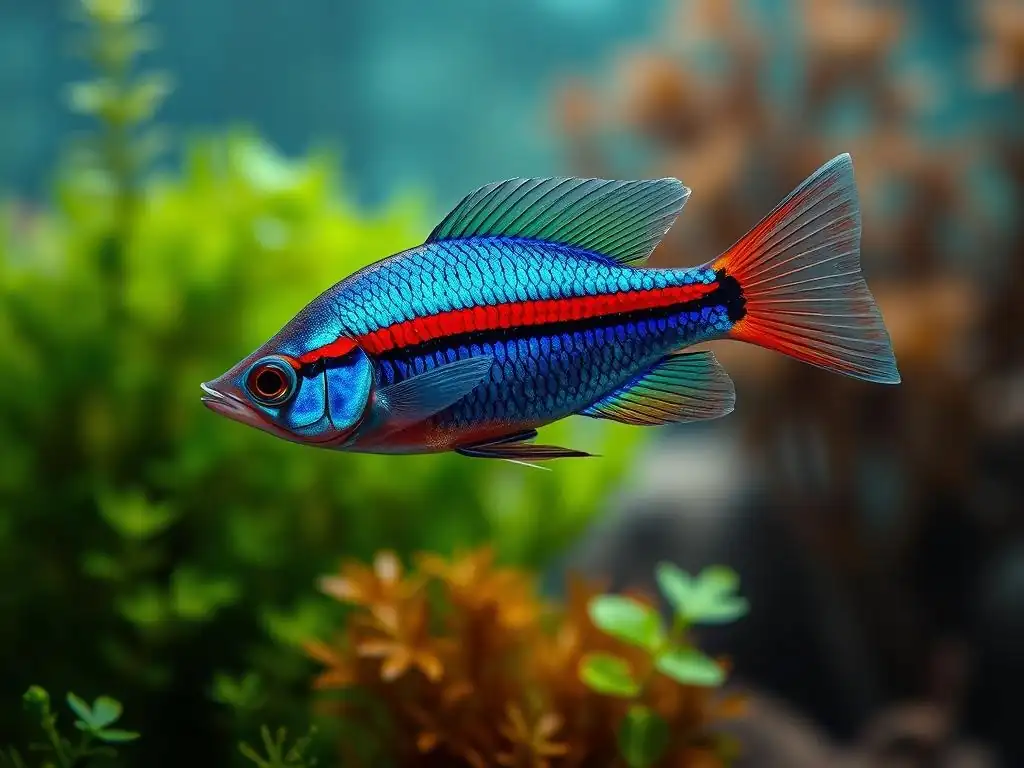
Emperor tetras (Nematobrycon palmeri) are captivating freshwater fish known for their striking iridescent blue-black stripe, orange-yellow fins, and distinctive blue eyes. Originating from the Atrato and San Juan river basins in western Colombia, these fish typically inhabit slow-moving tributaries and forest streams, where they navigate among dense vegetation and submerged roots.
In an aquarium setting, their natural behaviors include schooling, displaying dominance, and interacting within a hierarchical structure, making them a fascinating addition for aquarists. They generally reach an adult size of about 1.5 to 2 inches (approximately 3.8 to 5 cm) and can live for 3 to 6 years with proper care.
Their temperament is generally peaceful, though males can exhibit territorial behavior, particularly during breeding periods or when establishing dominance within the group. This territoriality is typically expressed through impressive fin displays rather than outright aggression towards other Emperor tetra tank mates. Observing their social interactions, such as the males' "sparring" dances, provides a unique insight into their intricate social lives. Providing an environment that mimics their natural habitat—with ample plant cover and open swimming spaces—is crucial for encouraging these natural behaviors and maintaining their well-being.
Emperor Tetra Schooling: Achieving Optimal Group Size
Emperor tetras are schooling fish by nature, and maintaining them in appropriate group sizes is fundamental to their health and behavioral expression. A solitary Emperor tetra or one kept in too small a group (e.g., fewer than six individuals) will often become stressed, reclusive, and may exhibit faded colors or increased susceptibility to disease. The security of a larger school allows them to feel safer, reducing stress and promoting their natural schooling patterns.
For optimal social dynamics and to diffuse potential aggression among males, a minimum school of 6 to 8 Emperor tetras is recommended. However, a group of 10 or more is ideal for a larger aquarium, as it further enhances their schooling behavior and minimizes individual stress.
In a well-sized school, any minor squabbles or displays of dominance are spread out among multiple individuals, preventing a single fish from being constantly targeted. This larger group also makes them more confident, bringing out their vibrant colors and active swimming patterns, which are a joy to observe in a community tank with various Emperor tetra tank mates.
Emperor Tetra Hierarchy: Dominance and Reproductive Strategies
Identifying Male and Female Emperor Tetras: Key Distinctions
Distinguishing between male and female Emperor tetras is relatively straightforward once they reach maturity, usually around 6-8 months of age. Males are typically larger and more slender than females, often reaching the upper end of their size range at 2 inches. Their dorsal and anal fins are more elongated and pointed, and their caudal (tail) fin features a distinctive trident shape, with the middle ray extending beyond the upper and lower lobes. This unique tail fin is a hallmark of the species and is more pronounced in dominant males.
Females, on the other hand, tend to be smaller and have a rounder, fuller body shape, especially when gravid (carrying eggs). Their fins are generally shorter and less elaborate than those of the males, and their caudal fin lacks the extended middle ray, appearing more conventional. While both sexes possess the characteristic iridescent stripe and blue eyes, the male's coloration often appears more vibrant and intense, particularly during courtship or when displaying dominance. These physical differences play a significant role in their social hierarchy and reproductive success.
The Role of Hierarchy in Emperor Tetra Reproduction
Within an Emperor tetra school, a clear pecking order and hierarchical structure naturally emerge, particularly among the males. Dominant males will establish small territories and display their vibrant colors and elaborate fins to assert their status and attract females. These displays are not typically aggressive in a harmful way but rather a form of ritualized communication to establish breeding rights. Subordinate males will generally avoid confrontation with the dominant male, often displaying less intense coloration and keeping a lower profile.
This hierarchy is crucial for successful reproduction. Females are more likely to choose to spawn with the most dominant and visually impressive males, ensuring that the strongest genes are passed on.
During spawning, which typically occurs in the early morning, the dominant male will pursue a receptive female into fine-leaved plants or a spawning mop, where she will scatter adhesive eggs that he then fertilizes. A stable hierarchy, supported by adequate tank size and plenty of hiding spots, contributes to a less stressful environment, increasing the likelihood of successful breeding attempts and the overall well-being of the Emperor tetra population and their Emperor tetra tank mates.
While Emperor tetras are generally peaceful, hierarchical displays among males can occasionally escalate into minor aggression, especially in smaller tanks or when groups are insufficient. To minimize this, providing an appropriately sized aquarium is paramount. A minimum of a 20-gallon long tank is recommended for a school of 6-8 Emperor tetras, as the longer footprint offers more swimming space and allows individuals to establish territories without constant conflict. For larger schools or a diverse community of Emperor tetra tank mates, a 30-gallon or larger tank is preferable.
Strategic aquascaping is another key management technique. Incorporating dense live plants, driftwood, and rock formations creates natural visual barriers and hiding spots. This allows subordinate males or any stressed individuals to retreat and break line of sight from dominant fish, thereby diffusing tension. For example, planting tall background plants like Amazon Swords or Vallisneria, combined with mid-ground plants like Cryptocoryne or Anubias on driftwood, can effectively segment the tank. Regular observation of your Emperor tetras' behavior is also essential; if persistent bullying is observed, increasing the school size or adding more cover can often resolve the issue.
Emperor Tetra Displays: Play, Courtship, or Aggression?
Decoding Emperor Tetra Fin Nipping: Causes and Prevention
Fin nipping in Emperor tetras, while generally uncommon when kept in optimal conditions, can occur and is often a sign of underlying stress or an unsuitable environment. The primary causes include insufficient schooling numbers, which makes individual fish feel exposed and more prone to stress-induced behaviors; overcrowding, leading to heightened territoriality; or the presence of inappropriate Emperor tetra tank mates that are either too aggressive or have long, flowing fins that invite nipping. Sometimes, even within their own species, a highly stressed or dominant male might nip at a weaker one, though this is usually minor.
Prevention largely revolves around addressing these root causes. Ensure your Emperor tetras are kept in a school of at least 6-8 individuals, ideally 10 or more, in a tank of appropriate size (e.g., 20 gallons long minimum for a small school). Carefully select Emperor tetra tank mates that are peaceful, similarly sized, and do not possess exaggerated fins.
For example, avoiding species like certain Gouramis with long ventral fins or Fancy Guppies with large caudal fins can prevent them from becoming targets. Maintaining pristine water quality and providing ample hiding spots also significantly reduces stress, thereby minimizing the likelihood of fin nipping.
Display Rituals: Establishing and Maintaining Order
Emperor tetras are renowned for their captivating display rituals, particularly among the males. These displays are a natural and integral part of their social behavior, serving primarily to establish dominance, define territories, and attract mates. During these rituals, two males will often face each other, flaring their fins, intensifying their colors, and sometimes engaging in a mesmerizing "dance" where they circle each other or make quick, darting movements. The trident tail fin of the male becomes particularly prominent during these moments, acting as a visual amplifier of their perceived strength.
These displays are typically more ritualistic than genuinely aggressive, rarely resulting in significant physical harm when conducted in a well-structured aquarium with sufficient space and hiding spots. They help maintain a stable pecking order within the school, ensuring that the most dominant males secure the best territories and breeding opportunities. Observing these intricate interactions provides a fascinating glimpse into the complex social lives of Emperor tetras and demonstrates their remarkable ability to communicate and establish order within their aquatic community.
Reducing Stress from Displays: Creating a Suitable Environment
While male Emperor tetra displays are natural, an environment that exacerbates their intensity can lead to chronic stress for subordinate individuals. To mitigate this, providing a complex and spacious aquarium layout is crucial. A tank with dense live planting, especially around the perimeter and in the background, creates numerous visual breaks and hiding spots. Plants such as Java Fern, Anubias, Amazon Sword, and various Cryptocorynes are excellent choices, offering both cover and a natural aesthetic.
Incorporating driftwood and rock formations further enhances the structural complexity of the tank, allowing submissive fish to retreat from dominant displays. For instance, a large piece of driftwood can effectively divide the tank, creating distinct zones. This reduces constant visual contact between individuals, preventing relentless pursuit and allowing less dominant fish to feel secure. A well-designed aquascape, combined with appropriate Emperor tetra tank mates and adequate school size, ensures that these natural displays contribute to a healthy, balanced social structure rather than causing undue stress.
Choosing Compatible Emperor Tetra Tank Mates
Emperor Tetra Tank Mates: Essential Compatibility Factors
Selecting appropriate Emperor tetra tank mates is crucial for maintaining a peaceful and thriving community aquarium. Several factors must be considered to ensure compatibility. First, temperament: Emperor tetras are generally peaceful, but they can be stressed by overly aggressive or boisterous fish. Conversely, very timid or slow-moving fish might be outcompeted for food or intimidated by the Emperor tetras' active nature.
Second, size: Avoid very large or predatory fish that might view Emperor tetras as food, as well as extremely small or delicate species that could be inadvertently harassed. Third, water parameters: All tank inhabitants should thrive in similar water conditions (temperature, pH, and hardness). Emperor tetras prefer slightly acidic to neutral water (pH 6.0-7.5) and soft to moderately hard water (5-15 dGH) with temperatures between 72-79°F (22-26°C). Finally, activity level: Choose fish with similar activity levels to avoid stress from constant chasing or overwhelming movement.
Recommended Tank Mates for Emperor Tetras: Species Profiles
Peaceful Community Fish for Emperor Tetra Tanks
When selecting Emperor tetra tank mates, prioritize species known for their calm demeanor and similar environmental needs.
- Corydoras Catfish: These peaceful bottom-dwellers are excellent companions. Species like the Panda Cory or Bronze Cory (Corydoras aeneus) grow to about 2-3 inches and actively sift through the substrate for food, posing no threat to Emperor tetras. They prefer similar water parameters and add an interesting dynamic to the lower levels of the tank.
- Otocinclus Catfish: Tiny and highly beneficial, Otocinclus catfish (O. affinis) are algae eaters that reach about 1.5-2 inches. They are incredibly peaceful and spend their time grazing on tank surfaces, making them perfect, non-intrusive Emperor tetra tank mates.
- Other Small Tetras: Species like Neon Tetras (Paracheirodon innesi), Cardinal Tetras (Paracheirodon axelrodi), Rummy-nose Tetras (Hemigrammus rhodostomus), and Glowlight Tetras (Hemigrammus erythrozonus) are fantastic choices. They share similar size, schooling needs, and water parameter preferences, creating a vibrant and harmonious multi-tetra community.
- Rasboras: Harlequin Rasboras (Trigonostigma heteromorpha) or Lambchop Rasboras (Trigonostigma espei) are peaceful, schooling fish that occupy the mid-to-upper water column. They grow to about 1.5-2 inches and complement Emperor tetras well, contributing to a diverse and active tank.
- Dwarf Gouramis: A single male Dwarf Gourami (Trichogaster lalius) can be a good centerpiece fish for a community tank with Emperor tetras. They are generally peaceful, grow to about 2.5 inches, and add a splash of color without threatening the tetras. However, observe carefully, as individual Gourami temperaments can vary.
Fish to Avoid: Preventing Stress in Emperor Tetras
Certain fish species are incompatible as Emperor tetra tank mates due to their aggressive nature, predatory size, or fin-nipping tendencies.
- Large Cichlids: Species like Oscars (Astronotus ocellatus), Jack Dempseys (Rocio octofasciata), or even larger Angelfish (Pterophyllum scalare) can view Emperor tetras as food or become overly territorial, leading to severe stress or predation. Their size and predatory instincts make them unsuitable for a community tank with small tetras.
- Aggressive Barbs: While many barbs are schooling fish, some, like the Tiger Barb (Puntigrus tetrazona), are notorious fin-nippers. Even in large schools, Tiger Barbs can harass and stress Emperor tetras, leading to clamped fins, faded colors, and increased susceptibility to disease. Similarly, larger, more boisterous barbs can outcompete tetras for food.
- Very Large or Predatory Fish: Any fish that grows significantly larger than an Emperor tetra (e.g., more than 6-8 inches) and has a mouth large enough to swallow them should be avoided. This includes many types of catfish, large loaches, or other predatory species.
- Certain Gouramis: While Dwarf Gouramis can be suitable, some larger Gourami species or individual male Gouramis can be territorial and aggressive, especially towards smaller, similarly shaped fish. Betta fish (Betta splendens), particularly males, are also best avoided due to their potential aggression and long fins, which can invite nipping from the Emperor tetras themselves.
Emperor Tetra Tank Size and Stocking Levels for a Community
The appropriate tank size and stocking level are critical for the well-being of Emperor tetras and their Emperor tetra tank mates. For a school of 6-8 Emperor tetras, a minimum tank size of 20 gallons (approximately 75 liters) is recommended, specifically a 20-gallon long to provide ample swimming space and a larger footprint for territorial displays. This allows the fish to establish their hierarchy without constant confrontation.
For a mixed community tank that includes Emperor tetras and other compatible Emperor tetra tank mates, a 30-gallon (approximately 113 liters) or larger aquarium is often more suitable. This increased volume provides more room for diverse species, helps dilute waste products, and offers more stable water parameters. When stocking, avoid the common mistake of overstocking.
A general guideline, often cited as "one inch of fish per gallon," is an oversimplification and should be used with caution. Instead, consider the adult size of each fish, their activity level, and whether they are schooling or territorial. For Emperor tetras, prioritize horizontal swimming space and the ability to form a robust school, which will contribute to a healthier and more visually appealing aquatic environment.
Creating the Optimal Aquarium Environment
Water Parameters for a Healthy Emperor Tetra Community
Maintaining stable and appropriate water parameters is paramount for the health and vibrancy of Emperor tetras and their Emperor tetra tank mates. These fish thrive in conditions that mimic their natural habitat in Colombian rivers. The ideal temperature range for Emperor tetras is between 72-79°F (22-26°C), which can be consistently maintained with a reliable aquarium heater. Fluctuations outside this range can cause stress and weaken their immune system.
Regarding pH, Emperor tetras prefer slightly acidic to neutral water, with an optimal range of 6.0-7.5. While they can tolerate a slightly wider range, consistency is key; sudden shifts in pH are more detrimental than being slightly outside the ideal. Water hardness, measured in dGH (degrees of General Hardness), should ideally be soft to moderately hard, ranging from 5-15 dGH. Regular testing of these parameters using a quality aquarium test kit is essential to ensure the water remains within these healthy limits, providing a stable environment for all inhabitants.
Benefits of Live Plants for Emperor Tetras and Tank Mates
Live plants offer a multitude of benefits that significantly enhance the well-being of Emperor tetras and their Emperor tetra tank mates, transforming a simple tank into a thriving ecosystem. Firstly, plants provide crucial hiding spots and visual barriers, which are essential for schooling fish like Emperor tetras. They reduce stress by allowing subordinate fish to retreat from dominant displays, thereby minimizing aggression and promoting a sense of security. Dense planting, particularly in the background and mid-ground, mimics their natural habitat and encourages natural behaviors.
Secondly, live plants contribute to superior water quality. Through photosynthesis, they absorb nitrates and other harmful waste products produced by fish and decaying matter, effectively acting as natural filters. This helps to maintain lower nitrate levels, reducing the frequency of large water changes and creating a healthier environment. Common, easy-to-care-for plants like Java Fern (Microsorum pteropus), Anubias species (Anubias barteri), Amazon Sword (Echinodorus amazonicus), and various Cryptocorynes (Cryptocoryne wendtii) are excellent choices that thrive in similar conditions preferred by Emperor tetras. They also offer foraging opportunities and a more aesthetically pleasing, naturalistic display.
Maintaining Excellent Water Quality
Maintaining excellent water quality is the cornerstone of successful Emperor tetra care and the health of their Emperor tetra tank mates. Poor water quality is the leading cause of stress, disease, and premature death in aquarium fish. A robust filtration system is essential, comprising mechanical filtration (to remove particulate matter), chemical filtration (like activated carbon to remove odors and discoloration), and crucially, biological filtration (beneficial bacteria that convert toxic ammonia and nitrite into less harmful nitrate).
Regular partial water changes are equally vital. A weekly water change of 25-30% is generally recommended for a well-stocked community tank. This dilutes accumulated nitrates and replenishes essential minerals. Always use a dechlorinator or water conditioner to neutralize chlorine and chloramines present in tap water. Additionally, regular testing of ammonia, nitrite, and nitrate levels, especially during the initial cycling phase and whenever issues arise, provides valuable insights into the tank's health. Consistent water quality management ensures a stable and thriving environment, allowing Emperor tetras to display their full vibrancy and live out their natural lifespan.
Preventing and Treating Common Health Issues
Recognizing Signs of Stress in Emperor Tetras
Early recognition of stress in Emperor tetras is crucial for preventing more serious health issues. Stressed fish are more susceptible to disease and may exhibit behavioral or physical changes. One common sign is clamped fins, where the fins are held tightly against the body instead of being spread out. Faded coloration is another clear indicator; the vibrant blues, blacks, and oranges of a healthy Emperor tetra will dull significantly. This is often an immediate response to poor water quality, overcrowding, or aggressive Emperor tetra tank mates.
Behavioral changes also signal distress. Erratic swimming, darting around aimlessly, or rubbing against tank decor can indicate irritation or parasites. Conversely, excessive hiding or lethargy, where the fish remains motionless at the bottom or top of the tank, are also red flags. A loss of appetite is a critical sign, as healthy Emperor tetras are typically eager eaters. Observing these subtle cues and promptly addressing the underlying cause—be it water parameters, tank mate compatibility, or insufficient schooling numbers—can often reverse the stress before it leads to illness.
Common Diseases Affecting Emperor Tetras and Tank Mates
Like all aquarium fish, Emperor tetras and their Emperor tetra tank mates can be susceptible to common freshwater diseases, often triggered by stress, poor water quality, or the introduction of infected new fish.
- Ich (White Spot Disease): Caused by the parasite Ichthyophthirius multifiliis, Ich manifests as small, white spots resembling grains of salt on the body and fins. Fish may also rub against surfaces due to irritation. It's highly contagious and often appears after temperature fluctuations or stress. Treatment typically involves increasing water temperature slightly (e.g., to 82°F/28°C for a few days, if compatible with all tank inhabitants) and using an appropriate Ich medication.
- Fin Rot: This bacterial infection causes the fins to appear ragged, frayed, or to melt away. It's often a secondary infection stemming from poor water quality, stress, or physical injury. Early stages can be treated with improved water quality and broad-spectrum antibacterial medications.
- Columnaris (Cottonmouth Disease): Caused by the bacterium Flavobacterium columnare, this disease can appear as white or grey patches on the mouth, fins, or body, sometimes resembling cotton. It progresses rapidly and can be fatal. Treatment requires specific antibacterial medications, often combined with improved water conditions.
- Velvet: Similar to Ich but caused by a different parasite ( Oodinium species), Velvet appears as a fine, dusty, yellowish-gold coating on the fish's body, often best seen with a flashlight. Fish may also scratch and show respiratory distress. It requires specific copper-based medications and darkening the tank.
Preventing these diseases through excellent water quality, proper stocking, and a nutritious diet is always preferable to treatment.
Quarantine Procedures for New Arrivals
Implementing a strict quarantine procedure for all new fish, including Emperor tetras and any potential Emperor tetra tank mates, is one of the most effective ways to prevent the introduction and spread of diseases to your established aquarium. A separate quarantine tank, typically 10-20 gallons (38-75 liters), should be set up with a heater, filter, and minimal decor (like PVC pipes or plastic plants for hiding). This tank does not need substrate, making it easier to clean and observe fish.
New fish should be acclimated to the quarantine tank and observed for a minimum of 2 to 4 weeks. During this period, monitor them closely for any signs of disease, parasites, or unusual behavior. Even if fish appear healthy, a preventative treatment for common external parasites (like Ich) or a broad-spectrum anti-parasitic can be considered, though some aquarists prefer to only treat if symptoms appear.
If any fish become ill, they can be treated in the quarantine tank without exposing your main display tank inhabitants to medication or potential pathogens. This simple step can save your entire aquarium from devastating outbreaks.
Addressing Aggression and Bullying
While Emperor tetras are generally peaceful, aggression and bullying can occasionally arise, particularly among males establishing hierarchy or if tank conditions are suboptimal. If you observe persistent chasing, fin nipping, or a single fish being constantly harassed, several steps can be taken. Firstly, re-evaluate your school size; increasing the number of Emperor tetras to 10 or more often diffuses aggression by spreading out the dominant behaviors among more individuals. This reduces the focus on a single target.
Secondly, enhance the tank's physical structure. Adding more dense live plants, driftwood, or rock formations creates additional hiding spots and breaks line of sight, allowing subordinate fish to escape and feel secure. Rearranging existing decor can also disrupt established territories and reduce ongoing conflicts.
Thirdly, assess your tank's size and stocking levels. An overcrowded tank or one that is too small for the number of fish will inevitably lead to stress and aggression. In rare cases, if a single individual proves to be exceptionally aggressive despite these measures, rehoming that specific fish might be the only solution to ensure the peace of the community.
Identifying and Resolving Fin Nipping Problems
Fin nipping, characterized by frayed or torn fins, can be caused by various factors in an Emperor tetra tank. The first step is to accurately identify the culprit. Observe your tank closely during feeding times or when fish are most active to see which fish, if any, are initiating the nipping. It could be an overly aggressive Emperor tetra, insufficient schooling numbers causing internal stress, or, more commonly, an incompatible Emperor tetra tank mate.
Once the cause is identified, resolution strategies can be implemented. If it's an Emperor tetra nipping its own kind, increasing the school size and providing more hiding spots often resolves the issue by diffusing aggression. If the nipping is caused by other Emperor tetra tank mates, such as certain barbs or aggressive Gouramis, those incompatible species should be removed and rehomed.
Conversely, if Emperor tetras are nipping at other fish with long, flowing fins (e.g., male Bettas or Fancy Guppies), those fish are simply not suitable Emperor tetra tank mates and should also be moved to a more appropriate setup. Ensuring the tank is not overcrowded and that water quality is pristine also reduces general stress, which can lead to nipping behaviors.
Ensuring a Peaceful Community Tank
Creating and maintaining a peaceful community tank with Emperor tetras requires a holistic approach that considers all aspects of their environment and social needs. The foundation lies in meticulous research and planning before any fish are introduced. This includes selecting Emperor tetra tank mates that are truly compatible in terms of temperament, size, and water parameter requirements, as detailed previously. Avoid impulsive purchases and always prioritize the long-term well-being of your fish.
Beyond initial stocking, consistent and diligent tank maintenance is crucial. Regular partial water changes (e.g., 25-30% weekly), consistent water parameter monitoring (pH, temperature, ammonia, nitrite, nitrate), and a high-quality diet contribute significantly to overall fish health and reduced stress. A well-designed aquascape with ample live plants, driftwood, and rocks provides essential hiding spots and visual barriers, allowing all fish, especially Emperor tetras, to feel secure and express natural behaviors without undue conflict. By adhering to these principles, aquarists can cultivate a harmonious and thriving aquatic ecosystem that showcases the beauty and fascinating social dynamics of Emperor tetras.
Advanced Tips for Emperor Tetra Care
Optimizing Diet for Vibrant Colors and Health
An optimized diet is fundamental to unlocking the full potential of Emperor tetras, ensuring their vibrant colors, robust health, and active behavior. While high-quality dry foods form the backbone of their diet, variety is key. Offer a high-quality flake or micro-pellet food specifically formulated for small tropical fish, ensuring it contains a good balance of protein, vitamins, and minerals. Feed small amounts two to three times a day, only what they can consume within 2-3 minutes, to prevent overfeeding and water pollution.
Supplementing their diet with live or frozen foods significantly enhances their coloration and overall vitality. Excellent choices include brine shrimp, daphnia, bloodworms, and tubifex worms. These provide essential proteins, fats, and carotenoids that intensify their iridescent blues, blacks, and oranges. For instance, feeding brine shrimp 2-3 times a week can noticeably boost their vibrancy. A varied diet not only meets their nutritional requirements but also stimulates their natural foraging instincts, contributing to a more active and engaging display within the tank, benefiting both the Emperor tetras and their Emperor tetra tank mates.
Breeding Emperor Tetras: A Dedicated Setup
Breeding Emperor tetras, while not overly difficult, typically requires a dedicated setup to maximize success and protect the eggs and fry. A separate breeding tank, around 5-10 gallons (19-38 liters), is ideal. This tank should be dimly lit and contain fine-leaved plants like Java Moss or spawning mops, which provide a substrate for the adhesive eggs. The water in the breeding tank should be soft (3-8 dGH) and slightly acidic (pH 6.0-6.5), with a temperature around 75-79°F (24-26°C), mimicking their natural spawning conditions.
Condition the breeding pair (one male, one female) in the main tank with a high-protein diet of live and frozen foods for a week or two before moving them to the breeding tank. Spawning usually occurs in the early morning. Once eggs are observed (which are small and clear), the parent fish should be removed immediately, as they will readily consume their own eggs.
The eggs typically hatch within 24-36 hours, and the fry become free-swimming after about 4-5 days. They are tiny and require infusoria or liquid fry food for the first few days, transitioning to newly hatched brine shrimp as they grow.
Long-Term Success and Enjoyment
Achieving long-term success and enjoyment with Emperor tetras in your aquarium is a rewarding experience that stems from consistent care, keen observation, and a continuous learning approach. Beyond the initial setup and stocking with compatible Emperor tetra tank mates, regular maintenance routines are paramount. This includes adhering to a strict schedule for partial water changes, cleaning filter media as needed, and performing routine water parameter tests to catch any deviations early.
Observing your Emperor tetras daily allows you to quickly identify any subtle changes in behavior or appearance that might indicate stress or the onset of illness. A proactive approach to troubleshooting, whether it's adjusting water parameters, modifying the tank layout, or fine-tuning their diet, ensures their sustained health and vibrancy. By committing to these practices, aquarists can not only enjoy the captivating beauty and intricate social dynamics of Emperor tetras for many years but also contribute to their overall well-being, fostering a thriving and balanced aquatic ecosystem.
Frequently Asked Questions
What are the ideal tank mates for Emperor Tetras?
Emperor Tetras thrive with peaceful and similarly sized fish. Good options include other tetra species, smaller rasboras, and peaceful bottom dwellers like Corydoras. Avoid fin-nipping or overly aggressive fish.
Can I keep Emperor Tetras with other types of tetras?
Yes, Emperor Tetras can generally be kept with other peaceful tetra species. Consider the size and temperament of the other tetras to ensure compatibility and a harmonious community tank.
Are Emperor Tetras aggressive towards other fish?
Emperor Tetras are generally peaceful fish, but males may exhibit some sparring behavior amongst themselves. This is usually harmless, but providing ample space and hiding places can minimize any potential stress.
Do Emperor Tetras do well in a community aquarium?
Yes, Emperor Tetras are well-suited for a community aquarium setting if their tank mates are carefully chosen. Avoid overly large or aggressive fish and prioritize peaceful species with similar water parameters.
How many Emperor Tetras should I keep together?
Emperor Tetras are schooling fish and should be kept in groups of at least 6 or more individuals. This allows them to display their natural behaviors and reduces stress within the tank.
Final Reflection: The Intricate Tapestry of Aquarium Life
The insights into Emperor Tetra social dynamics, particularly their harem structures and sparring behaviors, are not merely academic observations; they are essential for responsible aquarium keeping today. Understanding these nuances allows us to move beyond simply housing fish to creating thriving, balanced ecosystems within our tanks, mirroring the complexity and beauty of their natural habitats.
This exploration of Emperor Tetra tank mates and social interactions underscores the profound interconnectedness within an aquarium. It reminds us that we are not just curators of objects, but stewards of living communities, each member playing a vital role. In nature, nothing exists alone.
- Rachel Carson. This quote resonates deeply when considering the delicate balance required for a harmonious aquarium, where the well-being of one species is inextricably linked to the well-being of others.
Now, consider your own aquarium, or perhaps the prospect of creating one. Armed with this knowledge of Emperor Tetra social life, I urge you to reflect on the choices you make. Are you providing an environment that fosters natural behaviors, minimizes stress, and allows these magnificent creatures to flourish? Let's strive to be more than just keepers; let's be architects of vibrant, thriving aquatic worlds.
Dive Deeper into the Emperor Tetra World!
Thank you for exploring the fascinating social dynamics of Emperor Tetras with us. We hope this article has given you valuable insights into creating a thriving aquarium environment for these stunning fish. Now, let's take action and enhance your Emperor Tetra experience!
Here are a few steps you can take to further your understanding and enjoyment of Emperor Tetras:
- Start observing your Emperor Tetras closely for signs of harem formation and sparring behaviors. This will allow you to better manage your tank and ensure the well-being of your fish.
- Explore compatible tank mates for your Emperor Tetras, such as Corydoras catfish or other peaceful community fish, to create a balanced and harmonious ecosystem.
- Share your observations and experiences with other aquarium enthusiasts on forums or social media to learn from and inspire others!
What specific behaviors have you noticed in your Emperor Tetra tank, and how have you adapted your setup to support their social needs?