
Discus Delights: Unpacking the Best Premium Foods for These Sensitive Aquarium Beauties


Welcome to Aquarium Mastery, where we unravel the secrets to thriving aquatic ecosystems! Ever wondered what the absolute best food is for your prized Discus fish? You're in the right place. Dive into "Discus Delights" and discover the premium foods that will keep these sensitive beauties vibrant and healthy. What hidden nutrients are they craving, and how can you ensure optimal growth and color? Let's explore!
- Understanding Discus Nutritional Needs: A Foundation for Optimal Health
-
The Best Discus Fish Food Options in 2024: A Comprehensive Guide
- Option 1: Tetra Discus Granules - The Nutrient-Rich Staple
- Option 2: Ocean Nutrition Discus Pro - A Protein Powerhouse for Discus Growth
- Option 3: San Francisco Bay Brand Freeze-Dried Blackworms - A Natural and Irresistible Treat
- Option 4: Hikari Discus Bio-Gold - Vibrant Colors, Healthy Fish
- Option 5: Cobalt Aquatics Ultra Discus Food - Supporting Gut Health and Immunity
- Comparing the Top Discus Food Brands: Which is Right for Your Tank?
- Feeding Tips for Discus: Maximizing Nutrient Absorption and Minimizing Waste
- Conclusion: Ensuring Your Discus Thrive with the Right Food
-
Frequently Asked Questions
- What are some of the best food options for Discus fish that cater to their sensitive nature?
- Why is choosing the right food so important for Discus fish?
- Can I feed my Discus flake food, or is it strictly a specialized diet?
- What should I look for on the ingredient list of a good Discus food?
- How often and how much should I feed my Discus fish?
- Final Reflection: Nurturing the Jewels of the Aquarium
- Dive Deeper: Nourish Your Discus to Thrive!
Understanding Discus Nutritional Needs: A Foundation for Optimal Health
The Unique Dietary Requirements of Discus Fish
Discus fish, renowned for their majestic appearance and graceful movements, originate from the Amazon basin, where their natural diet primarily consists of insect larvae, small crustaceans, and detritus. This omnivorous-leaning carnivorous diet highlights their need for high-quality protein and a balanced array of fats, vitamins, and minerals. Unlike many common aquarium fish that are opportunistic feeders, Discus are quite particular about their food, often preferring a soft, easily digestible texture that mimics their natural prey. Their delicate digestive systems necessitate food that is not only palatable but also highly digestible to prevent bloating and internal issues.
Moreover, young Discus, or "fry," have exceptionally high protein requirements to fuel their rapid growth, sometimes growing several centimeters in a single month during their juvenile stage. Adult Discus, while still needing significant protein, also benefit from a diet rich in essential fatty acids and carotenoids to maintain their vibrant coloration and robust immune systems. A deficiency in any of these critical components can lead to stunted growth, faded colors, compromised immunity, and a reduced lifespan, underscoring the importance of selecting specialized Discus fish food options.
Why High-Quality Food is Crucial for Discus Color and Growth
The brilliant coloration and impressive size of a healthy Discus are direct reflections of their diet. High-quality Discus fish food options are formulated with specific ingredients that enhance color vibrancy and support robust growth, moving beyond mere caloric intake. For instance, carotenoids like astaxanthin and canthaxanthin, often derived from natural sources such as spirulina or krill, are vital for developing and maintaining the vivid reds, oranges, and yellows characteristic of many Discus strains. Without adequate dietary carotenoids, these pigments cannot be properly synthesized, leading to dull or faded hues.
Beyond aesthetics, superior nutrition directly impacts a Discus's physiological development. Premium foods provide the necessary amino acids for muscle development, essential fatty acids for energy reserves and membrane integrity, and a comprehensive vitamin and mineral profile for overall metabolic function and disease resistance. Studies in aquaculture have shown that fish fed diets with optimal protein-to-fat ratios exhibit superior growth rates, often reaching adult size up to 20-30% faster than those on suboptimal diets, all while maintaining excellent body condition and reduced susceptibility to common ailments.
Key Ingredients to Look for in Discus Food: Protein, Vitamins, and Minerals
When evaluating Discus fish food options, a meticulous examination of the ingredient list is paramount. The cornerstone of any premium Discus diet is a high protein content, ideally ranging from 45% to 60%, sourced from highly digestible animal proteins such as fish meal (salmon, herring), krill, shrimp, and spirulina. These sources provide a complete amino acid profile essential for growth and tissue repair. Look for ingredients like "whole fish meal" or "krill meal" listed prominently, indicating their abundance.
Furthermore, a comprehensive vitamin and mineral blend is critical for immune function and overall vitality. Key vitamins include Vitamin C (L-ascorbyl-2-polyphosphate) for stress reduction and disease resistance, Vitamin E for antioxidant protection, and B vitamins for metabolic processes. Minerals like calcium and phosphorus are crucial for bone development, while trace elements such as zinc and selenium support enzyme function.
Many premium Discus fish food options also incorporate probiotics or prebiotics to aid digestion and gut health, which is particularly beneficial for these sensitive fish. Avoid foods with excessive fillers like wheat flour or corn starch, as these offer little nutritional value and can contribute to water quality issues.
The Best Discus Fish Food Options in 2024: A Comprehensive Guide
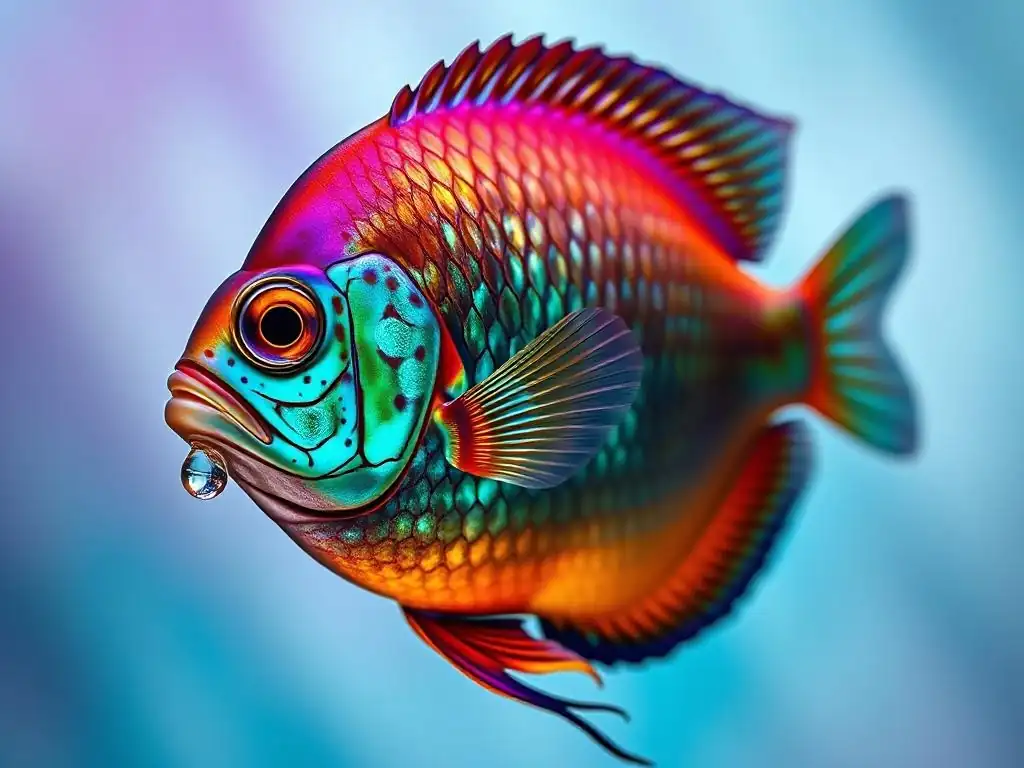
Option 1: Tetra Discus Granules - The Nutrient-Rich Staple
Features and Benefits of Tetra Discus Granules
Tetra Discus Granules have long been a cornerstone in the diets of many successful Discus keepers, recognized for their complete and balanced nutritional profile. These slow-sinking granules are specifically designed to meet the unique feeding habits of Discus, allowing them ample time to consume the food without it rapidly dissolving and clouding the water.
A key feature is the inclusion of Tetra's patented BioActive formula, a blend of prebiotics and probiotics that supports a healthy digestive system, leading to better nutrient absorption and reduced waste production. This contributes significantly to maintaining pristine water quality, a critical factor for Discus health.
The granules are also fortified with natural color enhancers, including a high concentration of astaxanthin, which helps bring out the vibrant reds and oranges in Discus coloration. With a protein content typically around 47-50% and a fat content of 9-10%, they provide ample energy for growth and daily activity. Many aquarists report seeing noticeable improvements in their Discus's vitality and coloration within weeks of switching to this staple Discus fish food option. Its consistent quality and widespread availability make it a reliable choice for daily feeding.
Price Point and Where to Buy: Maximizing Affiliate Opportunities
Tetra Discus Granules generally fall into the mid-to-premium price range for specialized fish foods. A typical 250ml container might range from $15 to $25, depending on the retailer and current promotions. Larger bulk containers, such as 1-liter or 10-liter tubs, offer better value per ounce, often reducing the cost by 15-20% when purchased in bulk. This makes it an economical choice for hobbyists with multiple Discus tanks or larger collections.
These Discus fish food options are widely available across various platforms. You can find them at most reputable local fish stores, which often carry a selection of premium Discus foods. For convenience and competitive pricing, major online pet supply retailers and specialized aquarium e-commerce sites are excellent sources. While prices can fluctuate, comparing options across different vendors can yield significant savings, especially when factoring in shipping costs for online orders.
User Reviews and Real-World Results: Discus Thrive on This Formula
Feedback from the Discus keeping community overwhelmingly praises Tetra Discus Granules for their consistent performance. Many long-term Discus enthusiasts consider it a foundational element of their feeding regimen, often rotating it with other specialized foods. Common sentiments include observations of "excellent palatability," with even finicky Discus readily accepting the granules after an initial adjustment period. Users frequently highlight the noticeable improvement in their fish's color intensity, attributing it to the formula's specific color-enhancing ingredients.
Furthermore, reports often mention the granules' ability to maintain water clarity, a testament to their low-waste formulation. Aquarists routinely share success stories of Discus thriving on this diet, exhibiting robust growth rates, active behavior, and strong disease resistance. For example, one hobbyist noted that their juvenile Discus grew from 2 inches to over 5 inches in six months primarily on Tetra Discus Granules, maintaining vibrant red hues throughout. While individual results may vary based on tank conditions and fish genetics, the collective experience underscores Tetra Discus Granules as a highly effective and reliable Discus fish food option.
Option 2: Ocean Nutrition Discus Pro - A Protein Powerhouse for Discus Growth
Why High Protein is Beneficial for Discus
Ocean Nutrition Discus Pro stands out as a premium Discus fish food option specifically formulated with a very high protein content, often exceeding 55%. This elevated protein level is immensely beneficial for Discus, particularly for young, rapidly growing juveniles and breeding adults. Protein is composed of amino acids, the fundamental building blocks for muscle tissue, enzymes, hormones, and antibodies. For Discus fry, a diet rich in protein directly translates to accelerated growth rates, allowing them to reach their full genetic potential in terms of size.
In adult Discus, high protein supports continuous tissue repair, maintains muscle mass, and provides the necessary energy for metabolic processes, especially during spawning periods when energy demands are high. A diet deficient in protein can lead to stunted growth, poor body condition, and a weakened immune system, making the fish more susceptible to diseases. By providing a concentrated source of highly digestible proteins from sources like krill, fish meal, and spirulina, Ocean Nutrition Discus Pro ensures that Discus receive the essential amino acids they need for optimal health and development.
Potential Drawbacks and How to Mitigate Them
While the high protein content of Ocean Nutrition Discus Pro is a significant advantage for Discus growth, it can also present certain challenges if not managed properly. A diet excessively high in protein, especially if not fully utilized by the fish, can lead to increased ammonia production in the aquarium.
This is because the breakdown of unused protein results in nitrogenous waste, which can quickly degrade water quality if filtration is inadequate or water changes are infrequent. For instance, a 50-gallon tank with several adult Discus consuming a high-protein diet might see ammonia levels rise by 0.25 ppm within 24 hours if overfed.
To mitigate these potential drawbacks, it is crucial to practice responsible feeding habits. Feed smaller portions more frequently throughout the day, ensuring all food is consumed within 2-3 minutes. Avoid dumping large amounts of food into the tank. Additionally, maintain a robust filtration system, including mechanical, biological, and chemical filtration, to efficiently process waste. Regular water changes, typically 30-50% weekly for a Discus tank, are essential to dilute nitrates and remove accumulated organic matter. Complementing this high-protein Discus fish food option with other balanced foods or occasional fasting days can also help prevent an overload of nutrients.
Feeding Recommendations for Ocean Nutrition Discus Pro
For optimal results with Ocean Nutrition Discus Pro, a strategic feeding approach is recommended. Given its high protein density, it's best to feed smaller amounts multiple times a day rather than one large meal. For juvenile Discus, feeding 3-5 times a day is ideal to support their rapid growth metabolism. Adult Discus can thrive on 2-3 feedings daily. Each feeding should be a quantity that can be fully consumed by the fish within 2-3 minutes, leaving no uneaten food to decay and foul the water.
It's also beneficial to soak the granules briefly (for about 30 seconds to a minute) in a small amount of tank water before feeding. This softens the granules, making them easier for Discus to digest and reducing the risk of bloating, while also allowing them to sink more readily.
This Discus fish food option can be used as a primary staple, but many aquarists find success by rotating it with other premium Discus foods, such as Tetra Discus Granules or a high-quality flake food, to provide a broader spectrum of nutrients and prevent dietary boredom. Monitor your Discus's waste output and overall water parameters closely to adjust feeding frequency and quantity as needed.
Option 3: San Francisco Bay Brand Freeze-Dried Blackworms - A Natural and Irresistible Treat
The Nutritional Value of Freeze-Dried Blackworms for Discus
San Francisco Bay Brand Freeze-Dried Blackworms are a highly prized Discus fish food option, often considered an irresistible treat and a valuable nutritional supplement. These blackworms (Lumbriculus variegatus) are naturally rich in protein, typically boasting a protein content of around 50-60% on a dry weight basis, along with a healthy fat content of 10-15%.
This makes them an excellent source of concentrated energy and essential amino acids, crucial for the growth and vitality of Discus. Unlike some other live or frozen foods, freeze-dried blackworms retain most of their nutritional value due to the preservation process, which removes water without significantly degrading proteins or vitamins.
Furthermore, blackworms are known for their palatability, often enticing even the most finicky Discus to eat. Their natural texture and scent are highly attractive, mimicking a part of the Discus's natural diet. They also provide a source of natural pigments, contributing to overall coloration. Many aquarists use them to stimulate appetite in new or recovering fish, or as a regular, nutrient-dense supplement to their primary pellet or flake diet.
How to Properly Feed Blackworms to Avoid Water Quality Issues
While freeze-dried blackworms are an excellent Discus fish food option, proper feeding techniques are essential to prevent water quality degradation. The primary concern is overfeeding, as uneaten blackworms can quickly decompose and release ammonia, nitrates, and phosphates into the water, leading to cloudy water, algae blooms, and potentially harmful spikes in nitrogenous compounds. For example, just a small pinch of uneaten blackworms left overnight in a 75-gallon tank can cause ammonia levels to rise by 0.1 ppm.
To avoid this, feed blackworms sparingly, only offering a quantity that your Discus can consume within 1-2 minutes. It is highly recommended to rehydrate the freeze-dried worms in a small cup of tank water for 5-10 minutes before feeding. This not only makes them softer and easier for Discus to digest but also causes them to sink more readily, reducing surface film and preventing them from being sucked into filters.
Use a feeding cone or a turkey baster to target feed, ensuring the worms are delivered directly to the Discus. Always remove any uneaten worms promptly with a net or siphon.
Comparing Blackworms to Other Live Food Options
When considering Discus fish food options, blackworms offer distinct advantages and disadvantages compared to other popular live foods like bloodworms, brine shrimp, or tubifex worms. Live blackworms, if sourced from reputable, disease-free suppliers, are excellent for stimulating natural feeding behaviors and providing highly digestible protein. However, live blackworms carry a higher risk of introducing parasites or bacteria into the aquarium, a significant concern for sensitive Discus. Freeze-dried blackworms mitigate this risk almost entirely, as the freeze-drying process sterilizes the product, making them a much safer alternative while largely retaining the nutritional benefits.
Bloodworms (chironomid larvae) are another popular choice, rich in iron and protein, and are readily accepted by Discus. However, similar to live blackworms, live bloodworms can carry pathogens, and even frozen bloodworms, while safer, can sometimes be messy and contribute to water fouling if not thoroughly rinsed. Brine shrimp (Artemia) are good for stimulating appetite and providing digestive enzymes, especially for juveniles, but their nutritional value is generally lower than blackworms unless gut-loaded.
Tubifex worms are often discouraged due to their high fat content and notorious reputation for harboring pathogens. Overall, freeze-dried blackworms strike a good balance between nutritional value, palatability, and safety among the various Discus fish food options.
Option 4: Hikari Discus Bio-Gold - Vibrant Colors, Healthy Fish
The Science Behind Color Enhancement in Discus Food
Hikari Discus Bio-Gold is a highly regarded Discus fish food option specifically formulated to enhance the vibrant coloration of Discus while promoting overall health. The science behind its color-enhancing properties lies in the strategic inclusion of carotenoids, which are natural pigments found in certain plants and animals. Discus, like many fish, cannot synthesize these pigments themselves; they must obtain them through their diet. Hikari Bio-Gold typically incorporates high concentrations of pure-cultured spirulina and astaxanthin, two powerful natural carotenoids.
Astaxanthin, in particular, is a potent antioxidant and the primary pigment responsible for the red and orange hues in many aquatic organisms, including salmon and shrimp. When ingested by Discus, these carotenoids are absorbed and deposited into the fish's skin cells, intensifying and enriching their natural coloration. Beyond mere aesthetics, these compounds also play a role in immune function and provide protection against oxidative stress, contributing to the fish's overall vitality. Regular feeding with this Discus fish food option ensures a continuous supply of these vital pigments, leading to visibly brighter and more defined colors.
Key Ingredients that Boost Discus Coloration
The efficacy of Hikari Discus Bio-Gold in enhancing color is directly linked to its carefully selected ingredients. While the exact proprietary blend is unique to Hikari, common key ingredients include a significant percentage of high-quality fish meal, krill meal, and spirulina. Fish meal and krill meal provide the essential proteins and amino acids necessary for robust growth and health, which are foundational for good color.
Spirulina, a blue-green algae, is a powerhouse of nutrients, including a wide array of natural carotenoids, vitamins, and minerals. It is particularly rich in phycocyanin and beta-carotene, which contribute to blues and yellows, while also providing a base for red pigmentation.
Crucially, the specific inclusion of purified astaxanthin is what sets this Discus fish food option apart for intense red and orange enhancement. Hikari often uses a highly bioavailable form of astaxanthin to ensure maximum absorption by the fish. Additionally, the formula includes a balanced blend of vitamins (such as C and E) and minerals that support overall health, ensuring that the fish are healthy enough to express their full color potential. The granules are also designed to be highly digestible, minimizing waste and ensuring that nutrients are efficiently absorbed by the Discus.
Dosage and Feeding Frequency for Optimal Results
To achieve optimal color enhancement and health benefits from Hikari Discus Bio-Gold, consistent and appropriate feeding is key. It is recommended to feed Discus small amounts, typically 2-3 times per day, ensuring that all food is consumed within 3-5 minutes. Overfeeding should be avoided as it can lead to water quality issues and digestive problems. For instance, a 100-gallon Discus tank might require only a quarter teaspoon of granules per feeding for a group of 6-8 adult Discus.
For maximum color vibrancy, consistent daily feeding with Hikari Discus Bio-Gold is more effective than sporadic use. Many aquarists integrate it as a primary staple or as a significant component of a varied diet. While color enhancement can be observed within a few weeks, the most dramatic improvements often become apparent after 1-2 months of consistent feeding. It is important to remember that genetics, water quality, and overall tank conditions also play a significant role in a Discus's color expression, so this Discus fish food option works best as part of a holistic care regimen.
Option 5: Cobalt Aquatics Ultra Discus Food - Supporting Gut Health and Immunity
The Role of Probiotics in Discus Digestion
Cobalt Aquatics Ultra Discus Food distinguishes itself as a premium Discus fish food option by heavily emphasizing gut health through the inclusion of probiotics. Probiotics are live beneficial microorganisms, such as certain strains of Bacillus bacteria, that, when administered in adequate amounts, confer a health benefit on the host. In the context of Discus fish, these probiotics colonize the intestinal tract, creating a healthy gut microbiome. This healthy bacterial population aids in the breakdown of complex food molecules, improving the efficiency of nutrient absorption.
For example, probiotics can produce enzymes that help digest proteins, fats, and carbohydrates, which might otherwise pass through the fish undigested. This enhanced digestion means that the Discus extracts more nutritional value from the food it consumes, leading to better growth rates and overall vitality. Furthermore, a robust population of beneficial bacteria can inhibit the growth of pathogenic bacteria in the gut, reducing the risk of common digestive ailments and internal infections that Discus are sometimes prone to.
Benefits of a Healthy Gut Microbiome for Discus
The benefits of a healthy gut microbiome, fostered by probiotic-rich Discus fish food options like Cobalt Aquatics Ultra Discus Food, extend far beyond just digestion. A balanced gut flora plays a crucial role in strengthening the Discus's immune system. Approximately 70% of a fish's immune system is associated with its gut, making a healthy digestive tract vital for disease resistance.
Probiotics can stimulate the production of antibodies and other immune cells, making the fish more resilient to stressors and environmental changes. For instance, Discus fed probiotic-enhanced diets have been observed to show reduced mortality rates when exposed to common pathogens like Aeromonas hydrophila.
Moreover, improved nutrient absorption means that the fish receive more of the essential vitamins and minerals needed for robust health, contributing to better skin and fin health, more vibrant coloration, and increased energy levels. A healthy gut also leads to less undigested waste, resulting in cleaner aquarium water and a reduced biological load on the filtration system. This holistic approach to nutrition supports the long-term well-being of Discus, allowing them to thrive in their captive environment.
Long-Term Health Advantages of Probiotic-Rich Food
The consistent feeding of probiotic-rich Discus fish food options like Cobalt Aquatics Ultra Discus Food offers significant long-term health advantages for these sensitive fish. By continuously supporting a strong gut microbiome, Discus are better equipped to handle common stressors such as water parameter fluctuations, tank mate aggression, or the introduction of new fish. Their enhanced immune response means they are less likely to succumb to opportunistic infections that can plague stressed or nutritionally deficient fish.
Over time, aquarists using probiotic-infused diets often report a noticeable reduction in instances of common Discus ailments like "Discus plague" or internal parasites, though these foods are not a cure. The improved digestion also means that the fish are more efficient at utilizing their food, potentially leading to better growth rates and a more consistent body shape. This investment in gut health through specialized Discus fish food options translates into more resilient, healthier, and longer-lived Discus, providing greater enjoyment for the hobbyist.
Comparing the Top Discus Food Brands: Which is Right for Your Tank?
Tetra vs. Ocean Nutrition: A Head-to-Head Nutritional Analysis
When comparing Tetra Discus Granules and Ocean Nutrition Discus Pro, two prominent Discus fish food options, a head-to-head nutritional analysis reveals distinct strengths. Tetra Discus Granules are often lauded for their "BioActive" formula, which includes prebiotics and probiotics designed to support overall digestive health and water quality. Their protein content typically hovers around 47-50%, providing a well-rounded diet suitable for daily feeding across all life stages, with a focus on comprehensive nutrition and color enhancement through natural carotenoids. They are known for their palatability and low-waste formulation.
Ocean Nutrition Discus Pro, on the other hand, is a true protein powerhouse, often boasting protein levels exceeding 55%. This makes it an exceptional choice for stimulating rapid growth in juvenile Discus and supporting the high energy demands of breeding adults. While it also contains essential vitamins and minerals, its primary emphasis is on muscle development and size. Both are premium Discus fish food options, but Tetra offers a slightly more holistic, gut-health-focused approach, while Ocean Nutrition is geared towards maximizing protein intake for growth.
Considering Your Budget and Discus's Specific Needs
Choosing among the various Discus fish food options also involves considering your budget and the specific needs of your fish. Premium Discus foods, by their nature, tend to be more expensive than general tropical fish flakes. For instance, a 100g container of a specialized Discus food might cost 2-3 times more than a similar-sized container of standard flake food. However, this investment is often justified by improved fish health, color, and longevity, potentially reducing future costs associated with treating ailments.
If your primary goal is rapid growth for young Discus, a higher-protein option like Ocean Nutrition Discus Pro might be worth the investment, even if it's slightly pricier per ounce. If you're looking for an all-around staple that supports gut health and enhances color, Tetra Discus Granules or Hikari Discus Bio-Gold could be more suitable. For hobbyists on a tighter budget, purchasing larger bulk containers of premium Discus fish food options can significantly reduce the cost per feeding. Always prioritize quality over cost when it comes to Discus nutrition, as their sensitivity demands the best.
Choosing the Best Discus Food Based on Life Stage (Fry, Juvenile, Adult)
The optimal Discus fish food option can vary significantly depending on the fish's life stage. Discus fry, immediately after becoming free-swimming, require extremely small, highly digestible, and protein-rich foods. Specialized fry foods, often in powder form or liquid, are essential, as are frequent feedings (5-7 times daily).
As they transition into the juvenile stage (from 1 inch to 4-5 inches), their growth rate is incredibly rapid, necessitating a diet very high in protein (50-60%) to support muscle and skeletal development. Options like Ocean Nutrition Discus Pro or finely crushed Tetra Discus Granules are excellent choices during this phase, fed 3-5 times a day.
For adult Discus (over 5 inches), while protein remains crucial, the emphasis shifts slightly towards maintenance, color enhancement, and overall vitality. A slightly lower protein percentage (45-50%) combined with good fat content and a rich array of vitamins, minerals, and color enhancers (like those in Hikari Discus Bio-Gold or Tetra Discus Granules) becomes ideal. Adult Discus typically thrive on 2-3 feedings per day. Supplementing with occasional treats like freeze-dried blackworms or high-quality frozen foods can add variety and additional nutrients across all life stages, ensuring a comprehensive and balanced diet.
Feeding Tips for Discus: Maximizing Nutrient Absorption and Minimizing Waste
Proper Feeding Techniques: Small, Frequent Meals
Discus fish benefit immensely from a feeding strategy that involves small, frequent meals rather than one or two large feedings. In their natural habitat, Discus graze continuously on small organisms. Mimicking this behavior in the aquarium promotes better digestion and nutrient absorption. For most adult Discus, feeding 2-4 times a day is ideal, while juveniles undergoing rapid growth may require 4-6 smaller feedings throughout the day. Each feeding should only consist of an amount that your Discus can consume entirely within 2-5 minutes.
This approach prevents overfeeding, which is a common cause of poor water quality. Uneaten Discus fish food options quickly decompose, releasing ammonia and nitrates, stressing the fish, and promoting algae growth. By offering small portions, you ensure that the food is fully consumed, minimizing waste and maintaining pristine water conditions, which are paramount for Discus health. Observing your fish during feeding will help you gauge the appropriate quantity; if food remains after five minutes, you are feeding too much.
Avoiding Overfeeding and Maintaining Water Quality
Overfeeding is arguably the most common mistake made by new Discus keepers and is a direct pathway to poor water quality and fish health issues. When too much Discus fish food is introduced, the excess food decomposes, leading to spikes in ammonia and nitrite, which are highly toxic to fish. Even if these are processed by the biological filter into nitrates, high nitrate levels (above 20 ppm) can stress Discus and inhibit their growth and color. For example, consistently overfeeding by just 10% can increase nitrate accumulation by 30% over a week in a typical 75-gallon tank.
To effectively avoid overfeeding, establish a strict feeding schedule and measure your portions. Use a small measuring spoon or a specific pinch size that you know your fish will consume. Always remove any uneaten food promptly, ideally within 5-10 minutes of feeding, using a fine net or a small siphon.
Beyond careful feeding, maintaining excellent water quality for Discus involves regular, significant water changes (often 30-50% weekly or bi-weekly), robust filtration (mechanical, biological, and sometimes chemical), and regular substrate vacuuming to remove accumulated detritus. These practices, combined with appropriate Discus fish food options, create a healthy environment for your fish.
Supplementing with Vitamins and Minerals (When Necessary)
While premium Discus fish food options are formulated to be nutritionally complete, there are specific circumstances where supplementing with additional vitamins and minerals can be beneficial. For instance, if your Discus are recovering from an illness, showing signs of stress, or have recently undergone a significant environmental change (like being moved to a new tank), a boost of certain vitamins can aid their recovery and strengthen their immune system. Liquid vitamin supplements, often containing high concentrations of Vitamin C (ascorbic acid) and B vitamins, can be added to the fish's food or directly to the tank water.
When adding to food, soak the pellets or flakes in a few drops of the liquid supplement for 5-10 minutes before feeding. This ensures the vitamins are ingested directly. Avoid over-supplementation, as fat-soluble vitamins (A, D, E, K) can accumulate to toxic levels. For healthy, thriving Discus on a high-quality diet, regular supplementation is generally not necessary. However, for breeding pairs, a comprehensive mineral supplement might be considered to support egg production and fry development, as the demanding process can deplete their reserves. Always research and follow the manufacturer's guidelines for any specific Discus fish food options or supplements.
Conclusion: Ensuring Your Discus Thrive with the Right Food
Investing in Quality Discus Food: A Long-Term Investment in Their Health
Investing in high-quality Discus fish food options is not merely an expense; it is a critical long-term investment in the health, vibrancy, and longevity of these magnificent fish. Unlike generic flakes or pellets, premium Discus foods are specifically formulated to meet their unique dietary requirements, providing the precise balance of proteins, fats, vitamins, and minerals they need to thrive. While the initial cost may seem higher, the benefits far outweigh the expense. Well-nourished Discus are less prone to disease, exhibit more vibrant colors, grow to their full potential, and display more natural, active behaviors.
This preventative approach to health through superior nutrition can significantly reduce the likelihood of costly treatments for illnesses and the heartbreak of losing prized fish. For example, a Discus fed a consistent, high-quality diet might live for 10-15 years, whereas one on a poor diet might struggle to reach 5 years. By choosing the best Discus fish food options available, you are not just feeding your fish; you are providing the foundational elements for a robust immune system, optimal organ function, and sustained vitality, ensuring years of enjoyment from your aquatic beauties.
Final Recommendations Based on Different Tank Setups and Discus Varieties
The best Discus fish food option often depends on your specific tank setup and the varieties of Discus you keep. For a general community Discus tank with mixed varieties, a well-rounded staple like Tetra Discus Granules or Hikari Discus Bio-Gold serves as an excellent primary diet, offering balanced nutrition, color enhancement, and good digestibility. These are highly palatable and accepted by most Discus.
If you are focusing on growing out juvenile Discus or keeping breeding pairs, incorporating a high-protein option like Ocean Nutrition Discus Pro is highly recommended to support rapid growth and reproductive health. For finicky eaters or as an irresistible treat, San Francisco Bay Brand Freeze-Dried Blackworms are invaluable, especially for enticing new or stressed fish to eat.
Finally, for a proactive approach to gut health and immunity, regardless of the Discus variety, Cobalt Aquatics Ultra Discus Food with its probiotic benefits is a strong contender. A rotational feeding strategy, incorporating 2-3 different premium Discus fish food options, often provides the most comprehensive and stimulating diet for your Discus.
Finding the best deals on premium Discus fish food options requires a bit of savvy shopping. While local fish stores offer the advantage of immediate availability and expert advice, online retailers often provide more competitive pricing, especially for larger quantities. Major online pet supply stores and specialized aquarium e-commerce websites frequently run promotions, discounts, or offer bulk purchase options that can significantly reduce the cost per ounce.
Keep an eye out for seasonal sales events, such as Black Friday or Cyber Monday, where substantial discounts on popular Discus fish food options can be found. Subscribing to newsletters from your favorite online vendors can also alert you to exclusive deals. While individual product prices may vary, comparing total costs, including shipping, across different platforms is key to maximizing your savings. Remember, a slight price difference is a small consideration when ensuring the long-term health and vibrancy of your cherished Discus.
Frequently Asked Questions
What are some of the best food options for Discus fish that cater to their sensitive nature?
Discus thrive on a diet rich in protein. Excellent choices include high-quality Discus pellets, beefheart mixes, and live or frozen foods like bloodworms and brine shrimp.
Why is choosing the right food so important for Discus fish?
Discus fish are prone to health issues if their dietary needs aren't met. The right food ensures they receive essential nutrients for growth, color vibrancy, and overall health.
Can I feed my Discus flake food, or is it strictly a specialized diet?
While some Discus may accept flake food, it's generally not recommended as a primary food source. Discus require a diet higher in protein and specific nutrients found in specialized Discus foods.
What should I look for on the ingredient list of a good Discus food?
Prioritize foods with high protein content, ideally from sources like fish meal, beef heart, or shrimp. Also, look for added vitamins and minerals to support their immune system and overall health.
How often and how much should I feed my Discus fish?
Feed Discus small portions two to three times a day. Only give them what they can consume in a few minutes to avoid overfeeding and water pollution.
Final Reflection: Nurturing the Jewels of the Aquarium
The journey through the world of Discus nutrition, as we've explored, highlights the vital connection between quality food and the vibrant health of these aquatic gems. Understanding the nuances of their dietary needs is not merely about keeping them alive; it's about unlocking their full potential, showcasing their breathtaking colors, and ensuring their longevity. The choices we make in selecting their food directly impact their well-being, transforming a simple act of feeding into a profound responsibility.
The impact of providing optimal nutrition extends far beyond the individual fish. It ripples through the entire aquarium ecosystem, fostering a thriving environment where these majestic creatures can truly flourish. My own experience with Discus has taught me that patience and attention to detail are paramount, and that investing in their well-being is an investment in the beauty and harmony of the underwater world. The best way to observe a fish is to become a part of its world.
- Jacques Cousteau. This quote encapsulates the dedication required to truly understand and cater to the needs of these sensitive creatures.
As we conclude this exploration of Discus fish food options, I invite you to reflect on the power you hold to shape the lives of these magnificent beings. Consider the information shared, and choose wisely, not just for the sake of survival, but for the sake of vibrant health and enduring beauty. Let us all strive to be conscientious guardians, providing the very best for our Discus, and in doing so, enriching our own lives with the joy of witnessing their splendor.
Dive Deeper: Nourish Your Discus to Thrive!
Thanks for exploring the art of Discus feeding with us! Now that you understand the nuances of their dietary needs, it's time to transform that knowledge into vibrant health for your fish. Ready to take the next step?
Here's how you can elevate your Discus care:
- Prioritize live foods this week: Schedule at least three feedings with high-quality bloodworms or brine shrimp to boost their natural instincts and vibrant coloration.
- Explore blending your own Discus food! Research recipes using high-protein sources and start small, observing how your fish react.
- Share your Discus feeding secrets on our forum! What unique foods do your Discus love?
What's one new feeding technique you're excited to try with your Discus?