
Aquarium Detritus Demystified: Friend or Foe in Your Tank's Ecosystem?

Welcome to Aquarium Mastery!
Ever wondered what those seemingly harmless particles swirling around your freshwater aquarium really are? Is it just unsightly gunk, or does detritus play a hidden role in your tank's delicate ecosystem? Dive in as we demystify freshwater aquarium detritus removal, uncovering its potential benefits and revealing the best strategies for maintaining a healthy and thriving aquatic environment. Ready to separate fact from fiction and master the art of a balanced aquarium? Let's explore!
- Understanding Aquarium Detritus: What Is It and Where Does It Come From?
- The Role of Detritus in a Healthy Freshwater Aquarium Ecosystem
- The Dark Side of Detritus: When It Becomes a Problem
- Freshwater Aquarium Detritus Removal: Effective Strategies
- Biological Control: Utilizing Detritivores in Your Aquarium
- Preventing Detritus Buildup: Proactive Tank Management
- Freshwater Aquarium Detritus Removal: Step-by-Step Guide to Gravel Vacuuming
- Troubleshooting Detritus Issues: Identifying and Addressing Problems
- Maintaining a Balanced Ecosystem: The Key to Detritus Management
- Frequently Asked Questions
- Final Reflection: Embracing the Cycle of Life in Your Aquarium
- Dive Deeper: Transform Detritus into a Thriving Ecosystem!
Understanding Aquarium Detritus: What Is It and Where Does It Come From?
Defining Detritus in Freshwater Aquariums
In the context of a freshwater aquarium, detritus refers to the accumulation of organic and inorganic waste materials that settle on the substrate, decorations, and even plant leaves. This often appears as a fine, brownish-grey silt or sludge. While it might seem like simple dirt, detritus is a complex mixture, serving as a significant indicator of the tank's overall cleanliness and biological activity. Understanding its nature is the first step in effective freshwater aquarium detritus removal.
Microscopically, aquarium detritus is far from inert. It is a dynamic environment teeming with microorganisms, including bacteria, fungi, and protozoa, which actively decompose the organic components. This decomposition process releases nutrients back into the water column, influencing water chemistry and potentially affecting the health of fish and plants if not managed appropriately.
Sources of Detritus Accumulation in Fish Tanks
The primary sources of detritus in fish tanks are diverse, reflecting the various biological processes occurring within the enclosed ecosystem. Uneaten fish food is a major contributor, especially in tanks where overfeeding is common; estimates suggest that uneaten food can account for a substantial portion, potentially 30-50% of the total organic waste load in a poorly managed tank. This food breaks down rapidly, adding to the detritus pile.
Beyond uneaten food, fish waste (feces) is another significant source, continuously adding organic matter to the substrate. Decaying plant matter, such as shed leaves from aquatic plants or remnants of vegetables fed to herbivores, also contributes to detritus. Furthermore, the unfortunate demise of small organisms like snails or even fish, if not promptly removed, will rapidly decompose and become part of the detritus layer.
The Composition of Aquarium Detritus: A Microscopic View
The composition of aquarium detritus is a heterogeneous mix of organic and inorganic components, visible only under magnification. The organic fraction consists primarily of decaying plant and animal matter, including cellulose from plants, proteins from uneaten food and fish waste, and chitin from invertebrate exoskeletons. This organic material provides a rich substrate for a vast array of microorganisms.
Inorganic components typically include fine particles of substrate material, such as sand or gravel dust, and sometimes even tiny mineral precipitates from the water itself. These inorganic particles often become embedded within the sticky organic matrix, making the detritus dense and prone to settling. The microbial community within this matrix plays a crucial role in breaking down complex organic molecules into simpler compounds, influencing the nutrient cycle and the overall need for freshwater aquarium detritus removal.
The Role of Detritus in a Healthy Freshwater Aquarium Ecosystem
Detritus as a Food Source: Beneficial Decomposition
While often viewed negatively, detritus plays a nuanced role in a healthy freshwater aquarium. For many beneficial microorganisms, including certain bacteria, fungi, and protozoa, detritus serves as a primary food source. These microorganisms are crucial decomposers, breaking down complex organic compounds into simpler forms, which are then either absorbed by plants or further processed by other bacteria in the nitrogen cycle.
Furthermore, some invertebrate species, such as various snails and shrimp, as well as certain fish like Corydoras catfish, actively feed on detritus. They sift through the substrate, consuming the organic particles and the associated microbial biofilm. This process not only helps in managing detritus levels but also contributes to the natural food web within the aquarium, making their presence a natural component of freshwater aquarium detritus removal.
The Nitrogen Cycle and Detritus Breakdown: A Vital Connection
The decomposition of organic detritus is intrinsically linked to the nitrogen cycle, a fundamental process in any aquarium. As organic detritus breaks down, it releases ammonia (NH3/NH4+), the initial nitrogenous waste product. This ammonia is then converted by beneficial nitrifying bacteria (Nitrosomonas species) into nitrite (NO2-), which is subsequently converted by other nitrifying bacteria (Nitrobacter species) into less toxic nitrate (NO3-).
This continuous conversion is vital for maintaining water quality and preventing the accumulation of highly toxic ammonia and nitrite. A healthy detritus layer, managed effectively, provides a stable environment for these beneficial bacterial colonies to thrive, ensuring the efficient functioning of the nitrogen cycle. However, an excessive amount of detritus can overwhelm this system, leading to dangerous ammonia spikes, highlighting the importance of balanced freshwater aquarium detritus removal.
Detritus and Plant Growth: A Natural Fertilizer?
In planted freshwater aquariums, detritus can act as a natural, slow-release fertilizer. As organic detritus decomposes, it liberates essential nutrients such as nitrates, phosphates, potassium, and various micronutrients that are crucial for aquatic plant growth. Plants can absorb these nutrients directly from the water column or through their roots if the detritus is incorporated into the substrate.
This natural nutrient recycling can reduce the need for external fertilization in some setups, particularly in heavily planted tanks with a moderate bioload. However, it's a delicate balance; while beneficial in moderation, excessive detritus can lead to nutrient imbalances or anaerobic pockets that are detrimental to plant roots and overall water quality, necessitating thoughtful freshwater aquarium detritus removal strategies.
The Dark Side of Detritus: When It Becomes a Problem
Negative Impacts of Excessive Detritus Buildup
While a small amount of detritus can be beneficial, excessive accumulation poses significant threats to a freshwater aquarium's health. A thick layer of detritus on the substrate can lead to anaerobic conditions, particularly in deeper gravel beds where oxygen cannot penetrate effectively. These oxygen-deprived zones foster the growth of harmful anaerobic bacteria, which can produce toxic compounds like hydrogen sulfide, identifiable by a rotten egg smell, posing a direct threat to fish and invertebrates.
Furthermore, excessive detritus acts as a constant source of dissolved organic compounds, leading to cloudy water, unpleasant odors, and a general decline in aesthetic appeal. It also creates an environment where beneficial aerobic bacteria on the substrate surface may be smothered, reducing their efficiency in processing waste and increasing the need for urgent freshwater aquarium detritus removal.
Detritus and Ammonia Spikes: A Dangerous Combination
One of the most critical dangers of excessive detritus buildup is its potential to cause sudden and severe ammonia spikes. As organic matter decomposes, it continuously releases ammonia into the water. In a balanced system, the beneficial bacteria of the nitrogen cycle efficiently convert this ammonia into less harmful nitrates. However, when detritus accumulates rapidly or in large quantities, the rate of ammonia production can overwhelm the existing bacterial colonies.
For instance, a sudden influx of decaying plant matter or a significant amount of uneaten food can lead to a surge in ammonia, reaching levels that are highly toxic to fish. Even concentrations as low as 0.02 parts per million (ppm) of unionized ammonia can cause stress, gill damage, and suppressed immune function in sensitive fish species, while higher levels (e.g., 0.5 ppm or more) can be rapidly lethal. This immediate threat underscores the importance of consistent freshwater aquarium detritus removal.
Detritus as a Breeding Ground for Harmful Bacteria and Parasites
Beyond ammonia, excessive detritus provides an ideal breeding ground for various pathogenic bacteria and parasites. The rich organic matter and potentially anaerobic conditions create a favorable environment for opportunistic pathogens like Aeromonas and Pseudomonas bacteria, which can cause fin rot, body sores, and systemic infections in stressed fish. Studies have shown a direct correlation between poor water quality and increased susceptibility to bacterial diseases.
Similarly, many common aquarium parasites, such as Ich (White Spot Disease - Ichthyophthirius multifiliis) and velvet ( Oodinium), have life stages that involve settling in the substrate or attaching to organic debris. A detritus-laden environment offers them more places to hide and multiply, increasing the risk of widespread infestations. Regular freshwater aquarium detritus removal is therefore a critical preventative measure against disease outbreaks, contributing significantly to the overall health and resilience of your aquatic inhabitants.
Freshwater Aquarium Detritus Removal: Effective Strategies
Regular Gravel Vacuuming: The Cornerstone of Detritus Control
Regular gravel vacuuming is undeniably the most effective and fundamental strategy for freshwater aquarium detritus removal. This process physically extracts settled detritus, uneaten food, and fish waste from the substrate, directly removing pollutants from the tank before they can fully decompose and release harmful compounds. For most community freshwater aquariums, performing gravel vacuuming weekly or bi-weekly is recommended, especially during routine water changes.
The frequency and intensity of gravel vacuuming should be adjusted based on the tank's bioload, feeding habits, and the type of substrate. For instance, a heavily stocked tank with fine sand might require more frequent and thorough vacuuming compared to a lightly stocked tank with coarse gravel. This proactive approach not only keeps the substrate clean but also prevents the formation of anaerobic pockets, vital for the long-term health of your aquatic ecosystem.
Water Changes and Detritus Management: Maintaining Balance
Water changes go hand-in-hand with gravel vacuuming in effective freshwater aquarium detritus removal. While gravel vacuuming removes solid waste, water changes dilute and remove dissolved organic compounds and nitrates that accumulate from the ongoing decomposition of detritus and other biological processes. A typical recommendation is to perform a 20-30% water change weekly or bi-weekly, depending on the tank's specific needs.
By removing a portion of the old water, you are effectively reducing the concentration of pollutants and replenishing essential minerals. This combination of physical removal (via vacuuming) and dilution (via water changes) ensures that both solid and dissolved wastes are managed, preventing the buildup of toxins that can stress fish and lead to algae blooms. It's a holistic approach to maintaining pristine water quality.
The Role of Filtration in Detritus Removal: Mechanical vs. Biological
Filtration plays a crucial, albeit distinct, role in freshwater aquarium detritus removal. Mechanical filtration, typically consisting of sponges, filter floss, or filter socks, physically traps suspended detritus particles from the water column. This prevents them from settling and becoming part of the substrate detritus. Regular cleaning or replacement of mechanical filter media is essential to prevent it from becoming a source of decomposition itself.
Biological filtration, on the other hand, focuses on converting ammonia and nitrite into nitrate using beneficial bacteria, which thrive on specialized media like ceramic rings or bio-balls. While biological filtration doesn't directly remove solid detritus, it processes the dissolved ammonia released during detritus decomposition, making it an indispensable partner in managing the byproducts of detritus. Both mechanical and biological filtration are vital components of a comprehensive strategy for managing detritus in freshwater aquariums.
Biological Control: Utilizing Detritivores in Your Aquarium
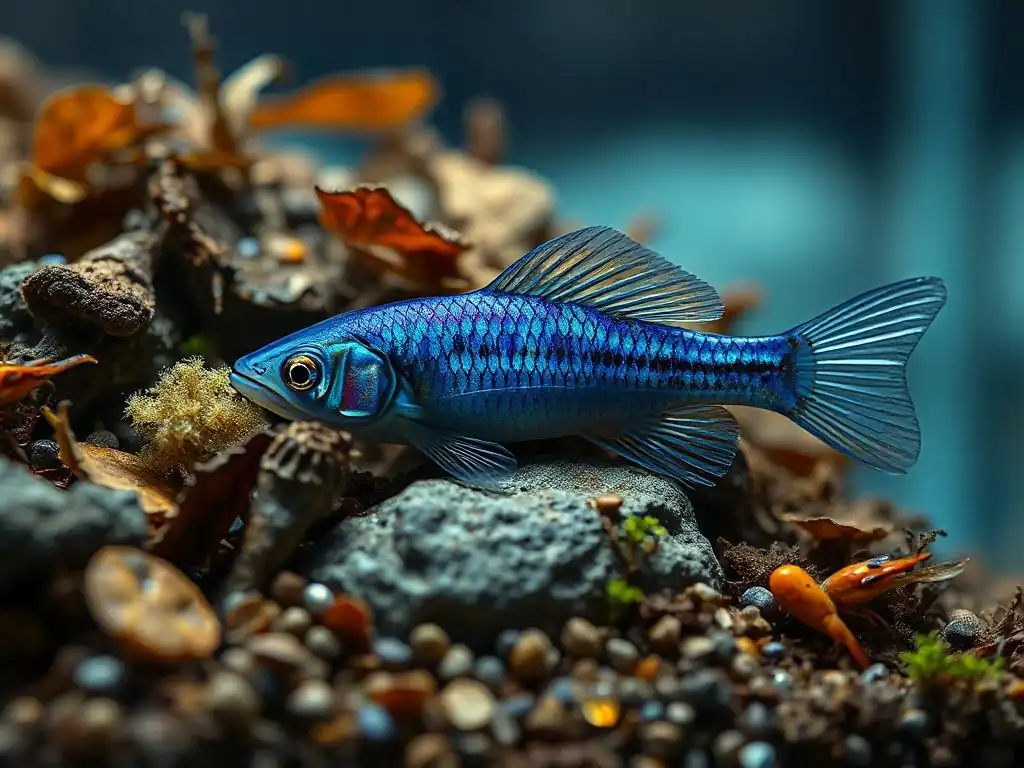
Introducing Detritus-Eating Fish Species: Corydoras, Otocinclus, and Bristlenose Plecos
Integrating specific detritus-eating fish species can be a beneficial natural approach to freshwater aquarium detritus removal, complementing manual efforts. Corydoras catfish, for example, are excellent bottom dwellers that continuously sift through the substrate, stirring up and consuming small particles of uneaten food and detritus. Their constant activity helps prevent detritus from compacting and forming anaerobic zones.
Otocinclus catfish are small, peaceful grazers that primarily consume algae and biofilm, but they will also consume some micro-detritus on plant leaves and surfaces. Bristlenose Plecos, while often associated with algae eating, also consume decaying plant matter and some organic detritus. While these fish are helpful, it's crucial to remember they are not a substitute for regular manual freshwater aquarium detritus removal, as they cannot process all the waste produced in an aquarium.
The Benefits of Invertebrates for Detritus Control: Snails, Shrimp, and More
Invertebrates are highly effective natural detritus managers in freshwater aquariums. Various snail species, such as Malaysian Trumpet Snails (MTS) and Nerite Snails, are excellent detritivores. MTS burrow into the substrate, aerating it and consuming buried detritus, preventing anaerobic pockets. Nerite snails primarily consume algae but will also graze on biofilm and some detritus on hard surfaces.
Freshwater shrimp, particularly Amano Shrimp ( Caridina multidentata) and various Neocaridina species (e.g., Cherry Shrimp), are voracious scavengers. They constantly pick at detritus, uneaten food, and decaying plant matter, breaking it down into smaller particles that are then more easily processed by beneficial bacteria or removed by filtration. These invertebrates contribute significantly to the biological aspect of freshwater aquarium detritus removal, maintaining a cleaner substrate and water column.
Planted Tanks and Detritus Management: A Symbiotic Relationship?
Planted tanks can have a symbiotic relationship with detritus management. Healthy aquatic plants absorb excess nutrients, such as nitrates and phosphates, that are released during detritus decomposition. This nutrient uptake directly reduces the fuel for algae blooms, which are often exacerbated by high detritus levels. The root systems of plants also help to stabilize the substrate, preventing detritus from being stirred up easily.
However, dense planting can also sometimes trap detritus within the foliage or under thick carpets, making manual freshwater aquarium detritus removal more challenging. While plants utilize some nutrients from detritus, excessive buildup can still lead to anaerobic conditions in the substrate, which can harm plant roots and beneficial bacteria. Therefore, even in heavily planted tanks, a balanced approach combining plant benefits with targeted vacuuming is necessary.
Preventing Detritus Buildup: Proactive Tank Management
Proper Feeding Practices: Minimizing Waste Production
The most impactful proactive measure against detritus buildup is adopting proper feeding practices. Overfeeding is arguably the single largest contributor to excess detritus in freshwater aquariums. Fish should only be fed what they can consume within 2-3 minutes, and any uneaten food should be promptly removed. For bottom feeders, ensure food reaches them but isn't left to decay.
Consider offering smaller, more frequent meals rather than one large feeding. For example, feeding twice a day with smaller portions can be more efficient than one large meal, as it reduces the likelihood of food sinking and rotting. By meticulously managing food input, you significantly reduce the primary source of organic waste, thereby minimizing the need for extensive freshwater aquarium detritus removal.
Adequate Circulation and Flow: Preventing Detritus Accumulation
Adequate water circulation and flow are crucial for preventing detritus from settling in dead spots within the aquarium. Stagnant areas, often found behind decorations, under large pieces of driftwood, or in corners of the tank, are prime locations for detritus to accumulate rapidly. Good flow keeps detritus suspended in the water column, allowing it to be drawn into the mechanical filter for removal.
This can be achieved through proper placement of filter outlets, using powerheads, or strategically positioning air stones. Aim for gentle, consistent water movement throughout the entire tank, ensuring that all areas receive some flow. By preventing detritus from settling and compacting, you reduce the formation of anaerobic zones and make overall freshwater aquarium detritus removal more efficient when it's time for vacuuming.
Choosing the Right Substrate: Impact on Detritus Levels
The type of substrate chosen for a freshwater aquarium significantly impacts how detritus accumulates and how easily it can be removed. Fine substrates like sand tend to trap detritus on their surface, making it relatively easy to vacuum. However, if not regularly cleaned, sand can quickly develop anaerobic pockets beneath the surface due to trapped detritus.
Coarse gravel, on the other hand, allows detritus to fall deeper into the substrate bed. While this can make the surface appear cleaner, it means the detritus is harder to reach with a vacuum and can lead to significant anaerobic zones if not thoroughly cleaned. For optimal freshwater aquarium detritus removal, a medium-grade gravel or a thin layer of sand (1-2 inches) often provides a good balance, allowing for effective cleaning without excessive trapping.
Freshwater Aquarium Detritus Removal: Step-by-Step Guide to Gravel Vacuuming
Preparing for Gravel Vacuuming: Gathering Your Supplies
Before embarking on freshwater aquarium detritus removal through gravel vacuuming, gather all necessary supplies to ensure a smooth and efficient process. You will need a gravel vacuum (a tube with a wider bell-shaped end and a hose), a clean bucket for collecting the dirty water, and a siphon hose. It's also essential to have a reliable water conditioner or dechlorinator on hand for treating the new water you'll add back to the tank.
Additionally, ensure your chosen bucket is large enough to accommodate the amount of water you plan to remove – typically 20-30% of your tank's volume. Having all tools ready prevents interruptions and makes the task quicker and less stressful for both you and your fish.
The Gravel Vacuuming Process: A Detailed Walkthrough
Begin the gravel vacuuming process by placing the bucket lower than the aquarium to allow gravity to start the siphon. Submerge the bell end of the gravel vacuum into the tank, and use a quick up-and-down motion or a priming pump to initiate the water flow through the hose into the bucket. Once water is flowing, gently push the bell into the substrate, allowing the suction to pull up detritus while the heavier gravel falls back down.
Work systematically across sections of your tank, lifting the vacuum slightly to release the gravel and then re-inserting it to capture more detritus. It's generally advisable not to vacuum the entire substrate thoroughly in one session, especially in established tanks, to preserve beneficial bacterial colonies. Instead, focus on cleaning about one-third to one-half of the substrate during each weekly or bi-weekly freshwater aquarium detritus removal session, rotating areas to ensure comprehensive cleaning over time.
Post-Vacuuming Maintenance: Ensuring a Clean and Healthy Tank
After completing the gravel vacuuming and removing the desired amount of water, it's time for post-vacuuming maintenance. First, refill your aquarium with fresh, dechlorinated water that is temperature-matched to the tank water to prevent temperature shock for your fish. Add the appropriate amount of water conditioner as per product instructions to neutralize chlorine, chloramines, and heavy metals.
Once the tank is refilled, take a moment to observe your fish for any signs of stress and ensure the water clarity is improving. While not directly part of the vacuuming process, this is also a good time to perform quick visual checks of your filter media and general tank aesthetics. Consistent freshwater aquarium detritus removal through gravel vacuuming, combined with proper water changes, is crucial for maintaining pristine water quality and a thriving aquatic environment.
Troubleshooting Detritus Issues: Identifying and Addressing Problems
Identifying the Causes of Excessive Detritus Buildup
If you notice an unusually high amount of detritus accumulating rapidly despite regular freshwater aquarium detritus removal efforts, it's crucial to identify the underlying cause. The most common culprits include overfeeding, which leaves excess uneaten food to decompose; overstocking, leading to an overwhelming amount of fish waste; and insufficient or poorly maintained filtration, which fails to capture suspended particles.
Other factors can include inadequate water circulation, creating dead spots where detritus settles, or even an imbalance in the tank's biological processes. Systematically review your feeding habits, stocking levels, filter performance (checking for clogged media), and water flow patterns. Addressing these root causes is far more effective than simply increasing the frequency of manual detritus removal.
Addressing Algae Blooms Associated with Detritus
Excessive detritus buildup directly contributes to algae blooms because its decomposition releases a surplus of nutrients, particularly nitrates and phosphates, into the water column. Algae, being opportunistic, readily utilize these elevated nutrient levels to proliferate. If you're experiencing persistent algae issues, particularly types like brown diatoms or green hair algae, it's a strong indicator that your freshwater aquarium detritus removal strategy needs refinement.
To address this, intensify your gravel vacuuming and water change schedule to physically remove more detritus and dilute dissolved nutrients. Reduce feeding amounts to minimize the source of new detritus. Additionally, consider adjusting lighting duration and intensity, as light is another key factor for algae growth. Introducing algae-eating invertebrates or fish can also help, but tackling the nutrient source through effective detritus management is paramount.
Dealing with Cloudy Water Due to Detritus Decomposition
Cloudy water is a common symptom of excessive detritus decomposition. This cloudiness can manifest as a milky white haze, indicating a bacterial bloom (often triggered by a sudden increase in organic load), or as a murky, brownish tint from finely suspended detritus particles. Both scenarios point to an imbalance in the tank's ecosystem where the waste processing capacity is overwhelmed.
To combat cloudy water, increase the frequency and thoroughness of your freshwater aquarium detritus removal, focusing on deep gravel vacuuming and larger water changes (e.g., 50% over two consecutive days, if fish tolerate it). Enhance mechanical filtration by cleaning or replacing filter floss more often to trap suspended particles. Ensuring adequate aeration also helps by promoting oxygen levels, which support beneficial aerobic bacteria that break down organic matter more efficiently.
Maintaining a Balanced Ecosystem: The Key to Detritus Management
Monitoring Water Parameters: Essential for Detritus Control
Consistent monitoring of water parameters is an indispensable aspect of effective freshwater aquarium detritus removal and overall tank health. Regular testing for ammonia, nitrite, and nitrate levels provides direct insights into the efficiency of your waste management. Elevated ammonia or nitrite indicates a problem with the nitrogen cycle, often exacerbated by excessive detritus decomposition. High nitrate levels, while less toxic, signify an accumulation of end-product waste from detritus breakdown, signaling the need for more frequent water changes and detritus removal.
Additionally, monitoring pH can reveal issues, as decomposing detritus can lower pH over time by producing carbonic acid. Aim for stable parameters within the ideal range for your specific fish species. By understanding these numbers, you can proactively adjust your freshwater aquarium detritus removal routine before problems become severe, ensuring a stable and healthy environment.
Regular Observation: Identifying Potential Problems Early
Beyond water testing, regular visual observation of your freshwater aquarium is a powerful tool for early detection of detritus-related issues. Daily scrutiny of the substrate, decorations, and plant leaves can reveal early signs of detritus accumulation, such as an unusual increase in brownish sludge or a murky appearance in specific areas. Pay attention to fish behavior; lethargy, gasping at the surface, or clamped fins can be indicators of poor water quality stemming from excessive detritus.
Observing how efficiently your detritivores are working and noting any unusual odors emanating from the tank also provides valuable clues. Early identification of these subtle changes allows for timely intervention, such as an impromptu freshwater aquarium detritus removal session or a quick water change, preventing minor issues from escalating into major crises.
Finding the Right Balance: A Holistic Approach to Aquarium Health
Ultimately, effective freshwater aquarium detritus removal is not merely about siphoning out waste; it's about achieving and maintaining a delicate balance within the entire aquatic ecosystem. It involves understanding that detritus is a natural component that can be both beneficial and detrimental, depending on its quantity and management. The goal is to prevent excessive buildup while allowing beneficial microbial processes to flourish.
This holistic approach integrates proper feeding, robust filtration, adequate circulation, strategic use of detritivores, and consistent manual cleaning. It acknowledges that every action, from adding a new fish to changing filter media, impacts the detritus cycle. By continuously monitoring, observing, and adjusting your routines, you create a stable, thriving environment where detritus is managed effectively, ensuring the long-term health and beauty of your freshwater aquarium.
Frequently Asked Questions
What exactly is aquarium detritus?
Aquarium detritus is essentially the accumulation of organic waste in your tank. This includes things like uneaten food, decaying plant matter, and fish waste. It's a natural byproduct of a healthy aquarium ecosystem.
Is detritus always bad for a freshwater aquarium?
No, detritus is not always bad. In small amounts, it can be a food source for beneficial organisms and contribute to the nitrogen cycle. However, excessive detritus can lead to problems.
How does detritus affect water quality in a freshwater tank?
Too much detritus can significantly impact water quality by releasing harmful compounds like ammonia and nitrites, stressing your fish. It also depletes oxygen levels, making it harder for fish to breathe.
What are the best methods for removing detritus from a freshwater aquarium?
Regular gravel vacuuming is crucial for removing detritus. Also, maintaining a healthy biological filter and avoiding overfeeding can prevent excessive buildup.
How often should I perform detritus removal in my freshwater aquarium?
The frequency depends on your tank size and fish load, but generally, gravel vacuuming during weekly or bi-weekly water changes is recommended. Consistent monitoring is key.
Final Reflection: Embracing the Cycle of Life in Your Aquarium
The journey through understanding aquarium detritus reveals a profound truth: even what appears as waste plays a crucial role in a thriving ecosystem. The balance between accumulation and removal is not just a technical task, but a fundamental principle of maintaining a healthy aquatic environment. Ignoring this delicate dance can lead to imbalances, but embracing it allows us to cultivate truly flourishing tanks.
This understanding extends beyond the glass walls of our aquariums. It mirrors the cyclical nature of life itself, where decomposition fuels new growth and apparent waste becomes essential sustenance. Everything is connected. To purify one element, you must purify them all.
– This ancient wisdom resonates deeply when considering the intricate web of life within our tanks, reminding us that every action, even the seemingly small act of detritus removal, has far-reaching consequences.
Now, armed with this knowledge, consider your own role in this miniature ecosystem. Are you striving for an unnatural sterility, or are you embracing the natural processes that create a vibrant and balanced environment? Take a moment to reflect on your current practices and ask yourself: how can you better understand and work with the cycle of life in your aquarium, and perhaps even in your own life, to foster a more sustainable and thriving world?
Dive Deeper: Transform Detritus into a Thriving Ecosystem!
Thank you for exploring the fascinating world of aquarium detritus with us! Now that you understand its role, it's time to take control and turn potential problems into powerful assets for your tank's health.
Ready to take the next step?
- Actively manage your substrate! Gently vacuum a small section of your gravel bed during each water change to prevent anaerobic zones and nutrient buildup.
- Share your findings! Spread the word with fellow aquarium enthusiasts. Join our community forum on AquariumMastery.com to connect, share strategies, and learn from each other.
- Observe and adapt. Pay close attention to your tank's inhabitants and document the behavior of detritivores like snails and shrimp. Their activity can be an early warning sign of imbalances.
What surprising discoveries have you made about detritus in your aquarium? Share your experiences and tips in the comments below!