
Black Skirt Tetra Elegance: A Comprehensive Guide to These Flowing Beauties

Welcome to Aquarium Mastery!
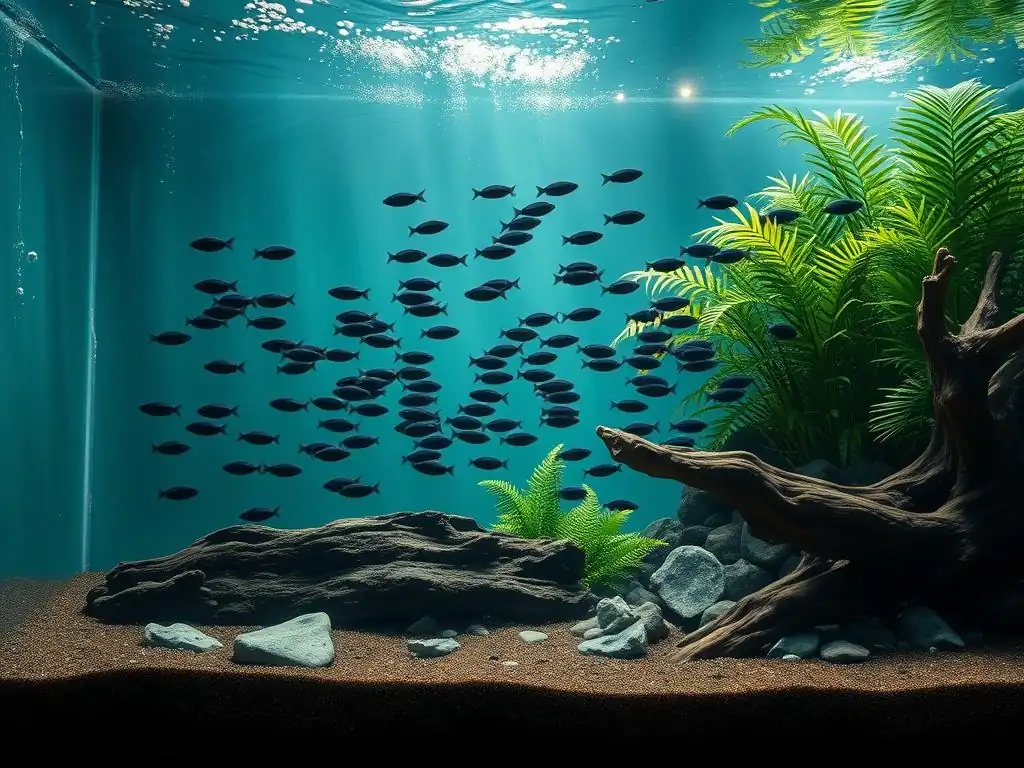
Intrigued by the captivating dance of Black Skirt Tetras? You've come to the right place! Dive into our comprehensive guide to unlock the secrets of Black Skirt Tetra care and discover how to create a thriving environment for these elegant, flowing beauties. Ready to transform your freshwater aquarium into a mesmerizing underwater world? Let's explore!
- Black Skirt Tetra Elegance: A Comprehensive Guide
- Introduction to Black Skirt Tetras
- Understanding Black Skirt Tetra Characteristics
- Black Skirt Tetra Care: Essential Guidelines
- Health: Preventing and Treating Common Diseases
- Breeding: A Guide to Reproduction
- Varieties: Exploring Different Colors and Forms
- Troubleshooting: Addressing Common Problems
- Conclusion: Enjoying the Beauty in Your Aquarium
- Frequently Asked Questions
- Final Reflection: Embracing the Subtle Majesty of Black Skirt Tetras
- Unleash the Beauty of Black Skirt Tetras in Your Aquarium!
Black Skirt Tetra Elegance: A Comprehensive Guide
Introduction to Black Skirt Tetras
The Black Skirt Tetra, scientifically known as Gymnocorymbus ternetzi, is a popular and enduring choice for freshwater aquariums. Originating from the Paraná, Paraguay, and Guaporé river basins in South America, these hardy and elegant fish are renowned for their distinctive appearance and generally peaceful demeanor. Their adaptability and relatively straightforward "black skirt tetra care" requirements make them an excellent option for both novice and experienced aquarists looking to add dynamic schooling fish to their setup.
This comprehensive guide will delve into every aspect of "black skirt tetra care," from their unique characteristics and ideal tank environments to their dietary needs, suitable tank mates, and breeding behaviors. We will explore common health issues and their solutions, discuss popular color variations, and offer troubleshooting tips to ensure these flowing beauties thrive in your home aquarium. Understanding these details is crucial for providing the best possible environment for your Black Skirt Tetras.
Understanding Black Skirt Tetra Characteristics
Physical Appearance: Identifying Gymnocorymbus ternetzi
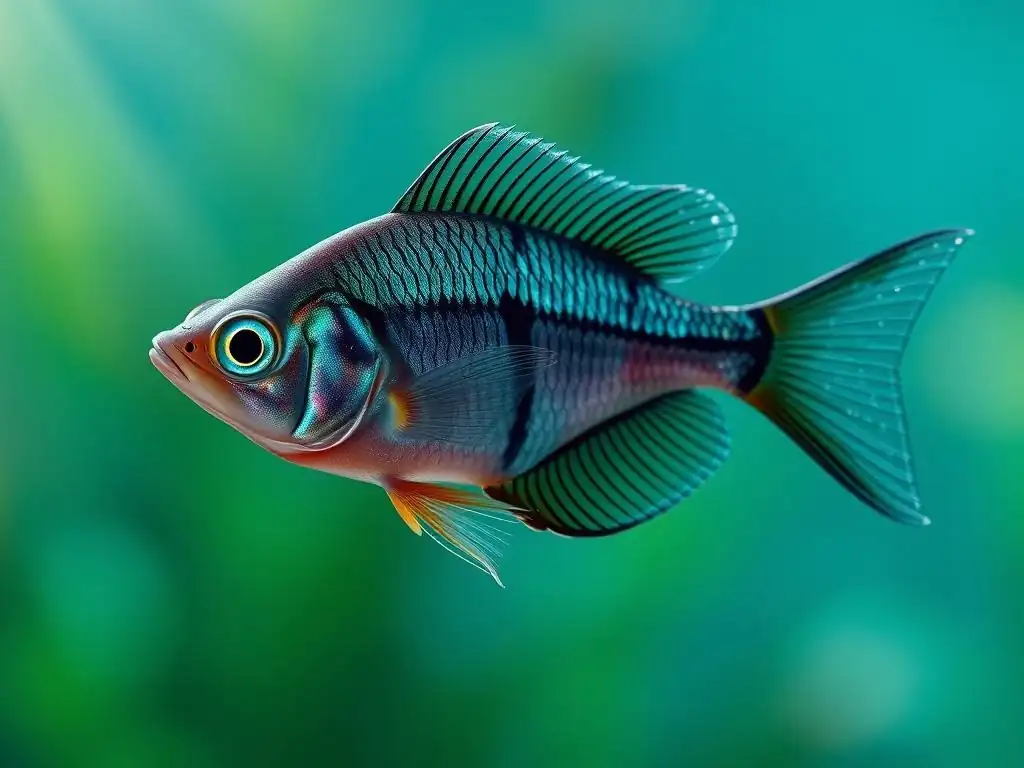
The Black Skirt Tetra possesses a distinctive disc-shaped body, which is laterally compressed, giving them a slender profile when viewed from the front. Their primary coloration is a silvery-gray, adorned with two prominent vertical black bands near the gills and mid-body. When young, these bands are particularly striking and dark, though they may fade slightly with age or stress. The large, flowing dorsal and anal fins contribute significantly to their elegant appearance, especially in the long-finned varieties.
Beyond the main body, their caudal (tail) fin is typically clear or slightly dusky, while the pectoral and pelvic fins are often smaller and less conspicuous. The eyes are relatively large, reflecting their keen vision. This combination of a unique body shape, striking black bands, and graceful fins makes Gymnocorymbus ternetzi easily identifiable and a visually appealing addition to any freshwater community tank, with proper "black skirt tetra care" enhancing their natural vibrancy.
Size and Lifespan: What to Expect
Black Skirt Tetras are modest in size, typically reaching an adult length of 2 to 3 inches (approximately 5 to 7.5 centimeters). Their growth rate is influenced by several factors, including tank size, diet, and overall water quality, making consistent "black skirt tetra care" paramount for achieving their full potential size. While they won't grow into large show fish, their compact size makes them suitable for a range of aquarium dimensions.
Regarding longevity, Black Skirt Tetras generally live for 3 to 5 years in a well-maintained aquarium. Some individuals, particularly those kept under optimal conditions with diligent "black skirt tetra care," have been known to live up to 7 years. Providing a stable environment, a nutritious diet, and appropriate tank mates are key factors in maximizing their lifespan and ensuring a long, healthy life for these attractive fish.
Temperament and Behavior: Are They Peaceful?
Black Skirt Tetras are largely considered peaceful, schooling fish, thriving when kept in groups of six or more individuals. In a sufficiently sized school, their natural behavior involves swimming together, creating a dynamic and engaging display within the aquarium. Keeping them in adequate numbers helps distribute any potential aggression and reduces stress, allowing them to exhibit their best behavior and vibrant colors.
However, it is important to note that Black Skirt Tetras can occasionally exhibit fin-nipping behavior, particularly if they are kept in too small a group, leading to increased stress and boredom. This tendency is usually directed towards slow-moving fish with long, flowing fins, such as Angelfish or Bettas. Providing ample space, plenty of hiding spots, and maintaining a robust school are crucial aspects of "black skirt tetra care" to mitigate this behavior and ensure a harmonious community tank.
Black Skirt Tetra Care: Essential Guidelines
Setting Up the Ideal Tank Environment
Tank Size Requirements
For a small school of Black Skirt Tetras, generally 6 to 8 individuals, a minimum tank size of 15 to 20 gallons (approximately 57 to 76 liters) is recommended. This provides adequate swimming space and helps to maintain stable water parameters. While a 15-gallon tank can house a small group, a 20-gallon long tank (around 75 cm in length) is often preferred as it offers more horizontal swimming space, which these active fish appreciate.
Larger tanks are always beneficial for "black skirt tetra care," as they offer greater water volume, which dilutes waste products more effectively and provides more stability against sudden parameter fluctuations. For example, a 30-gallon tank can comfortably house a larger school of 10-12 tetras, promoting even more natural schooling behavior and reducing territorial disputes, thus contributing to their overall well-being.
Optimal Water Parameters
Maintaining stable and appropriate water parameters is fundamental to successful "black skirt tetra care." These fish thrive in soft to moderately hard water with a slightly acidic to neutral pH. The ideal temperature range is between 72-79°F (22-26°C). The pH level should be kept between 6.0 and 7.5, and water hardness (dGH) between 4-18 dGH. Consistency in these parameters is often more important than hitting exact numbers, as sudden fluctuations can cause significant stress.
Regular testing of ammonia, nitrite, and nitrate levels is crucial. Ammonia and nitrite should always be at 0 ppm, while nitrates should be kept below 20 ppm through routine water changes. Utilizing a reliable aquarium heater to maintain a consistent temperature and a thermometer for monitoring is also vital. Adhering to these parameters is a cornerstone of effective "black skirt tetra care," promoting strong immune systems and vibrant coloration.
Substrate and Decoration: Creating a Natural Habitat
When setting up a tank for Black Skirt Tetras, the choice of substrate and decorations plays a significant role in their comfort and health. A dark-colored substrate, such as fine gravel or sand, is often recommended as it helps to enhance their natural colors and provides a sense of security. Avoid very light or reflective substrates, which can stress them.
For decoration, a mix of open swimming areas and dense planting is ideal. Live plants like Java Fern, Anubias, Amazon Swords, and Hornwort provide excellent hiding spots and reduce stress, mimicking their natural environment. Additionally, plants contribute to water quality by absorbing nitrates. Driftwood and smooth rocks can also be incorporated to create more naturalistic landscapes and provide additional cover, all contributing to comprehensive "black skirt tetra care."
Diet and Feeding: Ensuring Proper Nutrition
What Do They Eat? A Varied Diet for Health
Black Skirt Tetras are omnivores, meaning their diet in the wild consists of both plant matter and small invertebrates. To ensure optimal health and vibrant colors in the aquarium, their diet should be varied and nutritious. A high-quality flake or pellet food designed for tropical fish should form the staple of their diet, providing essential vitamins and minerals.
Supplementing their staple diet with frozen or live foods is highly beneficial for comprehensive "black skirt tetra care." Options such as bloodworms, brine shrimp, and daphnia offer valuable protein and fat content, promoting strong growth and boosting their immune system. Occasionally, blanched vegetables like zucchini or spirulina flakes can also be offered to provide necessary plant matter. A diverse diet not only prevents nutritional deficiencies but also keeps them engaged and active.
Feeding Schedule: How Often to Feed
Establishing a consistent feeding schedule is important for the health of your Black Skirt Tetras. It is generally recommended to feed them 1 to 2 times per day, offering only what they can consume within 2 to 3 minutes. This approach ensures that all fish get enough to eat without overfeeding, which can lead to significant water quality issues.
Overfeeding is a common mistake in aquarium keeping and can quickly lead to an accumulation of uneaten food, decaying and polluting the water. This can cause spikes in ammonia and nitrite, which are highly toxic to fish, as well as contributing to excessive algae growth. A disciplined feeding regimen is a crucial component of effective "black skirt tetra care," preventing detrimental impacts on their health and the overall tank environment.
Tank Mates: Choosing Compatible Companions
Ideal Tank Mates
Choosing the right tank mates is essential for a peaceful and thriving community aquarium with Black Skirt Tetras. Ideal companions are other peaceful, similarly sized community fish that share similar water parameter requirements. Excellent choices include other small schooling tetras such as Neon Tetras, Rummy Nose Tetras, or Glowlight Tetras. These fish will often school together or in parallel, creating a visually appealing display.
Other suitable tank mates include various species of Corydoras catfish, which are peaceful bottom dwellers, and Otocinclus catfish, known for their algae-eating habits. Peaceful dwarf cichlids like German Blue Rams or Bolivian Rams can also coexist well, provided the tank is sufficiently large and offers plenty of hiding spots. These combinations ensure harmonious "black skirt tetra care" within a diverse community setting.
Fish to Avoid Housing With
While generally peaceful, Black Skirt Tetras can become fin-nippers, especially if kept in insufficient numbers or in an overcrowded tank. Therefore, it's wise to avoid housing them with very slow-moving fish that have long, flowing fins, such as Angelfish, Bettas, or Guppies with elaborate tails. These species are prime targets for nipping, which can cause stress, fin damage, and open the door to infections.
Furthermore, extremely large or aggressive fish should be avoided entirely, as they may view the relatively small Black Skirt Tetras as prey or constantly bully them. Examples include large cichlids (unless specifically known to be peaceful community types) or certain types of barbs. Similarly, very tiny, delicate fish or fry might be seen as food. Preventing these incompatibilities is a key aspect of proactive "black skirt tetra care" and ensures the well-being of all tank inhabitants.
Maintaining Water Quality: Regular Tank Maintenance
Water Changes: Frequency and Volume
Regular partial water changes are arguably the most critical aspect of "black skirt tetra care" and overall aquarium health. It is generally recommended to perform weekly or bi-weekly water changes of 25-30% of the tank's total volume. This routine helps to remove accumulated nitrates, phosphates, and other dissolved organic compounds that can build up over time and negatively impact water quality.
When performing water changes, always use dechlorinated water that is as close as possible to the tank's current temperature to avoid shocking the fish. A gravel vacuum should be used to thoroughly clean the substrate, removing uneaten food and fish waste. Consistent water changes are the most effective way to prevent common water quality issues and ensure a stable, healthy environment for your Black Skirt Tetras, contributing significantly to their long-term well-being.
Filtration: Keeping the Water Clean
A robust and efficient filtration system is indispensable for maintaining pristine water quality, a cornerstone of effective "black skirt tetra care." A good filter should provide mechanical, chemical, and biological filtration. Mechanical filtration removes physical debris like uneaten food and waste, keeping the water clear. Chemical filtration, often using activated carbon, removes dissolved impurities and odors.
Biological filtration is arguably the most crucial component; it houses beneficial bacteria that convert toxic ammonia and nitrite into less harmful nitrates. Hang-on-back (HOB) filters, internal filters, and canister filters are all viable options, depending on tank size and budget. Ensure the filter is appropriately sized for your tank's volume and provides gentle flow, as Black Skirt Tetras prefer calm to moderate water movement. Regular filter maintenance, such as rinsing sponges in old tank water, prevents beneficial bacteria loss.
Health: Preventing and Treating Common Diseases
Common Diseases and Symptoms
Despite their hardiness, Black Skirt Tetras can be susceptible to common freshwater aquarium diseases, particularly if stressed by poor water quality, improper diet, or incompatible tank mates. Common ailments include Ich (Ichthyophthirius multifiliis), characterized by small white spots resembling salt grains on the body and fins. Fin Rot, a bacterial infection, manifests as frayed, discolored, or disintegrating fins.
Other potential issues include Velvet (Oodinium), which appears as a fine, dusty, gold or rust-colored coating, and Dropsy, a symptom of internal bacterial infection or organ failure, causing severe bloating and protruding scales. Early detection of these symptoms is critical for effective treatment and is a vital part of proactive "black skirt tetra care." Observing your fish daily for any changes in behavior, appetite, or appearance can help identify problems before they become severe.
Treating Illnesses: Medications and Prevention
Upon identifying signs of illness, prompt action is necessary. It is often advisable to move affected fish to a separate quarantine tank to prevent the spread of disease and allow for targeted treatment without harming beneficial bacteria in the main tank. Many common fish medications are available at pet stores for specific ailments, such as Ich treatments (often formalin or malachite green-based) or broad-spectrum antibiotics for bacterial infections like Fin Rot. Always follow dosage instructions carefully.
However, prevention is always the best cure in "black skirt tetra care." Maintaining stable and pristine water parameters through regular water changes and effective filtration significantly reduces stress, bolstering their immune systems. A varied, high-quality diet, avoiding overfeeding, and selecting appropriate tank mates also contribute immensely to their overall health. A well-managed aquarium environment minimizes the risk of disease outbreaks, keeping your Black Skirt Tetras robust and vibrant.
Breeding: A Guide to Reproduction
Setting Up a Breeding Tank
Breeding Black Skirt Tetras in a home aquarium is achievable with a dedicated setup. A separate breeding tank, typically 10 to 15 gallons (38 to 57 liters), is recommended to provide optimal conditions and protect the eggs and fry from being eaten by the parents or other tank inhabitants. The water in the breeding tank should be soft (4-8 dGH) and slightly acidic (pH 6.0-6.5), with a temperature around 78-82°F (25-28°C).
To encourage spawning, provide a substrate of spawning mops, fine-leaved plants like Java Moss, or a mesh bottom that allows eggs to fall through, out of reach of the adults. The tank should be dimly lit, as tetra eggs are light-sensitive. A gentle sponge filter is ideal, providing biological filtration without creating strong currents that could harm the delicate fry. This specialized environment significantly enhances the success rate of "black skirt tetra care" for reproductive purposes.
Breeding Process: From Spawning to Fry
Black Skirt Tetras are egg scatterers, meaning they release their eggs freely into the water column. To initiate spawning, condition a healthy pair or a small group (one female to two males) with a high-protein diet of live or frozen foods for several days. Spawning typically occurs in the early morning, with the male chasing the female through the plants or spawning mop, where she will scatter hundreds of tiny, adhesive eggs.
Once spawning is complete, which can take a few hours, the adult fish should be immediately removed from the breeding tank. This is crucial because Black Skirt Tetras, like many other tetras, will readily consume their own eggs. The eggs are tiny and translucent and will hatch within 24 to 36 hours, depending on the temperature. Providing this separation is a critical step in successful "black skirt tetra care" during the breeding phase.
Raising Fry: Ensuring Their Survival
Black Skirt Tetra fry are incredibly small and delicate upon hatching, making their initial feeding crucial for survival. For the first few days, they will feed on their yolk sacs. Once free-swimming, they require microscopic food sources such as infusoria or specialized liquid fry food. After about a week, as they grow slightly, they can be transitioned to newly hatched brine shrimp or micro-worms, which provide essential nutrients for rapid growth.
Maintaining pristine water quality in the fry tank is paramount for their survival. Perform small, daily water changes (around 10%) using dechlorinated, temperature-matched water, being careful not to suck up any fry. As the fry grow, gradually introduce larger foods like finely crushed flake food. Diligent attention to feeding and water quality during this vulnerable stage is the most demanding aspect of "black skirt tetra care" when breeding.
Varieties: Exploring Different Colors and Forms
White Skirt Tetra: A Color Variation
The White Skirt Tetra is a popular and striking color variation of the standard Black Skirt Tetra. This variant is a result of selective breeding to enhance a leucistic or albino trait, leading to a lack of dark pigmentation. Consequently, they exhibit a pristine white or translucent body, often with faint ghosting of the original black bands, and sometimes red eyes if truly albino. Their body shape and fin structure remain identical to their darker counterparts.
"White skirt tetra care" is exactly the same as for the standard Black Skirt Tetra. They share the same requirements for tank size, water parameters, diet, and temperament. This makes them an excellent alternative for aquarists who appreciate the Black Skirt Tetra's form but prefer a lighter, more ethereal aesthetic in their community tank. They school just as effectively and bring a contrasting visual element to the aquarium.
Longfin Black Skirt Tetra: An Elegant Fin Extension
The Longfin Black Skirt Tetra is another highly sought-after variety, distinguished by its exaggerated, flowing dorsal and anal fins. These elongated fins give the fish an even more elegant and graceful appearance as they glide through the water. This trait is developed through selective breeding, focusing on enhancing the natural fin length of the original Gymnocorymbus ternetzi.
While their appearance is more delicate, the "longfin black skirt tetra care" requirements are largely consistent with the standard variety. However, extra caution should be exercised regarding tank mates. Their long fins can make them more susceptible to fin nipping from other fish, or even from their own school members if stressed. Ensuring a spacious tank and very peaceful tank mates is especially important for these beautiful variants to prevent fin damage and maintain their aesthetic appeal.
Genetically Modified (GM) Tetras: Painted and Colored Varieties
In the aquarium hobby, consumers may encounter "GloFish® Tetras," which are genetically modified versions of the Black Skirt Tetra. These fish have been engineered to express fluorescent proteins, allowing them to glow vibrantly under blue or UV light. They come in various striking colors such as Starfire Red®, Electric Green®, Sunburst Orange®, Cosmic Blue®, and Galactic Purple®. Their "care" requirements are identical to the original Black Skirt Tetra, as their core biology remains unchanged.
However, it is also important to be aware of "painted" or "dyed" tetras. These fish, often Black Skirt Tetras, have been artificially injected with dyes to achieve unnatural colors. This process is highly stressful, often causing severe health issues, weakening their immune systems, and drastically shortening their lifespan. Aquarium Mastery strongly advises against purchasing these fish due to ethical concerns and the compromised well-being of the animals. Prioritizing natural beauty and ethical "black skirt tetra care" ensures a healthier hobby.
Troubleshooting: Addressing Common Problems
Fin Nipping: Causes and Solutions
Fin nipping is a common behavioral issue observed in Black Skirt Tetras, particularly towards tank mates with long, flowing fins. This behavior typically stems from a few key factors: keeping too few Black Skirt Tetras (less than the recommended school of 6-8), which can lead to increased stress and aggression within the small group, or insufficient tank space, causing boredom and territorial disputes. Overcrowding also exacerbates this issue.
To address fin nipping, first ensure your Black Skirt Tetras are kept in a robust school of at least six individuals; increasing their numbers often diffuses aggression. Second, provide ample swimming space and plenty of visual breaks and hiding spots through plants and decorations. If the problem persists, reassess your tank mates and consider separating the nipped fish or rehoming the Black Skirt Tetras to a tank without long-finned species. Proactive "black skirt tetra care" through proper schooling and tank setup is the best prevention.
Loss of Color: Identifying the Reason
A noticeable loss of color in Black Skirt Tetras can be an alarming symptom for aquarists. This fading can be a sign of various underlying issues, ranging from environmental stress to health problems. Common causes include poor water quality, such as high nitrate levels or fluctuating pH, which directly impact their overall health and vibrancy. An improper or insufficient diet lacking essential nutrients can also lead to dull coloration.
Furthermore, chronic stress from incompatible tank mates, insufficient hiding spots, or an undersized tank can cause them to lose their vibrant hues. Occasionally, color fading can also be a natural part of the aging process. To identify the reason, first test your water parameters thoroughly. Then, review their diet, ensure they are kept in an appropriate school size, and check for any signs of disease. Addressing the root cause is key to restoring their full coloration, a vital aspect of comprehensive "black skirt tetra care."
Bloating: Causes and Solutions
Bloating in Black Skirt Tetras is a concerning symptom that can indicate several health issues. One of the most common causes is overfeeding, particularly with dry, carbohydrate-heavy foods that expand in their digestive system. A diet lacking in fiber or variety can also contribute to digestive problems and bloating. In more serious cases, bloating can be a symptom of internal bacterial infections, parasites, or even organ failure (like Dropsy).
If you observe bloating, first try fasting the fish for 2-3 days to allow their digestive system to clear. After fasting, offer blanched, deshelled peas, which act as a natural laxative. Ensure their regular diet is varied and includes high-quality flakes and some live/frozen foods. If bloating persists or is accompanied by other symptoms like lethargy or protruding scales, it may indicate a bacterial infection requiring medication, often in a quarantine tank. Proper feeding practices are fundamental to effective "black skirt tetra care" and preventing bloating.
Conclusion: Enjoying the Beauty in Your Aquarium
The Black Skirt Tetra stands as a testament to the enduring appeal of freshwater community fish. Their distinctive appearance, active schooling behavior, and relatively hardy nature make them an excellent choice for a wide range of aquarists. By following the comprehensive "black skirt tetra care" guidelines outlined in this guide, you can ensure these elegant fish not only survive but truly thrive in your home aquarium.
From setting up the ideal tank environment with appropriate water parameters and decor to providing a varied diet, choosing compatible tank mates, and maintaining impeccable water quality, every aspect contributes to their long-term health and vibrancy. Understanding their temperament, recognizing signs of illness, and even exploring breeding possibilities enriches the aquarist's experience. With diligent care, Black Skirt Tetras will undoubtedly become a captivating and dynamic centerpiece in your aquatic masterpiece.
Frequently Asked Questions
What are the ideal water parameters for Black Skirt Tetras?
Black Skirt Tetras thrive in slightly acidic to neutral water. The ideal temperature is between 72-82°F (22-28°C), with a pH of 6.0-7.5. Maintaining stable water conditions is crucial for their health.
What should I feed my Black Skirt Tetras?
Black Skirt Tetras are omnivores and accept a varied diet. Offer them high-quality flake food, supplemented with live or frozen foods like daphnia, brine shrimp, and bloodworms. A balanced diet ensures vibrant colors and overall health.
How many Black Skirt Tetras should I keep together?
Black Skirt Tetras are schooling fish and should be kept in groups of at least six. A larger group provides a sense of security and reduces stress, resulting in more natural and engaging behavior.
What are some common diseases that affect Black Skirt Tetras?
Common diseases include Ich (white spot disease), fin rot, and fungal infections. Maintaining good water quality and quarantining new fish are essential preventative measures. Observe your fish regularly for signs of illness.
What tank size is recommended for Black Skirt Tetras?
A minimum tank size of 20 gallons is recommended for a group of six Black Skirt Tetras. This provides ample swimming space and helps maintain stable water parameters. Larger tanks are always preferable, offering more room and stability.
Final Reflection: Embracing the Subtle Majesty of Black Skirt Tetras
The journey into understanding Black Skirt Tetra care reveals more than just the practicalities of fishkeeping; it unveils the beauty of observing and nurturing a delicate ecosystem within our own homes. These flowing beauties, often underestimated, offer a profound connection to the natural world, reminding us of the intricate balance that sustains life. Their quiet elegance speaks volumes, demanding a mindful approach to their well-being and, by extension, our own.
This exploration has underscored how deeply interconnected we are with the creatures we choose to share our lives with. The act of providing proper care for Black Skirt Tetras becomes a microcosm of our responsibility to the larger environment. The greatness of a nation and its moral progress can be judged by the way its animals are treated.
- Mahatma Gandhi. This quote resonates deeply when considering the ethical implications of aquarium keeping, urging us to move beyond mere ownership and embrace a role of stewardship.
Now, as you embark on your own journey with Black Skirt Tetras, remember that their well-being is a reflection of your dedication and understanding. Let their graceful movements inspire you to cultivate patience, observation, and a deeper appreciation for the subtle wonders that surround us. Embrace the challenge of providing the best possible care, and you will be rewarded with a captivating glimpse into the heart of nature's artistry.
Unleash the Beauty of Black Skirt Tetras in Your Aquarium!
Thanks for diving deep into the fascinating world of Black Skirt Tetras with us! We hope this guide has empowered you with the knowledge to create the perfect habitat for these elegant fish. Now, let's put that knowledge into action.
Here's how you can further connect with these captivating creatures:
- Transform Your Aquarium: Dedicate this weekend to setting up or refining your aquarium to perfectly suit the needs of Black Skirt Tetras. Consider adjusting the lighting, adding more plants, or re-evaluating your current fish population for compatibility.
- Share Your Tetra Tales: Document your experiences and insights with these amazing fish online. It could be as simple as posting tips and tricks on an aquarium forum, starting an Instagram account, or writing a blog post.
- Expand Your Tetra Family: Introduce one or two new Black Skirt Tetras to your current shoal to promote more natural schooling behavior.
What specific change are you inspired to make in your aquarium setup after reading this guide?