
Plakat Bettas: The ShortFinned Warriors with Ancient Roots

Welcome to Aquarium Mastery!
Ever been captivated by the vibrant colors and feisty spirit of a betta? Get ready to dive deep! Plakat bettas, the original short-finned warriors, boast a history as rich as their hues. Uncover the secrets to thriving Plakat betta care in our comprehensive guide, exploring everything from their ancient roots to modern tank setups. What makes these bettas truly special, and how can you ensure they flourish in your aquarium? Let's find out!
- Understanding Plakat Bettas: An In-Depth Look
- Plakat Betta Care Guide: Essential Information for a Healthy Life
- Plakat Betta Varieties and Genetics: Exploring the Diversity
- Plakat Betta Health and Disease Prevention
- Breeding Plakat Bettas: A Step-by-Step Guide
- Advanced Plakat Betta Care: Tips and Tricks
- The Allure of Plakat Bettas: Why Choose a Short-Finned Fighter?
-
Frequently Asked Questions
- What are Plakat Bettas and how are they different from other Betta varieties?
- What are the key considerations for setting up a suitable aquarium for Plakat Bettas?
- What is the ideal diet for Plakat Bettas to maintain their health and vibrant colors?
- What are some common health issues Plakat Bettas are prone to, and how can I prevent them?
- How do I choose suitable tank mates for my Plakat Betta to avoid aggression and maintain a peaceful aquarium environment?
- Final Reflection: Embracing the Legacy of Resilience
- Unveil the Secrets: Transform Your Aquarium Today!
Understanding Plakat Bettas: An In-Depth Look
What is a Plakat Betta? Defining the Short-Finned Fighter
A Plakat Betta is a specific fin type of the popular Betta splendens species, distinguished by its naturally short, rounded fins. Unlike their more commonly seen long-finned relatives (such as Veiltails or Halfmoons), Plakats exhibit finnage closer to that of wild Betta splendens. This compact fin structure makes them exceptionally agile and robust, often appearing more muscular and powerful than their long-finned counterparts. Their average size typically ranges from 2.5 to 3 inches (approximately 6.3 to 7.6 cm) in body length, excluding finnage.
Historically, Plakat Bettas were selectively bred in Thailand for their fighting prowess, a practice that continues in some regions. This heritage has endowed them with a strong, athletic build and an energetic disposition, making them highly active swimmers within their aquatic environment. Their streamlined bodies and efficient finnage contribute to their impressive speed and maneuverability, allowing them to navigate densely planted tanks with ease. This inherent hardiness is a significant factor in their appeal, simplifying aspects of a comprehensive Plakat betta care guide.
Plakat Betta Origins: Tracing the Roots of the Original Fighting Fish
The origins of the Plakat Betta trace back to the freshwater bodies of Southeast Asia, particularly Thailand (formerly Siam), where Betta splendens naturally inhabit rice paddies, canals, and slow-moving streams. In these natural environments, the wild bettas possess short fins, which are practical for navigating dense vegetation and shallow waters. The term "Plakat" itself is derived from the Thai word "Pla Kat," meaning "biting fish" or "fighting fish," directly referencing their historical use in traditional Siamese fish fighting.
Centuries ago, villagers in Thailand began collecting these wild bettas and selectively breeding them for increased aggression and fighting ability. This practice led to the development of the Plakat type, which retains the practical, short finnage of their wild ancestors. While modern breeding has introduced a vast array of colors and patterns, the fundamental fin structure of the Plakat remains a testament to its original form and purpose. Understanding this history provides valuable context for their robust nature and energetic behaviors, which are key considerations in any Plakat betta care guide.
Distinguishing Plakat Bettas from Long-Finned Varieties
The most striking difference between Plakat Bettas and long-finned varieties lies in their finnage. Plakats possess short, rounded caudal (tail) fins, along with shorter dorsal and anal fins that are proportionate to their body size. This short finnage is a defining characteristic and resembles the natural fin structure of wild Betta splendens. In contrast, long-finned varieties, such as Halfmoon, Crowntail, or Veiltail bettas, have been selectively bred over generations to develop exaggerated, flowing fins that can be several times the length of their body.
Beyond aesthetics, this difference in finnage has practical implications for their health and behavior, which are vital for a complete Plakat betta care guide. Plakats are significantly more agile and faster swimmers, less encumbered by heavy fins. This reduced finnage makes them less susceptible to common issues like fin rot, tears from tank decorations, or fin nipping by tank mates. Their resilience and active swimming habits often make them a preferred choice for aquarists seeking a more robust and dynamic betta experience.
Plakat Betta Care Guide: Essential Information for a Healthy Life
Setting Up the Ideal Plakat Betta Tank: Size, Substrate, and Decor
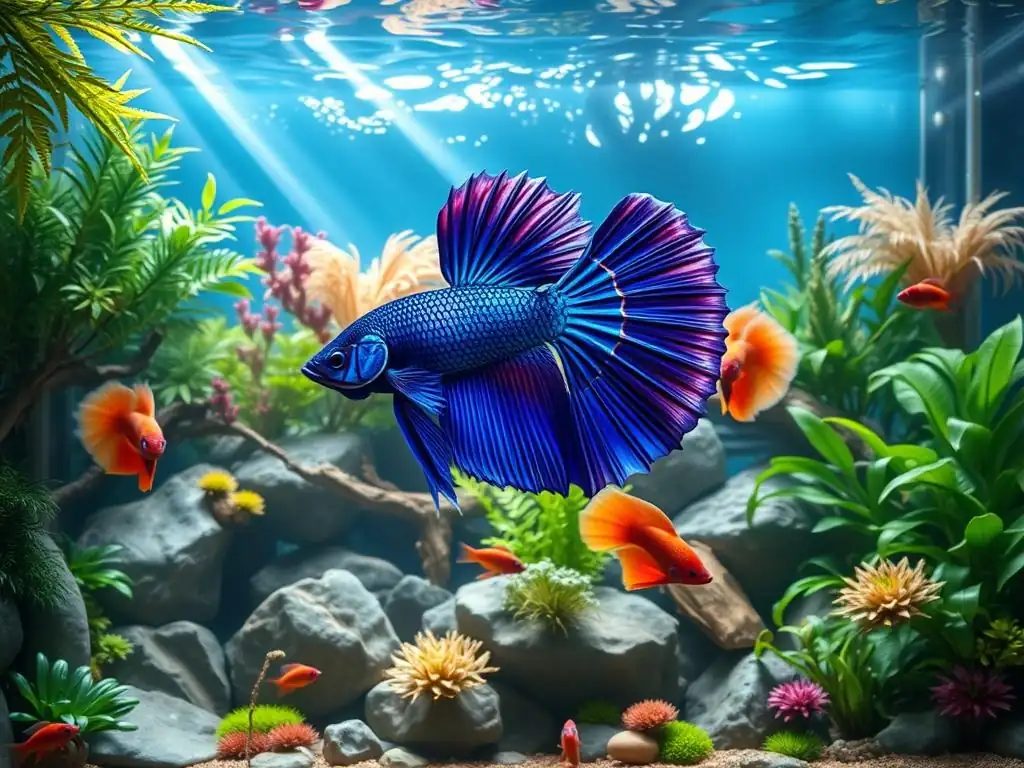
For a single Plakat Betta, a minimum tank size of 5 gallons (approximately 19 liters) is recommended, though a 10-gallon (approximately 38 liters) tank is highly preferred. A larger tank provides more stable water parameters, better swimming space, and reduces stress, contributing to the fish's overall well-being. The tank should always be equipped with a secure lid, as Plakat Bettas are known jumpers, capable of leaping out of open tanks. For substrate, smooth gravel or sand is ideal to prevent damage to their delicate fins.
Decorations should include plenty of hiding spots and visual barriers to mimic their natural habitat and provide security. Live plants such as Anubias, Java Fern, or Amazon Swords are excellent choices, as they also help maintain water quality by absorbing nitrates. Smooth-edged caves, driftwood, and silk plants can also be incorporated.
Ensure all decorations are free of sharp edges that could tear fins. A low-flow filter, such as a sponge filter or a baffled hang-on-back filter, is essential to provide adequate filtration without creating strong currents, which can stress bettas. A heater is also crucial to maintain a stable water temperature.
Maintaining Optimal Water Parameters for Plakat Betta Health
Maintaining stable and appropriate water parameters is paramount for the long-term health and vibrancy of your Plakat Betta, forming a core component of any effective Plakat betta care guide. The ideal water temperature range for Plakats is between 76-82°F (24-28°C), consistently maintained by a reliable heater. The pH level should be kept between 6.5 and 7.5, reflecting the slightly acidic to neutral conditions often found in their native waters. Water hardness should be soft to medium, typically within 3-8 dGH (degrees of General Hardness).
Regular partial water changes are critical for removing accumulated nitrates and replenishing essential minerals. For a 5-gallon tank, a weekly 25-30% water change is advisable, while a 10-gallon tank may benefit from 15-20% weekly changes. It is essential to use a high-quality water conditioner to neutralize chlorine, chloramines, and heavy metals from tap water. Consistent monitoring of ammonia, nitrite, and nitrate levels using a reliable liquid test kit (e.g., API Freshwater Master Test Kit) will help ensure the water remains pristine and safe for your fish.
Plakat Betta Diet and Nutrition: What to Feed Your Short-Finned Friend
Plakat Bettas are primarily carnivores, and a varied, high-protein diet is essential for their health, coloration, and active lifestyle. Unlike some omnivorous fish, bettas cannot thrive solely on vegetable-based foods or general flakes. Their digestive systems are optimized for processing animal protein. Providing a diverse diet helps prevent nutritional deficiencies and keeps your Plakat engaged during feeding times.
Feeding should occur once or twice daily, offering only an amount that your Plakat can consume within 2-3 minutes. Overfeeding is a common mistake that can lead to digestive issues, obesity, and, more critically, poor water quality due to uneaten food decaying in the tank. This aspect of the Plakat betta care guide emphasizes moderation and quality over quantity. Observing your betta's appetite and body condition will help you fine-tune their feeding regimen.
Recommended Foods for Plakat Bettas: Live, Frozen, and Pellet Options
- High-quality pellets: These should form the staple of your Plakat's diet. Look for pellets specifically formulated for bettas, with a high protein content (e.g., 35-45% crude protein) and small size for easy consumption. Brands like Fluval Bug Bites Betta Formula or Hikari Betta Bio-Gold are popular choices that offer balanced nutrition.
- Frozen foods: Offer frozen bloodworms, brine shrimp, and daphnia 2-3 times per week as a supplement or treat. These provide excellent protein and essential nutrients, mimicking the varied diet they would find in the wild. Thaw a small portion before feeding.
- Live foods: Live brine shrimp, daphnia, or mosquito larvae are highly stimulating and nutritious. They encourage natural hunting behaviors and are particularly beneficial for conditioning bettas for breeding. However, be cautious about sourcing live foods to avoid introducing parasites or diseases into your tank.
- Freeze-dried foods: While convenient, freeze-dried options like bloodworms or tubifex worms offer less nutritional value than their live or frozen counterparts and should be used sparingly as occasional treats. Soaking them in tank water for a few minutes before feeding can aid digestion.
Plakat Betta Tank Mates: Choosing Compatible Companions
While Plakat Bettas are generally less prone to fin nipping than their long-finned relatives due to their compact finnage, they retain the territorial and aggressive nature characteristic of Betta splendens. Therefore, solitary keeping is often the safest and most stress-free option for a Plakat. If considering tank mates, a larger tank of 10 gallons or more is essential to provide adequate space and reduce potential conflict.
The key to successful cohabitation lies in selecting species that are peaceful, do not have long, flowing fins that could be mistaken for another betta's, and are not brightly colored or highly aggressive themselves. Compatible tank mates typically occupy different levels of the water column and are not seen as direct competition for food or territory. This careful selection is a critical component of any Plakat betta care guide that advocates for community tanks.
Avoiding Aggression: Selecting Appropriate Tank Mates for Plakat Bettas
- [ ] Choose species that occupy different parts of the water column: For example, bottom-dwelling fish like Otocinclus catfish (small, peaceful algae eaters) or Pygmy Corydoras (dwarf schooling catfish) are often good choices as they rarely interact directly with the betta.
- [ ] Avoid other male bettas and female bettas (unless in a carefully managed sorority tank): Male bettas will fight to the death. Female bettas, while less aggressive, can still be highly territorial and stressed in small groups. Sorority tanks require significant experience, a very large tank (20+ gallons), and careful monitoring.
- [ ] Steer clear of fish with long, flowing fins or vibrant colors: Species like Guppies, Endler's Livebearers, or certain types of Gouramis can trigger aggression from the Plakat, either due to their finnage resembling another betta or their bright colors being perceived as a threat.
- [ ] Do not house with highly territorial or fin-nipping species: Fish like Tiger Barbs, most Cichlids, or large schooling tetras can be aggressive towards bettas or nip their fins, regardless of the betta's fin length.
- [ ] Ensure ample hiding spots and visual breaks: A heavily planted tank with caves, driftwood, and other decor helps break up lines of sight, reducing territorial disputes and providing refuge for less dominant fish. Always introduce tank mates carefully and have a backup plan (a separate tank) in case aggression arises.
Plakat Betta Varieties and Genetics: Exploring the Diversity
Common Plakat Betta Colors and Patterns: A Visual Guide
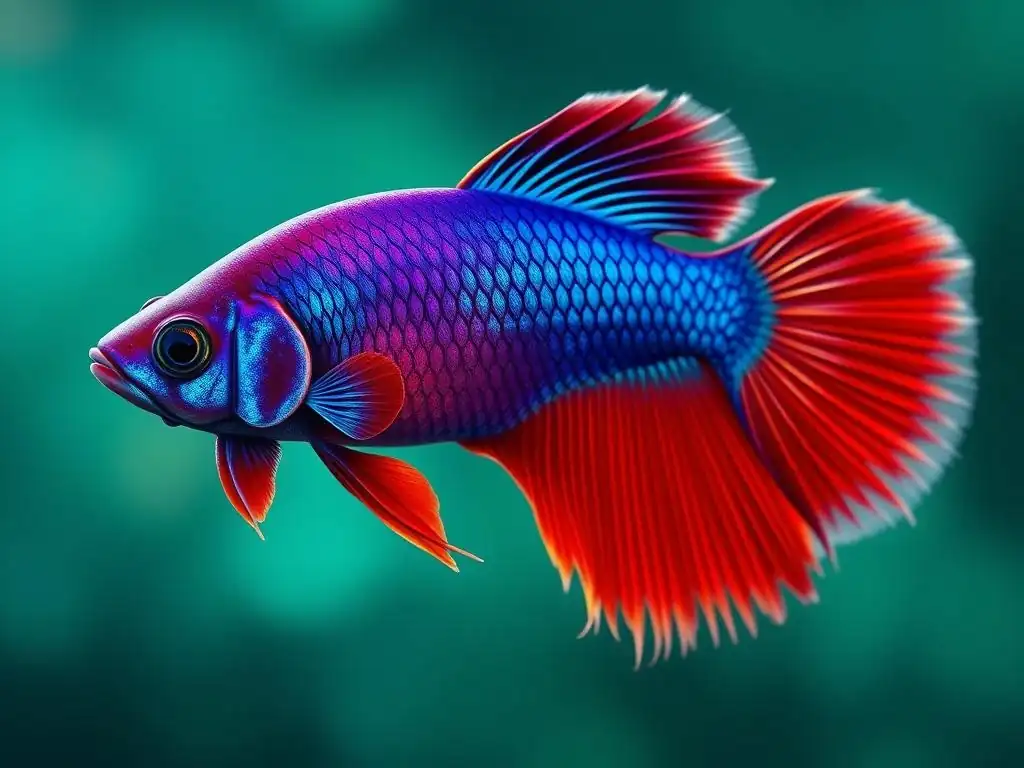
Plakat Bettas, despite their uniform short finnage, exhibit an astonishing array of colors and patterns, a testament to decades of selective breeding. Common solid colors include vibrant reds, deep blues, striking blacks, pure whites, and sunny yellows. Beyond solid hues, bi-color Plakats display two distinct colors, such as a blue body with red fins.
Multi-color varieties showcase three or more colors, often in complex arrangements. Popular patterns include the "Marble" pattern, characterized by irregular splotches of color that can change over time, and the "Butterfly" pattern, where the base of the fins is one color and the outer edge is a contrasting color.
Specific examples of highly sought-after Plakat varieties include the "Dragon Scale" Plakat, which features thick, iridescent scales that give a metallic, armored appearance, often in red, blue, or copper. "Copper" Plakats possess a unique, reflective sheen across their bodies. "Mustard Gas" Plakats typically have a blue or green body with contrasting yellow or orange fins, creating a stunning visual effect. The diversity in appearance makes each Plakat unique and adds an exciting dimension to the Plakat betta care guide, as color can sometimes be an indicator of health.
Understanding Plakat Betta Genetics: Breeding for Specific Traits
Understanding basic Mendelian genetics is crucial for breeders aiming to produce specific Plakat Betta traits. The short-fin characteristic of Plakats is generally recessive to the long-fin trait, meaning that two Plakat parents are needed to consistently produce Plakat offspring. Breeders meticulously select parent fish based on desired finnage, color, and pattern. For instance, genes like the "Cambodian" gene influence whether a betta has a clear body or a colored body, while the "marble" gene is responsible for the dynamic, shifting patterns.
The process of line breeding is commonly employed to fix desirable traits and eliminate undesirable ones within a lineage. By carefully pairing siblings or cousins over generations, breeders can enhance traits such as specific color saturation (e.g., deep red or vibrant blue), fin shape consistency, or the expression of unique patterns like the "Galaxy" or "Koi" patterns. This precision in breeding underscores the dedication involved in producing the stunning Plakat varieties seen today, and contributes to the ongoing evolution of the Plakat betta care guide as new genetic variations emerge.
The Popularity of Fancy Plakat Bettas: Galaxy, Koi, and Nemo Plakats
In recent years, the popularity of "fancy" Plakat Bettas has skyrocketed, largely due to the development of stunning new genetic patterns that mimic other beloved aquatic animals. "Koi Plakats" are a prime example, displaying distinct, irregular patches of red, black, and white or orange, reminiscent of the revered Japanese Koi carp. These patterns are highly variable, with no two Koi Plakats being exactly alike, making each fish a living work of art.
"Galaxy Plakats" captivate with their iridescent speckles that shimmer like stars against a dark, often black or blue, background. This "sparkle" effect is created by specialized iridophore cells. Similarly, "Nemo Plakats" exhibit vibrant orange, black, and white coloration, drawing parallels to the popular clownfish. These highly sought-after varieties often command premium prices due to their unique beauty and the complex genetics involved in their creation, highlighting a specialized niche within the broader Plakat betta care guide for enthusiasts and collectors.
Plakat Betta Health and Disease Prevention
Identifying Common Plakat Betta Diseases and Symptoms
Despite their robust nature, Plakat Bettas are susceptible to common freshwater fish diseases, often triggered by poor water quality, stress, or inadequate Plakat betta care guide practices. Key diseases to watch for include Fin Rot, characterized by frayed, ragged, or discolored fins; Ich (Ichthyophthirius multifiliis), presenting as small white spots resembling salt grains on the body and fins; and Velvet (Oodinium), which appears as a fine, gold or rust-colored dust on the fish's skin.
Other serious conditions include Dropsy, indicated by a severely swollen body and scales protruding like a pinecone, and Swim Bladder Disorder, causing difficulty in swimming, floating, or sinking.
Early identification of symptoms is crucial for successful treatment. Beyond visible signs, changes in behavior are strong indicators of illness. These include lethargy, clamped fins (held close to the body), loss of appetite, rubbing against tank decor (flashing), labored breathing (rapid gill movement), or unusual hiding. Regular observation of your Plakat Betta's typical behavior and appearance is the first and most effective step in disease prevention and management.
Treating Common Plakat Betta Ailments: Salt Baths, Antibiotics, and Antifungals
Effective treatment for Plakat Betta ailments often depends on early diagnosis and appropriate intervention. For Ich, a common and highly contagious parasite, a gradual increase in tank temperature to 82-84°F (28-29°C) combined with aquarium salt treatment (1 tablespoon per 5 gallons, dissolved first) or an Ich-specific medication (e.g., Seachem ParaGuard, API Super Ick Cure) is often effective.
For Fin Rot, which is primarily bacterial, immediate and significant improvement in water quality through daily partial water changes is paramount. Mild cases may resolve with clean water; more severe infections might require a broad-spectrum antibacterial medication (e.g., API Melafix, though stronger antibiotics like Maracyn 2 are sometimes needed).
Dropsy is often a symptom of underlying organ failure and can be difficult to treat, but an Epsom salt bath (1 teaspoon per gallon for 15-30 minutes, daily) can sometimes help alleviate swelling by drawing out fluid. For suspected fungal infections, which often appear as cotton-like growths, antifungal medications (e.g., API Fungus Cure) are necessary. Always follow medication instructions carefully and consider treating in a separate quarantine tank to avoid medicating the main display tank and its inhabitants.
Preventing Illness in Plakat Bettas: Proactive Care Tips
Proactive care is the cornerstone of preventing illness in Plakat Bettas and is the most vital aspect of any Plakat betta care guide. The primary goal is to minimize stress, as stress compromises a fish's immune system. This involves maintaining consistently stable water parameters within the optimal range (temperature 76-82°F, pH 6.5-7.5, soft to medium hardness) through regular monitoring and appropriate heating and filtration. Providing a properly sized tank (minimum 5 gallons, ideally 10+ gallons) with ample hiding spots and minimal strong currents also contributes significantly to a low-stress environment.
Quarantining all new fish, plants, or invertebrates for 2-4 weeks in a separate tank before introducing them to the main aquarium is a critical preventive measure against disease introduction. Avoid overfeeding, as uneaten food quickly degrades water quality and can lead to digestive issues. Implementing a consistent schedule for partial water changes (e.g., 25% weekly) and substrate vacuuming ensures the removal of harmful nitrates and detritus. A well-maintained, clean, and stable environment is the best defense against disease for your Plakat Betta.
Breeding Plakat Bettas: A Step-by-Step Guide
Setting Up a Breeding Tank for Plakat Bettas
Setting up a dedicated breeding tank is crucial for successful Plakat Betta reproduction. A 10-gallon (38-liter) to 20-gallon (76-liter) tank is ideal, providing sufficient space for courtship and fry development. The water level should be kept relatively shallow, around 4-6 inches (10-15 cm) deep. This shallow depth makes it easier for the male to build and maintain his bubble nest and for the newly hatched fry to reach the water surface to gulp air for their developing labyrinth organ.
The breeding tank should be equipped with a reliable heater to maintain a consistent temperature of around 80°F (27°C), which encourages spawning. A gentle sponge filter is recommended to provide biological filtration without creating strong currents that could disrupt the bubble nest or harm delicate fry.
Floating plants, such as Frogbit or Water Lettuce, or even a small piece of Styrofoam cup, should be provided as a stable anchor for the male's bubble nest. Additionally, provide hiding spots for the female, such as a PVC pipe or a small cave, where she can retreat from the male's sometimes aggressive courtship.
Conditioning Plakat Bettas for Breeding
Proper conditioning of both the male and female Plakat Betta is paramount to successful breeding. For 1-2 weeks prior to introduction, both fish should be fed a high-protein, varied diet. This includes live or frozen foods such as bloodworms, brine shrimp, and daphnia, offered 2-3 times daily. This nutrient-rich diet ensures that both parents are in peak health, full of energy, and ready for the rigors of spawning, while also encouraging the female to become "gravid" or full of eggs.
After a week of conditioning, the male and female can be introduced to each other gradually using a "jarring" method. The female is placed in a clear glass jar or container within the male's breeding tank. This allows them to see each other, display, and become accustomed to each other's presence without direct physical contact, which can prevent injury during the initial, more aggressive phase of courtship. This visual interaction typically stimulates the male to begin building his bubble nest.
The Spawning Process: Observing Plakat Betta Courtship and Nest Building
Once the male has constructed a robust bubble nest, and the female is visibly plump with eggs and displaying vertical "bars" (breeding stripes), she can be released into the breeding tank. The spawning process begins with an elaborate courtship ritual. The male will flare his fins, dance around the female, and attempt to entice her beneath his bubble nest. This can involve some chasing and nipping, which is normal, but excessive aggression requires immediate separation.
When the female is ready, she will approach the nest, and the pair will engage in the "nuptial embrace." The male wraps his body around the female, turning her upside down, and eggs are released and fertilized. The male then diligently collects the eggs in his mouth and places them into the bubble nest. This embrace is repeated numerous times over several hours, with hundreds of eggs (typically 100-500) being laid. After spawning is complete, the female should be carefully removed from the tank, as the male will become highly territorial and may harm her.
Caring for Plakat Betta Fry: From Hatching to Independence
After the eggs are laid, the male Plakat Betta diligently guards and cares for the bubble nest, repositioning any fallen eggs. The eggs typically hatch within 24-48 hours. For the first 2-3 days post-hatching, the fry are known as "wrigglers" and survive on their yolk sacs. During this period, they remain in the nest, and the male continues to care for them. Once the fry become free-swimming and begin to leave the nest (usually after 2-3 days), the male should be carefully removed from the breeding tank, as he may start to view them as food.
The initial food for free-swimming Plakat Betta fry must be microscopic. Infusoria or specialized liquid fry food are suitable for the first few days. After approximately 4-7 days, when their mouths are larger, they can be transitioned to newly hatched brine shrimp nauplii, which provide essential protein for rapid growth. As they grow, typically after 2-3 weeks, they can gradually be introduced to finely crushed high-quality flakes and micro-pellets. Frequent small water changes (e.g., 10-20% daily) are crucial during the fry stage to maintain pristine water quality, which is vital for their survival and development.
Advanced Plakat Betta Care: Tips and Tricks
Optimizing Water Quality for Vibrant Colors and Health
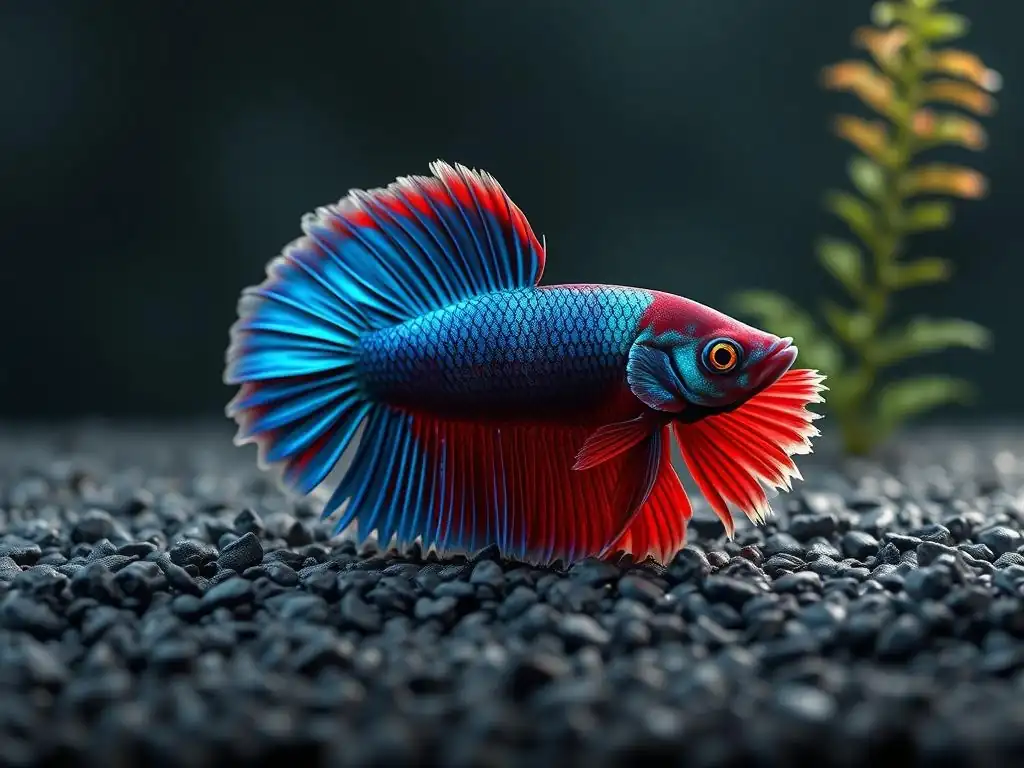
Beyond basic parameters, optimizing water quality is key to unlocking the full potential of your Plakat Betta's vibrant colors and ensuring robust health. Consider incorporating Indian Almond Leaves (IAL) or rooibos tea into the tank. These natural botanicals release tannins into the water, mimicking the blackwater conditions found in their native habitats.
Tannins have mild antiseptic and antifungal properties, which can help prevent common ailments and reduce stress. They also slightly lower pH and impart a light amber tint to the water, which is believed to enhance betta coloration. Aim for a subtle, tea-like hue, not a dark, murky appearance.
Regular and thorough substrate vacuuming is also essential, perhaps weekly or bi-weekly depending on tank size and stocking levels, to remove accumulated detritus and uneaten food. This prevents the buildup of harmful anaerobic pockets and maintains overall water cleanliness. Always use a high-quality water conditioner that detoxifies not only chlorine and chloramines but also heavy metals. Products like Seachem Prime are highly regarded for their ability to neutralize ammonia and nitrite temporarily, providing an extra layer of safety during water changes and for overall Plakat betta care guide adherence.
Enhancing Plakat Betta Behavior Through Enrichment
Plakat Bettas are intelligent and curious fish, and providing environmental enrichment can significantly enhance their well-being and display more natural behaviors. Varying the tank layout periodically by moving decorations or adding new elements can stimulate their curiosity and provide new territories to explore. Incorporating floating plants like water lettuce or frogbit not only provides security but also creates interesting areas for them to patrol and rest in.
Beyond physical enrichment, brief periods of interaction can also be beneficial. Gentle finger following, where your betta tracks your finger outside the glass, can be a form of engagement. Some aquarists even use a mirror for very short periods (e.g., 1-2 minutes daily) to allow the betta to flare, which can provide a form of exercise, though this should be done cautiously to avoid prolonged stress. Avoid constantly tapping on the glass or making sudden movements, as this can induce fear and stress. A thoughtful Plakat betta care guide includes mental and behavioral stimulation.
Troubleshooting Common Plakat Betta Problems: Fin Rot, Ich, and Swim Bladder Disorder
Troubleshooting common Plakat Betta problems effectively requires understanding their root causes. For persistent Fin Rot, which often indicates underlying stress or poor water quality, a thorough review of your Plakat betta care guide practices is necessary. Ensure water parameters are stable, filtration is adequate, and tank maintenance is consistent. If symptoms persist despite pristine water, a broad-spectrum antibiotic might be required, but always as a last resort.
Recurrent Ich outbreaks often point to fluctuating temperatures or the presence of Ich cysts in the substrate. Ensure your heater maintains a constant temperature, and during water changes, thoroughly vacuum the gravel or sand to remove dormant cysts. Swim Bladder Disorder (SBD) is frequently linked to overfeeding, a diet lacking fiber, or constipation. If your Plakat is struggling to swim normally, try fasting them for 2-3 days. Following the fast, offer a small portion of a blanched, deshelled pea, which can act as a natural laxative. If SBD persists, it might indicate a bacterial infection requiring medication.
The Allure of Plakat Bettas: Why Choose a Short-Finned Fighter?
Plakat Bettas vs. Other Betta Types: A Comparative Analysis
When comparing Plakat Bettas to their long-finned counterparts, several distinct advantages emerge that appeal to various aquarists. Primarily, Plakats boast superior agility and swimming prowess due to their streamlined, short finnage. This makes them significantly more active and engaging to observe in a tank, as they dart and weave with ease, unlike some long-finned varieties that can be cumbersome and prone to fin damage. This inherent athleticism is a key draw for many enthusiasts.
Furthermore, Plakats are generally considered hardier and less susceptible to common fin-related ailments such as fin rot or tears. Their compact fins are less likely to catch on decor or be nipped by tank mates, reducing the need for constant vigilance over fin health—a common struggle for owners of Halfmoon or Crowntail bettas. This inherent resilience simplifies aspects of their Plakat betta care guide, making them an excellent choice for both experienced aquarists and those new to the betta hobby who desire a robust and active fish.
The Future of Plakat Betta Keeping: Trends and Innovations
The future of Plakat Betta keeping appears vibrant and dynamic, driven by ongoing innovations in selective breeding and a growing appreciation for their unique characteristics. Current trends show a strong demand for Plakats with intricate and novel color patterns, such as the "Samurai," "Hellboy," and increasingly complex "Alien" Plakat varieties, which feature unique scale textures and metallic sheens. There is also a renewed interest in preserving and appreciating wild-type Plakats, valuing their natural beauty and genetic purity.
Advancements in genetic understanding and breeding techniques continue to push the boundaries of what is possible in terms of coloration, pattern, and even subtle fin variations within the Plakat type. This continuous evolution ensures that Plakats will remain a popular and exciting choice for aquarists who seek not only a visually stunning fish but also one that embodies the robust health and active nature characteristic of these short-finned warriors. The ongoing development of new strains will undoubtedly enrich future Plakat betta care guide resources with even more specialized information.
Frequently Asked Questions
What are Plakat Bettas and how are they different from other Betta varieties?
Plakat Bettas are a short-finned variety of Betta splendens. Unlike the long-finned Betta often seen, Plakats are bred for fighting, resulting in a more muscular and active build.
What are the key considerations for setting up a suitable aquarium for Plakat Bettas?
Plakat Bettas require a well-filtered aquarium with plenty of hiding places. A minimum tank size of 5 gallons is recommended, and stable water parameters are crucial for their health.
What is the ideal diet for Plakat Bettas to maintain their health and vibrant colors?
A high-quality diet rich in protein is essential for Plakat Bettas. Offer a variety of foods such as live, frozen, and dried foods, supplemented with Betta-specific pellets.
What are some common health issues Plakat Bettas are prone to, and how can I prevent them?
Plakat Bettas can be susceptible to fin rot, ich, and other common aquarium diseases. Maintaining pristine water quality and providing a stress-free environment are key preventive measures.
How do I choose suitable tank mates for my Plakat Betta to avoid aggression and maintain a peaceful aquarium environment?
Plakat Bettas are territorial fish and are generally best kept alone. If considering tank mates, choose peaceful, non-aggressive species and closely monitor for any signs of aggression or bullying.
Final Reflection: Embracing the Legacy of Resilience
The journey through the world of Plakat Bettas reveals more than just a fishkeeping hobby; it unveils a connection to a lineage of ancient resilience and fighting spirit. Understanding their history and unique needs, as highlighted in this care guide, underscores the responsibility we bear as custodians of these remarkable creatures. This knowledge isn't just about keeping a fish alive; it's about preserving a piece of living history.
The Plakat Betta's enduring popularity, despite the flashier long-finned varieties, speaks volumes about its inherent appeal. Their compact power and vibrant personalities continue to captivate aquarists worldwide, reminding us that beauty isn't always about extravagance but often resides in strength and authenticity. As the saying goes: It is not the strongest of the species that survives, nor the most intelligent that survives. It is the one that is most adaptable to change.
This quote, often attributed to Darwin, perfectly encapsulates the Plakat Betta's enduring legacy.
Now, armed with a deeper understanding of Plakat Betta care, I invite you to reflect on your own connection to the natural world. Consider how you can contribute to the responsible keeping and appreciation of these magnificent fish. Let the Plakat Betta's resilience inspire you to embrace challenges, celebrate authenticity, and strive to create a thriving environment, not just for your aquatic companions, but for all living things around you.
Unveil the Secrets: Transform Your Aquarium Today!
Thank you for diving into the fascinating world of Plakat Bettas! We hope you found this exploration of their history and unique characteristics enriching and inspiring. Now, let's take that inspiration and turn it into action.
Here are a few ways you can further embrace the world of Plakat Bettas:
- Start planning your Plakat paradise: Begin researching the perfect tank setup, considering size, filtration, and the ideal environment to showcase these short-finned beauties.
- Delve deeper: Explore reputable breeders and forums dedicated to Plakat Bettas. Learning from experienced keepers can unlock invaluable insights.
- Share the beauty: Post your favourite Plakat betta photo on social media with #PlakatPassion and inspire others to discover these amazing fish!
What unique aquascaping idea will you implement to create a stunning Plakat Betta habitat?