
Creating a Thriving Livebearer Community Tank: A Master Guide

Welcome to Aquarium Mastery!
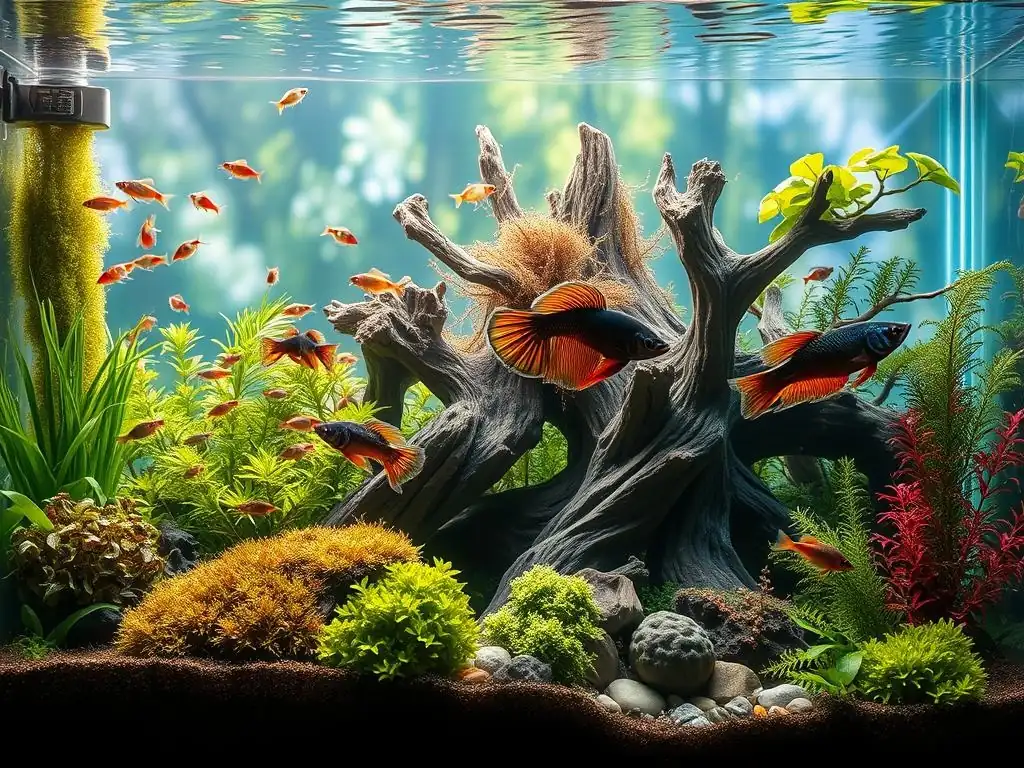
Ever dreamed of a vibrant, bustling aquarium teeming with life? Dive into our comprehensive guide on Livebearer Community Tank Setup and unlock the secrets to creating a thriving underwater ecosystem. Curious about the perfect balance of species, water parameters, and tank mates? Let's explore the wonders of livebearers together and transform your aquarium aspirations into a stunning reality!
- Introduction to Livebearer Community Tanks
- Planning Your Livebearer Community Tank Setup
- Selecting the Right Livebearer Fish Species
- Creating the Ideal Environment
- Feeding Your Livebearer Community
- Livebearer Breeding in the Community Tank
- Common Problems and Solutions
- Advanced Livebearer Keeping Techniques
- Conclusion: Enjoying Your Thriving Livebearer Community Tank.
-
Frequently Asked Questions
- What are the key considerations when planning a Livebearer community tank setup?
- What are the best livebearer species to include in a community tank?
- How do I manage the population growth in a Livebearer community tank setup?
- What water parameters are essential for a healthy Livebearer community tank setup?
- What are some common problems encountered in a Livebearer community tank setup and how can I fix them?
- Final Reflection: Cultivating Aquatic Harmony
- Ignite Your Livebearer Adventure!
Introduction to Livebearer Community Tanks
Understanding Livebearer Fish
Livebearer fish are a fascinating group of freshwater fish known for their unique reproductive strategy: they give birth to live, free-swimming fry rather than laying eggs. This characteristic sets them apart from most other aquarium fish and contributes to their popularity among aquarists. Common livebearer species include guppies (Poecilia reticulata), mollies (Poecilia sphenops, P. latipinna), platies (Xiphophorus maculatus), and swordtails (Xiphophorus helleri), all originating primarily from the Americas. Their hardiness, vibrant colors, and relatively peaceful nature make them excellent candidates for a community tank setup.
These fish typically thrive in a wide range of water conditions, though they generally prefer harder, more alkaline water, which mimics their natural habitats in Central and South America. Their adaptable nature makes them suitable for both novice and experienced aquarists looking to create a dynamic and visually appealing "livebearer community tank setup." Understanding their basic needs, from water parameters to social behaviors, is the first step in ensuring a healthy and flourishing environment for these prolific breeders.
Why Choose a Livebearer Community Aquarium?
Choosing a livebearer community aquarium offers numerous advantages, making it an ideal project for many fish enthusiasts. One of the primary draws is the vibrant display of color and activity that these fish bring to a tank. Guppies, mollies, and platies come in an astonishing array of color morphs and fin variations, from the iridescent blues and reds of a Fancy Guppy to the deep black of a Black Molly or the striking orange of a Sunset Platy. This diversity allows for a truly stunning visual experience, with constant motion and interaction within the tank.
Beyond aesthetics, livebearers are generally hardy and forgiving, making them an excellent choice for those new to the hobby or seeking a low-stress aquarium. Their ease of care and adaptability to various water conditions (within their preferred range) contribute to a higher success rate for beginners. Furthermore, their prolific breeding habits provide a constant source of new life, offering an engaging opportunity to observe the full life cycle of fish within your "livebearer community tank setup," from tiny fry to mature adults.
Benefits of a Diverse Livebearer Tank
A diverse livebearer tank provides a richer and more engaging experience than a single-species setup. Mixing various types of livebearers, such as guppies, mollies, and platies, introduces a wider spectrum of colors, fin shapes, and subtle behavioral differences, enhancing the visual appeal and dynamic nature of the aquarium. For example, a tank might feature the delicate, flowing fins of a male Guppy alongside the robust, active swimming of a Molly and the cheerful, compact form of a Platy, creating a captivating underwater tableau.
Such diversity also contributes to a more balanced ecosystem within the "livebearer community tank setup." Different species may occupy slightly different swimming levels or exhibit varied foraging behaviors, leading to more efficient utilization of the tank's resources and reducing competition. Observing the interactions between these varied species, from their courtship rituals to their feeding habits, adds an educational dimension to the hobby, allowing aquarists to appreciate the nuances of aquatic life and the benefits of a well-planned, multi-species environment.
Planning Your Livebearer Community Tank Setup
Determining the Ideal Tank Size
Selecting the appropriate tank size is a foundational decision for a successful "livebearer community tank setup." While livebearers are relatively small, their active nature and prolific breeding necessitate adequate space to prevent overcrowding and maintain stable water parameters. For a small group of guppies or platies, a 20-gallon long (approximately 24x12x16 inches) aquarium is often considered a minimum, providing enough swimming room and dilution volume for waste. This size can comfortably house about 8-10 adult guppies or 6-8 adult platies, assuming a balanced male-to-female ratio to mitigate aggression.
For a more diverse livebearer community including mollies or swordtails, which grow larger (mollies up to 4-5 inches, swordtails up to 6 inches), a 30-gallon or even a 40-gallon breeder tank (approximately 36x18x16 inches) is highly recommended. A larger tank provides more stable water chemistry, greater flexibility in aquascaping, and crucial space for fry to escape predation. For instance, a 40-gallon tank could comfortably house a mixed group of 15-20 livebearers, including several mollies and swordtails, without immediate concerns of overstocking, provided proper filtration and maintenance are in place.
Essential Equipment
Filtration Systems
A robust filtration system is paramount for maintaining pristine water quality in a "livebearer community tank setup," especially given their prolific breeding and active metabolism. Hang-on-back (HOB) filters are popular for their ease of use and effectiveness in tanks up to 50 gallons. When selecting a HOB filter, aim for one with a flow rate that turns over the tank's volume at least 4-6 times per hour; for example, a 20-gallon tank would benefit from a filter rated at 80-120 GPH (gallons per hour). Many HOB filters offer mechanical, chemical, and biological filtration.
For larger livebearer community tanks, or for those seeking superior filtration and less frequent maintenance, canister filters are an excellent upgrade. These external filters provide ample space for various filter media, allowing for highly efficient mechanical particle removal, chemical absorption (e.g., activated carbon), and extensive biological colonization by beneficial bacteria. A canister filter for a 40-gallon tank might have a flow rate of 150-250 GPH, ensuring crystal-clear water and a healthy environment for your livebearers by effectively breaking down ammonia and nitrite into less harmful nitrates.
Heaters and Temperature Control
Maintaining a stable and appropriate water temperature is critical for the health and well-being of livebearer fish in a "livebearer community tank setup." Most livebearer species, including guppies, mollies, and platies, thrive in a temperature range of 72°F to 82°F (22°C to 28°C). Fluctuations outside this range can stress the fish, making them susceptible to disease and inhibiting their natural behaviors and breeding. Therefore, a reliable aquarium heater with an integrated thermostat is an essential piece of equipment.
The wattage of the heater should be matched to the tank size to ensure efficient heating. A general guideline is 3-5 watts per gallon of water. For instance, a 20-gallon tank would typically require a 75-100 watt heater, while a 40-gallon tank might need a 150-200 watt heater. Placing the heater near the filter's outflow or in an area with good water circulation helps distribute heat evenly throughout the tank, preventing cold spots. Regularly checking the water temperature with a separate thermometer is also advisable to confirm the heater's accuracy and ensure optimal conditions.
Lighting Considerations
Lighting in a "livebearer community tank setup" serves multiple purposes: it enhances the visual appeal of the fish and their colors, supports the growth of live plants, and helps regulate the fish's natural day-night cycles. For tanks without live plants, a basic LED light fixture that provides sufficient illumination for viewing your fish is usually adequate. These lights often consume less power and have a longer lifespan than traditional fluorescent bulbs.
If you plan to incorporate live plants, which are highly recommended for a thriving livebearer environment, you'll need to select lighting that caters to their specific needs. Low-light plants like Java Moss, Anubias, and Java Fern can thrive under moderate LED lighting, often in the range of 10-20 lumens per liter or 0.25-0.5 watts per liter (using older fluorescent equivalencies).
For a 20-gallon tank, this might translate to a 10-15 watt LED fixture. More demanding plants would require higher intensity lighting, but for a typical "livebearer community tank setup" focused on fish health and easy plant growth, moderate lighting for 8-10 hours a day, controlled by a timer, is generally sufficient.
Substrate Selection
The choice of substrate for your "livebearer community tank setup" plays a significant role in both aesthetics and the overall health of the aquatic environment. For livebearers, which prefer harder, alkaline water, an inert substrate like standard aquarium gravel or sand is generally suitable. Darker colored gravel, such as black or dark brown, often enhances the vibrant colors of livebearers, making their reds, blues, and oranges stand out more prominently. A gravel size of 2-3mm is ideal, as it allows for easy cleaning with a gravel vacuum and provides a good base for root-feeding plants.
Alternatively, fine sand can create a naturalistic look and is excellent for bottom-dwelling fish or those that sift through substrate. However, sand requires more careful cleaning to prevent anaerobic pockets, which can release harmful gases.
Some aquarists choose substrates that naturally buffer pH and hardness, such as crushed coral or aragonite sand, which can be beneficial for livebearers by slowly dissolving and releasing carbonates and calcium. For example, adding a small amount of crushed coral (e.g., 1-2 tablespoons per 10 gallons) to your filter or mixing it into your substrate can help maintain a stable pH of 7.5-8.0 and a higher general hardness (GH) of 10-20 dGH, which is ideal for most livebearer species.
Selecting the Right Livebearer Fish Species
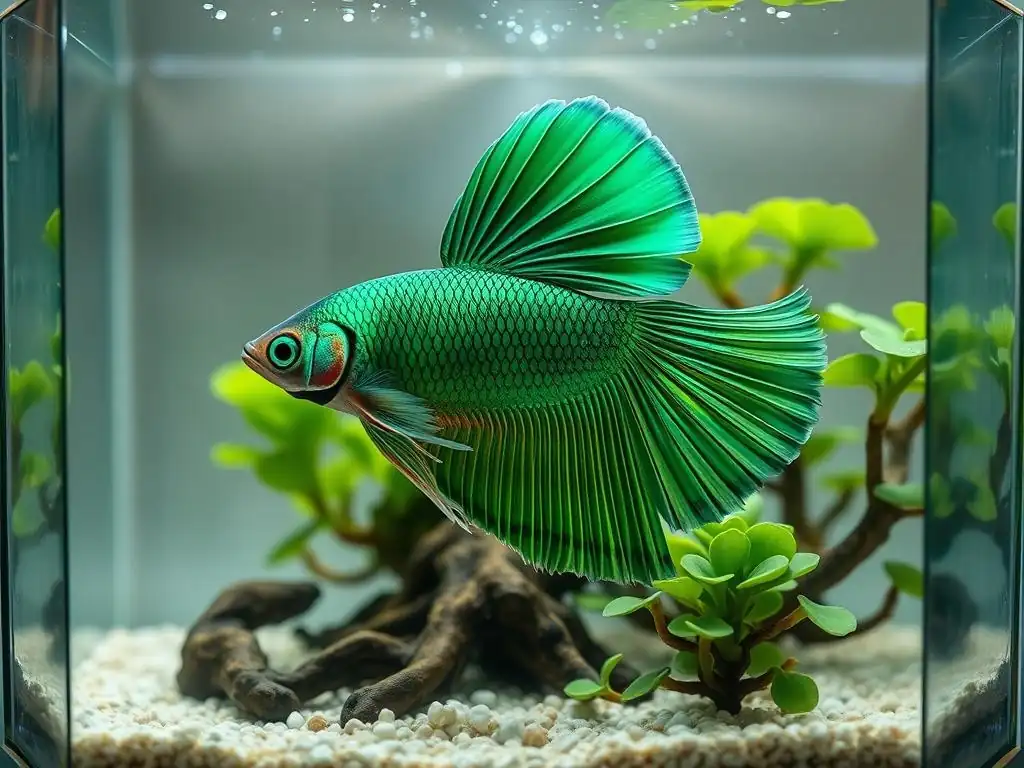
Popular Livebearer Choices: Guppies, Mollies, and Platies
Guppy Varieties
Guppies (Poecilia reticulata) are perhaps the most iconic livebearer, celebrated for their extraordinary diversity in color and finnage. Originating from South America, these small, peaceful fish rarely exceed 2 inches in length, making them suitable for smaller "livebearer community tank setup" environments. Popular varieties include the Cobra Guppy, known for its intricate snake-like patterns; the Tuxedo Guppy, with its distinct black body and contrasting colored fins; and various Fancy Tail Guppies, showcasing elaborate delta, fan, or lyretail forms.
Male guppies are particularly striking with their elaborate, flowing fins and vibrant coloration, while females are typically larger and more subdued in color, often with a gravid spot indicating pregnancy. Their active swimming patterns and constant exploration add a lively dynamic to the tank. A single male guppy, for instance, can produce dozens of offspring every 28-35 days, making them incredibly prolific and a constant source of new life in a well-maintained livebearer community tank.
Molly Species
Mollies (Poecilia sphenops, P. latipinna, P. velifera) are another staple of the "livebearer community tank setup," known for their robust bodies and diverse forms. They are generally larger than guppies and platies, with common species like the Black Molly (a melanistic variety of P. sphenops) reaching up to 4 inches, and the impressive Sailfin Molly (P. latipinna, P. velifera) potentially growing to 5-6 inches.
While often kept in freshwater, some mollies, particularly Sailfin varieties, originate from brackish environments and can benefit from a small amount of aquarium salt (e.g., 1 teaspoon per 5 gallons) to enhance their slime coat and prevent disease.
Beyond the popular Black Molly, other common varieties include the Dalmation Molly, with its black spots on a white or silver body; the Lyretail Molly, featuring elongated caudal fins; and various gold, silver, and marbled forms. Mollies are active swimmers and good algae eaters, contributing to tank cleanliness. Their peaceful nature, combined with their striking appearance, makes them an excellent addition to a diverse livebearer community, provided the tank is large enough to accommodate their adult size.
Platy Color Morphs
Platies (Xiphophorus maculatus and Xiphophorus variatus) are a hardy and colorful choice for a "livebearer community tank setup," often serving as a bridge between the smaller guppies and the larger mollies and swordtails. They typically reach a size of 2-2.5 inches, making them suitable for tanks starting from 20 gallons. Platies are renowned for their incredible array of color morphs and patterns, which have been extensively line-bred by aquarists.
Some of the most popular platy color morphs include the vibrant Sunset Platy, displaying a gradient of red, orange, and yellow; the distinctive Mickey Mouse Platy, named for the black Mickey Mouse ear-like marking on its caudal fin base; and the cheerful Red Wag Platy, with its bright red body and black fins. Variatus Platies, a distinct species, often exhibit more elongated bodies and can have stunning iridescent scales. Their peaceful temperament and constant activity make them excellent tank mates for other livebearers, adding a splash of continuous color and movement to the aquarium.
Compatibility of Livebearer Species
Ensuring compatibility among livebearer species is crucial for a harmonious "livebearer community tank setup." While most common livebearers like guppies, mollies, platies, and swordtails are generally peaceful and can coexist, careful consideration of male-to-female ratios is paramount. For all livebearer species, it is highly recommended to keep a ratio of at least two, preferably three, females for every male. For instance, in a group of ten guppies, aiming for 3-4 males and 6-7 females will significantly reduce male aggression and constant harassment of individual females, which can lead to stress, fin nipping, and even death.
While interbreeding between different livebearer genera (e.g., Guppy and Platy) is generally not possible, cross-breeding within the Poecilia genus (e.g., Guppy and Molly) and Xiphophorus genus (e.g., Platy and Swordtail) can occur. This is not typically harmful but can result in hybrid offspring with unpredictable traits. For example, a male Swordtail may breed with a female Platy, producing fertile offspring. Monitoring the behavior of your fish and providing ample space and hiding spots will further contribute to a peaceful and thriving "livebearer community tank setup."
Stocking Levels
Determining appropriate stocking levels is a critical aspect of planning a healthy "livebearer community tank setup." Overstocking is a common mistake that leads to poor water quality, increased aggression, and stressed fish. A long-standing, albeit simplistic, rule of thumb is the "one inch of fish per gallon of water." However, this rule doesn't account for fish body mass, activity levels, or the efficiency of your filtration. For livebearers, a more practical approach considers their adult size and prolific breeding.
For example, in a 20-gallon long tank, you might comfortably house a group of 10-12 smaller livebearers, such as guppies and platies, maintaining a 2:1 or 3:1 female-to-male ratio. This would equate to roughly 20-25 inches of fish, slightly exceeding the inch-per-gallon rule but accounting for their smaller bioload and the tank's surface area for gas exchange.
For a 40-gallon breeder tank, you could potentially house 15-20 mixed livebearers, including a few mollies or swordtails, ensuring ample space and robust filtration. The key is to err on the side of understocking initially, monitor water parameters closely, and allow for the inevitable increase in population due to livebearer breeding.
Creating the Ideal Environment
Water Chemistry
pH Levels
Maintaining stable and appropriate pH levels is fundamental to the health of your "livebearer community tank setup." Livebearers generally thrive in slightly alkaline water, with an ideal pH range typically between 7.0 and 8.0. Many species, particularly mollies and swordtails, prefer the upper end of this spectrum, around 7.5-8.0, as this closely mimics their natural habitats in hard, mineral-rich waters. Consistent pH is more important than hitting an exact number; rapid or significant fluctuations can cause severe stress and even death.
To monitor pH, regular testing with a reliable liquid test kit is essential, ideally once a week. If your tap water is naturally soft or acidic, you may need to implement strategies to raise and stabilize pH. Adding crushed coral or aragonite sand to the substrate or filter media can slowly dissolve and buffer the water, helping to maintain a higher pH and provide essential minerals. For example, a small mesh bag containing 1-2 tablespoons of crushed coral in a 20-gallon tank can typically raise pH by 0.2-0.5 points over several days and help keep it stable.
Water Hardness and Alkalinity
Water hardness (General Hardness, GH) and alkalinity (Carbonate Hardness, KH) are critical parameters for a thriving "livebearer community tank setup," as these fish originate from areas with mineral-rich water. Livebearers generally prefer moderately hard to hard water, with a GH range of 10-25 dGH (degrees of general hardness) and a KH range of 120-180 ppm (parts per million) or 7-10 dKH (degrees of carbonate hardness). Adequate KH is particularly important as it acts as a buffer, preventing sudden drops in pH that can occur as organic acids build up in the aquarium.
Regular testing for both GH and KH using a liquid test kit is recommended to ensure these parameters remain within the ideal range. If your tap water is soft, you can increase hardness and alkalinity by adding aquarium-specific mineral supplements, such as commercial GH/KH boosters, or by incorporating natural buffering materials. For instance, limestone rocks or Texas Holey Rock can slowly release carbonates and calcium into the water, helping to maintain the desired hardness and alkalinity for your livebearers, promoting stronger bone development and overall vitality.
Ammonia, Nitrite, and Nitrate Control
Effective control of the nitrogen cycle by managing ammonia, nitrite, and nitrate levels is non-negotiable for a healthy "livebearer community tank setup." Ammonia (NH3) and nitrite (NO2) are highly toxic to fish and should always be at zero parts per million (0 ppm). These compounds are produced from fish waste, uneaten food, and decaying organic matter. Beneficial bacteria colonizing the filter media and substrate convert ammonia into nitrite, and then nitrite into less harmful nitrate (NO3).
Nitrate, while less toxic than ammonia and nitrite, can still be detrimental in high concentrations. Levels should ideally be kept below 20 ppm, though some aquarists aim for under 40 ppm. Regular partial water changes are the primary method for controlling nitrate accumulation, as well as removing other dissolved organic compounds. For example, a weekly 25-30% water change in a 20-gallon livebearer tank will effectively dilute nitrates and replenish essential minerals, significantly contributing to the long-term health and stability of your "livebearer community tank setup."
Aquascaping: Plants and Decorations
Best Live Aquarium Plants
Incorporating live plants into your "livebearer community tank setup" offers numerous benefits, from enhancing water quality to providing natural shelter and breeding grounds. Plants absorb nitrates, release oxygen, and can help suppress algae growth.
For livebearer tanks, robust and fast-growing plants are ideal, as they can withstand the active nature of the fish and their fry. Excellent choices include Java Moss ( Taxiphyllum barbieri), which is incredibly versatile and provides dense cover for fry; Anubias species ( Anubias barteri), known for their hardy leaves and ability to attach to driftwood or rocks; and Hornwort ( Ceratophyllum demersum), a fast-growing floating or submerged plant that excels at nutrient uptake.
Other suitable plants include Water Sprite ( Ceratopteris thalictroides), a fern-like plant that can be planted or left floating, and various Cryptocoryne species ( Cryptocoryne wendtii), which are relatively low-maintenance once established. For instance, a 20-gallon tank could be heavily planted with 2-3 large clumps of Java Moss, 2-3 Anubias plants attached to small pieces of driftwood, and a generous bunch of Hornwort floating at the surface. These plants not only create a lush, natural environment but also contribute to the overall health and stability of the "livebearer community tank setup."
Creating Hiding Places and Breeding Zones
Providing ample hiding places and designated breeding zones is crucial for a thriving "livebearer community tank setup," especially given their prolific breeding and the natural tendency of adult fish to prey on fry. Dense planting with the aforementioned live plants is one of the most effective ways to offer shelter. For example, a thick mat of Java Moss or a forest of Hornwort provides intricate nooks and crannies where tiny fry can escape the mouths of hungry adults.
Beyond plants, strategically placed decorations like smooth rocks, driftwood, and ceramic caves can offer additional refuge. A small, dark cave provides a secure spot for a gravid female to give birth with less stress, and also offers immediate shelter for the emerging fry.
For instance, incorporating a piece of driftwood with several crevices or a stack of smooth river stones can create multi-level hiding spots. These elements not only reduce stress for the adult fish by providing personal space but also significantly increase the survival rate of the fry, ensuring a continuous cycle of life in your "livebearer community tank setup."
Maintaining a Clean and Healthy Tank
Regular Water Changes
Regular partial water changes are the single most important maintenance task for ensuring a clean and healthy "livebearer community tank setup." They effectively remove accumulated nitrates, phosphates, and other dissolved organic compounds that can build up over time, even with efficient filtration. For a well-stocked livebearer tank, a weekly water change of 25-30% of the tank's volume is typically recommended. For instance, in a 20-gallon tank, this means removing and replacing 5-6 gallons of water each week.
When performing a water change, always use a gravel vacuum to siphon out water from the bottom of the tank, simultaneously removing detritus and uneaten food trapped in the substrate. The replacement water should be dechlorinated with a reputable water conditioner to neutralize chlorine and chloramines, which are harmful to fish and beneficial bacteria. Ensuring the temperature of the new water is close to the tank's temperature (within 2-3°F or 1°C) will prevent temperature shock for your livebearers, contributing significantly to the stability of your "livebearer community tank setup."
Gravel Vacuuming and Waste Removal
Gravel vacuuming is an indispensable part of maintaining a pristine "livebearer community tank setup" and goes hand-in-hand with regular water changes. This process involves using a specialized siphon tool to suction out water from the bottom of the tank, simultaneously lifting and removing accumulated fish waste, uneaten food, and decaying plant matter that settle within the substrate. Without consistent removal, these organic wastes break down, contributing to elevated ammonia, nitrite, and nitrate levels, which can quickly degrade water quality and stress your fish.
During your weekly 25-30% water change, dedicate time to thoroughly vacuuming the gravel. For example, in a 20-gallon tank, focus on vacuuming about one-third to one-half of the substrate area each week on a rotating basis to avoid disturbing the entire beneficial bacterial colony at once. Pay particular attention to areas where waste tends to accumulate, such as under decorations or near feeding spots. This meticulous waste removal prevents the build-up of harmful toxins and helps maintain a clean, visually appealing, and biologically stable "livebearer community tank setup."
Feeding Your Livebearer Community
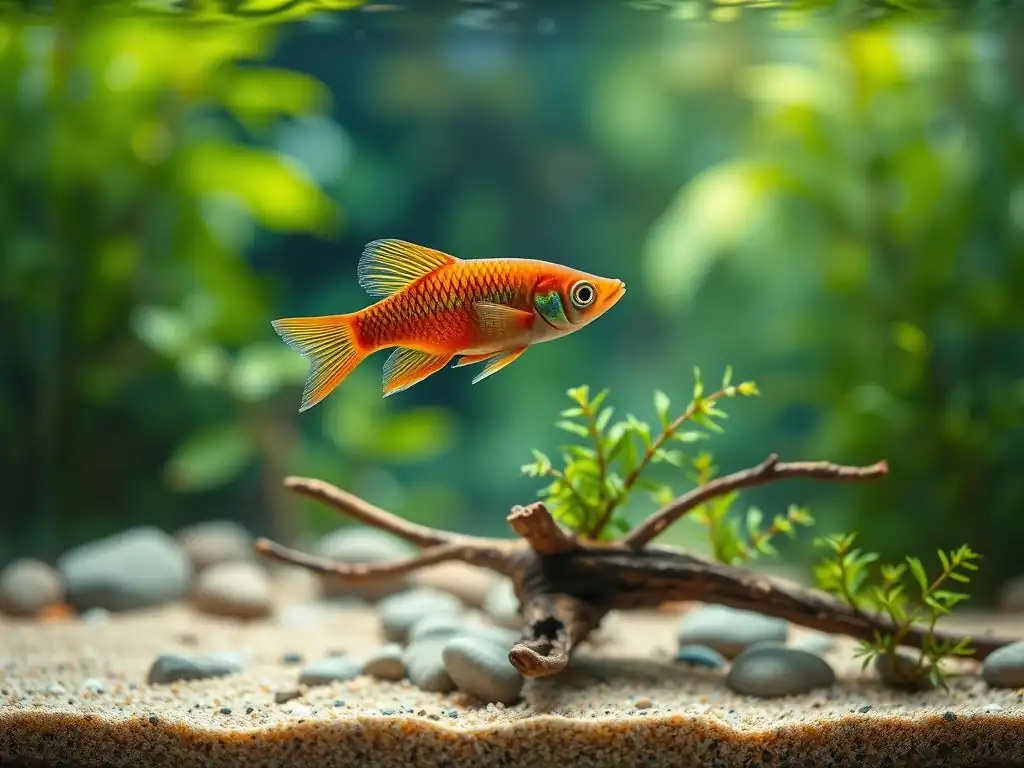
Choosing the Right Food
Best Commercial Foods
Selecting high-quality commercial foods is essential for the health and vitality of your "livebearer community tank setup." Livebearers are omnivores, meaning their diet should consist of both plant and animal matter. A good quality flake food or small pellet designed for tropical omnivores should form the backbone of their diet. Look for foods that list fish meal, spirulina, and various vitamins and minerals among their primary ingredients. Brands like Hikari, Tetra, and Omega One offer specific formulations for livebearers or general tropical fish that are well-regarded.
For example, a high-quality flake food might contain 40-45% crude protein, 8-10% crude fat, and a good percentage of plant-based ingredients like spirulina or alfalfa meal. Offering a variety of commercial foods, such as a staple flake in the morning and a small sinking pellet in the evening, can ensure a balanced nutritional intake. This varied approach helps prevent nutritional deficiencies and keeps your livebearers vibrant and active in their "livebearer community tank setup."
Supplementing with Live and Frozen Foods
While commercial flakes and pellets provide a solid foundation, supplementing your livebearers' diet with live and frozen foods offers enhanced nutrition, promotes natural foraging behaviors, and can significantly boost their health and breeding activity in a "livebearer community tank setup." Live foods like brine shrimp (Artemia), daphnia (water fleas), and microworms are excellent sources of protein and essential fatty acids. Brine shrimp, in particular, are relished by livebearers of all sizes, from adult fish to growing fry.
Frozen foods offer a convenient and safe alternative to live cultures, providing similar nutritional benefits. Popular frozen options include bloodworms, daphnia, brine shrimp, and spirulina-enriched cubes. For instance, feeding a small cube of frozen brine shrimp or bloodworms once or twice a week, in addition to their daily dry food, can provide a significant protein boost, which is especially beneficial for breeding females and growing fry. This varied diet not only enriches their nutrition but also adds excitement to their feeding routine in your "livebearer community tank setup."
Feeding Frequency and Portion Control
Proper feeding frequency and portion control are crucial for maintaining water quality and the health of your "livebearer community tank setup." Overfeeding is a common mistake that leads to excess waste, contributing to high nitrate levels and potentially dangerous ammonia and nitrite spikes. Livebearers, being active and having high metabolisms, benefit from multiple small feedings throughout the day rather than one large meal.
A general guideline is to feed your livebearers 2-3 times a day, offering only what they can consume completely within 2-3 minutes. For example, for a group of 10 guppies in a 20-gallon tank, this might mean a pinch of flake food in the morning, another pinch in the afternoon, and a tiny amount of frozen food in the evening.
Any food left uneaten after this time should be siphoned out to prevent decay. This disciplined approach to feeding prevents nutrient pollution, reduces algae growth, and ensures your livebearers remain healthy and active in their thriving "livebearer community tank setup."
Livebearer Breeding in the Community Tank
Understanding Livebearer Reproduction
Understanding livebearer reproduction is key to appreciating the dynamic nature of a "livebearer community tank setup." Unlike most fish that lay eggs, livebearers exhibit ovoviviparity, meaning the eggs develop and hatch inside the female's body, and she then gives birth to fully formed, free-swimming fry. The gestation period typically ranges from 28 to 40 days, depending on the species, water temperature, and the female's health. For example, a female Guppy often has a gestation period of around 28-30 days, while a Molly might take closer to 35-40 days.
Females can store sperm for several months after a single mating, allowing them to produce multiple batches of fry without further interaction with a male. This remarkable ability means that if you have a female livebearer, it's highly probable she will give birth, even if males are no longer present. A gravid female will typically develop a noticeable "gravid spot" – a dark area near her anal fin – which darkens as the fry mature inside her. Observing these signs and understanding the reproductive cycle enhances the experience of maintaining a "livebearer community tank setup."
Creating Breeding Opportunities
Creating ideal breeding opportunities in a "livebearer community tank setup" primarily involves maintaining optimal water conditions, providing a balanced diet, and ensuring a healthy male-to-female ratio. Livebearers are naturally prolific breeders, and if their basic needs are met, they will readily reproduce. A stable water temperature within their preferred range (e.g., 75-78°F or 24-26°C) and consistent water parameters (pH 7.0-8.0, GH 10-25 dGH) are crucial for encouraging spawning.
A protein-rich diet, supplemented with live or frozen foods (like brine shrimp or bloodworms) fed 2-3 times daily, provides the necessary energy for successful reproduction. Moreover, maintaining a ratio of at least 2-3 females per male for each species minimizes stress on individual females from constant male attention. For example, in a 20-gallon tank with a mixed group of guppies and platies, ensuring you have 4-5 female guppies for 2 male guppies, and 4-5 female platies for 2 male platies, will lead to happier, healthier fish and more consistent breeding in your "livebearer community tank setup."
Protecting Fry from Predation
Protecting livebearer fry from predation is a significant challenge in a "livebearer community tank setup," as most adult fish, including the parents, will readily consume their offspring. To maximize fry survival, providing abundant hiding places is essential. Dense planting with fine-leaved plants like Java Moss ( Taxiphyllum barbieri), Hornwort ( Ceratophyllum demersum), or Water Sprite ( Ceratopteris thalictroides) creates a natural labyrinth where tiny fry can escape. For example, a generous clump of Java Moss can offer dozens of safe havens for newly born fry.
Floating plants, such as Frogbit or Dwarf Water Lettuce, also provide excellent overhead cover and additional hiding spots near the water surface where fry often congregate. If you are serious about raising a significant number of fry, a breeding box or a separate "fry grow-out tank" can be used. A breeding box, typically a small plastic container that hangs inside the main tank, allows water circulation while keeping the fry separate from adults. However, for a natural "livebearer community tank setup," ample plant cover is the most aesthetically pleasing and least stressful method for partial fry survival.
Raising Livebearer Fry
Raising livebearer fry in a "livebearer community tank setup" can be a rewarding experience, even if you don't use a separate grow-out tank. While some fry will inevitably be eaten by adults, a well-planted tank with sufficient hiding spots will allow a percentage of them to survive and grow. For the first few days, newly born fry can subsist on infusoria and micro-organisms naturally present in a mature tank. However, to ensure robust growth, supplemental feeding is necessary.
Specialized fry foods, such as finely crushed flake food, powdered spirulina, or liquid fry food, should be offered 3-4 times a day in very small amounts. For example, a tiny pinch of finely crushed high-protein flake food, no larger than a pea, can be sprinkled over the area where fry are observed. Live foods like newly hatched brine shrimp are also an excellent source of nutrition and promote rapid growth.
As the fry grow, they can gradually transition to the same diet as the adults. Within 3-4 weeks, depending on the species and feeding, livebearer fry can reach a size where they are less vulnerable to predation from smaller adults, continuing the vibrant cycle in your "livebearer community tank setup."
Common Problems and Solutions
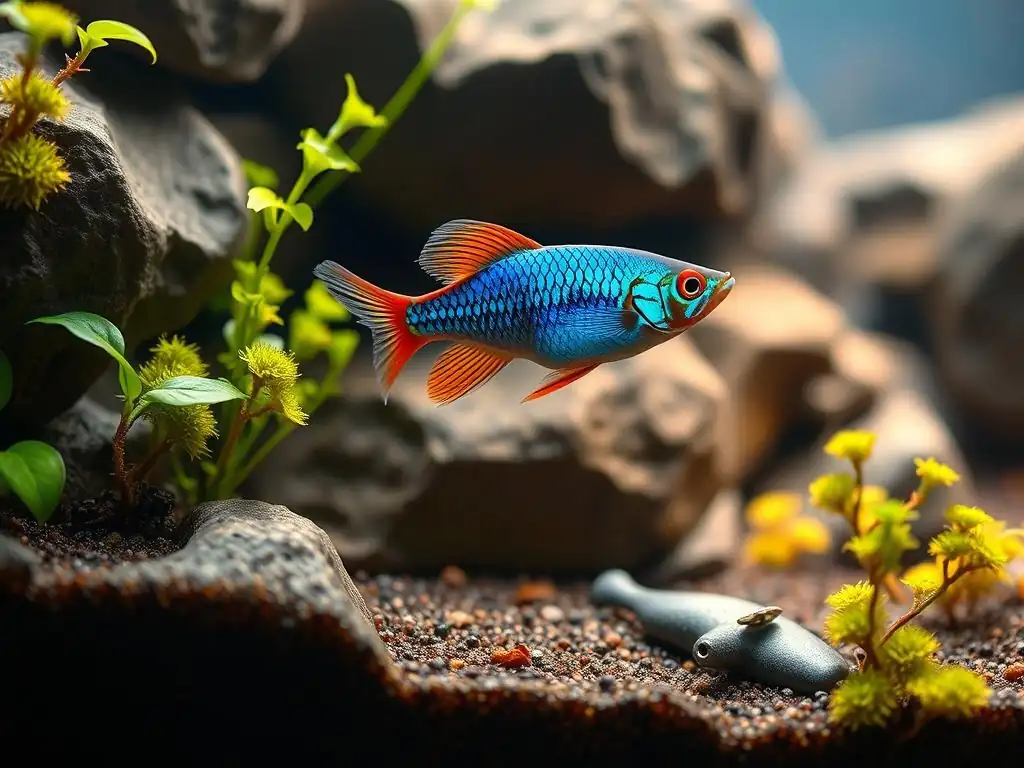
Identifying and Treating Common Diseases
Fin Rot and Other Bacterial Infections
Fin rot is a common bacterial infection in a "livebearer community tank setup," often caused by poor water quality, overcrowding, or stress. Symptoms include frayed, ragged, or disintegrating fins, which may also appear milky, red, or inflamed at the edges. Other bacterial infections can manifest as cloudy eyes, body sores, or lethargy. The primary cause is almost always elevated levels of ammonia, nitrite, or nitrate, or significant fluctuations in water parameters.
Treatment begins with immediate and significant water changes (e.g., 50% daily for several days) to improve water quality, followed by thorough gravel vacuuming. Adding aquarium salt (non-iodized, 1-2 teaspoons per 5 gallons) can help reduce stress and act as a mild antiseptic, but always research species-specific tolerance. In more severe cases, broad-spectrum antibacterial medications available at pet stores may be necessary, following the manufacturer's instructions precisely. Preventing these infections in your "livebearer community tank setup" relies heavily on consistent maintenance and stable water parameters.
Ich (White Spot Disease)
Ich, or White Spot Disease ( Ichthyophthirius multifiliis), is one of the most common and recognizable parasitic diseases in a "livebearer community tank setup." It manifests as small, white spots resembling grains of salt sprinkled over the fish's body and fins. Infected fish may also show signs of irritation, such as flashing (rubbing against tank objects), clamped fins, and rapid breathing. Ich often appears when fish are stressed due to sudden temperature changes, poor water quality, or new tank introductions.
The life cycle of Ich involves a free-swimming stage that is susceptible to treatment. A common and effective treatment method is the "heat treatment," gradually raising the tank temperature to 82-86°F (28-30°C) over 24 hours and maintaining it for 10-14 days. This accelerates the parasite's life cycle, causing it to detach from the fish more quickly, and prevents the free-swimming stage from reproducing.
Combining heat with aquarium salt (1 teaspoon per gallon, gradually added) can also be effective, as can commercial Ich medications available at pet stores. Always remove activated carbon from the filter during medication use to ensure efficacy in your "livebearer community tank setup."
Dealing with Algae Growth
Algae growth is a common issue in a "livebearer community tank setup," and while a small amount is natural, excessive growth can be unsightly and indicate an imbalance. Common types include green spot algae, hair algae, and brown diatom algae. The primary causes of excessive algae are typically too much light, too many nutrients (from overfeeding or infrequent water changes), or a combination of both. For instance, leaving aquarium lights on for more than 8-10 hours a day can fuel significant algae blooms.
To combat algae, first, address the root causes. Reduce lighting duration to 8-10 hours daily. Perform regular 25-30% weekly water changes and thoroughly gravel vacuum to remove excess nutrients.
Avoid overfeeding your livebearers, ensuring all food is consumed within 2-3 minutes. Introducing natural algae eaters like Nerite snails (e.g., 2-3 snails for a 20-gallon tank) or Otocinclus catfish (e.g., a small group of 3-5 for a 20-gallon tank) can also help manage minor algae issues. For persistent problems, consider a blackout period of 2-3 days (no light, cover the tank) to starve the algae, followed by a large water change, to restore balance to your "livebearer community tank setup."
Preventing and Resolving Water Quality Issues
Preventing and resolving water quality issues is paramount for the long-term health and stability of a "livebearer community tank setup." The most common issues stem from imbalances in the nitrogen cycle or improper maintenance routines. High ammonia and nitrite levels are indicative of an uncycled tank or filter failure, while consistently high nitrates point to insufficient water changes. These issues can lead to stressed fish, disease outbreaks, and even fatalities.
To prevent water quality problems, establish a consistent weekly maintenance schedule: perform 25-30% partial water changes, gravel vacuum thoroughly, and clean filter media as needed (rinsing in old tank water to preserve beneficial bacteria). Regularly test your water parameters (ammonia, nitrite, nitrate, pH, GH, KH) using a reliable liquid test kit, ideally weekly or bi-weekly. If you detect elevated ammonia or nitrite, perform an immediate 50% water change and reduce feeding. For high nitrates, increase the frequency or volume of water changes. Maintaining these practices is crucial for a thriving "livebearer community tank setup."
Advanced Livebearer Keeping Techniques
Aquascaping Styles
Beyond basic functionality, exploring various aquascaping styles can elevate your "livebearer community tank setup" into a true work of art, while still benefiting your fish. The Iwagumi style, originating from Japan, focuses on a minimalist layout using only rocks to create a natural landscape, often resembling mountain ranges. While beautiful, it requires careful plant selection (typically low-growing carpeting plants) and diligent maintenance to prevent algae.
The Dutch aquascape, in contrast, emphasizes a lush, dense arrangement of various plant species, focusing on color, texture, and leaf shape to create a vibrant underwater garden. This style can be excellent for livebearers, providing abundant hiding spots and a rich environment, but it demands higher lighting, CO2 injection, and regular trimming.
A more naturalistic approach, often called "Nature Aquarium" (influenced by Takashi Amano), combines elements of both, using driftwood, rocks, and plants to mimic natural aquatic habitats. For a "livebearer community tank setup," adapting these styles to include dense, tall plants (like Vallisneria or Amazon Swords) at the back and sides offers both aesthetic appeal and crucial cover for fry, enhancing the overall well-being of the fish.
Selective Breeding
Selective breeding is an advanced technique for aquarists aiming to enhance specific traits within their "livebearer community tank setup." This practice involves carefully choosing individual fish with desired characteristics – such as vibrant colors, unique finnage, larger size, or disease resistance – and breeding them together, while preventing them from breeding with less desirable individuals. For example, a guppy breeder might select males with exceptionally large delta tails and females with strong, consistent body coloration to produce offspring with improved aesthetic qualities.
The process often requires setting up separate breeding tanks or grow-out tanks for specific lines to control mating. Keeping detailed records of parentage and offspring traits is crucial. While it can take several generations to consistently establish a desired trait, selective breeding offers a profound way to engage with the genetics of your livebearers. It transforms the "livebearer community tank setup" from a simple display into a dynamic genetic laboratory, contributing to the evolution of new and improved livebearer strains.
Reverse Osmosis (RO) Water Use for Sensitive Livebearers
While most common livebearers thrive in moderately hard, alkaline water, some specialized or wild-caught livebearer species, or those with specific genetic sensitivities, might benefit from the precise control offered by Reverse Osmosis (RO) water. RO water is essentially pure water, stripped of nearly all minerals and dissolved solids. This allows the aquarist to "remineralize" the water to exact specifications, creating a perfectly tailored environment for specific fish or to maintain incredibly stable parameters.
For a typical "livebearer community tank setup" with common guppies, mollies, and platies, RO water is usually not necessary. However, if you are attempting to keep certain sensitive wild-type livebearers or are experiencing persistent water quality issues due to unpredictable tap water, RO water, followed by remineralization with a product like Seachem Equilibrium or specific GH/KH boosters, can provide unparalleled control. For instance, if your tap water has fluctuating chlorine levels or undesirable heavy metals, using RO water can eliminate these variables, offering a highly consistent and clean foundation for your "livebearer community tank setup."
Conclusion: Enjoying Your Thriving Livebearer Community Tank.
Frequently Asked Questions
What are the key considerations when planning a Livebearer community tank setup?
Choosing compatible tank mates is crucial. Consider the temperament and environmental needs of each species to ensure harmony. Also, provide ample space and hiding places.
What are the best livebearer species to include in a community tank?
Popular choices include guppies, platies, swordtails, and mollies. These species are generally peaceful and adaptable, making them excellent choices for a community setting.
How do I manage the population growth in a Livebearer community tank setup?
Livebearers reproduce rapidly, so population control is essential. Introduce a predator species like a small tetra or consider separating the sexes if possible.
What water parameters are essential for a healthy Livebearer community tank setup?
Maintain stable water parameters, including a temperature range of 72-78°F (22-26°C) and a pH level of 6.8-7.8. Regular water changes are also important for water quality.
What are some common problems encountered in a Livebearer community tank setup and how can I fix them?
Common issues include overpopulation, disease outbreaks, and aggression among tank mates. Addressing these quickly with appropriate treatments or adjustments to the tank environment is vital.
Final Reflection: Cultivating Aquatic Harmony
The journey of establishing a thriving livebearer community tank, as we've explored, is more than just assembling fish and plants; it's about creating a miniature ecosystem that mirrors the delicate balance found in nature. In a world increasingly disconnected from the natural world, the act of nurturing such a vibrant, self-sustaining environment within our homes offers a powerful reminder of the interconnectedness of life and the responsibilities we bear as custodians of our planet.
This endeavor has profoundly influenced how I view the aquarium hobby, shifting from mere decoration to a deep appreciation for the intricate relationships between species and the importance of responsible fishkeeping. It's a constant learning process, a reminder that even in a controlled environment, nature holds the upper hand. In nature, nothing is perfect and everything is perfect. Trees can be contorted, bent in weird ways, and they're still beautiful.
- Alice Walker. This quote perfectly encapsulates the beauty and resilience we strive to achieve in our livebearer community tanks, embracing the imperfections and celebrating the unique character of each inhabitant.
Now, I invite you to reflect on the principles we've discussed. Consider how you can apply these lessons, not just to your aquarium, but to your own life. Embrace the patience, the observation, and the dedication required to nurture a thriving environment, whether it's within the glass walls of a tank or in the broader context of your community. Let the vibrant life of your livebearer community tank inspire you to cultivate harmony and balance in all aspects of your world.
Ignite Your Livebearer Adventure!
Thank you for exploring the wonderful world of livebearer community tanks! We hope this guide has sparked inspiration and equipped you with the knowledge to create your own thriving aquatic ecosystem. Now it's time to put that knowledge into action.
- Commit to Designing Your Dream Tank: Research and choose your livebearer species, select tank mates, and plan your aquascape this week.
- Share your tank vision: Post your planned tank setup on social media with #AquariumMasteryLivebearers to inspire others.
- Unexpected action: Introduce a single, brightly coloured, unexpected plant (e.g., red tiger lotus) to create a focal point and test your aquascaping skills.
What unique element will you incorporate into your livebearer community tank to make it stand out?