
Angelfish Appetite: Premium Diets for Healthy & Radiant Marine Angelfish – Expert Analysis

Welcome to Aquarium Mastery!
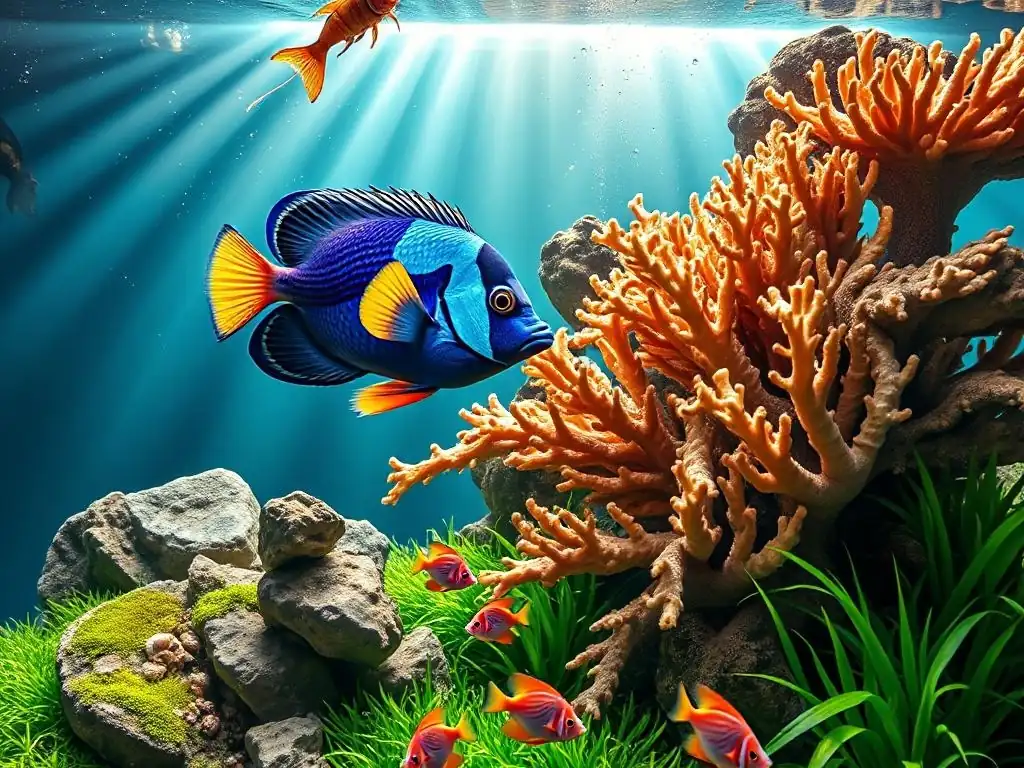
Ever wondered what secrets lie behind keeping your marine angelfish vibrant and thriving? Unlocking the key to a healthy marine angelfish diet is easier than you think! Dive in and discover our expert analysis on premium diets, ensuring your angelfish not only survives, but truly shines. Are you ready to transform your angelfish's health and radiance? Let's explore!
- Understanding the Nutritional Needs of Marine Angelfish: The Key to a Healthy Angelfish Diet
- Choosing the Right Angelfish Food: A Comprehensive Buying Guide
- Top Angelfish Food Recommendations: Premium Diets for Optimal Health and Coloration
- Supplementing Your Angelfish's Diet: Enhancing Health and Coloration
- Common Angelfish Feeding Mistakes and How to Avoid Them
- Transitioning Your Angelfish to a New Diet: A Step-by-Step Guide
- Maintaining a Healthy Aquarium Environment: The Foundation of a Healthy Angelfish Diet
-
Frequently Asked Questions
- What are the fundamental components of a healthy marine angelfish diet?
- Why is variety so important when feeding marine angelfish?
- How often should I feed my marine angelfish each day?
- What are some signs that my marine angelfish is not getting a proper diet?
- Where can I find reliable information on specific dietary needs for different angelfish species?
- Final Reflection: Nurturing Oceanic Radiance
- Unlock the Secret to a Thriving Angelfish: Start Today!
Understanding the Nutritional Needs of Marine Angelfish: The Key to a Healthy Angelfish Diet
Why a Specialized Diet is Crucial for Marine Angelfish Health and Color
Marine angelfish possess unique dietary requirements that significantly diverge from those of freshwater species or even other marine fish. Their natural habitats often provide a diverse array of sponges, tunicates, algae, and small invertebrates, which contribute to their vibrant, iridescent coloration and robust immune systems. A specialized diet in captivity is paramount to replicating this natural intake, ensuring the fish not only survive but thrive. Without it, angelfish can quickly lose their brilliant hues, becoming dull and lackluster, a clear indicator of nutritional deficiency.
Furthermore, a carefully formulated diet directly impacts an angelfish's resilience against common ailments. For instance, conditions like Head and Lateral Line Erosion (HLLE), characterized by pitting and erosion around the head and lateral line, are often linked to nutritional imbalances, particularly deficiencies in essential vitamins such as C and A, or an excess of terrestrial-based proteins in their food. Providing a diet rich in marine-sourced proteins and plant matter helps fortify their immune response, making them less susceptible to parasitic infections like marine Ich and bacterial fin rot, thus promoting a truly healthy marine angelfish diet.
Essential Nutrients for Marine Angelfish: Vitamins, Minerals, and Proteins Explained
A truly healthy marine angelfish diet is built upon a foundation of key macronutrients and micronutrients. Proteins are fundamental for growth, tissue repair, and overall metabolic function. Marine angelfish, being active and often large swimmers, require a high-quality protein content, typically exceeding 40% crude protein, sourced primarily from marine ingredients like fish meal, krill, squid, and spirulina. These provide the necessary amino acid profiles that terrestrial proteins often lack.
Fats, particularly essential fatty acids like Omega-3s (EPA and DHA), are crucial for energy, cell membrane integrity, and the absorption of fat-soluble vitamins. These fatty acids are vital for neurological development and immune system modulation. Vitamins, such as Vitamin C (ascorbic acid) for immune support and collagen synthesis, Vitamin A (retinol) for vision and skin health, and Vitamin E as an antioxidant, are indispensable. Minerals like calcium and phosphorus are vital for skeletal structure, while trace elements such as iodine and selenium support metabolic processes. A balanced intake of these components ensures a comprehensive and healthy marine angelfish diet.
The Dangers of an Inadequate Angelfish Diet: Preventing Disease and Promoting Longevity
The consequences of an inadequate diet for marine angelfish are severe and can manifest in various ways, significantly impacting their health and lifespan. A weakened immune system is a primary concern, making the fish highly vulnerable to opportunistic pathogens that would otherwise be fended off. This can lead to frequent outbreaks of diseases such as Brooklynella, marine Ich, or bacterial infections, which are challenging to treat and often fatal.
Beyond susceptibility to disease, nutritional deficiencies can cause specific, debilitating conditions. As mentioned, HLLE is a prominent example, often exacerbated by a diet lacking in marine algae, spirulina, and essential vitamins, or containing excessive amounts of terrestrial ingredients.
Furthermore, a poor diet can lead to stunted growth, faded coloration, and internal organ damage, such as fatty liver disease. While a properly fed marine angelfish can live for 10-15 years or even longer in a well-maintained aquarium, those subjected to an insufficient diet often experience dramatically shortened lifespans, sometimes only a few years, highlighting the critical importance of a healthy marine angelfish diet.
Choosing the Right Angelfish Food: A Comprehensive Buying Guide
Identifying the Best Marine Angelfish Food Brands: Ocean Nutrition vs. Hikari vs. New Life Spectrum
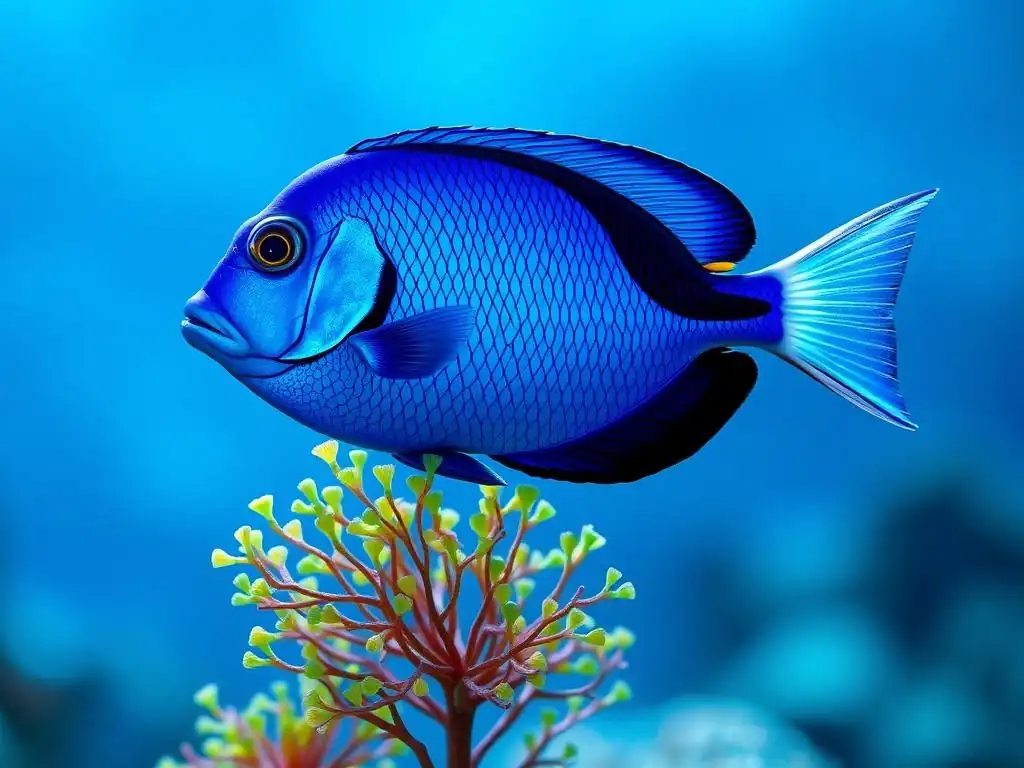
When selecting the best marine angelfish food, several premium brands stand out for their nutritional quality and palatability. Ocean Nutrition is widely recognized for its diverse range of frozen and pellet foods, often incorporating spirulina, kelp, and a variety of marine proteins. Their Formula Two pellets, for instance, are highly regarded as a balanced staple for omnivorous and herbivorous marine fish, promoting vibrant coloration and robust health.
Hikari offers a comprehensive selection, including specialty diets tailored for marine species. Their Marine S or Marine A pellets are frequently praised for their high palatability and nutritional completeness, often fortified with astaxanthin to enhance natural pigments. New Life Spectrum (NLS) has garnered a strong reputation for its "Thrive" formulas, which prioritize high-quality marine proteins, spirulina, and a broad spectrum of essential nutrients, deliberately avoiding artificial colors or binders. NLS pellets are known for their high digestibility and are formulated to be a complete, all-in-one diet, contributing significantly to a healthy marine angelfish diet.
Analyzing Angelfish Food Ingredients: What to Look for (and What to Avoid)
Understanding the ingredient list is crucial for selecting a truly healthy marine angelfish diet. Look for foods where high-quality marine proteins are listed as the primary ingredients. This includes items like whole fish meal, krill, squid, shrimp, and clam.
For omnivorous and herbivorous angelfish, the inclusion of marine algae, spirulina, and kelp is essential, providing vital plant-based nutrients and fiber. Always check for the presence of Omega-3 fatty acids (DHA and EPA) and stabilized Vitamin C, which are critical for immune function and overall vitality. Natural color enhancers like astaxanthin, derived from sources such as krill or microalgae, are also beneficial.
Conversely, there are ingredients to avoid or be wary of. Excessive fillers such as wheat, corn, or soy can indicate a lower quality food, as these are less digestible for marine fish and offer limited nutritional value. Artificial colors and preservatives should be avoided, as they provide no nutritional benefit and can sometimes lead to health issues.
Steer clear of foods that list terrestrial animal by-products as primary protein sources, as these are poorly utilized by marine fish. Additionally, a high ash content (typically above 8-10%) can suggest the inclusion of lower quality ingredients or excessive mineral binders, which may not contribute to a healthy marine angelfish diet.
Understanding Angelfish Feeding Habits: Frequency, Portion Size, and Presentation
Optimizing the feeding habits of your marine angelfish is as important as the food itself. Most marine angelfish benefit significantly from 2-3 small feedings per day rather than a single large one. This mimics their natural grazing behavior in the wild and helps maintain stable water quality by reducing the amount of uneaten food. Feeding smaller, more frequent meals also ensures that shyer or slower-eating angelfish have ample opportunity to consume their share.
Regarding portion size, a general rule of thumb is to offer only what your angelfish can consume entirely within 2-3 minutes. Overfeeding is a common pitfall that quickly leads to decaying organic matter, contributing to elevated nitrates and phosphates in the aquarium. This compromises water quality, creating a stressful environment that undermines the benefits of even the most premium, healthy marine angelfish diet.
Finally, vary the presentation of food by offering a mix of pellets, flakes, and frozen foods to ensure a balanced nutritional intake. For shy angelfish, target feeding with a turkey baster near their hiding spots can encourage them to eat.
Review: Ocean Nutrition Formula Two Marine Pellets – A Balanced Staple for Angelfish
Key Features of Ocean Nutrition Formula Two: Ingredients, Benefits, and Feeding Guide
Ocean Nutrition Formula Two Marine Pellets are a cornerstone for many aquarists seeking a balanced staple for their marine angelfish. These pellets typically feature a robust ingredient list including whole salmon, kelp, spirulina, and krill, alongside a comprehensive vitamin and mineral pre-mix. The crude protein content usually ranges between 38-42%, with crude fat at 9-12%, making it highly digestible and energy-rich. The blend of marine proteins and plant matter ensures a broad nutritional profile, essential for maintaining a healthy marine angelfish diet.
The primary benefits of Formula Two include its ability to promote vibrant coloration due to natural pigments present in ingredients like spirulina and krill, and its strong palatability, which encourages consistent feeding. It's designed to be a complete diet for omnivorous marine fish. For feeding, offer small pinches 2-3 times daily, ensuring all pellets are consumed within a few minutes to prevent nutrient leaching and water fouling. The pellet size (often available in small and medium) should be chosen to match the size of your angelfish's mouth.
Why Ocean Nutrition Formula Two is a Good Choice for Emperor Angelfish
Emperor Angelfish (Pomacanthus imperator) are prime candidates for Ocean Nutrition Formula Two due to their omnivorous dietary habits, which include a significant herbivorous component in their natural environment. In the wild, Emperors graze on sponges, tunicates, and various forms of algae.
Formula Two's thoughtful blend of high-quality marine proteins, such as salmon and krill, combined with substantial amounts of spirulina and kelp, closely mimics this diverse natural intake. This comprehensive nutritional profile supports not only their rapid growth and robust health but also intensely enhances their iconic blue and yellow coloration, making it an excellent choice for a healthy marine angelfish diet for this majestic species.
Where to Buy Ocean Nutrition Formula Two (Affiliate Link Opportunity)
Review: Piscine Energetics Mysis Shrimp – A Natural Treat for Enhanced Angelfish Color
Benefits of Mysis Shrimp for Angelfish: Natural Pigments, Protein, and Palatability
Piscine Energetics (PE) Mysis Shrimp are an exceptional natural treat that offers significant benefits for marine angelfish health and coloration. These specific Mysis relicta shrimp are harvested from pristine, cold waters and are remarkably rich in high-quality protein, often exceeding 60% crude protein on a dry weight basis, making them highly digestible. Beyond protein, their most celebrated attribute is their high concentration of astaxanthin, a powerful natural carotenoid pigment.
This compound is directly responsible for intensifying the red, orange, and yellow hues in marine fish, leading to dramatically enhanced and radiant coloration, a key aspect of a truly healthy marine angelfish diet. Their natural flavor and texture also make them incredibly palatable, often enticing even the most finicky eaters.
How to Properly Feed Mysis Shrimp to Your Angelfish: Preventing Overfeeding and Waste
To maximize the benefits of PE Mysis Shrimp and maintain optimal water quality, proper feeding techniques are essential. Always thaw a small portion of the frozen shrimp in a separate cup of tank water for a few minutes before introducing it to the aquarium. This prevents nutrient leaching directly into the main tank and keeps the water cleaner.
Feed only small amounts at a time, allowing your angelfish to fully consume each offering before adding more. Overfeeding frozen foods, due to their high organic content, can quickly lead to a build-up of uneaten food, which decomposes rapidly and elevates nutrient levels like nitrates and phosphates, negatively impacting the environment crucial for a healthy marine angelfish diet. Utilizing a feeding clip or a turkey baster can facilitate targeted feeding and minimize waste.
Sourcing High-Quality Mysis Shrimp: Recommended Brands and Suppliers (Affiliate Link Opportunity)
Review: LRS Reef Frenzy Frozen Food – A Complete and Varied Diet for Marine Angelfish
The Advantages of LRS Reef Frenzy: A Blend of Meats, Algae, and Vitamins
LRS (Larry's Reef Services) Reef Frenzy is a premium frozen food blend revered for providing a complete and highly varied diet for marine angelfish. Its significant advantage lies in its diverse ingredient list, which typically includes a rich blend of whole seafood such as shrimp, scallops, clams, and fish roe, combined with nutrient-dense spirulina and nori algae.
This comprehensive mix ensures a broad spectrum of essential nutrients, mimicking the varied diet angelfish would encounter in their natural habitat. LRS Reef Frenzy is also fortified with crucial vitamins and amino acids, boasting high protein levels (often 50-55% dry weight) and beneficial fatty acids, all contributing to a robust and healthy marine angelfish diet.
Tailoring LRS Reef Frenzy to Specific Angelfish Species: Adjusting Portion Sizes for Dwarf Angelfish
While LRS Reef Frenzy is an excellent choice for a wide range of marine angelfish, tailoring its presentation to specific species, especially smaller ones, is important. Dwarf angelfish species, such as Flame Angelfish (Centropyge loriculus) or Coral Beauty Angelfish (Centropyge bispinosa), have smaller mouths compared to their larger counterparts like Queen Angelfish. For these smaller species, it's advisable to chop or break the frozen LRS Reef Frenzy into smaller, bite-sized pieces before feeding.
This ensures that the fish can easily consume the food without difficulty or the risk of choking, maximizing the nutritional intake from this premium, healthy marine angelfish diet. Larger angelfish, such as the Emperor or Blueface Angelfish, can typically handle larger chunks without issue.
Maximizing the Benefits of LRS Reef Frenzy: Feeding Tips and Storage Guidelines (Affiliate Link Opportunity)
To maximize the benefits of LRS Reef Frenzy, always thaw only the amount needed for a single feeding. The remaining frozen food should be immediately returned to the freezer to maintain its freshness and nutritional integrity. For daily feeding, simply break off small, pea-sized portions.
Feed 2-3 times a day, ensuring that all food is consumed within a few minutes to prevent water quality issues. For storage, keeping LRS Reef Frenzy in an airtight container within the freezer helps prevent freezer burn and maintains its quality for up to six months. Proper storage is key to ensuring the food remains a beneficial component of a healthy marine angelfish diet.
Supplementing Your Angelfish's Diet: Enhancing Health and Coloration
The Role of Vitamin Supplements in Angelfish Nutrition: Selcon Vitamin Supplement
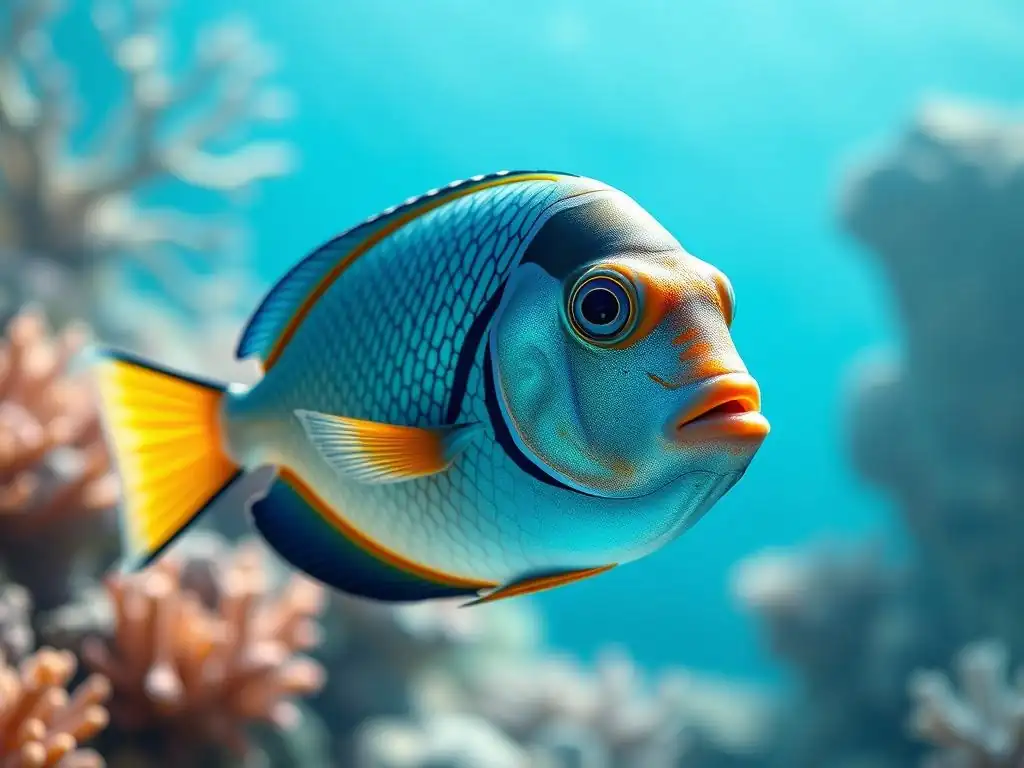
Vitamin supplements play a vital role in enhancing the nutritional profile of your angelfish's diet, particularly for fish that are stressed, recovering from illness, or simply to ensure optimal health. Selcon, a popular liquid vitamin supplement, is highly regarded for its rich content of Omega-3 fatty acids (DHA and EPA) and stabilized Vitamin C. These essential nutrients are often diminished in processed foods or may be insufficient for fish under stress.
By soaking dry pellets or thawed frozen foods in a few drops of Selcon for 10-15 minutes prior to feeding, you significantly boost their lipid content and vitamin potency. This enrichment aids in the absorption of fat-soluble vitamins and provides crucial fatty acids that support immune function, cell membrane integrity, and overall vitality. Incorporating Selcon can bridge potential nutritional gaps, contributing significantly to a truly healthy marine angelfish diet and promoting vibrant coloration.
Using Algae Sheets for Grazing: Promoting Natural Feeding Behaviors and Providing Essential Nutrients
Algae sheets, such as unsalted and unseasoned Nori or dried seaweed intended for human consumption, are an excellent supplementary food source for herbivorous and omnivorous marine angelfish species. These sheets provide essential fiber, vitamins, and minerals that can be lacking in purely protein-based diets. They are particularly beneficial for species like the Lemonpeel Angelfish or Coral Beauty Angelfish, whose natural diets include significant amounts of algae.
Using a veggie clip to attach a small piece (e.g., 1x2 inches) of algae sheet to the aquarium glass encourages natural grazing behavior. This constant picking and nibbling not only provides a continuous source of nutrients but also helps reduce aggression and stress by keeping the fish occupied. It is crucial to remove any uneaten portions of the algae sheet after a few hours (typically 2-4 hours) to prevent it from decaying and negatively impacting water quality, thereby maintaining the conditions for a healthy marine angelfish diet.
Live Rock and Natural Grazing Opportunities: Creating a Healthy and Stimulating Environment
Live rock is more than just an aesthetic component in a marine aquarium; it serves as a dynamic, living ecosystem that provides natural grazing opportunities for angelfish. The porous surface of live rock becomes colonized by a diverse array of microalgae, detritus, and small invertebrates such as copepods and amphipods. Angelfish naturally graze on these organisms, picking at the rock's surface throughout the day.
This continuous foraging activity is incredibly beneficial. It provides a constant, varied source of natural food, complementing any prepared healthy marine angelfish diet. Beyond nutrition, the act of grazing offers mental stimulation, mimicking their natural behaviors in the wild and reducing boredom and stress in the captive environment. A well-established refugium, connected to the main display tank, can further enhance this benefit by cultivating a thriving population of beneficial micro-fauna, offering a sustained supply of live food that contributes to the angelfish's overall well-being and natural diet.
Common Angelfish Feeding Mistakes and How to Avoid Them
Overfeeding and Water Quality: The Impact on Angelfish Health
One of the most pervasive and detrimental mistakes in marine angelfish husbandry is overfeeding. While seemingly harmless, consistently providing too much food has severe repercussions on water quality and, consequently, on angelfish health. Excess food that goes uneaten quickly decomposes, releasing ammonia, nitrites, and nitrates into the water column. Even with robust filtration, persistent overfeeding can lead to chronic elevation of these compounds, as well as phosphates, which fuel nuisance algae growth.
Poor water quality stresses fish immensely, weakening their immune systems and making them highly susceptible to a range of diseases, including bacterial infections, fin rot, and parasitic infestations like marine Ich. This directly undermines the goal of providing a healthy marine angelfish diet, as even the most nutritious food cannot compensate for a toxic environment. The solution is simple: feed small portions, 2-3 times a day, ensuring that all food is consumed within 2-3 minutes.
Ignoring Specific Dietary Needs: Understanding the Requirements of Different Angelfish Species
A common misconception is that all marine angelfish have identical dietary needs. This is far from true, and ignoring species-specific requirements is a significant feeding mistake. Some angelfish, particularly many dwarf angelfish (Centropyge species), are primarily herbivorous, grazing extensively on algae and detritus in their natural habitats. Others, like many larger Pomacanthus species, are omnivores with a strong preference for sponges and tunicates, while some Genicanthus species are predominantly planktivores.
Feeding a predominantly carnivorous diet to an herbivorous angelfish can lead to digestive issues, fatty liver disease, and severe nutritional deficiencies. Conversely, a purely herbivorous diet will not sustain a carnivorous or omnivorous angelfish, leading to malnourishment and stunted growth. Thorough research into the specific natural diet of your angelfish species is crucial to providing a truly healthy marine angelfish diet tailored to their unique physiological needs.
Choosing the Wrong Food Size: Ensuring Your Angelfish Can Properly Consume the Food
The size of the food offered is often overlooked but plays a critical role in effective feeding. Pellets or flakes that are too large can be challenging or even impossible for smaller angelfish to ingest, leading to food rejection, wasted nutrients, and potentially choking hazards. Conversely, food that is too small for larger angelfish may not provide enough bulk or satisfaction, leading them to constantly appear hungry and potentially encouraging overfeeding.
It is essential to select pellet sizes appropriate for the fish's mouth size. For example, a juvenile Flame Angelfish might require a 1mm pellet, while a mature Queen Angelfish could comfortably consume 3mm pellets or larger pieces of frozen food. Ensuring the correct food size promotes proper consumption, reduces waste, and guarantees that your angelfish are receiving the full nutritional benefit of their healthy marine angelfish diet.
Transitioning Your Angelfish to a New Diet: A Step-by-Step Guide
Introducing New Foods Gradually: Minimizing Stress and Ensuring Acceptance
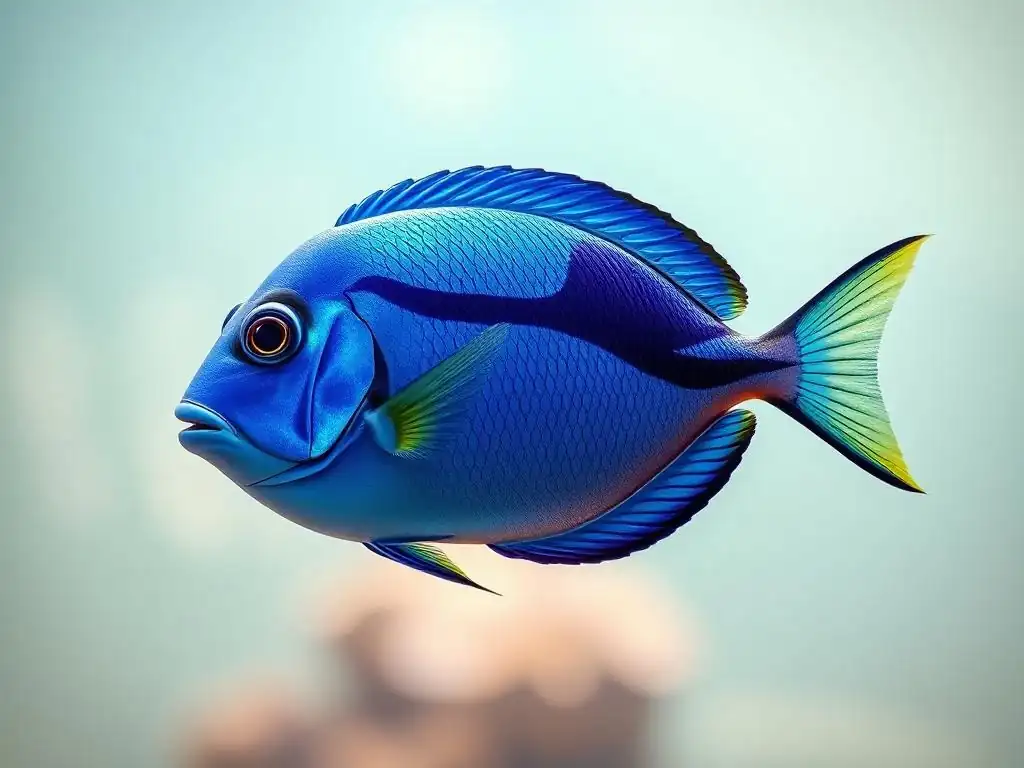
Transitioning your angelfish to a new diet, especially for wild-caught or finicky individuals, requires patience and a gradual approach. Abruptly changing their food can lead to stress and outright refusal to eat, which is detrimental to their health. Begin by mixing a very small amount of the new food with their current, preferred diet. For instance, substitute 10-20% of their usual food with the new offering.
Over several days to a week, slowly increase the proportion of the new food while decreasing the old. This allows the angelfish to acclimate to the new taste, texture, and smell without feeling pressured or stressed. Some angelfish, particularly those with very specific natural diets, may take several weeks to fully accept a new prepared food. Consistency and patience are key to successfully establishing a healthy marine angelfish diet.
Monitoring Your Angelfish's Response: Observing Feeding Habits and Overall Health
During the dietary transition, continuous monitoring of your angelfish's response is paramount. Closely observe their feeding habits: Are they eagerly eating the new food, or are they spitting it out? Note any changes in their behavior, such as increased shyness or lethargy. It's also important to monitor their overall health, checking for changes in coloration, activity levels, and waste production.
A successful transition to a healthy marine angelfish diet should result in vibrant colors, active swimming, and solid, consistent waste. Any signs of stress, weight loss, or persistent refusal to eat the new food should prompt a re-evaluation of the feeding strategy. It might indicate that the new food is not suitable, or that the transition needs to be slowed down further.
Tips for Picky Eaters: Encouraging Your Angelfish to Try New Foods
Dealing with picky angelfish can be challenging, but several strategies can encourage them to try new foods. One effective method is to soak new foods in palatability enhancers like garlic extract (e.g., Seachem GarlicGuard) or vitamin supplements such as Selcon. These can make the food more appealing and entice the fish to taste it. Offer new foods when the angelfish are most active and hungry, typically at the beginning of their feeding cycle.
Vary the presentation of the food; if they refuse pellets, try flakes or small pieces of frozen food. Sometimes, simply offering the food in a different form can make a significant difference. For extremely stubborn eaters, introduce a small amount of live food like brine shrimp or blackworms mixed with the desired new food. Gradually reduce the live component as the angelfish starts accepting the prepared food. Persistence, coupled with these techniques, can often lead to success in establishing a healthy marine angelfish diet.
Maintaining a Healthy Aquarium Environment: The Foundation of a Healthy Angelfish Diet
Water Quality Parameters: Ammonia, Nitrite, Nitrate, and pH
Maintaining pristine water quality is the absolute bedrock for a healthy marine angelfish diet and overall well-being. Regular testing of key water parameters is non-negotiable. Ammonia (NH3/NH4+) and Nitrite (NO2-) must always be undetectable (0 ppm). Even minute traces are highly toxic, causing severe gill damage and potentially leading to death. Nitrate (NO3-), the end product of the nitrogen cycle, should be kept below 20 ppm, and ideally below 10 ppm for more sensitive species, as high levels contribute to chronic stress and algae proliferation.
The pH level must be stable, ideally maintained between 8.0 and 8.4. Significant fluctuations in pH induce severe stress in marine fish. Salinity should also be consistent, typically between 1.023 and 1.026 specific gravity. Consistent monitoring and immediate correction of any deviations are vital to ensure the angelfish's environment supports, rather than detracts from, the benefits of a healthy marine angelfish diet.
The Importance of Regular Water Changes: Removing Waste and Replenishing Nutrients
Regular water changes are a cornerstone of marine aquarium maintenance and are intrinsically linked to the efficacy of a healthy marine angelfish diet. While filtration systems remove much of the waste, regular water changes (e.g., 10-20% weekly or bi-weekly, depending on bioload) are crucial for diluting accumulated nitrates and other dissolved organic compounds (DOCs) that even protein skimmers cannot entirely eliminate. These compounds, if left to accumulate, can lead to chronic stress and disease.
Beyond waste removal, water changes replenish essential trace elements and minerals that are naturally depleted by the aquarium's inhabitants, including the angelfish themselves, and by protein skimming. These trace elements are vital for metabolic processes, coloration, and overall vitality, directly supporting the long-term health and vibrancy of your angelfish. Using high-quality salt mix and purified water for changes ensures the replenishment of these vital components.
Choosing the Right Filtration System: Maintaining a Clean and Healthy Aquarium Environment
A robust and efficient filtration system is indispensable for maintaining a clean and healthy aquarium environment, which in turn directly supports a healthy marine angelfish diet. A comprehensive system typically incorporates several types of filtration. Mechanical filtration, such as filter socks or sponges, physically removes particulate matter like uneaten food and detritus, preventing its breakdown into harmful compounds. These media must be cleaned or replaced frequently to remain effective.
Biological filtration, provided by live rock, bio-balls, or ceramic media, is crucial for housing beneficial bacteria that convert toxic ammonia and nitrite into less harmful nitrate. A well-established biological filter is the backbone of the nitrogen cycle.
Finally, chemical filtration, utilizing activated carbon to remove dissolved organics and GFO (granular ferric oxide) to control phosphates, helps maintain water clarity and purity. For marine angelfish tanks, a properly sized protein skimmer is essential, as it efficiently removes protein and other organic waste before it can decompose, significantly contributing to the overall water quality necessary for a thriving and healthy marine angelfish diet.
Frequently Asked Questions
What are the fundamental components of a healthy marine angelfish diet?
A healthy angelfish diet should consist of a variety of foods. This includes high-quality flake food, frozen foods like mysis shrimp, and algae-based foods to mimic their natural grazing behavior.
Why is variety so important when feeding marine angelfish?
Variety ensures angelfish receive all the necessary vitamins and minerals for optimal health. A diverse diet prevents nutritional deficiencies and supports a strong immune system.
How often should I feed my marine angelfish each day?
Typically, angelfish should be fed two to three times a day in small quantities. This mimics their natural feeding habits and prevents overfeeding, which can lead to water quality issues.
What are some signs that my marine angelfish is not getting a proper diet?
Signs of a poor diet include faded coloration, lethargy, and a lack of appetite. Additionally, look out for fin erosion or other signs of illness.
Where can I find reliable information on specific dietary needs for different angelfish species?
AquariumMastery.com offers detailed species profiles with specific dietary recommendations. You can also consult with experienced aquarium professionals or veterinarians specializing in aquatic life.
Final Reflection: Nurturing Oceanic Radiance
The journey to understanding the ideal diet for marine angelfish, as explored throughout this article, is not merely about feeding; it's about fostering vibrant ecosystems within our aquariums and, by extension, appreciating the delicate balance of the ocean itself. The principles of providing a varied, nutrient-rich diet, tailored to the specific needs of these magnificent creatures, resonate far beyond the glass walls of a tank. They speak to a broader understanding of responsible pet ownership and the interconnectedness of life.
This exploration has profoundly influenced how we perceive the responsibility we undertake when bringing a piece of the ocean into our homes. The commitment to providing a "healthy marine angelfish diet" extends beyond simply throwing food into the tank; it's about understanding their natural behaviors, mimicking their wild diet, and ensuring their well-being. In the end, we will conserve only what we love; we will love only what we understand; and we will understand only what we are taught.
- Baba Dioum. This quote underscores the importance of continuous learning and dedication in providing the best possible care for these captivating fish.
Now, consider the knowledge you've gained. How can you translate this understanding into action? Reflect on the choices you make, not just in selecting the best food for your angelfish, but in every aspect of their care. Strive to create an environment that allows them to thrive, to display their natural beauty, and to remind you of the wonders that exist beneath the waves. Let the radiant health of your angelfish be a testament to your dedication and a beacon of hope for the future of our oceans.
Unlock the Secret to a Thriving Angelfish: Start Today!
Thank you for diving into the world of angelfish nutrition! We hope you’ve gained valuable insights into providing the best diet for your vibrant marine companions. Now, it's time to transform knowledge into action.
Here's how you can elevate your angelfish care:
- Prioritize a Diverse Diet: Start integrating a variety of high-quality foods – think algae-based flakes, meaty frozen foods, and even the occasional fresh greens – to mimic their natural grazing habits.
- Explore unconventional treats: Offer your angelfish a small piece of nori seaweed secured to a rock with a rubber band. Observe their behavior and note their preferences.
- Share Your Success: Post a photo of your angelfish enjoying their premium meal on your favorite aquarium forum and tag Aquarium Mastery! Let’s build a community of thriving tanks.
What's one new food source you’re excited to introduce to your angelfish’s diet this week, and how do you plan to monitor their reaction?