
Bottom Feeder Nutrition: Ensuring Your Snails, Shrimp, and Catfish Thrive

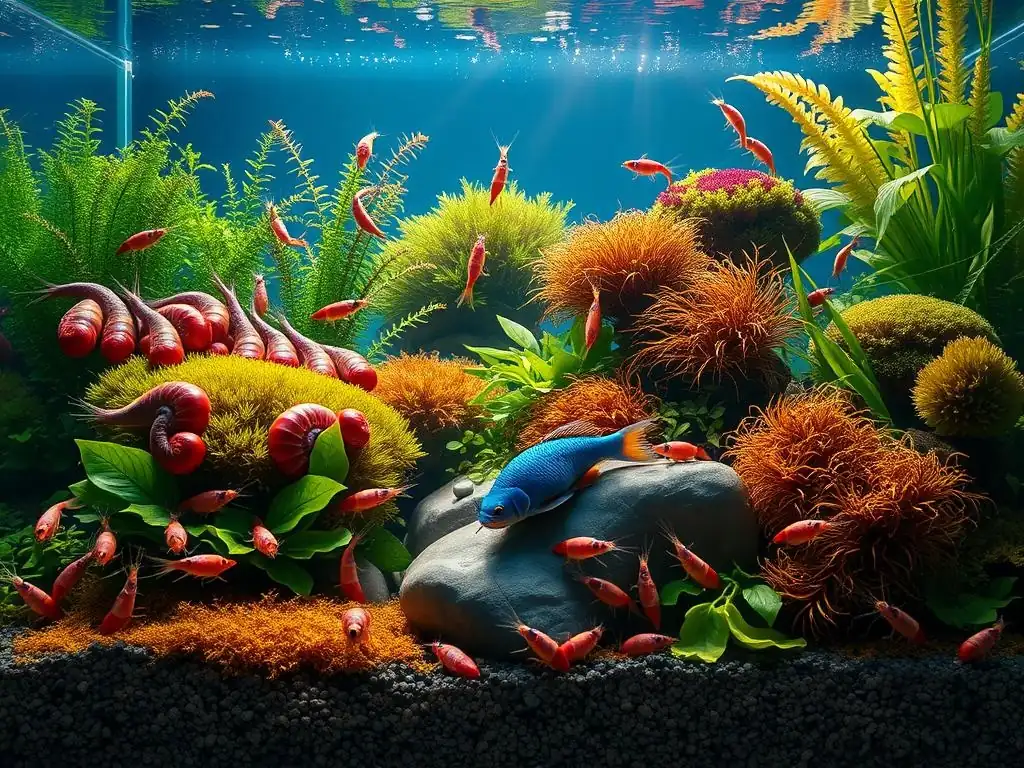
Welcome to Aquarium Mastery!
Ever wondered if your bottom feeders are really getting enough to eat? Dive in and unlock the secrets to a vibrant and balanced ecosystem with our guide, " Bottom Feeder Nutrition: Ensuring Your Snails, Shrimp, and Catfish Thrive." We'll reveal essential healthy bottom feeder diet tips to keep your tank's cleanup crew happy and thriving. Ready to learn more and ensure a flourishing aquarium? Let's get started!
- Understanding the Nutritional Needs of Bottom Feeders
- Healthy Bottom Feeder Diet Tips: A Comprehensive Guide
- Optimizing Feeding Practices for Bottom Dwellers
- Addressing Common Bottom Feeder Feeding Problems
- Creating a Thriving Bottom Feeder Ecosystem
- Conclusion: Promoting Healthy Bottom Feeders Through Proper Nutrition
-
Frequently Asked Questions
- What are the key components of a healthy diet for bottom feeders in my aquarium?
- How often should I feed my bottom feeders?
- Can I rely solely on leftover food for my bottom feeders?
- What types of vegetables are safe and beneficial for my bottom feeders?
- How can I tell if my bottom feeders are getting enough to eat?
- Final Reflection: A Thriving Ecosystem Starts at the Bottom
- Ignite Your Aquarium: Nurture a Thriving Ecosystem!
Understanding the Nutritional Needs of Bottom Feeders
The Importance of a Balanced Diet for Aquarium Bottom Dwellers
Many aquarists mistakenly believe that bottom feeders subsist solely on leftover flakes and tank detritus. However, this is a critical misconception that can lead to severe nutritional deficiencies and compromised health for these essential aquarium inhabitants. A balanced diet tailored to the specific needs of bottom-dwelling species like snails, shrimp, and catfish is paramount for their long-term survival, vibrant coloration, active behavior, and successful reproduction. Without proper nutrition, these creatures often suffer from weakened immune systems, stunted growth, and a significantly reduced lifespan, making a healthy bottom feeder diet tips crucial for their well-being.
Moreover, a diet lacking essential nutrients can manifest in various visible symptoms, such as shell erosion in snails due to calcium deficiency, failed molts and faded colors in shrimp indicative of inadequate protein or minerals, and emaciation or lethargy in catfish. For instance, a common issue seen in community tanks is the failure of Corydoras catfish to thrive, often attributed to them not receiving enough sinking, protein-rich foods, instead relying on scraps that float or are quickly consumed by surface dwellers.
Providing specialized foods ensures that all inhabitants receive the specific macronutrients, vitamins, and minerals required to maintain their physiological functions and contribute positively to the aquarium ecosystem.
Common Misconceptions About Feeding Bottom Feeders
One pervasive misconception is that bottom feeders are merely "tank cleaners" that can survive on whatever scraps fall to the substrate. This belief often results in underfeeding or providing an imbalanced diet. While many bottom dwellers do consume algae and detritus, these sources alone rarely provide a complete nutritional profile. For example, a mature aquarium might produce enough biofilm for a small colony of dwarf shrimp, but larger species or those with higher metabolic rates, like Amano shrimp, will quickly deplete these natural resources and require supplementation.
Another common myth is that all bottom feeders have identical dietary needs. This is far from true; the nutritional requirements vary significantly between herbivores like Nerite snails, omnivores such as many shrimp species, and predominantly carnivorous bottom dwellers like most Corydoras catfish. Feeding a generic "bottom feeder pellet" might cover some bases, but it often falls short of providing the optimal balance of proteins, fats, carbohydrates, and specific micronutrients each species requires.
Understanding these distinctions is a key healthy bottom feeder diet tip. For instance, an algae wafer designed for otocinclus will not provide the necessary protein for a growing Corydoras, just as a high-protein shrimp pellet isn't the primary food for an herbivorous snail.
Identifying the Specific Dietary Requirements of Your Bottom Feeders
To ensure a truly healthy bottom feeder diet, it is essential to identify the specific dietary needs of each species residing in your aquarium. Grouping them broadly as "bottom feeders" can be misleading, as their natural diets in the wild are incredibly diverse, ranging from pure herbivory to dedicated carnivory or omnivory with specific preferences. Recognizing these distinctions is the foundation for proper nutrition and contributes significantly to their vitality and longevity.
Understanding these individual requirements allows aquarists to select appropriate commercial foods and provide beneficial supplements. For example, some bottom dwellers thrive on a diet rich in plant matter, while others require a significant protein intake. Without this tailored approach, even well-intentioned feeding can lead to deficiencies or imbalances, impacting their health and potentially leading to issues like poor growth rates, reduced immunity, or even reproductive problems.
Snail Nutritional Needs
Aquatic snails, such as Mystery Snails ( Pomacea diffusa ) and Nerite Snails ( Neritina spp. ), are primarily herbivores and detritivores. Their diet largely consists of algae, biofilm, and decaying plant matter. A crucial component of their diet is calcium, which is vital for strong, healthy shell growth. Without sufficient calcium, snails can suffer from shell erosion, pitting, and even complete shell disintegration, leaving them vulnerable to disease and predation.
To meet their needs, a healthy bottom feeder diet for snails should include high-quality algae wafers, blanched vegetables like zucchini, cucumber, or spinach, and occasional calcium supplements. Some aquarists add cuttlebone or calcium carbonate to the tank directly, or feed calcium-enriched snail foods. While snails will graze on tank algae, relying solely on this can be insufficient, especially in tanks with low algae growth or high snail populations.
Shrimp Nutritional Needs
Freshwater aquarium shrimp, including popular species like Cherry Shrimp ( Neocaridina davidi ) and Amano Shrimp ( Caridina multidentata ), are omnivores with a strong inclination towards detritivory and herbivory. They primarily feed on biofilm, microalgae, and tiny particles of decaying organic matter. Protein is vital for their growth and successful molting, as their exoskeletons are largely composed of chitin, a protein-polysaccharide compound.
A healthy bottom feeder diet for shrimp often includes specialized shrimp pellets that are rich in protein, calcium, and other essential minerals. These pellets are formulated to support their delicate molting process and overall health. Supplementation with blanched vegetables, such as spinach or kale, and occasional offerings of high-quality frozen or live foods like brine shrimp or daphnia can provide a well-rounded diet, promoting vibrant coloration and active breeding.
Corydoras Catfish Nutritional Needs
Corydoras catfish, like the popular Bronze Cory ( Corydoras aeneus ) or Panda Cory ( Corydoras panda ), are primarily omnivorous with a strong preference for protein-rich foods. In their natural habitats, they forage for small invertebrates, insect larvae, and detritus in the substrate. Unlike some other bottom feeders, Corydoras do not typically consume large amounts of algae or plant matter; their diet requires a significant protein component for muscle development and energy.
For a healthy bottom feeder diet, Corydoras thrive on sinking pellets or wafers specifically formulated for catfish, which are dense in protein. Supplementing their diet with frozen or live foods such as bloodworms, brine shrimp, and daphnia is highly beneficial and encourages natural foraging behaviors. It's important to ensure these foods reach the bottom quickly, as Corydoras are not adept at competing with faster-swimming mid-water or surface fish for food.
Healthy Bottom Feeder Diet Tips: A Comprehensive Guide
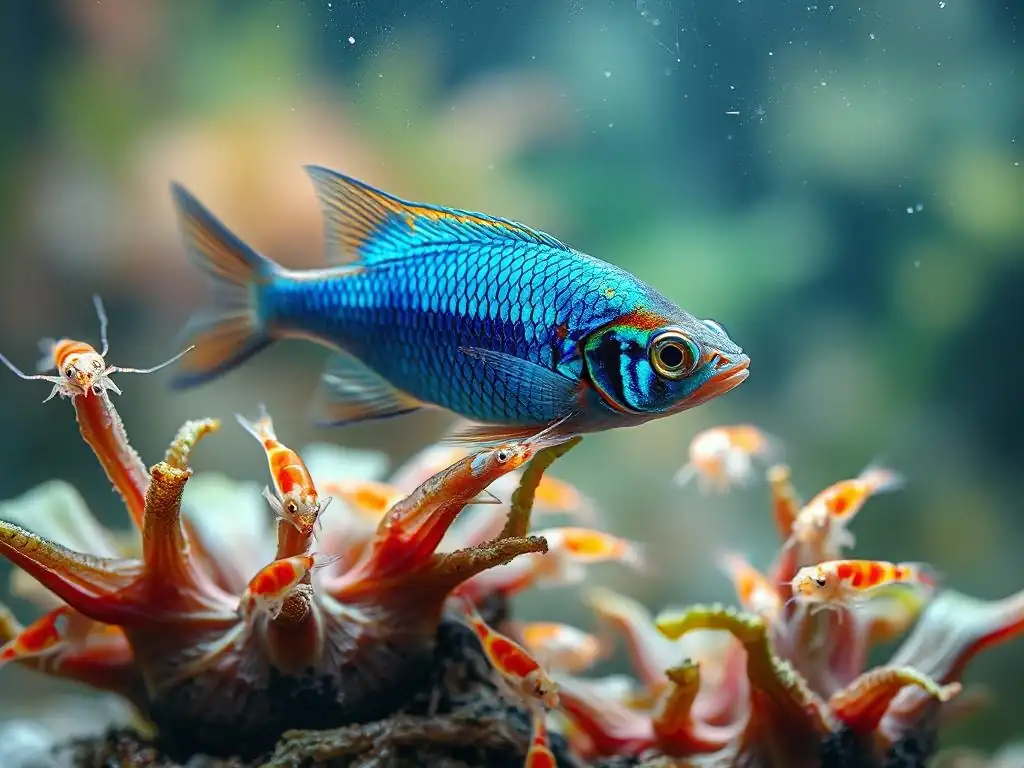
Choosing the Right Food for Your Bottom Feeders
Selecting the appropriate food is the cornerstone of a healthy bottom feeder diet. It's not just about what sinks, but what provides the correct balance of nutrients for your specific species. High-quality commercial foods are formulated to meet the dietary needs of various aquatic inhabitants, often containing essential vitamins, minerals, and trace elements that might be lacking in a natural detritus-only diet. Look for foods that list specific ingredients rather than vague terms like "fish meal."
When evaluating food options, consider the primary dietary classification of your bottom dwellers: are they herbivores (algae/plant eaters), carnivores (meat eaters), or omnivores (both)? For example, a wafer rich in spirulina is excellent for herbivorous snails and plecos, while a pellet with high protein content is more suitable for carnivorous catfish. Ensuring the food is specifically designed for bottom feeders means it will sink readily, preventing it from being consumed by surface or mid-water fish and ensuring it reaches its intended recipients.
Best Commercial Bottom Feeder Food Options
Commercial foods offer convenience and a balanced nutritional profile when chosen correctly. They are designed to meet the specific requirements of various bottom-dwelling species, making them an indispensable part of a healthy bottom feeder diet. The key is to select products that are specifically formulated for bottom feeders and that align with the dietary needs of your particular species.
These specialized foods are often denser than flakes, ensuring they sink quickly to the substrate where bottom feeders can access them without competition from other tank inhabitants. They are also formulated to break down slowly, allowing ample time for consumption without rapidly fouling the water.
Sinking Pellets and Wafers: A Staple Food Source
Sinking pellets and wafers are among the most popular and effective commercial food options for a wide variety of bottom feeders. These foods are designed to reach the substrate quickly, making them ideal for species like Corydoras catfish, loaches, and larger shrimp. Pellets typically retain their shape longer, allowing bottom dwellers to graze over time, while wafers are often larger and flatter, making them accessible to multiple individuals simultaneously.
For example, a common sinking pellet for omnivorous bottom feeders often contains a balanced blend of protein (around 35-45%), fats, and fiber, along with essential vitamins like Vitamin C and D. Many high-quality wafers are fortified with spirulina or other algae for herbivorous species, or contain a higher percentage of animal protein for carnivorous bottom dwellers. These foods ensure that the nutrients are delivered directly to the bottom of the tank, minimizing competition from surface feeders and providing a consistent food source.
Algae Wafers: Fueling Algae Grazers
Algae wafers are specifically formulated for herbivorous bottom feeders that primarily graze on algae and plant matter. These wafers are dense, sink quickly, and are typically rich in spirulina, kelp, and other plant-based proteins and fibers. They are an excellent healthy bottom feeder diet tip for snails, certain plecos (like Otocinclus catfish), and herbivorous shrimp species that actively consume algae and biofilm in the aquarium.
The high concentration of plant matter in algae wafers provides essential vitamins, minerals, and carbohydrates necessary for the health of these grazers. For instance, a typical algae wafer might contain over 20% crude protein from plant sources and a significant amount of crude fiber, aiding in digestion. They also offer a convenient way to supplement the natural algae available in the tank, which may not always be sufficient, especially in well-maintained, low-algae aquariums.
Shrimp Pellets: Meeting Crustacean Needs
Shrimp pellets are specially formulated to meet the unique nutritional requirements of freshwater aquarium shrimp, such as Cherry Shrimp, Amano Shrimp, and Ghost Shrimp. These pellets are typically rich in protein (often 30-40% or more), calcium, and other minerals crucial for successful molting, growth, and vibrant coloration. The calcium content is particularly important for the formation and hardening of their new exoskeleton after molting.
Many shrimp pellets also contain ingredients like spirulina or various plant extracts to support their omnivorous diet, which includes biofilm and microalgae. These pellets are designed to break down slowly, allowing shrimp to graze over an extended period without polluting the water. Providing specialized shrimp pellets is a key healthy bottom feeder diet tip to prevent common issues like molting failures or stunted growth often observed in shrimp fed a general fish food diet.
Supplementing with Natural Foods for Optimal Health
While commercial foods provide a solid foundation, supplementing with natural foods can significantly enhance the health, vitality, and natural behaviors of your bottom dwellers. This varied diet mimics what they might encounter in their natural habitats and provides a broader spectrum of nutrients that might be less concentrated in processed foods. Incorporating natural supplements is a vital healthy bottom feeder diet tip.
These natural additions can stimulate foraging instincts, provide enrichment, and ensure a truly comprehensive nutritional intake. From fresh vegetables to live invertebrates, the options for natural supplements are diverse and beneficial for different species.
Vegetables for Bottom Feeders: A Nutritious Addition
Blanched vegetables are an excellent, highly nutritious supplement for many herbivorous and omnivorous bottom feeders, including snails, shrimp, and certain plecos. Common choices include zucchini, cucumber, spinach, and kale. Blanching (briefly boiling) softens the vegetables, making them easier for the fish to consume and ensuring they sink readily to the bottom. For instance, a slice of blanched zucchini can be a favorite treat for many snails and Otocinclus catfish.
These vegetables provide essential vitamins (like Vitamin K, C, and various B vitamins), minerals, and fiber, which aid in digestion and overall health. For example, spinach is rich in iron and calcium, both beneficial for shell health in snails. Offering vegetables 2-3 times a week can significantly diversify their diet and prevent deficiencies that might arise from an exclusive reliance on commercial foods. Remember to remove any uneaten vegetable matter after 24 hours to prevent water quality issues.
Live and Frozen Foods: Enhancing Diet Variety
Live and frozen foods are invaluable for carnivorous and omnivorous bottom feeders, providing high-quality protein and essential fatty acids. Options like bloodworms, brine shrimp, daphnia, and blackworms are particularly beneficial for Corydoras catfish, loaches, and larger shrimp species. These foods not only offer superior nutrition compared to dried alternatives but also stimulate natural hunting and foraging behaviors, providing mental enrichment.
For instance, frozen bloodworms are a staple for many Corydoras species, offering a protein content of approximately 50-60% when dried, crucial for their muscle development. Live daphnia can be an excellent source of natural protein and fiber, and their movement can entice even finicky eaters. Incorporating these foods 2-3 times a week can significantly improve the health, coloration, and breeding readiness of your bottom dwellers, making it a powerful healthy bottom feeder diet tip. Always ensure frozen foods are thoroughly thawed before feeding.
The Role of Detritus in Bottom Feeder Diets
While often seen as undesirable, "detritus" in a mature, well-maintained aquarium plays a significant, positive role in the diets of many bottom feeders, particularly shrimp and snails. This isn't fish waste, but rather the accumulation of decaying plant matter, uneaten food particles, and, crucially, biofilm – a layer of microorganisms, algae, and bacteria that grows on all surfaces in the tank. Biofilm is a primary food source for many dwarf shrimp and small snails.
A healthy biofilm layer provides a continuous, natural food supply, rich in diverse microorganisms and enzymes beneficial for digestion. For example, a colony of thriving Cherry Shrimp will spend most of their day grazing on biofilm on plants, substrate, and tank decor. While biofilm and decaying plant matter contribute to their diet, they are rarely sufficient as the sole food source, especially for larger or more active bottom feeders. They should be seen as a natural supplement rather than the primary diet, emphasizing the need for other healthy bottom feeder diet tips.
Optimizing Feeding Practices for Bottom Dwellers
Feeding Schedule and Frequency for Bottom Feeders
Establishing a consistent feeding schedule is crucial for the health and well-being of your bottom feeders. Most bottom dwellers benefit from being fed once a day, or every other day, depending on the species, their size, and the overall bioload of the tank. For instance, small, active species like dwarf shrimp might benefit from a tiny amount of food daily, while larger, less active species like some plecos might only need feeding every other day.
Consistency helps regulate their metabolism and prevents periods of prolonged hunger or overconsumption. It also allows you to observe their feeding habits and adjust quantities as needed. For nocturnal bottom feeders, such as many species of plecos or some loaches, feeding just before the lights go out is highly recommended. This ensures they have ample time to forage without competition from diurnal tank mates, promoting a more natural feeding behavior and better nutrient intake.
How Much to Feed: Avoiding Overfeeding and Underfeeding
Determining the correct amount of food is one of the most critical healthy bottom feeder diet tips. Overfeeding is a common mistake that can lead to severe water quality issues, including ammonia spikes, increased nitrates, and excessive algae growth, all of which are detrimental to aquatic life. Conversely, underfeeding leads to malnutrition, stunted growth, and increased susceptibility to disease.
A good general rule of thumb is to feed only what your bottom feeders can consume within 15-30 minutes. For sinking pellets or wafers, this might mean a small piece for every 2-3 bottom dwellers. For example, a group of six Corydoras might only need 1-2 small sinking pellets. Observe your fish closely during feeding time.
If food remains after 30 minutes, you are likely overfeeding. Adjust the quantity downwards for the next feeding. It's always better to slightly underfeed than to overfeed, as a slight deficit can be compensated for the next day, while excess food can quickly foul the water.
Proper food placement is essential to ensure that sinking foods actually reach your bottom dwellers and aren't scavenged by faster-swimming mid-water or surface fish. Simply dropping food into the tank may not be sufficient, as many common community fish are opportunistic and will dive to intercept sinking foods.
For effective feeding, drop sinking pellets or wafers directly onto the substrate in an area where your bottom feeders typically congregate. In larger tanks, or tanks with a high bioload, consider distributing food in 2-3 different spots to ensure all individuals get a chance to feed, reducing competition. For shy or nocturnal species, placing food near their hiding spots just before the lights go out can be highly effective. Some aquarists use small feeding dishes or trays for shrimp and snails, which helps contain the food and makes it easier to remove uneaten portions, contributing to better water quality.
Dealing with Competition from Other Tank Mates
Competition for food is a significant challenge when keeping bottom feeders in a community tank. Faster, more agile mid-water and surface fish can quickly consume sinking foods before they even reach the bottom, leaving your bottom dwellers hungry. This issue is particularly prevalent with species like Corydoras catfish, which are not aggressive eaters.
To mitigate this, one effective strategy is to feed your top and mid-water fish first with their usual food. Once they are preoccupied, then introduce the sinking foods for your bottom dwellers. This diversions tactic allows the bottom feeder food to reach the substrate with minimal interference. For highly competitive tanks, or if you have nocturnal bottom feeders, feeding just after the main tank lights have been turned off for the night can be very effective, as many surface dwellers become less active.
Target Feeding Techniques
For particularly shy, slow-eating, or specific bottom feeder species, target feeding can be an invaluable technique. This involves delivering food directly to the bottom dwellers using a specialized tool. A long-handled feeding tong or a turkey baster/pipette can be used to drop sinking pellets, wafers, or even thawed frozen foods precisely where your bottom feeders are.
This method ensures that even the most timid individuals receive their share of food, preventing malnutrition due to competition. For example, if you have a group of small Panda Corydoras that struggle to compete with larger tank mates, using a pipette to drop a small amount of thawed bloodworms directly in front of them can guarantee they get adequate nutrition. Target feeding is a highly effective healthy bottom feeder diet tip for ensuring all tank inhabitants thrive.
Addressing Common Bottom Feeder Feeding Problems
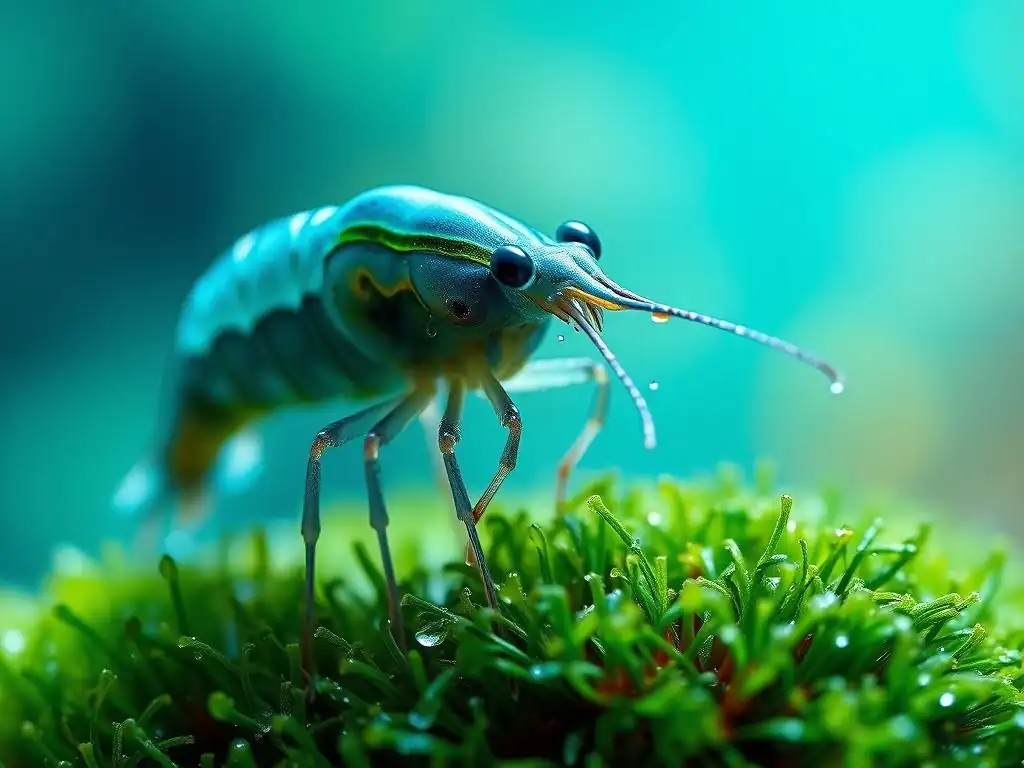
Identifying Signs of Malnutrition in Bottom Feeders
Recognizing the signs of malnutrition early is critical for intervening and correcting dietary deficiencies. These signs can vary depending on the species but generally indicate that the bottom feeder is not receiving adequate or appropriate nutrition. Prompt identification allows for adjustments to the feeding regimen, preventing long-term health issues and mortality.
For snails, common signs include shell erosion, a dull or pitted shell appearance, and sluggishness. Shrimp may exhibit faded colors, unsuccessful molts (where they get stuck in their old exoskeleton), or a general lack of activity. Catfish, such as Corydoras, might appear emaciated with sunken bellies, show dull coloration, or become lethargic and less active than usual. Any significant change in behavior or physical appearance should prompt a review of their diet and feeding practices.
Troubleshooting Common Feeding Issues
Even with the best intentions, feeding problems can arise. Understanding how to troubleshoot these common issues is essential for maintaining a healthy bottom feeder diet and overall aquarium health. Addressing these problems promptly prevents further stress on the animals and maintains optimal water quality.
Common issues include bottom feeders refusing to eat, accumulation of uneaten food, and subsequent algae overgrowth. Each problem requires a specific approach, often involving adjustments to food type, quantity, or feeding method.
Bottom Feeders Not Eating
If your bottom feeders are refusing to eat, it's a significant indicator that something is amiss. This could stem from several factors:
- Water Quality Issues: Poor water parameters (e.g., high ammonia, nitrite, or nitrate levels) can stress fish and suppress appetite. Always test your water first.
- Incorrect Food Type: The food offered might not be palatable or appropriate for their species. For instance, a carnivorous Corydoras won't thrive on algae wafers.
- Stress or Illness: New tank syndrome, bullying from aggressive tank mates, or underlying disease can cause a loss of appetite.
- Competition: Faster tank mates might be consuming all the food before it reaches the bottom feeders.
To troubleshoot, first check water parameters. Then, try offering a variety of high-quality foods appropriate for their species. Observe tank dynamics to identify potential stressors or competition, and consider target feeding.
Uneaten Food Accumulation
Accumulation of uneaten food on the substrate is a clear sign of overfeeding. This issue leads to several cascading problems within the aquarium:
- Water Quality Degradation: Decomposing food rapidly releases ammonia and nitrites, which are highly toxic to fish, and contributes to elevated nitrate levels.
- Pest Outbreaks: Excess food fuels the proliferation of undesirable pests like planaria (flatworms) or snails, which can quickly overrun the tank.
- Bacterial Blooms: The decomposition process can cause cloudy water due to bacterial blooms, reducing oxygen levels.
The primary solution is to drastically reduce the amount of food offered at each feeding. Aim for quantities that are consumed within 15-30 minutes. Regularly vacuum the substrate to remove any existing uneaten food and perform partial water changes to mitigate any spikes in pollutants.
Algae Overgrowth Due to Overfeeding
Excess nutrients in the water, primarily from uneaten food and fish waste, are the leading cause of persistent algae overgrowth. When more food is introduced than the aquarium's inhabitants and plants can process, these surplus nutrients become readily available for algae to proliferate.
This overgrowth not only detracts from the aquarium's aesthetics but also indicates an imbalance in the ecosystem. To combat this, revisit your feeding regimen by reducing the quantity of food. Ensure that all food is consumed within a reasonable timeframe. Complement this with regular partial water changes (e.g., 25% weekly for many tanks) to export excess nutrients, and consider adding live plants, which compete with algae for nutrients. Manual removal of algae is also necessary to bring the tank back into balance.
Creating a Thriving Bottom Feeder Ecosystem
Maintaining Water Quality for Optimal Digestion
Excellent water quality is paramount for the overall health of all aquarium inhabitants, including bottom feeders, and directly impacts their ability to digest food and absorb nutrients effectively. Poor water parameters, such as elevated ammonia, nitrite, or nitrate levels, can stress fish, weaken their immune systems, and impair their digestive processes, even if they are receiving a healthy bottom feeder diet.
Stable water parameters are achieved through a combination of proper filtration, regular partial water changes, and responsible feeding practices. For example, performing a 25% water change weekly for an average community tank helps dilute accumulated nitrates and replenish essential minerals. A well-maintained filter (mechanical, chemical, and biological) removes physical debris and processes harmful nitrogenous compounds. When water quality is consistently good, bottom feeders are less stressed, their metabolisms function optimally, and they are better able to derive full nutritional benefit from their diet, leading to robust health and active behavior.
Suitable Tankmates for Bottom Feeders
Choosing appropriate tankmates is crucial for creating a harmonious environment where bottom feeders can thrive and access their food without undue stress or competition. Aggressive or overly boisterous tankmates can intimidate bottom dwellers, prevent them from feeding adequately, or even injure them.
Ideal tankmates are peaceful, non-aggressive species that typically occupy the middle or upper levels of the water column, minimizing direct competition for space and food on the substrate. Examples include small tetras (e.g., Neon Tetras, Ember Tetras), Rasboras (e.g., Harlequin Rasboras), and other peaceful community fish. Avoid species known to be fin-nippers, highly territorial, or predatory towards smaller bottom feeders like shrimp or small snails.
For instance, while a Betta fish might tolerate some bottom dwellers, larger, more aggressive cichlids are generally unsuitable. A well-chosen community ensures that bottom feeders feel secure enough to forage openly and consume their healthy bottom feeder diet.
Monitoring Bottom Feeder Health and Behavior
Regularly observing the health and behavior of your bottom feeders is a simple yet effective way to ensure their well-being and to catch any potential issues early. Consistent monitoring allows you to gauge the effectiveness of your feeding regimen and identify any signs of stress, illness, or nutritional deficiencies before they become severe.
Look for active foraging, vibrant coloration, and normal growth rates. For snails, observe their shell condition for any signs of erosion or dullness. For shrimp, pay attention to successful molting and active grazing. For catfish, note their activity levels, body condition (e.g., a full, rounded belly after feeding), and absence of sunken bellies or clamped fins. Any sudden changes in behavior, such as lethargy, hiding excessively, or refusing food, should prompt further investigation into water quality, diet, and potential illness. Early detection and intervention are key to maintaining a healthy and thriving bottom feeder population.
Conclusion: Promoting Healthy Bottom Feeders Through Proper Nutrition
Ensuring your snails, shrimp, and catfish thrive in an aquarium environment hinges significantly on providing them with a truly healthy bottom feeder diet. Moving beyond the misconception that these vital tank inhabitants subsist on mere leftovers, aquarists must embrace a comprehensive approach to their nutrition. This involves understanding the nuanced dietary needs of each species – from the calcium requirements of snails to the protein demands of Corydoras catfish and the biofilm grazing habits of shrimp.
By selecting high-quality commercial foods specifically designed for bottom dwellers, supplementing with nutrient-rich natural options like blanched vegetables and live/frozen foods, and optimizing feeding practices such as consistent schedules and targeted placement, you can prevent common nutritional deficiencies and foster robust health. Vigilant monitoring of water quality and the behavior of your bottom feeders, coupled with the selection of appropriate tankmates, further contributes to a thriving ecosystem.
Ultimately, a proactive and informed approach to bottom feeder nutrition is not just a collection of healthy bottom feeder diet tips; it is the cornerstone of a balanced, vibrant, and sustainable aquatic environment.
Frequently Asked Questions
What are the key components of a healthy diet for bottom feeders in my aquarium?
A healthy bottom feeder diet should consist of a variety of nutrient-rich foods. This includes sinking pellets or wafers specifically designed for bottom feeders, algae wafers, and occasional supplements like blanched vegetables. Ensuring dietary diversity is crucial for optimal health.
How often should I feed my bottom feeders?
Feeding frequency depends on the species and size of your bottom feeders, as well as the overall ecosystem of your tank. Generally, feeding once or twice a day is sufficient, but always monitor your tank to avoid overfeeding, which can lead to poor water quality.
Can I rely solely on leftover food for my bottom feeders?
No, relying solely on leftover food is not recommended. While they will scavenge, it rarely provides them with the necessary nutrients for optimal health and can lead to malnutrition. Supplement their diet with dedicated bottom feeder foods.
What types of vegetables are safe and beneficial for my bottom feeders?
Many vegetables are safe and beneficial. Some good choices include blanched zucchini, cucumber, and spinach. Always ensure the vegetables are organic and thoroughly washed to avoid introducing harmful pesticides or contaminants to your aquarium.
How can I tell if my bottom feeders are getting enough to eat?
Observe your bottom feeders for signs of good health and activity. Healthy bottom feeders will be active, have vibrant colors, and show signs of growth. If they appear lethargic or thin, it may indicate they are not getting enough food.
Final Reflection: A Thriving Ecosystem Starts at the Bottom
The insights shared throughout this article on healthy bottom feeder diets are more crucial than ever, as the popularity of home aquariums continues to rise. Ensuring the well-being of these often-overlooked creatures is not just about their individual health, but about maintaining the delicate balance and vibrant beauty of the entire aquatic ecosystem they inhabit. A thriving bottom layer translates to a healthier, more resilient, and visually stunning aquarium for all.
This journey into the nutritional needs of snails, shrimp, and catfish has underscored the profound impact these creatures have on the overall health of our aquatic environments. Understanding their dietary requirements is not merely a matter of responsible pet ownership; it's a step towards appreciating the interconnectedness of life and our role in fostering thriving ecosystems, even within the confines of a glass tank. The fate of the ecosystem depends on the ability of its components to play their functional roles.
This quote perfectly encapsulates the importance of ensuring our bottom feeders receive the nutrition they need to fulfill their crucial roles in maintaining a healthy and balanced aquarium.
As you consider the information presented, I encourage you to reflect on your own practices and the impact you have on the lives of these fascinating creatures. Take the time to reassess your feeding strategies, observe your bottom feeders closely, and strive to provide them with a diet that truly supports their health and vitality. By embracing these healthy bottom feeder diet tips, you're not just feeding your pets; you're cultivating a thriving underwater world that will bring you joy and wonder for years to come.
Ignite Your Aquarium: Nurture a Thriving Ecosystem!
Thank you for diving into the world of bottom feeder nutrition! We hope you've gained valuable insights to ensure the health and happiness of your snails, shrimp, and catfish. Now, let's translate that knowledge into action.
- Prioritize Balanced Feeding: Commit to a feeding schedule that combines sinking pellets, algae wafers, and occasional treats like blanched vegetables to guarantee a well-rounded diet.
- Share the Knowledge: Spread the word! Tell one fellow aquarium enthusiast about a new feeding tip you learned from this article to help them improve their bottom feeder care.
- Observe and Adapt: Spend 5 minutes observing your bottom feeders' feeding behavior this week. What changes do you notice in their activity levels or food preferences, and how will you adjust their diet accordingly?