
XRay Tetra Transparency: A Unique and Hardy Fish for Your Aquarium – Profile

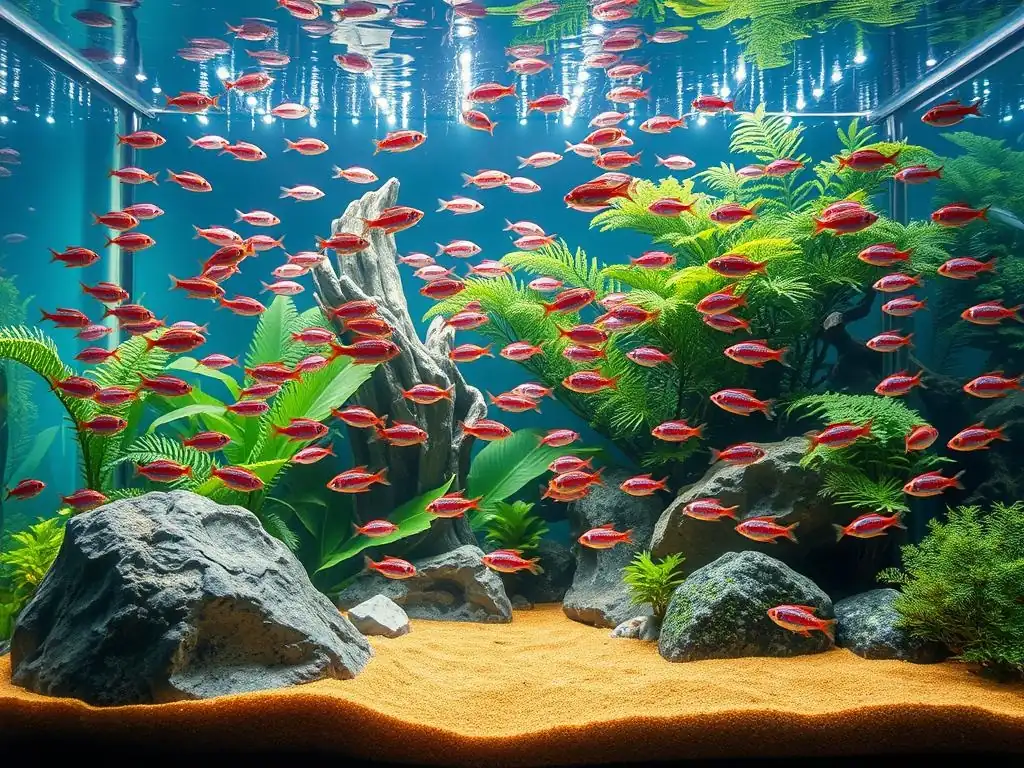
Welcome to Aquarium Mastery! Ever been mesmerized by a fish so clear you can practically see through it? Dive into our Xray Tetra care guide and discover the secrets to keeping these fascinating and surprisingly hardy fish thriving in your freshwater aquarium. Curious how to create the perfect environment for them and what tank mates they'll adore? Let's unlock the secrets of the Xray Tetra together!
- Introducing the Pristella Maxillaris: A Captivating Aquarium Fish
- Pristella Maxillaris Care Guide: Essential Information for Aquarists
- Pristella Maxillaris Tank Mates: Compatibility and Community Tank Dynamics
- Pristella Maxillaris Breeding: A Challenging but Rewarding Endeavor
- Common Pristella Maxillaris Diseases and Health Issues: Prevention and Treatment
- Purchasing Pristella Maxillaris: Selecting Healthy Specimens
- Understanding Pristella Maxillaris Behavior: Schooling and Social Interactions
- Pristella Maxillaris: A Hardy and Rewarding Addition to Your Aquarium
- Frequently Asked Questions
- Final Reflection: Embracing the Beauty of Transparency
- Unleash the Beauty: Transform Your Aquarium Experience!
Introducing the Pristella Maxillaris: A Captivating Aquarium Fish
What Makes the Pristella Maxillaris Stand Out? (Transparent Body and Distinctive Fin Markings)
The Pristella Maxillaris, commonly known as the X-ray Tetra, is truly a marvel in the freshwater aquarium hobby, primarily due to its striking transparency. Unlike most fish that possess opaque scales, the X-ray Tetra's body is largely devoid of pigmentation, allowing its skeletal structure and internal organs to be visibly observed. This fascinating adaptation not only provides excellent camouflage in its natural, often murky, riverine habitats but also offers a unique visual spectacle for aquarists, making it a standout species in any community tank.
Beyond its remarkable transparency, the X-ray Tetra is further distinguished by subtle yet distinctive markings on its fins. The dorsal, anal, and caudal fins typically feature a vibrant splash of yellow at their base, followed by a crisp black band, and often tipped with a delicate white or clear edge.
These subtle splashes of color provide a beautiful contrast to their otherwise translucent bodies, enhancing their visual appeal and allowing them to shimmer gracefully as they navigate through the water column. This combination of a see-through body and elegant fin patterns makes the X-ray Tetra a truly captivating subject for observation.
Scientific Classification and Origin of the Pristella Maxillaris
The X-ray Tetra, scientifically known as Pristella maxillaris, belongs to the Characidae family, a large and diverse group of freshwater fish that includes many popular aquarium species such as Neons, Cardinals, and other well-known tetras. It is the sole species within the genus Pristella, highlighting its unique characteristics within its broader family. Its scientific name, maxillaris, refers to its jaw structure.
This intriguing species originates from the vast and biodiverse river systems of South America. Specifically, Pristella maxillaris is widely distributed across the Amazon River basin, as well as the coastal rivers of countries like Venezuela, Guyana, and Brazil. They are typically found in slow-moving or still waters, including tributaries, floodplains, and swamps, where they navigate through dense vegetation. Their adaptability to varying water conditions within these expansive natural habitats contributes significantly to their reputation as a hardy and resilient fish in the aquarium environment, making them an excellent choice for a robust Xray Tetra care guide.
Pristella Maxillaris Care Guide: Essential Information for Aquarists
Ideal Tank Setup for Pristella Maxillaris: Creating a Thriving Habitat
Creating an optimal habitat is paramount for the well-being of your Pristella Maxillaris. These active schooling fish thrive in environments that mimic their natural South American river homes. A well-designed tank setup not only enhances their health but also allows their natural behaviors, such as schooling and foraging, to flourish. This section of our Xray Tetra care guide will detail the crucial elements for a successful setup.
Providing ample swimming space is just as important as offering plenty of hiding spots. While X-ray Tetras are hardy, they benefit greatly from a stable and thoughtfully arranged aquarium that reduces stress and encourages their vibrant activity. Attention to detail in tank size, substrate, decorations, and filtration will lay the foundation for a thriving Pristella Maxillaris community.
Tank Size Requirements for a School of Pristella Maxillaris
For a healthy school of Pristella Maxillaris, a minimum tank size of 15 gallons is recommended for a group of 6-8 individuals. However, to truly observe their natural schooling behavior and allow for more stability in water parameters, a 20-gallon or larger aquarium is highly preferable. Larger tanks provide more stable conditions and reduce the impact of waste accumulation, which is crucial for maintaining pristine water quality for the X-ray Tetra.
When planning your Xray Tetra care guide, remember that these fish are active swimmers and will utilize all available space. A longer tank (e.g., a 20-gallon long) is often more beneficial than a taller, narrower tank, as it provides more horizontal swimming room, which is ideal for schooling species. Overcrowding can lead to stress, stunted growth, and increased susceptibility to disease, so always err on the side of providing more space.
Substrate and Decoration Recommendations for Pristella Maxillaris Tanks
For the substrate, a dark-colored fine gravel or sand is highly recommended. A dark substrate helps to highlight the X-ray Tetra's transparent body and unique fin markings, making them appear more vibrant. It also helps to reduce light reflection, which can stress the fish. A fine substrate is also safer for any bottom-dwelling tank mates you might introduce, such as Corydoras catfish, preventing injury to their delicate barbels.
When it comes to decorations, a balance between open swimming areas and dense planted zones is ideal. Live plants like Java Fern, Anubias, Amazon Swords, and various stem plants provide essential hiding spots and resting places, mimicking their natural habitat. Floating plants like Water Lettuce or Dwarf Water Lettuce can also be beneficial, diffusing overhead light and creating a sense of security. Incorporating driftwood and smooth river rocks can further enhance the natural aesthetic and provide additional cover, contributing to a comprehensive Xray Tetra care guide.
Essential Filtration and Water Quality for Pristella Maxillaris Health
Efficient filtration is paramount for maintaining the pristine water quality that Pristella Maxillaris require. A good quality hang-on-back (HOB) filter, internal filter, or canister filter with mechanical, chemical, and biological filtration capabilities is essential. Ensure the filter provides adequate water turnover for the tank size, but opt for models that allow for adjustable or gentle flow, as X-ray Tetras prefer calmer waters rather than strong currents.
Beyond robust filtration, consistent water quality management is a cornerstone of any effective Xray Tetra care guide. Regular partial water changes are critical; a weekly change of 25-30% of the tank's volume is generally recommended to keep nitrates low and replenish essential minerals. Always use a reliable water conditioner to neutralize chlorine and chloramines in tap water. Monitoring water parameters with a test kit (ammonia, nitrite, nitrate, pH, temperature) on a regular basis will help you identify and address any issues before they impact your fish's health.
Water Parameters: Maintaining Optimal Conditions for Pristella Maxillaris
Maintaining stable and appropriate water parameters is one of the most critical aspects of providing excellent Xray Tetra care. While Pristella maxillaris are known for their hardiness and adaptability, consistency within their preferred ranges will significantly contribute to their long-term health, vibrant coloration, and active behavior. Fluctuations in these parameters can cause stress, weaken their immune system, and make them susceptible to various diseases.
Understanding and regularly testing your aquarium's water is non-negotiable for any responsible aquarist. Using a reliable freshwater test kit will allow you to monitor temperature, pH, and hardness, ensuring that your X-ray Tetras are living in conditions that closely mimic their native South American environments. This proactive approach is a key component of a successful Xray Tetra care guide.
Temperature Range for Pristella Maxillaris Well-being
The ideal temperature range for Pristella Maxillaris is quite broad, reflecting their adaptability in their natural habitats. They thrive best in temperatures between 72°F and 82°F (22°C to 28°C). Maintaining a consistent temperature within this range is crucial, as sudden drops or spikes can cause stress and make them more vulnerable to common aquarium ailments like Ich.
Using a reliable aquarium heater with a thermostat is highly recommended to ensure stable temperatures, especially in homes with fluctuating ambient temperatures. It's also wise to use an aquarium thermometer to regularly verify the water temperature, ensuring the heater is functioning correctly. Consistent thermal conditions are vital for their metabolic processes, immune system function, and overall vitality, making temperature a primary consideration in any Xray Tetra care guide.
pH Levels Suitable for Pristella Maxillaris
Pristella Maxillaris are quite adaptable regarding pH levels, tolerating a range from slightly acidic to neutral water. The optimal pH for their well-being typically falls between 6.0 and 7.5. While they can endure slight deviations, maintaining a stable pH within this range is more important than hitting an exact number. Extreme pH levels, either too acidic or too alkaline, can lead to severe health issues.
Regular pH testing is advisable, especially if you live in an area with inconsistent tap water or if you perform frequent water changes. If adjustments are needed, they should be made gradually to avoid shocking the fish. Natural methods like adding driftwood (which can slightly lower pH) or using peat filtration can help maintain a stable, slightly acidic environment, aligning with the best practices for Xray Tetra care.
Water Hardness Considerations for Pristella Maxillaris Care
Water hardness, measured in dGH (degrees of General Hardness), is another parameter to consider for Pristella Maxillaris. These fish are relatively tolerant and can adapt to soft to moderately hard water, with an ideal range typically between 5 and 15 dGH. While they are not as sensitive to hardness as some other South American species, excessively hard water can sometimes cause issues over the long term.
Understanding your tap water's hardness is the first step. If your water is extremely hard, methods like diluting with reverse osmosis (RO) water or using specific water softening products designed for aquariums can help. However, for most home aquarists, maintaining a stable dGH within the recommended range is usually straightforward. Consistency in water parameters, including hardness, is a cornerstone of effective Xray Tetra care, ensuring a healthy and stress-free environment for your fish.
Pristella Maxillaris Diet and Feeding Habits: Ensuring Proper Nutrition
Proper nutrition is fundamental to the health, vibrancy, and longevity of your Pristella Maxillaris. As omnivores, X-ray Tetras require a varied diet that includes both plant-based matter and protein-rich foods to thrive. Understanding their natural feeding habits and providing a balanced menu will not only ensure their physical well-being but also enhance their natural behaviors and coloration.
A comprehensive Xray Tetra care guide emphasizes that a diverse diet helps prevent nutritional deficiencies and keeps the fish engaged during feeding times. Avoid relying solely on one type of food, as this can lead to a lack of essential vitamins and minerals. Instead, rotate different food types to provide a full spectrum of nutrients.
Recommended Food Types for Pristella Maxillaris
Pristella Maxillaris are not picky eaters, which makes their feeding relatively straightforward. A high-quality flake food or micro-pellets specifically formulated for tropical fish should form the staple of their diet. Look for brands that list fish meal, spirulina, or other plant-based ingredients high on the list.
To supplement their staple diet and provide essential protein, offer a variety of live, frozen, or freeze-dried foods. Excellent choices include brine shrimp, daphnia, bloodworms, and tubifex worms. These protein-rich foods not only provide crucial nutrients for growth and energy but also serve as an excellent conditioning food, particularly if you are considering breeding your X-ray Tetras. Offering small, chopped pieces of blanched vegetables, such as zucchini or peas, can also provide beneficial plant matter to their omnivorous diet.
Feeding Schedule for Healthy Pristella Maxillaris
Establishing a consistent feeding schedule is important for the health of your Pristella Maxillaris. It is generally recommended to feed them two to three times a day, offering small amounts at each feeding. The key is to provide only what they can consume within two to three minutes. This prevents uneaten food from decaying in the tank, which can quickly degrade water quality and contribute to algae growth.
Observing your X-ray Tetras during feeding will help you fine-tune the amount. If there's food left floating after a few minutes, you're likely feeding too much. Conversely, if they're still frantically searching for food after everything is gone, you might need to slightly increase the portion. A consistent schedule helps regulate their metabolism and reduces stress, making it a vital part of any Xray Tetra care guide.
Preventing Overfeeding in Pristella Maxillaris Aquariums
Overfeeding is one of the most common mistakes made by new aquarists and can have detrimental effects on both the fish and the aquarium environment. When X-ray Tetras are overfed, they can become obese, leading to internal organ issues and a shortened lifespan. More critically, uneaten food decomposes rapidly, releasing ammonia and nitrites into the water, which are highly toxic to fish.
To prevent overfeeding, adhere strictly to the "two to three minute" rule mentioned above. If you notice uneaten food, remove it promptly with a net or siphon. Consider fasting your X-ray Tetras one day a week; this can aid their digestive system and encourage them to forage for any missed particles, further improving water quality. Educating yourself on proper feeding techniques is a crucial element of a comprehensive Xray Tetra care guide, ensuring a healthy and stable aquatic ecosystem.
Pristella Maxillaris Tank Mates: Compatibility and Community Tank Dynamics
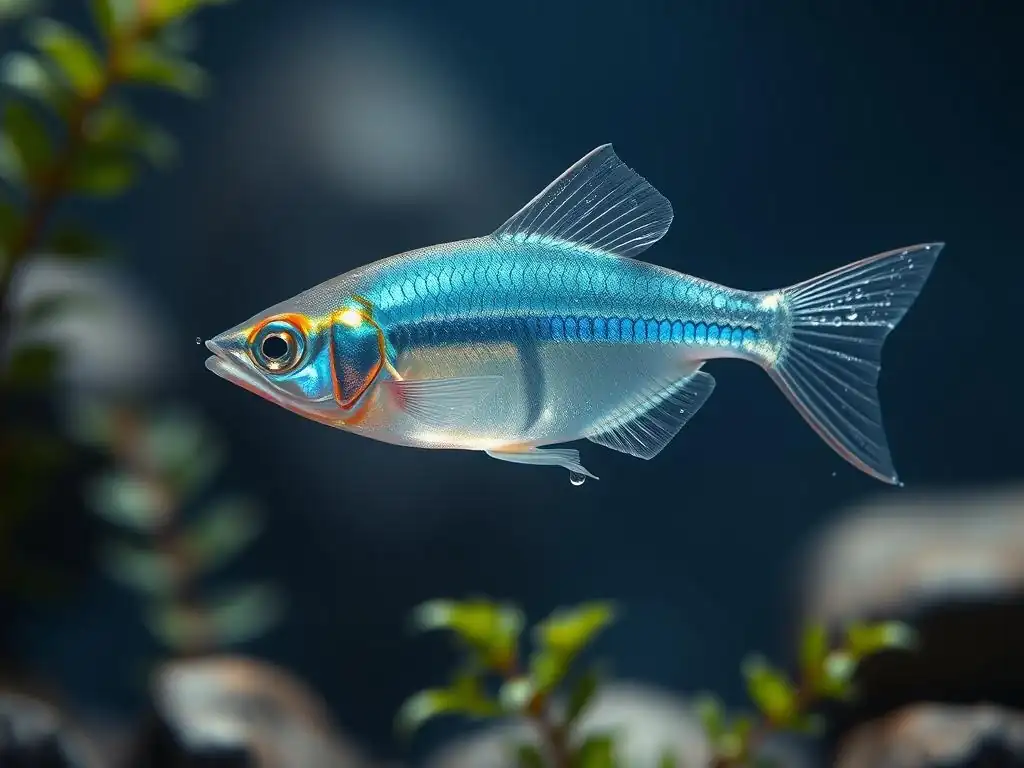
Selecting appropriate tank mates is a critical aspect of ensuring a harmonious and thriving community aquarium, especially when caring for schooling fish like the Pristella Maxillaris. While X-ray Tetras are renowned for their peaceful temperament, their small size and active nature mean that compatibility with other species must be carefully considered. A well-chosen community promotes natural behaviors, reduces stress, and enhances the overall aesthetic of your tank.
The goal is to create a diverse yet peaceful ecosystem where all inhabitants can coexist without aggression or excessive competition for resources. This section of the Xray Tetra care guide will help you navigate the choices, ensuring your Pristella maxillaris enjoy a safe and stimulating environment with suitable companions.
Best Tank Mates for Pristella Maxillaris: Peaceful Companions
Given their peaceful and schooling nature, Pristella Maxillaris thrive alongside other small to medium-sized, non-aggressive freshwater fish. Ideal tank mates include other popular tetra species such as Neon Tetras, Cardinal Tetras, Ember Tetras, and Rummy-nose Tetras, as they share similar temperament and water parameter preferences. These species often school together, creating a dynamic and visually appealing display.
Other excellent choices include various peaceful bottom-dwellers and mid-water swimmers. Corydoras catfish (e.g., Panda Corys, Bronze Corys) are perfect companions, as they are non-competitive and help keep the substrate clean. Otocinclus catfish are also great algae eaters and will not bother the X-ray Tetras. Small, peaceful gouramis (like Dwarf Gouramis or Honey Gouramis) and various types of Rasboras (e.g., Harlequin Rasboras) also make compatible tank mates, contributing to a diverse and peaceful community.
Fish to Avoid Keeping with Pristella Maxillaris: Potential Conflicts
To maintain a peaceful environment, it's crucial to avoid housing Pristella Maxillaris with fish that are overly aggressive, significantly larger, or known fin-nippers. Any large predatory fish, such as larger cichlids (e.g., Oscar Cichlids, Jack Dempseys), will view the small X-ray Tetras as a food source, leading to stress, injury, or outright predation. Even some semi-aggressive species that are typically fine with robust fish can pose a threat to the delicate X-ray Tetra.
Similarly, avoid species known for their fin-nipping tendencies, such as Tiger Barbs, unless you have a very large tank (50+ gallons) and an even larger school of Tiger Barbs to diffuse their aggression. While some aquarists successfully keep them together, the risk of stress and fin damage to the X-ray Tetra is high in smaller setups. Always research the temperament and adult size of any potential tank mate before introduction to ensure a successful Xray Tetra care guide.
Creating a Harmonious Community Aquarium with Pristella Maxillaris
Building a harmonious community aquarium with Pristella Maxillaris requires thoughtful planning beyond just compatibility lists. It involves understanding the needs of each species and ensuring the tank provides adequate space and resources for all. Always introduce new fish slowly and observe their interactions closely for the first few days.
Ensure the tank is not overcrowded, as this can lead to increased aggression, stress, and poor water quality, even among generally peaceful species. Provide ample hiding spots and visual breaks with plants and decorations to allow fish to retreat if they feel threatened. Finally, maintain stable water parameters and a consistent feeding schedule to minimize stress and promote overall health for all inhabitants, making your Xray Tetra care guide truly effective in a community setting.
Pristella Maxillaris Breeding: A Challenging but Rewarding Endeavor
Breeding Pristella Maxillaris can be a challenging but ultimately rewarding experience for the dedicated aquarist. While they are not the easiest fish to breed in a home aquarium, with the right setup and conditioning, success is certainly possible. The X-ray Tetra is an egg-scattering species, meaning they will deposit their eggs freely rather than in a specific nest. This requires specific considerations to ensure egg survival and fry development.
Success in breeding Pristella Maxillaris often hinges on meticulous preparation of a dedicated breeding tank and careful conditioning of the parent fish. Patience and attention to detail are key to observing the delicate spawning process and raising the tiny, vulnerable fry. This section of the Xray Tetra care guide delves into the steps required for a successful breeding attempt.
Setting Up a Breeding Tank for Pristella Maxillaris
A dedicated breeding tank is crucial for successful Pristella Maxillaris propagation, as parents will often consume their own eggs. A small aquarium, typically 5 to 10 gallons, is sufficient for a single breeding pair or a small group (one female, two males). The tank should be bare-bottomed or have a very thin layer of dark substrate to make eggs easier to spot and collect.
To protect the eggs, incorporate spawning mops made of synthetic yarn, Java moss, or other fine-leaved plants like Hornwort, which provide a safe place for the eggs to fall and adhere. Dim lighting is preferred, and a gentle sponge filter is essential to provide filtration without creating strong currents that could harm delicate eggs or fry, and without sucking them up. The water in the breeding tank should be soft (3-8 dGH) and slightly acidic (pH 6.0-6.5), with a temperature around 78-80°F (25-27°C) to encourage spawning, fulfilling a specific need in an Xray Tetra care guide for breeding.
Identifying Male and Female Pristella Maxillaris for Breeding
Distinguishing between male and female Pristella Maxillaris can be subtle, especially when they are not in breeding condition. Generally, mature males tend to be slimmer and more streamlined in body shape, and their coloration, particularly the yellow and black markings on their fins, might appear slightly more intense.
Females, on the other hand, are typically plumper and rounder in the belly, especially when they are gravid (carrying eggs). This difference becomes more pronounced when the fish are well-conditioned with a high-protein diet prior to spawning. Observing their behavior within a school can also offer clues, as males may engage in more active displays. For successful breeding, selecting a healthy, well-conditioned pair or trio (one female, two males) increases the chances of spawning.
Spawning and Raising Pristella Maxillaris Fry
Once the breeding tank is set up and the parent fish are conditioned with a diet of live and frozen foods, introduce them to the breeding tank, ideally in the evening. Spawning usually occurs at dawn the following morning. The male will chase the female, and eggs will be scattered among the spawning mop or plants. Up to 300 eggs can be laid, though typically it's fewer. After spawning, the adult fish should be immediately removed to prevent them from eating the eggs.
The eggs are tiny and transparent. They typically hatch within 24 to 36 hours. The newly hatched fry will be extremely small and remain attached to surfaces for a few days, absorbing their yolk sacs.
Once they become free-swimming (usually 3-4 days post-hatch), they require infusoria or liquid fry food as their initial diet. After about a week, they can be transitioned to newly hatched brine shrimp or microworms. Frequent, small water changes using aged or RO water are critical during this delicate stage to maintain pristine water quality for the developing fry, an advanced aspect of any Xray Tetra care guide.
Common Pristella Maxillaris Diseases and Health Issues: Prevention and Treatment
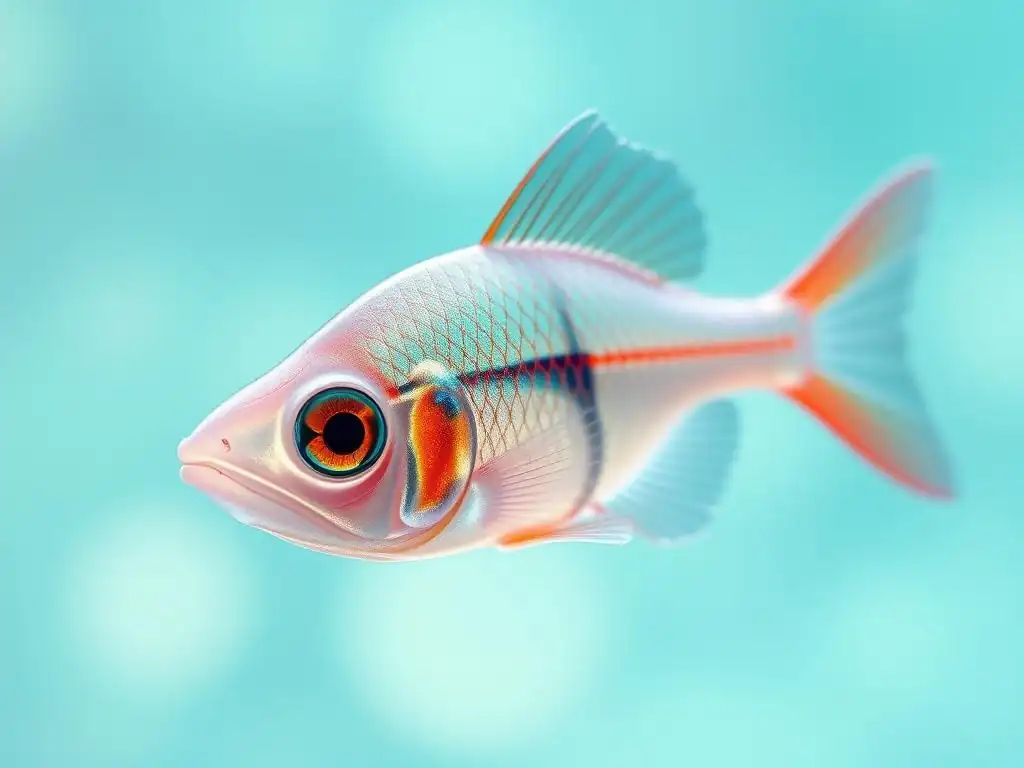
While Pristella Maxillaris are generally considered hardy and resilient fish, like all aquarium inhabitants, they can be susceptible to various diseases and health issues if their environmental needs are not met. The vast majority of diseases in freshwater aquariums are a direct result of poor water quality, inadequate diet, overcrowding, or stress. Understanding the signs of illness and knowing how to respond is a crucial part of responsible Xray Tetra care.
Prevention is always better than cure. By maintaining stable and optimal water parameters, providing a nutritious diet, and ensuring a stress-free environment, you can significantly reduce the likelihood of your X-ray Tetras falling ill. However, being prepared to identify and treat common ailments is essential for the long-term health of your fish.
Recognizing Signs of Illness in Pristella Maxillaris
Early detection of illness is vital for successful treatment. Healthy Pristella Maxillaris are active, swim in schools, exhibit clear transparency, and have vibrant fin markings. Any deviation from these normal behaviors and appearances can indicate a problem. Common signs of illness include lethargy or listlessness, often seen as fish remaining motionless at the bottom or surface of the tank.
Other indicators include clamped fins (fins held tightly against the body), loss of appetite or refusal to eat, abnormal swimming patterns (e.g., darting, spiraling, or difficulty maintaining buoyancy), and visible changes to their body or fins. Look for white spots (Ich), frayed or deteriorating fins (fin rot), cloudy eyes, unusual growths, or discoloration. Rapid gill movement can also suggest respiratory distress. Prompt observation and action are key components of an effective Xray Tetra care guide.
Common Diseases Affecting Pristella Maxillaris (Ich, Fin Rot, Tetra Disease)
Despite their hardiness, Pristella Maxillaris can contract common freshwater aquarium diseases. Ich (Ichthyophthirius multifiliis), also known as white spot disease, is one of the most prevalent. It appears as small, white spots resembling grains of salt scattered across the fish's body and fins. It's highly contagious and often triggered by sudden temperature fluctuations or stress.
Fin Rot is another common bacterial infection, characterized by the deterioration and fraying of the fins. It often starts at the edges and can progress to the body if left untreated, typically caused by poor water quality or injury. While less common for Pristella maxillaris specifically, Neon Tetra Disease is a serious, often fatal parasitic infection primarily associated with Neon and Cardinal Tetras, but can affect other characins.
It causes muscle degeneration, leading to loss of coloration, erratic swimming, and sometimes cysts. While there's no cure for true Neon Tetra Disease, maintaining excellent water quality and quarantining new fish can prevent its introduction.
Treatment Options for Sick Pristella Maxillaris
When illness is suspected, the first and most crucial step is to isolate the affected fish in a separate quarantine tank. This prevents the spread of disease to healthy tank mates and allows for targeted treatment without harming beneficial bacteria in the main aquarium. For Ich, a common treatment involves raising the water temperature gradually to 82-86°F (28-30°C) over 24 hours, combined with an aquarium salt bath or specific anti-Ich medications containing malachite green or formalin.
For Fin Rot, immediate large water changes (50% or more) in the main tank are essential to improve water quality, followed by treatment with broad-spectrum antibacterial medications. Always follow the manufacturer's instructions carefully for any medication. For more complex or unidentified illnesses, consulting with an experienced aquarist or an aquatic veterinarian is advisable. Never overtreat, as this can cause more harm than good.
Maintaining a Healthy Environment to Prevent Disease in Pristella Maxillaris
The cornerstone of disease prevention for Pristella Maxillaris, and indeed any aquarium fish, is maintaining a consistently healthy and stable environment. This involves several key practices outlined throughout this Xray Tetra care guide. Firstly, consistently monitor and maintain optimal water parameters (temperature, pH, hardness, ammonia, nitrite, nitrate) through regular testing and partial water changes (e.g., 25-30% weekly).
Secondly, avoid overcrowding your aquarium, as this leads to increased waste production and stress among fish. Provide a balanced and varied diet to boost their immune systems. Thirdly, always quarantine new fish for at least 2-4 weeks before introducing them to your main tank to prevent the introduction of pathogens. Lastly, minimize stress by providing ample hiding spots, appropriate tank mates, and a stable routine. A clean, well-maintained tank significantly reduces the risk of disease, ensuring your X-ray Tetras remain robust and vibrant.
Purchasing Pristella Maxillaris: Selecting Healthy Specimens
The initial step in successful Xray Tetra care begins even before you bring your fish home: the purchasing process. Selecting healthy specimens is paramount, as it sets the foundation for their well-being and longevity in your aquarium. An unhealthy fish, even if it survives, can introduce diseases to your existing tank inhabitants, creating a cascade of problems. Therefore, careful observation and choosing reputable sources are essential.
This section of the Xray Tetra care guide will provide practical advice on where to acquire your Pristella Maxillaris and what specific indicators to look for to ensure you are bringing home robust and thriving fish. Investing time in this initial phase will save you potential headaches and heartbreaks down the line.
Where to Buy Pristella Maxillaris: Reputable Sources
When purchasing Pristella Maxillaris, always prioritize reputable sources. Your best options typically include local fish stores with a strong reputation for healthy livestock and knowledgeable staff. Observe their tanks; they should be clean, well-maintained, and free of sick or dead fish. A good store will also have separate quarantine tanks for new arrivals.
Online aquatic retailers that specialize in live fish can also be a viable option, especially if your local stores have limited selection. When buying online, research customer reviews regarding the health of their fish and their shipping practices. Some local aquarium clubs may also have members who breed X-ray Tetras, offering robust, locally bred specimens that are already accustomed to local water parameters. Avoid purchasing from sources where fish appear stressed, overcrowded, or housed in dirty conditions, as this indicates poor care.
What to Look for When Choosing Pristella Maxillaris: Health Indicators
When you're at the store, take your time to observe the Pristella Maxillaris before making a purchase. Look for fish that are active and swimming confidently in a tight school. Healthy X-ray Tetras will exhibit their characteristic transparency with no cloudiness, visible spots, or unusual growths on their body or fins. Their fins should be fully intact, without any signs of fraying, clamping, or tearing.
Check for clear eyes and normal gill movement; rapid or labored breathing can indicate stress or disease. Their bellies should be full, not sunken, which can be a sign of emaciation or internal parasites. Avoid any fish that are lethargic, hiding excessively, swimming erratically, or showing any visible signs of injury or disease. Choosing vibrant, active specimens is a crucial step in ensuring a successful Xray Tetra care guide experience.
Acclimating New Pristella Maxillaris to Your Aquarium
Proper acclimation is vital to minimize stress and prevent shock when introducing new Pristella Maxillaris to your aquarium. The drip acclimation method is highly recommended for sensitive fish like tetras, as it slowly equalizes the water parameters between the transport bag and your tank. To do this, float the sealed bag in your aquarium for about 15-20 minutes to equalize temperature.
After temperature acclimation, open the bag and secure it in a container. Using airline tubing, start a slow drip of water from your main aquarium into the container, allowing the water to slowly mix over 45-60 minutes. The goal is to double the volume of water in the container. Once complete, gently net the fish and introduce them to your aquarium, discarding the water from the bag and container. Dimming the aquarium lights for the first few hours after introduction can further reduce stress, ensuring a smooth transition as part of your Xray Tetra care guide.
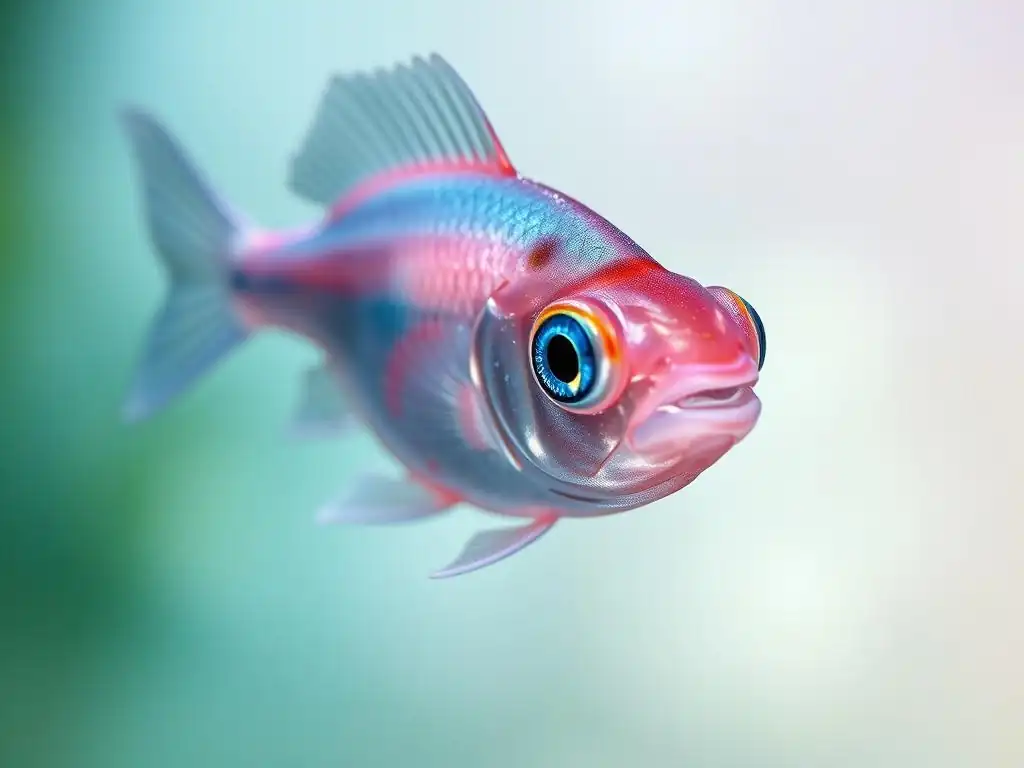
Understanding the natural behavior of Pristella Maxillaris is key to providing them with an enriching and stress-free environment. As obligate schooling fish, their social interactions and patterns are fundamental to their well-being. Observing their behavior can also offer insights into the overall health and stability of your aquarium. A well-designed Xray Tetra care guide emphasizes creating conditions that allow these behaviors to flourish.
When kept in appropriate numbers and conditions, X-ray Tetras display fascinating group dynamics, from synchronized swimming to subtle communication among individuals. Recognizing these natural tendencies will enable you to fine-tune your tank setup and management, ensuring your fish are not just surviving, but truly thriving.
The Importance of Schooling for Pristella Maxillaris
For Pristella Maxillaris, schooling is not merely a preference; it is a fundamental aspect of their survival and well-being. In their natural habitat, schooling provides safety in numbers, reducing the likelihood of any single individual being targeted by predators. This innate instinct translates to the aquarium environment, where a larger school provides a sense of security, significantly reducing stress levels.
It is highly recommended to keep a minimum of 6-8 X-ray Tetras together, though a school of 10 or more will display more natural, cohesive, and impressive schooling behavior. When kept in insufficient numbers, Pristella Maxillaris can become timid, stressed, and prone to hiding or nipping at other fish due to anxiety. A proper school allows them to feel secure, encouraging their active swimming and vibrant display, a core tenet of any comprehensive Xray Tetra care guide.
Within a healthy school, Pristella Maxillaris exhibit generally peaceful and active social behavior. They will typically swim together in a loose formation, often exploring the mid-to-upper levels of the tank. While they are peaceful, you might observe occasional playful chasing or nipping among school members, which is usually part of their natural social hierarchy and not a cause for concern unless it becomes persistent or aggressive.
They interact well with other peaceful, similarly sized fish, often forming a larger, multi-species schooling group with other tetras or rasboras. Observing their social interactions can provide clues to their comfort level; a tightly schooled group might indicate perceived threat or stress, while a more relaxed, loosely spread group suggests they feel secure in their environment. Their consistent, active swimming is a good indicator of overall health and happiness.
Enriching the Environment to Promote Natural Behaviors
To further promote the natural behaviors of Pristella Maxillaris, enriching their environment is essential. This involves balancing open swimming spaces with dense planting and decorations that offer cover and exploration opportunities. Providing a diverse aquascape with both open areas and hiding spots allows them to choose where they feel most comfortable, whether actively schooling or taking a brief rest.
A gentle water flow, mimicking their natural slow-moving river habitats, is also beneficial. Offering a varied diet, including live and frozen foods, encourages natural foraging behaviors. Lastly, maintaining stable water parameters and a consistent day-night cycle with appropriate lighting further contributes to a stress-free environment, allowing your X-ray Tetras to display their full range of natural and fascinating behaviors, truly showcasing the success of your Xray Tetra care guide.
Pristella Maxillaris: A Hardy and Rewarding Addition to Your Aquarium
Why Choose Pristella Maxillaris for Your Freshwater Tank? (Summary of benefits)
The Pristella Maxillaris, or X-ray Tetra, stands out as an exceptional choice for a freshwater aquarium due to a compelling combination of unique characteristics and ease of care. Their unparalleled transparency offers a captivating visual spectacle, allowing aquarists a rare glimpse into a fish's internal structure, while the subtle yellow, black, and white markings on their fins add a touch of elegance. This distinctive appearance alone makes them a conversation starter and a focal point in any tank.
Beyond their aesthetic appeal, X-ray Tetras are renowned for their hardiness and adaptability, making them suitable for both novice and experienced aquarists. They are relatively forgiving of minor fluctuations in water parameters compared to some more delicate species, provided that a consistent Xray Tetra care guide is followed. Their peaceful, schooling nature means they integrate well into most community tanks with other similarly sized, non-aggressive fish, adding dynamic movement and social interaction. They are active swimmers, constantly exploring the mid-to-upper levels of the tank, bringing life and energy to the aquatic landscape.
Ensuring the Long-Term Health and Happiness of Your Pristella Maxillaris
Ensuring the long-term health and happiness of your Pristella Maxillaris hinges on consistently applying the principles outlined in this comprehensive Xray Tetra care guide. This begins with providing an appropriately sized aquarium, ideally 20 gallons or larger for a school of 8-10 individuals, to allow ample swimming space and promote stable water conditions. Maintaining pristine water quality through robust filtration and regular, consistent partial water changes (e.g., 25% weekly) is non-negotiable, alongside vigilant monitoring of temperature (72-82°F), pH (6.0-7.5), and hardness (5-15 dGH).
A diverse and high-quality diet, consisting of premium flakes, micro-pellets, and regular supplements of live or frozen foods like brine shrimp and bloodworms, is crucial for their nutritional needs and vibrant coloration. Carefully selected peaceful tank mates and a minimum schooling size will alleviate stress and encourage their natural social behaviors. By adhering to these foundational care practices, you will not only witness the fascinating transparency and active schooling of your X-ray Tetras but also enjoy a thriving, vibrant, and rewarding freshwater aquarium for many years to come.
Frequently Asked Questions
How difficult is it to care for Xray Tetras?
Xray Tetras are generally considered easy to care for, making them a great choice for beginner aquarists. They are relatively hardy and adaptable to a range of water conditions, requiring only basic aquarium maintenance.
What are the ideal water parameters for Xray Tetras?
The ideal water parameters include a temperature between 72-82°F, a pH between 6.0-7.5, and soft to moderately hard water. Maintaining stable water chemistry is crucial for their health and well-being.
What should I feed my Xray Tetras?
Xray Tetras are omnivores and readily accept a variety of foods. A high-quality flake food should form the basis of their diet, supplemented with live or frozen foods like bloodworms and daphnia.
How many Xray Tetras should I keep together?
Xray Tetras are schooling fish and should be kept in groups of at least six individuals. Larger schools will make them feel more secure and display more natural behaviors.
What tank mates are suitable for Xray Tetras?
Xray Tetras are peaceful fish and can be kept with other peaceful community fish of similar size and temperament. Avoid housing them with aggressive or fin-nipping species that may stress them.
Final Reflection: Embracing the Beauty of Transparency
The journey through the X-Ray Tetra's world, as detailed in this guide, highlights not only the practical aspects of its care but also the remarkable beauty and resilience hidden within its translucent form. Understanding these nuances is crucial, especially as the aquarium hobby continues to evolve, demanding more informed and responsible keepers.
The X-Ray Tetra, often overlooked, serves as a potent reminder of the delicate balance within our ecosystems and the responsibility we bear in preserving them. My own fascination with these fish stems from their quiet strength, a quality that resonates deeply in a world often dominated by the loud and ostentatious. In the end, we will conserve only what we love; we will love only what we understand; and we will understand only what we are taught.
- Baba Dioum's words echo the importance of guides like this, fostering understanding and, ultimately, conservation.
As you embark on, or continue, your journey with these captivating creatures, remember that successful X-Ray Tetra care extends beyond simply following instructions. It's about cultivating a deeper appreciation for the natural world and the interconnectedness of all living things. Let the transparency of the X-Ray Tetra inspire you to live with greater clarity, empathy, and a commitment to creating a thriving environment, both within your aquarium and in the world around you.
Unleash the Beauty: Transform Your Aquarium Experience!
Thank you for diving into the world of X-Ray Tetras with us! We hope you've discovered fascinating insights into these unique and resilient fish. Now, let's translate that knowledge into action to enhance your aquarium journey.
Here's how you can get started:
- Prioritize the health of your X-Ray Tetras: Monitor your water parameters closely to maintain optimal conditions.
- Dive deeper into tetra varieties: Explore other tetra species that can create a vibrant and harmonious community tank.
- Share your X-Ray Tetra experiences: Post a photo or video of your X-Ray Tetras in their aquarium on social media using #AquariumMastery to connect with other enthusiasts!
What fascinating behavior have you observed in your X-Ray Tetras that surprised you the most, and how has it influenced your approach to aquarium care?