
Essential Care Guide for Tanganyikan Featherfin Cichlids

Welcome to Aquarium Mastery!
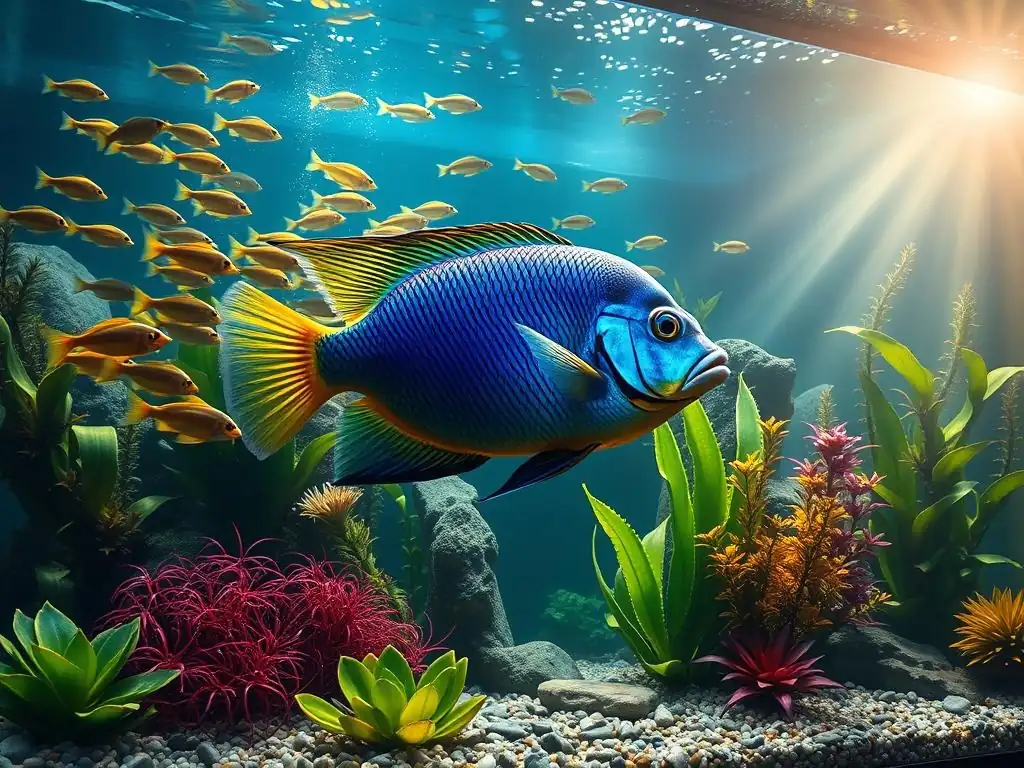
Are you ready to unlock the secrets to a thriving Tanganyikan Featherfin Cichlid aquarium? Dive in! This comprehensive Tanganyika cichlid care guide unveils everything you need to know to create the perfect environment for these stunning freshwater fish, from water parameters to tank mate selection. Curious to learn how to ensure your Featherfins flourish? Let's get started!
- Introduction to Tanganyikan Featherfin Cichlids: A Comprehensive Care Overview
- Understanding Featherfin Cichlid Species: Cyathopharynx and Ophthalmotilapia
- Setting Up the Ideal Tanganyika Cichlid Tank Environment
- Water Chemistry and Filtration for Featherfin Cichlids: Maintaining Pristine Conditions
- Feeding Your Featherfin Cichlids: Ensuring Optimal Nutrition and Health
- Featherfin Cichlid Tank Mates: Compatibility and Social Behavior
- Breeding Featherfin Cichlids: A Step-by-Step Guide
- Common Health Issues in Featherfin Cichlids and Their Treatment
- Maintaining a Healthy and Thriving Featherfin Cichlid Aquarium: Best Practices
- Troubleshooting Common Featherfin Cichlid Problems: A Quick Reference Guide
- Conclusion: Mastering the Art of Tanganyikan Featherfin Cichlid Care.
-
Frequently Asked Questions
- What are the key water parameters for a Tanganyika cichlid tank?
- What is the ideal tank size for Tanganyikan Featherfin Cichlids?
- What should I feed my Tanganyikan Featherfin Cichlids?
- How do I maintain the appropriate water chemistry in my Tanganyika cichlid tank?
- What are some common health problems that affect Tanganyikan Featherfin Cichlids?
- Final Reflection: Embracing the Delicate Dance of Tanganyika
- Unveil the Secrets to Thriving Featherfins!
Introduction to Tanganyikan Featherfin Cichlids: A Comprehensive Care Overview
Tanganyikan Featherfin Cichlids, primarily from the genera Cyathopharynx and Ophthalmotilapia, are among the most elegant and captivating inhabitants of Lake Tanganyika in East Africa. Renowned for their distinctively long, flowing fins, vibrant coloration, and fascinating mouthbrooding behaviors, these cichlids offer a unique challenge and immense reward for dedicated aquarists. Their natural habitat, the vast and ancient Lake Tanganyika, is characterized by stable, hard, and alkaline water conditions, which must be meticulously replicated in the home aquarium to ensure their health and longevity.
Providing optimal Tanganyika cichlid care involves a deep understanding of their specific environmental, dietary, and social needs. From establishing the correct water parameters and filtration systems to selecting appropriate tank mates and offering a balanced diet, every aspect plays a crucial role in the well-being of these magnificent fish. This comprehensive guide aims to equip aquarists with the essential knowledge and practical advice needed to successfully set up, maintain, and even breed Featherfin Cichlids, transforming an ordinary aquarium into a thriving slice of Lake Tanganyika.
Understanding Featherfin Cichlid Species: Cyathopharynx and Ophthalmotilapia
Distinguishing Cyathopharynx from Ophthalmotilapia: Key Differences for Aquarists
The two primary genera of Featherfin Cichlids, Cyathopharynx and Ophthalmotilapia, exhibit subtle yet significant differences that are important for aquarists to recognize. Cyathopharynx species, such as Cyathopharynx furcifer, typically possess a more elongated, streamlined body shape and are often larger, reaching lengths of up to 10 inches (25 cm) in males. Their fins, particularly the caudal and dorsal, are notably elongated and flowing, giving them a graceful appearance. They primarily inhabit open water or sandy areas in the lake, where they filter zooplankton from the water column.
In contrast, Ophthalmotilapia species, including popular varieties like Ophthalmotilapia ventralis and Ophthalmotilapia nasuta, tend to have a more robust body structure and often display more intense, iridescent coloration, especially in males. While their fins are also elongated, they may not exhibit the same extreme length as Cyathopharynx. These species are often found in both rocky and open-water zones of Lake Tanganyika, adapting their feeding strategies to include scraping biofilm in addition to consuming zooplankton. Understanding these distinctions is crucial for tailoring specific Tanganyika cichlid care plans, from tank setup to diet.
Popular Featherfin Cichlid Varieties for the Home Aquarium
Among the Cyathopharynx species, Cyathopharynx furcifer is arguably the most recognized and sought-after. Various regional color morphs exist, such as the striking "Moba" with its deep blue and yellow hues, or the "Ruziba" variant displaying vibrant blue and orange. These fish are appreciated for their calm demeanor relative to their size, making them a centerpiece in larger Tanganyikan setups. Adult males can develop impressively long fin extensions, sometimes exceeding 3-4 inches (7.5-10 cm) beyond the body, demanding ample swimming space.
For Ophthalmotilapia, Ophthalmotilapia ventralis is highly favored due to its stunning array of colors and numerous geographical variants, like "Chaitika" (known for its bright blue and yellow) or "Kigoma" (often featuring red and blue tones). These fish typically reach 6-8 inches (15-20 cm) and are known for their schooling behavior, displaying their best colors when kept in groups. Another notable species is Ophthalmotilapia nasuta, distinguished by its elongated snout, which adds a unique aesthetic to any Tanganyika cichlid collection.
Setting Up the Ideal Tanganyika Cichlid Tank Environment
Tank Size Recommendations for Featherfin Cichlids
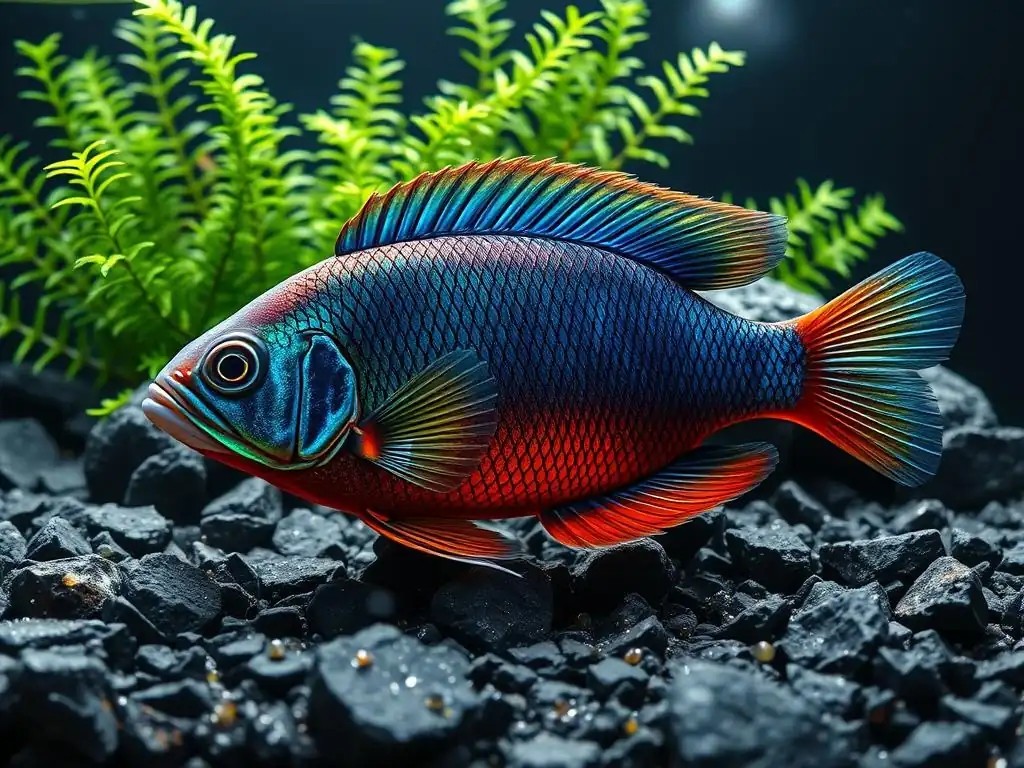
Providing adequate space is paramount for the health and social dynamics of Featherfin Cichlids. For a small group of 5-6 Ophthalmotilapia species, a minimum tank size of 75 gallons (approximately 280 liters) is generally recommended. This size allows for sufficient swimming room and helps to diffuse aggression among males. However, for larger Cyathopharynx species or a mixed community of featherfins, a tank of 125 gallons (approximately 470 liters) or more is significantly better. The tank's length is more important than its height, as these fish are active swimmers that utilize horizontal space.
Larger tanks not only offer more swimming area but also contribute significantly to the stability of water parameters, making Tanganyika cichlid care more manageable. A 6-foot long tank, often around 180 gallons (680 liters), provides an ideal environment for a thriving colony, allowing multiple males to establish territories without excessive conflict. The increased water volume dilutes waste products more effectively, reducing the frequency of severe water quality issues and ultimately leading to healthier, less stressed fish.
Recreating the Lake Tanganyika Habitat: Substrate, Rocks, and Decor
The substrate choice is crucial for Featherfin Cichlids, as they often sift through it and use it for spawning. A fine, inert sand, such as silica sand or pool filter sand, is highly recommended. Avoid coarse gravel or sharp substrates that could injure their delicate gills and mouths. The sand layer should be at least 2-3 inches (5-7.5 cm) deep to allow for natural digging and sifting behaviors. This also provides a soft surface for mouthbrooding females to rest.
While Featherfin Cichlids are primarily open-water swimmers, incorporating some rockwork and decor is beneficial. Stacked rocks, arranged to create caves, crevices, and visual barriers, offer security and potential territories, especially for Ophthalmotilapia species. Use inert rocks like lava rock, Texas Holey Rock, or slate, ensuring they are stable and won't fall or shift. Avoid driftwood or bogwood, as these can leach tannins and significantly lower the pH, which is detrimental to the high-pH requirements of a Tanganyika cichlid environment.
Essential Water Parameters for Featherfin Cichlid Health: Temperature, pH, and Hardness
Replicating the stable and specific water parameters of Lake Tanganyika is fundamental to successful Featherfin Cichlid care. The water temperature should be maintained consistently between 76-80°F (24-27°C). Fluctuations should be minimized, as they can cause significant stress and lead to illness. A reliable heater with a thermostat is essential for maintaining this narrow temperature range.
The pH level is perhaps the most critical parameter for these cichlids, requiring an alkaline environment typically ranging from 8.0 to 9.0, with an ideal target of 8.2-8.6. To achieve and maintain this high pH, using aragonite sand as a substrate, incorporating crushed coral into the filter, or utilizing specialized Tanganyika buffer salts can be effective. Water hardness is also vital; General Hardness (GH) should be between 10-20 dGH (180-360 ppm), and Carbonate Hardness (KH) should be 10-15 dKH (180-270 ppm).
High KH is particularly important as it provides buffering capacity, preventing drastic pH swings. Regular testing with accurate liquid test kits is non-negotiable for monitoring these parameters.
Water Chemistry and Filtration for Featherfin Cichlids: Maintaining Pristine Conditions
Choosing the Right Filter for a Featherfin Cichlid Tank
Effective filtration is the backbone of pristine water quality for Featherfin Cichlids. Given their size and active metabolism, these fish produce a considerable amount of waste, necessitating robust filtration systems. Canister filters, such as models from Fluval's FX series or Eheim's Professional line, are highly recommended due to their large media capacity and powerful flow rates.
It is advisable to select a filter that is rated for at least 2-3 times the tank volume per hour to ensure adequate water turnover and waste removal. For example, a 125-gallon tank would benefit from a filter rated at 250-375 GPH (950-1420 LPH) or higher.
A comprehensive filtration setup should incorporate mechanical, biological, and chemical media. Mechanical filtration, typically sponges or filter floss, removes particulate matter, preventing cloudy water. Biological media, such as ceramic rings, bio-balls, or sintered glass, provides ample surface area for beneficial bacteria to colonize, which are crucial for the nitrogen cycle. Chemical media, like activated carbon or specialized resins such as Seachem Purigen, can remove dissolved organic compounds and maintain water clarity. For very large setups, a sump system offers superior filtration, greater water volume, and easier maintenance access, making it an excellent choice for advanced Tanganyika cichlid care.
Regular Water Changes: A Crucial Aspect of Tanganyika Cichlid Care
Consistent and regular water changes are indispensable for maintaining optimal water quality in a Featherfin Cichlid aquarium. Despite robust filtration, nitrates will accumulate over time, and essential minerals will be depleted. A weekly water change of 25-30% of the tank's volume is often recommended for a well-stocked aquarium to keep nitrate levels below 20 ppm. For tanks with lower stocking densities, a 25-30% bi-weekly change might suffice, but more frequent changes are always beneficial.
The importance of water changes extends beyond nitrate removal. They replenish crucial trace elements and minerals that are utilized by the fish and buffering systems, ensuring the stability of pH and hardness. When performing water changes, it is vital to use a high-quality dechlorinator or water conditioner to neutralize chlorine and chloramines found in tap water. Additionally, strive to match the temperature and pH of the replacement water as closely as possible to the tank water to minimize stress on the fish. This proactive approach to water management is a cornerstone of successful Tanganyika cichlid care.
Understanding the Nitrogen Cycle in a Featherfin Cichlid Aquarium
A thorough understanding and establishment of the nitrogen cycle are foundational for any aquarium, especially for sensitive species like Featherfin Cichlids. The nitrogen cycle is a biological process where toxic ammonia, produced from fish waste and decaying food, is converted by beneficial bacteria into less toxic nitrite, and then further converted into relatively harmless nitrate. A new aquarium must be "cycled" before fish are introduced, meaning a healthy colony of these nitrifying bacteria must be established. This process typically takes 4-6 weeks and involves adding an ammonia source to kickstart bacterial growth.
During the cycling process and throughout the life of the aquarium, regular testing for ammonia, nitrite, and nitrate is essential. Ammonia and nitrite levels should always read zero in a healthy, cycled tank. Elevated nitrate levels (above 20-40 ppm) indicate that water changes are needed to dilute them.
A well-established biological filter, supported by adequate flow and aeration, is the primary mechanism for processing waste. Any disruption to the beneficial bacteria, such as over-cleaning filter media with tap water or sudden changes in pH, can crash the cycle and lead to dangerous ammonia or nitrite spikes, underscoring the delicate balance required for effective Tanganyika cichlid care.
Feeding Your Featherfin Cichlids: Ensuring Optimal Nutrition and Health
What Do Featherfin Cichlids Eat? Natural Diet and Aquarium Alternatives
In their natural habitat, Lake Tanganyika, Featherfin Cichlids, particularly Cyathopharynx species, are primarily zooplankton feeders. They sift through the water column, filtering out microscopic invertebrates and small crustaceans. Ophthalmotilapia species also consume zooplankton but may additionally graze on the biofilm and algae found on rocky substrates. This natural diet is rich in protein and essential fatty acids, which are crucial for their vibrant coloration, growth, and overall health.
When translating this natural diet to the aquarium, the focus should be on high-quality, protein-rich foods. It is critical to avoid foods high in vegetable matter, such as spirulina flakes designed for herbivorous cichlids, as their digestive systems are not well-suited for processing large amounts of plant material. Feeding an inappropriate diet is a common cause of digestive issues, including the potentially fatal Malawi Bloat. Therefore, selecting foods that mimic their natural carnivorous or omnivorous tendencies is key to optimal Tanganyika cichlid care.
Recommended Foods for Featherfin Cichlids: Flakes, Pellets, and Live/Frozen Foods
A varied diet is essential for the long-term health and vitality of Featherfin Cichlids. High-quality cichlid flakes and small pellets specifically formulated for carnivorous or omnivorous cichlids should form the staple of their diet. Brands like Hikari Cichlid Gold, New Life Spectrum Thera-A, or Omega One Cichlid Flakes offer balanced nutrition. Ensure that pellets are small enough for their mouths and either float briefly or sink slowly, as featherfins feed primarily in the water column.
Supplementing their diet with live or frozen foods is highly beneficial and helps to replicate their natural feeding behaviors. Excellent choices include frozen mysis shrimp, brine shrimp (enriched varieties are best), and krill. Bloodworms can be offered sparingly as a treat.
Live foods such as daphnia or newly hatched brine shrimp are also excellent, particularly for conditioning breeding pairs. For instance, a weekly feeding of frozen mysis shrimp can noticeably enhance the coloration and overall vigor of your featherfins. Avoid feeding terrestrial insects or large chunks of meat, which are not part of their natural diet and can lead to digestive problems.
Feeding Frequency and Portion Control: Preventing Overfeeding in Featherfin Cichlids
To mimic their natural grazing habits and prevent overfeeding, it is best to feed Featherfin Cichlids small amounts 2-3 times a day. This approach ensures they receive consistent nutrition without overwhelming their digestive system or contributing to water quality degradation. Overfeeding is one of the most common mistakes in aquarium keeping and can lead to a host of problems, including digestive upset, obesity, and dangerously high nitrate levels from uneaten food.
When feeding, offer only what your fish can consume entirely within 1-2 minutes. Any uneaten food should be promptly removed from the tank to prevent it from decaying and polluting the water. Observing your fish during feeding will help you gauge the appropriate portion size. If food is left over, reduce the amount at the next feeding. Maintaining strict portion control and a consistent feeding schedule is a critical aspect of effective Tanganyika cichlid care, promoting both fish health and water quality.
Suitable Tank Mates for Featherfin Cichlids in a Community Aquarium
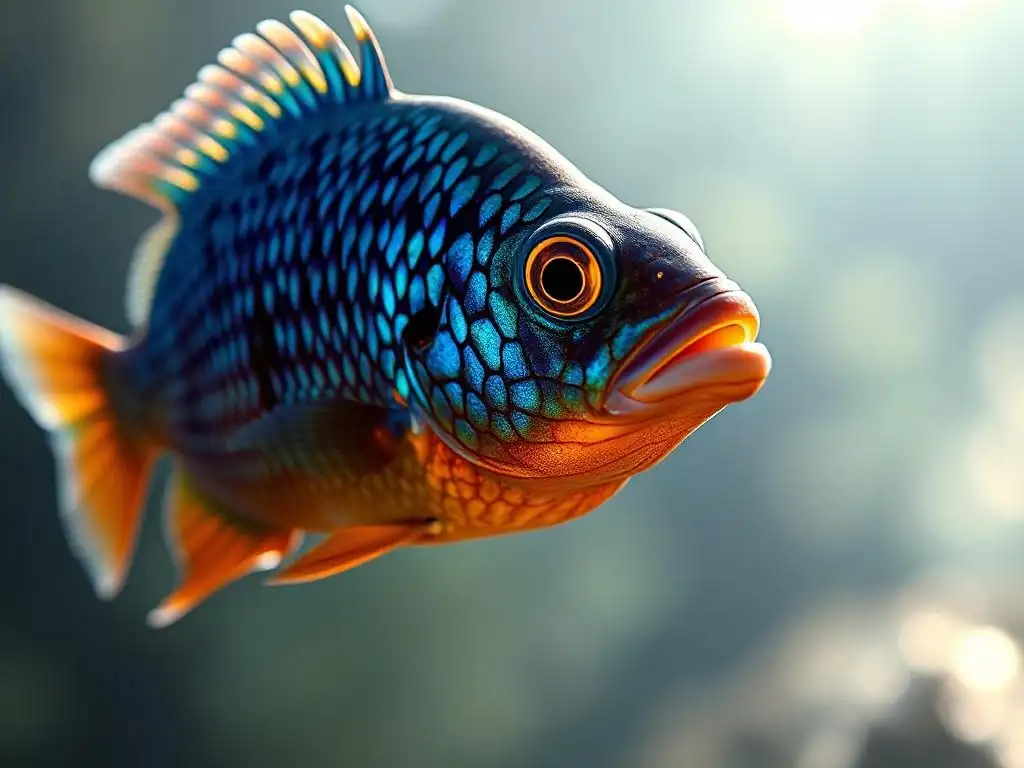
Selecting appropriate tank mates for Featherfin Cichlids requires careful consideration of their social behavior and the specific requirements of Lake Tanganyika species. Ideal tank mates are other open-water or mid-level dwelling Tanganyikan cichlids that share similar water parameter needs and are not overly aggressive. Excellent choices include various Cyprichromis species (e.g., Cyprichromis leptosoma or Cyprichromis microlepidotus), which occupy similar water column niches and are relatively peaceful. Other suitable companions might include Paracyprichromis species or certain Julidochromis species (like Julidochromis marlieri) and Altolamprologus species (e.g., Altolamprologus calvus), provided the tank is sufficiently large and offers ample rockwork for their territories.
It is crucial to avoid mixing Featherfin Cichlids with highly aggressive or overtly territorial species from other cichlid groups, such as Mbunas from Lake Malawi, as their differing temperaments and dietary needs can lead to stress and conflict. Similarly, very small or overly docile fish may become targets for aggression. A well-thought-out Tanganyika cichlid community fosters a balanced and harmonious environment, allowing each species to thrive without undue stress.
Aggression, particularly among male Featherfin Cichlids, is a common concern in the aquarium. Factors contributing to aggression include insufficient tank size, a lack of adequate hiding spots or visual barriers, and an imbalanced male-to-female ratio. To mitigate aggression, ensure your tank is generously sized for the number of fish you intend to keep. For Ophthalmotilapia species, keeping a ratio of at least 3-4 females per male can significantly diffuse male-on-male aggression by spreading out the male's attention.
Providing ample rockwork and decor that creates visual breaks and potential territories can also help. When introducing new fish, it's often beneficial to rearrange the tank decor to disrupt established territories, or to introduce all fish simultaneously if possible. Overstocking, while sometimes used to "spread out" aggression, can lead to poor water quality and chronic stress. Instead, focus on appropriate stocking levels and a well-structured environment. Regular observation for signs of bullying is a key component of effective Tanganyika cichlid care.
Maintaining a Balanced Ecosystem in Your Tanganyika Cichlid Tank
Creating and maintaining a balanced ecosystem within your Tanganyika cichlid tank involves more than just selecting compatible tank mates; it encompasses overall stocking levels, environmental enrichment, and consistent maintenance. Overstocking, even with compatible species, can lead to increased waste production, poor water quality, and heightened stress levels, ultimately compromising the health of your fish. A general guideline is to allow for approximately 2-3 gallons (7.5-11 liters) of water per inch of adult fish, though this can vary based on species and temperament.
A balanced ecosystem is also supported by consistent water changes, proper filtration, and a suitable diet, all of which contribute to stable water parameters. Regular observation of your fish's behavior and health will help you detect any imbalances early. For instance, if a previously peaceful tank suddenly experiences increased aggression, it might indicate overcrowding or a shift in water chemistry. A proactive approach to managing your Tanganyika cichlid tank's ecosystem ensures a thriving and visually appealing display for years to come.
Breeding Featherfin Cichlids: A Step-by-Step Guide
Creating Breeding Conditions for Featherfin Cichlids
Successfully breeding Featherfin Cichlids requires specific conditions that encourage spawning and ensure the survival of the fry. While spawning can occur in a well-maintained community tank, a dedicated breeding tank (e.g., 40-75 gallons or 150-280 liters) often yields higher success rates, especially for Ophthalmotilapia species. Maintain pristine water quality with stable parameters: temperature at the higher end of their preferred range (78-80°F or 25.5-27°C), pH between 8.2-8.6, and high hardness. A fine sand substrate is essential, as males often display over sandy areas.
Conditioning the breeding pair or group with a rich, varied diet of high-quality live and frozen foods, such as enriched brine shrimp, mysis shrimp, and daphnia, for several weeks prior to spawning will significantly enhance their readiness to breed. Ensure the fish are mature; Ophthalmotilapia can begin breeding around 6-8 months, while Cyathopharynx may take longer, typically 12-18 months. Providing a calm, low-stress environment with minimal disturbances will further encourage breeding behavior.
Identifying Male and Female Featherfin Cichlids
Distinguishing between male and female Featherfin Cichlids, especially as they mature, becomes increasingly apparent. Male Featherfins are typically larger and significantly more colorful than females, displaying brilliant iridescent hues, particularly during breeding. Their fins, especially the dorsal, anal, and caudal fins, are often much longer and more elaborate, giving them a more "feathered" appearance. Males also possess distinct egg spots (ocelli) on their anal fin, which play a crucial role in the spawning process. For example, a male Ophthalmotilapia ventralis can reach 6-8 inches (15-20 cm), while females are usually 4-5 inches (10-12.5 cm).
Females, in contrast, are generally smaller, less vibrant in coloration, and have shorter, less ornate fins. During breeding, a female's belly may appear noticeably fuller due to the presence of eggs. While sexing juvenile Featherfins can be challenging, observing these characteristics as they approach maturity, usually around 6-8 months, will allow for accurate identification. Understanding these differences is vital for setting up appropriate breeding groups and for general Tanganyika cichlid care.
Spawning Behavior and Egg Care in Featherfin Cichlids
Featherfin Cichlids are maternal mouthbrooders, meaning the female carries the eggs and fry in her mouth until they are free-swimming. The spawning ritual is a fascinating display: the male will intensely display to the female, often quivering and flaunting his vibrant colors and extended fins. Spawning typically occurs on a flat, open surface, which can be a rock, a cleaned area of sand, or even in the open water column, depending on the species. The female lays a small batch of eggs, which she then immediately picks up into her mouth.
The male's egg spots on his anal fin mimic the appearance of eggs. He will display these spots to the female, enticing her to "mouth" them. As she attempts to pick up these "eggs," the male releases milt, fertilizing the real eggs already in her mouth. This process is repeated until the female has collected all her eggs, typically 15-40 eggs depending on her size and species.
The female will then hold the eggs in her buccal cavity for approximately 21-28 days, during which time she will not eat. It is crucial to ensure she is not overly stressed by other tank inhabitants during this brooding period. Some aquarists choose to "strip" the eggs from the female's mouth after about 10-14 days to artificially tumble them, which can increase fry survival rates.
Raising Featherfin Cichlid Fry: From Hatching to Juvenile Stage
Once the female releases the fry, they are relatively large and fully formed, capable of immediate free-swimming. They are also large enough to consume newly hatched brine shrimp (Artemia nauplii) right away, which is an excellent first food due to its high nutritional value. Alternatively, finely crushed high-quality flake food or specialized fry foods can be used. It is vital to feed the fry small amounts multiple times a day, typically 3-4 times, to support their rapid growth.
Maintaining impeccable water quality in the fry tank is paramount for their survival and healthy development. This involves performing small, frequent water changes (e.g., 10-15% daily or every other day) using siphons to remove uneaten food and waste without disturbing the delicate fry. Growth rates vary depending on species and feeding, but with proper care, Featherfin Cichlid fry can reach 1 inch (2.5 cm) in about 6-8 weeks and begin to show their adult coloration. Continuing to monitor water parameters closely and providing a consistent, nutritious diet will ensure your young Tanganyika cichlid fry grow into healthy, vibrant adults.
Common Health Issues in Featherfin Cichlids and Their Treatment
Recognizing Signs of Illness in Featherfin Cichlids
Early detection of illness is crucial for successful treatment and prevention of further spread in a Featherfin Cichlid tank. Aquarists should observe their fish daily for any changes in behavior or physical appearance. Signs of illness can include lethargy, spending unusual amounts of time hiding, or refusing to eat. Other behavioral indicators might be rapid or labored breathing, clamped fins (held close to the body), or rubbing their bodies against tank decor or substrate (known as "flashing"), which often indicates external parasites.
Physical signs of distress or disease include white spots on the body or fins (Ich), frayed or deteriorating fins, cloudy eyes, a bloated appearance (often associated with Malawi Bloat), discolored patches on the skin, or unusual growths. Any deviation from their normal vibrant coloration, such as fading or darkening, can also be a sign of stress or underlying health issues. A proactive approach to observation is a cornerstone of effective Tanganyika cichlid care, allowing for timely intervention before conditions worsen.
Common Diseases Affecting Featherfin Cichlids: Ich, Malawi Bloat, and Parasites
Featherfin Cichlids, like all aquarium fish, are susceptible to various diseases, though many can be prevented with diligent Tanganyika cichlid care. Ich ( Ichthyophthirius multifiliis), commonly known as White Spot Disease, is a prevalent parasitic infection identifiable by small, salt-grain-sized white spots on the fish's body and fins. It is often triggered by sudden temperature fluctuations or stress. Treatment typically involves slowly raising the tank temperature to 82-84°F (28-29°C) and adding aquarium salt or using commercial Ich medications containing malachite green or formalin.
Malawi Bloat is a serious and often fatal digestive disorder primarily affecting African cichlids. While named after Lake Malawi, it can affect Tanganyikan species if their diet is inappropriate (too much vegetable matter) or if water quality is poor. Symptoms include extreme abdominal bloating, loss of appetite, and white, stringy feces.
Treatment with metronidazole or specialized cichlid bloat medications may be effective if caught early, but prevention through proper diet and pristine water conditions is paramount. Internal and external parasites, such as flukes or nematodes, can also affect featherfins, often manifesting as emaciation despite eating, or visible external lesions. Specific anti-parasitic medications are required for these conditions.
Quarantine Procedures and Treatment Options for Sick Featherfin Cichlids
Establishing and routinely using a quarantine tank is one of the most effective strategies for preventing disease outbreaks in your main display aquarium. A separate tank, typically 20-30 gallons (75-115 liters), should be set up with a heater, filter, and minimal decor. All new fish should be quarantined for at least 3-4 weeks before being introduced to the main tank. This allows time to observe them for any signs of illness and treat them if necessary, preventing the introduction of pathogens to your established community.
When a fish in the main tank shows signs of illness, it should be promptly moved to the quarantine tank for observation and treatment. This prevents the disease from spreading to other fish and avoids medicating the entire display tank, which can negatively impact beneficial bacteria and plants.
Administer medications strictly according to manufacturer instructions, ensuring to remove activated carbon from the filter during treatment, as it will absorb the medication. After treatment is complete, perform large water changes in the quarantine tank and re-introduce activated carbon to remove any residual medication before returning the fish to the main aquarium.
Maintaining a Healthy and Thriving Featherfin Cichlid Aquarium: Best Practices
Regular Observation and Monitoring of Your Featherfin Cichlids
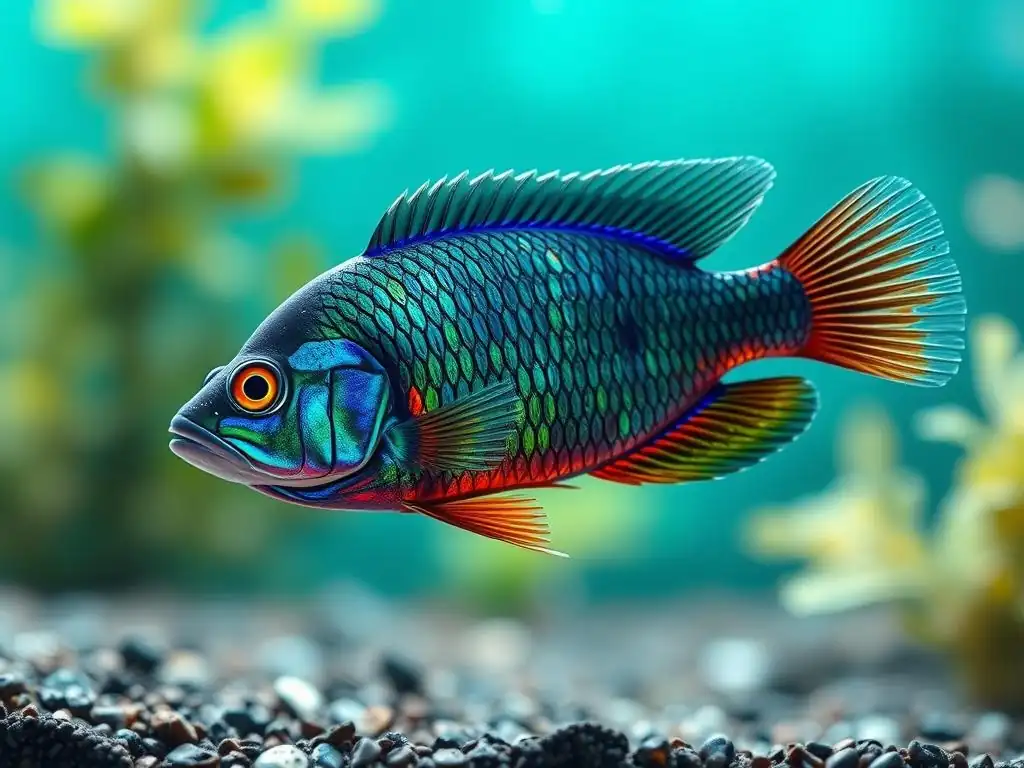
Consistent and regular observation is a cornerstone of proactive Tanganyika cichlid care. Spending a few minutes each day observing your Featherfin Cichlids allows you to quickly identify any subtle changes in their behavior, coloration, or physical condition that might indicate stress, illness, or aggression. Look for changes in swimming patterns, unusual hiding, lack of interest in food, or any visible blemishes. Early detection of issues significantly increases the chances of successful intervention and prevents minor problems from escalating into major health crises.
Beyond daily visual checks, it is imperative to regularly monitor your water parameters. Weekly or bi-weekly testing for pH, ammonia, nitrite, nitrate, General Hardness (GH), and Carbonate Hardness (KH) provides vital insights into the stability and health of your aquarium's environment. Keeping a log of these readings can help identify trends and predict potential problems before they manifest as symptoms in your fish. This systematic approach to monitoring ensures the long-term well-being of your Featherfin Cichlids.
Preventing Stress in Featherfin Cichlids: Minimizing Environmental Changes
Featherfin Cichlids, like most cichlids, thrive in stable environments and are particularly susceptible to stress caused by sudden or drastic changes. Preventing stress is a key component of maintaining a healthy aquarium, as chronic stress weakens the fish's immune system, making them more vulnerable to disease. Avoid sudden fluctuations in water temperature, pH, or lighting. When performing water changes, ensure the replacement water's temperature and pH closely match that of the tank.
Introducing new fish should always be done gradually and with proper acclimation procedures. Minimize loud noises, vibrations, or sudden movements around the tank that could startle the fish. Establishing a consistent routine for feeding, water changes, and other maintenance tasks helps to create a predictable and secure environment. A stable and predictable environment significantly reduces stress levels, allowing your Featherfin Cichlids to display their natural behaviors and vibrant colors.
Long-Term Featherfin Cichlid Care: Ensuring a Long and Healthy Life
With diligent and consistent Tanganyika cichlid care, Featherfin Cichlids can be long-lived inhabitants of the home aquarium. Many species, such as Ophthalmotilapia ventralis, can live for 8-10 years, while some Cyathopharynx furcifer individuals have been known to live up to 12 years or more in optimal conditions. Achieving this longevity requires a continuous commitment to providing a stable, species-appropriate environment and adapting care routines as the fish grow and mature.
Long-term care involves ongoing vigilance: regular water testing, consistent water changes, providing a balanced and varied diet, and promptly addressing any signs of illness or aggression. Staying informed about new advancements in aquarium husbandry and specific cichlid care practices will also contribute to their well-being. By embracing a proactive and dedicated approach, aquarists can enjoy the beauty and fascinating behaviors of these magnificent Lake Tanganyika cichlids for many years.
Troubleshooting Common Featherfin Cichlid Problems: A Quick Reference Guide
Fading Colors: Potential Causes and Solutions
Fading colors in Featherfin Cichlids are a common indicator of underlying issues that require immediate attention. The primary causes include stress (from poor water quality, bullying, or an unsuitable environment), an improper or inadequate diet lacking essential nutrients, or the onset of illness. For instance, a sudden drop in pH from 8.5 to 7.0 can cause dramatic and immediate color loss, as can consistently high nitrate levels above 40 ppm.
To address fading colors, first, perform a full check of all water parameters (ammonia, nitrite, nitrate, pH, GH, KH) and correct any deficiencies with appropriate water changes or buffering. Enhance their diet by offering a wider variety of high-quality live or frozen foods, such as mysis shrimp or krill, which are rich in color-enhancing pigments. Identify and eliminate sources of stress, such as aggressive tank mates (consider adding more females or visual barriers) or inadequate hiding spots. Often, improving water quality and diet can restore vibrant coloration within a few weeks.
Loss of Appetite: Identifying the Root Cause and Treatment Options
A Featherfin Cichlid refusing to eat is a serious symptom that warrants immediate investigation, as it can indicate a critical health issue. Common causes include severe stress, poor water quality (especially elevated ammonia, nitrite, or extremely high nitrate), internal parasitic infections, or bacterial diseases like Malawi Bloat. A fish that has been recently introduced or is being bullied might also refuse food initially.
Begin by testing all water parameters. If ammonia or nitrite are present, or nitrates are excessively high, perform a significant water change (e.g., 50%) and ensure your filtration is adequate. Observe the fish closely for other symptoms such as bloating, stringy white feces, clamped fins, or labored breathing.
If bloating is present, it strongly suggests Malawi Bloat, requiring immediate treatment with appropriate medications like Metronidazole, often administered in a hospital tank. For suspected internal parasites, specific dewormers may be necessary. Isolating the affected fish in a hospital tank can reduce stress and allow for targeted treatment without affecting the main display tank.
Aggressive Behavior: Strategies for Reducing Conflict in the Tank
Aggressive behavior, particularly among male Featherfin Cichlids, is a common challenge in the aquarium, stemming from territorial disputes or competition for mates. Insufficient tank size (e.g., a 75-gallon tank attempting to house two dominant male Ophthalmotilapia without enough females), inadequate hiding spots, or an imbalanced male-to-female ratio (too many males for the available females) are frequent culprits.
To reduce conflict, first ensure your tank is of appropriate size for the species and number of fish. Increase the number of visual barriers and hiding spots using rockwork, which can break up lines of sight and allow subordinate fish to retreat.
For species like Ophthalmotilapia, maintaining a group with a higher ratio of females to males (e.g., 1 male to 3-4 females) can effectively diffuse male aggression by distributing their attention. If severe aggression persists despite these measures, and a larger tank is not feasible, rehoming the most aggressive individual might be necessary to maintain harmony and prevent stress-related health issues in the rest of your Tanganyika cichlid community.
Conclusion: Mastering the Art of Tanganyikan Featherfin Cichlid Care.
Mastering the art of Tanganyikan Featherfin Cichlid care is a rewarding journey that culminates in a vibrant and engaging aquatic display. These magnificent cichlids, with their elegant fins and complex social behaviors, demand a dedicated approach to their environmental, dietary, and social needs. By meticulously replicating their natural Lake Tanganyika habitat, maintaining pristine water quality through robust filtration and consistent water changes, providing a species-appropriate diet, and carefully selecting compatible tank mates, aquarists can ensure the long-term health and vitality of their Featherfin Cichlids.
The commitment to understanding their specific requirements, from precise water parameters to recognizing subtle signs of distress, transforms the aquarium into a thriving ecosystem. With patience, observation, and adherence to these essential care guidelines, aquarists can enjoy the unparalleled beauty and fascinating dynamics of Tanganyikan Featherfin Cichlids, making them a true highlight of any freshwater aquarium.
Frequently Asked Questions
What are the key water parameters for a Tanganyika cichlid tank?
Tanganyika cichlids require hard, alkaline water with a pH between 8.0 and 9.0. Maintaining a stable temperature between 76°F and 80°F is also critical for their health.
What is the ideal tank size for Tanganyikan Featherfin Cichlids?
Featherfin Cichlids need a relatively large tank due to their territorial nature and potential size. A minimum of 75 gallons is recommended for a small group.
What should I feed my Tanganyikan Featherfin Cichlids?
These cichlids are primarily carnivores, so their diet should consist of high-quality cichlid pellets and frozen or live foods like brine shrimp and bloodworms.
How do I maintain the appropriate water chemistry in my Tanganyika cichlid tank?
Regular water changes (25-50% weekly) are essential, along with testing the water regularly using a reliable test kit. Proper filtration and buffering agents can help maintain stable pH and hardness.
What are some common health problems that affect Tanganyikan Featherfin Cichlids?
Common issues include Ich (white spot disease), dropsy, and bacterial infections often caused by poor water quality. Early detection and treatment are crucial for successful recovery.
Final Reflection: Embracing the Delicate Dance of Tanganyika
The intricate world of Tanganyikan Featherfin Cichlids, as we've explored, is not merely about aquarium keeping; it's about understanding and respecting a delicate ecosystem. Today, as biodiversity faces unprecedented challenges, the lessons learned from responsibly caring for these unique creatures resonate far beyond the glass walls of a tank. The careful balance required to thrive in a miniature replica of Lake Tanganyika serves as a powerful reminder of the interconnectedness of all life.
The allure of these cichlids lies not only in their striking beauty but also in the responsibility they demand. This commitment to understanding and replicating their natural environment fosters a deeper appreciation for the fragility and resilience of the natural world. In the end, we will conserve only what we love; we will love only what we understand; and we will understand only what we are taught.
- Baba Dioum's words echo the very essence of responsible aquarism, urging us to educate ourselves and others about the wonders we seek to preserve.
As you embark on, or continue, your journey with Tanganyikan Featherfin Cichlids, remember that you are not just a keeper, but a steward of a small piece of Lake Tanganyika. Let the patience and dedication required to nurture these fish inspire you to cultivate a similar commitment to the larger world around you. Consider how you can apply the principles of balance, respect, and informed action learned here to other aspects of your life, contributing to a future where both the extraordinary and the seemingly ordinary thrive.
Unveil the Secrets to Thriving Featherfins!
Thank you for diving deep into the world of Tanganyikan Featherfin Cichlids! We hope this guide has equipped you with the knowledge to create a vibrant and healthy environment for these captivating fish. Now, it's time to put that knowledge into action and truly elevate your aquarium experience.
Here's what you can do next:
- Start creating the ideal habitat: Begin by selecting the right substrate, rock formations, and plants to mimic their natural environment in Lake Tanganyika.
- Share your newfound expertise: Post a picture of your Tanganyikan Featherfin setup on social media and tag us @AquariumMastery to inspire other aquarists!
- Join the discussion: Head to our forum and share your experiences or questions about breeding Featherfins – let’s learn together!
Ready to transform your aquarium into a slice of Lake Tanganyika?