
Surgeonfish Spectacle: Why These Fish Are Reef Aquarium Royalty

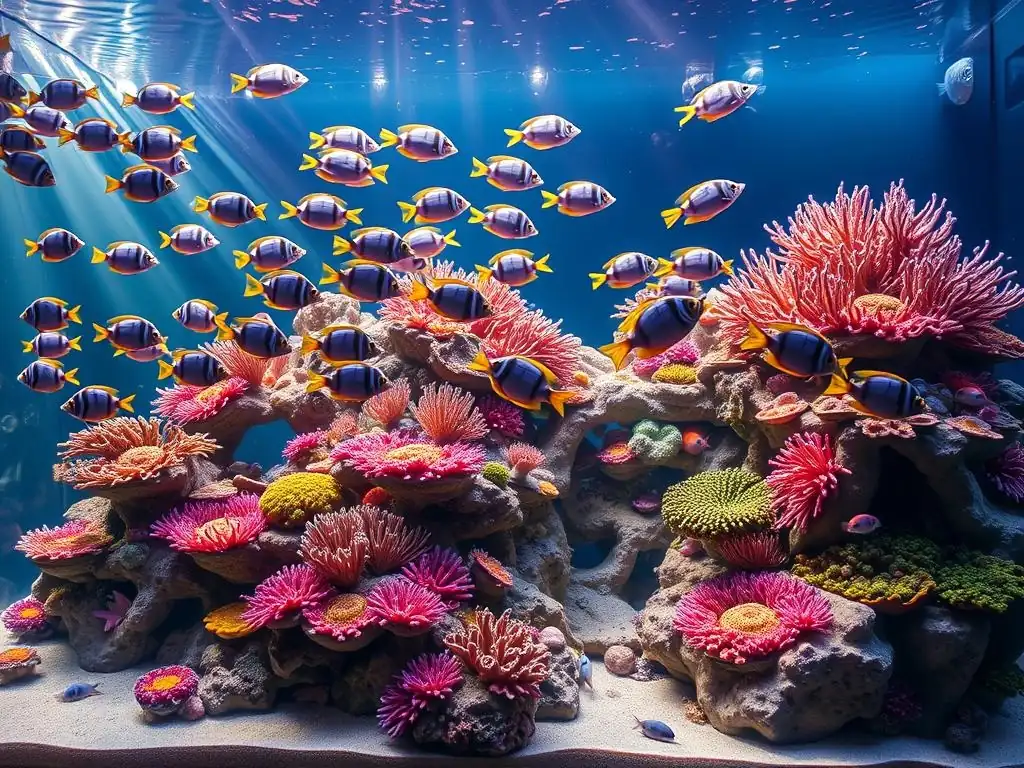
Welcome to Aquarium Mastery!
Ever wondered how to bring the vibrant energy of the coral reef into your own home? Delve into the captivating world of Surgeonfish and discover why these magnificent creatures are considered reef aquarium royalty. This guide unveils the secrets to successful Surgeonfish care reef aquarium, providing everything you need to know to keep these stunning fish thriving in your saltwater sanctuary. Ready to unlock the secrets? Let's dive in!
- Understanding Surgeonfish: A Comprehensive Guide for Reef Aquarists
-
Frequently Asked Questions
- How difficult is it to care for Surgeonfish in a reef aquarium?
- What size aquarium is recommended for most Surgeonfish species in a reef setting?
- What are the specific water chemistry parameters that are important for Surgeonfish health?
- What types of food should I offer Surgeonfish in a reef aquarium?
- What are some common diseases that affect Surgeonfish, and how can I prevent them?
- Final Reflection: The Enduring Allure of Surgeonfish
- Dive Deeper: Unleash the Surgeonfish Splendor in Your Aquarium!
Understanding Surgeonfish: A Comprehensive Guide for Reef Aquarists
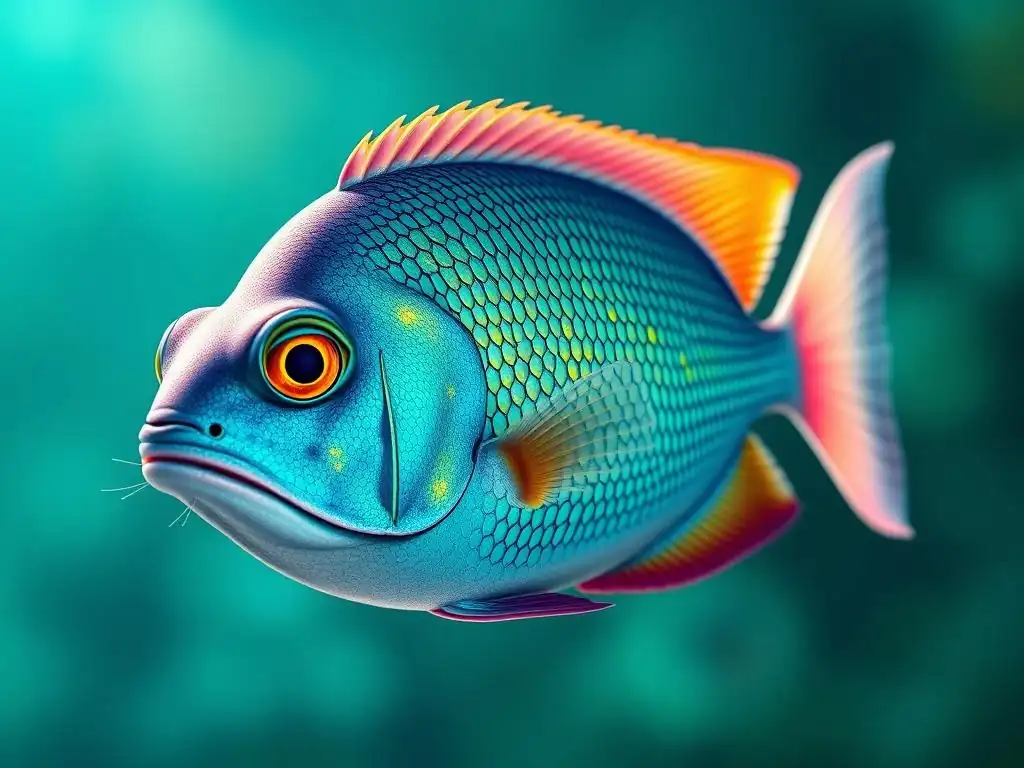
Introduction to Surgeonfish: Reef-Safe Grazers and Vibrant Colors
Surgeonfish, often referred to as tangs, are celebrated inhabitants of saltwater reef aquariums, cherished for their striking coloration and invaluable role as natural algae grazers. Belonging to the family Acanthuridae, these marine fish are a cornerstone for maintaining a balanced and healthy reef ecosystem, actively consuming nuisance algae that can otherwise overwhelm corals and other invertebrates. Their presence not only adds dynamic visual appeal with their graceful movements and diverse hues—ranging from the iconic yellow of Zebrasoma flavescens to the deep blues of Paracanthurus hepatus—but also contributes significantly to the overall stability of the tank environment.
Successful Surgeonfish care reef aquarium involves understanding their natural behaviors and dietary needs, ensuring they thrive and fulfill their vital function. Many species can reach impressive sizes, with some, like the Sailfin Tang ( Zebrasoma veliferum), growing up to 15 inches in the wild, though typically smaller in captivity. Their continuous grazing habits help prevent the proliferation of undesirable algae, reducing the need for manual cleaning and promoting a more pristine display. This dual benefit of aesthetic enhancement and practical algae control makes them a highly sought-after group for experienced aquarists committed to optimal Surgeonfish care reef aquarium practices.
Defining Surgeonfish: Characteristics and Identification
Surgeonfish are distinctly recognized by several unique anatomical features, most notably the scalpel-like spines located on either side of their caudal peduncle (the narrow part of the tail where it joins the body). These retractable spines, which give the fish their "surgeon" moniker, are used defensively against predators or rival fish. The shape and number of these scalpels can vary slightly between genera, serving as a key identification marker for different species within the family.
Beyond their defensive weaponry, surgeonfish typically exhibit a compressed, disc-shaped body, which allows for agile navigation through rocky reef structures. Their small, protractible mouths are adapted for scraping algae from surfaces, equipped with comb-like teeth ideal for their herbivorous diet. Identification often relies on a combination of their vivid color patterns, specific body shape, and the precise morphology of their caudal spine. For instance, the Powder Blue Tang ( Acanthurus leucosternon) is easily identified by its vibrant blue body, yellow dorsal fin, and black facial mask, while the Yellow Tang's uniform bright yellow is unmistakable.
The Appeal of Surgeonfish in Saltwater Reef Tanks: Aesthetics and Functionality
The undeniable appeal of surgeonfish in saltwater reef tanks stems from a powerful combination of their stunning visual impact and their crucial functional role. Aesthetically, their vibrant, often iridescent colors and elegant swimming patterns bring unparalleled dynamism and life to a reef display. The mesmerizing sight of a school of Yellow Tangs gracefully navigating a large reef system or a solitary Blue Tang adding a splash of electric color against a backdrop of corals significantly enhances the overall beauty of the aquarium. This visual splendor is a primary reason why many hobbyists pursue detailed Surgeonfish care reef aquarium knowledge.
Functionally, surgeonfish are indispensable for maintaining the ecological balance of a reef tank, acting as highly efficient natural algae controllers. Their constant grazing helps to keep undesirable algae growth in check, preventing it from outcompeting and suffocating corals or obscuring the tank's aesthetics.
For example, a single medium-sized Kole Tang ( Ctenochaetus strigosus) can effectively graze on various types of film algae, reducing the need for manual scraping and contributing to stable water parameters by minimizing decaying organic matter. This vital service, combined with their captivating presence, solidifies their status as royalty in the realm of Surgeonfish care reef aquarium management.
Frequently Asked Questions
How difficult is it to care for Surgeonfish in a reef aquarium?
Surgeonfish care can be challenging, especially for beginners. They require large tanks and pristine water quality to thrive. They are also prone to certain diseases.
What size aquarium is recommended for most Surgeonfish species in a reef setting?
A minimum of 180 gallons is generally recommended, but larger species need significantly more space. Adequate swimming room is crucial for their well-being and to reduce aggression.
What are the specific water chemistry parameters that are important for Surgeonfish health?
Maintaining stable water parameters is critical. Key parameters include a specific gravity of 1.024-1.026, pH of 8.1-8.4, and very low levels of nitrates and phosphates.
What types of food should I offer Surgeonfish in a reef aquarium?
Surgeonfish are primarily herbivores, so their diet should consist mainly of algae and seaweed. Supplement with high-quality flake food and frozen preparations containing vegetable matter.
What are some common diseases that affect Surgeonfish, and how can I prevent them?
Surgeonfish are susceptible to diseases like ich and marine velvet. Prevention involves quarantine, maintaining excellent water quality, and providing a stress-free environment.
Final Reflection: The Enduring Allure of Surgeonfish
The vibrant tapestry of a healthy reef aquarium, brought to life by the graceful movements and striking colors of surgeonfish, is more than just an aesthetic achievement; it's a testament to our dedication to understanding and replicating a complex ecosystem. The continued popularity of surgeonfish in reef aquariums underscores a growing appreciation for marine biodiversity and the responsibilities that come with keeping these magnificent creatures. As we've explored the nuances of Surgeonfish care reef aquarium, it's clear that success hinges on a commitment to providing optimal conditions and a deep respect for their natural behaviors.
The journey of understanding surgeonfish care has profoundly impacted the reef-keeping hobby, pushing aquarists to become more informed and conscientious caretakers. This pursuit of knowledge, driven by our fascination with these "royalty" of the reef, highlights the interconnectedness of our actions and the well-being of these animals. In the end, we will conserve only what we love; we will love only what we understand; and we will understand only what we are taught.
- Baba Dioum. This quote perfectly encapsulates the spirit of responsible reef keeping, urging us to continuously learn and adapt our practices to ensure the long-term health and happiness of our surgeonfish.
As you consider adding a surgeonfish to your reef aquarium, or perhaps reflect on the care you already provide, remember that you are not just keeping a pet; you are becoming a steward of a small piece of the ocean. Let the knowledge gained from this exploration of Surgeonfish care reef aquarium inspire you to create an environment where these magnificent fish can thrive, contributing to the beauty and resilience of your reef for years to come.
Embrace the challenge, celebrate the successes, and always strive to learn more, for in doing so, you are enriching both your aquarium and the future of reef conservation.
Dive Deeper: Unleash the Surgeonfish Splendor in Your Aquarium!
Thank you for exploring the vibrant world of surgeonfish with us! We hope this article has illuminated their beauty and importance in reef aquariums. Now, let's turn that knowledge into action!
Here are a few ways to continue your surgeonfish journey:
- Plan Your Dream Reef: Start sketching out the dimensions and aquascape for a reef tank perfectly sized for the surgeonfish species that captivates you most. Think big, and think reef-friendly!
- Explore the Surgeonfish Community: Join specialized online forums and connect with other experienced reef keepers who have successfully housed surgeonfish. Share tips, ask questions, and learn from their expertise!
- Uncover Hidden Talents: Challenge yourself to identify three different surgeonfish species you've never heard of before. Delve into their unique care requirements and ecological roles!
Ready to transform your aquarium into a surgeonfish paradise? Which surgeonfish species are you most excited to research and potentially welcome into your reef family?