
From Green to Gold: Exploring the Natural Hues of Swordtails

Welcome to Aquarium Mastery!
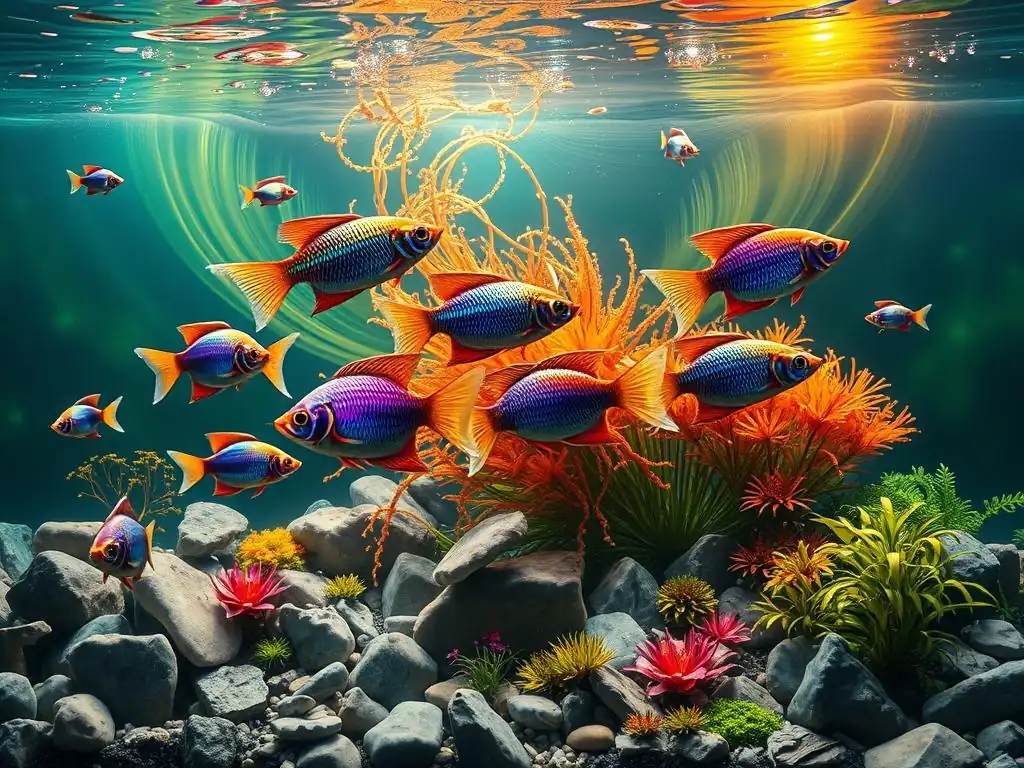
Ever wondered how swordtails get their dazzling array of colors, from vibrant reds to stunning golds? Dive into the fascinating world of genetics as we unravel the secrets behind Swordtail color genetics explained. Prepare to be amazed by the hidden mechanisms that shape these beautiful fish and unlock the potential to breed your own unique variations. Ready to explore the spectrum?
- Exploring Swordtail Color Genetics: From Wild Type to Designer Morphs
- Understanding Swordtail Color Genetics: A Comprehensive Guide
- Decoding the Genetic Basis of Swordtail Colors
- Common Swordtail Colors and Their Genetic Origins
- Factors Influencing Swordtail Color Expression
- Breeding for Specific Swordtail Colors: A Practical Guide
- Maintaining Vibrant Swordtail Colors in Your Aquarium
- Advanced Swordtail Color Genetics and Hybridization
- Identifying Rare and Unique Swordtail Color Morphs
- Conclusion: Appreciating the Diversity of Swordtail Colors
-
Frequently Asked Questions
- How does genetics influence the color of Swordtail fish?
- What are some of the most common colors found in Swordtail fish, and how are they inherited?
- Can environmental factors affect the color of Swordtail fish?
- What is the role of selective breeding in creating new Swordtail colors?
- Where can I find more information on specific Swordtail color morphs and their genetic makeup?
- Final Reflection: Unveiling the Artistry of Inheritance
- Dive Deeper into the Swordtail Rainbow!
Exploring Swordtail Color Genetics: From Wild Type to Designer Morphs
Understanding Swordtail Color Genetics: A Comprehensive Guide
Introduction to Swordtail Color Variation
Swordtails, scientifically known as Xiphophorus hellerii, are among the most popular and visually striking freshwater fish in the aquarium hobby. Native to Central America and southern Mexico, the wild type of this species typically exhibits an olive-green body with a prominent red lateral stripe, a coloration perfectly suited for blending into vegetated river systems.
However, the swordtails seen in aquariums today display an astonishing array of colors, from vibrant reds and golds to striking blacks and unique calico patterns. This remarkable diversity is not a random occurrence but rather the direct result of decades of selective breeding by aquarists, meticulously manipulating the underlying genetic blueprint of these fish.
Understanding the principles of swordtail color genetics explained is crucial for any aquarist interested in appreciating the full spectrum of these fish or venturing into breeding specific color morphs. Each color variation is a testament to specific genes and alleles at play, influencing the production, distribution, and reflection of pigments within the fish's skin cells. The journey from the modest wild-type green to the dazzling designer morphs is a fascinating exploration of Mendelian inheritance and the subtle interplay of various genetic factors.
The Fascination with Swordtail Colors in Aquariums
The allure of swordtails in the home aquarium extends far beyond their captivating colors, encompassing their active swimming, generally peaceful demeanor, and relative ease of care. Yet, it is undeniably their vibrant palette that often first captures an aquarist's attention. The availability of numerous color morphs allows hobbyists to create highly diverse and aesthetically pleasing tank setups, from a monochromatic display of deep red swordtails to a kaleidoscope of mixed varieties. This visual appeal contributes significantly to their enduring popularity, making them a staple in community tanks worldwide.
Furthermore, the quest to breed specific color traits or even develop entirely new ones fuels a passionate segment of the aquarium hobby. For many, the challenge of understanding swordtail color genetics explained and applying this knowledge to predict offspring coloration is deeply rewarding. This pursuit often involves careful observation, meticulous record-keeping, and a deep dive into the hereditary mechanisms that dictate these beautiful hues, transforming the simple act of keeping fish into a dynamic genetic experiment.
Decoding the Genetic Basis of Swordtail Colors
Swordtail Color Genetics Explained: Basic Principles
At the core of swordtail color variation lies the fundamental principles of Mendelian genetics. Just like other living organisms, swordtails inherit specific traits, including color, from their parents through genes. These genes are segments of DNA located on chromosomes, and they carry the instructions for various biological processes, including the production and arrangement of pigments. Each gene can have different forms, known as alleles, which dictate the specific expression of a trait. For instance, one allele might code for red pigment production, while another might code for its absence or a different color.
In many cases, swordtail color genetics explained involves dominant and recessive alleles. A dominant allele will express its trait even if only one copy is present (e.g., a fish inheriting one "red" allele and one "green" allele might still appear red if red is dominant). A recessive allele, conversely, only expresses its trait when two copies are present (e.g., a fish must inherit two "green" alleles to appear green if green is recessive). The specific combination of alleles an individual possesses, known as its genotype, determines its observable characteristics, or phenotype – in this case, its vibrant color.
Genes and Alleles: The Building Blocks of Swordtail Color
The stunning array of swordtail colors is attributed to the interaction of several key genes, each with multiple alleles, controlling various aspects of pigment cell development and distribution. For example, a major gene often denoted as 'R' (for Red) or 'G' (for Green) might govern the presence or absence of erythrophores (red pigment cells) or xanthophores (yellow pigment cells). If 'R' is dominant and leads to red coloration, a swordtail with the genotype RR or Rr would display red, while only an rr genotype would result in the wild-type green or another base color.
Beyond single-gene traits, some swordtail colors arise from the interaction of multiple genes, creating more complex patterns and hues. For instance, a gene might control the overall amount of pigment produced, while another dictates its precise location on the body. Understanding these specific gene-allele combinations is a cornerstone of swordtail color genetics explained, allowing breeders to predict outcomes and strategically plan their crosses to achieve desired aesthetic results.
Sex-Linked Traits in Swordtail Color Inheritance
A fascinating aspect of swordtail color genetics is the occurrence of sex-linked traits, where certain color genes are located on the sex chromosomes (X and Y in the simplified model for livebearers, though swordtails have a more intricate sex determination system). This means that the inheritance pattern of these colors can differ significantly between males and females. For example, a gene located on the X chromosome might be expressed differently depending on whether the fish is XX (female) or XY (male).
A well-known example in livebearers, including swordtails, is the inheritance of certain red or black patterns. Some highly desirable red patterns or deep black melanism might be more frequently or intensely expressed in males due to their specific sex chromosome combination. This phenomenon adds another layer of complexity to swordtail color genetics explained, requiring breeders to consider the sex of their breeding pairs carefully to achieve predictable results and avoid unwanted outcomes in their offspring.
Common Swordtail Colors and Their Genetic Origins
The Classic Green Swordtail: The Wild Type
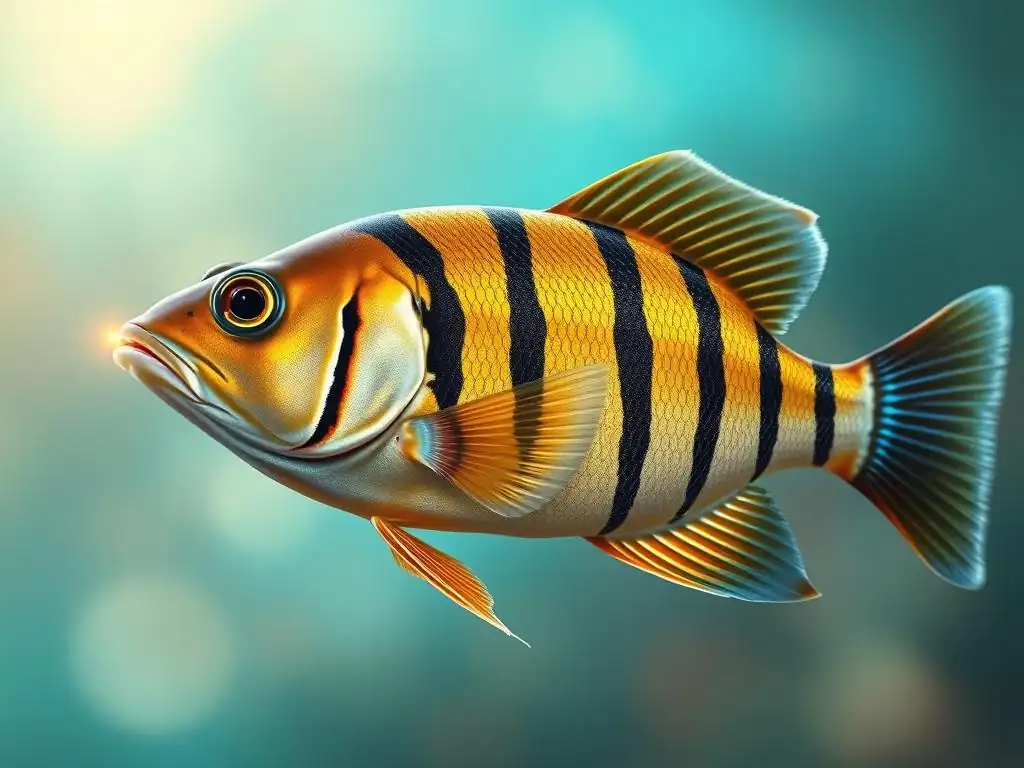
The classic Green Swordtail represents the ancestral, wild-type form of Xiphophorus hellerii. Characterized by an olive-green body, often with a distinctive red or orange lateral stripe running from gill to tail, this coloration provides excellent camouflage in its natural habitat among dense aquatic vegetation. Genetically, the green coloration is typically considered the baseline phenotype, often resulting from the absence of dominant color mutations that lead to reds, golds, or other vibrant hues. It is the default expression when no other strong color-altering alleles are present.
Despite the proliferation of designer morphs, the Green Swordtail remains popular for its hardiness and natural beauty. Its genetic makeup serves as a foundational reference point for understanding how other colors have arisen through mutation and selective breeding. The genes responsible for this base coloration involve a balanced distribution of melanophores (black pigment cells), xanthophores (yellow pigment cells), and iridophores (reflective cells), creating the subtle, earthy tones characteristic of the wild fish.
Red Swordtails: Understanding the Gene Responsible
Red Swordtails, such as the popular Blood Red or Rubin varieties, are among the most striking and sought-after color morphs. Their intense red coloration is primarily attributed to a dominant gene, often referred to as the 'R' (Red) gene, which significantly increases the number and density of erythrophores (red pigment cells) and xanthophores (yellow pigment cells) throughout the fish's body. This dominant allele overrides the wild-type green pigmentation, resulting in a vibrant red hue that can range from fiery orange-red to a deep, almost maroon shade.
The expression of the red gene can also be influenced by modifier genes that affect the intensity and spread of the red pigment. For instance, some lines may exhibit a more uniform, solid red, while others might have areas of lighter or darker red. Understanding how this dominant gene interacts with other genetic factors is a key component of swordtail color genetics explained, enabling breeders to consistently produce these visually appealing red varieties.
Gold Swordtails: From Mutation to Popular Variety
Gold Swordtails, characterized by their bright yellow to golden-orange coloration, originated as a recessive mutation from the wild type. This mutation typically affects the production or distribution of melanin (black pigment) and enhances the expression of xanthophores and erythrophores. Unlike the dominant red gene, the gold trait usually requires two copies of the recessive allele for the golden phenotype to be expressed. If a swordtail inherits only one copy of the gold allele and one copy of the wild-type allele, it might appear green but carry the gold gene, capable of passing it on to its offspring.
The popularity of Gold Swordtails stems from their luminous appearance, which can be particularly striking under proper aquarium lighting. The genetic pathway leading to gold coloration often involves a reduction in melanophores, allowing the underlying yellow and orange pigments to become more prominent. This provides a clear example within swordtail color genetics explained of how a recessive mutation, once identified and selectively bred, can lead to a widely cherished aquarium fish.
Exploring Other Swordtail Colors: Black, White, and Calico
Beyond the primary green, red, and gold, swordtails exhibit an impressive range of other colors, each with its unique genetic basis. Black Swordtails, for instance, are characterized by an excessive production of melanin, resulting in a deep, often velvety black coloration. This melanistic trait can sometimes be associated with certain health concerns, such as an increased predisposition to melanistic tumors, particularly in heavily inbred lines. The genes responsible for this intense melanism are often dominant or co-dominant, leading to varying degrees of black coverage.
White Swordtails can arise from different genetic mechanisms. Some are true albinos, lacking all pigment due to a recessive gene that prevents melanin synthesis, resulting in a pale body and characteristic red eyes. Others may be leucistic, exhibiting a partial loss of pigmentation with normal eye color, or even "pale" varieties where pigment cells are present but sparsely distributed.
Calico Swordtails are perhaps one of the most visually complex, displaying a mosaic pattern of multiple colors—often patches of black, red, orange, and white. This intricate pattern is typically the result of complex genetic interactions, possibly involving genes that control pigment cell migration or somatic mutations, making each Calico swordtail uniquely patterned and a fascinating study in swordtail color genetics.
Factors Influencing Swordtail Color Expression
Environmental Factors: Light, Diet, and Water Quality
While genetics lay the foundation for a swordtail's potential coloration, environmental factors play a critical role in how vibrantly those colors are expressed. Light quality and intensity can significantly impact visual appeal; full-spectrum LED lighting designed for plant growth or enhancing fish colors can make reds pop and golds shimmer, while dim or inappropriate lighting can dull their appearance. Similarly, diet is paramount.
Foods rich in carotenoids, such as astaxanthin and spirulina, directly contribute to the intensity of red, orange, and yellow pigments. A diet lacking these essential nutrients will result in faded or lackluster colors, even in genetically predisposed fish.
Furthermore, water quality is a non-negotiable factor for vibrant coloration. Stress caused by poor water parameters—such as high ammonia, nitrite, or nitrate levels, or inappropriate pH and temperature—will cause fish to fade and lose their brilliant hues. A swordtail under stress will divert energy from color production towards survival and immune response. Maintaining optimal water conditions (e.g., pH 7.0-8.0, temperature 72-79°F or 22-26°C, and consistently low nitrates below 20 ppm through regular water changes) is essential for showcasing their full genetic potential.
The Role of Pigments in Swordtail Coloration
The diverse colors of swordtails are the result of specialized pigment cells, or chromatophores, located within their skin. Understanding these cells is central to swordtail color genetics explained. The primary types involved are:
- Melanophores: These cells contain melanin, a black or brown pigment. Their expansion or contraction can make a fish appear darker or lighter, and their density determines the intensity of black patterns.
- Xanthophores: Responsible for yellow pigments, often derived from carotenoids absorbed through diet.
- Erythrophores: Contain red and orange pigments, also largely influenced by dietary carotenoids.
- Iridophores: These are not pigment cells but rather reflective cells containing guanine crystals. They produce iridescent, metallic, or silvery sheens by reflecting light, adding depth and sparkle to the fish's overall coloration.
The specific genetic makeup of a swordtail dictates the type, number, and distribution of these chromatophores. For example, a fish genetically programmed for intense red will have a higher density of highly active erythrophores. The interplay between these cell types—how they overlap, layer, and respond to light—ultimately creates the unique color and pattern of each swordtail variety.
Genetic Modifiers and Their Impact on Color Intensity
Beyond the primary genes that determine a swordtail's base color (e.g., red, gold, black), there are often "modifier genes" that subtly or significantly influence the expression of these colors. These modifiers don't create a new color but rather affect its intensity, saturation, spread, or pattern. For instance, a modifier gene might deepen a red swordtail's hue from a light orange-red to a rich, blood-red, or it might restrict the spread of black pigment to specific areas, creating distinct patterns rather than solid black.
The impact of these genetic modifiers can make swordtail color genetics explained incredibly intricate. A breeder might have a line of red swordtails, but through careful selective breeding, they can enhance the vibrancy or uniformity of that red by selecting for fish that also carry beneficial modifier alleles. These genes are often polygenic, meaning multiple genes contribute to the final effect, making their inheritance patterns more complex than simple dominant/recessive traits but also offering greater possibilities for fine-tuning desired color characteristics.
Breeding for Specific Swordtail Colors: A Practical Guide
Selecting Breeding Pairs for Desired Color Traits
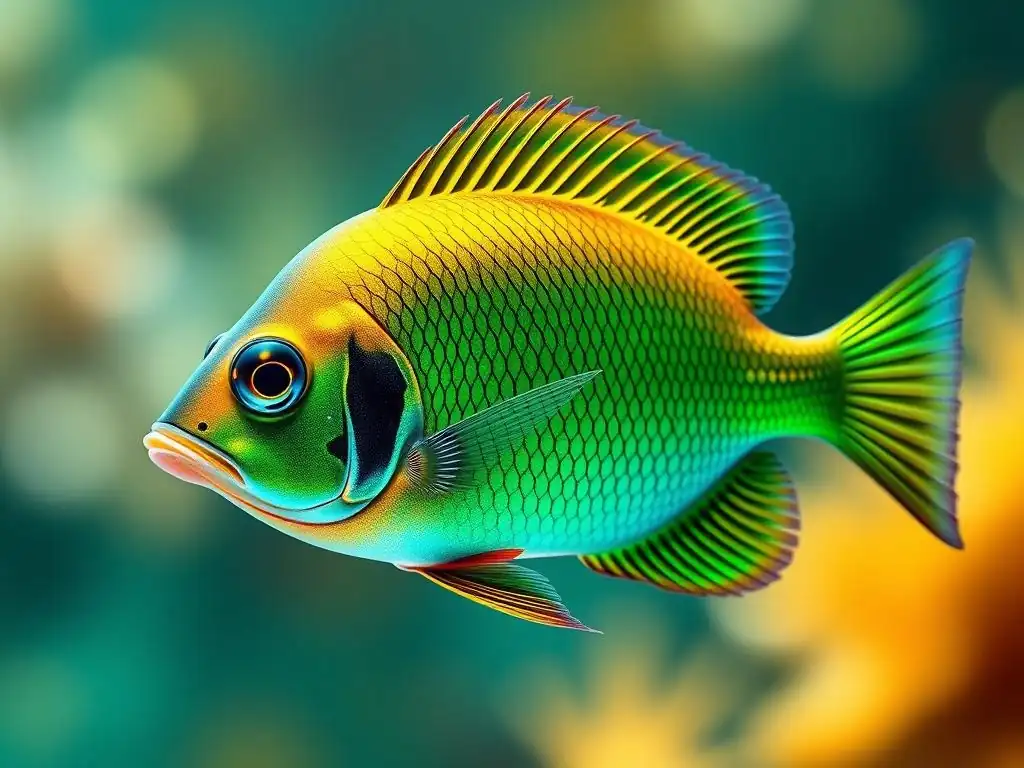
Successfully breeding swordtails for specific color traits requires careful selection of breeding pairs. The primary step involves choosing individuals that not only display the desired color intensely but are also healthy, robust, and free from deformities. It's crucial to understand the genetic background of your chosen fish, if possible, especially when dealing with recessive traits. For instance, to produce a high percentage of Gold Swordtails, you would ideally pair two gold fish (homozygous recessive) or, if starting with red or green fish, select individuals known to carry the recessive gold gene (heterozygous carriers).
Observing the parents and even grandparents (if known) can provide valuable clues about potential recessive genes they might carry. For example, if two red swordtails consistently produce a small percentage of green or gold offspring, it indicates they are heterozygous carriers of those recessive genes. Keeping meticulous breeding records, noting the colors of parents and their offspring, is invaluable for understanding inheritance patterns within your specific lines and making informed decisions for future crosses.
Understanding Punnett Squares for Predicting Offspring Colors
The Punnett square is an indispensable tool for aquarists aiming to understand swordtail color genetics explained and predict the probable genetic outcomes of a specific cross. This simple diagram allows you to visualize the potential allele combinations in the offspring when you know the genotypes of the parents.
For example, if you cross two heterozygous Red Swordtails (Rr, where R is dominant for red and r is recessive for green), a Punnett square would show that, on average, 25% of the offspring would be homozygous dominant (RR, Red), 50% would be heterozygous (Rr, Red), and 25% would be homozygous recessive (rr, Green).
| R | r | |
|---|---|---|
| R | RR (Red) | Rr (Red) |
| r | Rr (Red) | rr (Green) |
While this example simplifies the process, Punnett squares can be adapted for more complex traits involving multiple genes or sex-linked inheritance, although they become larger and more intricate. By using this tool, breeders can make educated predictions about the percentages of different color morphs they can expect from a given pairing, significantly increasing their chances of achieving desired breeding goals.
Line Breeding Techniques for Enhanced Color Purity
Line breeding is a powerful technique used by aquarists to fix and enhance specific color traits within a swordtail population. It involves carefully breeding related individuals—such as father to daughter, mother to son, or siblings—to concentrate desirable genes and increase homozygosity for specific traits. For example, if you have a particularly vibrant Red Swordtail, you might breed it back to its offspring to intensify the red coloration and ensure that the gene responsible is passed down consistently through generations.
The benefits of line breeding include achieving greater consistency in color, pattern, and overall quality within a line. However, it's crucial to exercise caution as excessive inbreeding can lead to a reduction in genetic diversity, potentially increasing susceptibility to disease, reducing fertility, or leading to undesirable genetic defects. To mitigate these risks, experienced breeders often introduce new, unrelated bloodlines (outcrossing) periodically to inject fresh genetic material and maintain vigor, while still striving to preserve the desired color traits developed through line breeding.
Maintaining Vibrant Swordtail Colors in Your Aquarium
Optimizing Water Parameters for Color Enhancement
The health and vibrancy of your swordtails' colors are intrinsically linked to the quality and stability of their aquatic environment. Optimizing water parameters is paramount. Swordtails thrive in clean, well-oxygenated water with a stable pH range of 7.0 to 8.0 and a moderate to hard water hardness (GH 10-20 dGH or 180-360 ppm, KH 5-10 dKH or 90-180 ppm). Fluctuations in pH or temperature can cause stress, leading to faded colors and increased susceptibility to disease.
Regular water changes are perhaps the most critical maintenance practice. Performing weekly water changes of 25-30% helps keep nitrate levels low (ideally below 20 ppm), removes accumulated toxins, and replenishes essential minerals. A clean, stable environment directly supports the fish's metabolic processes, including the production and maintenance of vibrant pigments, making water quality a fundamental aspect of swordtail color genetics explained in practice.
The Impact of Diet on Swordtail Color Development
As previously mentioned, diet plays a direct and significant role in the expression of red, orange, and yellow pigments in swordtails. These colors are largely dependent on carotenoids, which fish cannot synthesize themselves but must obtain from their food. To enhance and maintain vibrant coloration, a high-quality, varied diet rich in color-enhancing ingredients is essential.
Look for flake or pellet foods that explicitly list ingredients like spirulina, astaxanthin, canthaxanthin, krill, or other natural color boosters. Supplementing their diet with frozen foods such as bloodworms, brine shrimp, and daphnia also provides vital nutrients and helps stimulate their appetite. Feeding small amounts multiple times a day is generally better than one large feeding, ensuring consistent nutrient intake and promoting overall health, which in turn supports the development of brilliant colors.
Choosing the Right Lighting to Showcase Swordtail Colors
The choice of aquarium lighting can dramatically influence how your swordtails' colors appear to the human eye. While lighting doesn't directly alter the fish's genetic color, it can enhance or diminish its perceived vibrancy. Full-spectrum LED lights are often recommended as they mimic natural sunlight and contain wavelengths that make reds, oranges, and blues pop. Lights with a color temperature around 6500 Kelvin (K) are excellent for bringing out the full spectrum of colors in your fish and promoting plant growth.
Avoid overly dim lighting, which can make fish appear drab, or excessively bright lighting, which can stress them and lead to fading. The right lighting setup not only showcases the genetic brilliance of your swordtails but also contributes to a healthier environment by supporting plant photosynthesis and overall tank aesthetics. Experimenting with different light settings can reveal the subtle nuances of swordtail color genetics explained through visual display.
Advanced Swordtail Color Genetics and Hybridization
Understanding Cross-Breeding and Hybrid Vigor
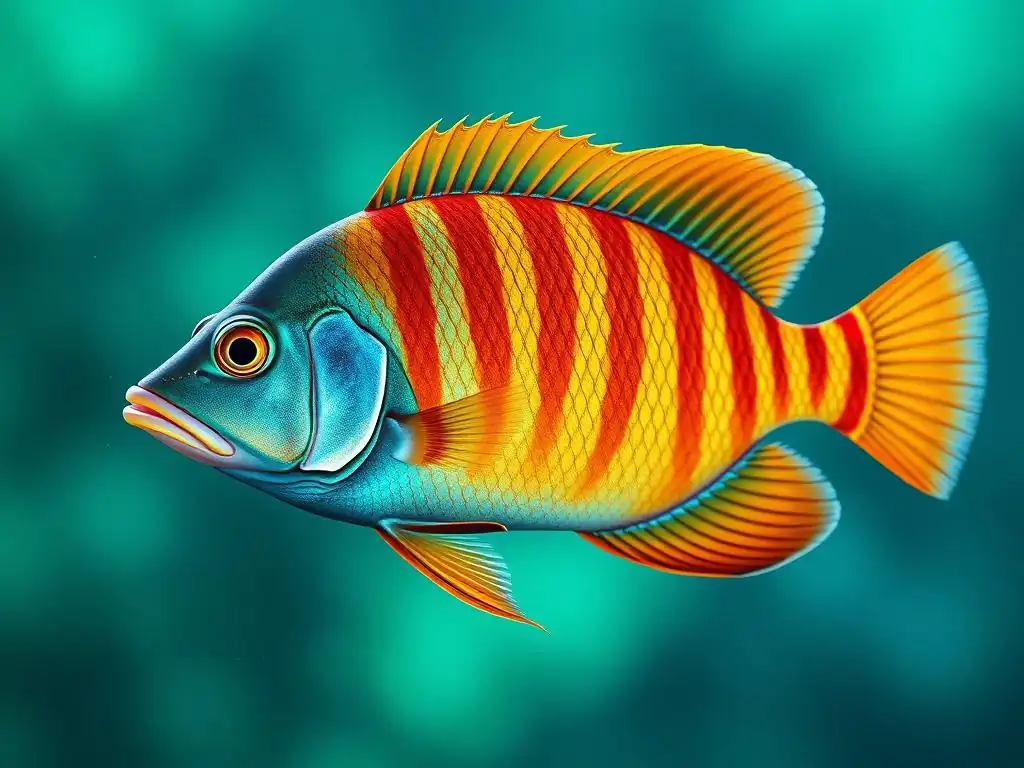
Cross-breeding, in the context of swordtails, can refer to two main practices: mating different established color strains within Xiphophorus hellerii (e.g., a Red Swordtail with a Gold Swordtail) or, more broadly, hybridizing X. hellerii with other closely related Xiphophorus species, such as Platies ( Xiphophorus maculatus). The primary goal of such crosses is often to introduce new genetic material, either to create novel color combinations or to improve the vigor and resilience of a line.
A significant benefit of cross-breeding, particularly between different strains or species, is the phenomenon of hybrid vigor, also known as heterosis. Hybrid vigor results from increased genetic diversity in the offspring, often leading to improved growth rates, enhanced fertility, increased disease resistance, and overall robustness compared to highly inbred lines. By strategically introducing new genes, breeders can overcome some of the potential downsides of prolonged line breeding and potentially unlock new aesthetic possibilities in swordtail color genetics.
Examples of Hybrid Swordtail Colors: Koi Swordtails and Painted Swordtails
The creative application of cross-breeding has led to some of the most unique and visually striking swordtail varieties seen in the hobby. Koi Swordtails are a prime example, often resulting from complex crosses involving swordtails and certain platy varieties, or through selective breeding within specific swordtail lines that exhibit similar genetic patterns. These fish typically display a striking mosaic of white, orange, and black patches, reminiscent of the popular Koi carp, and showcase the intricate interplay of multiple color genes.
Another fascinating development are Painted Swordtails, which often exhibit multi-colored bodies with iridescent qualities, sometimes appearing as if they've been brushed with various hues. These highly patterned morphs are typically the product of extensive and often multi-generational cross-breeding, carefully selecting for genes that control the distribution and layering of different pigment cells, including iridophores for that metallic sheen. These examples vividly demonstrate how a deeper understanding of swordtail color genetics explained can lead to the creation of truly novel and captivating fish.
Ethical Considerations in Swordtail Breeding and Color Manipulation
While the pursuit of new and vibrant swordtail colors is a fascinating aspect of the hobby, it comes with important ethical considerations. Intense selective breeding, especially extreme line breeding or the pursuit of highly novel traits, can sometimes lead to unintended consequences for the fish's health and welfare. For instance, some highly inbred lines may exhibit reduced immune systems, making them more susceptible to common aquarium diseases, or suffer from decreased fertility.
Certain genetic traits, while aesthetically pleasing, can also be associated with physical deformities or compromised health. For example, severe melanism (excessive black pigmentation) in some livebearers can correlate with an increased risk of melanistic tumors. Responsible breeders prioritize the health, vigor, and longevity of their fish above purely aesthetic goals. They avoid breeding individuals with known genetic defects and strive to maintain a healthy level of genetic diversity within their lines, ensuring that the beautiful colors do not come at the expense of the fish's well-being.
Identifying Rare and Unique Swordtail Color Morphs
Examples of Rare Swordtail Color Variations: Neon Swordtails and Albino Swordtails
The continuous exploration of swordtail color genetics occasionally uncovers truly rare and unique variations, often stemming from spontaneous mutations or complex gene interactions. Neon Swordtails, for example, are characterized by an incredibly intense, almost glowing iridescence, particularly along their flanks. This "neon" effect is typically due to a unique arrangement or density of iridophores (reflective cells) that capture and reflect light in an extraordinary way, making them stand out vividly in an aquarium. Such a specific reflective quality makes them a prized find for enthusiasts.
Albino Swordtails are another rare variation, though more commonly understood. These fish completely lack melanin pigment due to a recessive genetic mutation, resulting in a pale white or yellowish body and distinct red eyes (where the blood vessels are visible through the unpigmented iris). While visually striking, their lack of protective melanin can make them more sensitive to bright light. Both Neon and Albino swordtails exemplify how specific genetic anomalies can lead to captivating and unusual phenotypes, further enriching the diversity of swordtail color genetics.
The Role of Mutations in Creating New Swordtail Colors
At the heart of every new swordtail color morph, from the common Red to the most exotic Calico, lies a spontaneous genetic mutation. Mutations are random changes in the DNA sequence of a gene. While many mutations are neutral or even detrimental, occasionally one occurs that alters a pigment-related gene in a way that produces a new and desirable color or pattern. For example, the initial "gold" swordtail likely appeared as a single mutated individual in a population of wild-type green fish.
Once a beneficial mutation is observed, it is then the role of the diligent aquarist or breeder to identify that individual, isolate it, and selectively breed it to propagate the new trait. Through careful line breeding and outcrossing, this initial mutation can be stabilized and intensified over generations, leading to the establishment of a new, distinct color strain. This process highlights that the continuous evolution of swordtail colors in the hobby is an ongoing testament to natural genetic variation and human ingenuity in selective breeding.
Documenting and Sharing Your Swordtail Color Discoveries
For hobbyists interested in contributing to the broader understanding of swordtail color genetics, documenting and sharing their breeding discoveries is invaluable. Keeping detailed records of breeding pairs, their offspring's colors, and any observed anomalies can help identify new genetic traits or confirm inheritance patterns. This includes noting the phenotypes of parents, the number and sex of offspring, and their subsequent coloration as they mature.
Sharing these findings with the wider aquarist community through online forums, specialized livebearer clubs, or even dedicated websites helps to build a collective knowledge base. Such contributions can lead to discussions, validation of new genetic hypotheses, and the identification of truly unique or rare color morphs that might otherwise go unrecognized. This collaborative approach fosters a deeper appreciation for the complexity of swordtail color genetics and promotes responsible breeding practices within the hobby.
Conclusion: Appreciating the Diversity of Swordtail Colors
The Future of Swordtail Color Breeding
The journey from the wild-type Green Swordtail to the breathtaking array of designer morphs available today is a testament to the intricate dance between genetics, mutation, and dedicated human intervention. The future of swordtail color breeding promises even more innovation.
As aquarists continue to deepen their understanding of swordtail color genetics explained, through careful observation, selective breeding, and sometimes, the serendipitous discovery of new mutations, we can anticipate the emergence of even more novel and captivating color patterns. This ongoing evolution will likely see further refinement of existing strains, the development of new multi-color combinations, and perhaps even the stabilization of currently rare or unstable traits.
However, this progression must be guided by a commitment to ethical breeding practices, prioritizing the health, vitality, and genetic diversity of the fish. The collaboration among hobbyists and professional breeders, sharing knowledge and experiences, will be crucial in ensuring that the pursuit of aesthetic beauty does not compromise the well-being of these remarkable fish.
Further Resources for Learning About Swordtail Genetics
For those captivated by the fascinating world of swordtail color genetics and eager to delve deeper, numerous resources are available. Specialized books on livebearer genetics offer comprehensive insights into inheritance patterns, while scientific papers often detail specific gene discoveries in Xiphophorus species.
Engaging with online forums dedicated to livebearers or joining a local or international livebearer association can provide invaluable practical advice, connect you with experienced breeders, and offer opportunities to discuss complex genetic scenarios. Websites like AquariumMastery.com serve as excellent starting points, offering detailed guides and profiles that lay the groundwork for understanding the principles of swordtail color genetics explained and applying them to your own aquarium endeavors.
Frequently Asked Questions
How does genetics influence the color of Swordtail fish?
Swordtail color genetics are complex, involving multiple genes that interact to determine the final appearance. Certain genes control the production of specific pigments, while others modify the intensity or distribution of those pigments, resulting in diverse color variations.
What are some of the most common colors found in Swordtail fish, and how are they inherited?
Common colors include green, red, yellow (gold), and black. Inheritance patterns vary; some colors are dominant, meaning only one copy of the gene is needed to express the trait, while others are recessive, requiring two copies.
Can environmental factors affect the color of Swordtail fish?
Yes, while genetics play a primary role, environmental factors like water quality, diet, and lighting can influence the vibrancy and expression of colors in Swordtails. Suboptimal conditions can lead to faded or muted colors.
What is the role of selective breeding in creating new Swordtail colors?
Selective breeding involves choosing individuals with desirable traits (like specific colors) and breeding them together. Over generations, this process can concentrate the genes responsible for those traits, leading to the development of new and unique color varieties and stabilizing existing ones.
Where can I find more information on specific Swordtail color morphs and their genetic makeup?
AquariumMastery.com offers detailed articles on various Swordtail color morphs. You can also consult specialized fish genetics resources and breeders' forums for more in-depth information on specific genetic lineages and breeding strategies.
Final Reflection: Unveiling the Artistry of Inheritance
The journey through the vibrant world of swordtail color genetics reveals more than just scientific principles; it illuminates the inherent beauty and complexity of natural variation. Understanding how these genes interact to paint each fish in a unique hue underscores the power of inheritance and the endless possibilities within the natural world, a concept that remains profoundly relevant in our understanding of biodiversity and evolution today.
This exploration has deepened my appreciation for the intricate dance of genes that shapes life around us. Witnessing the spectrum of colors in swordtails, and understanding the underlying genetic mechanisms, reinforces the idea that even seemingly simple traits are the result of complex interactions. The beauty of life does not reside in the surface, but in the intricate patterns that connect everything.
This quote resonates deeply, reminding us that true understanding comes from delving beneath the surface to uncover the hidden wonders of nature's design.
Now, armed with this knowledge of swordtail color genetics, I invite you to look beyond the scales and fins. Consider the profound implications of inheritance in your own life, in the diversity of your community, and in the delicate balance of our planet. Let the vibrant hues of the swordtail inspire you to appreciate the beauty of variation and to champion the preservation of the genetic tapestry that makes our world so extraordinary.
Dive Deeper into the Swordtail Rainbow!
Thank you for exploring the vibrant world of swordtail color variations! We hope you found some inspiration for your next aquarium addition. Now, let's translate that knowledge into action.
Here are a few things you can do next:
- Start planning your dream swordtail tank! Research compatible tank mates and ideal conditions for maximizing the health and vibrancy of your chosen color morphs.
- Share your favorite swordtail color variation on social media and tag us @AquariumMastery! Let's spread the beauty.
- Consider documenting your swordtail breeding journey with photos and videos – you might just discover a brand-new hue!
What's one unique color combination you'd love to see in a swordtail? Let us know in the comments!