
Substrate Secrets for Thriving Rasboras and Danios: What Lies Beneath Matters

Welcome to Aquarium Mastery!
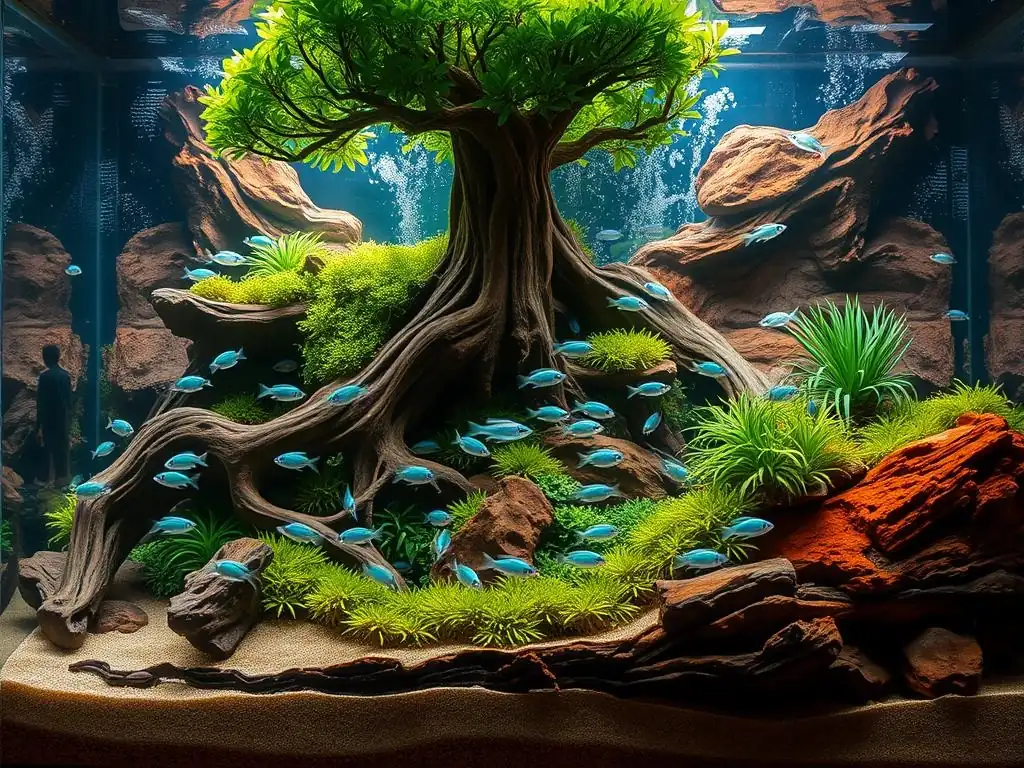
Ever wondered if the secret to a thriving Rasbora and Danio tank is hidden right beneath their fins? Dive in and unlock the Substrate Secrets that can make or break your aquarium's ecosystem. Get ready to discover the ideal foundation for your finned friends in our comprehensive guide to Rasbora danio substrate choice, and watch your freshwater aquarium flourish!
- Substrate Secrets for Thriving Rasboras and Danios
- Understanding the Importance of Substrate for Rasboras and Danios
- Key Considerations for Rasbora and Danio Substrate Choice
- Types of Substrates for Rasboras and Danios
- Setting Up Your Substrate for Rasboras and Danios
- Maintaining Your Substrate for a Healthy Rasbora and Danio Aquarium
- Common Substrate-Related Issues in Rasbora and Danio Tanks
- Substrate and Rasbora/Danio Behavior
- Pairing Substrate with Other Tank Elements
- Conclusion: Mastering Substrate Selection for Thriving Rasboras and Danios.
-
Frequently Asked Questions
- What type of substrate is generally recommended for Rasboras and Danios?
- Why is substrate color important for Rasboras and Danios?
- Does substrate grain size matter when choosing for Rasboras and Danios?
- Can I use sand as a substrate for Rasboras and Danios?
- How does substrate impact plant growth in a Rasbora and Danio aquarium?
- Final Reflection: The Foundation of Aquatic Harmony
- Unlock the Secrets to a Vibrant Rasbora and Danio Paradise!
Substrate Secrets for Thriving Rasboras and Danios
Understanding the Importance of Substrate for Rasboras and Danios
The Role of Substrate in a Rasbora and Danio Aquarium Ecosystem
The substrate in a Rasbora and Danio aquarium is far more than just a decorative element; it serves as a vital foundation for the entire aquatic ecosystem. Primarily, it provides an immense surface area for the colonization of beneficial nitrifying bacteria, specifically Nitrosomonas and Nitrobacter.
These microscopic organisms are indispensable for breaking down harmful ammonia (produced by fish waste, uneaten food, and decaying plant matter) into less toxic nitrite, and then converting nitrite into relatively harmless nitrate, completing the critical nitrogen cycle. A robust bacterial colony within the substrate can process a significant portion of the tank's bioload, contributing directly to stable water parameters that are crucial for the health and longevity of small, sensitive fish like Rasboras and Danios.
Beyond its role in biological filtration, the substrate is fundamental for anchoring live aquatic plants, which are highly beneficial in Rasbora and Danio tanks. Plants absorb excess nitrates from the water through their root systems, further aiding in water quality management and reducing the frequency of large water changes.
For fish such as Harlequin Rasboras or Zebra Danios, dense planting provides essential cover, reduces stress, and mimics their natural environments, encouraging more natural behaviors and vibrant coloration. The substrate also offers a foraging ground where these small schooling cyprinids can sift for micro-organisms and detritus, contributing to their overall well-being.
How Substrate Impacts Water Chemistry for Small Cyprinids
The choice of substrate can profoundly influence the water chemistry of a Rasbora and Danio aquarium, directly affecting the health and comfort of these small fish. Certain substrates, like crushed coral, aragonite, or limestone, are calcareous and will gradually dissolve, releasing calcium carbonate into the water. This process buffers the pH upwards and increases the general hardness (GH) and carbonate hardness (KH), making the water more alkaline and harder.
While some Danios are quite adaptable, many popular Rasbora species, such as Chili Rasboras ( Boraras brigittae) or Harlequin Rasboras ( Trigonostigma heteromorpha), originate from soft, acidic blackwater environments (preferring pH 6.0-6.8 and GH 5-12 dGH). Using a buffering substrate for these species would lead to unsuitable water parameters, causing chronic stress and susceptibility to disease.
Conversely, inert substrates such as quartz sand or epoxy-coated gravel will have minimal to no impact on water chemistry, allowing the aquarist to precisely control pH, GH, and KH through water sources and additives. This neutrality is often preferred for Rasbora danio substrate choice, as it provides a stable base for tailoring water parameters to specific species requirements. However, neglecting proper cleaning of any substrate can lead to the accumulation of organic waste, which can decompose anaerobically (without oxygen) in deep, compacted areas.
This decomposition can release harmful gases like hydrogen sulfide, identifiable by its pungent "rotten egg" smell. Hydrogen sulfide is highly toxic to fish, even in small concentrations, and can be lethal to small Rasboras and Danios, underscoring the importance of meticulous substrate maintenance.
Choosing the Right Substrate: A Foundation for a Healthy Aquarium
Selecting the appropriate Rasbora danio substrate choice is a foundational decision that impacts nearly every aspect of the aquarium's health and aesthetic. It's not merely about what looks good; it's about creating a functional and thriving environment for your fish and plants. The right substrate will facilitate robust biological filtration, support healthy plant growth, and contribute to stable water parameters. A well-chosen substrate can prevent common aquarium problems such as persistent algae blooms, nutrient imbalances, and anaerobic zones, thereby reducing the need for constant intervention and creating a more harmonious ecosystem for your small schooling fish.
The decision should align closely with your overall tank goals and the specific needs of your chosen Rasboras and Danios. If you plan a heavily planted tank, a nutrient-rich or plant-specific substrate will be paramount. If your focus is on species that sift through the substrate for food, a fine, soft sand is ideal.
For example, a biotope setup for Harlequin Rasboras might prioritize a dark, fine sand with leaf litter to mimic their natural Southeast Asian streams, which greatly influences their comfort and display of natural behaviors. Understanding these interdependencies ensures that your Rasbora danio substrate choice provides the best possible foundation for a healthy and engaging aquatic habitat.
Key Considerations for Rasbora and Danio Substrate Choice
Grain Size and Texture: Optimizing for Foraging and Rooting
The grain size and texture of the substrate are critical factors, particularly for fish that exhibit bottom-dwelling or foraging behaviors, such as many species of Rasboras and Danios. A fine, smooth substrate, typically sand with a grain size between 0.5mm and 2mm, is highly recommended. This allows fish to sift through the substrate naturally for uneaten food particles or micro-organisms without risking injury to their delicate mouths or barbels.
For instance, a school of Zebra Danios, while often mid-water swimmers, will occasionally dart to the bottom to forage, and a smooth substrate ensures their safety and encourages natural behaviors. Coarse or sharp gravel, on the other hand, can cause abrasions, leading to stress, infection, or reluctance to forage.
For live aquatic plants, the optimal grain size often falls in the 2-3mm range, which provides sufficient aeration for roots while allowing them to spread effectively. If a planted tank is the goal, balancing the needs of the plants with the comfort of the fish is key.
While very fine sand can compact and hinder root penetration in very deep layers, a moderate depth (e.g., 2-3 inches) combined with proper maintenance usually mitigates this. Species like Cryptocoryne or Anubias, commonly used in Rasbora and Danio tanks for their low-light tolerance and robust root systems, thrive in substrates that offer both anchorage and some degree of nutrient availability, making the Rasbora danio substrate choice multifaceted.
Color and Aesthetics: Creating a Natural Habitat
The color of the substrate plays a significant role in both the aesthetics of the aquarium and, more importantly, the psychological well-being and coloration of your Rasboras and Danios. Darker substrates, such as black or dark brown sand or fine gravel, are generally preferred. These colors create a subdued backdrop that mimics the natural environments of many Rasbora and Danio species, which often inhabit waters with dark, silty bottoms or abundant leaf litter.
Over a dark substrate, these fish tend to display their most vibrant and intense colors, as it helps them feel secure and less exposed to perceived predators. For example, the striking orange and black wedge of a Harlequin Rasbora will appear far more vivid against a dark background than a light one.
Conversely, very light or white substrates can reflect excessive light, creating a bright environment that can stress fish. This over-illumination can cause Rasboras and Danios to fade in color, appear washed out, and exhibit shy or skittish behavior, as they may feel vulnerable without adequate cover.
Beyond the fish's comfort, a natural-looking substrate color enhances the overall visual appeal of the aquarium, making it a more pleasing and realistic display. By choosing a Rasbora danio substrate choice that aligns with their natural habitat's aesthetics, you not only improve the tank's appearance but also significantly contribute to the health and confidence of your fish.
Substrate Depth: Finding the Right Balance for Plants and Fish
Determining the appropriate substrate depth is crucial for maintaining a healthy and functional aquarium for Rasboras and Danios. For most setups, a depth of 2-3 inches (approximately 5-7.5 cm) is generally recommended. This depth is sufficient to provide ample surface area for the colonization of beneficial nitrifying bacteria, ensuring robust biological filtration. It also offers enough stability for rooting most aquatic plants commonly kept with small cyprinids, such as Java Fern or various stem plants, allowing them to establish strong root systems without excessive compaction.
A substrate that is too shallow (e.g., less than 1.5 inches) may not support a large enough bacterial colony to effectively process the tank's waste, leading to unstable water parameters. It also offers inadequate anchoring for many plants. Conversely, an excessively deep substrate, especially with very fine grains like sand, can become problematic.
Depths exceeding 4 inches (10 cm) are prone to compaction and the formation of anaerobic pockets, which are zones lacking oxygen. These anaerobic areas can release toxic gases such as hydrogen sulfide, posing a significant threat to the health of Rasboras and Danios. Maintaining a balanced substrate depth is a key Rasbora danio substrate choice to ensure proper water circulation within the substrate and prevent harmful conditions.
Types of Substrates for Rasboras and Danios
Gravel: Advantages and Disadvantages
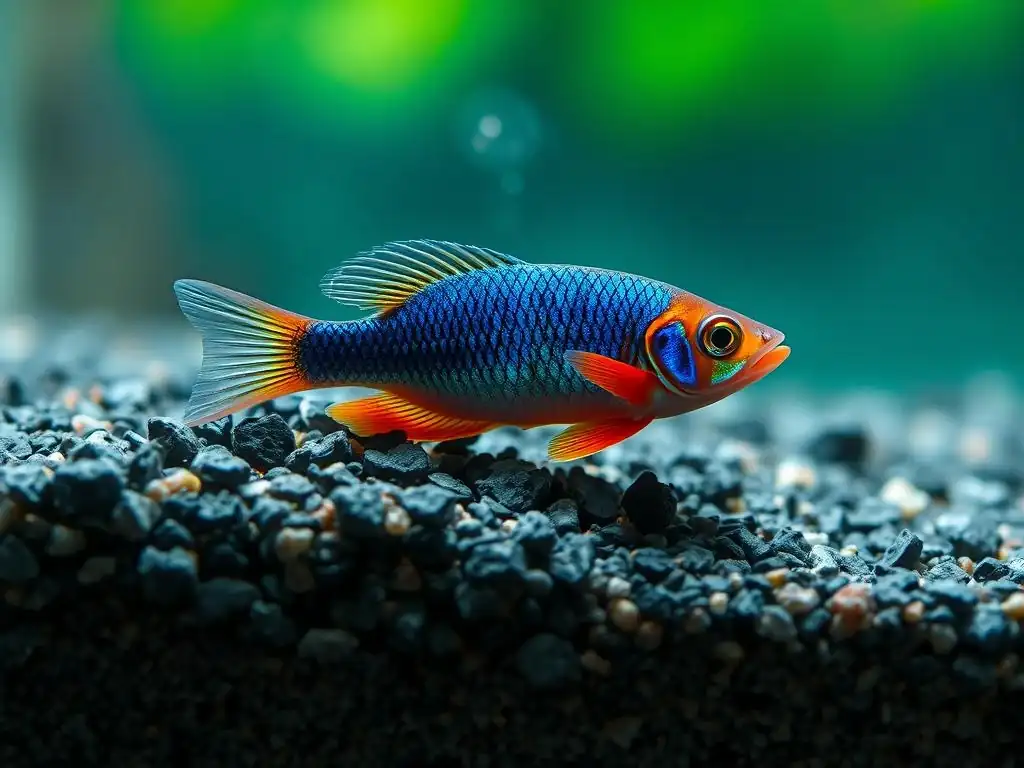
Gravel is one of the most common and traditional choices for aquarium substrate due to its widespread availability and relatively low cost. Its larger particle size (typically 3-10mm) makes it easy to clean, as detritus and uneaten food tend to settle on the surface or in the gaps between the grains, allowing for efficient removal with a gravel vacuum.
Gravel also comes in a vast array of colors and finishes, offering significant aesthetic versatility for aquascaping. For a basic fish-only tank with minimal planting, gravel can serve as a simple, functional Rasbora danio substrate choice, providing adequate surface area for beneficial bacteria.
However, gravel has several disadvantages, particularly for Rasboras and Danios. Its coarse texture can be unsuitable for bottom-dwelling or foraging fish, potentially causing injury to their delicate mouths or barbels.
The larger gaps between gravel pieces can allow food particles and waste to fall deep into the substrate, where they can decompose and contribute to poor water quality if not thoroughly cleaned regularly. Furthermore, gravel is generally not ideal for rooting most aquatic plants; their roots struggle to penetrate the dense, larger particles, and gravel typically lacks the essential nutrients required for strong plant growth, making it a less optimal Rasbora danio substrate choice for heavily planted setups.
Sand: Mimicking Natural Riverbeds
Sand, with its fine grain size (typically 0.5-2mm), is an excellent Rasbora danio substrate choice that closely mimics the natural riverbed environments where many species of Rasboras and Danios originate. Its soft, smooth texture is ideal for these fish, allowing them to sift through it naturally without risk of injury, promoting natural foraging behaviors. Sand also provides an extensive surface area for beneficial bacteria, contributing significantly to the biological filtration of the tank. For aquascapes aiming for a naturalistic or biotope look, sand offers an authentic aesthetic that enhances the overall appeal of the aquarium.
Despite its many advantages, sand requires specific considerations. Its fine particles can compact over time, potentially leading to anaerobic spots if the substrate is too deep or not regularly disturbed. This can be mitigated by keeping the sand bed at a moderate depth (2-3 inches) and introducing sand-sifting invertebrates like Malaysian Trumpet Snails or suitable fish like Corydoras catfish, which gently aerate the substrate.
Additionally, fine sand can be easily sucked into filter intakes if not properly protected, requiring the use of pre-filters or careful placement of filter equipment. Thorough rinsing before setup is crucial to remove dust and prevent initial cloudiness.
Planted Tank Substrates: Optimizing Growth for Aquatic Plants and Fish
Nutrient-Rich Substrates
Nutrient-rich substrates, often composed of baked clay granules, volcanic soil, or laterite, are specifically designed to provide essential macro and micronutrients directly to the roots of aquatic plants. Brands like ADA Aqua Soil, Fluval Stratum, or CaribSea Eco-Complete are popular examples. These substrates typically have a high Cation Exchange Capacity (CEC), meaning they can absorb and then release nutrients as needed by the plants, creating a stable and fertile environment for root feeders. This ensures lush plant growth, which in turn offers significant benefits for Rasboras and Danios.
The proliferation of healthy plants in a tank using these substrates provides abundant natural cover, reducing stress for small schooling fish and encouraging more confident behavior. Plants also actively absorb nitrates from the water column, contributing to superior water quality and a more stable ecosystem. While some nutrient-rich substrates may initially leach ammonia or other compounds during the first few weeks, requiring thorough cycling before fish introduction, their long-term benefits in creating a vibrant, self-sustaining planted environment make them an excellent Rasbora danio substrate choice for aquarists prioritizing lush aquascapes.
Inert Substrates and Root Tabs
An alternative approach for planted tanks, particularly when the main Rasbora danio substrate choice is sand or inert gravel, involves the use of inert substrates combined with root tabs. Inert substrates provide the physical support for plant roots and a vast surface area for beneficial bacteria, but they do not contribute nutrients directly. Instead, small, concentrated nutrient capsules known as root tabs are inserted into the substrate near the base of heavy root-feeding plants. These tabs slowly release essential fertilizers, delivering localized nutrition precisely where the plants need it most, without enriching the entire water column.
This method offers significant flexibility in controlling water parameters, as the inert substrate does not alter water chemistry. It can also be a more cost-effective solution for aquarists who want a planted tank but prefer the aesthetic or functional benefits of sand or basic gravel. The ability to target nutrient delivery allows for precise fertilization of specific plant species, while maintaining a clean and safe environment for Rasboras and Danios, as excess nutrients are less likely to leach into the water column and potentially fuel algae growth.
Specialty Substrates: Exploring Aquasoil
Aquasoil, a prominent category within nutrient-rich substrates (e.g., ADA Aqua Soil Amazonia, Controsoil), represents a highly specialized Rasbora danio substrate choice for planted aquariums. These substrates are typically composed of fired clay granules rich in organic acids and nutrients, designed to optimize plant growth.
A key characteristic of many Aquasoils is their ability to naturally lower pH and soften water, buffering it to a slightly acidic range (e.g., pH 6.0-6.8) and reducing general hardness. This makes them particularly well-suited for many Rasbora species, such as Boraras species, which thrive in soft, acidic water conditions that mimic their natural blackwater habitats.
The benefits for a Rasbora and Danio tank are multifaceted. Firstly, they create an incredibly fertile environment for aquatic plants, leading to robust growth and a lush aquascape that provides ample cover and a natural feel for the fish. Secondly, the pH buffering effect of Aquasoil can naturally establish and maintain the ideal water parameters for many Rasboras, reducing the need for chemical additives.
The granular structure of Aquasoil also promotes good root penetration and allows for excellent water circulation within the substrate, which helps to minimize the risk of anaerobic pockets. However, it's important to note that Aquasoil often leaches ammonia during its initial weeks, necessitating a thorough fishless cycle (typically 4-6 weeks) before introducing any fish, especially sensitive species like Rasboras.
Setting Up Your Substrate for Rasboras and Danios
Preparing Your Chosen Substrate
Proper preparation of your chosen Rasbora danio substrate choice is a crucial step that ensures water clarity and the long-term health of your aquarium. All substrates, especially sand and fine gravel, must be thoroughly rinsed before being added to the tank. Even products labeled "pre-rinsed" often contain fine dust and particles that can cloud your aquarium water for days or weeks.
To rinse, place small batches of substrate into a clean bucket and run clean tap water over it, stirring vigorously, until the water runs completely clear. For a 20-pound bag of sand, this might involve 10-15 rinses, but the effort prevents significant headaches later.
For certain specialty substrates, like Aquasoil, rinsing instructions may vary; some manufacturers advise against rinsing to preserve the integrity of the granules and their nutrient content. In such cases, it's vital to follow the manufacturer's specific guidelines. Be aware that some nutrient-rich substrates can release ammonia during their initial weeks, necessitating a complete fishless cycle for typically 4-6 weeks before introducing Rasboras, Danios, or any other fish. This preparation phase is non-negotiable for establishing a safe and stable environment.
Layering Substrates for Enhanced Benefits
Layering different types of substrates can offer enhanced benefits, particularly in planted aquariums designed for Rasboras and Danios. A common and highly effective approach involves using a base layer of nutrient-rich substrate, such as laterite or specialized plant soil, at the bottom of the tank. This layer, typically 1-2 inches deep, provides essential macro and micronutrients directly to the roots of aquatic plants, promoting robust growth. On top of this nutrient layer, an inert cap layer of sand or fine gravel (e.g., 1-2 inches deep) is added.
This layering technique offers several advantages for a Rasbora danio substrate choice. The inert top layer prevents the nutrient-rich base from leaching directly into the water column, which helps control nutrient levels and reduce the risk of algae blooms. It also makes cleaning easier, as detritus settles on the smooth, inert surface. For bottom-dwelling fish like Rasboras and Danios, the soft sand cap provides a safe and comfortable surface for foraging without disturbing the nutrient layer below. This strategic layering ensures plants receive the necessary nutrition while maintaining clean and stable water conditions for your fish.
Substrate Placement and Aquascaping Tips
Strategic substrate placement and thoughtful aquascaping are essential for creating an aesthetically pleasing and functionally optimal environment for Rasboras and Danios. When adding substrate, consider varying its depth to create visual interest and simulate natural landscapes. A common technique is to slope the substrate higher towards the back of the tank and lower towards the front. This creates a sense of depth and perspective, making the aquarium appear larger. It also provides deeper areas for heavy root-feeding plants at the back and shallower zones at the front for easier cleaning and better visibility of your fish.
Before adding any substrate, it's crucial to place large hardscape elements like rocks and driftwood directly onto the bare bottom of the tank. This prevents these heavy decorations from shifting over time, which could potentially undermine the substrate beneath them and crack the tank glass. Once the hardscape is stable, build the substrate around these elements, creating natural contours, nooks, and crannies. This not only enhances the visual appeal but also provides additional hiding spots and exploration areas for your Rasboras and Danios, contributing to their sense of security and overall well-being in their chosen Rasbora danio substrate environment.
Maintaining Your Substrate for a Healthy Rasbora and Danio Aquarium
Regular Cleaning and Vacuuming
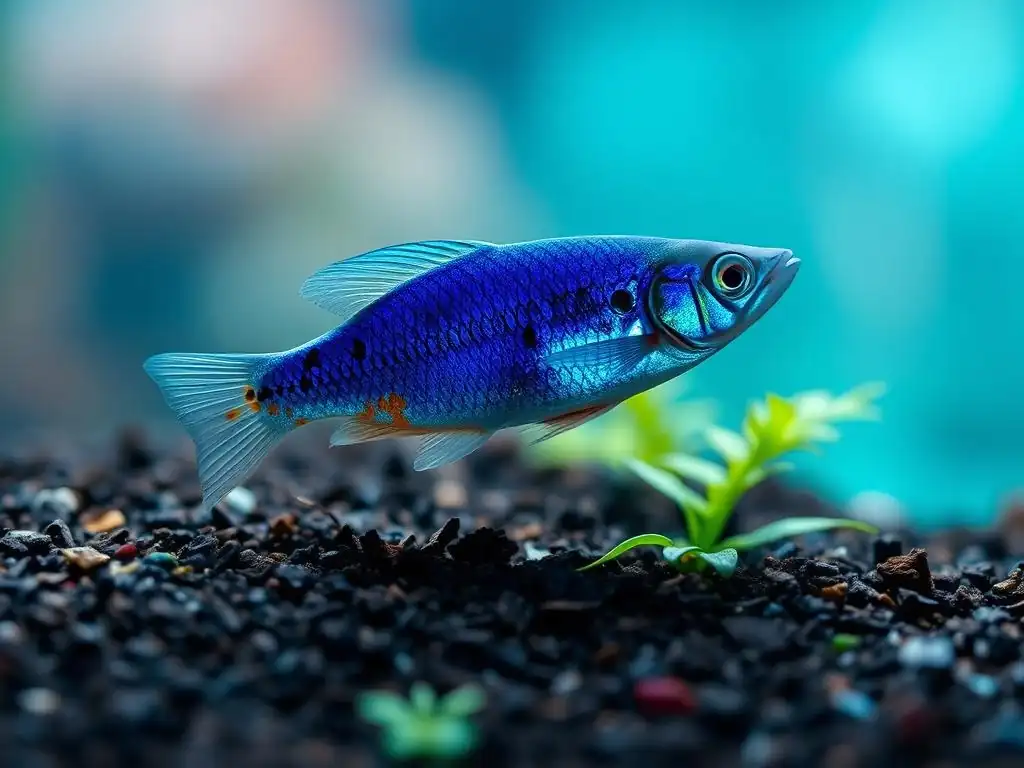
Regular cleaning and vacuuming of the substrate are paramount for maintaining optimal water quality and preventing the buildup of harmful organic waste in a Rasbora and Danio aquarium. For gravel substrates, a gravel vacuum should be used weekly or bi-weekly, depending on stocking levels and feeding habits. The vacuum effectively siphons out detritus, uneaten food, and fish waste that settle between the larger particles.
For sand substrates, a gentler "hover" vacuuming technique is recommended. Instead of plunging the vacuum deep into the sand, hover it just above the surface to lift debris without disturbing the sand bed too much, which can release trapped gases or make the water cloudy.
The importance of this routine cannot be overstated for small schooling fish like Rasboras and Danios. While individually they produce less waste, a school of 10-15 fish in a 20-gallon tank can generate a significant bioload. Accumulated waste in the substrate breaks down, contributing to elevated nitrate levels and potentially leading to anaerobic zones. Consistent substrate cleaning prevents these issues, ensuring a clean, healthy environment that reduces stress and susceptibility to disease for your Rasboras and Danios.
Monitoring Water Parameters
Regular monitoring of water parameters is crucial in a Rasbora and Danio tank, as the substrate can significantly influence these values over time. Even after the initial cycling phase, elements within the substrate can affect pH, general hardness (GH), carbonate hardness (KH), and nutrient levels. Weekly or bi-weekly testing for ammonia, nitrite, nitrate, pH, and GH/KH is highly recommended. For instance, if using a pH-buffering substrate like Aquasoil, consistent monitoring ensures that the pH remains within the optimal range (e.g., 6.0-7.5 for most Rasboras and Danios) and does not fluctuate drastically.
If water parameters begin to deviate from the desired range—for example, if nitrates consistently climb despite regular water changes, or if pH unexpectedly drops—it could indicate issues with the substrate. Excessive organic buildup, the formation of anaerobic pockets, or even the depletion of buffering capacity in certain substrates can all contribute to water quality problems. Prompt identification of these issues through regular testing allows for timely intervention, such as more frequent water changes, deeper substrate cleaning, or the addition of buffering agents, ensuring a stable and healthy environment for your Rasboras and Danios.
Substrate Replacement: When and How
Complete substrate replacement is a drastic measure and is rarely necessary in a well-maintained Rasbora and Danio aquarium. In most cases, a healthy substrate can last for many years, often the entire lifespan of the tank, with proper cleaning and maintenance.
A full substrate change is typically only considered in extreme circumstances, such as a severe disease outbreak that requires complete sterilization, a major contamination issue (e.g., a toxic spill), or if the substrate has become irrecoverably compacted and anaerobic despite all efforts. This process is highly disruptive to the established nitrogen cycle and can cause immense stress to fish, often necessitating a complete re-cycling of the tank.
Instead of full replacement, aquarists often opt for partial substrate replacement or rejuvenation. If a portion of the substrate becomes problematic (e.g., heavily compacted in one area), that section can be carefully removed and replaced without disturbing the entire tank. For planted tanks where nutrient-rich substrates may become depleted over time, the addition of root tabs or liquid fertilizers directly to the substrate can effectively rejuvenate its fertility without requiring removal. This approach minimizes disruption to the ecosystem and the fish, ensuring the Rasbora danio substrate choice remains a healthy foundation for your aquarium.
Anaerobic Pockets: Identifying and Preventing
Anaerobic pockets are zones within the substrate where oxygen levels are depleted, leading to the growth of harmful anaerobic bacteria. These pockets are identifiable by black spots or areas within the substrate and, more tellingly, by a distinct "rotten egg" smell (hydrogen sulfide) when the substrate is disturbed. They are more common in deep, fine-grained substrates like sand that are not regularly disturbed or cleaned. Hydrogen sulfide is highly toxic to fish, and its release into the water column, even in small amounts, can be lethal to sensitive Rasboras and Danios.
Prevention is key: maintain a moderate substrate depth (2-3 inches), perform regular gravel vacuuming or gentle stirring of sand to ensure good water circulation within the substrate, and avoid overfeeding. Introducing burrowing invertebrates such as Malaysian Trumpet Snails can also naturally aerate the substrate as they tunnel through it, significantly reducing the risk of anaerobic pocket formation. Maintaining a healthy aerobic environment within the Rasbora danio substrate choice is crucial for the overall well-being of the aquarium.
Algae Growth on Substrate: Control and Prevention
Algae growth on the substrate is a common issue in aquariums and can be caused by a combination of factors, including excessive light, high nutrient levels (particularly nitrates and phosphates), and an imbalance in tank parameters. Common types found on the substrate include green spot algae, hair algae, or even cyanobacteria (often mistaken for blue-green algae), which frequently thrive on accumulated detritus and excess nutrients in the substrate. While some algae are natural, an uncontrolled bloom can be unsightly and indicate underlying water quality issues.
Effective control and prevention strategies include reducing the duration of lighting (e.g., to 8-10 hours daily), performing consistent weekly water changes (e.g., 25-30% of tank volume) to lower nutrient concentrations, ensuring robust filtration, and meticulously cleaning the substrate to remove organic waste. Introducing algae-eating tank mates such as Otocinclus catfish or Amano shrimp (if compatible with your Rasboras and Danios) can also help manage algae growth naturally. Maintaining a clean and balanced environment is vital for preventing algae overgrowth on your Rasbora danio substrate choice.
Substrate Compaction: Maintaining Water Flow
Substrate compaction occurs when the particles of the substrate settle too tightly together, reducing the interstitial spaces and thereby impeding the flow of oxygenated water through the substrate. This issue is particularly prevalent with very fine sands or in substrates that are excessively deep and left undisturbed for extended periods. When water flow is restricted, oxygen cannot penetrate effectively, leading to the development of anaerobic conditions within the compacted areas, which, as discussed, can release harmful gases.
Preventing substrate compaction involves several key strategies. Firstly, choosing an appropriate grain size for your Rasbora danio substrate choice is important; while fine sand is excellent, ensure it's not excessively fine. Secondly, maintaining a moderate substrate depth (ideally 2-3 inches) helps prevent the formation of overly dense layers.
Thirdly, regular, gentle stirring or vacuuming of the substrate, especially in sandy areas, helps to aerate it and prevent particles from settling too tightly. For sandy tanks, introducing sand-sifting fish like Corydoras catfish or Malaysian Trumpet Snails can provide continuous, natural aeration, effectively preventing compaction and maintaining a healthy environment for beneficial bacteria and your Rasboras and Danios.
Substrate and Rasbora/Danio Behavior
How Substrate Color Affects Fish Confidence
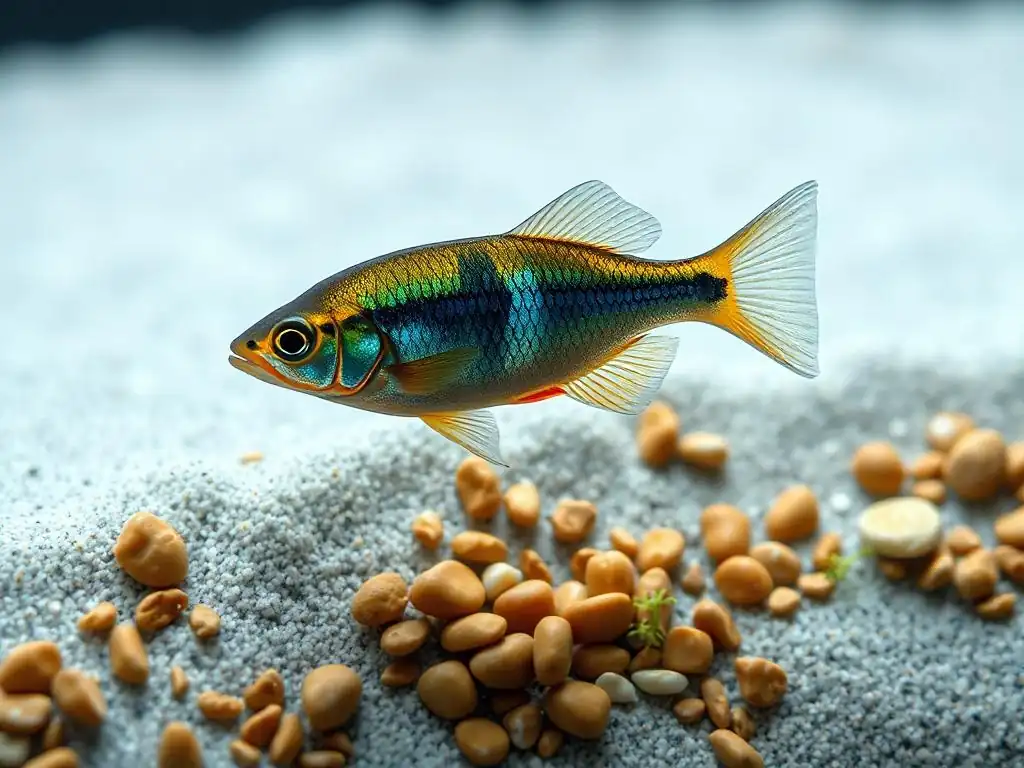
The color of the substrate has a profound impact on the confidence and perceived security of Rasboras and Danios. These small schooling fish, in their natural habitats, often reside over dark, silty bottoms or amidst dense vegetation and leaf litter. A dark substrate (e.g., black or dark brown) mimics these natural conditions, providing a sense of security that encourages the fish to display their most vibrant coloration and engage in natural behaviors.
When Rasboras and Danios feel secure, their stress levels decrease, leading to better health and more active schooling. For instance, a school of Chili Rasboras ( Boraras brigittae) will exhibit much more intense red hues over a dark substrate compared to a light one.
Conversely, a very light or white substrate can make these fish feel exposed and vulnerable, as it offers little camouflage against potential predators. This can lead to increased stress, faded coloration (as they try to blend in with the bright background), and more skittish or reclusive behavior. Fish may spend more time hiding, exhibit clamped fins, or show reluctance to school openly. Therefore, selecting a darker Rasbora danio substrate choice is not merely an aesthetic preference but a critical factor in promoting the psychological well-being and natural vibrancy of your fish.
Identifying signs of stress in Rasboras and Danios is crucial for prompt intervention, and sometimes, the substrate can be a contributing factor. Beyond faded colors and excessive hiding, observe for physical and behavioral indicators such as clamped fins (held close to the body), rapid or labored breathing, lethargy, loss of appetite, or abnormal swimming patterns (e.g., darting erratically, rubbing against surfaces). If multiple fish exhibit these symptoms, it often points to an underlying environmental issue.
When these signs appear, it's imperative to first test your water parameters for ammonia, nitrite, nitrate, and pH. If parameters are out of optimal range, consider if substrate-related issues might be the root cause. For example, a sudden spike in ammonia or nitrite could indicate a compromised biological filter due to anaerobic pockets or excessive organic waste accumulation in the substrate.
A rapid pH crash, particularly in tanks with unbuffered or very old substrates, can also severely stress Rasboras which are sensitive to abrupt changes. Addressing the underlying substrate issue, such as thorough cleaning or aerating compacted areas, is vital for restoring a healthy environment for your Rasbora danio substrate choice.
Foraging Behavior and Substrate Choice
The natural foraging behavior of Rasboras and Danios is significantly influenced by the type of substrate in their aquarium. Many of these species are micro-predators or omnivores that, in their wild habitats, spend time sifting through leaf litter, fine sand, or detritus on the bottom for small invertebrates, insect larvae, and plant matter. A fine, soft substrate like sand allows them to exhibit this natural sifting and pecking behavior without causing any harm to their delicate mouths or barbels (if present). This promotes their natural instincts, reduces boredom, and contributes to their overall well-being.
An unsuitable Rasbora danio substrate choice, such as coarse or sharp gravel, can prevent this natural foraging. If a Rasbora or Danio attempts to sift through sharp gravel, it risks injury to its mouth, which can lead to infections, difficulty feeding, and chronic stress.
Fish may also avoid foraging on such substrates altogether, impacting their natural behaviors and potentially leaving uneaten food to decompose. Therefore, providing a substrate that facilitates natural foraging is not just about aesthetics; it's about enriching the lives of your Rasboras and Danios and ensuring they can engage in behaviors vital to their health and happiness.
Pairing Substrate with Other Tank Elements
Substrate and Filtration: Achieving Optimal Water Quality
The substrate and filtration system in a Rasbora and Danio aquarium are intimately linked, working in tandem to achieve optimal water quality. While your external filter (e.g., hang-on-back, canister filter) handles the bulk of mechanical and chemical filtration, the substrate provides an enormous surface area for the colonization of beneficial nitrifying bacteria, acting as a significant component of your biological filtration. A healthy bacterial colony in the substrate processes ammonia and nitrite, thereby reducing the workload on your primary filter and ensuring cleaner, safer water for your small schooling fish.
When choosing your Rasbora danio substrate choice, consider its compatibility with your filtration system. For tanks with fine sand, ensure that your filter intake is positioned high enough off the substrate or equipped with a pre-filter sponge to prevent sand particles from being sucked in, which can damage the filter impeller.
Canister filters and hang-on-back filters with adjustable flow rates are generally effective with various substrates. Undergravel filters, while once popular, are generally not recommended with fine sand or heavily planted substrates due to their propensity to clog and create anaerobic conditions, which can undermine water quality and harm your Rasboras and Danios.
Substrate and Lighting: Balancing Plant Growth and Fish Needs
The interplay between the substrate and lighting is crucial for both plant growth and the comfort of your Rasboras and Danios. The color of the substrate directly influences light reflection within the tank. Lighter substrates reflect more light, potentially creating a brighter environment that can stress fish, causing them to appear washed out or seek more cover.
This excess reflected light can also contribute to unwanted algae growth on the substrate itself if nutrient levels are high. Darker substrates, conversely, absorb more light, creating a more subdued and natural ambiance that helps Rasboras and Danios feel secure and display their best colors.
For planted tanks, the chosen lighting system must be powerful enough to support the specific plant species, which in turn dictates the type of substrate (e.g., nutrient-rich Aquasoil for high-light demanding plants). However, an imbalance where intense lighting is paired with abundant nutrients in the substrate can lead to rampant algae blooms, particularly on the substrate surface. Therefore, a careful balance is required: sufficient light for plants, a substrate that supports them, and an environment that remains comfortable and algae-free for your Rasboras and Danios. This thoughtful pairing is essential for a thriving aquatic ecosystem.
Substrate and Decorations: Creating a Natural Environment
The substrate forms the fundamental base upon which all other tank decorations are built, playing a pivotal role in creating a natural and aesthetically pleasing environment for Rasboras and Danios. When designing your aquascape, consider how the chosen Rasbora danio substrate choice complements rocks, driftwood, and live plants. For instance, a dark sand substrate provides an excellent contrast for green aquatic plants and the rich browns of driftwood, enhancing the natural look of a biotope setup for species like Harlequin Rasboras, which thrive in such environments.
Beyond aesthetics, decorations placed strategically on or within the substrate provide crucial functional benefits. Rocks and driftwood create nooks, crevices, and caves that serve as essential hiding spots and territories for Rasboras and Danios, especially during initial acclimation or when feeling stressed.
Dense planting, rooted firmly in a suitable substrate, further enhances this sense of security and provides complex foraging grounds. Ensuring that heavy decorations are placed directly on the tank bottom before adding substrate is vital to prevent shifting and potential damage, creating a safe and stimulating habitat that encourages natural behaviors and reduces stress for your small schooling fish.
Conclusion: Mastering Substrate Selection for Thriving Rasboras and Danios.
Frequently Asked Questions
What type of substrate is generally recommended for Rasboras and Danios?
Generally, a darker substrate such as dark gravel or aquarium soil is recommended. This helps to reduce stress and enhance the fish's natural colors.
Why is substrate color important for Rasboras and Danios?
Darker substrates mimic the natural habitat of Rasboras and Danios, which often consist of shaded streams and rivers. This reduces stress and promotes a sense of security.
Does substrate grain size matter when choosing for Rasboras and Danios?
Yes, grain size matters. A smaller grain size is preferred as it prevents food from becoming trapped and decaying, which can negatively impact water quality and fish health.
Can I use sand as a substrate for Rasboras and Danios?
Yes, sand is a viable option. Ensure it's aquarium-safe sand and that you maintain good water circulation to prevent anaerobic pockets from forming within the substrate.
How does substrate impact plant growth in a Rasbora and Danio aquarium?
Substrate choice impacts plant growth significantly. Aquarium soil or substrates with added nutrients will support plant growth, providing shelter and improving water quality for your Rasboras and Danios.
Final Reflection: The Foundation of Aquatic Harmony
The insights shared throughout this article underscore a vital truth: the seemingly simple substrate is, in reality, a cornerstone of a thriving Rasbora and Danio ecosystem. Understanding the nuances of substrate choice, from its composition to its impact on water chemistry and beneficial bacteria, is not merely a matter of aesthetics, but a fundamental responsibility for any aquarist seeking to provide optimal conditions for these vibrant fish.
This journey into the depths of substrate selection has illuminated how profoundly our choices impact the well-being of our aquatic companions. It's a reminder that responsible aquascaping goes beyond visual appeal; it's about creating a balanced and supportive environment where Rasboras and Danios can truly flourish. The best aquarium is not just a pretty picture, but a thriving ecosystem.
This quote encapsulates the essence of our exploration, highlighting the interconnectedness of every element within the tank.
Now, armed with this knowledge, I invite you to reflect on your own aquariums. Are your substrate choices truly serving the needs of your Rasboras and Danios? Take a moment to assess, to research, and to perhaps even reimagine the foundation upon which their lives are built. By embracing a mindful approach to substrate selection, you can unlock the full potential of your aquarium and witness the vibrant health and captivating behaviors that these remarkable fish are truly capable of displaying.
Unlock the Secrets to a Vibrant Rasbora and Danio Paradise!
Thank you for diving into the world of substrate and its impact on your Rasboras and Danios. We hope you've uncovered some valuable insights to create a better environment for your finned friends. Ready to take action and see the difference firsthand?
Here are a few things you can do right now:
- Re-evaluate your current substrate. Is it truly the best choice for your Rasboras and Danios, considering their specific needs? Don't be afraid to experiment!
- Share this article with fellow aquarium enthusiasts who might also be overlooking the importance of substrate. Let's spread the knowledge!
- Consider adding a small leaf litter layer (catappa leaves are perfect!) to mimic their natural habitat and observe the positive changes in your fish's behavior.
What's one small change you can make to your substrate this week to improve the well-being of your Rasboras and Danios?