
Beyond Timers: Exploring the Advanced Features of Modern Aquarium Controllers

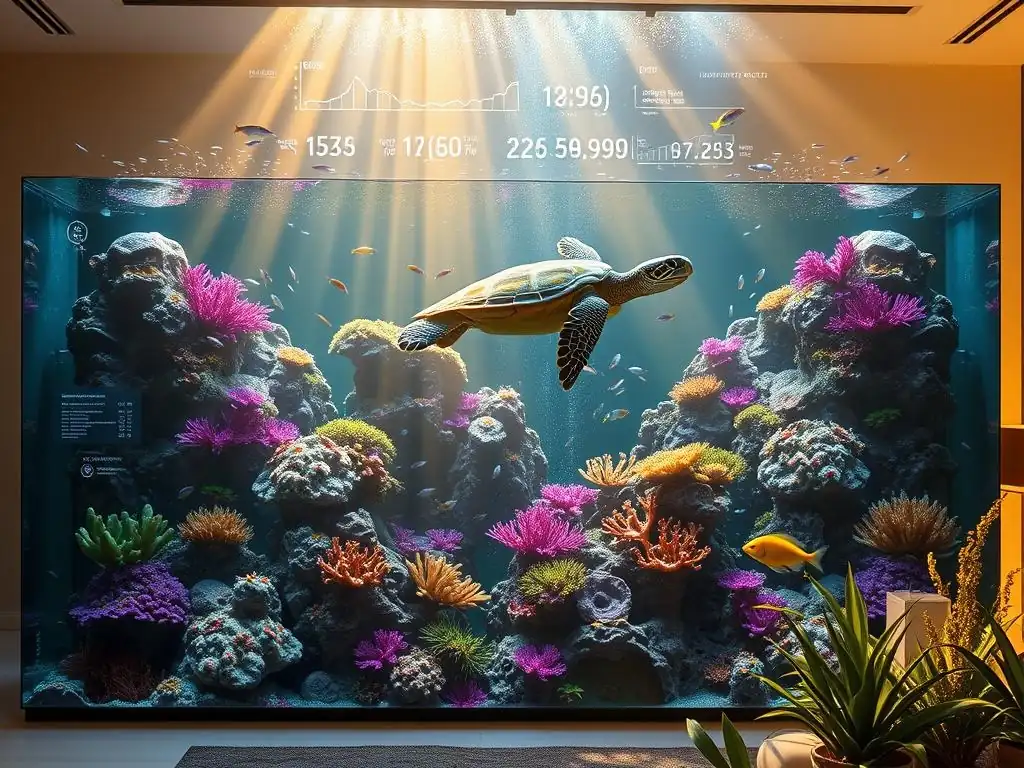
Welcome to Aquarium Mastery, your ultimate guide to creating thriving aquatic ecosystems!
Ever wondered how to truly master your aquarium's environment, going beyond simple timers? Dive into our latest article, "Beyond Timers: Exploring the Advanced Features of Modern Aquarium Controllers", packed with smart aquarium controller programming tips that will revolutionize your tank management. Discover how to fine-tune your setup for optimal health and beauty – are you ready to unlock the full potential of your aquatic world?
- Understanding the Power of Smart Aquarium Controllers: A Programming Guide
- Smart Aquarium Controller Programming Tips: Getting Started
- Mastering the Art of Aquarium Controller Programming: Advanced Techniques
- Troubleshooting Common Aquarium Controller Programming Issues
- Maximizing Your Investment: Advanced Aquarium Controller Uses
- Conclusion: The Future of Aquarium Keeping with Smart Controllers.
-
Frequently Asked Questions
- What are the primary benefits of using a smart aquarium controller compared to traditional timers?
- What types of parameters can be controlled and monitored using a smart aquarium controller?
- Can smart aquarium controllers help prevent common aquarium problems?
- Is it difficult to program and customize a smart aquarium controller?
- How can I ensure the long-term reliability of my smart aquarium controller?
- Final Reflection: Cultivating Aquatic Harmony Through Innovation
- Transform Your Tank: Dive Deeper into Aquarium Excellence!
Understanding the Power of Smart Aquarium Controllers: A Programming Guide
Modern aquarium controllers represent a significant leap beyond simple timers, transforming aquarium management from a daily chore into a sophisticated, automated process. These advanced devices act as the central nervous system for your aquatic ecosystem, continuously monitoring vital parameters, automating equipment operation, and providing real-time alerts. Their core power lies in their extensive programming capabilities, allowing aquarists to precisely define conditions and actions, creating a stable and thriving environment with minimal manual intervention.
The ability to program these controllers offers unparalleled benefits, including enhanced stability of water parameters, significant reduction in daily maintenance tasks, and early detection of potential issues. For instance, a well-programmed smart aquarium controller can maintain temperature within a tight 0.5°F (0.28°C) range, preventing the stress on livestock caused by daily fluctuations. This precision and automation free up valuable time for aquarists, allowing them to focus more on enjoying their tank and less on constant adjustments, truly elevating the hobby through intelligent smart aquarium controller programming.
Smart Aquarium Controller Programming Tips: Getting Started
Choosing the Right Aquarium Controller for Your Needs
Selecting the appropriate aquarium controller is a foundational step that dictates the scope of your smart aquarium controller programming capabilities. Factors such as your tank's size, its inhabitants (e.g., a 50-gallon freshwater planted tank versus a 200-gallon reef tank), and your budget heavily influence this decision.
Entry-level controllers might offer basic temperature and lighting control for around $200-$400, while high-end modular systems like the Neptune Systems Apex or GHL Profilux can exceed $1500, providing extensive sensor compatibility for pH, ORP, salinity, and numerous controllable outlets. It's crucial to assess the number of devices you intend to automate and the level of parameter monitoring required for your specific aquatic setup.
Beyond initial features, consider the controller's scalability and compatibility. A basic controller might provide 4-8 controllable outlets, sufficient for a simple freshwater setup. However, if you anticipate upgrading to a larger reef tank requiring multiple dosing pumps, a calcium reactor, or additional powerheads, a modular system with expandable power bars and sensor ports is a wise long-term investment. For example, the Apex EL offers a solid starting point with expansion options, making it suitable for hobbyists planning future additions to their aquatic systems, ensuring their smart aquarium controller programming can evolve with their needs.
Initial Setup and Configuration: Connecting Your Controller
The initial setup of a smart aquarium controller typically involves both physical connections and software configuration, laying the groundwork for all subsequent smart aquarium controller programming. Physically, this usually entails connecting the main head unit to power, followed by plugging in peripherals such as power bars (e.g., an Energy Bar 8), temperature probes, and network cables (Ethernet or Wi-Fi adapter).
A stable network connection is paramount, as it enables remote access via web interfaces or mobile apps, and facilitates firmware updates crucial for optimal performance. For instance, a common first step for a Neptune Systems Apex controller involves connecting the head unit to an Energy Bar, then plugging in the temperature probe, and finally connecting it to your home network for initial discovery and access to the Fusion cloud platform.
Once physical connections are secure, the software configuration begins, often accessed through a web browser on your computer or a dedicated mobile application. This phase involves establishing an IP address (static IP is often recommended for consistent access), setting the correct time zone, and performing initial sensor calibrations.
Accurate calibration of probes, such as pH and salinity, is critical; for example, calibrating a pH probe requires using two specific calibration solutions (e.g., pH 7.0 and pH 10.0) to ensure precise and reliable readings. This meticulous foundational programming step ensures that all data collected by your controller is accurate and actionable.
Mastering the Art of Aquarium Controller Programming: Advanced Techniques
Automating Lighting Schedules with Precision
Automating lighting schedules with a modern aquarium controller goes far beyond simple on/off timers, allowing for the creation of highly realistic and beneficial diurnal cycles. These controllers enable multi-point programming, simulating natural phenomena such as gradual sunrise, peak daylight intensity, smooth sunset, and even subtle moonlight.
For instance, a typical reef tank setup might involve a 12-hour photoperiod programmed as follows: a 1-hour ramp-up from 0% to 60% intensity, followed by 8 hours at 60-80% full intensity, a 1-hour ramp-down from 60% to 0%, and then 2 hours of dim moonlight at 1-5% intensity. This precise smart aquarium controller programming is vital for the health and growth of photosynthetic corals and the natural behavior of fish.
Furthermore, advanced controllers can integrate with specific LED light fixtures (e.g., Kessil, EcoTech Radion) through dedicated modules or direct connections, allowing for dynamic environmental effects. Users can program random cloud cover simulations that temporarily dim lights by 20-40% for durations ranging from 5 to 15 minutes, mimicking natural weather patterns and potentially mitigating algae growth spikes by varying light exposure. Some systems even offer lightning storm effects for a dramatic visual display. This level of sophisticated smart aquarium controller programming provides an immersive environment while directly contributing to the biological well-being of the aquarium inhabitants.
Optimizing Water Parameters: pH, Temperature, and Salinity Control
Maintaining stable water parameters is paramount for a healthy aquarium, and modern controllers excel at this through precise monitoring and automated adjustments. Temperature control is a prime example: a controller can be programmed to maintain a tight range, such as 77-79°F (25-26°C). If the temperature drops below 77°F, the controller activates the heater. Conversely, if it rises above 79°F, a chiller or cooling fan is engaged. Many controllers also incorporate critical safety cut-offs, for instance, automatically deactivating heaters if the temperature reaches an unsafe threshold like 82°F (27.8°C), preventing catastrophic overheating events.
Beyond temperature, controllers offer sophisticated pH and salinity monitoring and control, particularly crucial for sensitive reef aquariums. For a reef tank, pH is typically maintained between 8.0 and 8.4. If the pH drops below 7.9, the controller can be programmed to activate a calcium reactor or a dosing pump for alkalinity supplementation.
Similarly, salinity, ideally maintained at 34-35 ppt (parts per thousand) or 1.025-1.026 specific gravity, can be continuously monitored with a probe. Should salinity deviate, the controller can trigger an automatic top-off unit to replenish evaporated water or alert the user to potential issues. These smart aquarium controller programming tips are indispensable for preventing dangerous parameter swings that can stress or harm aquatic life.
Managing Water Changes Automatically
Automating water changes is one of the most significant time-saving and consistency-enhancing features offered by advanced aquarium controllers. These systems can manage the process using dedicated pumps and level sensors, dramatically reducing manual labor. For example, a common setup involves programming the controller to drain a specific percentage of the tank's volume, such as 10% (e.g., 20 gallons from a 200-gallon system), over a 30-minute period. After a brief pause, perhaps 10-15 minutes, the controller then activates a refill pump to introduce the same volume of pre-mixed, temperature-matched saltwater from a reservoir, ensuring consistent water quality with minimal intervention.
Safety protocols are paramount when implementing automatic water changes, and smart aquarium controller programming allows for robust safeguards. Controllers can incorporate multiple float switches or optical sensors to prevent both overflows and dry-run scenarios. For instance, a high-level sensor in the sump can be programmed to immediately halt the refill pump if the water level approaches the brim, preventing spills.
Conversely, a low-level sensor in the fresh saltwater reservoir can stop the refill process if the supply runs out, protecting the pump and preventing the tank from being underfilled. This intelligent use of sensors and programming minimizes risks, making automated water changes a reliable and beneficial feature.
Feeding Schedules and Dosing: Precision Nutrient Delivery
Modern aquarium controllers offer remarkable precision in managing feeding schedules and dosing, crucial aspects for the health and growth of aquatic inhabitants and corals. For feeding, controllers can integrate with automatic feeders or be programmed to momentarily power down return pumps during manual feeding times. This prevents food from being immediately swept into the sump, making it more available to the fish.
Advanced smart aquarium controller programming allows for multiple feeding events per day, each with specific durations. For example, a feeder might dispense food for 10 seconds at 9:00 AM and again at 5:00 PM, with the return pump automatically turning off for 15 minutes during each event to ensure maximum consumption.
For reef aquariums, precise automated dosing of essential supplements like alkalinity, calcium, and magnesium is vital for coral calcification and overall water chemistry stability. Controllers can activate dosing pumps based on set time intervals or even in response to specific parameter readings.
A common best practice is to program alkalinity and calcium dosing at different times of the day (e.g., alkalinity at 1:00 AM, calcium at 1:00 PM) to prevent precipitation and ensure optimal uptake. Many experienced hobbyists report achieving more stable parameters and better coral growth by implementing daily micro-doses spread throughout the day rather than larger, less frequent manual doses, directly benefiting from these smart aquarium controller programming tips.
Reacting to Alarms and Alerts: Protecting Your Aquarium
A critical function of modern aquarium controllers is their ability to provide immediate notification and even take corrective actions in response to critical events, effectively acting as a vigilant guardian for your aquatic ecosystem. Users can configure the controller to send email, SMS, or mobile app notifications for a wide range of issues. Examples include the aquarium temperature exceeding a safe threshold (e.g., over 82°F / 27.8°C), pH dropping dangerously low (e.g., below 7.8), or the detection of a power outage. Prompt alerts are invaluable, allowing aquarists to intervene quickly, potentially preventing significant livestock loss or equipment damage.
Beyond simply sending alerts, advanced smart aquarium controller programming allows for the implementation of pre-programmed corrective actions, adding an invaluable layer of protection. For instance, if a leak sensor detects water on the floor, the controller can be programmed to automatically shut off all pumps (return pump, powerheads) and activate an audible alarm, minimizing water damage.
Similarly, if the temperature exceeds a set point, the controller might automatically turn on a cooling fan or chiller. This proactive capability, based on sophisticated "IF...THEN" logic, transforms the controller from a monitoring device into an active protector of your aquarium, safeguarding your investment and the well-being of your aquatic inhabitants.
Troubleshooting Common Aquarium Controller Programming Issues
Addressing Connectivity Problems
Connectivity issues are among the most common frustrations encountered by users of smart aquarium controllers, often stemming from network-related challenges. Many problems can be traced back to weak Wi-Fi signals, IP address conflicts within the home network, or restrictive firewall settings.
A fundamental smart aquarium controller programming troubleshooting tip is to verify your router's DHCP lease settings, ensure the controller has a strong wireless signal if operating wirelessly, and consider assigning a static IP address to the controller to prevent future conflicts. For instance, a frequent solution for an unresponsive controller is to perform a power cycle on both the controller's main unit and the home network router, which often resolves temporary network glitches.
Physical connections also play a significant role in connectivity stability. Loose Ethernet cables, faulty Wi-Fi dongles, or an overloaded network segment can lead to intermittent connections or complete loss of communication. Always ensure all cables are securely plugged into their respective ports and that the network port lights on both the controller and your router are active.
If using Wi-Fi, try relocating the controller closer to the router or employing a Wi-Fi extender to boost signal strength. These basic checks are often overlooked but are crucial initial steps in resolving connectivity problems, ensuring your smart aquarium controller programming remains accessible and functional.
Resolving Sensor Calibration Errors
Accurate sensor readings are fundamental to effective smart aquarium controller programming, and calibration errors can lead to misguided automated responses. Probes for parameters like pH, ORP (Oxidation-Reduction Potential), and salinity naturally drift over time and require regular calibration. It's generally recommended to calibrate pH and ORP probes monthly or quarterly, and salinity probes every 6-12 months, always using fresh, unexpired calibration solutions. A common source of error is using old, contaminated, or improperly stored calibration solutions, which provide inaccurate reference points.
If a probe consistently provides erratic or incorrect readings even after proper recalibration, it may be nearing the end of its operational lifespan; for example, pH probes typically last 12-18 months of continuous use. When troubleshooting, gently clean the probe tip with distilled water and inspect for any physical damage or mineral buildup. Sometimes, simply reseating the probe's connection to the controller module or its associated port can resolve an intermittent error caused by a loose connection. Persistent issues after these steps usually indicate a need for probe replacement to ensure the accuracy of your smart aquarium controller programming.
Fixing Programming Glitches
Complex smart aquarium controller programming, while powerful, can sometimes lead to unintended consequences or "glitches" due to logic errors. When troubleshooting, it's essential to meticulously review your code line by line, paying close attention to "IF...THEN...ELSE" statements and nested conditions, ensuring they logically align with your desired outcomes.
For example, programming a heater to turn on if the temperature is below 78°F AND a chiller to turn on if the temperature is above 78°F is logical, but programming both to turn on if the temperature is exactly 78°F would create a conflict. Look for conflicting commands or conditions that might override each other unexpectedly.
To mitigate programming glitches, emphasize thorough testing and leverage any version control features your controller offers. When implementing new or significantly altered programming, test it in a controlled manner, perhaps by connecting a non-critical device first.
Utilize the controller's built-in logging features and graphing tools to review device states and sensor readings over time, which can highlight where the programming is deviating from expectations. Many advanced controllers allow users to save multiple programming profiles, providing a safety net to revert to a previous, stable configuration if a new one introduces unforeseen issues, making this a crucial smart aquarium controller programming best practice.
Maximizing Your Investment: Advanced Aquarium Controller Uses
Integrating with Other Smart Home Devices
The utility of a modern smart aquarium controller can extend far beyond the confines of the fish tank itself, through integration with other smart home devices and platforms. Some high-end controllers offer open APIs (Application Programming Interfaces) or direct integrations with popular smart home ecosystems like IFTTT (If This Then That), Amazon Alexa, or Google Home, or even custom home automation systems.
This connectivity unlocks powerful cross-device scenarios. For instance, you could program a scenario where if the aquarium controller detects a power outage and sends an alert, your smart home lights automatically turn on in the room containing the aquarium, allowing you to quickly assess the situation.
Integrating the aquarium controller into a broader smart home ecosystem provides a comprehensive view of your home's environmental conditions and enhances overall management. You could, for example, monitor the ambient room temperature and humidity via smart home sensors and use that data to inform and optimize your aquarium's cooling or heating strategies, potentially leading to energy savings.
Imagine receiving a voice alert from your smart speaker that your aquarium's pH has dropped too low, or automatically turning off the living room lights if the controller detects a water leak. This level of interconnected smart aquarium controller programming significantly enhances convenience, safety, and efficiency across your entire living space.
Data Logging and Analysis: Optimizing Aquarium Health
One of the most powerful yet often underutilized features of advanced smart aquarium controllers is their comprehensive data logging and analysis capabilities. These devices continuously record vast amounts of critical data: temperature, pH, ORP, salinity, light intensity, equipment run times, and more.
Analyzing trends in this historical data can provide invaluable insights, allowing aquarists to identify subtle issues before they escalate into critical problems. For instance, a gradual but consistent decline in pH over several weeks, even if still within an acceptable range, might indicate a slow depletion of alkalinity or a need for improved gas exchange, prompting proactive intervention.
The ability to visualize and analyze this data is key to optimizing aquarium health and fine-tuning your smart aquarium controller programming. Users can often export data to spreadsheets for custom analysis or utilize the controller's built-in graphing tools to spot correlations and trends.
This allows for precise adjustments to dosing schedules, identification of optimal lighting periods, or troubleshooting mysterious parameter swings. For example, if fish are exhibiting signs of stress, reviewing the historical temperature log might reveal daily swings of 3-4°F (1.7-2.2°C) that were previously unnoticed, indicating an issue with heating or cooling that can now be addressed through more intelligent programming, leading to a more stable and thriving environment.
Conclusion: The Future of Aquarium Keeping with Smart Controllers.
Modern smart aquarium controllers have fundamentally transformed the hobby, moving beyond basic timers to offer unparalleled levels of automation, precision, and peace of mind. Their advanced programming capabilities empower aquarists to create highly stable and optimized aquatic environments, from simulating natural lighting cycles and precisely managing water parameters to automating complex tasks like water changes and dosing. These devices not only significantly reduce manual maintenance but also provide critical insights through data logging and proactive protection through sophisticated alarm systems and corrective actions.
Mastering the art of smart aquarium controller programming tips is an investment that pays dividends in the health and vitality of your aquatic ecosystem. As technology continues to evolve, we can anticipate even more intuitive interfaces, greater integration with AI for predictive maintenance, and further seamless connectivity with smart home ecosystems. The future of aquarium keeping is undeniably intertwined with these intelligent controllers, making the dream of a thriving, self-sustaining aquatic world more accessible than ever before.
Frequently Asked Questions
What are the primary benefits of using a smart aquarium controller compared to traditional timers?
Smart aquarium controllers offer precise and automated control over various tank parameters. This allows for consistent conditions and reduced manual intervention, going beyond simple on/off timing.
What types of parameters can be controlled and monitored using a smart aquarium controller?
Controllers typically manage lighting schedules, water temperature, pH levels, and even automatically dose essential supplements. They also monitor water levels and can alert you to potential issues.
Can smart aquarium controllers help prevent common aquarium problems?
Yes, by closely monitoring conditions and providing alerts for deviations from set parameters, controllers can help prevent issues like temperature spikes, pH imbalances, and equipment malfunctions. This allows for proactive intervention.
Is it difficult to program and customize a smart aquarium controller?
While initial setup may require some learning, most controllers offer user-friendly interfaces and mobile apps. Many also include pre-set programs and customizable schedules to suit specific aquarium needs.
How can I ensure the long-term reliability of my smart aquarium controller?
Regularly update the controller's firmware and inspect probes and sensors for proper function. Also, ensure a stable power supply to prevent disruptions and potential data loss.
Final Reflection: Cultivating Aquatic Harmony Through Innovation
The journey through the advanced features of modern aquarium controllers reveals more than just smart aquarium controller programming tips; it unveils a path towards a deeper understanding and more responsible stewardship of our aquatic ecosystems. The ability to precisely manage every aspect of a tank, from lighting cycles to water chemistry, empowers aquarists to create thriving environments that closely mimic natural habitats, ultimately leading to healthier and more vibrant aquatic life.
This exploration has profoundly impacted how we perceive the role of technology in aquariums. It's no longer just about automation; it's about fostering a symbiotic relationship between human ingenuity and the delicate balance of nature. The potential for these controllers to revolutionize aquarium keeping is immense, allowing us to learn more about aquatic life and contribute to conservation efforts. In the end, we will conserve only what we love; we will love only what we understand; and we will understand only what we are taught.
- Baba Dioum. This quote resonates deeply, highlighting the importance of understanding and appreciating the ecosystems we strive to recreate in our homes.
Now, as you consider the possibilities presented by smart aquarium controllers, I encourage you to reflect on your own role in this aquatic narrative. How can you leverage these advanced features to not only enhance the beauty of your aquarium but also to contribute to a greater understanding and appreciation of the underwater world? Embrace the power of knowledge, experiment with innovative programming, and become a true architect of aquatic harmony. Your journey towards a thriving aquarium ecosystem starts now.
Transform Your Tank: Dive Deeper into Aquarium Excellence!
Thanks for exploring the world of advanced aquarium controllers with us! We hope this article has illuminated the potential for enhancing your aquatic setup. Now, let's put that knowledge into action.
Here's how you can further elevate your aquarium experience:
- Take decisive action now: Review your existing aquarium controller's capabilities.: Identify at least three features you aren't currently utilizing and commit to exploring them this week.
- Delve into the world of online aquarium communities and share your experiences with different controller features. Learning from others is key!
- Experiment with a slightly unconventional approach:Attempt to automate a task you previously thought impossible with your current controller. Surprises await!
What's one innovative automation project you're now inspired to undertake in your aquarium setup? Let us know in the comments below!