
Simple & Effective: Your Easy Guide to Setting Up & Optimizing a HOB Aquarium Filter

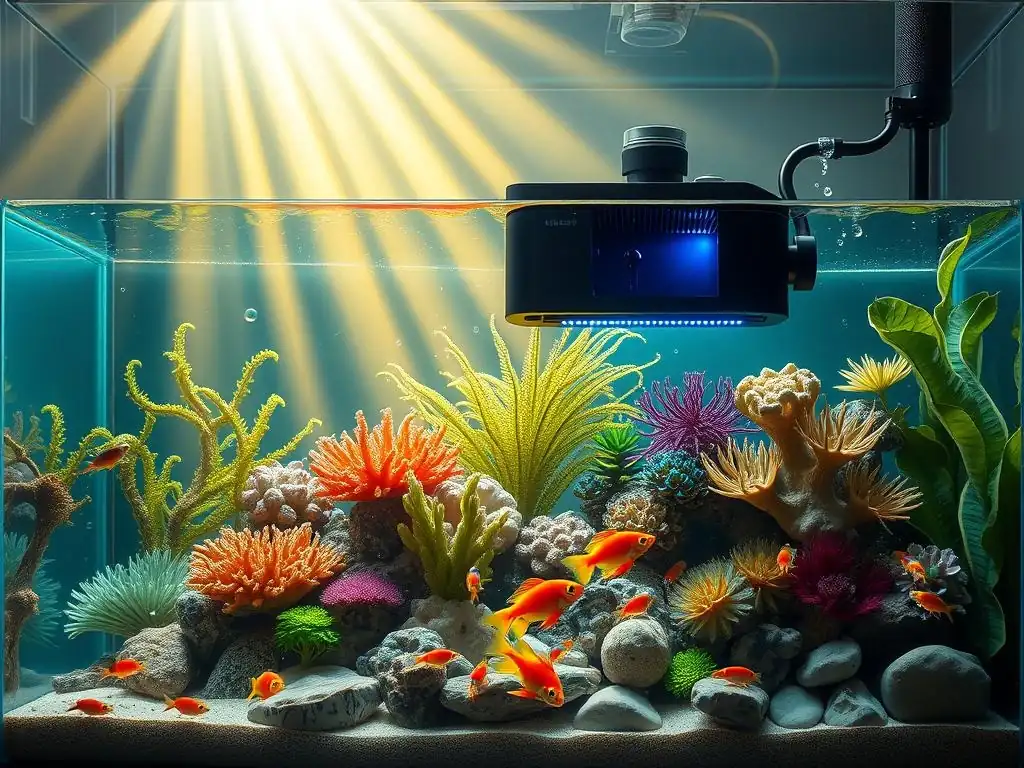
Welcome to Aquarium Mastery!
Curious about getting crystal-clear water in your aquarium without the fuss? You're in the right place! Dive into our easy-to-follow guide on HOB aquarium filter setup and unlock the secrets to a thriving aquatic environment. We'll show you how to get the most out of your filter, ensuring a happy and healthy home for your finned friends. Ready to learn more and achieve aquarium clarity? Let's get started!
- Understanding Aquarium Filters: An Introduction
- Aquarium Filter Setup: A Step-by-Step Guide
- Optimizing Your Aquarium Filter for Peak Performance
- Filter Maintenance: Keeping Your Aquarium Water Pristine
- Choosing the Best Filter for Your Aquarium Size and Needs
- Advanced Filter Techniques: Enhancing Filtration
- Filter Types: A Comparison
- Common Mistakes to Avoid When Setting Up and Maintaining a Filter
- Conclusion: Mastering Aquarium Filtration for a Healthy Aquarium
- Frequently Asked Questions
- Final Reflection: The Enduring Simplicity of Aquatic Harmony
- Transform Your Tank: Dive Deeper into Aquarium Mastery!
Understanding Aquarium Filters: An Introduction
What is an Aquarium Filter and Why Choose One?
An aquarium filter is an indispensable piece of equipment designed to maintain the health and clarity of your aquatic environment. Its primary function involves mechanical, biological, and often chemical filtration, working synergistically to remove physical debris, neutralize harmful toxins like ammonia and nitrite, and eliminate odors or discoloration. For many aquarists, particularly those new to the hobby or with tanks ranging from 10 to 75 gallons, a Hang-on-Back (HOB) aquarium filter is a popular choice due to its balance of efficiency, ease of HOB aquarium filter setup, and cost-effectiveness.
Choosing a HOB filter offers significant advantages for various aquarium setups. Unlike internal filters that occupy space within the tank, HOB filters hang on the back rim, preserving valuable swimming space for your fish and aesthetic appeal. Their design typically allows for easy access to filter media, simplifying maintenance tasks, and their relatively simple construction makes their initial HOB aquarium filter setup straightforward even for beginners.
Benefits of Using a Filter for Your Aquarium
The benefits of integrating a robust filtration system, such as a HOB aquarium filter, into your aquarium are multifaceted and crucial for a thriving aquatic ecosystem. Firstly, mechanical filtration removes suspended particles like uneaten food, fish waste, and plant debris, leading to noticeably clearer water. This clarity not only enhances the visual appeal of your tank but also prevents the breakdown of these organics into harmful compounds.
Secondly, and perhaps most critically, filters facilitate biological filtration. The porous surfaces within the filter media provide an ideal habitat for beneficial nitrifying bacteria, which convert toxic ammonia (from fish waste and decaying matter) into less harmful nitrite, and then into even less harmful nitrate. Without this process, ammonia levels can quickly spike, leading to fish stress, illness, and even death, especially in newly established tanks.
Lastly, many HOB filters incorporate chemical filtration, often through activated carbon, which adsorbs odors, discolorations, and residual medications, ensuring the water remains fresh and pristine. The continuous water movement generated by the filter also aids in surface agitation, promoting vital gas exchange and oxygenation for your aquatic inhabitants.
Different Types of Aquarium Filters: A Quick Overview
While this guide primarily focuses on the HOB aquarium filter setup, it's beneficial to understand the landscape of aquarium filtration. The most common types include Hang-on-Back (HOB) filters, canister filters, sponge filters, and internal filters, each suited for different tank sizes, budgets, and specific needs. HOB filters, as discussed, are external units that hang on the back of the tank, drawing water in through an intake tube and returning it via a waterfall effect. They are widely appreciated for their ease of HOB aquarium filter setup and maintenance, making them a staple for tanks up to about 75 gallons.
Canister filters are typically more powerful and have larger media capacities, making them ideal for larger aquariums (often 50 gallons and up) or heavily stocked tanks. They sit beneath the aquarium, offering a discreet appearance and robust multi-stage filtration.
Sponge filters, driven by an air pump, are simple, inexpensive, and excellent for biological filtration, often used in breeding tanks or as supplemental filtration due to their gentle flow and safety for fry. Internal filters, submerged within the tank, are compact and suitable for smaller aquariums (under 20 gallons) or as supplementary mechanical filtration, though their media capacity is generally limited compared to HOB or canister filters.
Aquarium Filter Setup: A Step-by-Step Guide
Unboxing and Inspecting Your New Filter
The initial step in any HOB aquarium filter setup is to carefully unbox and inspect all components of your new filter. Remove all packaging materials and lay out every piece, which typically includes the main filter body, the motor/pump assembly, an intake tube, a strainer, and often pre-packaged filter cartridges or media baskets. Take a moment to consult the manufacturer's instruction manual specific to your model, as slight variations exist between brands like AquaClear, Fluval, and Seachem Tidal.
Thoroughly examine each part for any signs of damage such as cracks, chips, or broken clips that might have occurred during shipping. Pay close attention to the impeller, which is the rotating part inside the motor, ensuring it spins freely and is not obstructed or damaged. Confirm that all necessary seals and gaskets are present and properly seated, as these are critical for preventing leaks once the HOB aquarium filter setup is complete and the unit is operational.
Preparing Your Filter for Installation: Cleaning and Media
Before installing your filter, it's crucial to prepare its components and media. Begin by rinsing the main filter body, intake tube, and any plastic components with clean, dechlorinated water. Never use soap or detergents, as residues can be highly toxic to fish and beneficial bacteria. This rinsing removes any manufacturing dust or residues that might otherwise be introduced into your aquarium.
Next, focus on the filter media. If your HOB filter comes with pre-packaged cartridges, these often contain mechanical filtration (like floss) and chemical filtration (like activated carbon). Rinse these cartridges under dechlorinated water to remove any carbon dust.
If you are using custom media, such as sponges for mechanical filtration, ceramic rings or bio-balls for biological filtration, and activated carbon or specialized resins for chemical filtration, arrange them in the filter basket according to the manufacturer's recommended order, which typically flows from mechanical, to biological, then to chemical. Always pre-rinse new biological and chemical media as well, especially activated carbon, to prevent fine particles from clouding your tank.
Installing the Filter on Your Aquarium: A Secure Fit
With the filter components and media prepared, the next step in your HOB aquarium filter setup is to securely install the filter onto your aquarium. Most HOB filters are designed to hang on the back rim of the tank. Choose a location on the back of your aquarium that allows for easy access for maintenance and doesn't interfere with the tank lid or lighting. Ensure there is sufficient space behind the tank for the filter body.
Carefully place the filter onto the tank rim, making sure the intake tube is fully submerged in the water and positioned near the bottom of the tank, but not directly touching the substrate. This ensures that water is drawn from the lower levels of the tank, where most debris tends to settle. Many HOB filters come with adjustable leveling screws or clips; adjust these to ensure the filter body is perfectly level and stable on the tank rim. A secure and level fit is paramount to prevent vibrations, reduce noise, and avoid potential leaks once the filter is running.
Priming the Filter: Getting the Water Flowing
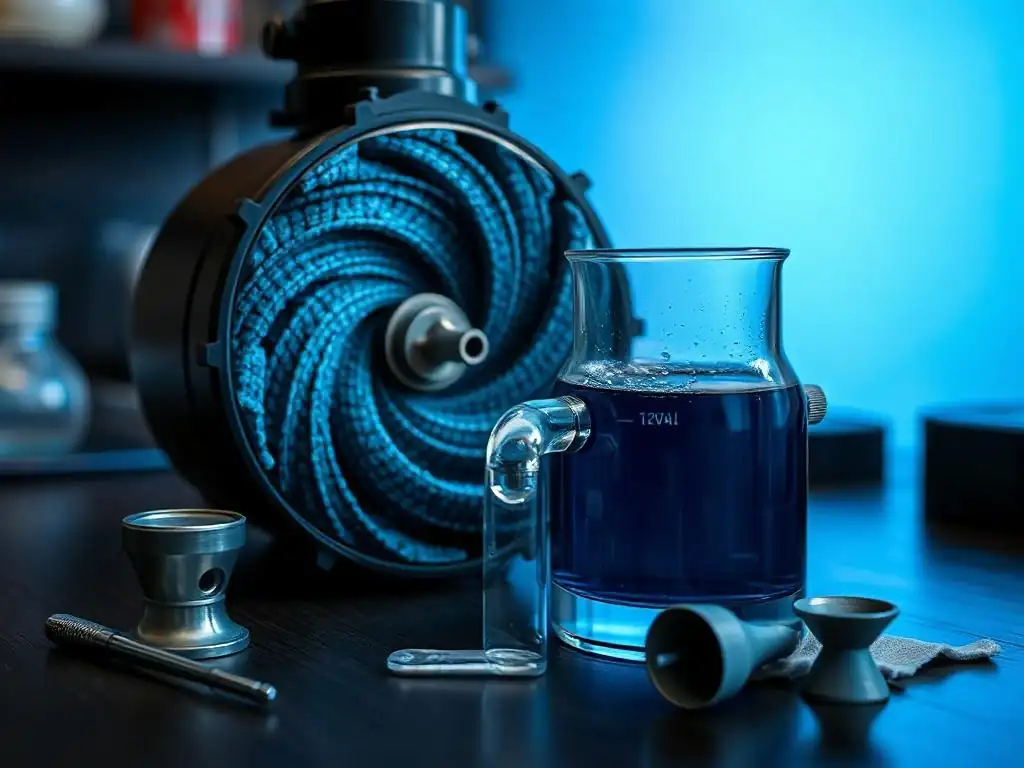
Priming is a critical step for nearly all HOB aquarium filter setups and ensures the filter operates correctly from the start. Unlike some internal filters, HOB filters require their motor housing to be filled with water before being plugged in. Failing to prime can lead to the motor running dry, which can cause damage to the impeller and lead to premature filter failure.
To prime your HOB filter, simply pour siphoned aquarium water directly into the filter reservoir until the water level covers the motor and the intake tube is fully submerged. You might need to gently tilt the filter slightly to release any trapped air bubbles. Once the filter box is filled with water, and you can see the impeller assembly submerged, you are ready for the next step. This manual priming ensures that the pump has water to push immediately upon activation, establishing a continuous flow.
Initial Setup and Testing: Ensuring Proper Functionality
After priming, the final stage of your HOB aquarium filter setup is to plug the filter into a grounded electrical outlet and observe its initial operation. You should hear a soft hum as the motor starts, and within a few seconds, water should begin flowing from the filter's output into the aquarium, creating a gentle waterfall effect. Initially, there might be a few air bubbles expelled from the output, which is normal as trapped air is pushed out of the system.
Monitor the flow rate to ensure it's consistent and robust. Check for any unusual noises, such as grinding or loud rattling, which could indicate a problem with the impeller or an air lock. If the flow is weak or nonexistent, unplug the filter immediately, re-prime it, and check for any obstructions in the intake tube or impeller chamber. Once you confirm a steady flow and quiet operation, your HOB aquarium filter setup is complete, and it is now actively contributing to the health and clarity of your aquarium water.
Optimizing Your Aquarium Filter for Peak Performance
Selecting the Right Filter Media
Optimizing your HOB aquarium filter for peak performance begins with the strategic selection of filter media. While many HOB filters come with standard cartridges, customizing your media can significantly enhance filtration efficiency for your specific tank needs. Generally, filtration is divided into three types: mechanical, biological, and chemical, and a well-optimized filter will incorporate all three in the correct order of water flow—mechanical first, then biological, and finally chemical.
The choice of media should align with your tank's bioload, the types of fish you keep, and any specific water quality issues you might face. For instance, a heavily stocked tank will benefit from a larger volume of biological media to process ammonia and nitrites more efficiently, while a tank prone to algae might require more robust mechanical filtration or specific chemical resins to remove phosphates. Many HOB filters, like the AquaClear series, are designed with large media baskets, allowing for excellent customization beyond basic cartridges.
Mechanical Filtration Media Options
Mechanical filtration is the first line of defense in your HOB aquarium filter setup, physically removing suspended particles from the water column. The most common and effective mechanical media include filter sponges, foam pads, and filter floss. Sponges and foam pads come in various pore sizes, allowing you to choose between coarse filtration for large debris and fine filtration for polishing the water. For example, a coarse sponge will trap larger detritus and uneaten food, while a fine filter floss pad can remove minute particles, making the water crystal clear.
It's often beneficial to layer mechanical media, starting with a coarser sponge at the intake to capture larger debris, followed by a finer sponge or floss to trap smaller particles. This layering prevents the finer media from clogging too quickly and extends the life of all mechanical media. These media options are easily rinsed during routine maintenance, though they should be replaced when they become too deteriorated or compacted to clean effectively, typically every 3 to 6 months depending on tank bioload.
Biological Filtration Media
Biological filtration is arguably the most critical component of any HOB aquarium filter setup, as it hosts the beneficial bacteria responsible for the nitrogen cycle. These bacteria convert toxic ammonia and nitrite into less harmful nitrate. Effective biological media provides a vast surface area for these bacteria to colonize. Common options include ceramic rings, bio-balls, and highly porous sintered glass or ceramic media like Seachem Matrix or Fluval BioMax.
For instance, 1 liter of high-quality bio-media can offer a surface area equivalent to several hundred square feet, capable of supporting the bacterial colonies necessary for a 50-gallon tank with a moderate fish load. Unlike mechanical media, biological media should rarely be replaced and only cleaned gently (with tank water) if absolutely necessary to remove significant clogs, as excessive cleaning can destroy the bacterial colonies. The goal is to maximize the living space for these vital bacteria within your HOB filter.
Chemical Filtration Media Choices
Chemical filtration media actively remove dissolved organic compounds, odors, discolorations, and specific pollutants from the water. The most widely used chemical media is activated carbon. Activated carbon effectively removes tannins that stain water yellow or brown, eliminates odors, and can remove residual medications after a treatment cycle. However, activated carbon has a finite absorption capacity and becomes saturated over time, typically within 2 to 4 weeks, after which it ceases to be effective and can even begin to leach absorbed pollutants back into the water if left too long.
Other chemical media include specialized resins like Purigen, which excel at removing organic waste and polishing water without impacting trace elements, and zeolite, which can temporarily absorb ammonia, often used in emergency situations or for new tank cycling. When using chemical media in your HOB aquarium filter setup, it's important to understand their lifespan and replace them regularly according to manufacturer recommendations to maintain their effectiveness and prevent potential issues.
Adjusting the Flow Rate for Optimal Water Circulation
Many HOB filters offer an adjustable flow rate, a feature that allows you to customize the water circulation within your aquarium. Optimizing the flow rate is crucial for several reasons: it ensures adequate oxygenation, distributes heat evenly, and carries waste particles to the filter intake. Too strong a flow can stress certain fish species, like Bettas or Gouramis, which prefer calmer waters, potentially leading to fin damage or lethargy. Conversely, a flow that is too weak will result in inadequate circulation, leading to "dead spots" in the tank where debris can accumulate and oxygen levels may drop.
A general guideline for optimal flow is to aim for a turnover rate of 4 to 6 times your tank's volume per hour. For example, if you have a 20-gallon aquarium, your HOB filter should ideally be rated for 80 to 120 Gallons Per Hour (GPH). If your filter's GPH rating is much higher than this recommendation for your tank size, and it has an adjustable flow, you can dial it back. Observe your fish's behavior and the movement of water throughout the tank to fine-tune the flow, ensuring both effective filtration and a comfortable environment for all inhabitants.
Maintaining Your Filter: Cleaning and Media Replacement
Consistent and proper maintenance is fundamental to ensuring your HOB aquarium filter operates at peak performance over the long term. Neglecting filter maintenance can lead to reduced flow, decreased filtration efficiency, and ultimately, poor water quality. This involves a regular schedule of cleaning various filter components and timely replacement of filter media.
The frequency of cleaning depends largely on your tank's bioload and the type of media used. Mechanical media, such as sponges or floss, will require more frequent attention, often weekly or bi-weekly, to remove trapped debris. Biological media, on the other hand, should be disturbed as little as possible to preserve the beneficial bacterial colonies. Chemical media, like activated carbon, has a specific lifespan and needs regular replacement to remain effective. Mastering the cleaning and replacement routine for your HOB aquarium filter setup is key to maintaining a pristine and healthy aquatic environment.
Filter Maintenance: Keeping Your Aquarium Water Pristine
Regular Cleaning Schedule
Establishing a regular cleaning schedule for your HOB aquarium filter is paramount for maintaining excellent water quality and ensuring the longevity of your equipment. For most typical setups, the mechanical filtration media, such as sponges or filter floss, should be rinsed every 1 to 2 weeks. This prevents the buildup of detritus that can lead to reduced flow and the breakdown of organic matter within the filter itself. For a 29-gallon community tank, rinsing the primary mechanical sponge bi-weekly is a good baseline.
The impeller, the rotating component inside the motor, should be inspected and cleaned monthly. Hair, plant debris, or snail shells can become lodged around the impeller, causing noisy operation or a significant reduction in flow. Biological media, conversely, requires minimal intervention; it should only be gently swished in siphoned tank water if it appears visibly clogged, perhaps every 3 to 6 months, to avoid disrupting the vital bacterial colonies. Sticking to a consistent schedule prevents issues before they escalate, making your HOB aquarium filter setup more reliable.
How to Clean Your Filter Without Disrupting Beneficial Bacteria
Cleaning your HOB aquarium filter effectively while preserving the beneficial bacteria is a delicate balance. The golden rule is to never use tap water directly on your filter media, especially biological media. Tap water contains chlorine and chloramines, which are disinfectants designed to kill bacteria, including the nitrifying bacteria essential for your aquarium's nitrogen cycle.
Instead, when cleaning mechanical media or gently rinsing biological media, always use water siphoned from your aquarium during a water change. Collect this tank water in a separate bucket and rinse the sponges or floss in it until the visible debris is removed. For biological media, a gentle swirl in the tank water is usually sufficient to dislodge any accumulated sludge without scrubbing away the bacterial colonies. By following this method, you ensure that your HOB aquarium filter setup remains a robust biological filter, preventing dangerous ammonia and nitrite spikes in your tank.
Replacing Filter Media: When and How to Do It
Knowing when and how to replace filter media is a critical aspect of HOB aquarium filter maintenance. Mechanical media, such as filter floss or sponges, should be replaced only when they are physically deteriorating or so heavily clogged that they cannot be effectively cleaned by rinsing. This might be every 3 to 6 months, depending on the tank's bioload. When replacing, you can often cut new filter floss or sponge material to fit your filter's media basket, offering a cost-effective alternative to pre-made cartridges.
Activated carbon, a common chemical media in HOB filters, has a limited lifespan and becomes saturated, typically after 2 to 4 weeks. Once saturated, it loses its ability to absorb pollutants and can even begin to release absorbed substances back into the water. Therefore, activated carbon should be replaced regularly.
Biological media, however, should almost never be fully replaced. If you must replace biological media due to extreme deterioration, do so in stages over several weeks, replacing only a small portion at a time, to allow existing bacterial colonies to transfer and new ones to establish, thereby maintaining your HOB aquarium filter setup's biological stability.
Troubleshooting Common Issues: Noisy Operation, Reduced Flow
Even with a meticulous HOB aquarium filter setup and regular maintenance, you might encounter common operational issues. One frequent complaint is noisy operation, which can range from a loud hum to grinding or rattling. Often, this is caused by debris lodged in the impeller chamber or around the impeller itself. Unplugging the filter, removing the impeller, and thoroughly cleaning the impeller and its shaft usually resolves this. Another cause can be air trapped in the pump, which can often be fixed by gently tilting the filter or re-priming it.
Reduced water flow is another common problem. The primary culprit is almost always a clogged intake tube or heavily soiled mechanical filter media. Check the intake strainer for blockages from large debris or plant matter, and rinse or replace your mechanical filter sponges/floss if they are compacted with sludge. A dirty impeller or impeller chamber can also restrict flow. If the filter stops working entirely, check the power outlet, ensure the filter is securely plugged in, and verify that the impeller is not seized. These simple troubleshooting steps can quickly restore your HOB aquarium filter setup to full functionality.
Choosing the Best Filter for Your Aquarium Size and Needs
Filter Sizing Guide: Matching the Filter to Your Tank Volume
Selecting the appropriate HOB aquarium filter for your tank size is a fundamental decision that directly impacts water quality and fish health. A general rule of thumb is to choose a filter with a Gallons Per Hour (GPH) rating that is 4 to 6 times your aquarium's total volume.
For instance, if you have a 20-gallon tank, you should look for a HOB filter with a flow rate between 80 GPH and 120 GPH. Many HOB filters are explicitly marketed with a recommended tank size range (e.g., "for tanks up to 30 gallons" or "for 5-20 gallon aquariums"), which provides a good starting point.
It's often beneficial to slightly "over-filter" your tank, especially if you plan on having a moderately to heavily stocked aquarium or larger fish that produce more waste. For example, using a filter rated for a 30-gallon tank on a 20-gallon setup can provide superior filtration capacity and more stable water parameters. However, for smaller tanks or those with fish that prefer low flow (like Bettas), a filter with an adjustable flow rate is highly advantageous, allowing you to dial back the intensity to prevent stressing your aquatic inhabitants while still ensuring adequate filtration.
Factors to Consider When Buying a Filter: Flow Rate, Media Capacity, and Noise Level
Beyond just matching the GPH to your tank volume, several other factors should influence your decision when purchasing a HOB aquarium filter. The flow rate, as discussed, is crucial for effective water circulation and waste removal. However, a high GPH doesn't always equate to the best filter; consider if the flow is adjustable to suit your specific fish species.
Media capacity is another significant consideration. HOB filters vary widely in the amount of filter media they can hold. Models with larger media baskets, such as the AquaClear series, allow for greater customization with various mechanical, biological, and chemical media, providing more robust and stable filtration. This also means less frequent media changes and more space for beneficial bacteria.
Finally, the noise level of the filter can be a major factor, especially if your aquarium is in a living room or bedroom. Some HOB filters are designed for quieter operation than others; researching user reviews for noise complaints can be very insightful before making a purchase. Other factors include ease of maintenance, availability of replacement parts, and the filter's overall build quality.
Advanced Filter Techniques: Enhancing Filtration
Adding a Pre-Filter Sponge to Your Intake
One of the most effective and simple advanced techniques to enhance your HOB aquarium filter setup is adding a pre-filter sponge to the filter's intake tube. This inexpensive modification offers multiple benefits. Firstly, it acts as an additional layer of mechanical filtration, trapping larger debris like plant matter, uneaten food, and fish waste before they even reach your main filter media. This significantly reduces the frequency with which you need to clean your primary mechanical media within the HOB filter, extending its lifespan and maintaining consistent flow.
Secondly, a pre-filter sponge provides an excellent surface area for additional biological filtration, contributing to the overall stability of your tank's nitrogen cycle. For tanks with small fish, fry, or shrimp, a pre-filter sponge is invaluable as it prevents these delicate inhabitants from being sucked into the filter intake, acting as a protective barrier. Cleaning the pre-filter sponge is also incredibly easy; simply slide it off the intake tube and rinse it thoroughly in siphoned tank water during your regular maintenance routine.
DIY Modifications for Improved Filter Performance
Beyond adding a pre-filter sponge, there are several DIY modifications you can implement to further optimize your HOB aquarium filter setup for enhanced performance. A common modification involves replacing the proprietary filter cartridges that often come with HOB filters. These cartridges frequently contain limited amounts of activated carbon and fine floss, and while convenient, they offer less flexibility and can be costly to replace regularly.
Instead, many aquarists opt to remove the stock cartridges and fill the filter's media basket with bulk media. This allows you to customize the filtration stages: for example, using a custom-cut coarse sponge for mechanical filtration, followed by a generous amount of high-quality biological media like ceramic rings or sintered glass, and then a bag of chemical media like Purigen or fresh activated carbon.
This approach not only provides superior filtration tailored to your tank's needs but can also be more economical in the long run. Another simple DIY trick for tanks with sensitive fish is to baffle the HOB filter's outflow with a piece of sponge or plastic to diffuse the strong current, creating a gentler flow.
Using a Filter in Conjunction with Other Filtration Methods
While your HOB aquarium filter setup forms the backbone of your tank's filtration, combining it with other filtration methods can provide a more robust and redundant system, particularly for heavily stocked tanks or those requiring specialized conditions. One popular combination is using a HOB filter alongside a sponge filter. The HOB provides excellent mechanical and chemical filtration, while the sponge filter offers superb biological filtration and a gentle flow, making it ideal for fry tanks or as a reliable backup in case the HOB filter temporarily fails.
Another effective strategy is to pair a HOB filter with a powerhead. While not a filter itself, a powerhead can significantly improve water circulation in larger or oddly shaped tanks, ensuring that debris is carried to the HOB filter's intake and eliminating "dead spots" where waste can accumulate. For tanks with extremely high bioloads or specific water quality challenges, an internal filter can be added as supplementary mechanical filtration, or even a small canister filter can be used in conjunction with a HOB to provide an additional layer of filtration and media capacity, creating a truly comprehensive filtration system.
Filter Types: A Comparison
Canister Filters: Pros and Cons
Canister filters represent a step up in filtration power and capacity compared to HOB filters, making them popular for larger aquariums, typically 50 gallons and above, or heavily stocked tanks. Their primary advantage lies in their large internal media volume, which allows for extensive multi-stage filtration using a variety of mechanical, biological, and chemical media. This results in superior water clarity and stability, as well as less frequent maintenance than many HOB units. Canister filters also sit discreetly under the aquarium, offering a cleaner aesthetic by keeping equipment out of sight.
However, canister filters come with their own set of considerations. Their initial cost is generally higher than HOB filters, and their HOB aquarium filter setup and maintenance can be more complex, often involving hoses, clamps, and priming procedures that are more involved than simply hanging a filter on the back. When maintenance is required, it can be a more significant undertaking, as the entire unit needs to be disconnected and moved for cleaning. Despite these complexities, for serious aquarists with large systems, the benefits of powerful, customizable, and quiet filtration often outweigh the drawbacks.
Sponge Filters: Which is Right for You?
Sponge filters are among the simplest and most cost-effective filtration options available, making them a favorite for specific aquarium applications. They consist of a weighted base, an air stone, and a sponge, connected to an air pump. Water is drawn through the sponge by the rising air bubbles, trapping mechanical debris and providing a vast surface area for beneficial bacteria to colonize. Their main advantage is their exceptional biological filtration capability, making them ideal for cycling new tanks, breeding setups, quarantine tanks, or as supplemental filtration.
Sponge filters are incredibly safe for delicate inhabitants like fish fry, shrimp, and species that prefer very low water flow, such as Bettas, as there's no strong current or risk of being sucked into an impeller. They are also very inexpensive to purchase and maintain. However, their mechanical filtration is limited, and they do not offer chemical filtration.
They also require an external air pump and air line, which adds to the equipment and can be visually less appealing than a discreet HOB aquarium filter setup. Despite these limitations, for their specific niche, sponge filters are highly effective and reliable.
Internal Filters: Understanding the Differences
Internal filters are compact, self-contained units that are fully submerged within the aquarium. They are typically smaller than HOB or canister filters and are often used in nano tanks (under 10 gallons), as supplemental filtration in larger tanks, or for specific purposes like providing localized flow or polishing water. Many internal filters come with a small pump, a sponge for mechanical filtration, and sometimes a small chamber for activated carbon or other chemical media. Some models also feature spray bars to diffuse the output flow and increase surface agitation.
The primary advantages of internal filters are their low cost, ease of installation, and ability to provide immediate mechanical filtration and water movement in a small footprint. They are also less prone to leaks than external filters. However, their main drawback is their limited media capacity, which restricts the amount of biological filtration they can provide compared to HOB or canister filters.
They also occupy space within the aquarium, which can be a concern for very small tanks. While not as robust as a full HOB aquarium filter setup, internal filters serve a valuable role for specific tank sizes and supplementary needs.
Common Mistakes to Avoid When Setting Up and Maintaining a Filter
Over-Cleaning: Preserving Beneficial Bacteria
One of the most common and detrimental mistakes aquarists make when maintaining their HOB aquarium filter setup is over-cleaning, particularly affecting the biological media. The nitrifying bacteria, essential for processing toxic ammonia and nitrite, primarily reside on the surfaces of your biological filter media and, to a lesser extent, on mechanical media and tank surfaces. Rinsing biological media too frequently, or worse, cleaning it with untreated tap water, will decimate these bacterial colonies.
The consequence of over-cleaning is a disruption of the nitrogen cycle, leading to dangerous spikes in ammonia and nitrite, often referred to as "new tank syndrome," even in established aquariums. This can stress fish, cause illness, and even lead to death. To avoid this, remember to only clean mechanical media (sponges/floss) regularly using siphoned tank water, and disturb biological media as little as possible, only gently swishing it in tank water if it becomes visibly clogged, perhaps every few months. The beneficial bacteria are microscopic and tenacious, but they are vulnerable to harsh cleaning methods.
Neglecting Filter Media Replacement: Maintaining Water Quality
While over-cleaning biological media is harmful, neglecting the replacement of other filter media, especially chemical media like activated carbon, is another common mistake that can significantly degrade water quality. Activated carbon has a finite capacity to adsorb pollutants, odors, and discolorations. Once saturated, typically after 2 to 4 weeks, it ceases to be effective and can even begin to leach absorbed substances back into the water, reversing its beneficial effects.
Similarly, allowing mechanical filter media, such as sponges or filter floss, to become completely clogged and compacted without proper cleaning or replacement can severely reduce the HOB aquarium filter's flow rate and mechanical filtration efficiency. This leads to cloudy water, an increase in decaying organic matter within the filter, and a reduced ability to carry waste to the filter's intake. Regularly checking and replacing chemical media, and cleaning/replacing mechanical media when it can no longer be effectively cleaned, is crucial for maintaining crystal-clear, healthy water in your aquarium.
Ignoring Flow Rate Adjustments: Optimizing Circulation
A frequently overlooked aspect of an effective HOB aquarium filter setup is the importance of properly adjusting the filter's flow rate. Many HOB filters come with an adjustable flow, and failing to utilize this feature can lead to various issues. If the flow rate is too high for your tank or its inhabitants, it can create excessive currents that stress fish, particularly species like Bettas or Long-finned Danios, which prefer calmer waters.
This constant struggle against the current can lead to exhaustion, fin damage, and a weakened immune system. For instance, a filter producing 150 GPH in a 10-gallon tank can create a current far too strong for most small fish.
Conversely, a flow rate that is too low will result in inadequate water circulation throughout the tank. This leads to "dead spots" where water remains stagnant, allowing detritus and uneaten food to accumulate and decompose, leading to localized areas of poor water quality. Insufficient circulation also means less oxygenation and uneven distribution of heat. Observing your fish's comfort and the movement of water and debris throughout the tank will help you find the optimal balance for your specific setup, ensuring both effective filtration and a comfortable environment for your aquatic pets.
Conclusion: Mastering Aquarium Filtration for a Healthy Aquarium
Key Takeaways for Effective Filter Use
Mastering your HOB aquarium filter setup and ongoing maintenance is foundational to cultivating a thriving and healthy aquatic environment. The journey begins with a thorough understanding of the filter's components and a meticulous step-by-step setup process, ensuring every part is correctly installed and primed. Once operational, optimizing performance hinges on selecting the right combination of mechanical, biological, and chemical filter media, tailored to your tank's specific needs and inhabitants.
Crucially, effective filter use demands a consistent, yet careful, maintenance routine. Regular cleaning of mechanical media and the impeller, always using siphoned tank water, is vital, while biological media should be disturbed minimally to preserve essential bacterial colonies. Timely replacement of chemical media, such as activated carbon, is also paramount to prevent re-releasing pollutants. By paying close attention to flow rate adjustments and avoiding common pitfalls like over-cleaning or neglecting media changes, you ensure your HOB aquarium filter operates efficiently, providing the clean, stable water conditions necessary for your aquatic life to flourish.
Resources for Further Learning About Aquarium Filtration.
For those eager to deepen their understanding of aquarium filtration and further refine their HOB aquarium filter setup and maintenance techniques, a wealth of information is available. AquariumMastery.com offers comprehensive guides and detailed articles covering various aspects of aquarium equipment, water chemistry, and troubleshooting common issues. Exploring species-specific care sheets can also provide insights into the unique filtration needs of different fish and invertebrates. Additionally, engaging with reputable online aquarist communities and forums can connect you with experienced hobbyists who share practical tips and real-world advice, enriching your knowledge and enhancing your aquarium-keeping journey.
Frequently Asked Questions
How do I choose the right size HOB filter for my aquarium?
The ideal HOB filter size depends on your tank volume. Generally, you should aim for a filter that processes at least four to five times the tank's volume per hour. Consider the bioload of your fish as well.
What media should I use in my HOB filter?
HOB filters typically utilize three types of media: mechanical, chemical, and biological. Mechanical filtration removes debris, chemical filtration removes impurities, and biological filtration establishes a beneficial bacteria colony for breaking down waste.
How often should I clean my HOB filter?
Clean your HOB filter when you notice a reduction in water flow. Avoid cleaning all filter media at once, as this can disrupt the biological balance in your aquarium. Stagger the cleaning of each media type.
How do I prime my HOB filter after cleaning or initial setup?
Most HOB filters require manual priming to start the water flow. This usually involves filling the filter chamber with water before plugging it in. Consult your filter's instruction manual for specific priming instructions.
What are some common problems with HOB filters and how can I fix them?
Common problems include clogged intakes, loud operation, and water bypassing the filter media. Clean the intake regularly, ensure the filter is level, and check for proper media placement to resolve these issues.
Final Reflection: The Enduring Simplicity of Aquatic Harmony
The ability to create a thriving aquatic ecosystem within our homes, as explored in this guide, remains profoundly relevant today. In a world increasingly disconnected from nature, the humble HOB aquarium filter offers a tangible connection, allowing us to cultivate a miniature world of vibrant life. This guide underscores the fact that achieving a healthy and beautiful aquarium is not about complexity, but about understanding and applying simple, effective principles.
The enduring appeal of the HOB filter lies in its accessibility and ease of use, making the joy of aquarium keeping available to a wider audience. This simplicity, however, should not be mistaken for insignificance; a well-maintained HOB filter is the cornerstone of a healthy aquarium, directly impacting the well-being of its inhabitants. The best things in life are often the simplest.
This sentiment resonates deeply with the HOB filter, a testament to the power of straightforward design in achieving remarkable results.
Now, as you embark on your own aquarium journey, remember the lessons shared in this guide. Reflect on the delicate balance you are creating, and appreciate the responsibility that comes with nurturing life. Embrace the simplicity, and let the gentle hum of your HOB filter be a constant reminder of the beauty and tranquility you have brought into your world.
Transform Your Tank: Dive Deeper into Aquarium Mastery!
Thanks for exploring the world of HOB filters with us! We hope this guide has empowered you with the knowledge to keep your aquarium pristine and your aquatic friends thriving. Now, let's put that knowledge into action.
Here's what you can do next:
- Master the Flow: Immediately check your filter's flow rate and adjust it according to your tank size and inhabitants. This is the single most impactful step you can take right now!
- Experiment with unique filter media combinations! Try incorporating activated carbon with a phosphate remover to see how it impacts water clarity.
- Share your best HOB filter cleaning tips and tricks with the Aquarium Mastery community in the comments below!
What unique media combination are you most excited to try in your HOB filter and why?