
"Jumbo" *Cyprichromis*: A Guide to the Larger, More Colorful Variants

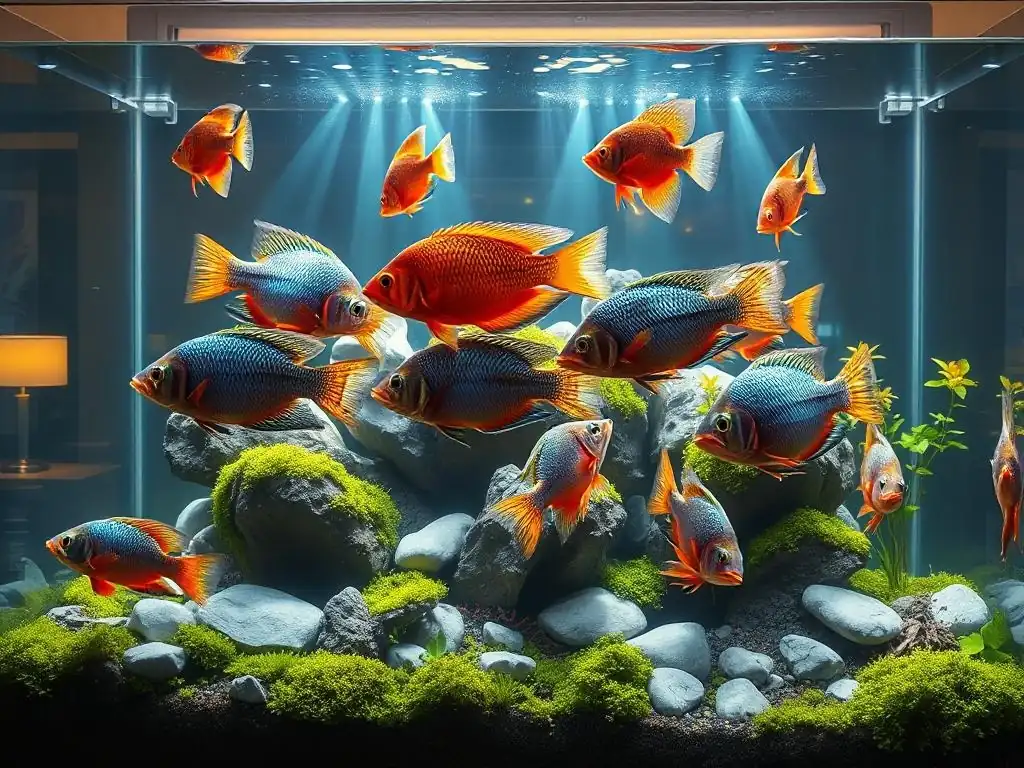
Welcome to Aquarium Mastery, your ultimate guide to unlocking the secrets of the underwater world!
Intrigued by the dazzling colors and impressive size of the Cyprichromis genus? Dive in and discover everything you need to know about keeping the magnificent "Jumbo" Cyprichromis. We'll unravel the mysteries of their care, ensuring your scaled jewels thrive in a vibrant, healthy environment. Ready to master the art of Cyprichromis keeping? Let's get started!
- Cyprichromis "Jumbo": A Guide to Larger Featherfin Cichlids
- Understanding Cyprichromis "Jumbo": Introduction to Larger Variants
- Setting Up a Tank for Cyprichromis "Jumbo"
- Cyprichromis "Jumbo" Care: Health and Longevity
- Cyprichromis "Jumbo" Tank Mates: Compatibility
- Breeding Cyprichromis "Jumbo": A Guide
- Selecting Healthy Cyprichromis "Jumbo": Buying Tips
- Cyprichromis "Jumbo" Varieties: Exploring Colors
- Cyprichromis "Jumbo" vs. Standard Cyprichromis: Differences
- Troubleshooting Cyprichromis "Jumbo" Issues
- The Appeal of Cyprichromis "Jumbo": Captivating Aquarists
-
Frequently Asked Questions
- What makes Jumbo Cyprichromis different from other Cyprichromis?
- What size tank is recommended for keeping Jumbo Cyprichromis?
- What are some essential water parameters for Jumbo Cyprichromis?
- What should I feed my Jumbo Cyprichromis?
- What are some common health issues to watch out for in Jumbo Cyprichromis?
- Final Reflection: Embracing the Majesty of Jumbo Cyprichromis
- Unleash the Vibrant "Jumbo" Cyprichromis in Your Aquarium!
Cyprichromis "Jumbo": A Guide to Larger Featherfin Cichlids
Understanding Cyprichromis "Jumbo": Introduction to Larger Variants
Defining "Jumbo" Cyprichromis: Size and Color
The term "Jumbo" when applied to Cyprichromis varieties refers to specific geographical or genetic strains that exhibit significantly larger adult sizes and often more intense, vibrant coloration compared to their standard counterparts. While typical Cyprichromis leptosoma males might reach an average of 3.5 to 4 inches (9-10 cm) in length, "Jumbo" variants can comfortably exceed this, with males often growing to 5 to 6 inches (13-15 cm) and sometimes even larger, depending on the specific strain and care. Females also show a size increase, though less dramatic, typically reaching 3 to 4 inches (7.5-10 cm).
Beyond sheer size, the "Jumbo" designation frequently implies a heightened expression of color. Male "Jumbo" Cyprichromis, particularly during breeding displays, showcase an array of brilliant blues, yellows, oranges, and purples that are often more extensive and saturated than those found in standard varieties. This enhanced aesthetic appeal is a primary reason for their popularity among aquarists, making them a striking centerpiece in a Lake Tanganyika biotope setup.
Benefits of Keeping Cyprichromis "Jumbo"
Keeping "Jumbo" Cyprichromis offers several distinct advantages for the dedicated aquarist. Their impressive size and dazzling colors make them exceptionally visually appealing, transforming an aquarium into a dynamic, living art piece. Unlike many other cichlids, Cyprichromis are open-water schooling fish, exhibiting fascinating social behaviors as they gracefully navigate the middle to upper water columns, adding a unique dimension to tank activity that differs from substrate-dwelling cichlids.
Furthermore, despite being cichlids, "Jumbo" Cyprichromis are generally considered peaceful towards other fish species, provided they are not overly aggressive or territorial. This temperament makes them excellent candidates for a multi-species Tanganyikan community tank, allowing aquarists to enjoy a diverse collection of fish without excessive conflict. Their unique reproductive strategy as maternal mouthbrooders also provides an enriching experience for those interested in breeding, offering insights into complex fish behaviors.
Setting Up a Tank for Cyprichromis "Jumbo"
Tank Size for Cyprichromis "Jumbo": Adequate Space
Providing ample space is paramount for the health and well-being of "Jumbo" Cyprichromis, especially given their increased adult size and schooling nature. A minimum tank size of 75 gallons (approximately 48 inches long x 18 inches wide x 21 inches high or 122 cm x 46 cm x 53 cm) is recommended for a small group, typically consisting of one male and four to six females. This length provides sufficient swimming room, which is crucial for these active, open-water dwellers.
For larger colonies or mixed Tanganyikan setups, a tank of 125 gallons (72 inches long or 183 cm) or more is highly advisable. The increased footprint allows for more stable social dynamics, reduces aggression, and provides space for multiple males to establish territories without constant conflict. Adequate tank size is a fundamental aspect of effective Jumbo Cyprichromis care tips, ensuring they can exhibit their natural schooling behaviors and reach their full potential in terms of size and coloration.
Water Parameters: Lake Tanganyika Conditions
Replicating the precise water parameters of Lake Tanganyika is critical for the long-term health and vibrancy of "Jumbo" Cyprichromis. The lake is renowned for its highly stable and alkaline water, with a pH typically ranging from 8.0 to 9.0. Aquarists should aim to maintain their tank's pH within this range, ideally around 8.2-8.6. Consistent monitoring with a reliable pH test kit is essential, as fluctuating pH levels can cause significant stress.
Alongside pH, water hardness is another crucial factor. Lake Tanganyika water is very hard, with a general hardness (GH) of 10-20 dGH (180-360 ppm) and carbonate hardness (KH) of 16-19 dKH (280-340 ppm). Maintaining these levels helps buffer the pH and provides essential minerals. The ideal water temperature for "Jumbo" Cyprichromis is between 76-80°F (24-27°C). Utilizing a quality heater and thermometer will help keep the temperature stable, preventing thermal shock and promoting optimal metabolic function for your Jumbo Cyprichromis.
Substrate and Aquascaping: Natural Habitat
Rockwork and Open Water
The aquascaping for "Jumbo" Cyprichromis should closely mimic their natural Lake Tanganyika habitat, which primarily consists of vast open water areas interspersed with rocky outcrops. For the substrate, a fine sand bed, preferably aragonite or a specialized cichlid sand, is ideal. This type of substrate helps to naturally buffer the water, contributing to the high pH and hardness levels required. While Cyprichromis are not typically diggers like some other cichlids, a sand bed is aesthetically appropriate and beneficial for the overall water chemistry.
Strategic placement of rockwork is crucial. Tall, vertical rock formations that extend from the substrate towards the water surface provide essential visual barriers and potential territories for males, as well as hiding spots for females and subdominant fish. Slate, lace rock, or Texas holey rock are excellent choices. However, it is paramount to leave significant open swimming space in the middle and upper regions of the tank, as "Jumbo" Cyprichromis are pelagic (open water) swimmers and require this freedom of movement to thrive and display their natural schooling behavior.
Plant Selection: Compatible Species
While Lake Tanganyika is not known for lush aquatic vegetation, some hardy plant species can be successfully incorporated into a "Jumbo" Cyprichromis aquarium to enhance aesthetics and provide additional cover. Given the high pH and hard water conditions, only specific plants can tolerate such an environment. Anubias species ( Anubias barteri, Anubias nana) and Java Fern ( Microsorum pteropus) are excellent choices as they are robust, slow-growing, and can be attached to rocks or driftwood (though driftwood should be used sparingly as it can lower pH).
Another suitable option is Vallisneria species, often referred to as "Vals," which can tolerate harder water conditions and grow quite tall, providing vertical visual breaks. It's important to note that plants are not strictly necessary for the well-being of Cyprichromis, as they are primarily open-water fish. However, for aquarists aiming for a more naturalistic look or seeking to provide additional shelter for their fish, these compatible plant species can be a valuable addition to their Jumbo Cyprichromis care regimen.
Cyprichromis "Jumbo" Care: Health and Longevity
Feeding Cyprichromis "Jumbo": Nutritional Needs
Recommended Food Types
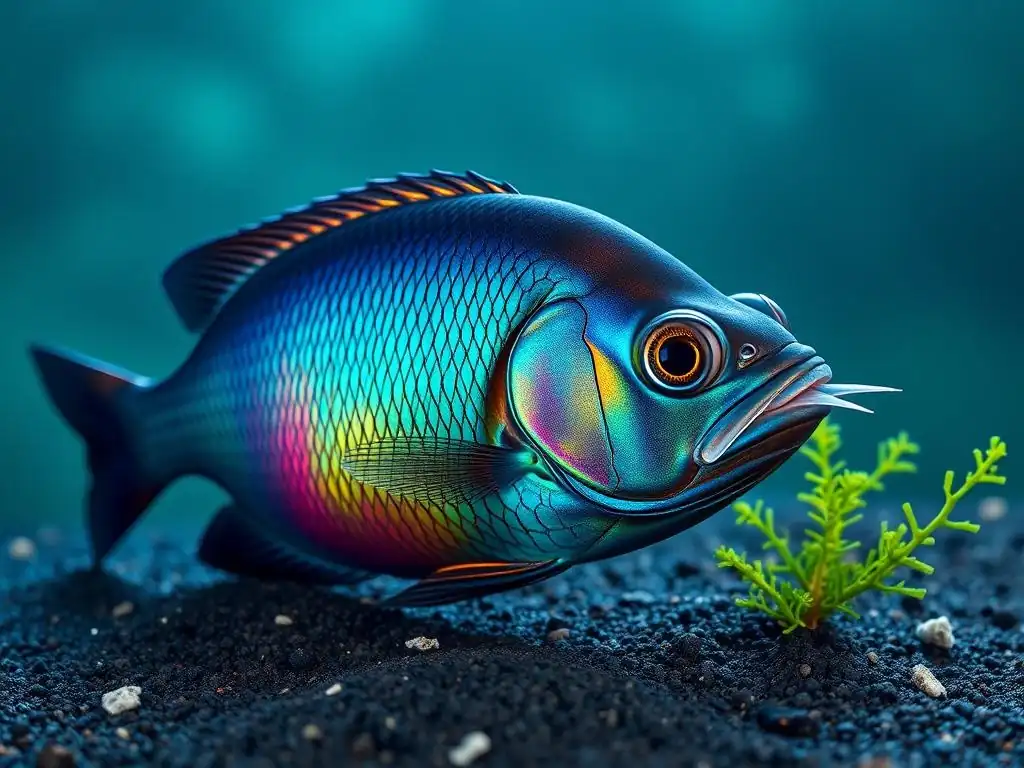
The natural diet of Cyprichromis in Lake Tanganyika consists primarily of zooplankton, small crustaceans, and insect larvae found in the water column. Replicating this diet in the aquarium is essential for optimal "Jumbo" Cyprichromis care and vibrant coloration. High-quality flake foods and small sinking pellets specifically formulated for African cichlids, rich in spirulina and other plant-based ingredients, should form the staple of their diet. Ensure the food size is appropriate for their mouths.
Supplementing their dry food with frozen or live foods is highly beneficial. Excellent choices include frozen brine shrimp, Mysis shrimp, daphnia, and cyclops. These provide essential proteins, fats, and micronutrients that contribute to better health, stronger immune systems, and more intense colors. Avoid feeding foods high in mammalian or terrestrial animal protein, such as beef heart, as these can be difficult for Cyprichromis to digest and may lead to digestive issues or bloat.
Feeding Frequency and Portion Size
Due to their active metabolism and relatively small stomachs, "Jumbo" Cyprichromis benefit from multiple small feedings throughout the day rather than one large meal. Feeding them two to three times daily is ideal. Each feeding should consist of a small portion that can be consumed within two to three minutes. This approach helps to prevent overfeeding, which can lead to poor water quality and digestive problems.
Overfeeding not only wastes food but also contributes to the accumulation of uneaten food and fish waste, leading to elevated nitrates and phosphates, which can negatively impact water parameters. Observing your fish during feeding will help you gauge the appropriate portion size; they should appear eager to eat, but no food should remain floating or sinking to the bottom after a few minutes. Consistent and appropriate feeding is a crucial aspect of providing excellent Jumbo Cyprichromis care tips for their long-term health.
Water Changes and Tank Maintenance: Water Quality
Maintaining pristine water quality is arguably the most critical aspect of "Jumbo" Cyprichromis care. Regular and consistent water changes are indispensable for diluting nitrates, replenishing essential minerals, and preventing the buildup of harmful toxins. A weekly water change of 25-30% of the tank volume is highly recommended. This frequency helps to keep nitrate levels low, ideally below 20 ppm, which is vital for the health of these sensitive cichlids.
During water changes, it's also important to siphon any debris from the substrate surface and wipe down the tank glass. Filters, both mechanical and biological, should be cleaned regularly but never simultaneously with the main water change, to avoid disrupting the beneficial bacterial colonies. Always use a high-quality dechlorinator when adding new water, and ensure the temperature and pH of the fresh water closely match that of the tank to prevent stress from sudden parameter shifts. Consistent maintenance practices are fundamental Jumbo Cyprichromis care tips that directly impact their longevity and vitality.
Common Health Issues and Prevention
Recognizing and Treating Diseases
Like all aquarium fish, "Jumbo" Cyprichromis can be susceptible to various health issues, though many are preventable with proper care. One of the most common ailments is Ichthyophthirius multifiliis, commonly known as Ich or white spot disease, characterized by small white spots resembling salt grains on the fish's body and fins. This is often triggered by stress from poor water quality, sudden temperature changes, or new tank mates. Another concern can be bacterial infections, manifesting as fin rot, cloudy eyes, or ulcers, often due to elevated organic waste and compromised immune systems.
Preventing these diseases is far easier than treating them. The cornerstone of prevention involves maintaining stable, pristine water parameters consistent with Lake Tanganyika conditions, providing a high-quality, varied diet, and ensuring adequate tank space to minimize stress and aggression. A robust quarantine protocol for all new fish, lasting 2-4 weeks, is also crucial to prevent the introduction of pathogens into your main display tank. Should disease arise, prompt identification and treatment with appropriate aquarium medications, following manufacturer instructions carefully, are vital for successful recovery and continued Jumbo Cyprichromis care.
Cyprichromis "Jumbo" Tank Mates: Compatibility
Suitable Tank Mates
Choosing appropriate tank mates is essential for a peaceful and thriving "Jumbo" Cyprichromis aquarium. These fish are relatively peaceful for cichlids but can be intimidated by overly aggressive species. Ideal tank mates are other peaceful to moderately aggressive cichlids from Lake Tanganyika that occupy different niches within the aquarium. Good options include various species of Neolamprologus, such as Neolamprologus brichardi (Fairy Cichlids), which are mid-water to rock-dwelling, or Neolamprologus leleupi, known for their vibrant orange coloration and rock-dwelling habits.
Other suitable companions include smaller species of Julidochromis, like Julidochromis regani or Julidochromis transcriptus, which are typically bottom-dwelling and territorial but generally ignore the open-water Cyprichromis. Shell-dwelling cichlids such as Neolamprologus multifasciatus or Lamprologus ocellatus can also be excellent choices, adding interest to the substrate layer without interfering with the Cyprichromis swimming space. The key is to select fish with similar water parameter requirements and temperaments, ensuring a harmonious community for optimal Jumbo Cyprichromis care.
Fish to Avoid: Aggression and Predation
While "Jumbo" Cyprichromis are generally peaceful, certain fish species should be strictly avoided as tank mates to prevent aggression, predation, or undue stress. Foremost among these are the highly aggressive and boisterous Mbuna cichlids from Lake Malawi (e.g., Pseudotropheus, Melanochromis). Their territorial nature, high metabolism, and very different dietary needs make them incompatible with the more delicate Cyprichromis. Mixing fish from different African Rift Lakes is generally discouraged due to differing water parameter preferences and behavioral traits.
Similarly, large, predatory cichlids from Lake Tanganyika, such as Frontosa (unless the tank is exceptionally large and the Frontosa are juveniles), or overly aggressive Lamprologus species (e.g., Neolamprologus tretocephalus), can pose a threat to the smaller, more slender Cyprichromis. Even fish that are not overtly aggressive but are significantly larger and faster-growing might outcompete "Jumbo" Cyprichromis for food, leading to stress and malnutrition. Careful selection of tank mates is a vital Jumbo Cyprichromis care tip that impacts the entire aquarium ecosystem.
Breeding Cyprichromis "Jumbo": A Guide
Creating Breeding Conditions
Breeding "Jumbo" Cyprichromis can be a rewarding experience, showcasing their fascinating mouthbrooding behavior. To encourage spawning, stable and pristine water conditions, mimicking their natural Lake Tanganyika habitat, are paramount: pH 8.0-8.6, temperature 78-80°F (26-27°C), and high hardness. A well-established tank with ample open swimming space and vertical rock structures is crucial. Males will establish territories around these vertical elements, using them as display areas.
Providing a proper male-to-female ratio is also essential. A ratio of one male to four to six females (1:4-6) is often recommended. This reduces the male's focus on a single female and spreads out any potential aggression, allowing females to recover between spawning attempts. A varied and high-quality diet, including live or frozen foods, will condition the fish for breeding, signaling that conditions are favorable for reproduction. Optimal breeding conditions are key Jumbo Cyprichromis care tips for successful propagation.
Spawning Behavior and Egg Care
"Jumbo" Cyprichromis are maternal mouthbrooders, meaning the female carries the eggs and fry in her mouth until they are free-swimming. Spawning typically occurs in the open water column, often near the vertical rock structures. The male will display intensely, flashing his vibrant colors and attempting to entice a receptive female into his territory. Once a female accepts, they will engage in a "T-position" spawning ritual, where the female releases a few eggs and immediately picks them up into her mouth. The male then fertilizes them as she picks them up or as he passes over them.
After spawning, the female will retreat, often seeking a quiet, secluded spot within the tank to incubate her clutch. She will typically hold the eggs for approximately three to four weeks, during which time she will not eat. It is crucial not to disturb her during this period. Some aquarists choose to "strip" the eggs from the female's mouth after about 10-14 days and tumble them in a separate container, or move the holding female to a dedicated breeding tank to protect the fry from predation once released.
Raising Fry: From Hatching to Juvenile
Once the "Jumbo" Cyprichromis fry are released from the female's mouth, they are relatively large and well-developed, making them easier to raise than many other cichlid fry. In a well-planted tank with plenty of hiding spots and no overly aggressive tank mates, some fry may survive even in the main display tank. However, for a higher survival rate, it is advisable to move the female to a separate, smaller grow-out tank (e.g., 10-20 gallons) a few days before she is due to release the fry.
Upon release, the fry can immediately consume finely crushed high-quality flake food, micro-pellets, or newly hatched brine shrimp. Feeding them multiple small meals throughout the day is crucial for rapid growth. Maintaining excellent water quality in the fry tank through daily small water changes (10-20%) is also vital. As they grow, they can be gradually introduced to larger food items. With consistent care, the fry will grow quickly, reaching juvenile size within a few months, ready to join a larger community or be rehomed.
Selecting Healthy Cyprichromis "Jumbo": Buying Tips
Identifying Healthy Specimens
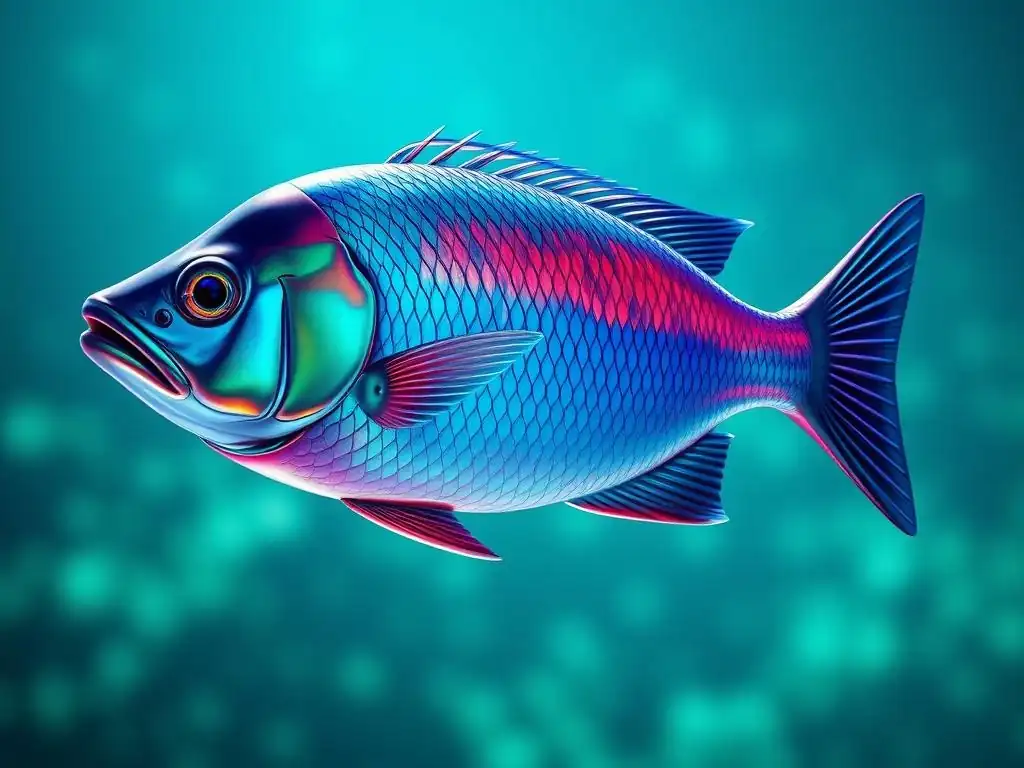
When purchasing "Jumbo" Cyprichromis, careful observation is key to ensuring you bring home healthy specimens. Look for fish that are active and alert, swimming freely in the water column, and exhibiting their characteristic schooling behavior. Their fins should be fully extended, without any signs of clamping, fraying, or tears. The body should appear full and well-conditioned, not sunken or emaciated, which can indicate internal parasites or chronic illness.
Pay close attention to their eyes, which should be clear and bright, not cloudy or dull. The coloration should be vibrant and true to the species, though males may not be displaying their peak breeding colors in a retail environment. Avoid fish that are listless, gasping at the surface, hiding excessively, or have visible spots, lesions, or fungal growths. Observing them for several minutes will give you a good indication of their overall health and vitality, which are critical for successful Jumbo Cyprichromis care.
Quarantine Procedures
Implementing a strict quarantine procedure for all new "Jumbo" Cyprichromis specimens is an essential practice for preventing the introduction of diseases into your established aquarium. A dedicated quarantine tank, typically 10-20 gallons (38-76 liters), equipped with a heater, filter, and minimal décor for hiding, should be set up prior to acquiring new fish. This tank does not need a substrate, making cleaning easier.
New fish should be housed in the quarantine tank for a minimum of two to four weeks. During this period, observe them daily for any signs of illness, such as changes in behavior, appetite, or physical appearance. Perform regular small water changes to maintain water quality. If any signs of disease appear, they can be treated in the quarantine tank without risking the health of your main display tank inhabitants. This proactive approach significantly enhances the long-term success and health of your Cyprichromis and is a non-negotiable Jumbo Cyprichromis care tip for any responsible aquarist.
Cyprichromis "Jumbo" Varieties: Exploring Colors
Cyprichromis leptosoma "Jumbo": Description and Care
The Cyprichromis leptosoma "Jumbo" is one of the most popular and widely recognized "Jumbo" variants, celebrated for its enhanced size and spectacular coloration. Originating from specific locations within Lake Tanganyika, such as Kigoma, Mpulungu, or Mpimbwe, these regional strains often exhibit unique color patterns. Males typically grow to about 5 inches (13 cm) and display brilliant metallic blues, yellows, or oranges, often with distinctive fin patterns that become incredibly vibrant during breeding displays. Females are smaller, usually around 3-4 inches, and are typically more subdued in coloration, though still attractive.
Care for C. leptosoma "Jumbo" mirrors that of other Cyprichromis species, emphasizing pristine Lake Tanganyika water parameters: pH 8.0-9.0, hardness 10-20 dGH, and temperature 76-80°F (24-27°C). They thrive in tanks with ample open swimming space and vertical rockwork for territorial establishment and hiding. A diet rich in high-quality flakes, small pellets, and frozen zooplankton like Mysis shrimp or brine shrimp is crucial for maintaining their health and showcasing their vibrant colors. Understanding these specific Jumbo Cyprichromis care tips for C. leptosoma "Jumbo" is key to their successful keeping.
Cyprichromis microlepidotus "Jumbo": Description and Care
Another magnificent "Jumbo" variant is the Cyprichromis microlepidotus "Jumbo," which typically reaches an even larger size than C. leptosoma "Jumbo," with males often exceeding 6 inches (15 cm) in length. This species is characterized by its slightly more robust body shape and, as its name suggests, very small scales (microlepidotus means "small-scaled"). The males exhibit striking coloration, often featuring deep blues, purples, and sometimes yellow or orange accents, particularly on their elongated ventral and caudal fins. Their larger size makes them an even more imposing and graceful presence in a spacious aquarium.
The care requirements for C. microlepidotus "Jumbo" are very similar to those of other Cyprichromis "Jumbo" variants, focusing on maintaining stable Lake Tanganyika water parameters and providing a generous tank size, ideally 125 gallons or more for a mature colony. Their diet should consist of high-quality, protein-rich foods, including frozen Mysis shrimp, brine shrimp, and daphnia, supplemented with premium cichlid flakes or pellets. Regular water changes and a clean environment are paramount for preventing stress and disease, ensuring optimal Jumbo Cyprichromis care for these impressive fish.
Other Cyprichromis Species: Unique Traits
Beyond the commonly recognized C. leptosoma and C. microlepidotus, the Cyprichromis genus encompasses several other species and numerous regional variants, each possessing unique traits and color patterns that captivate aquarists. For instance, Cyprichromis sp. "leptosoma jumbo" is a designation often used for particularly large and colorful leptosoma-like forms that may not be officially classified as distinct species but are highly prized. These can exhibit a wide array of color morphs depending on their collection point in Lake Tanganyika, ranging from iridescent blues to vibrant yellows and oranges.
Another notable species is Cyprichromis coloratus, which, as its name suggests, is known for its intense and diverse coloration, often displaying more intricate patterns on its body and fins. While not always reaching the same "Jumbo" size as the aforementioned species, certain strains can be quite substantial. Each of these species and their regional variants requires similar foundational Jumbo Cyprichromis care tips regarding water parameters, diet, and tank setup, but their distinct aesthetic appeal offers aquarists a fascinating array of choices for their Tanganyikan biotope.
Cyprichromis "Jumbo" vs. Standard Cyprichromis: Differences
Size Comparison
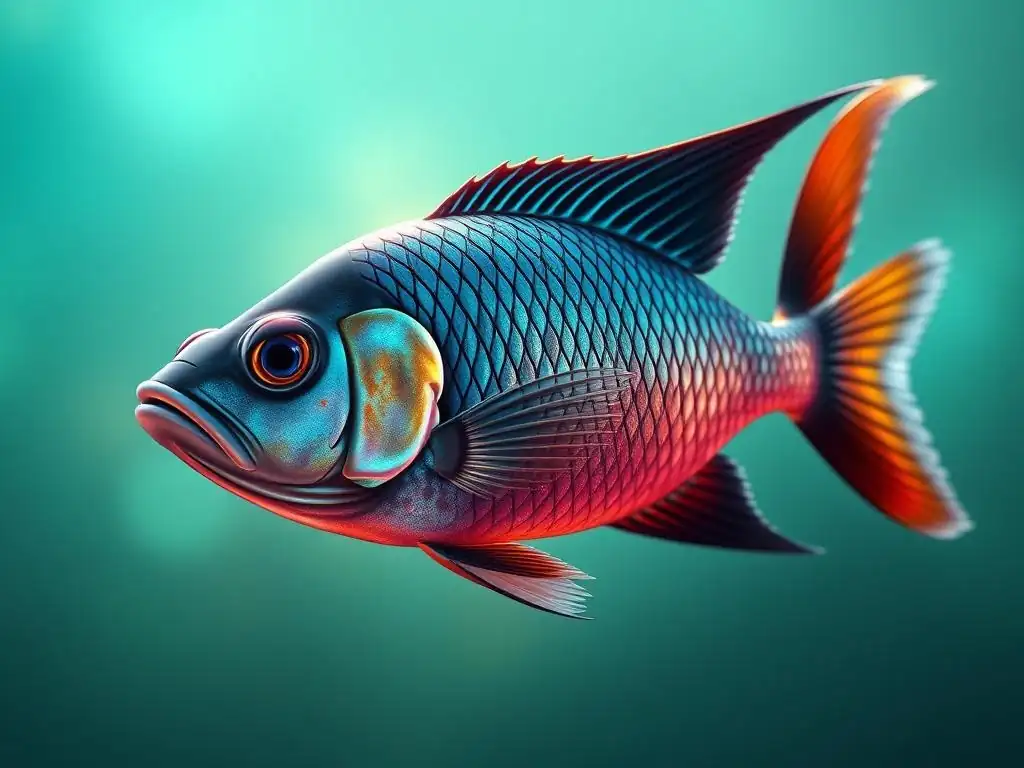
The most immediately apparent difference between "Jumbo" Cyprichromis and their standard counterparts lies in their adult size. Standard Cyprichromis leptosoma males typically mature to an average length of 3.5 to 4 inches (9-10 cm). In contrast, "Jumbo" varieties, particularly males of C. leptosoma "Jumbo" and C. microlepidotus "Jumbo," commonly attain lengths of 5 to 6 inches (13-15 cm), with some exceptional specimens growing even larger. This size disparity makes the "Jumbo" variants a more commanding presence in the aquarium, allowing their intricate patterns and elongated fins to be appreciated more fully.
The size difference also influences tank requirements. While a 55-gallon tank might suffice for a small group of standard Cyprichromis, "Jumbo" variants truly thrive and display their best behaviors in larger aquariums, typically 75 gallons or more, with 125 gallons being ideal for a mature colony. This additional space accommodates their larger body mass and active swimming habits, contributing significantly to their overall well-being and making adequate tank size a key component of Jumbo Cyprichromis care tips.
Color Intensification
Beyond size, "Jumbo" Cyprichromis are highly prized for their significantly intensified and often more extensive coloration compared to standard forms. While all Cyprichromis males are beautiful, the "Jumbo" designation frequently implies a genetic predisposition for more vibrant and saturated hues. For example, a standard C. leptosoma male might display nice blues and yellows, but a "Jumbo" variant of the same species could exhibit deeper, more iridescent blues that cover a larger portion of its body, coupled with richer, more fiery oranges or yellows on its fins.
This heightened color expression is particularly evident in males during breeding displays, where their fins and bodies erupt in spectacular, almost fluorescent patterns designed to attract females. This vividness is not just about broader patches of color but often includes a greater depth and complexity of iridescence. This enhanced aesthetic appeal is a major draw for aquarists, making the "Jumbo" variants a standout choice for those seeking to maximize the visual impact of their Tanganyikan cichlid display, provided they follow comprehensive Jumbo Cyprichromis care tips to bring out their best.
Troubleshooting Cyprichromis "Jumbo" Issues
Poor Coloration: Causes and Solutions
Poor or faded coloration in "Jumbo" Cyprichromis is a common concern that often indicates underlying stress or suboptimal living conditions. One primary cause is inadequate diet; if the fish are not receiving a varied diet rich in essential nutrients, particularly carotenoids found in high-quality spirulina flakes and frozen foods like Mysis shrimp, their colors will dull. Ensure you are providing a balanced diet tailored to their zooplankton-eating nature.
Another significant factor is water quality. High nitrate levels, fluctuating pH, or incorrect hardness can all lead to stress, which directly impacts color vibrancy. Regular 25-30% weekly water changes are crucial for maintaining stable and pristine parameters. Lastly, an improper social structure (e.g., too many males in a small tank, or an insufficient number of females) can lead to constant stress from aggression, causing subdominant males to lose their color. Ensuring proper male-to-female ratios and ample space can often resolve this, making these vital Jumbo Cyprichromis care tips for vibrant fish.
Aggression Problems: Management
While "Jumbo" Cyprichromis are generally peaceful, aggression can arise, especially among males competing for territory or females. The most common cause of aggression is insufficient tank size coupled with an inadequate male-to-female ratio. In a tank that is too small (e.g., less than 75 gallons for a group), dominant males may relentlessly harass subdominant males or even females, leading to stress, fin nipping, and potentially death.
To manage aggression, ensure your tank is sufficiently large, ideally 125 gallons or more for a colony. Maintain a high female-to-male ratio, typically 1 male to 4-6 females. This disperses the male's attention and reduces pressure on individual females. Providing ample vertical rockwork and visual barriers also allows subdominant fish to escape and hide. If aggression persists, consider adding more females or, as a last resort, rehoming overly aggressive individuals. Proper space and social structure are paramount Jumbo Cyprichromis care tips for a peaceful community.
Failure to Thrive: Identifying Issues
When "Jumbo" Cyprichromis fail to thrive—exhibiting stunted growth, lethargy, loss of appetite, or general weakness—it typically points to chronic stress or an underlying health issue that needs immediate attention. The first step is to meticulously check all water parameters: pH, ammonia, nitrite, nitrate, and temperature. Deviations from the ideal Lake Tanganyika conditions are a common culprit. Even subtle, prolonged exposure to poor water quality can severely impact their health.
Beyond water parameters, evaluate their diet. Are they receiving sufficient, appropriate food, or are they being outcompeted by tank mates? Observe their feeding behavior closely. Chronic stress from unsuitable tank mates (too aggressive or too timid), insufficient hiding spots, or an improper male-to-female ratio can also lead to a failure to thrive. Finally, consider the possibility of internal parasites or bacterial infections, especially if other symptoms like bloating, stringy white feces, or clamped fins are present. Addressing these core issues promptly is fundamental to effective Jumbo Cyprichromis care and ensuring the longevity of your fish.
The Appeal of Cyprichromis "Jumbo": Captivating Aquarists
Beauty and Grace in the Aquarium
The allure of "Jumbo" Cyprichromis lies in their unparalleled beauty and the graceful elegance they bring to a freshwater aquarium. Their larger size allows for a more pronounced display of their intricate patterns and shimmering, iridescent scales, which catch the light in mesmerizing ways as they glide through the water column. Unlike many bottom-dwelling cichlids, Cyprichromis are active, schooling fish that occupy the mid to upper levels of the tank, adding dynamic movement and a sense of open-water serenity to the aquascape.
The males, with their elongated fins and spectacular breeding colors, are truly a sight to behold, transforming the aquarium into a vibrant underwater ballet. Their unique social structure and mouthbrooding behavior also offer aquarists a fascinating glimpse into complex fish life cycles. For those seeking to create a visually stunning and behaviorally rich Lake Tanganyika biotope, the "Jumbo" Cyprichromis stands out as a captivating choice, rewarding the dedicated aquarist with years of beauty and engaging observation when provided with meticulous Jumbo Cyprichromis care.
Frequently Asked Questions
What makes Jumbo Cyprichromis different from other Cyprichromis?
Jumbo Cyprichromis are distinguished by their larger size and more vibrant coloration compared to standard Cyprichromis. This makes them a visually stunning addition to any aquarium.
What size tank is recommended for keeping Jumbo Cyprichromis?
Due to their larger size and schooling behavior, a tank of at least 75 gallons is recommended. A larger tank provides ample swimming space and reduces aggression within the school.
What are some essential water parameters for Jumbo Cyprichromis?
Jumbo Cyprichromis thrive in stable water conditions, requiring a pH between 7.8 and 9.0, a temperature of 78-82°F, and minimal nitrates. Regular water changes are crucial.
What should I feed my Jumbo Cyprichromis?
They require a varied diet consisting of high-quality flake food, small pellets, and occasional frozen or live foods like brine shrimp and daphnia. This ensures optimal health and coloration.
What are some common health issues to watch out for in Jumbo Cyprichromis?
Like other cichlids, Jumbo Cyprichromis are susceptible to Ich (white spot disease) and bloat. Maintaining excellent water quality is the best preventative measure.
Final Reflection: Embracing the Majesty of Jumbo Cyprichromis
The allure of the aquarium hobby often lies in the pursuit of the extraordinary, and as we've explored in this guide, the "Jumbo" Cyprichromis variants represent a pinnacle of that pursuit. Their vibrant colors and impressive size elevate them beyond mere fish, transforming them into living jewels within the aquatic landscape, demanding a deeper understanding and commitment from the aquarist.
The dedication required for successful Jumbo Cyprichromis care extends beyond simply following instructions; it fosters a profound appreciation for the delicate balance of their natural habitat and the responsibility we bear in recreating it. This journey into the world of Jumbo Cyprichromis has not only enriched our understanding of these magnificent fish but has also deepened our connection to the broader ecosystem they represent. In the end, we will conserve only what we love; we will love only what we understand; and we will understand only what we are taught.
- Baba Dioum. This quote perfectly encapsulates the importance of education and informed care in preserving the beauty and diversity of the aquatic world.
Now, armed with these Jumbo Cyprichromis care tips, we invite you to reflect on the impact of your choices as an aquarist. Consider how your dedication to providing optimal conditions not only benefits these specific fish but also contributes to a greater awareness of responsible fishkeeping practices. Let the vibrant colors and graceful movements of your Jumbo Cyprichromis serve as a constant reminder of the beauty and fragility of the natural world, inspiring you to continue learning and advocating for its preservation.
Unleash the Vibrant "Jumbo" Cyprichromis in Your Aquarium!
Thank you for diving into the captivating world of "Jumbo" Cyprichromis with us! We hope this guide has sparked a deeper appreciation for these stunning variations and equipped you with the knowledge to successfully care for them. Now, let's put that knowledge into action!
- Source your first "Jumbo" Cyprichromis! Explore reputable breeders and aquarists specializing in these larger variants to find healthy, vibrant specimens. This is the most important step.
- Share your newfound passion! Start a thread in an online aquarium forum dedicated to Cyprichromis and share your experience keeping "Jumbo" variants.
- Document your journey. Begin a video blog detailing the growth and color development of your "Jumbo" Cyprichromis over time to inspire other aquarists.
Ready to create a captivating, vibrant underwater world with "Jumbo" Cyprichromis?