
Tetra Fin Nipping: Why it Happens and How to Stop It

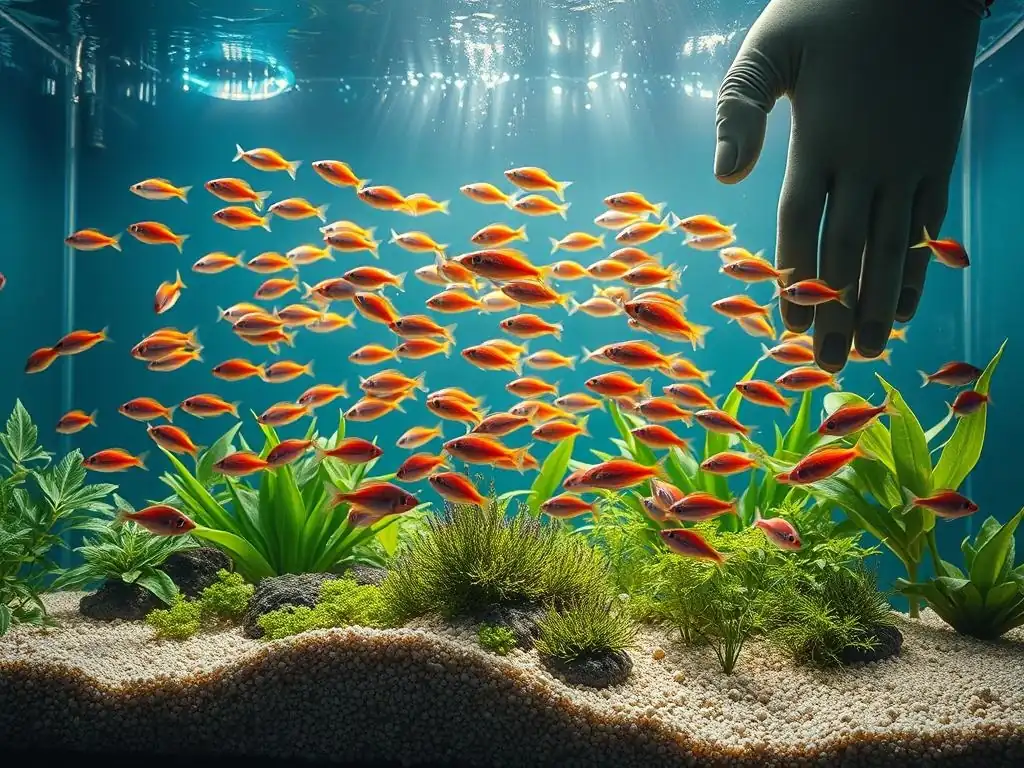
Welcome to Aquarium Mastery!
Ever wondered why your seemingly peaceful Tetra is suddenly turning into a tiny tyrant, leaving its tank mates with tattered fins? Understanding and stopping fin nipping is crucial for a healthy and harmonious aquarium. Dive in as we unravel the mystery behind Tetra fin nipping treatment, exploring its causes, effective solutions, and preventative measures to keep your finned friends happy and whole. Are you ready to restore peace to your freshwater paradise?
- Neon Tetra Fin Nipping: Causes, Prevention, and Treatment
- Understanding Fin Nipping in Neon Tetras: A Comprehensive Guide
-
Common Causes of Neon Tetra Fin Nipping
- Overcrowding: How Limited Space Leads to Aggression
- Incompatible Tank Mates: Fish That Trigger Fin Nipping Behavior in Neon Tetras
- Stressful Tank Conditions: Water Quality and Environmental Factors
- Lack of Hiding Places: Reducing Stress Through Environmental Enrichment
- Insufficient Schooling Size: The Importance of Social Structure
- Preventing Neon Tetra Fin Nipping: Proactive Strategies for a Peaceful Tank
- Neon Tetra Fin Nipping Treatment: Addressing Existing Issues
- Long-Term Solutions for Neon Tetra Fin Nipping Prevention
- Conclusion: Ensuring a Healthy and Harmonious Neon Tetra Aquarium
-
Frequently Asked Questions
- What is fin nipping in Tetras and why does it happen?
- How can I identify if my Tetras are fin nipping?
- What are the best ways to improve water quality to prevent fin nipping?
- Besides water quality, what other tank conditions can contribute to fin nipping?
- What are some effective treatments for Tetras that have been fin nipped?
- Final Reflection: Restoring Harmony in the Aquarium
- Transform Your Tank: End Fin Nipping Now!
Neon Tetra Fin Nipping: Causes, Prevention, and Treatment
Understanding Fin Nipping in Neon Tetras: A Comprehensive Guide
What is Fin Nipping and Why is it a Problem for Neon Tetras?
Fin nipping is a common aggressive behavior observed in community aquariums, where one fish repeatedly bites or tears the fins of another. For delicate species like Neon Tetras, this behavior is particularly problematic due to their small size and fragile fins, which are easily damaged. Unlike some robust fish, Neon Tetras cannot withstand sustained attacks without significant stress and physical harm.
The consequences of fin nipping extend beyond mere aesthetic damage. Torn fins leave fish vulnerable to secondary bacterial and fungal infections, such as fin rot, which can quickly spread and become fatal if left untreated. Chronic stress from constant harassment also weakens their immune system, making them susceptible to various diseases and significantly shortening their lifespan, disrupting the harmony of the entire aquarium ecosystem.
Identifying Fin Nipping: Recognizing the Signs in Your Neon Tetra School
Recognizing fin nipping early is crucial for prompt Tetra fin nipping treatment. The most obvious signs are visual: observe your Neon Tetras for frayed, ragged, or missing fin edges, particularly on the caudal (tail) and dorsal fins. In severe cases, large chunks of fin tissue might be entirely absent, or the fin rays might be exposed.
Beyond physical damage, behavioral changes are strong indicators. Nipped Neon Tetras often appear stressed, exhibiting clamped fins, rapid breathing, or unusual hiding behavior. They may also become withdrawn from the school, spending time isolated near the bottom or in corners, reluctant to engage in normal schooling activities. Observing aggressive chasing or quick nips between individual fish is a direct sign of active fin nipping within your Neon Tetra community.
Common Causes of Neon Tetra Fin Nipping
Overcrowding: How Limited Space Leads to Aggression
Overcrowding is a primary catalyst for aggression, including fin nipping, in an aquarium. When too many fish inhabit a confined space, competition for resources like food, territory, and hiding spots intensifies, leading to heightened stress levels. Neon Tetras, while small, still require adequate swimming room and personal space to feel secure.
In an overcrowded tank, the "one inch of fish per gallon" rule often falls short, especially for schooling species like Neons. For instance, attempting to house 15 Neon Tetras in a standard 10-gallon tank typically leads to severe stress and aggression, manifesting as increased fin nipping. A more appropriate stocking density for a healthy school of 6-8 Neon Tetras would be a 10-gallon tank, though a 20-gallon long tank is ideal for a thriving school of 10-15 individuals, providing ample space to establish territories and escape potential aggressors.
Incompatible Tank Mates: Fish That Trigger Fin Nipping Behavior in Neon Tetras
The choice of tank mates plays a significant role in preventing or causing fin nipping. Certain fish species are naturally more aggressive or prone to nipping the fins of slower, long-finned, or delicate species. Housing Neon Tetras with such incompatible tank mates almost guarantees fin nipping incidents.
Common culprits include notorious fin nippers like Tiger Barbs, Serpae Tetras, and certain Gourami species, which can relentlessly harass smaller, more peaceful fish. Even seemingly peaceful fish can become aggressive if they are too large, or if the Neon Tetras' vibrant colors or delicate fins trigger an instinctual response. For example, while generally peaceful, a stressed or territorial male Betta fish might view the flowing fins of other fish as a target, or conversely, the Betta's long fins can become a target for other nippers, creating an environment where Neon Tetras are also at risk.
Stressful Tank Conditions: Water Quality and Environmental Factors
Ammonia and Nitrite Spikes: The Impact on Neon Tetra Health and Temperament
Poor water quality is a significant stressor that directly impacts fish health and temperament, often leading to increased aggression and fin nipping. High levels of ammonia and nitrite, even in concentrations as low as 0.25 ppm, are highly toxic to fish, causing gill damage, respiratory distress, and a compromised immune system. Neon Tetras are particularly sensitive to these toxins.
When Neon Tetras are exposed to persistent ammonia or nitrite spikes, their stress levels escalate dramatically. This chronic stress not only makes them more susceptible to diseases but also alters their behavior, making them irritable and prone to nipping others, or conversely, making them weaker targets for existing nippers. Maintaining 0 ppm for both ammonia and nitrite is critical for their well-being.
Inadequate Filtration and Oxygen Levels
Beyond direct toxin levels, inadequate filtration contributes to a buildup of organic waste, leading to overall poor water quality and often elevated nitrate levels (though less immediately toxic, high nitrates above 20 ppm can also cause chronic stress). A filter that is too small or improperly maintained cannot efficiently remove waste products, creating an unhealthy environment.
Similarly, insufficient oxygen levels in the water, often caused by high temperatures, lack of surface agitation, or overstocking, lead to respiratory distress. Fish struggling to breathe are under immense stress, which can manifest as lethargy, erratic swimming, or increased aggression. Both poor filtration and low oxygen contribute to a generally stressful environment where fin nipping is more likely to occur.
Lack of Hiding Places: Reducing Stress Through Environmental Enrichment
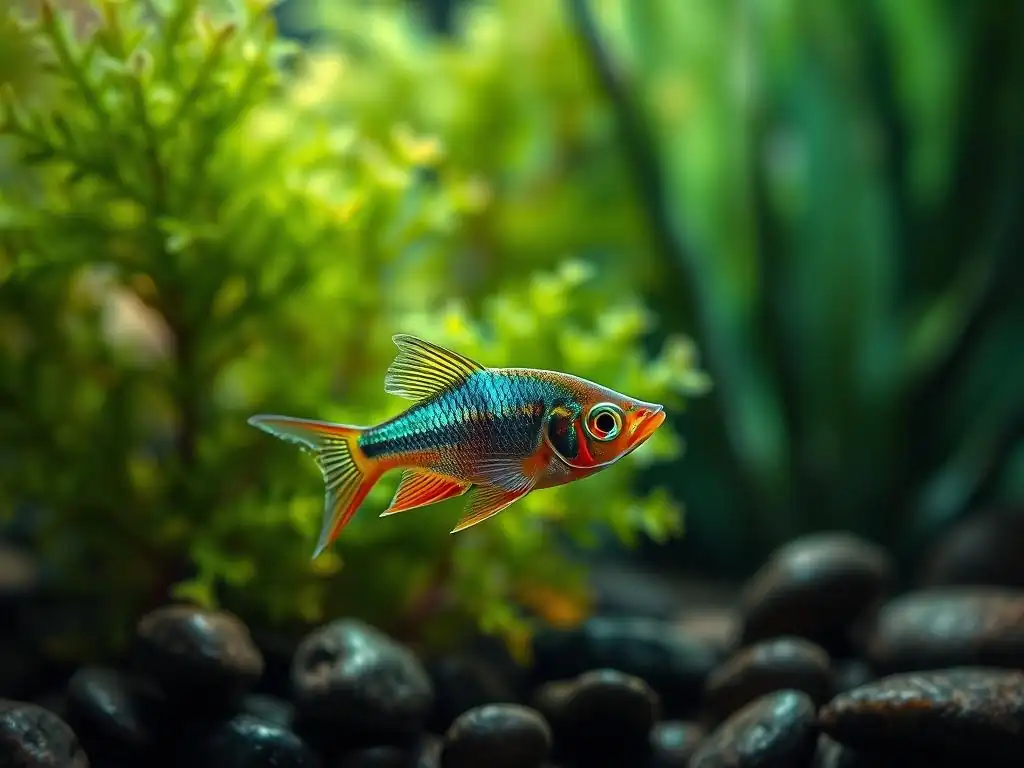
Neon Tetras are naturally prey animals, and in their wild habitat, they rely on dense vegetation and submerged structures for cover and security. In an aquarium lacking adequate hiding places, these fish feel constantly exposed and vulnerable, leading to chronic stress. This stress can manifest as heightened anxiety, shyness, or even aggression towards tank mates.
Without places to retreat, escape, or establish small territories, weaker or targeted fish have no respite from aggressors. This constant exposure exacerbates stress, making them more likely to nip out of fear or frustration, or conversely, making them easier targets for bullying. A bare tank, or one with minimal decor, significantly increases the likelihood of fin nipping within a Neon Tetra school.
Neon Tetras are obligate schooling fish, meaning they rely on the safety and social structure of a large group to thrive. In their natural environment, a large school diffuses potential aggression, makes individual fish less visible to predators, and provides a sense of security. When kept in insufficient numbers, typically fewer than 6-8 individuals, their natural schooling instincts are suppressed, leading to increased stress and behavioral problems.
A small group of Neon Tetras, for instance, only 3 or 4 individuals, will often appear timid, stressed, and more prone to internal aggression or fin nipping among themselves. The lack of a large social buffer means that any existing anxieties or territorial disputes are amplified, leading to heightened stress and a greater propensity for individual fish to lash out and nip fins. A minimum of 8-10 Neon Tetras is recommended for a healthy, harmonious school.
Preventing Neon Tetra Fin Nipping: Proactive Strategies for a Peaceful Tank
Optimizing Tank Size and Stocking Density for Neon Tetras
Preventing fin nipping in Neon Tetras begins with providing an appropriately sized aquarium and maintaining a sensible stocking density. For a healthy and thriving school of Neon Tetras, a minimum tank size of 10 gallons is recommended for a group of 6-8 fish, allowing them adequate swimming space and reducing stress. However, a 20-gallon long aquarium is significantly better for a school of 10-15 Neons, as the increased length and volume further diffuse aggression and promote natural schooling behaviors.
Adhering to the general guideline of allowing approximately 1.5 to 2 gallons per Neon Tetra, rather than the stricter "one inch per gallon" rule, ensures that these active schooling fish have enough room. This approach minimizes competition for space and reduces the likelihood of stress-induced aggression, creating a more peaceful environment where fin nipping is less likely to occur.
Choosing Compatible Tank Mates for a Neon Tetra Community
Selecting appropriate tank mates is paramount to preventing fin nipping. The golden rule is to avoid any fish known for aggressive behavior or a tendency to nip fins, especially when housing delicate species like Neon Tetras. Researching the temperament and specific needs of any potential tank mate before introduction is essential for long-term aquarium harmony.
Avoiding Known Fin Nippers: Tiger Barbs, Serpae Tetras, Rosy Barbs
Certain fish species are notorious for their fin-nipping tendencies and should be strictly avoided in a Neon Tetra community tank. Tiger Barbs, for example, are highly active and often aggressive, known for relentlessly harassing slower-moving or long-finned fish, making them a poor choice for coexistence with delicate Neon Tetras. Similarly, Serpae Tetras and Rosy Barbs, while often sold as community fish, can exhibit significant fin-nipping behavior, particularly if not kept in large schools of their own or if the tank is overcrowded.
These species perceive the flowing fins of fish like Neon Tetras as an irresistible target, leading to constant stress and injury for your vulnerable Tetras. Even if they don't directly nip the Neon Tetras, their general boisterousness and semi-aggressive nature can create an intimidating environment that stresses the more timid Neons, indirectly contributing to health issues and a propensity for nipping among the stressed Neon Tetras themselves.
Peaceful Community Fish That Thrive with Neon Tetras: Corydoras Catfish, Ember Tetras, Harlequin Rasboras
Conversely, many peaceful and compatible fish species can coexist harmoniously with Neon Tetras, contributing to a vibrant and stress-free community tank. Ideal tank mates share similar water parameter requirements and are not known for aggression or fin nipping. Corydoras catfish, such as the Bronze or Panda Cory, are excellent bottom-dwellers that are entirely peaceful and occupy a different swimming level, reducing competition for space.
Ember Tetras and Harlequin Rasboras are similarly sized, peaceful mid-water swimmers that school well and do not pose a threat to Neon Tetras. Other suitable options include Otocinclus catfish for algae control, or small, peaceful Gouramis like Dwarf Gouramis, provided they are not overly territorial. These species help create a balanced ecosystem where all fish feel secure, minimizing the likelihood of fin nipping and promoting overall well-being.
Maintaining Pristine Water Quality: Essential for Neon Tetra Well-being
Maintaining excellent water quality is the cornerstone of a healthy and stress-free aquarium, directly impacting the well-being and temperament of Neon Tetras. Poor water conditions are a significant stressor that can lead to weakened immune systems, increased susceptibility to disease, and heightened aggression, including fin nipping. Consistent attention to water parameters is a non-negotiable aspect of Tetra fin nipping treatment and prevention.
Regular water changes and diligent monitoring of key parameters ensure a stable and healthy environment. This proactive approach not only prevents the physical ailments associated with poor water quality but also contributes to a calmer, more harmonious community, reducing the underlying stress that often triggers fin nipping behavior in Neon Tetras.
Regular Water Changes: Frequency and Volume
Regular water changes are fundamental to removing accumulated nitrates, phosphates, and other dissolved organic compounds that can build up in an aquarium, even with efficient filtration. For a typical Neon Tetra tank, performing a 25% to 30% water change weekly is highly recommended. This consistent routine keeps nitrate levels low, replenishing essential minerals and maintaining stable water chemistry.
If your tank is heavily stocked or has a higher bioload, more frequent or larger water changes, such as 25% twice a week, might be necessary. Always use dechlorinated water that is temperature-matched to the aquarium to avoid shocking your fish. This consistent practice is vital for preventing the environmental stress that often precedes fin nipping.
Monitoring Water Parameters: Testing for Ammonia, Nitrite, and Nitrate
Diligent monitoring of water parameters using a reliable liquid test kit is essential. For Neon Tetras, the ideal water parameters are:
- Ammonia:
0 ppm - Nitrite:
0 ppm - Nitrate: below
20 ppm
Testing your water weekly, or more frequently if you suspect issues, allows you to catch and correct problems before they escalate. Ammonia and nitrite are highly toxic and should always be at 0 ppm. Elevated nitrates, while less acutely toxic, indicate a need for more frequent or larger water changes. Consistent monitoring helps identify potential stressors that could lead to fin nipping or other health issues, enabling prompt intervention.
Providing Ample Hiding Places and Enrichment
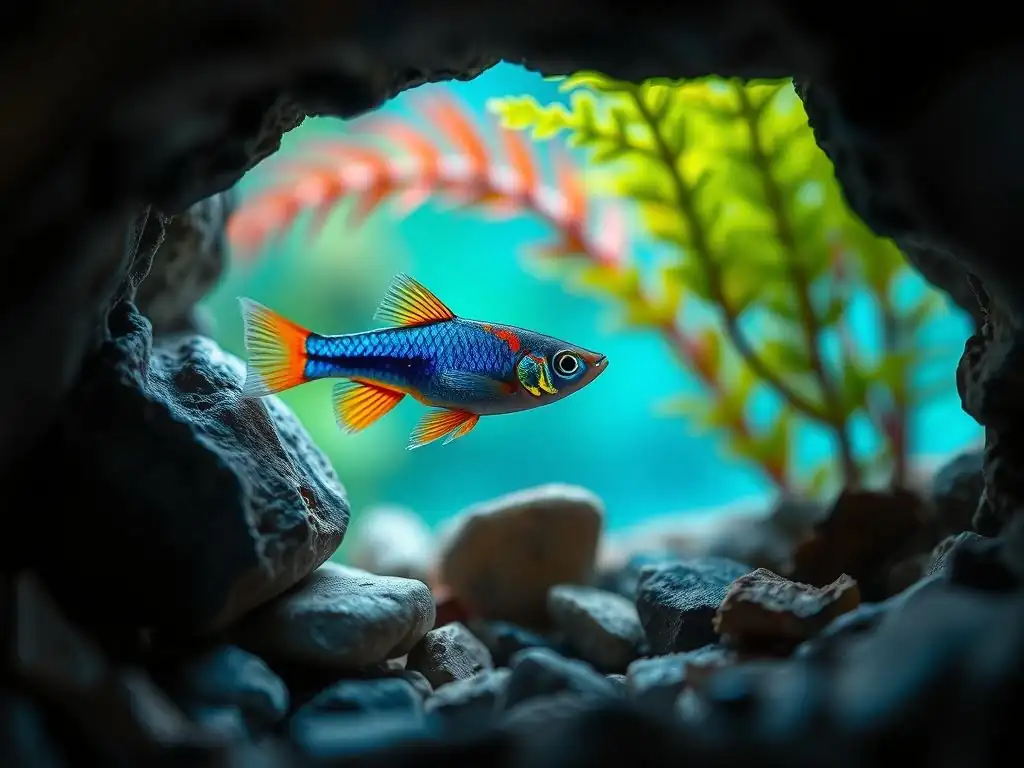
A well-decorated aquarium with ample hiding places and environmental enrichment is crucial for the psychological well-being of Neon Tetras, significantly reducing stress and the likelihood of fin nipping. As small, schooling fish, Neon Tetras thrive when they feel secure and have options to retreat from perceived threats or dominant individuals. This sense of security promotes natural behavior and reduces anxiety-driven aggression.
Incorporating a variety of structures that break up sightlines and offer shelter mimics their natural habitat, where dense vegetation and submerged roots provide cover. This not only enhances the aesthetic appeal of the tank but fundamentally contributes to a stable and peaceful environment where fin nipping is less prevalent.
Live Plants for Shelter and Security
Live plants are perhaps the best form of environmental enrichment for Neon Tetras. They provide dense cover, allowing fish to hide and feel secure, which significantly reduces stress levels. Plants like Java Moss, Anubias, Amazon Sword, and various stem plants create intricate underwater landscapes that offer both visual barriers and physical retreats.
Beyond providing shelter, live plants also contribute to water quality by absorbing nitrates and providing oxygen. A heavily planted tank creates a more natural and stable ecosystem, offering countless hiding spots where a bullied or stressed Neon Tetra can find refuge, thereby minimizing the chances of them being continuously targeted or becoming aggressive themselves.
Driftwood and Decorations to Break Up Sightlines
In addition to live plants, driftwood, rocks, and other aquarium-safe decorations are excellent for creating hiding spots and breaking up sightlines within the tank. Large pieces of driftwood can form caves and tunnels, while strategically placed rocks can create crevices and visual barriers. These structures allow fish to establish small territories and provide cover for weaker individuals.
By breaking up the line of sight, decorations prevent a single fish from dominating the entire tank and reduce constant visual contact between individuals, which can lower stress and aggression. This environmental complexity encourages more natural exploration and behavior, contributing to a calmer community where fin nipping is less likely to occur.
For Neon Tetras, maintaining an adequate schooling size is a cornerstone of preventing fin nipping and fostering a harmonious aquarium. As obligate schooling fish, they derive security, confidence, and a sense of well-being from being part of a large group. When kept in insufficient numbers, their natural social structure breaks down, leading to increased stress and behavioral issues.
A healthy school of Neon Tetras should consist of at least 8-10 individuals, with 10-15 or more being ideal for a truly thriving and active display. In a larger school, any aggression or nipping is typically diffused among many fish, reducing the likelihood of a single individual being constantly targeted. The sheer number provides comfort and confidence, allowing them to exhibit their natural schooling behaviors and reducing stress-induced aggression within the group.
Neon Tetra Fin Nipping Treatment: Addressing Existing Issues
When fin nipping has already occurred, prompt and appropriate Tetra fin nipping treatment is essential to prevent secondary infections and restore the health of your fish. Addressing the immediate injuries while simultaneously identifying and rectifying the underlying causes is crucial for long-term success. A multi-faceted approach ensures both the physical recovery of the affected Tetras and the prevention of future incidents.
This treatment phase involves not only direct care for damaged fins but also a thorough re-evaluation of the aquarium environment. Effective Tetra fin nipping treatment requires patience and consistent observation to ensure that the interventions are successful and the fish are returning to a state of health and harmony within the tank.
Isolating the Aggressor: A Temporary Solution
If you can clearly identify a specific fish as the primary nipper, temporarily isolating it can provide immediate relief for the victims and allow their fins to heal. This can be done using a breeder box placed inside the main tank, or, ideally, by moving the aggressor to a separate quarantine tank. Isolation gives the nipper a "time-out" and prevents further damage.
While the aggressor is isolated, observe its behavior. This period also allows you to reassess whether the aggressor's temperament is truly incompatible with the community, or if its aggression was a symptom of tank conditions like overcrowding. Isolation is a temporary measure, providing time to implement long-term solutions, such as rehoming the aggressor or making significant changes to the tank environment.
Treating Damaged Fins: Preventing Secondary Infections
Treating damaged fins is a critical part of Tetra fin nipping treatment to prevent secondary bacterial or fungal infections, which can be more dangerous than the nipping itself. Clean water is the first line of defense, but sometimes additional measures are needed to aid healing and ward off pathogens.
Using Aquarium Salt for Minor Injuries
For minor fin damage and to reduce stress, aquarium salt (non-iodized sodium chloride) can be an effective and gentle treatment. It aids in the healing process by promoting the production of the fish's natural slime coat, which acts as a protective barrier against pathogens. A common dosage for general healing and stress reduction is 1 teaspoon per 5 gallons of water.
For more pronounced, but still minor, injuries, the dosage can be increased slightly, up to 1 tablespoon per 5 gallons, but always ensure your specific fish species can tolerate higher salt levels. Dissolve the salt thoroughly before adding it to the tank during water changes. This simple Tetra fin nipping treatment helps mitigate immediate risks and supports natural recovery.
Medications for Severe Fin Damage: Melafix, Pimafix
When fin damage is severe, or if signs of bacterial (e.g., redness, white edges, fuzzy growth) or fungal (e.g., cotton-like growths) infections are present, over-the-counter aquarium medications may be necessary. Products like API Melafix (an antibacterial remedy derived from tea tree oil) are commonly used for fin rot and open wounds, helping to heal damaged tissue and prevent infection. A typical dosage for Melafix is 5 ml per 10 gallons daily for 7 days, with a water change before each dose.
For fungal infections, Pimafix (derived from bay tree oil) can be used, often in conjunction with Melafix for broad-spectrum coverage. Always follow the manufacturer's instructions precisely regarding dosage and duration of treatment. These medications are important components of Tetra fin nipping treatment when the damage has progressed beyond minor injuries, providing targeted relief and preventing more serious health complications.
Re-evaluating Tank Conditions and Making Adjustments
Effective Tetra fin nipping treatment extends beyond just addressing the visible injuries; it requires a thorough re-evaluation of the entire aquarium environment to pinpoint and correct the root causes of the aggression. Ignoring these underlying issues will inevitably lead to a recurrence of fin nipping, regardless of how well the injured fins are treated. This comprehensive assessment ensures a stable and peaceful habitat for your Neon Tetras in the long run.
Reassessing Stocking Levels and Tank Mate Compatibility
One of the first steps in re-evaluation is to critically reassess your tank's stocking levels and the compatibility of all inhabitants. If the tank is overcrowded (e.g., more than 10-12 Neon Tetras in a 10-gallon tank), consider reducing the number of fish or upgrading to a larger aquarium. Overstocking is a major stressor that fuels aggression.
Simultaneously, scrutinize your tank mates. Are there any known fin nippers (like Tiger Barbs) or overly boisterous species that are stressing your Neons? If so, the most effective solution is to rehome these incompatible fish to an appropriate environment. Even if a fish is not a direct nipper, its size or activity level might be intimidating to delicate Neon Tetras, contributing to their stress and susceptibility to nipping.
Improving Water Quality and Filtration
Water quality issues are a silent but powerful contributor to stress and aggression. During the Tetra fin nipping treatment phase, intensify your water quality management. This means performing more frequent water changes (e.g., 25% every other day for a few days, then back to weekly 25-30%), and rigorously testing for ammonia, nitrite, and nitrate. Ensure ammonia and nitrite remain at 0 ppm and nitrates below 20 ppm.
Also, inspect your filtration system. Is the filter adequately sized for your tank's bioload? Is the filter media clean and functioning efficiently? Clogged filters or insufficient filtration lead to poor water quality and inadequate oxygenation, both of which stress fish and can instigate fin nipping. Consider upgrading your filter or increasing its maintenance if it's found to be insufficient.
Increasing Schooling Size to Reduce Aggression
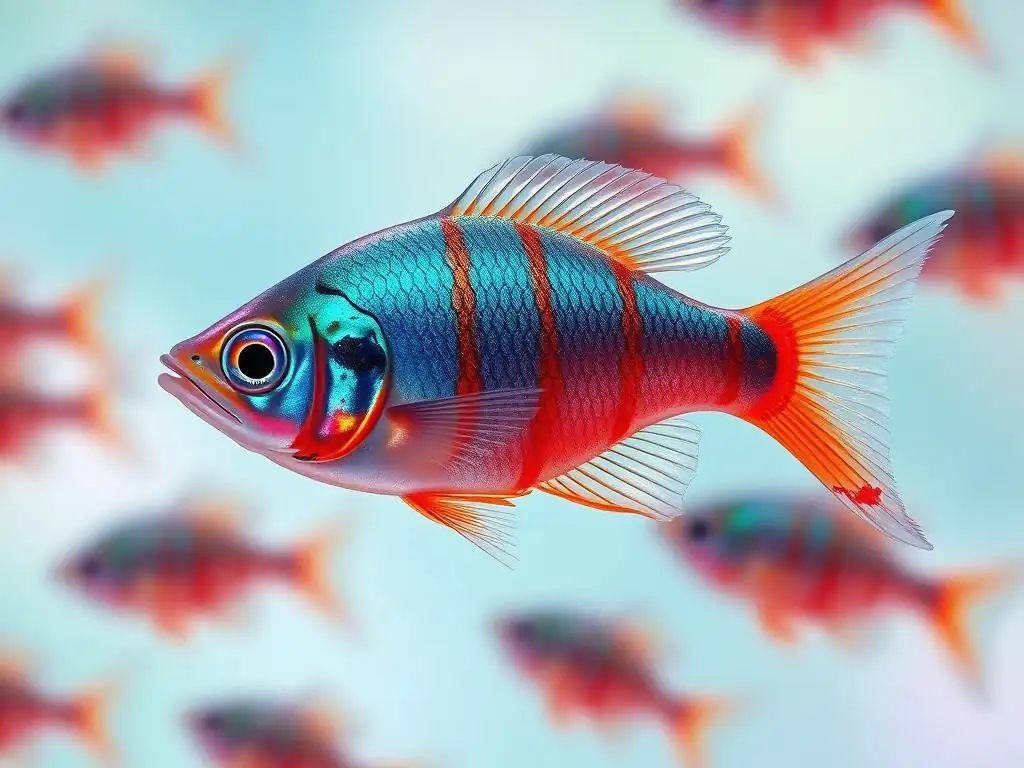
If your Neon Tetra school consists of fewer than 8-10 individuals, increasing their numbers can be a highly effective Tetra fin nipping treatment strategy. As schooling fish, Neon Tetras feel significantly more secure and exhibit their natural behaviors when kept in larger groups. This increased security often diffuses aggression and reduces stress-induced nipping.
When adding new fish, ensure they are healthy and quarantined before introduction. A larger school allows any minor nipping tendencies to be spread among more individuals, preventing a single fish from being persistently targeted. For example, expanding a school from 5 to 12 Neon Tetras in a 20-gallon tank can dramatically reduce internal aggression and improve overall group harmony.
Monitoring Neon Tetra Behavior After Treatment
After implementing Tetra fin nipping treatment and making tank adjustments, continuous monitoring of your Neon Tetras' behavior is paramount. Healing fins can take several weeks, and observing their behavior will confirm if the underlying causes of nipping have been successfully addressed. Look for signs of reduced stress, such as active schooling, vibrant coloration, and a willingness to feed.
Pay close attention to individual fish. Are their fins showing signs of regrowth? Are any specific fish still being targeted or exhibiting aggressive behavior? Persistent nipping or unusual behavior may indicate that further adjustments are needed, such as re-evaluating tank mates again, or fine-tuning water parameters. Consistent observation is the key to ensuring long-term success and a peaceful aquarium.
Long-Term Solutions for Neon Tetra Fin Nipping Prevention
Creating a Stable and Stress-Free Environment
Long-term prevention of Neon Tetra fin nipping hinges on establishing and maintaining a consistently stable and stress-free aquarium environment. This involves more than just addressing individual issues; it requires a holistic approach to aquarium husbandry where all elements work in harmony. A stable environment minimizes fluctuations in water parameters, temperature, and lighting, which can all contribute to fish stress.
Providing a consistent feeding schedule with high-quality food, ensuring regular maintenance routines are followed without abrupt changes, and maintaining a well-planted and appropriately decorated tank all contribute to this stability. When Neon Tetras feel secure and their basic needs are consistently met, their natural behaviors prevail, and stress-induced aggression, including fin nipping, is significantly reduced.
Regular Observation and Early Intervention
Proactive prevention of fin nipping relies heavily on regular, attentive observation of your Neon Tetra school. Daily checks for subtle changes in behavior, fin condition, or water clarity can allow for early intervention before problems escalate. Noticing a slightly frayed fin or a fish acting withdrawn can be the first sign of an issue that, if addressed promptly, can prevent widespread nipping or disease.
Early intervention might involve a quick water test, a small water change, or the temporary isolation of a slightly aggressive individual. Being attuned to the nuances of your aquarium's ecosystem enables you to nip potential problems in the bud, maintaining a healthy and harmonious environment that avoids the need for extensive Tetra fin nipping treatment.
A deep understanding of Neon Tetra temperament and their unique social dynamics is the ultimate long-term solution for preventing fin nipping. Recognize that these are schooling fish that thrive in numbers; a school of 10-15 Neons in a spacious, well-planted 20-gallon tank will behave fundamentally differently than a small group of 3-4 in a bare 10-gallon tank. Their social structure helps diffuse aggression and provides security.
Understanding their need for consistent water parameters (e.g., pH 6.0-7.5, temperature 72-78°F), appropriate tank mates, and ample hiding places allows you to create an environment where their natural behaviors are encouraged. When their social and environmental needs are met, Neon Tetras are less likely to exhibit stress-induced behaviors like fin nipping, leading to a vibrant and peaceful community.
Conclusion: Ensuring a Healthy and Harmonious Neon Tetra Aquarium
Fin nipping in Neon Tetras, while a common concern for aquarists, is largely preventable and treatable with the right knowledge and proactive measures. Understanding the multifaceted causes—from overcrowding and incompatible tank mates to poor water quality and insufficient schooling size—is the first step toward creating a thriving environment. By addressing these root issues, you can significantly reduce stress and aggression within your Neon Tetra community.
Implementing strategies such as optimizing tank size and stocking density, carefully selecting peaceful tank mates, maintaining pristine water quality through regular changes and testing, providing ample hiding places, and ensuring an adequate schooling size are crucial for prevention. When fin nipping does occur, prompt Tetra fin nipping treatment involving isolation of aggressors, treating damaged fins with aquarium salt or medications like Melafix, and re-evaluating tank conditions are vital for recovery. Ultimately, a stable, stress-free, and well-understood environment is the key to ensuring a healthy, harmonious, and vibrant Neon Tetra aquarium for years to come.
Frequently Asked Questions
What is fin nipping in Tetras and why does it happen?
Fin nipping is when a Tetra bites or tears at the fins of another fish. It's often caused by stressful tank conditions, like overcrowding, poor water quality, or incompatible tank mates.
How can I identify if my Tetras are fin nipping?
Look for frayed or torn fins on your Tetras. Observe their behavior; fin nippers will aggressively chase and nip at the fins of other fish.
What are the best ways to improve water quality to prevent fin nipping?
Regular water changes are crucial for removing harmful toxins. Ensure you have adequate filtration and avoid overfeeding to maintain a healthy aquarium environment.
Besides water quality, what other tank conditions can contribute to fin nipping?
Overcrowding and lack of hiding places can increase stress and aggression. Also, avoid keeping Tetras with known fin-nipping species that are more aggressive.
What are some effective treatments for Tetras that have been fin nipped?
Isolate the injured fish in a quarantine tank to prevent further nipping. Treat the water with a fish-safe antiseptic or antibiotic to prevent secondary infections and promote healing.
Final Reflection: Restoring Harmony in the Aquarium
The insights shared in this article highlight the delicate balance within the aquarium ecosystem, demonstrating that understanding and addressing fin nipping is crucial for the well-being of Tetra and the overall health of the aquatic environment. Ignoring this issue not only leads to physical harm for the fish but also disrupts the intricate social dynamics that contribute to a thriving community.
The prevalence of fin nipping underscores the importance of responsible fishkeeping and the need for continuous learning. My own experiences with maintaining a peaceful aquarium have taught me that observation and proactive intervention are key to preventing and mitigating such behaviors. The greatness of a nation and its moral progress can be judged by the way its animals are treated.
- Mahatma Gandhi. This quote, while broad, resonates deeply when considering the ethical responsibility we have towards the creatures in our care, even those as small as Tetra.
As you reflect on the information presented, consider how you can apply these principles to your own aquarium management. By prioritizing proper tank size, maintaining optimal water parameters, providing ample hiding places, and carefully selecting compatible tank mates, you can create an environment where Tetra can thrive without resorting to fin nipping. Let us all commit to fostering a more harmonious and enriching life for these captivating creatures, ensuring their well-being for years to come.
Transform Your Tank: End Fin Nipping Now!
Thank you for diving deep into the world of tetra fin nipping! We hope you've gained valuable insights into understanding and addressing this common aquarium issue. Now, it's time to take action and create a healthier, happier environment for your fish.
Here are a few things you can do right away:
- Immediately reassess your tank's stocking levels. Overcrowding is a major trigger for fin nipping, so ensuring you have enough space per fish is crucial.
- Introduce some enrichment activities to your tank. This could involve rearranging decorations, adding new plants, or even using a bubble wand for added stimulation.
- Share your experience! Did you notice your tetras nipping fins? What solutions are you planning to implement to stop it?
What’s the first change you're going to make to prevent fin nipping in your aquarium?