
Platinum Lyretail Molly: Care for this Shimmering Beauty

Welcome to Aquarium Mastery!
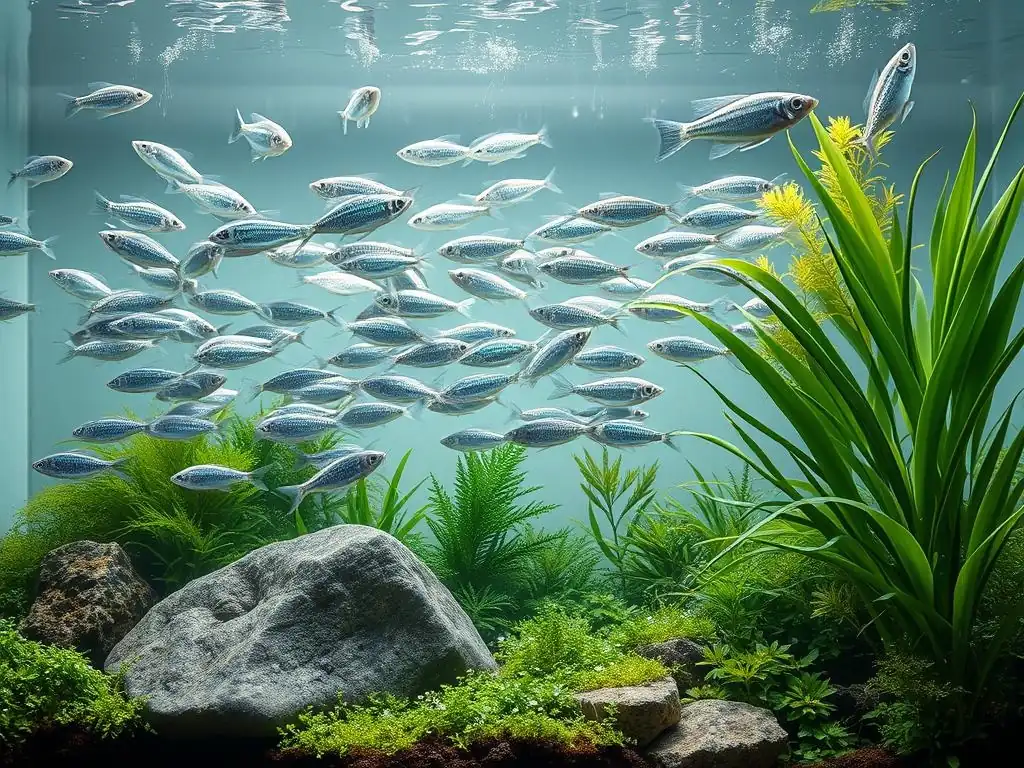
Ever been captivated by the shimmering elegance of a Platinum Molly gliding through the water? Platinum Lyretail Mollies are truly a sight to behold, and if you're considering adding one to your aquarium, or already have one, you're in the right place. Dive in to discover our essential Platinum Molly care tips and unlock the secrets to keeping these beautiful fish thriving. Ready to ensure your Platinum Molly lives a long and happy life? Let's get started!
- Introduction to the Platinum Lyretail Molly
- Platinum Lyretail Molly Care Guide: Essential Tips
- Maintaining Platinum Molly Health: Disease Prevention and Treatment
- Platinum Lyretail Molly Appearance and Varieties
- Troubleshooting Common Platinum Molly Care Issues
- Conclusion: Enjoying Your Platinum Lyretail Molly
-
Frequently Asked Questions
- What are the ideal water parameters for Platinum Lyretail Mollies?
- What should I feed my Platinum Lyretail Mollies?
- How often should I perform water changes in my Platinum Lyretail Molly tank?
- What tank size is recommended for Platinum Lyretail Mollies?
- What are some common diseases that affect Platinum Lyretail Mollies, and how can I prevent them?
- Final Reflection: Embracing the Shimmering Simplicity
- Ignite Your Aquarium Passion: Transform Your Tank Today!
Introduction to the Platinum Lyretail Molly
Discovering the Allure of Platinum Mollies
The Platinum Lyretail Molly, a captivating freshwater fish, stands out in the aquarium hobby due to its stunning appearance. Characterized by a brilliant, iridescent white or silver coloration and a distinctively elongated, lyre-shaped caudal fin, this variety of Molly fish brings an undeniable elegance to any home aquarium. Its popularity among aquarists stems not only from its aesthetic appeal but also from its generally peaceful demeanor and relatively straightforward care requirements, making it a favorite for both novice and experienced fish keepers.
In an aquarium setting, the metallic sheen of the Platinum Lyretail Molly reflects light beautifully, creating a dynamic focal point that shimmers with every movement. Their active swimming patterns, often cruising the mid to upper levels of the tank, contribute to the overall vibrancy and life of the aquatic environment. This combination of visual splendor and energetic behavior ensures that the Platinum Lyretail Molly is always a captivating presence, enhancing the aesthetic appeal of a well-maintained freshwater tank.
Why Choose a Platinum Lyretail Molly for Your Aquarium?
Choosing a Platinum Lyretail Molly for your aquarium offers several compelling advantages. These fish are known for their hardiness and adaptability, capable of thriving in a range of freshwater conditions, and even tolerating slightly brackish water, which can be beneficial for their health. Their active and engaging personalities make them a joy to observe, providing constant movement and interest within the tank, and their relatively peaceful nature allows them to integrate well into most community setups.
Beyond their resilience and engaging behavior, Platinum Lyretail Mollies contribute significantly to the visual appeal of a community tank. Their unique coloration contrasts beautifully with green plants and darker substrates, making them truly stand out. For those looking to introduce a shimmering, active, and generally easy-to-care-for species that adds both beauty and life to their aquatic display, the Platinum Lyretail Molly is an excellent choice, making it a prime candidate for those seeking effective Platinum Molly care tips.
Platinum Molly: A Member of the Livebearer Family
The Platinum Molly belongs to the Poeciliidae family, commonly known as livebearers. This classification means that, unlike most fish species that lay eggs, mollies give birth to live, free-swimming fry. This characteristic is shared with other popular aquarium fish such as guppies, platies, and swordtails, simplifying the breeding process for hobbyists as there's no need to manage delicate eggs, which is a significant aspect of Platinum Molly care tips for those interested in breeding.
The livebearing nature of Platinum Mollies has important implications for their care and tank management. They are prolific breeders, capable of producing broods every 30-40 days, with a single female potentially yielding 20 to over 100 fry per birth. This rapid reproduction rate necessitates careful planning regarding male-female ratios (ideally 1 male to 2-3 females) to prevent overpopulation and reduce stress on females from constant breeding attempts. Proper management of fry is also crucial to ensure the health of the entire tank.
Platinum Lyretail Molly Care Guide: Essential Tips
Tank Setup for Platinum Mollies: Creating the Ideal Environment
Aquarium Size Recommendations for Platinum Lyretail Mollies
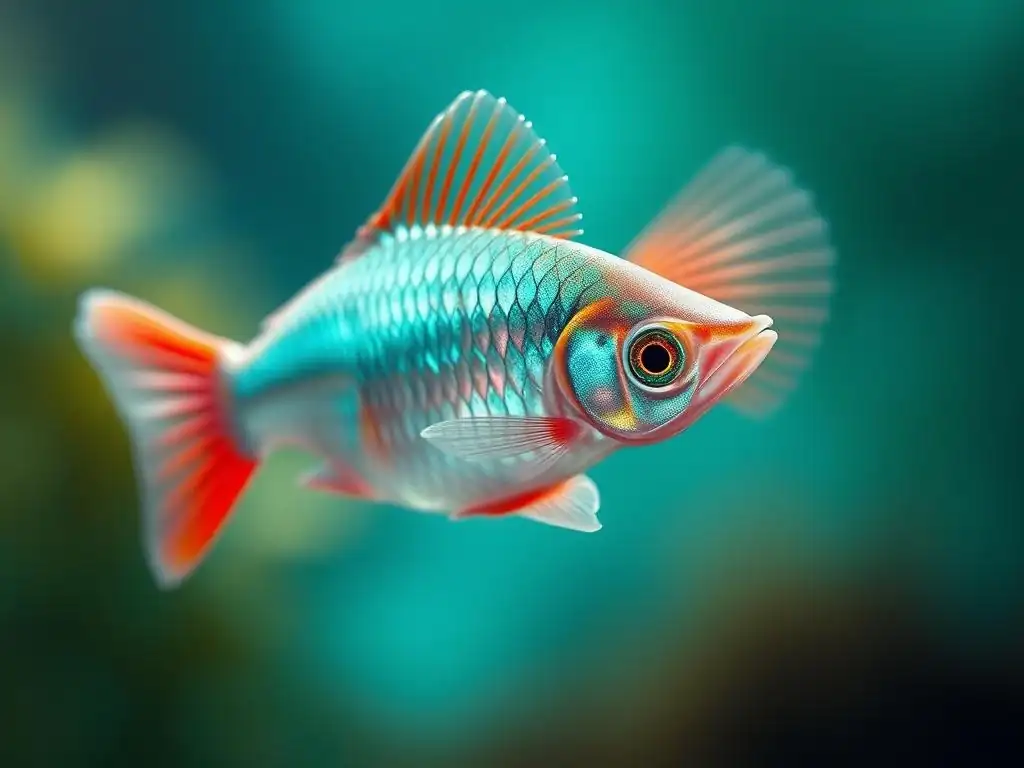
For a small group of Platinum Lyretail Mollies, typically 3-4 individuals, a minimum tank size of 20 gallons (approximately 75 liters) is recommended. This size provides adequate swimming space for these active fish, which can reach adult lengths of 4 to 5 inches (10-12 cm) for males and sometimes slightly larger for females. A longer tank footprint, such as a 20-gallon long, is often preferred over a tall one, as it offers more horizontal swimming room, which mollies utilize extensively.
Opting for a larger aquarium, such as a 30-gallon or 40-gallon breeder tank, is highly beneficial, especially when keeping a larger school of 6-8 mollies or integrating them into a diverse community setup. A more spacious environment helps to dilute waste products, leading to more stable water parameters, and reduces potential aggression or stress among fish due to overcrowding. This enhanced space also allows for more diverse aquascaping, providing ample hiding spots and territories for each fish, which is a key aspect of optimal Platinum Molly care tips.
Water Parameters: Maintaining Optimal Conditions for Molly Fish
Maintaining precise water parameters is paramount for the health and vibrancy of Platinum Lyretail Mollies. They thrive in warm, hard, and alkaline water. The ideal temperature range is between 72-82°F (22-28°C), with a pH level of 7.5-8.5. Water hardness should be kept within 15-30 dGH (degrees of General Hardness). Mollies are unique in their ability to tolerate, and often benefit from, slightly brackish conditions, meaning the addition of aquarium salt (approximately 1 tablespoon per 5 gallons) can boost their slime coat and overall immunity, though it's not strictly necessary in appropriately hard freshwater.
Stability in these parameters is just as important as the specific values. Sudden fluctuations in temperature or pH can induce significant stress, making the fish susceptible to disease. Regular testing with a reliable liquid test kit for ammonia (0 ppm), nitrite (0 ppm), and nitrate (below 20 ppm) is crucial to ensure water quality remains pristine. Consistent monitoring and timely adjustments are fundamental Platinum Molly care tips that prevent common health issues and ensure a thriving environment.
Substrate and Decor: Enhancing the Platinum Molly's Habitat
When setting up the aquarium for Platinum Lyretail Mollies, a fine gravel or sand substrate is suitable and aesthetically pleasing. A darker substrate can visually enhance the striking platinum coloration of the fish, making them appear even more vibrant. Live plants, such as Anubias, Java Fern, Hornwort, and Guppy Grass, are highly recommended. These plants not only contribute to oxygenation and nutrient absorption but also provide essential hiding spots for mollies, especially for females seeking refuge from persistent males and for fry attempting to evade predation.
In addition to live plants, incorporating various decor elements like driftwood, smooth rocks, and ceramic caves offers enrichment and helps to establish territories within the tank. It is vital to ensure that any decor chosen does not have sharp edges that could tear the delicate lyre fins of these mollies. While providing ample hiding spots, it's equally important to maintain open swimming spaces, particularly in the mid to upper water column, where Platinum Mollies prefer to actively swim and display their beautiful fins.
Importance of Filtration and Aeration for Molly Health
Effective filtration is non-negotiable for maintaining the health of Platinum Lyretail Mollies. A robust hang-on-back (HOB) filter or a canister filter equipped with mechanical, biological, and chemical media is highly recommended. Mechanical filtration removes particulate matter, biological filtration processes harmful ammonia and nitrite into less toxic nitrates, and chemical filtration (e.g., activated carbon) removes odors and discoloration. Over-filtration, providing a filter rated for a larger tank size, is often a beneficial practice as it ensures superior water clarity and stability.
Adequate aeration is another critical component of Platinum Molly care tips, as these fish appreciate well-oxygenated water. An air stone connected to an air pump or a sponge filter can provide additional surface agitation, facilitating gas exchange and boosting dissolved oxygen levels. This is particularly important in warmer tanks, where oxygen solubility decreases, or in tanks with a high bioload. Proper aeration supports the respiratory health of the mollies and contributes to a robust population of beneficial nitrifying bacteria.
Diet and Feeding: Ensuring a Healthy Platinum Molly
What to Feed Your Platinum Lyretail Molly: A Balanced Diet
Platinum Lyretail Mollies are omnivores with a notable preference for plant-based foods, making a balanced diet crucial for their health and vibrant coloration. A high-quality flake food or sinking pellet specifically formulated for omnivorous freshwater fish, with a significant vegetable content like spirulina, should form the cornerstone of their diet. Look for brands that list algae or plant derivatives among the first ingredients.
To ensure comprehensive nutrition, supplement their staple diet with fresh or frozen options. Blanched vegetables such as zucchini slices, spinach, or shelled peas are excellent sources of fiber and essential vitamins. Live or frozen protein-rich foods like brine shrimp, bloodworms, daphnia, and mosquito larvae should be offered occasionally, perhaps 2-3 times a week. This varied approach ensures they receive all necessary nutrients, promoting strong immune systems and enhancing their characteristic shimmering appearance, a key aspect of "Platinum Molly care tips."
Feeding Schedule and Portion Control for Mollies
Establishing a consistent feeding schedule is vital for the well-being of Platinum Lyretail Mollies. It is generally recommended to feed them 2-3 times per day. The key to portion control is to offer only as much food as they can consume entirely within 2-3 minutes. Any uneaten food should be promptly removed from the tank to prevent decomposition, which can quickly degrade water quality by increasing ammonia and nitrite levels.
Overfeeding is a common mistake that leads to several problems, including digestive issues in the fish, obesity, and dangerously high levels of nitrates and phosphates in the water. Observing your mollies during feeding will help you gauge the appropriate amount; if food consistently remains after a few minutes, reduce the portion size. A disciplined feeding routine is one of the most impactful Platinum Molly care tips for maintaining both fish health and aquarium cleanliness.
Supplementing Your Molly's Diet for Vibrant Color
To truly enhance and maintain the stunning platinum coloration of your Lyretail Mollies, strategic dietary supplementation is highly effective. Foods rich in carotenoids, natural pigments found in various plants and animals, can significantly intensify their metallic sheen. Look for premium fish foods that specifically include ingredients like spirulina, astaxanthin, or other natural color enhancers. These ingredients are processed by the fish's body and deposited into their scales, resulting in a more vivid and reflective appearance.
Beyond commercial color-enhancing foods, certain live and frozen foods can also contribute to vibrant coloration. For instance, newly hatched brine shrimp, especially when gut-loaded with spirulina or other nutritious algae, provide essential fatty acids and pigments that support overall health and enhance color. Similarly, daphnia and cyclops are excellent dietary additions that offer a natural boost to their nutritional intake, ensuring your mollies display their full, shimmering potential.
Platinum Lyretail Molly Tank Mates: Choosing Compatible Fish
Best Tank Mates for Platinum Mollies
When selecting tank mates for Platinum Lyretail Mollies, prioritize peaceful, similarly sized community fish that share similar water parameter preferences. Ideal companions include other popular livebearers such as Guppies, Platies, and Swordtails, as they are generally compatible in temperament and water needs. Larger, peaceful tetras like Black Skirt Tetras or Serpae Tetras, various Rasboras (e.g., Harlequin Rasboras), and bottom-dwelling species like Corydoras Catfish are also excellent choices.
Additionally, certain peaceful loaches, like Kuhli Loaches, can coexist well with mollies. It is crucial to avoid fish that require significantly different water conditions, such as very soft or acidic water, as this would compromise the health of either the mollies or their tank mates. Ensuring that all inhabitants thrive in the same hard, alkaline water parameters is a foundational element of successful Platinum Molly care tips within a community aquarium.
Fish to Avoid: Incompatible Tank Mates for Mollies
To prevent stress, injury, or even death, certain fish species should be avoided as tank mates for Platinum Lyretail Mollies. Highly aggressive or fin-nipping species, such as Tiger Barbs, certain larger Cichlids (e.g., Oscars, Jack Dempseys), or even some types of Danios, can harass mollies, particularly targeting their distinctive lyretail fins. This continuous stress can weaken the mollies' immune systems and lead to disease.
Furthermore, very small or extremely delicate fish might be overwhelmed or outcompeted for food by the more active and robust mollies. Predatory fish that could view mollies as a food source should also be strictly avoided. While Betta fish can sometimes be housed in community tanks, their potential for aggression or fin nipping, especially towards species with flowing fins like the lyretail, makes them a risky choice for Platinum Mollies, despite their shared freshwater habitat.
Considerations for Community Tank Dynamics
Successfully integrating Platinum Lyretail Mollies into a community tank requires careful consideration of social dynamics. A crucial aspect is maintaining an appropriate male-to-female ratio for mollies; a minimum of one male to two or three females is recommended. This ratio helps to disperse the male's constant breeding attempts among multiple females, reducing stress on any single female and preventing her from becoming exhausted or harassed.
Adequate space and ample hiding spots are also paramount to prevent territorial disputes and reduce overall stress levels among all tank inhabitants. Dense planting, driftwood, and rock formations can break up lines of sight, allowing weaker or stressed fish to retreat and find refuge. Overcrowding is a common catalyst for aggression and poor health in community aquariums, making generous tank sizing and thoughtful aquascaping essential Platinum Molly care tips for a harmonious environment.
Breeding Platinum Lyretail Mollies: A Comprehensive Guide
Setting Up a Breeding Tank for Platinum Mollies
For hobbyists interested in breeding Platinum Lyretail Mollies and ensuring the survival of their fry, setting up a dedicated breeding tank is highly recommended. A 10-20 gallon (approximately 38-75 liters) aquarium is typically sufficient for this purpose. The breeding tank should be well-cycled and maintained with water parameters identical to the main display tank to prevent shocking the gravid female when she is transferred.
Crucially, the breeding tank must be heavily planted with dense, fine-leaved plants such as Hornwort, Guppy Grass, or Java Moss. These plants provide abundant hiding places for the newly born fry, protecting them from potential predation by the mother or other tank inhabitants if the female is not removed promptly after birth. A gentle sponge filter is ideal for filtration, as it prevents the tiny fry from being sucked into the filter intake, a vital consideration for successful Platinum Molly care tips in a breeding context.
Identifying Male and Female Platinum Mollies
Distinguishing between male and female Platinum Lyretail Mollies is relatively straightforward, primarily based on the morphology of their anal fin. Male mollies possess a modified, rod-shaped anal fin known as a gonopodium, which is used for internal fertilization. This fin is typically long, pointed, and held close to the body. Males are also generally smaller and more slender than females, although this can vary slightly.
Female mollies, in contrast, have a broad, fan-shaped anal fin that is distinctly different from the male's gonopodium. When a female is pregnant, she will develop a noticeable gravid spot, a dark area near her anal fin, though this can be less apparent in the light coloration of Platinum Mollies. Her abdomen will also become noticeably plumper and more rounded as she approaches giving birth, a clear indicator of impending fry.
The Breeding Process: What to Expect
Platinum Lyretail Mollies are highly prolific livebearers, capable of reproducing every 30 to 40 days under optimal conditions. After successful fertilization, the gestation period typically lasts between four to six weeks. During this time, the female's abdomen will gradually swell, becoming increasingly box-shaped as she nears delivery. A single female can produce a significant number of fry per brood, ranging from 20 to over 100, depending on her age, size, and nutritional status.
When the female is close to giving birth, she may exhibit signs of restlessness, seeking out hiding spots or becoming reclusive. It is advisable to move her to the prepared breeding tank at this stage. Once the fry are born, the female should be promptly removed from the breeding tank and returned to the main aquarium. This prevents her from consuming her own offspring, a common behavior among molly mothers, ensuring a higher survival rate for the new generation.
Caring for Molly Fry: Raising Healthy Young
Caring for Molly fry effectively is crucial for their survival and healthy development. Newly hatched fry are tiny but free-swimming and immediately capable of foraging for food. They require frequent, small feedings, typically 3-4 times a day, to support their rapid growth. Suitable foods include specialized fry powder, finely crushed high-quality flake food, or newly hatched brine shrimp, which are highly nutritious and eagerly accepted.
Maintaining pristine water quality is paramount for fry health. Perform small, frequent water changes (e.g., 10-15% every 2-3 days) using temperature-matched, dechlorinated water. A stable temperature within the recommended range for adult mollies (72-82°F or 22-28°C) is also important. Providing ample hiding spots, such as dense floating plants, significantly reduces stress and cannibalism among the fry themselves. Diligent adherence to these Platinum Molly care tips ensures a high success rate in raising healthy young mollies.
Maintaining Platinum Molly Health: Disease Prevention and Treatment
Common Diseases Affecting Platinum Mollies
Identifying Symptoms of Illness in Platinum Mollies
Vigilant observation is key to early disease detection in Platinum Lyretail Mollies. Healthy mollies are typically active, alert, and exhibit clear eyes, unblemished fins, and a robust appetite. Any deviation from these norms can signal an underlying health issue. Common symptoms of illness include lethargy or unusual hiding behavior, rubbing or "flashing" against tank decor, clamped fins, frayed or ragged fins, unusual spots (white, fuzzy, or dark), bloating, or a refusal to eat.
Physical changes like discoloration, labored breathing, or a slimy appearance on the body also warrant immediate investigation. For instance, a molly consistently staying at the surface gasping for air could indicate poor water quality or low oxygen levels. Early identification of these symptoms allows for prompt intervention, significantly increasing the chances of successful treatment and minimizing the spread of disease within the aquarium, which is a crucial aspect of effective Platinum Molly care tips.
Treating Common Molly Diseases: Fin Rot, Ich, and More
Fin Rot is a common bacterial infection often caused by poor water quality or injury, manifesting as frayed, discolored, or disintegrating fins. Initial treatment involves large partial water changes (e.g., 50%) and improving overall water parameters. If symptoms persist, broad-spectrum antibacterial medications designed for aquarium use, such as those containing erythromycin or nitrofurazone, can be effective.
Ich, or White Spot Disease, is a highly contagious parasitic infection characterized by small, salt-grain-sized white spots on the body and fins. Treatment typically involves slowly raising the tank temperature to 82-84°F (28-29°C) over 24 hours (if compatible with all tank inhabitants) and using an Ich medication containing malachite green or formalin. Aquarium salt, added at a rate of 1 tablespoon per 5 gallons, can also assist in treating Ich and other external parasites by disrupting their osmotic balance.
Preventing Diseases: Maintaining Optimal Water Quality
The most effective strategy for preventing diseases in Platinum Lyretail Mollies is to consistently maintain optimal water quality. Regular partial water changes, typically 25% weekly, are paramount for diluting nitrates and removing accumulated organic waste. Diligent monitoring of water parameters—ammonia, nitrite, nitrate, pH, and temperature—using a reliable liquid test kit ensures that the environment remains stable and free from harmful compounds. Ammonia and nitrite should always be at 0 ppm, and nitrates ideally below 20 ppm.
Beyond water changes, preventing overfeeding is crucial, as excess food quickly decomposes and fouls the water. Quarantining new fish for a period of 2-4 weeks in a separate tank before introducing them to the main aquarium is another vital preventative measure. This practice allows you to observe new arrivals for signs of illness and treat them if necessary, preventing the introduction of pathogens into your established community, a cornerstone of comprehensive Platinum Molly care tips.
Water Changes and Maintenance: Key to a Healthy Aquarium
Frequency and Volume of Water Changes
Regular water changes are arguably the single most important aspect of Platinum Molly care tips for maintaining a healthy aquarium environment. For a well-stocked molly tank, a weekly water change of approximately 25% of the total volume is a good standard. This frequency helps to keep nitrate levels in check, replenish essential minerals, and remove dissolved organic compounds that can accumulate and stress fish.
In situations where the tank is heavily stocked, or if water parameters show consistently high nitrate readings (above 20 ppm), more frequent or larger water changes may be necessary. For instance, a 30-40% bi-weekly change, or even 15-20% twice a week, could be beneficial. Always use a reliable water conditioner to neutralize chlorine and chloramines in tap water, and ensure the new water is temperature-matched to the aquarium to prevent thermal shock to your mollies.
Water Testing: Monitoring Water Parameters
Consistent water testing is an indispensable practice for proactive aquarium management and crucial for successful Platinum Molly care tips. Regularly testing for ammonia, nitrite, nitrate, pH, and general hardness (GH) allows you to monitor the stability and health of your tank's ecosystem. While test strips offer quick results, a liquid-based test kit provides significantly more accurate and reliable readings, which are essential for making informed decisions about your aquarium's conditions.
The goal should be 0 ppm for both ammonia and nitrite, as even small amounts of these compounds are highly toxic to fish. Nitrate levels should ideally be kept below 20 ppm, as higher concentrations can lead to stress and compromised immune systems. Maintaining a stable pH between 7.5 and 8.5, and a GH of 15-30 dGH, ensures the mollies are in their preferred hard, alkaline environment. Regular testing empowers you to detect problems early and implement corrective measures before they escalate into serious health issues for your fish.
Cleaning the Aquarium: Removing Algae and Debris
Beyond water changes, routine physical cleaning of the aquarium is essential for a healthy and aesthetically pleasing environment. Algae growth on the glass can be managed with an algae magnet or scraper, ensuring clear viewing of your Platinum Lyretail Mollies. It's also important to periodically clean filter media; however, always rinse mechanical filter sponges and floss in old tank water removed during a water change, rather than tap water, to preserve beneficial nitrifying bacteria.
Promptly removing any uneaten food from the substrate after feeding sessions is critical, as decaying food rapidly contributes to ammonia spikes and poor water quality. Similarly, trim any dead or decaying plant leaves, and periodically vacuum the gravel or sand substrate to remove accumulated fish waste and detritus. A clean and well-maintained substrate prevents the buildup of harmful compounds and reduces the overall bioload, contributing significantly to the long-term health and vitality of your mollies.
Platinum Lyretail Molly Appearance and Varieties
Understanding the Platinum Coloration and Lyretail Fin
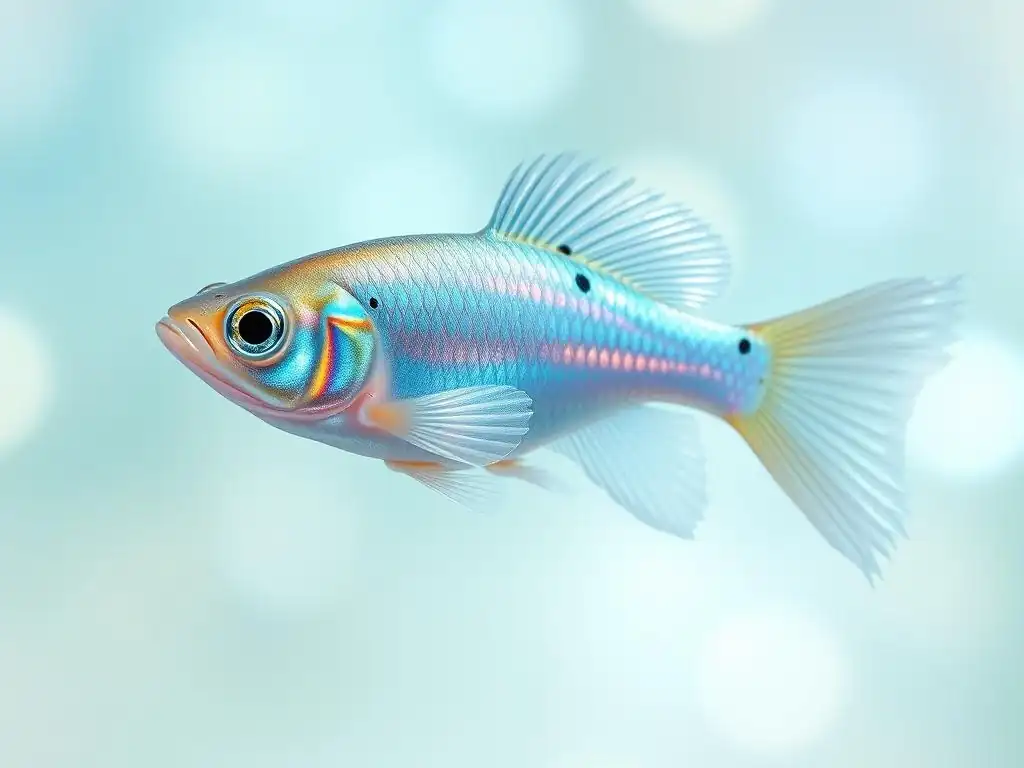
The "platinum" designation in the Platinum Lyretail Molly refers to a specific genetic trait that results in a striking, uniform metallic white or silver coloration across the entire body. This isn't an absence of pigment like albinism, but rather a unique reflective quality that gives the fish an iridescent, almost polished chrome appearance, causing them to shimmer brilliantly under aquarium lighting. This coloration makes them highly visible and a focal point in any freshwater tank.
The "lyretail" aspect describes the distinct shape of the caudal (tail) fin. In this variety, the outer rays of the tail fin are elongated and curve elegantly, forming a shape reminiscent of a lyre or a tuning fork. This feature is typically more pronounced and developed in males, adding to their ornamental appeal. The combination of the shimmering platinum body and the graceful lyretail fin creates a truly elegant and captivating fish, making it a prized choice for aquarists.
Variations of Platinum Mollies: Other color morphs and fin types
While the pure Platinum Lyretail Molly with its solid white metallic body and distinctive tail is a classic, the genetic traits for platinum coloration and lyretail finnage can be combined with other molly color morphs and fin types, leading to a fascinating array of variations. For instance, the platinum gene can appear on a Dalmatian Molly, resulting in a "Platinum Dalmatian Molly" which features the metallic white base with black speckles. Similarly, a "Platinum Red Molly" might exhibit a metallic sheen over a reddish-orange body.
Beyond coloration, mollies are selectively bred for various fin types. While the lyretail is prominent in this specific variant, other common fin types include the short-finned (wild-type), the large, flowing dorsal fin of the Sailfin Molly ( Poecilia latipinna and P. velifera), and the unique, rounded body of the Balloon Molly. Although the Platinum Lyretail is a specific combination, understanding these genetic possibilities highlights the diversity within the molly species, allowing for a wide range of choices for aquarists.
Distinguishing Platinum Lyretail Mollies from Other Molly Species
The Platinum Lyretail Molly is primarily a cultivated ornamental variety, often derived from species like the Common Molly ( Poecilia sphenops) or the Sailfin Molly ( Poecilia latipinna), through selective breeding for specific aesthetic traits. Its most prominent distinguishing features are the brilliant, uniform platinum (metallic white/silver) coloration that covers its entire body and the uniquely elongated, lyre-shaped caudal fin. This combination sets it apart from other molly varieties.
For instance, a Black Molly will have a solid black color, lacking the metallic sheen, while a Dalmatian Molly will have black spots on a silver or white base, but typically without the distinct platinum iridescence unless specifically bred as a "Platinum Dalmatian." Other fin types, such as the standard short fin or the large sailfin, also differentiate them from the specific lyretail form. Thus, the Platinum Lyretail Molly is identified by its precise blend of striking coloration and elegant finnage, making it easily recognizable among the diverse molly family.
Troubleshooting Common Platinum Molly Care Issues
Addressing Swim Bladder Disorder in Platinum Mollies
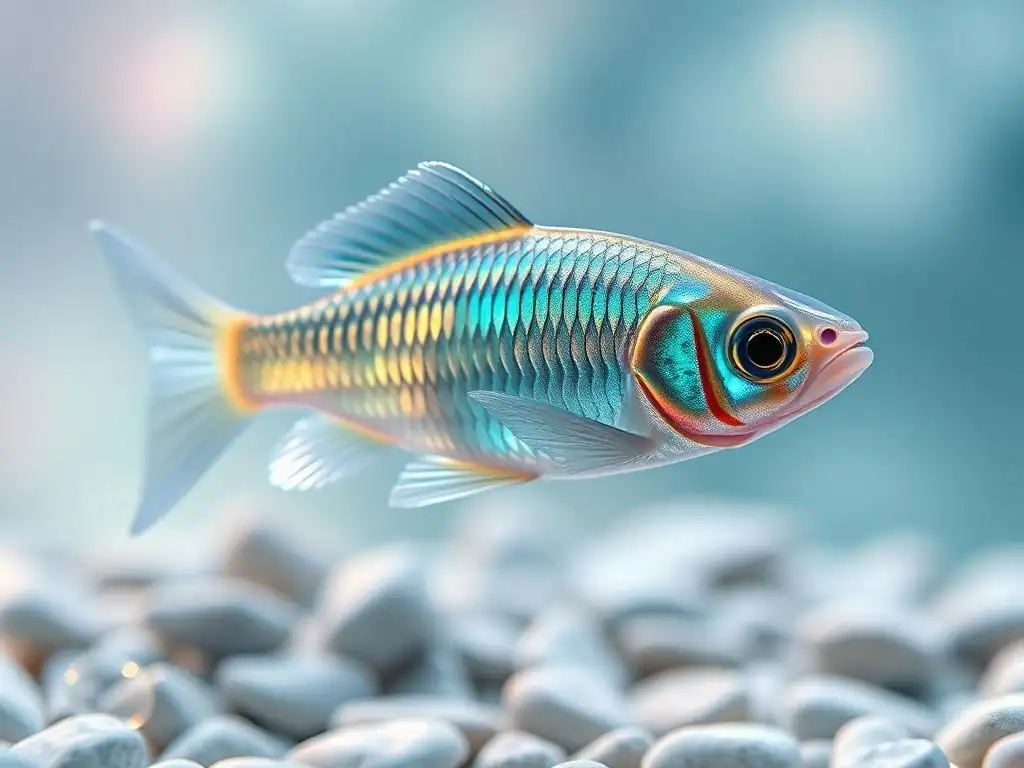
Swim bladder disorder in Platinum Lyretail Mollies manifests as difficulty maintaining buoyancy, leading to the fish swimming awkwardly (e.g., upside down, listing to one side), floating uncontrollably at the surface, or sinking to the bottom. This condition is often caused by dietary issues (overfeeding, lack of fiber, or poor quality food), internal bacterial infections, or sometimes physical injury. Bloating of the abdomen may also be observed.
Treatment typically begins with fasting the affected molly for 2-3 days to allow its digestive system to clear. After fasting, offer blanched, shelled peas, which are high in fiber and can help alleviate constipation-related swim bladder issues. Ensure water quality is impeccable, with 0 ppm ammonia and nitrite. If the condition persists or appears to be bacterial, a broad-spectrum antibacterial medication for internal infections, administered in a hospital tank, may be necessary.
Resolving Aggression Among Mollies
While Platinum Lyretail Mollies are generally peaceful, aggression, typically in the form of chasing or fin-nipping, can occur. This behavior is most often observed when the male-to-female ratio is imbalanced (too many males for the number of females), leading to excessive harassment of females. Overcrowding in the tank or a lack of sufficient hiding spots can also contribute to heightened stress and aggression among individuals.
To mitigate aggression, ensure a proper male-to-female ratio of at least 1 male to 2-3 females. If overcrowding is suspected, upgrading to a larger tank can significantly reduce stress. Adding more live plants (especially dense ones like Hornwort or Java Moss) and decor such as driftwood or rock formations can help by breaking up lines of sight and providing numerous hiding spots and territories, allowing less dominant fish to escape constant attention and promoting a more harmonious environment.
Dealing with Algae Blooms in a Molly Tank
Algae blooms, characterized by rapid and excessive growth of green, brown, or even red algae, are common issues in aquariums and typically signal an imbalance in nutrient levels or lighting. While mollies may graze on some soft algae, an uncontrolled bloom indicates an excess of nitrates and/or phosphates in the water, often coupled with too much light exposure. This can detract from the tank's appearance and, in severe cases, impact water quality.
To address algae blooms, several Platinum Molly care tips are effective. Firstly, reduce the amount of food offered to your fish, as uneaten food is a primary source of excess nutrients. Perform more frequent and larger water changes (e.g., 30-50%) to physically remove nitrates and phosphates. Secondly, reduce the duration of tank lighting; aim for 8-10 hours per day. Lastly, consider adding more fast-growing live plants, as they will outcompete the algae for available nutrients, naturally bringing the tank back into balance.
Conclusion: Enjoying Your Platinum Lyretail Molly
Recap of Platinum Molly Care Best Practices
Successful Platinum Molly care tips hinge on a few key practices that ensure the health and vibrant beauty of these shimmering fish. Providing an appropriately sized aquarium, ideally 20 gallons or larger for a small group, is crucial for their active lifestyle. Maintaining stable and optimal water parameters—warm, hard, alkaline water with a pH of 7.5-8.5 and temperatures between 72-82°F—is paramount. A balanced diet consisting of high-quality flakes supplemented with plant matter and occasional live/frozen foods supports their vitality and coloration.
Selecting compatible tank mates and ensuring a proper male-to-female ratio (1:2-3) are essential for a harmonious community. Finally, diligent water quality management through regular water changes (25% weekly) and consistent monitoring of ammonia, nitrite, and nitrate levels are non-negotiable for disease prevention. Adhering to these practices will allow your Platinum Lyretail Mollies to thrive and display their full splendor.
The Rewards of Keeping These Beautiful Fish
Keeping Platinum Lyretail Mollies offers a truly rewarding experience for aquarists of all levels. Their stunning, iridescent platinum coloration combined with their elegant lyretail fins makes them an undeniable focal point in any freshwater aquarium, adding a touch of sophisticated beauty and dynamic movement. Observing their active swimming and engaging behaviors brings daily enjoyment and a sense of tranquility to your living space.
Beyond their aesthetic appeal, successfully maintaining these fish and witnessing their thriving health is a testament to dedicated care. For those who venture into breeding, the process of observing their prolific reproduction and raising healthy fry can be an incredibly satisfying endeavor, offering a deeper connection to the aquatic world and showcasing the full life cycle within your home aquarium. The Platinum Lyretail Molly truly embodies the beauty and wonder of the freshwater hobby.
Further Resources for Molly Enthusiasts on AquariumMastery.com
For those passionate about Platinum Lyretail Mollies and freshwater aquariums, AquariumMastery.com offers a wealth of additional resources to deepen your knowledge and enhance your fish-keeping journey. Explore our extensive library of articles for more detailed guidance on livebearer breeding techniques, advanced water chemistry management, and in-depth profiles of various freshwater fish species.
Whether you are a beginner seeking foundational Platinum Molly care tips or an experienced aquarist looking to refine your expertise, AquariumMastery.com is designed to be your comprehensive guide. We provide continuous support and detailed information to help you troubleshoot common issues, optimize your tank's ecosystem, and ensure the long-term health and happiness of all your aquatic inhabitants, making your aquarium mastery journey truly fulfilling.
Frequently Asked Questions
What are the ideal water parameters for Platinum Lyretail Mollies?
Platinum Lyretail Mollies thrive in slightly alkaline water with a pH of 7.0-8.0. The water temperature should be maintained between 72-78°F (22-26°C). Keeping water hardness within the optimal range is also crucial.
What should I feed my Platinum Lyretail Mollies?
They are omnivores and need a varied diet. Offer them high-quality flake food supplemented with live or frozen foods like brine shrimp and bloodworms. Ensure they also get some vegetable matter in their diet.
How often should I perform water changes in my Platinum Lyretail Molly tank?
Regular water changes are vital for their health. Aim for 25-50% water changes every one to two weeks. This helps maintain water quality and removes accumulated nitrates.
What tank size is recommended for Platinum Lyretail Mollies?
A minimum tank size of 20 gallons is recommended for a small group of Platinum Lyretail Mollies. Larger tanks are always better, providing more swimming space and stability.
What are some common diseases that affect Platinum Lyretail Mollies, and how can I prevent them?
They are susceptible to diseases like Ich and fin rot. Maintaining pristine water conditions and avoiding overcrowding are crucial for prevention. Quarantine new fish before introducing them to the main tank.
Final Reflection: Embracing the Shimmering Simplicity
The journey of understanding and caring for the Platinum Lyretail Molly, as we've explored, is more than just mastering aquatic husbandry; it's about appreciating the delicate beauty and resilience of life itself. In a world often obsessed with complexity, the simple elegance of this shimmering fish offers a potent reminder of the joy found in nurturing and observing the natural world.
The enduring appeal of the Platinum Molly, and the dedication of aquarists to its well-being, speaks volumes about our innate connection to nature. This connection, this desire to create and maintain thriving ecosystems, is a powerful force that shapes our understanding of responsibility and empathy. In the end, we will conserve only what we love; we will love only what we understand; and we will understand only what we are taught.
- Baba Dioum's poignant words remind us that knowledge and care are intertwined, fostering a deeper appreciation for the creatures we share our planet with.
Now, as you consider the Platinum Lyretail Molly and the insights shared, take a moment to reflect on the broader implications. How can you apply this same dedication, this same attentiveness to detail, to other aspects of your life? Let the shimmering beauty of this fish inspire you to cultivate a deeper appreciation for the simple joys, the delicate balances, and the profound responsibility that comes with nurturing life in all its forms.
Ignite Your Aquarium Passion: Transform Your Tank Today!
Thanks for diving into the world of Platinum Lyretail Mollies! We hope you've gained valuable insights into caring for these stunning fish. Now it's time to put that knowledge into action and create a thriving aquatic environment.
Here are a few ways to continue your journey:
- Start designing your new Molly-friendly tank: Plan the layout, choose your substrate, and get ready to create the perfect home for these shimmering beauties.
- Explore other captivating fish species: Discover new and exciting additions to complement your Mollies and enhance your aquarium's biodiversity.
- Share your newfound Molly wisdom: Help other aquarists by sharing this article with friends and fellow enthusiasts.
What's the first captivating element you'll add to your Molly's new home to make it truly special?