
Kenyi Cichlid (Maylandia lombardoi): The Chameleon Mbuna Beauty and the Beast?

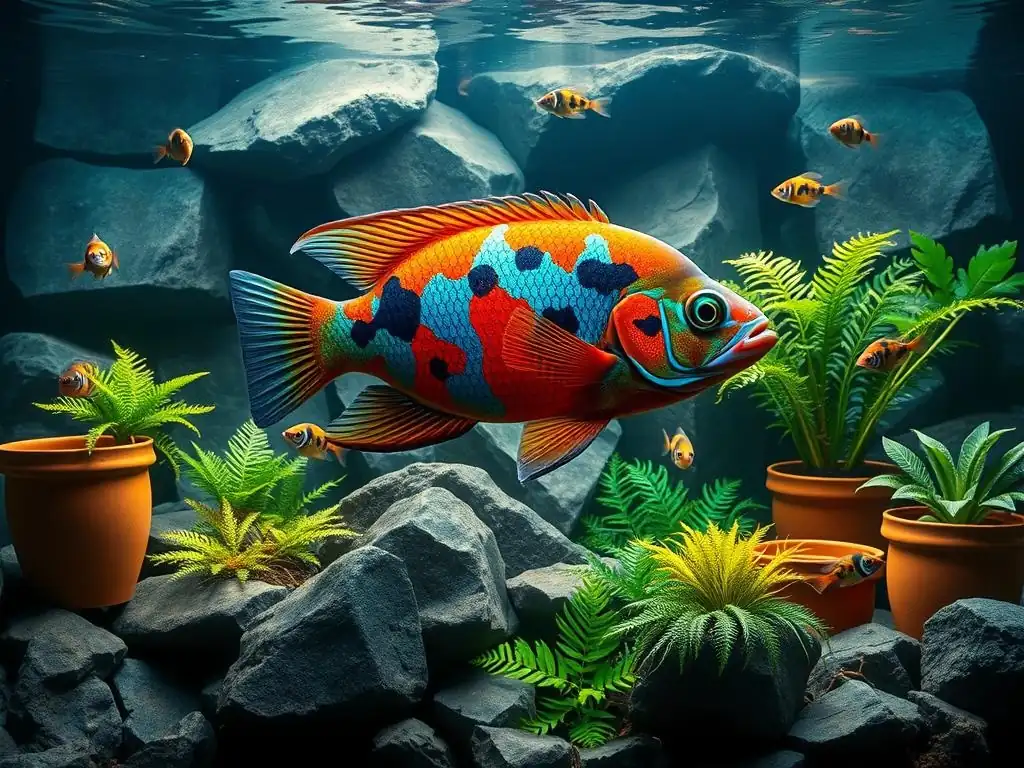
Welcome to Aquarium Mastery!
Dive into the captivating world of aquariums and discover the secrets to creating thriving underwater ecosystems. Intrigued by the vibrant and often challenging Kenyi cichlid? Our comprehensive Kenyi cichlid care guide unveils everything you need to know about this captivating Mbuna, from its striking color changes to its unique temperament. Are you ready to unlock the mysteries of this "chameleon" of the aquarium world? Read on to find out if this beauty is right for your tank!
- Introduction to the Kenyi Cichlid: A Vibrant Mbuna with a Temperament
- Kenyi Cichlid Care Guide: Essential Information for Aquarists
- Kenyi Cichlid Behavior and Temperament: Managing Aggression in the Aquarium
- Kenyi Cichlid Tank Mates: Choosing Compatible Species
- Kenyi Cichlid Breeding: Encouraging Spawning in Captivity
- Common Kenyi Cichlid Health Issues and Prevention
- The Beauty and the Beast: Weighing the Rewards and Challenges of Kenyi Cichlid Keeping
- Conclusion: Mastering Kenyi Cichlid Care for a Rewarding Aquarium Experience
-
Frequently Asked Questions
- What are the key characteristics of Kenyi Cichlids that make them unique?
- What are the ideal water parameters for a Kenyi Cichlid aquarium?
- What should I feed my Kenyi Cichlids to keep them healthy?
- What tank size is recommended for keeping Kenyi Cichlids?
- What are some common health problems in Kenyi Cichlids and how can I prevent them?
- Final Reflection: Embracing the Kenyi's Dual Nature
- Unleash the Kenyi Cichlid Keeper Within!
Introduction to the Kenyi Cichlid: A Vibrant Mbuna with a Temperament
Unveiling Maylandia lombardoi: Origins and Natural Habitat
The Kenyi cichlid, scientifically known as Maylandia lombardoi (though sometimes still referred to as Pseudotropheus lombardoi), is a highly popular and visually striking freshwater fish originating from the rocky shores of Lake Malawi in East Africa. As a member of the Mbuna group, which translates to "rock-dweller," this species is naturally found inhabiting the complex rocky substrates and caves of the lake, where it grazes on algae and small invertebrates. Its natural environment is characterized by consistently warm temperatures and highly alkaline, hard water, conditions crucial to replicate for optimal Kenyi cichlid care in captivity.
In their native Lake Malawi habitat, Kenyi cichlids are known for their territorial behavior, fiercely defending their chosen rock formations and foraging grounds. The specific location where Maylandia lombardoi thrives within Lake Malawi is generally the Mbenji Island archipelago. This natural aggression, while fascinating to observe, underscores the importance of a well-planned aquarium setup to mitigate stress and conflict, a key aspect of any comprehensive Kenyi cichlid care guide.
Why the Kenyi Cichlid is Called the "Chameleon Mbuna"
The moniker "Chameleon Mbuna" is aptly given to the Kenyi cichlid due to its remarkable and dramatic sexual dimorphism, particularly the striking color transformation that occurs as males mature and assert dominance. Juvenile Kenyi cichlids and adult females typically display a vibrant blue body adorned with prominent dark blue or black vertical bars. This coloration provides excellent camouflage amidst the rocky crevices of their natural environment.
However, as a male Kenyi cichlid matures and establishes its territory, its coloration undergoes a significant shift. The blue body transitions into a brilliant, almost incandescent yellow, while the dark vertical bars often remain, creating a stark and beautiful contrast. This color change is not merely aesthetic; it serves as a clear visual signal of dominance and sexual maturity within the social hierarchy of the tank, making the Kenyi cichlid a truly dynamic and captivating addition to a specialized African cichlid aquarium.
Is the Kenyi Cichlid Right for Your Aquarium? Understanding the Pros and Cons
Deciding whether the Kenyi cichlid is the right fit for your aquarium involves weighing its undeniable beauty against its specific demands and challenging temperament. On the positive side, the Kenyi cichlid offers stunning coloration, especially the mature males, which can become the vibrant centerpiece of a cichlid tank. They are active swimmers and display fascinating behaviors, from territorial displays to intricate breeding rituals, providing endless opportunities for observation and engagement for the dedicated aquarist. Their hardiness, when provided with correct parameters, also makes them relatively robust once established.
However, the Kenyi cichlid's aggressive and highly territorial nature is its most significant drawback, earning it the "Beast" part of its common name. They are known to bully, harass, and even kill tank mates that are not equally robust or are perceived as rivals. This necessitates a large tank, careful selection of tank mates, and specific strategies to manage aggression, such as providing ample hiding spots and potentially overstocking. Without a thorough understanding of these requirements, keeping Kenyi cichlids can lead to significant stress for both the fish and the aquarist, making a detailed Kenyi cichlid care guide indispensable.
Kenyi Cichlid Care Guide: Essential Information for Aquarists
Optimal Tank Setup for Kenyi Cichlids: Replicating Their African Rift Lake Environment
Creating an environment that closely mimics the natural habitat of Maylandia lombardoi is paramount for their health, well-being, and to mitigate their inherent aggression. A properly designed tank setup reduces stress, encourages natural behaviors, and significantly improves the overall success of keeping these vibrant fish. This section of our Kenyi cichlid care guide focuses on the critical elements of their aquarium.
Neglecting the specific environmental needs of Kenyi cichlids can lead to chronic stress, weakened immune systems, and heightened aggression, often resulting in disease outbreaks or fatalities. Providing ample space, appropriate substrate, intricate rockwork, and robust equipment ensures a stable and thriving habitat.
Tank Size Requirements for a Thriving Kenyi Cichlid Colony
For a single Kenyi cichlid or a small group (e.g., one male with two to three females), a minimum tank size of 55 gallons (approximately 208 liters) is often cited as the absolute bare minimum. However, for a thriving, stable community of Mbuna cichlids that includes Kenyi cichlids, a 75-gallon (284 liters) tank is highly recommended, with 125 gallons (473 liters) or more being ideal. This larger volume provides significantly more swimming space and, crucially, more territory for each fish to claim, which helps to dilute aggression.
The dimensions of the tank are as important as the volume; longer tanks (e.g., a 4-foot 55-gallon or a 6-foot 125-gallon) are preferable to taller, narrower tanks. The increased length allows for more horizontal swimming room and facilitates the creation of multiple distinct territories. For optimal Kenyi cichlid care, it's generally advised to keep one male with multiple females of its own species (a ratio of 1 male to 3-4 females is often recommended) to spread the male's attention and reduce stress on individual females.
Substrate, Rockwork, and Decorations for a Kenyi Cichlid Tank
The substrate for a Kenyi cichlid tank should ideally consist of fine sand or very fine gravel. This choice is based on their natural behavior of sifting through the substrate in search of food particles. Using aragonite sand or crushed coral as a substrate is highly beneficial as these materials naturally help to buffer the water, maintaining the high pH and hardness levels essential for Lake Malawi cichlids. A substrate layer of 2-3 inches (5-7.5 cm) is generally sufficient.
Rockwork is perhaps the most critical element in a Kenyi cichlid setup. These fish are "rock-dwellers" by nature and require an abundance of caves, crevices, and tunnels for shelter, hiding, and establishing territories. Use inert rocks such as lava rock, Texas holey rock, slate, or artificial rock structures. Arrange the rocks to create multiple line-of-sight breaks and numerous hiding spots, ensuring that every fish has several options for retreat.
Stacking rocks directly on the bottom glass (not on the substrate) and securing them to prevent collapse is crucial, as Kenyi cichlids are known to dig and undermine rock structures. Avoid sharp-edged decorations that could injure the fish. Live plants are generally not recommended as Kenyi cichlids will uproot and consume most species, though extremely hardy, attached plants like Anubias or Java Fern might survive if securely anchored.
Essential Equipment: Filtration, Heating, and Lighting
High-quality and robust filtration is absolutely paramount for Kenyi cichlid care. These fish produce a significant bioload due to their active metabolism and diet, and maintaining pristine water quality is non-negotiable for their health. Over-filtration is always preferable to under-filtration. Canister filters, sumps, or multiple large hang-on-back (HOB) filters are excellent choices, providing strong mechanical filtration to remove particulate matter, ample biological filtration for ammonia and nitrite conversion, and chemical filtration (e.g., activated carbon) to remove impurities and keep water crystal clear. Aim for a total filter turnover rate of at least 5-10 times the tank volume per hour.
Regarding heating, Kenyi cichlids thrive in stable temperatures mimicking their natural Lake Malawi environment. A reliable submersible heater (or multiple heaters for larger tanks) should be used to maintain a consistent water temperature between 75-82°F (24-28°C). Fluctuations in temperature can cause stress and make them susceptible to disease.
Lighting for a Kenyi cichlid tank is primarily for aesthetic purposes, enhancing the vibrant colors of the fish and allowing for observation. Full-spectrum LED lighting is popular and effective. While specific lighting is not critical for the fish themselves, avoid overly bright or prolonged lighting which can stress fish and encourage unwanted algae growth on decorations rather than on surfaces for grazing.
Water Parameters: Maintaining Pristine Conditions for Maylandia lombardoi
Maintaining the correct and stable water parameters is arguably the most critical aspect of Kenyi cichlid care. These fish have evolved in a very specific aquatic environment, and deviations from these conditions can lead to severe stress, weakened immune systems, and susceptibility to diseases like Malawi Bloat.
Consistent monitoring and adjustment of water chemistry are non-negotiable for the long-term health and vibrancy of Maylandia lombardoi.
Ideal Temperature, pH, and Hardness for Kenyi Cichlids
To replicate their natural Lake Malawi habitat, Kenyi cichlids require specific water parameters. The ideal temperature range is 75-82°F (24-28°C), with stability being key; avoid sudden temperature swings. The pH level is crucially high, ranging from 7.8 to 8.6, with many experienced aquarists aiming for a consistent pH of 8.0-8.4. This alkaline environment is vital for their physiological well-being.
In terms of hardness, Kenyi cichlids thrive in very hard water. The general hardness (GH) should be between 10-20 dGH (degrees of general hardness), which translates to approximately 180-360 ppm. Carbonate hardness (KH), which is important for pH stability, should be maintained between 10-18 dKH (180-320 ppm). Using substrates like aragonite sand or crushed coral, and potentially specialty cichlid salts or buffers, can help achieve and maintain these specific water chemistry requirements, preventing osmotic stress and ensuring proper gill function.
The Importance of Regular Water Changes and Testing
Despite robust filtration, regular water changes are indispensable for proper Kenyi cichlid care. They are essential for removing accumulated nitrates, phosphates, and other dissolved organic compounds that filtration alone cannot eliminate. Weekly water changes of 25-30% of the tank volume are a good starting point for a moderately stocked tank. For heavily stocked Mbuna tanks, or those with larger Kenyi cichlids, a 50% weekly water change might be necessary to keep nitrate levels below 20 ppm and replenish essential minerals. Always ensure that the replacement water is declorinated and temperature-matched to avoid shocking the fish.
Consistent water testing is the backbone of effective water parameter management. Aquarists should regularly test for ammonia, nitrite, nitrate, pH, and hardness (GH and KH). Ammonia and nitrite levels should always be undetectable (0 ppm), as even small amounts are highly toxic to fish. Elevated nitrate levels indicate a need for more frequent or larger water changes. Liquid test kits are generally more accurate and reliable than test strips for precise readings. Regular testing allows for early detection of issues and proactive adjustments, preventing stress and disease before they manifest in your Maylandia lombardoi.
Kenyi Cichlid Diet and Feeding: What to Feed Your Mbuna
The diet of Kenyi cichlids is a critical aspect of their long-term health and a common source of problems if not managed correctly. As primarily herbivorous Mbuna, their digestive systems are specifically adapted to process plant matter.
Feeding an inappropriate diet is one of the leading causes of Malawi Bloat, a potentially fatal digestive disorder common in African cichlids. Therefore, understanding and adhering to their dietary needs is a cornerstone of effective Kenyi cichlid care.
Understanding the Kenyi Cichlid's Herbivorous Diet
In their natural Lake Malawi habitat, Kenyi cichlids primarily graze on "Aufwuchs," which is a complex bio-film consisting of algae and the small invertebrates living within it, scraped from rocks. Their teeth and digestive tracts are specialized for processing this plant-based diet. This means that in the aquarium, their diet must be predominantly herbivorous.
Providing a diet too rich in animal protein can severely upset their digestive system, leading to inflammation of the gut and the onset of Malawi Bloat. Unlike carnivorous or omnivorous cichlids, Kenyi cichlids lack the long intestinal tracts and specific enzymes required to efficiently digest high amounts of animal protein, making a plant-based diet crucial for their well-being.
Recommended Food Options: Flakes, Pellets, and Vegetables
The staple diet for Kenyi cichlids should consist of high-quality spirulina flakes or pellets specifically formulated for African cichlids or herbivorous fish. Look for foods where spirulina, kelp, or other plant-based ingredients are listed as the primary components. Brands specializing in African cichlid nutrition often offer excellent options that cater to their unique dietary needs.
Supplement their diet with fresh or blanched vegetables. Excellent choices include blanched zucchini slices, spinach, romaine lettuce, or shelled peas. Spirulina wafers can also be offered as an occasional treat. It is crucial to strictly avoid high-protein foods like bloodworms, tubifex worms, or beef heart. While some aquarists might offer these very sparingly as a rare treat for conditioning breeding pairs, the risk of inducing Malawi Bloat far outweighs any perceived benefit for regular feeding in a Kenyi cichlid care regimen.
Feeding Schedule and Avoiding Overfeeding
Kenyi cichlids should be fed small amounts 1-2 times per day. The key is to provide only what they can consume within 1-2 minutes. Overfeeding is a common mistake and contributes significantly to poor water quality, leading to elevated nitrates, increased algae growth, and a higher risk of digestive issues like Malawi Bloat. Uneaten food decomposes rapidly, adding to the bioload and stressing the filtration system.
To further promote digestive health, some aquarists find it beneficial to skip one day of feeding each week. This allows the fish's digestive system to clear out completely and can help prevent bloat. Observe your fish's activity and appetite closely; a healthy Kenyi cichlid should be eager to eat but not excessively gorging. Adhering to a strict feeding schedule and portion control is vital for successful Kenyi cichlid care.
Kenyi Cichlid Behavior and Temperament: Managing Aggression in the Aquarium
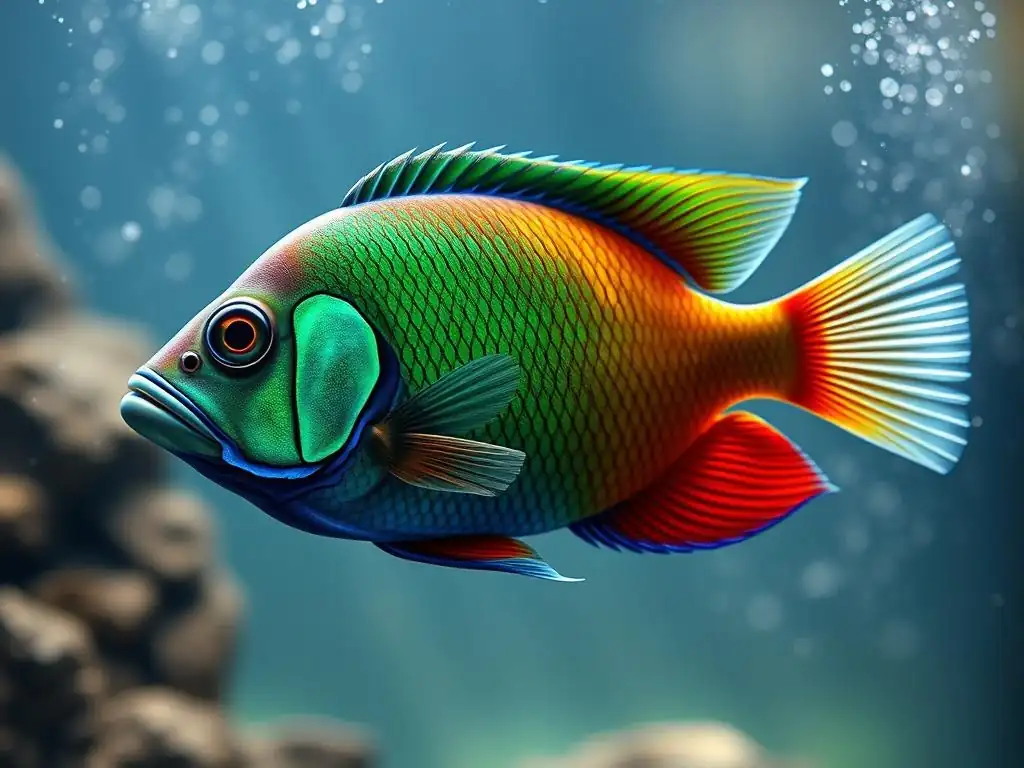
The Kenyi cichlid's behavior is a complex interplay of vibrant activity and pronounced aggression, making it one of the more challenging Mbuna species to manage in a community setting. Understanding and mitigating this aggression is a cornerstone of successful Kenyi cichlid care.
Their territorial nature, while fascinating to observe, can quickly lead to stress, injury, or death for less dominant or incompatible tank mates if not properly managed.
Understanding Mbuna Aggression: Why Kenyi Cichlids Can Be Problematic
Mbuna cichlids, including the Kenyi cichlid, are inherently aggressive and highly territorial fish. This behavior stems from their natural habitat in Lake Malawi, where they fiercely defend small territories on rocky substrates to secure food sources (algae) and breeding sites. In the confines of an aquarium, this natural instinct is amplified, leading to constant skirmishes and dominance displays.
Kenyi cichlids, particularly mature males, are notorious for their intense aggression towards other males, fish of similar coloration, and sometimes even females within their own species if not outnumbered. This aggression manifests as chasing, fin nipping, and outright attacks, often resulting in severe stress, injury, or even death for weaker or targeted individuals. A proper Kenyi cichlid care guide must thoroughly address these behavioral challenges to ensure the well-being of all tank inhabitants.
Sexing Kenyi Cichlids: Identifying Males and Females
Accurately sexing Kenyi cichlids is crucial for managing aggression and planning breeding efforts. The most reliable method for identifying males and females is through their distinct coloration as they mature. Adult males of Maylandia lombardoi undergo a dramatic color change, transforming from the juvenile blue and black bar pattern to a brilliant, dominant yellow body with dark vertical bars. This striking yellow coloration is a clear indicator of a male asserting its dominance.
In contrast, adult females and subordinate males typically retain the original blue body with dark vertical bars, though their blue might appear duller than a dominant male's yellow. While color is the primary visual cue, vent sexing (examining the urogenital papillae near the anal fin) can also be used, though it requires experience and can be stressful for the fish. Males generally have a more pointed genital papilla, while females have a larger, more rounded one, especially when gravid. Observing these color differences is a fundamental part of effective Kenyi cichlid care.
Strategies for Minimizing Aggression in a Kenyi Cichlid Tank
Successfully keeping Kenyi cichlids requires proactive strategies to minimize their inherent aggression. Simply adding them to a tank without careful planning often leads to disaster. The goal is to diffuse aggression and provide an environment where all fish can thrive with minimal stress.
The primary methods involve strategic stocking and meticulous tank aquascaping, both of which are central to a comprehensive Kenyi cichlid care guide.
Overstocking: A Controversial but Effective Method
One of the most widely adopted, albeit controversial, strategies for managing Mbuna aggression is intentional overstocking. The theory behind this method is that by introducing a higher number of Mbuna into the tank than typically recommended, aggression is diffused across many individuals rather than being concentrated on a few. For instance, a 75-gallon tank might house 15-20 adult Mbuna, including Kenyi cichlids. This high density makes it difficult for any single fish to establish and defend a rigid territory, thereby reducing the intensity and lethality of aggressive encounters.
While effective in mitigating aggression, overstocking comes with significant caveats. It drastically increases the bioload on the aquarium, necessitating exceptionally robust filtration (often multiple powerful filters) and diligent, frequent water changes (e.g., 50% weekly or more). Without superior filtration and maintenance, water quality will rapidly decline, leading to stress and disease. Therefore, while overstocking is a powerful tool in Kenyi cichlid care, it demands a higher commitment to water management.
Providing Ample Hiding Places and Territory
Beyond stocking levels, the physical layout of the tank plays a critical role in managing aggression. Providing an abundance of hiding places and visual barriers is paramount for Kenyi cichlids. Every fish in the tank should have multiple options for retreat, allowing them to escape bullying and reduce stress. This means creating numerous caves, tunnels, and crevices using inert rockwork (e.g., lava rock, Texas holey rock, slate).
Arrange the rocks to break up lines of sight across the tank, preventing dominant fish from constantly seeing and harassing subordinate individuals. Create distinct territories with rock piles, ensuring that there are more hiding spots than fish. This allows weaker or submissive fish to establish their own safe zones and reduces direct confrontations. A well-designed aquascape with plentiful hideouts is a fundamental component of any successful Kenyi cichlid care guide, promoting a more harmonious environment even among these notoriously aggressive fish.
Kenyi Cichlid Tank Mates: Choosing Compatible Species
Selecting appropriate tank mates for Kenyi cichlids is one of the most challenging aspects of their care, given their highly aggressive and territorial nature. Incompatible tank mates can lead to constant stress, injury, or even death for the less dominant fish.
This section of the Kenyi cichlid care guide will help you navigate the complexities of creating a harmonious, albeit robust, community tank.
Ideal Tank Mates for Kenyi Cichlids: Peaceful Mbuna and Synodontis Catfish
When choosing tank mates for Kenyi cichlids, the general rule is to select other robust, similarly sized Mbuna cichlids that share similar water parameter requirements and dietary needs. Compatible Mbuna species often include:
- Labidochromis caeruleus (Electric Yellow Lab) - generally less aggressive.
- Melanochromis cyaneorhabdos (Maingano) - similar barring but distinct color.
- Pseudotropheus saulosi - smaller but active, with distinct sexual dimorphism.
- Iodotropheus sprengerae (Rusties) - a more peaceful Mbuna with a unique coloration.
- Cynotilapia afra (Dogtooth Cichlid) - active and robust.
It is crucial to avoid species that closely resemble Kenyi cichlids in color or pattern, especially other yellow or blue-barred Mbuna, as this will trigger intense inter-species aggression. Aim for a mix of colors and patterns to minimize territorial disputes based on perceived rivalry. Beyond other Mbuna, various Synodontis catfish species (e.g., Synodontis multipunctatus, Synodontis petricola) make excellent bottom-dwelling tank mates. They are hardy, appreciate similar water conditions, and are generally ignored by cichlids due to their armored bodies and often nocturnal nature, making them a safe addition to a Kenyi cichlid setup.
Fish to Avoid: Species That Will Be Bullied or Aggressed Upon
A fundamental rule in Kenyi cichlid care is to avoid mixing them with any fish that are significantly smaller, more delicate, or less aggressive. This includes virtually all community tank staples like tetras, guppies, mollies, platies, or most peaceful schooling fish. These species will be relentlessly harassed, fin-nipped, stressed, and ultimately killed by the dominant Kenyi cichlids. Slow-moving, long-finned fish (e.g., angelfish, bettas) are also entirely unsuitable, as their fins will be an irresistible target for nipping.
Furthermore, it is generally advised against mixing Kenyi cichlids with cichlids from other African Rift Lakes (e.g., Tanganyikan cichlids like Tropheus or Frontosa) or New World cichlids (e.g., Oscars, Convicts, Severums). While some New World cichlids are also aggressive, their aggression styles, dietary needs, and water parameter requirements often differ significantly, leading to an incompatible and stressful environment for all parties involved. Sticking to a Lake Malawi Mbuna-only tank is the safest and most successful approach for Kenyi cichlids.
Creating a Balanced Community Tank with Kenyi Cichlids
Successfully creating a balanced community tank with Kenyi cichlids requires meticulous planning and ongoing observation. Research each potential tank mate species thoroughly to ensure compatibility in terms of aggression levels, size, diet, and water parameters. A common strategy for introducing fish is to add all species, especially juveniles, at the same time if possible. This prevents any single fish from establishing overwhelming dominance before others have a chance to settle. If adding fish later, introduce Kenyi cichlids last, or rearrange the tank's rockwork before adding new fish to disrupt existing territories.
Maintaining a high male-to-female ratio (e.g., 1 male to 3-4 females) for each Mbuna species is crucial to dilute male aggression and reduce stress on individual females. Continuously observe tank dynamics for signs of excessive bullying, stress, or injury. Be prepared to remove or rehome overly aggressive individuals, as some Kenyi cichlids may simply be too dominant for a particular setup. A well-structured Kenyi cichlid care plan involves regular monitoring and adaptability to ensure the long-term well-being of the entire community.
Kenyi Cichlid Breeding: Encouraging Spawning in Captivity
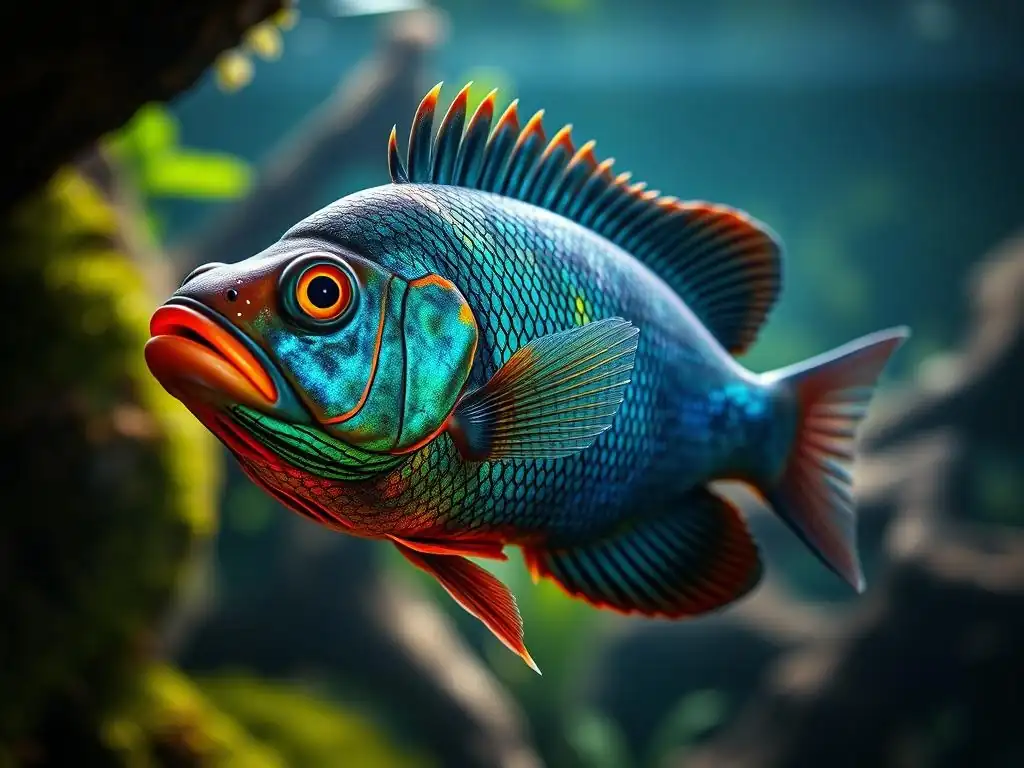
Breeding Kenyi cichlids ( Maylandia lombardoi) can be a rewarding experience for aquarists who have mastered their general care. Like most Mbuna, they are maternal mouthbrooders, a fascinating reproductive strategy where the female protects the eggs and fry in her mouth.
Understanding the specific conditions and processes involved is key to successfully raising the next generation, making this a vital part of any comprehensive Kenyi cichlid care guide.
Creating the Right Conditions for Breeding Kenyi Cichlids
Kenyi cichlids are relatively prolific breeders in a well-maintained, species-appropriate aquarium setup. To encourage spawning, ensure your fish are healthy, well-fed, and housed in optimal water conditions. A stable temperature around 78-80°F (25.5-26.5°C) and a pH of 8.0-8.4 are ideal. A diet rich in high-quality spirulina flakes and blanched vegetables will condition the fish for breeding, providing them with the necessary nutrients.
Provide plenty of flat, smooth rocks, slate, or even overturned flowerpots within the tank setup. These surfaces serve as potential spawning sites where the female will lay her eggs. A male-to-female ratio of 1:3 or 1:4 is highly recommended to ensure the male's attention is spread among multiple females, reducing stress on any single female and increasing the likelihood of successful spawning. The male will display intensified coloration and engage in elaborate courtship rituals to entice a female to his chosen spawning site.
The Mouthbrooding Process: How Kenyi Cichlids Care for Their Young
Once a female Kenyi cichlid is receptive, the male will lead her to a chosen spawning site, often a flat rock. The female will lay a small number of eggs (typically 5-15 at a time), which she immediately collects into her mouth. The male then displays his "egg spots" (small, round, yellow-orange spots) on his anal fin.
The female, mistaking these for more eggs, will attempt to pick them up, opening her mouth and allowing the male to fertilize the eggs she is already holding. This process is repeated until all eggs (usually 20-50 per spawn, depending on the female's size and age) are laid and fertilized.
After spawning, the female will "mouthbrood" the eggs, holding them securely in her buccal cavity for approximately 21-28 days. During this period, she typically will not eat and will often seek out a secluded hiding spot. Her throat will appear noticeably distended. It is crucial not to disturb her excessively during this sensitive time. The fry develop inside her mouth, consuming their yolk sacs, until they are large enough to be released as free-swimming miniatures of their parents.
Raising Kenyi Cichlid Fry: Feeding and Protecting the Next Generation
When the Kenyi cichlid fry are released by the female, they are relatively large, fully formed, and immediately free-swimming. If left in the main tank, most fry will inevitably be eaten by the parents or other tank inhabitants.
For a higher survival rate, many aquarists choose to "strip" the female (gently encourage her to release the eggs or fry) after about 14-20 days of brooding and transfer the developing eggs or fry to a separate "grow-out" tank. This separate tank should have mature, stable water conditions, a sponge filter (to prevent fry from being sucked up), and plenty of tiny hiding places.
Newly released Kenyi cichlid fry can be fed finely crushed spirulina flakes, specialized cichlid fry food, or newly hatched brine shrimp. Feed small amounts several times a day to ensure constant availability of food for their rapid growth. Maintain excellent water quality in the fry tank through daily small water changes (e.g., 10-15%) to remove uneaten food and waste. As the fry grow, they can be gradually introduced to larger foods and eventually moved to a larger grow-out tank before being integrated into a community setup or rehomed, completing the Kenyi cichlid care breeding cycle.
Common Kenyi Cichlid Health Issues and Prevention
Even with meticulous Kenyi cichlid care, these fish can occasionally fall victim to common aquarium diseases, particularly if stressed or kept in suboptimal conditions. Early detection and proactive prevention are key to maintaining a healthy and vibrant Kenyi cichlid population.
Understanding the common ailments and how to prevent them is an essential component of any comprehensive Kenyi cichlid care guide.
Recognizing Signs of Illness in Kenyi Cichlids
Vigilant observation of your Kenyi cichlids is crucial for early detection of illness. Healthy Kenyi cichlids are active, vibrant in color (especially males), and eager to eat. Any deviation from these normal behaviors should raise a red flag. Common signs of illness include:
- Lethargy or unusual hiding: Fish are inactive or spend excessive time hiding.
- Loss of appetite: Refusal to eat or spitting out food.
- Abnormal swimming: Darting, rubbing against tank objects (flashing), erratic movements, or struggling to maintain buoyancy.
- Clamped fins: Fins held close to the body, indicating stress or discomfort.
- Faded or dull coloration: Colors appear washed out, often a sign of stress or disease.
- Physical changes: White spots, fuzzy patches, lesions, frayed fins, or bloating.
If any of these signs are observed, it is best to immediately isolate the affected fish in a separate quarantine tank, if possible. This prevents potential spread of disease to other tank inhabitants and allows for focused treatment without impacting the main display tank.
Common Diseases: Malawi Bloat, Ich, and Fin Rot
Malawi Bloat is arguably the most prevalent and dangerous disease affecting Kenyi cichlids and other Mbuna. It is primarily caused by an inappropriate diet (too much protein, fatty foods) or poor water quality, leading to internal bacterial infection and digestive distress. Symptoms include severe abdominal swelling, loss of appetite, white and stringy feces, rapid breathing, and lethargy. It progresses quickly and is often fatal if not treated immediately with specific medications targeting internal bacterial infections. Prevention through proper diet and pristine water is paramount.
Ich (White Spot Disease), caused by the parasite Ichthyophthirius multifiliis, manifests as small, white, salt-like spots on the fish's body and fins. It is usually triggered by stress, sudden temperature fluctuations, or the introduction of infected new fish. Fish may also flash against objects to relieve itching. Treatment typically involves increasing tank temperature (if compatible with tank mates and not causing further stress) and using an Ich-specific medication.
Fin Rot is a bacterial infection that causes the fins to appear ragged, torn, or discolored, often with a white or reddish edge. It is almost always a result of poor water quality (high nitrates, ammonia, or nitrites) or physical injury, which allows bacteria to take hold. Improving water quality through large water changes and treating with a broad-spectrum antibiotic or antibacterial medication are common approaches.
Preventing Disease Through Proper Care and Quarantine
The best approach to Kenyi cichlid health is prevention, rooted in excellent husbandry. The cornerstone of disease prevention for Kenyi cichlids involves maintaining stable and pristine water parameters within their ideal range (high pH, hard water, consistent temperature). Regular, diligent water changes are crucial to keep nitrates low and replenish essential minerals. Providing a species-appropriate, low-protein, herbivorous diet and avoiding overfeeding significantly reduces the risk of Malawi Bloat. Adequate tank size and complex rockwork minimize stress-induced aggression, which can weaken immune systems.
A non-negotiable practice for any serious aquarist, especially with sensitive species like cichlids, is to quarantine all new fish for at least 2-4 weeks before introducing them to the main display tank. During quarantine, observe for any signs of illness and treat if necessary. This simple step can prevent the introduction of parasites, bacteria, and viruses that could decimate an entire established tank. Regular cleaning of tank equipment and substrate also contributes to a healthy environment, ensuring a robust Kenyi cichlid care regimen.
The Beauty and the Beast: Weighing the Rewards and Challenges of Kenyi Cichlid Keeping
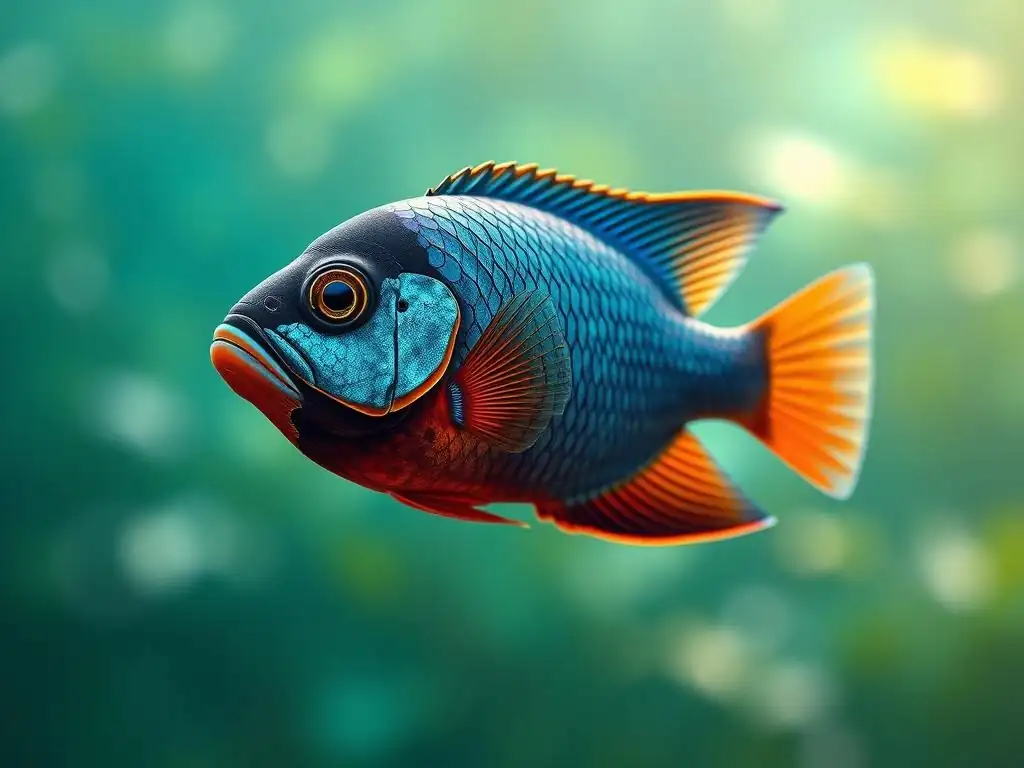
The Kenyi cichlid embodies a fascinating paradox: a fish of breathtaking beauty coupled with a notoriously aggressive temperament. For the dedicated aquarist, understanding and managing this duality is the essence of Kenyi cichlid care.
This section offers a final assessment, helping potential keepers decide if this vibrant, yet challenging, Mbuna is the right choice for their aquatic journey.
The Allure of the Kenyi Cichlid: Stunning Colors and Active Behavior
The primary appeal of the Kenyi cichlid lies in its stunning visual impact, particularly the dramatic color transformation exhibited by mature males. The transition from a blue-barred juvenile to a brilliant yellow adult with contrasting dark bars creates a dynamic and captivating centerpiece for any African cichlid aquarium. Their active swimming patterns, constant foraging, and engaging territorial displays provide endless fascination for observers. They are hardy fish once established, capable of thriving for many years (often 5-8 years or more) when their specific environmental needs are met.
Beyond their aesthetic appeal, Kenyi cichlids offer a unique glimpse into the complex social behaviors of Lake Malawi cichlids. Their interactions, dominance hierarchies, and mouthbrooding reproductive strategy are deeply rewarding to witness. For aquarists who appreciate strong personalities and vibrant coloration, the Kenyi cichlid presents a truly engaging and active addition to their aquatic world, offering a rewarding experience for those who commit to proper Kenyi cichlid care.
Addressing the Challenges: Aggression and Compatibility Issues
Despite their beauty, the "Beast" aspect of the Kenyi cichlid's nature cannot be overstated. Their high level of aggression, especially among males and towards less robust tank mates, presents the most significant challenge. This necessitates meticulous planning, including a sufficiently large tank (75+ gallons recommended), strategic aquascaping with abundant hiding places, and careful selection of equally robust and assertive tank mates (often other Mbuna species). Failure to manage this aggression can result in constant stress, injury, or fatalities within the tank.
Furthermore, their specific dietary needs (predominantly herbivorous) and strict water parameter requirements (high pH, hard water) demand consistent attention. Deviations can quickly lead to severe health issues like Malawi Bloat, which is often fatal. The commitment to diligent water changes, robust filtration, and a specialized diet is non-negotiable for successful Kenyi cichlid care. They are not "set and forget" fish and require an aquarist who is prepared for ongoing observation and maintenance.
Is the Kenyi Cichlid Right for You? A Final Assessment
Ultimately, the decision to keep Kenyi cichlids rests on an honest assessment of your resources, experience, and commitment. If you possess a sufficiently large aquarium (ideally 75 gallons or more), are dedicated to maintaining pristine, specific water parameters, understand the critical importance of their herbivorous diet, and are prepared to actively manage their aggressive tendencies through strategic stocking and aquascaping, then the Kenyi cichlid can be an incredibly rewarding species. Their vibrant colors and engaging behaviors will undoubtedly enrich your aquarium experience.
Conversely, if you are looking for a peaceful community tank with a wide variety of fish species, have limited tank space, or prefer a low-maintenance setup, the Kenyi cichlid is likely not the ideal choice. Their specialized needs and assertive personalities demand a specific environment and a dedicated approach to Kenyi cichlid care. For those ready to embrace the challenge, the Kenyi cichlid offers a dynamic and visually stunning centerpiece, truly embodying the "Beauty and the Beast" of the Mbuna world.
Conclusion: Mastering Kenyi Cichlid Care for a Rewarding Aquarium Experience
The Kenyi cichlid ( Maylandia lombardoi), with its striking color transformation and active personality, is undoubtedly one of the most captivating Mbuna cichlids available to aquarists. However, its significant aggression and specific environmental demands mean it is not a fish for the faint of heart or the unprepared. Mastering Kenyi cichlid care requires a deep understanding of their natural habitat, dietary needs, and behavioral patterns.
By providing a spacious, rock-filled aquarium, maintaining precise high pH and hard water parameters, adhering to a strict herbivorous diet, and employing strategies to manage aggression, aquarists can unlock the full potential of these "Chameleon Mbuna." While challenging, the rewards of successfully keeping these vibrant fish—witnessing their dynamic social interactions and stunning beauty—make the dedication to a comprehensive Kenyi cichlid care guide a truly enriching and worthwhile endeavor.
Frequently Asked Questions
What are the key characteristics of Kenyi Cichlids that make them unique?
Kenyi Cichlids are known for their dramatic color changes as they mature, with males transitioning from blue to yellow. They are also a highly aggressive Mbuna species.
What are the ideal water parameters for a Kenyi Cichlid aquarium?
Kenyi Cichlids thrive in alkaline water with a pH between 7.5 and 8.5. The water temperature should be maintained between 78-82°F (25-28°C).
What should I feed my Kenyi Cichlids to keep them healthy?
Provide a high-quality cichlid flake food supplemented with vegetable matter like spirulina or algae wafers. Avoid overfeeding and offer small portions 2-3 times a day.
What tank size is recommended for keeping Kenyi Cichlids?
Due to their aggression and active nature, a minimum of a 75-gallon tank is recommended. Larger tanks are preferable, especially if keeping them with other Mbuna cichlids.
What are some common health problems in Kenyi Cichlids and how can I prevent them?
Common issues include bloat and Ich (white spot disease). Prevention involves maintaining pristine water quality, providing a proper diet, and avoiding overcrowding your aquarium.
Final Reflection: Embracing the Kenyi's Dual Nature
The journey through understanding the Kenyi Cichlid, as detailed in this guide, reveals more than just the specifics of its care; it highlights the importance of responsible aquarium keeping and the delicate balance within a closed ecosystem. The Kenyi's aggressive nature, coupled with its vibrant beauty, serves as a microcosm of the challenges and rewards inherent in keeping any fish, demanding a commitment to understanding and respecting its needs. Ignoring these needs leads to imbalance and suffering, underscoring the ethical responsibility we bear as caretakers of these captivating creatures.
The Kenyi's dramatic color transformation, from the peaceful blues of youth to the fiery yellows of maturity, mirrors the dynamic and often unpredictable nature of life itself. This constant change reminds us that understanding and adaptation are crucial, not only in maintaining a thriving aquarium but also in navigating the complexities of our own lives. In the end, we will conserve only what we love; we will love only what we understand; and we will understand only what we are taught.
- Baba Dioum. This quote resonates deeply, emphasizing the power of knowledge and understanding in fostering appreciation and ultimately, conservation.
Now, armed with the knowledge from this Kenyi cichlid care guide, I invite you to reflect on your own role in the aquarium hobby. Are you prepared to embrace the challenges and responsibilities that come with keeping such a dynamic and demanding fish? Consider the impact of your choices on the well-being of your aquatic companions and strive to create an environment where they can thrive. Let the Kenyi's story inspire you to become a more informed, compassionate, and responsible aquarist, ensuring a brighter future for these fascinating creatures and the delicate ecosystems they inhabit.
Unleash the Kenyi Cichlid Keeper Within!
Thank you for diving into the world of Kenyi Cichlids! We hope you've gained a deeper appreciation for these fascinating fish and their unique personality. Now, it's time to put that knowledge into action!
Here are a few ways to further explore the world of Maylandia lombardoi:
- Carefully consider if the Kenyi Cichlid's aggressive temperament aligns with your current aquarium setup. A peaceful community tank might not be the best fit!
- Dive deeper into the world of Mbuna! Research similar species and discover the unique challenges and rewards of keeping African Cichlids.
- Share this article with fellow aquarium enthusiasts and spark a discussion about the challenges and joys of keeping Kenyi Cichlids!
What unexpected observation have you made about your own fish that surprised you? Share your stories in the comments below!