
Peat Moss & Blackwater Extracts: Recreating Natural Discus Habitats

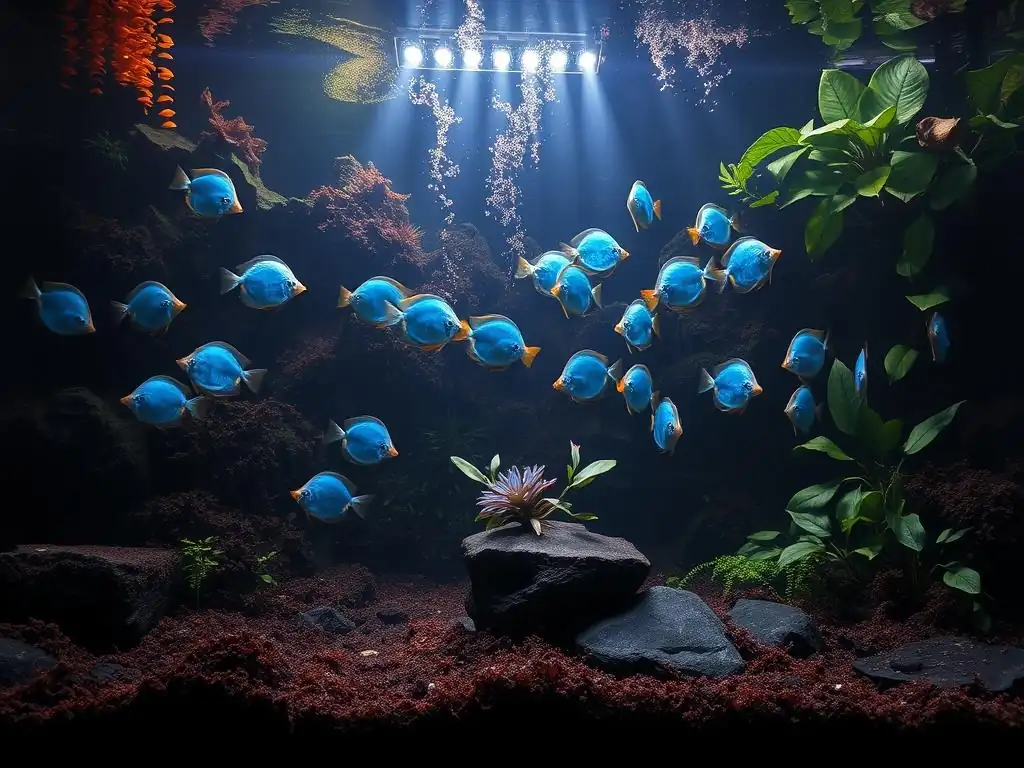
Welcome to Aquarium Mastery!
Ever wondered how to unlock the vibrant colors and thriving health of your Discus fish? This article dives deep into the fascinating world of recreating their natural habitat, starting with the secrets of Discus aquarium water chemistry setup. Discover how peat moss and blackwater extracts can transform your tank into a slice of the Amazon, and learn the essential steps to maintaining perfect water parameters. Ready to unlock the full potential of your Discus aquarium? Let's dive in!
- Recreating Natural Discus Habitats: Peat & Blackwater
- Water Chemistry's Importance for Discus
- Peat Moss in Discus Aquariums
- Blackwater Extracts for Discus
- Optimal Discus Aquarium Water Chemistry
- Challenges and Solutions
- Alternative Methods for Ideal Water Chemistry
- Long-Term Benefits
-
Frequently Asked Questions
- How does peat moss affect Discus aquarium water chemistry?
- What are the benefits of using blackwater extracts in a Discus aquarium?
- What water parameters are ideal when setting up a Discus aquarium?
- How often should I perform water changes in a Discus aquarium with peat moss or blackwater extract?
- Can I use peat moss and blackwater extract together when setting up a Discus aquarium?
- Final Reflection: Embracing the Essence of the Amazon in Your Aquarium
- Unleash Your Inner Biotope Designer!
Recreating Natural Discus Habitats: Peat & Blackwater
Water Chemistry's Importance for Discus
Specific Water Parameter Needs of Discus
Discus, often hailed as the "King of the Aquarium," are highly sensitive to their aquatic environment, particularly water chemistry. Originating from the Amazon River basin, these cichlids thrive in very specific conditions. Ideal parameters for a healthy Discus aquarium water chemistry setup include a pH range of 5.5 to 6.5, a general hardness (GH) between 1 and 5 dGH (degrees of general hardness), and a carbonate hardness (KH) of 0 to 3 dKH. The water temperature should consistently remain between 82-86°F (28-30°C).
Maintaining these precise parameters is crucial for the Discus's physiological well-being. Deviations can lead to chronic stress, weakened immune systems, and susceptibility to diseases such as Hole-in-the-Head or bacterial infections. Stable, soft, and acidic water mimics their natural habitat, promoting vibrant coloration, active swimming, and overall robust health, which is essential for any successful Discus aquarium water chemistry setup.
Replicating the Amazonian Environment
The natural habitats of Discus in the Amazon are characterized by "blackwater" conditions. These waters, often found in slow-moving tributaries and floodplains, are stained dark by humic substances and tannins released from decaying plant matter, such as leaves and wood. This organic decomposition results in water that is exceptionally soft, acidic, and low in mineral content.
Replicating these specific blackwater conditions in a Discus aquarium is paramount for their long-term health and breeding success. The unique chemical composition of blackwater reduces stress, enhances the fish's natural defense mechanisms, and encourages natural behaviors like schooling, foraging, and spawning. By carefully managing the Discus aquarium water chemistry setup to mimic these conditions, aquarists can significantly improve their Discus's vitality and longevity.
Peat Moss in Discus Aquariums
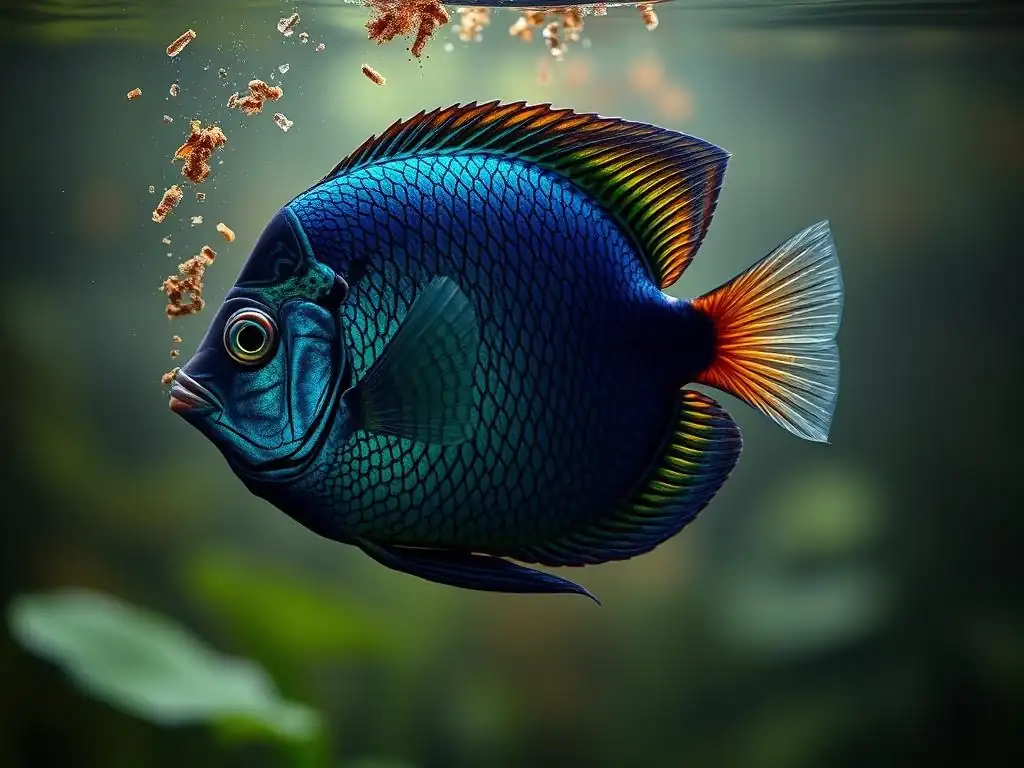
Peat Moss: Benefits for Discus
Peat moss is a natural, organic material widely used by aquarists to create soft, acidic water conditions, essential for a proper Discus aquarium water chemistry setup. When introduced into an aquarium, peat moss slowly releases humic acids, fulvic acids, and tannins. These compounds have several beneficial effects on Discus, including stimulating the development of a protective slime coat, which acts as a barrier against external parasites and bacterial infections.
Beyond its direct health benefits, peat moss helps to mimic the natural Amazonian environment, reducing stress in Discus. The tannins released give the water a characteristic tea-stained appearance, which is not only aesthetically pleasing for a naturalistic setup but also helps to diffuse light, creating a calmer environment for these often shy fish. This natural approach contributes significantly to a stable and healthy Discus aquarium water chemistry setup.
Lowering pH and Softening Water
The primary chemical action of peat moss in an aquarium is its ability to lower both pH and water hardness (GH and KH). Humic acids released by the peat act as natural ion exchangers, binding with calcium and magnesium ions that contribute to water hardness. This process effectively softens the water. Simultaneously, these acids consume carbonate alkalinity (KH), which is the water's buffering capacity.
As the KH is reduced, the water's ability to resist pH changes diminishes, allowing the pH to naturally drop into the acidic range suitable for Discus. For instance, in an aquarium with an initial KH of 4 dKH, adding peat moss can typically lower the pH by 0.5 to 1.0 units over several days, while reducing the KH to near zero. This gradual and natural pH reduction is far safer for Discus than chemical pH adjusters, making it a cornerstone for an effective Discus aquarium water chemistry setup.
Safe and Effective Peat Moss Use
Choosing Peat Moss for Aquariums
When selecting peat moss for your Discus aquarium water chemistry setup, it is crucial to choose horticultural-grade sphagnum peat moss that is 100% natural and free of any additives. Many commercial peat products contain fertilizers, pesticides, or wetting agents, which are highly toxic to fish and invertebrates. Look for products specifically labeled for aquarium use or ensure the packaging explicitly states "pure sphagnum peat moss" with no added chemicals.
Before use, it's advisable to thoroughly rinse the peat moss under running water. This step helps to remove fine particles and excess dust that could cloud the aquarium water initially. Rinsing also helps to pre-leach some of the initial, more concentrated tannins, allowing for a more controlled release into the tank.
Introducing Peat Moss
Introducing peat moss to your Discus aquarium should always be a gradual process to avoid sudden shifts in water parameters, which can be detrimental to your fish. It's recommended to start with a small amount and observe the changes in pH, KH, and GH over several days before adding more. This allows the fish to acclimate slowly to the changing conditions.
Peat Moss in Filter Media Bags
One of the most common and convenient methods for incorporating peat moss into a Discus aquarium water chemistry setup is by placing it inside a fine-mesh media bag. This bag can then be positioned within the aquarium's filter system, such as a canister filter, hang-on-back filter, or even a sumped filter chamber. Placing it in the filter ensures that water flows consistently through the peat, facilitating the release of humic substances and tannins.
Using filter media bags also allows for easy removal or replacement of the peat moss, providing excellent control over its effect on water parameters. For a 100-gallon Discus tank, starting with approximately 1-2 cups of peat moss in a filter bag is a good initial measure, with adjustments made based on daily water test results. This method is effective for maintaining consistent blackwater conditions.
Peat Moss in a Reactor
For aquarists seeking more precise control over the release of humic substances and a cleaner aesthetic, using a dedicated media reactor for peat moss is an advanced option. A media reactor is a specialized chamber through which aquarium water is pumped, ensuring optimal contact with the peat moss before returning to the main tank. This method can lead to a more efficient and consistent release of beneficial compounds compared to passive placement in a filter.
Reactors minimize the presence of peat particles in the tank and allow for easy adjustment of flow rates, which can influence the rate of pH and hardness reduction. While requiring an additional piece of equipment, a reactor offers superior control over the Discus aquarium water chemistry setup, making it ideal for maintaining very specific and stable blackwater conditions.
Monitoring Water Parameters
Regular and diligent monitoring of water parameters is absolutely critical when using peat moss in a Discus aquarium water chemistry setup. As peat moss works to lower pH and soften water, these changes need to be carefully tracked to prevent drastic or rapid shifts that could stress or harm your Discus. Daily testing of pH, KH (carbonate hardness), and GH (general hardness) is recommended, especially during the initial introduction phase or after adding new peat.
Liquid test kits provide the most accurate readings compared to test strips. By recording your daily results, you can observe trends and adjust the amount of peat moss accordingly. If the pH drops too rapidly, or KH becomes too low, a partial water change with slightly harder water can help stabilize parameters. Conversely, if the desired parameters are not met, a small increase in peat moss can be considered. Consistency in monitoring ensures a stable and healthy environment.
Blackwater Extracts for Discus
Blackwater Extracts: Composition
Blackwater extracts are concentrated liquid solutions designed to replicate the chemical benefits of natural blackwater environments. These extracts are typically derived from natural sources rich in humic substances, such as peat, catappa (Indian almond) leaves, alder cones, and various barks. The primary active components are humic acids, fulvic acids, and tannins.
These compounds are responsible for the characteristic tea-stained appearance of blackwater and, more importantly, for their beneficial effects on water chemistry and fish health. Unlike raw peat moss, which releases compounds slowly, blackwater extracts provide an immediate dose of these beneficial substances, making them a convenient option for quickly establishing or fine-tuning a Discus aquarium water chemistry setup.
Benefits of Blackwater Extracts
Enhancing Coloration and Vitality
One of the most striking benefits of using blackwater extracts in a Discus aquarium water chemistry setup is their ability to enhance the fish's natural coloration and overall vitality. The presence of tannins and humic acids helps to reduce stress in Discus, which in turn allows their true, vibrant colors to emerge. Stressed Discus often display duller hues or vertical stress bars; blackwater conditions alleviate this.
Furthermore, the compounds in blackwater extracts are believed to boost the Discus's immune system and promote a healthy slime coat, leading to more active and robust fish. Aquarists often report that Discus kept in blackwater conditions exhibit more natural behaviors, including increased foraging and social interaction, confirming their improved well-being.
Promoting Breeding
Blackwater extracts play a significant role in promoting breeding success for Discus. The soft, acidic water conditions, coupled with the presence of humic substances, closely mimic the natural spawning triggers found in their Amazonian habitats. Many breeders find that the introduction of blackwater extracts can encourage reluctant pairs to spawn.
The specific chemical cues provided by these extracts are thought to signal a favorable environment for egg development and fry survival. Anecdotal evidence from experienced Discus breeders suggests that maintaining a consistent Discus aquarium water chemistry setup with blackwater extracts can lead to a 20-30% increase in successful spawning attempts and higher fry survival rates, compared to setups without such conditions.
Selecting and Using Blackwater Extracts
Determining Dosage
When using blackwater extracts for your Discus aquarium water chemistry setup, it is crucial to follow the manufacturer's recommended dosage as a starting point. However, due to variations in source water and desired parameters, it's often best to begin with a lower dose—for example, 50-75% of the suggested amount—and gradually increase it over several days while meticulously monitoring your water parameters. For a typical 50-gallon Discus tank, an initial dose might be 5-10 ml, adjusted based on daily pH and KH readings.
Consistent monitoring with reliable liquid test kits is essential to ensure you achieve the desired pH and softness without causing rapid or extreme fluctuations. The goal is to create stable conditions, not just specific numbers. Always add extracts slowly, ideally in a high-flow area of the tank or during a water change, to ensure even distribution.
Combining with Peat Moss
Blackwater extracts and peat moss can be effectively used in combination within a Discus aquarium water chemistry setup, offering a synergistic approach to replicating natural conditions. Peat moss provides a long-term, stable release of humic substances, acting as a foundational element for maintaining soft, acidic water. Blackwater extracts, on the other hand, offer an immediate boost or can be used for fine-tuning parameters and quickly enriching the water after a water change.
This combination allows for greater control: use peat for continuous conditioning and extracts to achieve a desired tint or to provide an extra dose of beneficial compounds before spawning. However, caution must be exercised to prevent over-softening the water or causing the pH to drop too low too quickly, as this can be detrimental to Discus health. Regular testing is paramount to safely manage both methods concurrently.
Optimal Discus Aquarium Water Chemistry
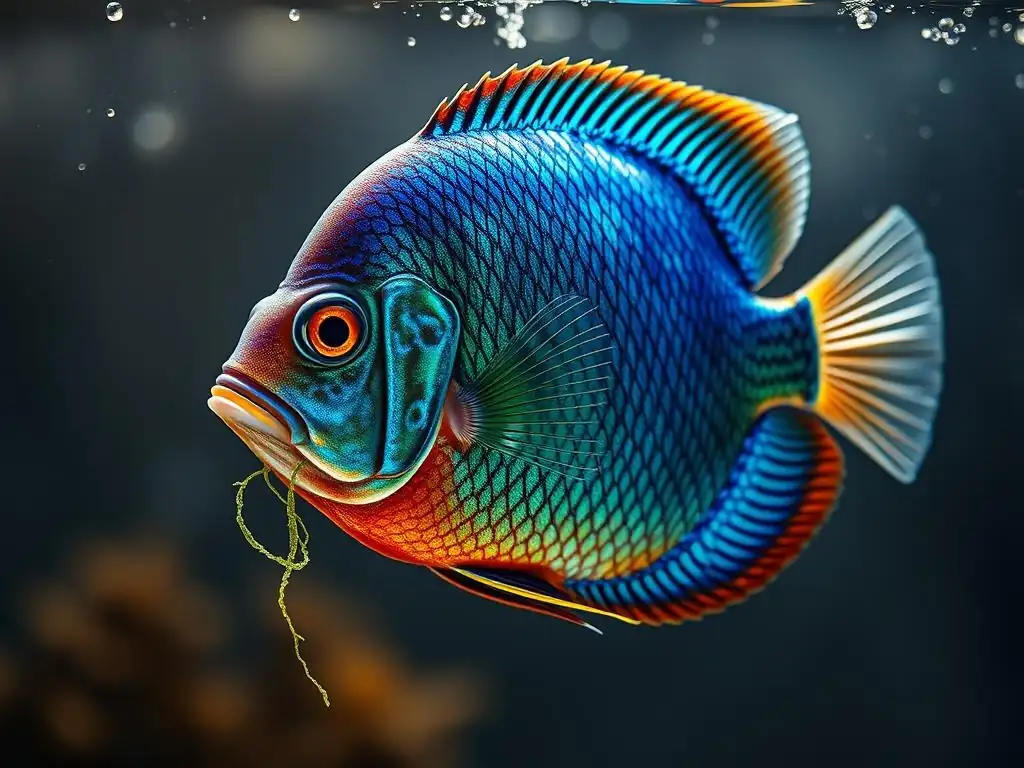
Step-by-Step Guide: Blackwater Conditions
Achieving optimal blackwater conditions for your Discus aquarium water chemistry setup involves a methodical approach. First, consider starting with Reverse Osmosis (RO) water, which is essentially pure H2O, free of minerals and contaminants. This provides a blank slate. Second, remineralize the RO water using a Discus-specific remineralizer to achieve the desired General Hardness (GH) while keeping Carbonate Hardness (KH) low, typically 1-3 dGH and 0-1 dKH respectively.
Once the base water is prepared, introduce a small amount of peat moss in a filter bag or reactor. Monitor the pH daily. As the pH slowly drops, typically over 3-7 days, you can begin to add blackwater extracts in small, measured doses to achieve the desired tint and further stabilize the beneficial humic substances. Regular water changes (e.g., 25-30% weekly) with pre-prepared blackwater ensure consistency and prevent parameter drift.
Stable Water Parameters
While specific target numbers for pH, GH, and KH are important, the stability of these parameters is even more critical for the health and well-being of Discus. Rapid fluctuations in pH, even within the ideal range, can cause severe stress, weaken the immune system, and lead to disease outbreaks. Discus are highly sensitive to sudden changes, often reacting with clamping fins, darkened coloration, and erratic swimming.
Therefore, the goal of any Discus aquarium water chemistry setup should be to establish and maintain consistent parameters rather than constantly chasing ideal numbers. This means avoiding large, infrequent water changes with water of significantly different chemistry, and instead opting for smaller, more frequent changes with pre-conditioned water. A stable environment reduces stress, allowing Discus to thrive and display their full potential.
Monitoring and Adjusting pH, KH, and GH
Using Test Kits
Accurate and consistent monitoring of pH, KH, and GH is the cornerstone of a successful Discus aquarium water chemistry setup. Reliable liquid test kits are indispensable tools for this purpose, providing precise readings that allow aquarists to track changes and make informed adjustments. While test strips offer convenience, their accuracy can be inconsistent, making them less suitable for the sensitive needs of Discus.
It is recommended to test pH, KH, and GH at least once a week in an established tank, and daily during the initial setup phase or whenever adjustments are made using peat moss or blackwater extracts. Recording these results in a logbook helps to identify trends and ensure that the water parameters remain within the ideal range for Discus, preventing potential health issues arising from instability.
Water Change Strategies
Strategic water changes are fundamental to maintaining optimal Discus aquarium water chemistry setup. Regular partial water changes (e.g., 25-50% weekly) are essential for removing accumulated nitrates and other waste products that can be detrimental to Discus health. These changes also help to replenish trace elements and beneficial humic substances that may be consumed or broken down over time.
Crucially, the new water introduced during a water change must be pre-treated to match the tank's existing parameters as closely as possible. This means adjusting its temperature, pH, GH, and KH to minimize stress on the fish. Using a dedicated water aging barrel or container allows for this pre-treatment, ensuring that the Discus experience minimal shock during the process, contributing to overall stability and health.
Challenges and Solutions
Dealing with pH Fluctuations
Despite best efforts, pH fluctuations can still occur in a Discus aquarium water chemistry setup, particularly in very soft water with low KH, which offers little buffering capacity. Sudden drops or spikes in pH are highly stressful for Discus. One common cause is the depletion of the already low KH by biological processes or the continued action of peat moss.
To mitigate pH fluctuations, ensure there is a minimal, but stable, amount of KH (e.g., 0.5-1 dKH) if using RO water and remineralizers. Small, frequent water changes with pre-matched water are preferable to large, infrequent ones. If a sudden drop occurs, avoid drastic chemical pH adjusters. Instead, use a very small amount of a pH-increasing buffer designed for soft water, or perform a small water change with slightly higher KH water, very gradually, over several hours.
Addressing Tannin Staining
The use of peat moss and blackwater extracts, while beneficial for Discus health, inevitably leads to tannin staining, giving the water a tea-colored appearance. While this is natural and desired by many for a true blackwater Discus aquarium water chemistry setup, some aquarists may find the intense coloration aesthetically unappealing.
If the staining becomes too pronounced for your preference, there are a few solutions. Activated carbon is highly effective at removing tannins, but be aware that it will also remove some of the beneficial humic acids. Use it sparingly or intermittently if you wish to retain some blackwater benefits. More frequent, small water changes can also help dilute the tannins. Ultimately, embracing the natural, stained look is often the simplest and most beneficial approach for the Discus themselves.
Preventing Algae Blooms
While blackwater conditions are generally less prone to certain types of algae due to lower light penetration (from tannins) and lower pH, algae blooms can still occur in a Discus aquarium water chemistry setup. Common causes include overfeeding, excessive lighting duration, or insufficient water changes leading to high nutrient levels (especially nitrates and phosphates).
To prevent algae, maintain excellent husbandry practices: feed your Discus high-quality food in appropriate amounts, ensuring no excess food decays in the tank. Limit lighting duration to 8-10 hours per day. Regular and consistent partial water changes are paramount for removing nutrients that fuel algae growth. The slightly acidic and tannin-rich water itself helps inhibit some algae species by creating an environment less favorable for their proliferation.
Alternative Methods for Ideal Water Chemistry
RO Water and Remineralization
For aquarists seeking ultimate control over their Discus aquarium water chemistry setup, Reverse Osmosis (RO) water combined with remineralization is a highly effective method. RO units filter tap water, removing virtually all dissolved solids, minerals, and contaminants, resulting in water that is almost pure H2O. This "blank slate" water allows the aquarist to precisely build the desired water parameters from scratch.
After obtaining RO water, specific aquarium remineralizers are added to achieve the target General Hardness (GH) and introduce essential trace elements vital for Discus health. These remineralizers are formulated to add minerals without significantly impacting Carbonate Hardness (KH) or pH, allowing for separate control of these parameters. This method ensures consistent and reproducible water conditions, minimizing the risk of fluctuating parameters.
Using Buffers
While natural methods like peat moss and blackwater extracts are generally preferred for establishing Discus aquarium water chemistry setup, commercial buffers can be used as an alternative or supplementary tool, especially for fine-tuning or correcting parameters. These buffers are chemical compounds designed to stabilize pH and/or increase KH (alkalinity) or GH.
For Discus, buffers that maintain a low pH and low KH are most appropriate. However, caution is advised: using buffers incorrectly or too rapidly can cause sudden, dangerous shifts in pH. It's generally safer to rely on natural methods for long-term stability and use buffers only when necessary, in small, carefully measured doses, and always with diligent water parameter monitoring. Understanding the specific buffer's action (e.g., whether it affects KH or just pH) is crucial for safe application.
Long-Term Benefits
Improved Health and Longevity
The meticulous effort invested in maintaining an optimal Discus aquarium water chemistry setup yields significant long-term benefits for the fish's health and longevity. When Discus are kept in stable, soft, and acidic blackwater conditions that closely mimic their natural habitat, their stress levels are dramatically reduced. This leads to a stronger immune system, making them far less susceptible to common diseases and infections.
Healthy Discus exhibit robust appetites, vibrant coloration, and active swimming, signifying their well-being. With consistent care and ideal water parameters, Discus can live for 10 years or even longer, far exceeding the lifespan observed in suboptimal conditions. This prolonged lifespan is a direct testament to the positive impact of a carefully managed aquatic environment.
Encouraging Natural Behaviors
A well-established Discus aquarium water chemistry setup that replicates blackwater conditions goes beyond mere survival; it actively encourages the exhibition of natural behaviors. In a stress-free environment, Discus are more likely to display their intricate social hierarchies, school together, and engage in natural foraging activities. Their often shy nature diminishes, allowing them to become more outgoing and interactive.
Furthermore, the soft, acidic water and presence of humic substances are powerful triggers for spawning. Discus pairs are more inclined to breed successfully, lay viable eggs, and care for their fry in conditions that mirror their ancestral waters. This naturalistic approach fosters a thriving ecosystem where Discus can truly flourish and behave as they would in the wild.
A Thriving Discus Ecosystem
Ultimately, the goal of meticulously managing Discus aquarium water chemistry setup with peat moss and blackwater extracts is to create a self-sustaining, thriving ecosystem. This holistic approach ensures that every aspect of the water environment contributes to the Discus's well-being, from reducing stress and boosting immunity to promoting natural behaviors and successful breeding.
A thriving Discus ecosystem is characterized by clear, stable water parameters, healthy plant growth (if applicable), and active, vibrant fish. It is a testament to the aquarist's dedication and understanding of these magnificent cichlids. By consistently providing conditions that mirror their natural Amazonian homes, aquarists can enjoy the beauty and complexity of a truly harmonious Discus display for many years.
Frequently Asked Questions
How does peat moss affect Discus aquarium water chemistry?
Peat moss naturally lowers pH and softens the water, mimicking the conditions of a natural Discus habitat. It also releases tannins and humic acids, which provide beneficial properties.
What are the benefits of using blackwater extracts in a Discus aquarium?
Blackwater extracts contain humic substances that promote Discus health and coloration. They also contribute to a more natural and comfortable environment, reducing stress.
What water parameters are ideal when setting up a Discus aquarium?
Discus thrive in soft, acidic water, ideally with a pH between 6.0 and 7.0 and a KH (carbonate hardness) below 4 dKH. Consistent water parameters are crucial for their well-being.
How often should I perform water changes in a Discus aquarium with peat moss or blackwater extract?
Regular water changes are still necessary, even with peat moss or blackwater extract. Aim for 10-20% water changes weekly, monitoring water parameters closely.
Can I use peat moss and blackwater extract together when setting up a Discus aquarium?
Yes, you can, but with caution. Start with small amounts of each and monitor the water parameters carefully. Gradual adjustments are always best to avoid shocking the fish.
Final Reflection: Embracing the Essence of the Amazon in Your Aquarium
The journey into understanding and replicating the natural habitats of Discus, as we've explored, is not merely about mimicking water parameters; it's about recreating an ecosystem within the confines of glass. The meticulous attention to detail, from peat moss to blackwater extracts, underscores the profound impact that seemingly minor adjustments can have on the health and well-being of these magnificent fish. This pursuit of authenticity resonates deeply in a world increasingly disconnected from the natural world.
This exploration has highlighted how deeply intertwined the well-being of our aquatic companions is with the delicate balance of their natural environment. Understanding and respecting this connection is not just good aquascaping, it's a responsibility we undertake when we bring these creatures into our homes. In nature, nothing exists alone.
- Rachel Carson. This quote perfectly encapsulates the interconnectedness of the Discus's environment and emphasizes the importance of holistic approaches to aquarium keeping.
As you consider your own Discus aquarium water chemistry setup, I urge you to look beyond the numbers and embrace the spirit of the Amazon. Let the principles of natural replication guide your choices, fostering an environment where your Discus can truly thrive. By understanding and respecting the delicate balance of their natural habitat, you not only enhance their lives but also deepen your own connection to the wonders of the aquatic world.
Unleash Your Inner Biotope Designer!
Thanks for diving deep into the world of peat moss and blackwater extracts! We hope you've gained a fresh perspective on recreating natural habitats for your discus. Now, let's put that knowledge into action.
Here are a few ways to transform your aquarium:
- Start Small, See Big: Begin with a small addition of blackwater extract to one of your aquariums and carefully monitor the water parameters and the behavior of your fish. This cautious approach allows you to observe the effects and adjust accordingly.
- Share your creations: Post pictures of your newly transformed tank on Instagram and tag @AquariumMastery for a chance to be featured.
- Explore other natural approaches: Take some time to discover some alternative natural ingredients to help your discus thrive.
What's one blackwater element are you most excited to introduce into your aquarium ecosystem, and why?